
Natural form
Whole fresh tilapia and bayad catfish displayed side by side on neutral background.
Shows the reader how to recognize each species in its unprocessed market form, contrasting tilapia's oval compressed body and bayad's elongated catfish silhouette.
Proteins
Nile Fish (Tilapia / Bayad)
Freshwater fish from the Nile such as tilapia and bayad catfish, grilled or fried.
Nile fish refers to freshwater species from the Nile River like tilapia and bayad catfish, staples in Egyptian and East African cooking. They are typically grilled whole, fried, or stewed with tomato and spices. The flesh is mild and white, taking well to garlic, cumin and chili marinades.
Nile fish encompasses two distinct freshwater species native to the Nile River basin: the beloved tilapia and the lesser-known but highly regarded bayad catfish. Tilapia—particularly the Nile tilapia (Oreochromis niloticus)—has been cultivated since ancient Egyptian times, appearing in tomb paintings as a symbol of life and abundance. It is now one of the most widely farmed fish globally, while the bayad (Bagrus bayad) remains primarily a wild-caught species prized in Egyptian and Sudanese markets. In Egyptian cuisine, simply called "samak" without further qualification, this fish is a dietary cornerstone, prepared with the same respect that other cultures reserve for salmon or sea bass.
Tilapia offers mild, sweet, clean-tasting white flesh that flakes gently when cooked—a blank canvas for bold seasonings or a subtle backdrop for delicate preparations. Its leanness makes it quick-cooking but also forgiving only within narrow margins. Bayad presents a different proposition: darker, firmer flesh with a pronounced savory character and excellent structural integrity. It holds together through long braises and aggressive heat where tilapia would crumble, delivering a more assertive freshwater fish taste that stands up to heavy spice pastes and slow-cooked stews.
In international markets outside Africa, virtually all "Nile fish" sold is tilapia; true bayad is rarely exported and must be sought at specialty African or Middle Eastern markets. Both fish are excellent sources of lean protein with low fat content, making them versatile and accessible proteins when handled with appropriate technique.
- Measured in
- g
- Storage
- Fridge
Allergens
Types & varieties
The original cultivated species; mild white flesh with vertical dark bars on live fish; fastest-growing cultured tilapia worldwide
Hardier in cooler waters; slightly sweeter, firmer flesh than Nile tilapia; good alternative when available
More disease-resistant strain; wild specimens develop a darker, muddier flavor; farmed versions are milder
Large African catfish with dark gray skin and white flesh; firm texture ideal for grilling and stews; pronounced umami character
Common uses
Tips & pitfalls
- Score whole grilled fish deeply down to the bone at 1-inch intervals so seasonings penetrate and heat distributes evenly throughout
- Tilapia fillets are thin—cook them quickly over high heat or they turn dry and cottony; 3–4 minutes per side maximum for fillets under 1/2 inch thick
- When frying whole tilapia, bring oil to 350°F and do not crowd the pan; dropping temperature causes sticking and soggy skin
- Bayad has stronger flavor than tilapia—scale back additional fishy seasonings and let the meat's natural savoriness stand out
- When buying whole fish, check for clear, bright eyes (not cloudy or sunken) and bright red or pink gills—these are reliable indicators of freshness
- For bayad, locate and remove the dark blood line running along the spine before cooking to eliminate any muddy river taste
- Pat tilapia completely dry with paper towels before searing; moisture on the surface steams rather than browns and you'll lose the Maillard crust
- Tilapia absorbs marinades rapidly—15–20 minutes is sufficient; longer than 30 minutes risks a mushy, over-processed texture
- Frozen tilapia often has a softer, waterier texture; thaw slowly in the refrigerator overnight for best results when quality matters
- In Egyptian tradition, bayad is often marinated in lemon juice and salt for 30 minutes before cooking—this firms the flesh and brightens flavor
Nutrition
Energy
519 kJ · per 100 g
Where the calories come from
Protein
20g
40% DV
Carbs
0g
0% DV
Fat
4.2g
5% DV
Fiber
0g
0% DV
Sodium
60mg
3% DV
Source · USDA FoodData Central · approx. Fish, bluefish, raw
View on FDC →In the shops
Matched grocery products
No matched grocery products for Nile Fish (Tilapia / Bayad) yet.
Good to know
- Scientific Names
- Tilapia: Oreochromis niloticus (Nile tilapia), various Oreochromis spp.; Bayad: Bagrus bayad
- Origin
- Nile River basin, Egypt and East Africa; tilapia now farmed worldwide
- Flavor
- Tilapia: mild, sweet, clean white flesh; Bayad: firmer, darker flesh, pronounced savory flavor
- Texture
- Tilapia: lean, flaky when cooked; Bayad: meaty, holds together well through long cooking
- Typical Weight
- Farm-raised tilapia: 1–2 lbs; wild bayad can reach 10+ lbs
- Shelf Life
- 1–2 days refrigerated on ice; up to 6 months frozen at 0°F
- Yield
- Whole fish: ~45% edible; fillets: ~30% yield
- Sustainability
- BAP-certified tilapia farms are sustainable; bayad primarily wild-caught
Substitutes
- Asian Catfish (Basa, Swai, Pangasius) — Similar mild flavor and comparable texture; widely available and affordable; best substitute when bayad is unavailable
- Mild Ocean White Fish (Cod, Haddock, Flounder) — Good substitute for tilapia in most preparations; avoid substituting for bayad in recipes requiring firm texture for braising or grilling
- Freshwater Perch or Walleye — Similar flake and mildness to tilapia; better option than ocean fish for freshwater-specific preparations
- Carp — Viable substitute for bayad—firm, dark-fleshed freshwater fish with similar cooking properties but notably stronger flavor
Pairs with
Also called
Bayad · Nile Tilapia
Appears in these dishes
Related
Egg
The kitchen's everything ingredient — bind, leaven, enrich, or fry
Chicken Breast
Lean, quick-cooking white meat for everyday dinners

Ground Beef
Versatile minced beef for burgers, ragù, tacos, and meatballs
Pork Loin
Lean, tender roasting cut that stays juicy with care
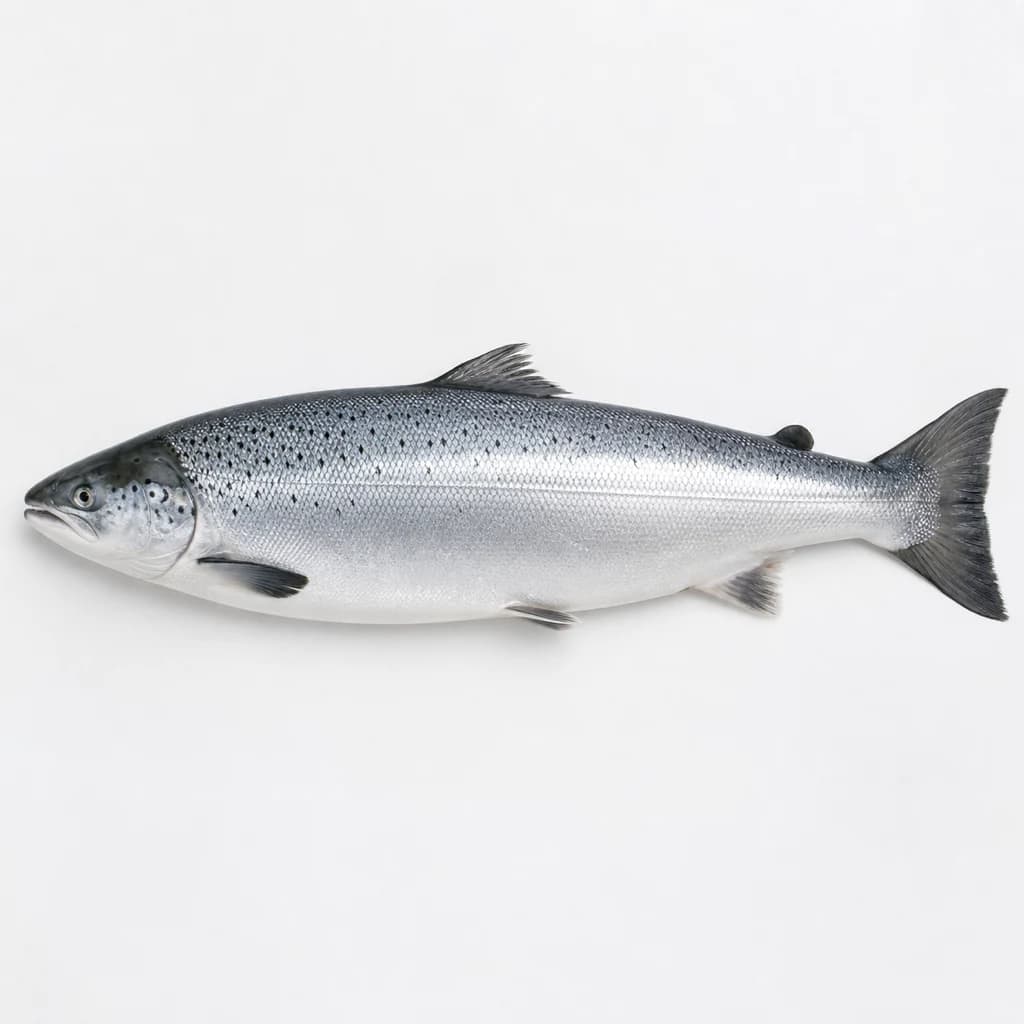
Salmon
Rich, rosy fish that roasts, grills, or cures beautifully

Egg White
Pure protein that whips to airy peaks for meringue and more
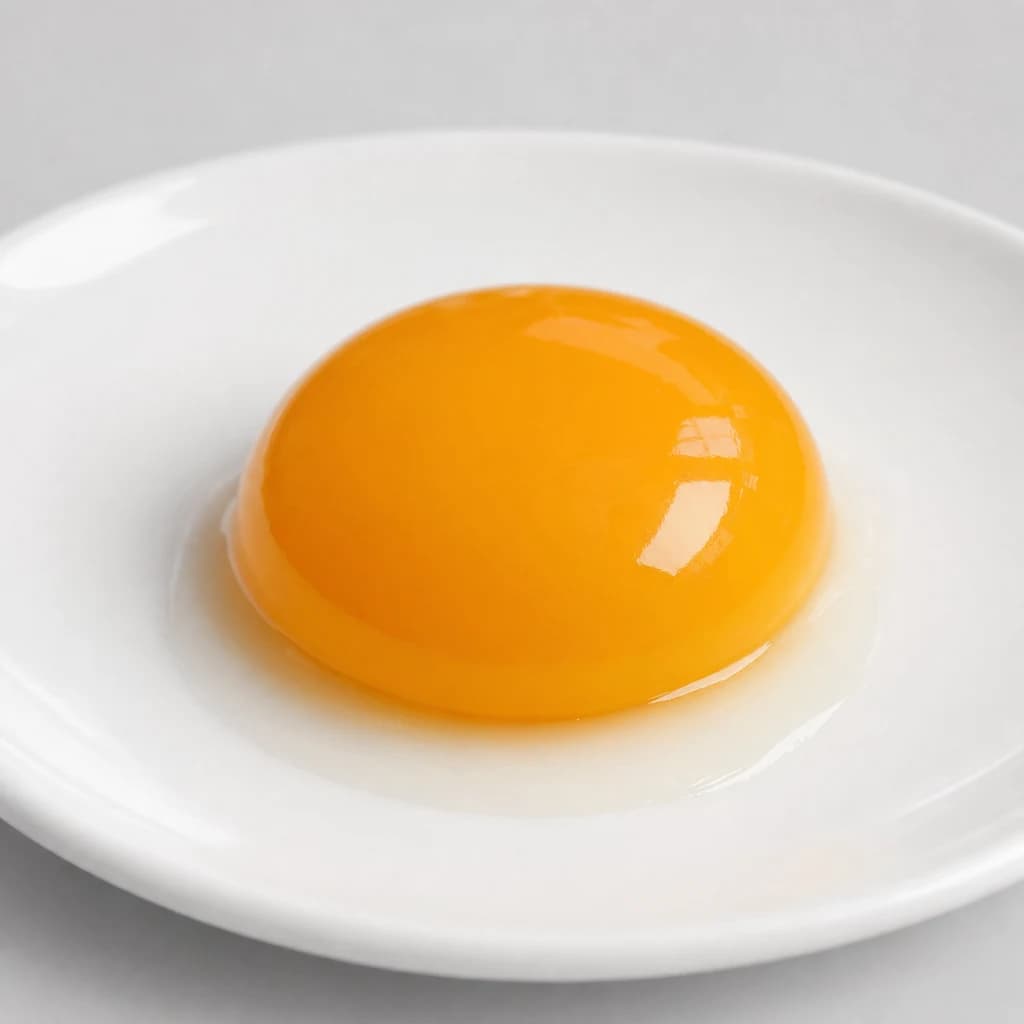
Egg Yolk
Rich, golden yolk for custards, mayonnaise, and pasta

Quail Egg
Tiny, speckled eggs for garnishing and elegant bites