
Natural form
A whole wheel of Njeguši cheese shows its firm, pale rind formed during mountain-air maturation.
Shows the cheese in its intact, recognizable wheel form so readers understand its size, shape, and aged exterior.
Dairy & Eggs
Njeguši Cheese (Njeguški Sir)
Montenegrin mountain cheese, firm and salty, often paired with the region's air-dried prosciutto.
Njeguši cheese (njeguški sir) is a hard, salty cow's- or sheep-milk cheese from the village of Njeguši in Montenegro, matured in the dry mountain air. It has a firm, crumbly body and a robust savory flavor. It is traditionally served sliced alongside Njeguši prosciutto as a meze.
Njeguški Sir is a traditional hard cheese produced in the village of Njeguši on the slopes of Mount Lovćen in southeastern Montenegro. Made primarily from sheep's milk with occasional goat's milk additions, it embodies the karst region's distinctive terroir—goats and sheep graze on highland pastures rich with wild herbs and grasses that translate directly into the milk's complex flavor. The cheese is crafted using traditional handmade methods with rennet coagulation, then aged to develop its characteristic firm texture and pronounced savoriness. Its production is deeply seasonal, tied to spring and summer milking periods when flocks are at their highest pastures, making each wheel a reflection of the mountain landscape's cycles. The same village that produces this celebrated cheese is also renowned for its air-dried prosciutto (pršut), and the two are often sold together as a unified regional product—paired on the table for generations in Montenegrin homes and taverns alike.
The cheese's dense, hard texture when aged presents both a practical challenge and a culinary opportunity. Its robust saltiness means that small shavings deliver significant impact, making it a finishing cheese as much as a cooking ingredient. When sliced paper-thin on a cheese board, it reveals a slightly granular interior that clings to the palate, releasing waves of tangy, savory flavor that linger. In cooked applications, it resists complete melting, instead holding its shape as pleasantly chewy pockets—a quality that distinguishes it from smoother, runnier substitutes. Authentic Njeguši cheese develops an edible natural rind during aging, a marker of traditional production rather than a flaw to be trimmed away. The intensity deepens noticeably over months of aging, so purchased cheese continues evolving in flavor as it rests in your refrigerator.
- Measured in
- g
- Storage
- Fridge
Allergens
Types & varieties
Younger, milder, softer texture; sold within weeks of production for gentle, fresh character
Harder, saltier, more pronounced flavor; aged several months for deep, concentrated taste
The Terroir of Lovćen Mountain
The karst landscape of southeastern Montenegro creates a unique environment where limestone peaks and high meadows produce distinctive pastoral flavors. Animals grazing on Lovćen consume wild thyme, juniper, and mountain grasses that leave their imprint on the milk. This is not metaphor but measurable flavor—the same principle that makes Alpine cheeses taste of the specific pastures where cows grazed. When you taste authentic Njeguši cheese, you are tasting a particular mountain's botanical identity.
- Seek authenticity from local producers or specialty importers rather than accepting generic 'Balkan cheese'
- Look for natural rind development—sign of proper aging rather than industrial processing
- Regional quality varies; village-sourced product bears the name most reliably
Understanding Salt Levels
Njeguši cheese is genuinely salty—intentionally so. This is not a cheese to snack on in large bites. The salt is both preservative and flavor agent, contributing to the cheese's long shelf life and its ability to stand up to hearty breads and cured meats. When cooking with it, account for this seasoning impact: dishes that would otherwise need salt may need none at all. When serving on a board, the cheese's intensity means a little goes far—a few shavings per person is appropriate portioning.
- Taste before adding additional salt to any dish using this cheese
- High salt content contributes to the cheese's keeping quality when properly wrapped
- If too salty for your taste as a snack, try it paired with sweet elements like honey or grilled figs
Common uses
Tips & pitfalls
- Bring to room temperature before serving—cold suppresses the aromatic compounds and subtle flavors that develop with age
- Use a sharp cheese plane or microplane for thin slicing; the dense texture resists even sharp knives and rewards the effort with delicate shavings
- Small shavings deliver more flavor impact than larger chunks—plan your portions accordingly
- Store wrapped in cheese paper (or waxed paper layered between parchment) in the refrigerator; properly wrapped, aged cheese keeps for several weeks
- In cooked dishes, add near the end of cooking to preserve the pleasant chewy texture rather than melting into obscurity
- The natural rind is edible—do not discard it when slicing
- Expect flavor to intensify further during storage; adjust seasoning in recipes if using cheese that's been aging at home
- Authentic product sourced from local producers or specialty importers will outperform generic substitutes for both flavor and character
Nutrition
Energy
1628 kJ · per 100 g
Where the calories come from
Protein
25.6g
51% DV
Carbs
1.6g
1% DV
Fat
31.1g
40% DV
Fiber
0g
0% DV
Sugars
1.6g
of which
Sodium
800mg
35% DV
Source · USDA FoodData Central · approx. Cheese, fontina
View on FDC →In the shops
Matched grocery products
No matched grocery products for Njeguši Cheese (Njeguški Sir) yet.
Good to know
- Origin
- Njeguši village, Lovćen mountain region, Montenegro (Karst landscape)
- Primary Milk
- Sheep's milk (occasionally blended with goat's milk)
- Texture
- Firm and dense when fresh; hard and slightly granular when aged
- Flavor
- Salty, robust, with pleasant tanginess that intensifies with aging
- Production Method
- Traditional handmade technique using rennet coagulation, artisanal process
- Aging Period
- Fresh: sold within weeks; Aged: several months minimum
- Traditional Pairing
- Njeguši prosciutto (pršut), dark bread, local honey, and walnuts
- Seasonality
- Production tied to spring and summer highland pasture periods
Substitutes
- Pecorino Romano — Closest match for intensity and saltiness; Italian sheep's milk cheese with similar sharpness and firm texture, widely available
- Manchego — Spanish sheep's milk cheese with comparable texture and nutty-salt flavor profile, excellent alternative when authentic Njeguši unavailable
- Vermont Cheddar (aged) — When sheep's milk cheese is unavailable, an aged cow's milk cheddar provides similar firmness and sharpness, though lacking the mountain terroir
- Kefalotyri — Greek Cypriot hard cheese made from sheep or goat milk, with comparable salty, firm character and excellent melting resistance
Pairs with
Also called
njeguši cheese · njegusi cheese · njeguški sir
Related

Whole Milk
Rich, full-fat milk for drinking, coffee, sauces, and baking
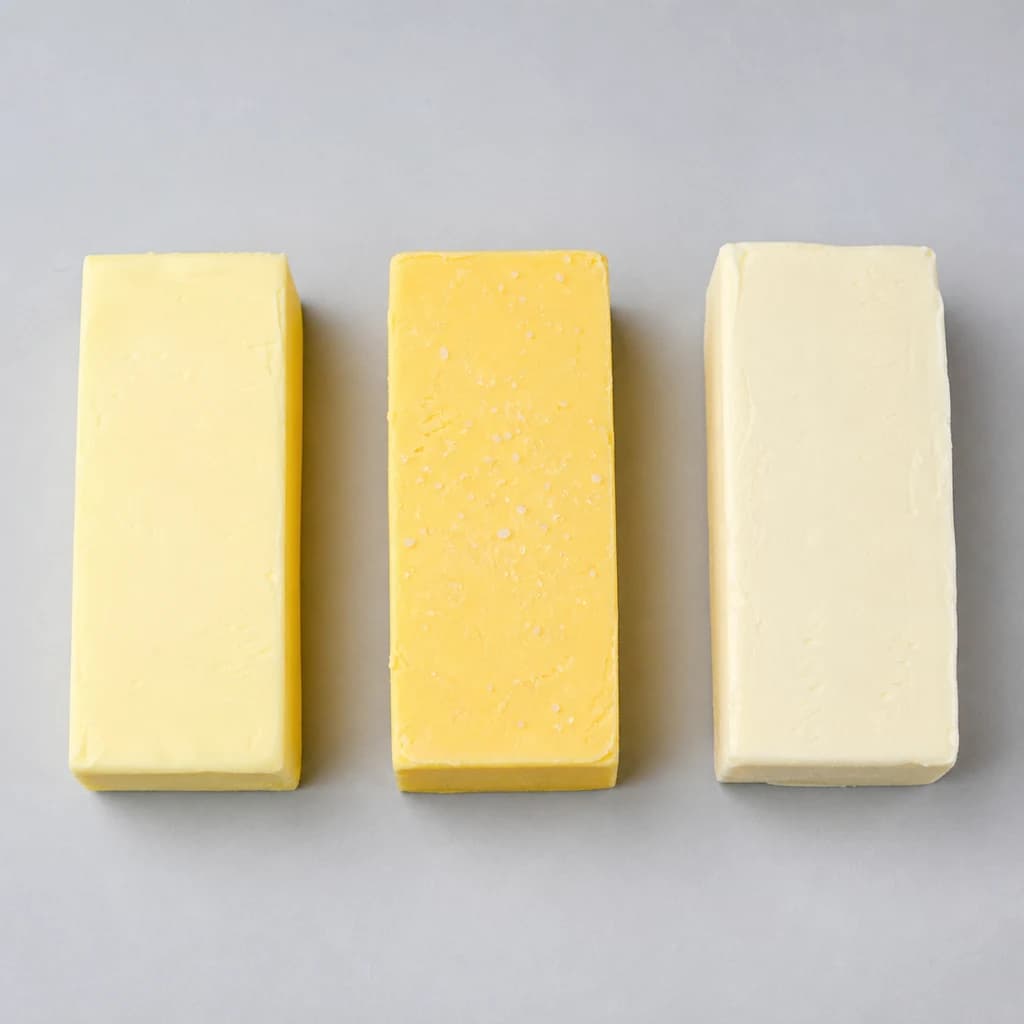
Butter
Golden fat for searing, baking, and finishing a sauce
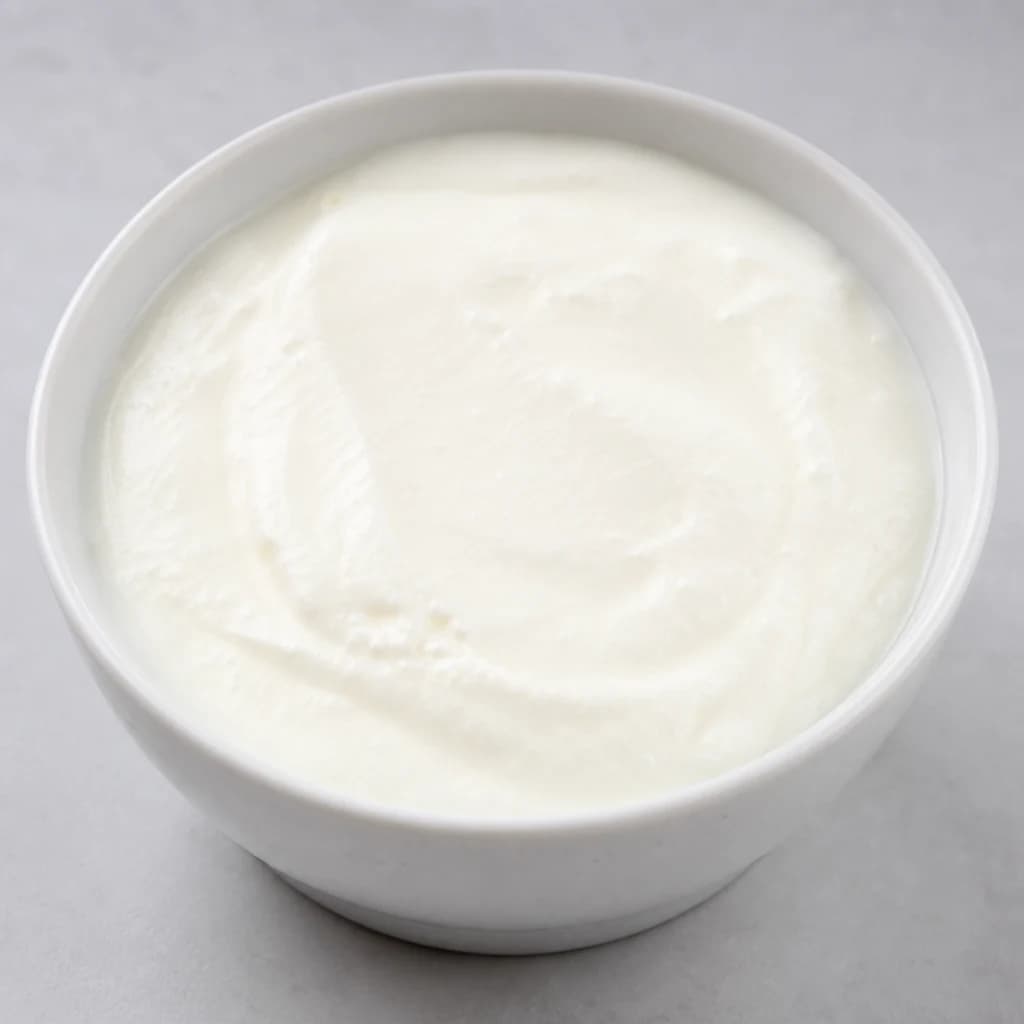
Yogurt
Tangy, creamy culture for breakfast, sauces, and marinades
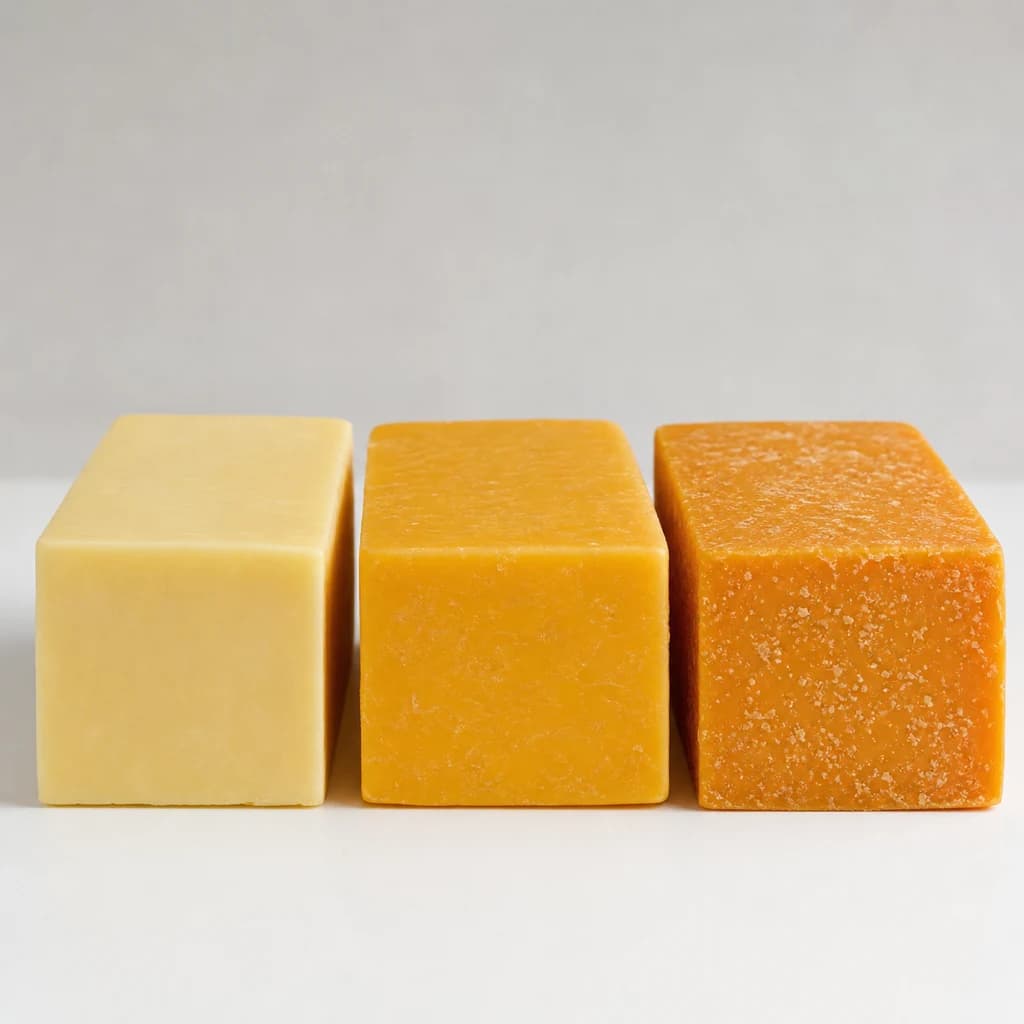
Cheddar Cheese
Sharp, melty cheese for sandwiches, gratins, and grating
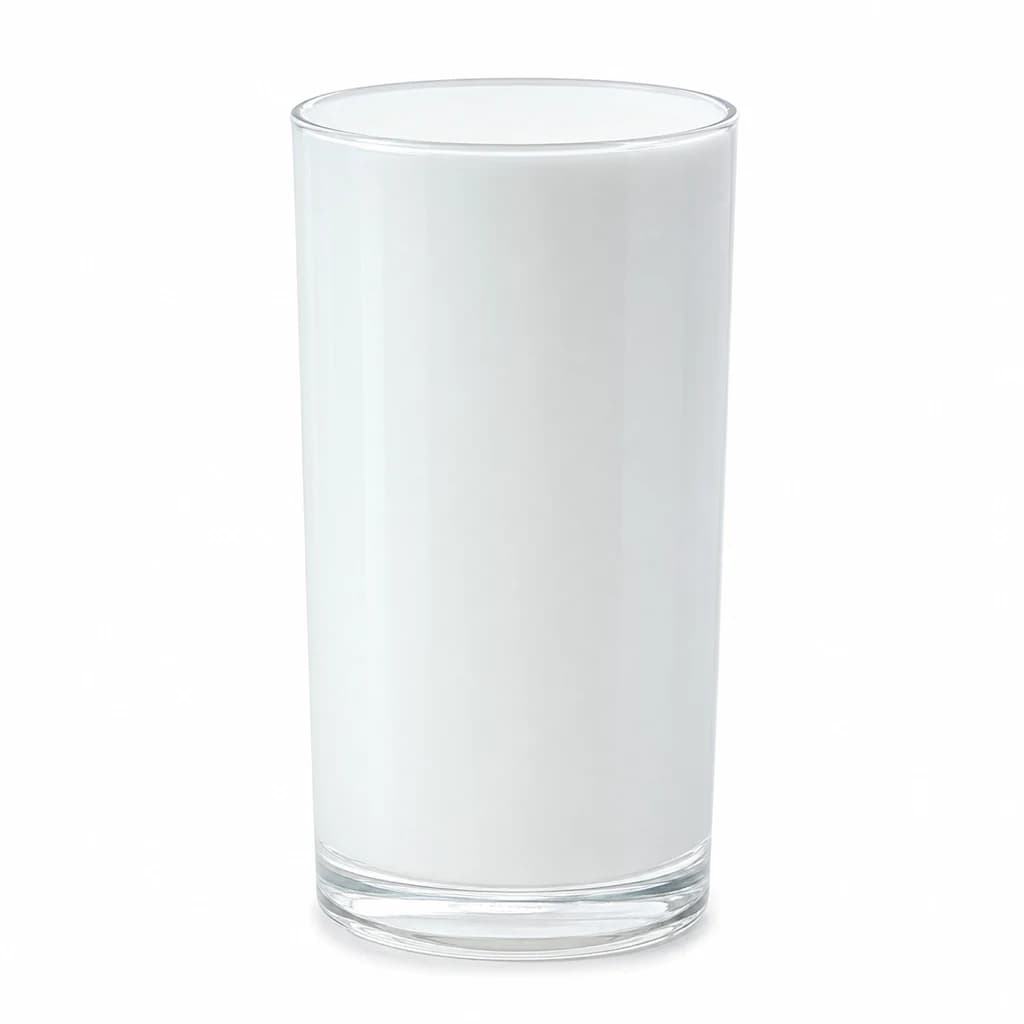
Skim Milk
Fat-free milk for lighter drinking, coffee, and cooking
Heavy Cream
Rich cream that whips, enriches sauces, and sets ganache

Sour Cream
Tangy, thick cream for dolloping, baking, and dips
Mozzarella
Soft, milky cheese that melts into stretchy pizza pulls