Legumes & Beans
Okara
Soy pulp left from making tofu or soy milk, used in savory and baked dishes.
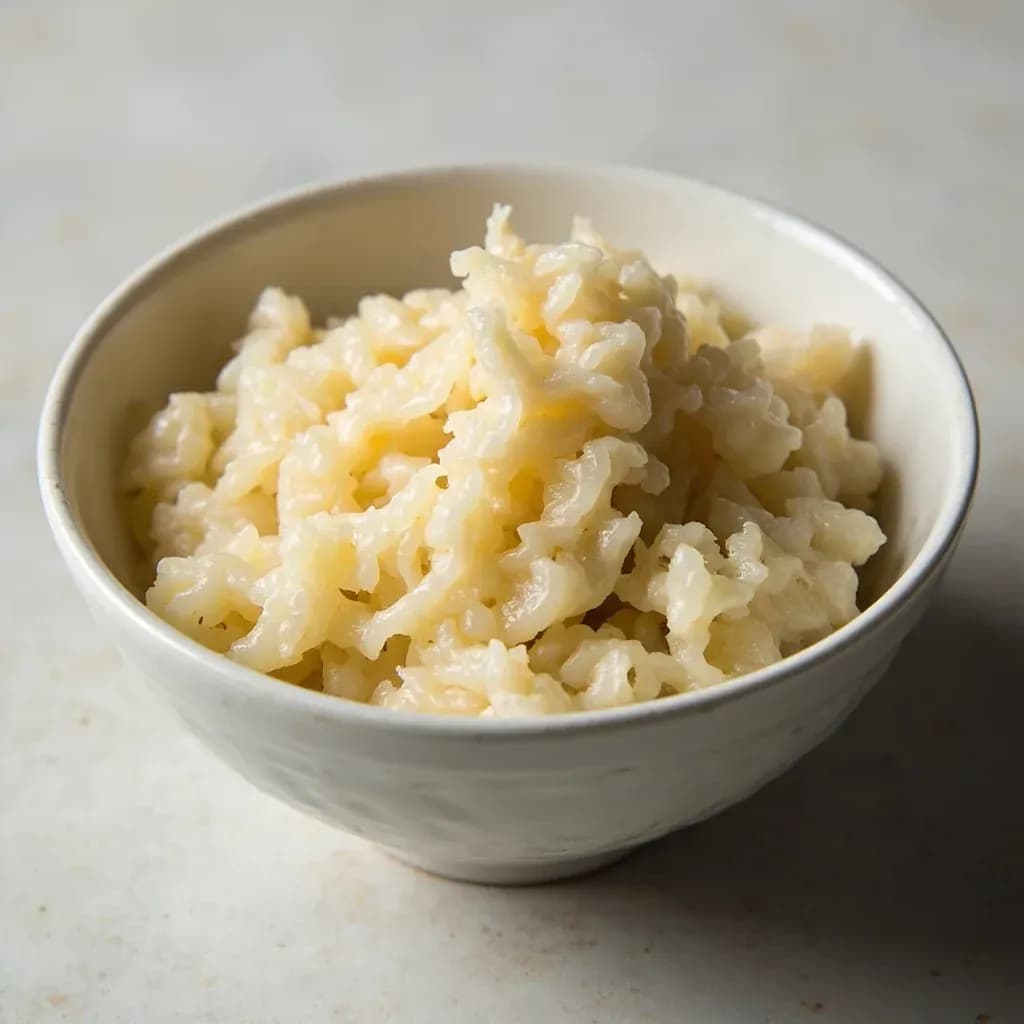
Okara is the moist, fibrous pulp left over after straining soy milk in tofu and soy-milk production. A thrifty, protein- and fiber-rich byproduct, it is stir-fried with vegetables in the Japanese dish unohana, stirred into burgers and patties, or baked into breads and cookies. It has a soft, slightly grainy texture and a mild taste.
Okara is the fine, pale off-white pulp that remains after soybeans are ground and strained to make soy milk or tofu. It has been a staple of East Asian cooking for centuries—particularly in Japan, Korea, and China—where traditional tofu and soy milk production generates substantial quantities of this byproduct. Despite its humble origins, okara deserves a place in any cook's repertoire: it is nutritious, budget-friendly, and remarkably versatile, performing well in both savory and sweet preparations.
Fresh okara contains roughly 70–80% water by weight, with a mild, faintly nutty flavor and a grainy, slightly gritty texture that softens considerably when cooked with fat over gentle heat. Its neutral flavor makes it an excellent carrier for bold seasonings, while its soluble and insoluble fiber content gives it excellent binding properties—useful in vegetable patties, burgers, and baked goods. Nutritionally, okara provides dietary fiber, plant protein, calcium, iron, and isoflavones, making it roughly comparable to cooked oatmeal in fiber density but with more protein per serving.
The single greatest challenge with okara is its perishability. Fresh okara spoils rapidly—typically within 48–72 hours in the refrigerator—developing an off, sour smell as fermentation sets in. The solution is straightforward: use it the same day you make it or freeze it immediately in portioned containers. Once properly stored or dried, okara transforms from a finicky byproduct into a reliable pantry ingredient with months of shelf life.
- Measured in
- g
- Storage
- Fridge
Allergens
Types & varieties
Standard variety from regular soybeans; most common in Japanese and Korean grocery stores
Okara toasted with soy flour; nuttier flavor, darker color, longer shelf life; common in Japan
Fresh okara dried to approximately 10% moisture; lighter to store and ship; must be rehydrated before use
From black soybeans; slightly sweeter, higher anthocyanin content; less common
Preservation and Storage
Fresh okara is highly perishable and should be treated like raw fish or ground meat. The high moisture content makes it an ideal medium for bacterial growth at refrigerator temperatures. For best results, press fresh okara into a tight block, wrap it thoroughly in plastic wrap, and use it within 48 hours. If you cannot use it immediately, portion it into airtight freezer bags—flat bags freeze faster and stack neatly—and freeze for up to three months. Thaw overnight in the refrigerator and use within 24 hours of thawing. Freezing in ice cube trays creates convenient pre-measured portions for smoothies. Dried okara keeps in an airtight container in a cool, dark place for several weeks and can be toasted in a dry pan over medium heat to deepen flavor before use.
- Press and wrap tightly before refrigeration to minimize air exposure
- Freeze in flat, portioned bags for fastest thawing and easiest storage
- Dried okara keeps in an airtight container in a cool, dark place for several weeks
- Dried okara can be toasted in a dry pan over medium heat to deepen flavor before use
The Home Okara Question
If you make your own soy milk or tofu at home, you will have okara on hand. One kilogram of dry soybeans yields approximately one kilogram of fresh okara—too much to use in a single preparation. The most practical approach is to use a portion fresh and freeze the rest immediately in labeled containers. Homemade okara has a slightly coarser texture than commercially produced versions but behaves identically in recipes. A food mill or fine-mesh strainer produces the smoothest results; a standard blender leaves a coarser pulp.
- Save and freeze immediately after making soy milk or tofu
- Use a food mill or fine strainer for the smoothest texture
- Homemade okara works in all standard recipes with no adjustments needed
Common uses
Tips & pitfalls
- Always squeeze out excess moisture through cheesecloth or a clean towel before using in baked goods or burgers—too much moisture is the most common failure point
- Use fresh okara within 48 hours or freeze immediately in portioned containers; do not rely on the refrigerator for long-term storage
- For vegan baking, replace up to 25% of flour with fresh okara for added fiber without disrupting texture
- When using as a meat extender, replace no more than 30–40% of ground meat or the texture becomes mealy and dry
- Toast dried okara in a dry pan over medium heat for 3–5 minutes to deepen flavor before rehydrating or using in recipes
- The grainy texture diminishes significantly when cooked slowly with fat—butter, oil, or coconut oil—for 10 minutes or longer
- Freezing fresh okara in ice cube trays makes portioning easy for smoothies and quick-add applications
- Combine okara with proper binders—flax egg, breadcrumbs, oat flour, or chia gel—when making vegetarian patties to prevent crumbling
- Okara absorbs salt aggressively; season boldly and adjust at the end when using miso or soy sauce in okara dishes
Nutrition
Energy
318 kJ · per 100 g
Where the calories come from
Protein
3.5g
7% DV
Carbs
12.2g
4% DV
Fat
1.7g
2% DV
Sodium
9mg
0% DV
Source · USDA FoodData Central · Okara
View on FDC →In the shops
Matched grocery products
No matched grocery products for Okara yet.
Good to know
- Description
- Fine, pale off-white pulp remaining after soybeans are ground and strained for soy milk or tofu
- Moisture Content
- Typically 70–80% water by weight when fresh
- Protein Content
- Approximately 3–4% by wet weight; higher when dried
- Primary Nutrients
- Dietary fiber, protein, calcium, iron, and isoflavones
- Flavor
- Mild, faintly nutty; easily takes on other flavors
- Texture (raw)
- Grainy, moist, slightly gritty; becomes dense and tender when cooked with fat
- Shelf Life (refrigerated)
- 2–3 days maximum; spoils quickly due to high moisture
- Shelf Life (frozen)
- Up to 3 months in an airtight container
- Shelf Life (dried)
- Several weeks in an airtight container in a cool, dark place
- Yield
- Approximately 1 kg okara per 1 kg dry soybeans processed
- Origin
- Byproduct of traditional East Asian tofu and soy milk production
- Japanese term
- おから (okara)
- Korean term
- 콩박 (kongbap)
- Chinese term
- 豆渣 (dòuzhā)
Substitutes
- Ground flaxseed or chia seeds — Similar binding quality and omega-3 content; use 1 tbsp hydrated seeds per 100g okara as a substitute
- Breadcrumbs or panko — Similar texture in savory applications; lacks fiber and protein but works adequately for binding
- Rolled oats (ground) — Comparable fiber content; slightly sweeter; effective in patties, burgers, and baked goods
- Chickpea flour (besan) — Similar protein content; nuttier flavor; best in savory applications rather than sweet ones
- Hemp seeds (ground) — Similar protein and healthy fat content; earthier flavor; works in smoothies, bars, and patties
- Wheat bran — Higher fiber; significantly drier; best combined with a binding agent when substituting in baked goods
Pairs with
Also called
Soy Pulp · Unohana · Soybean Pulp
Related
Black Beans
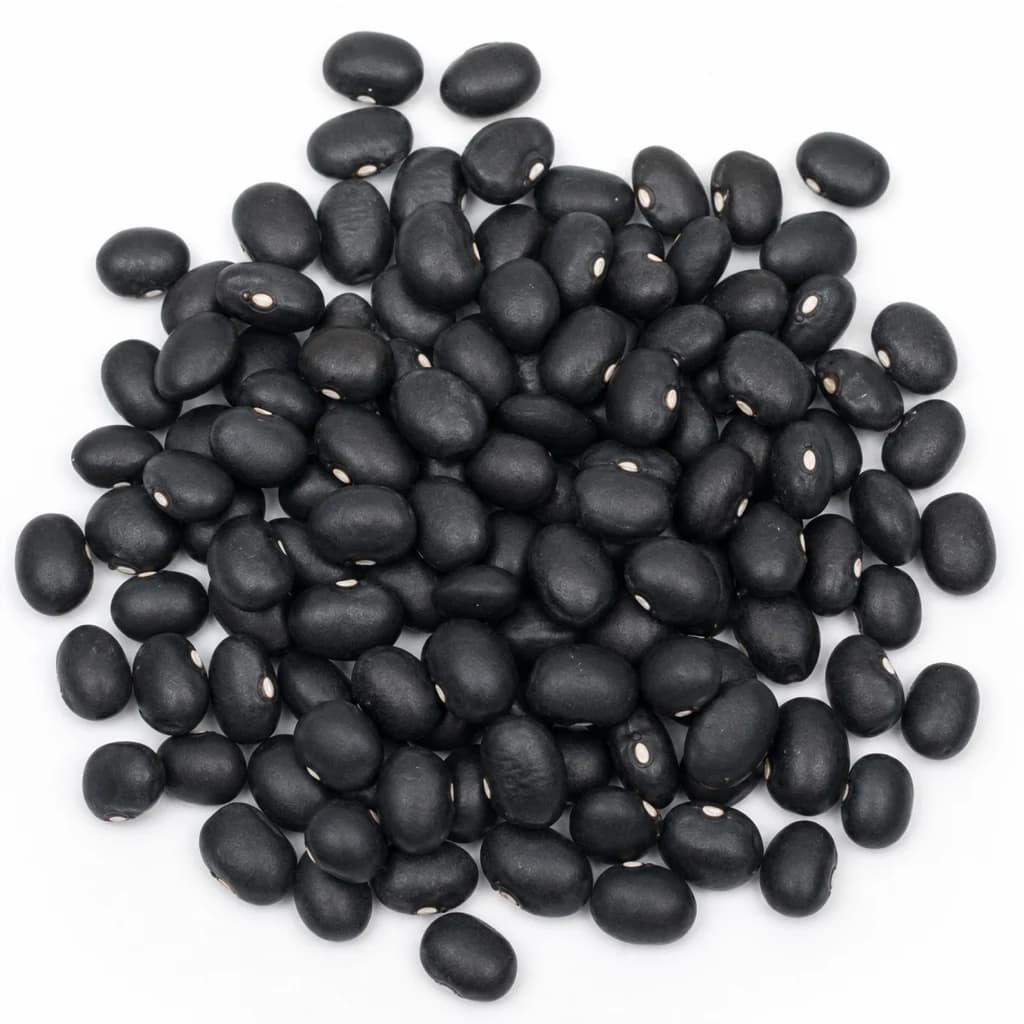
Earthy, creamy beans for bowls, soups, and tacos
Kidney Beans
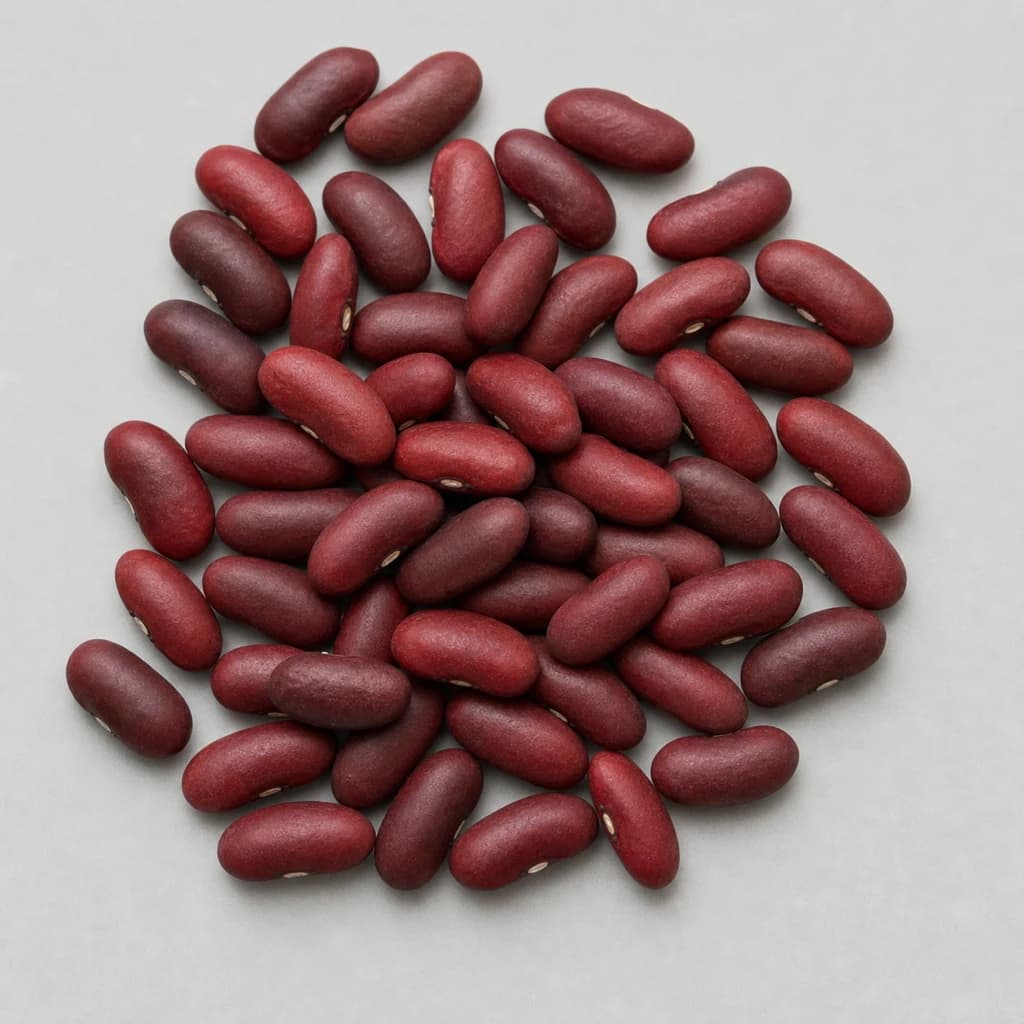
Hearty red beans that hold their shape in chili and stews
Chickpeas
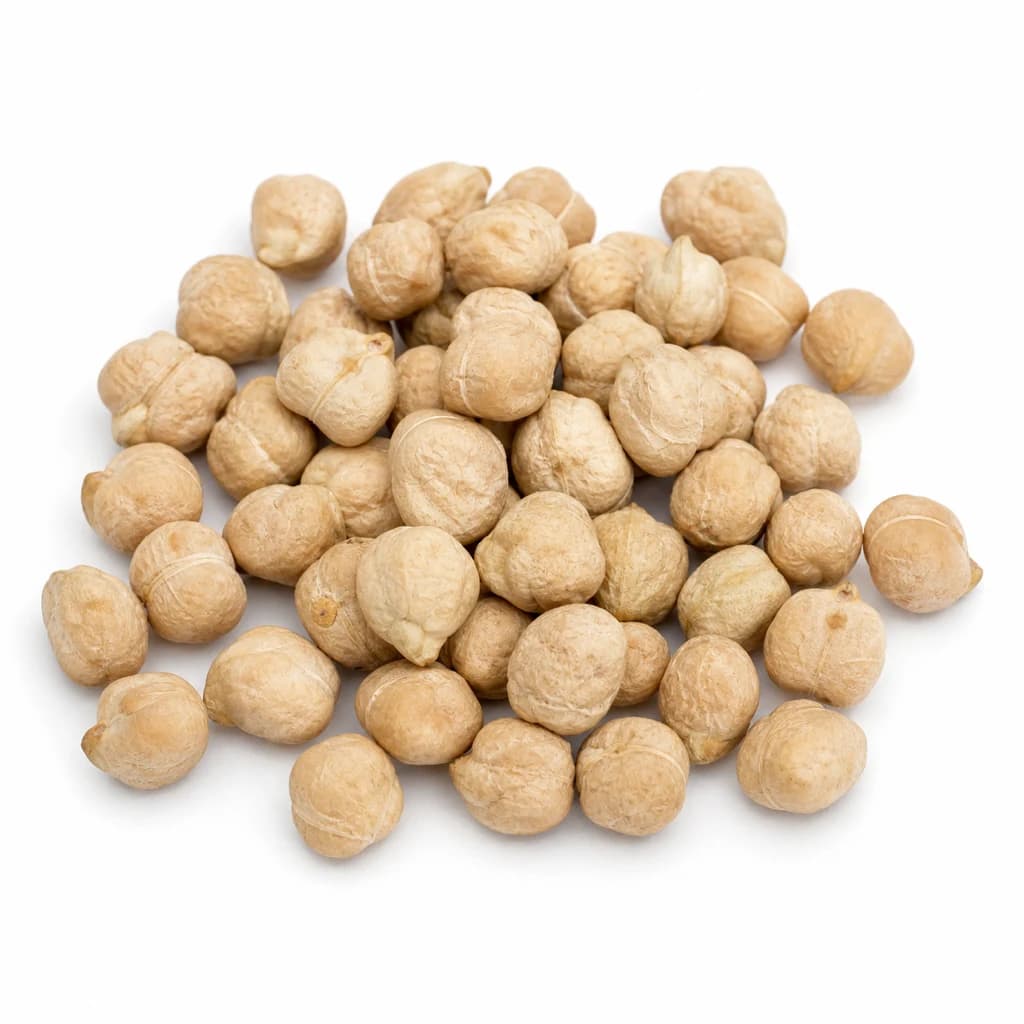
Nutty, versatile beans for hummus, curries, and roasting
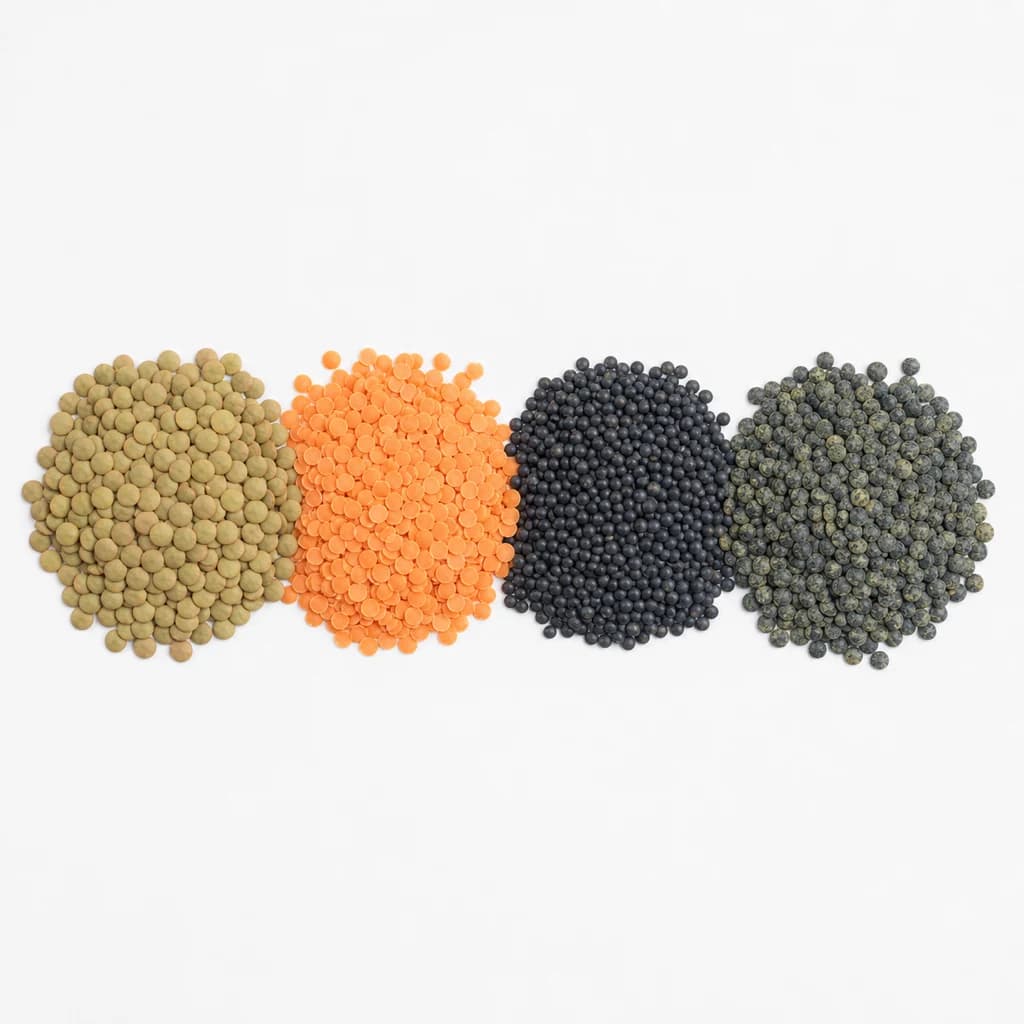
Lentils
Quick-cooking pulses for soups, dals, and hearty salads

White Beans
Creamy, mild beans for soups, stews, and silky purées
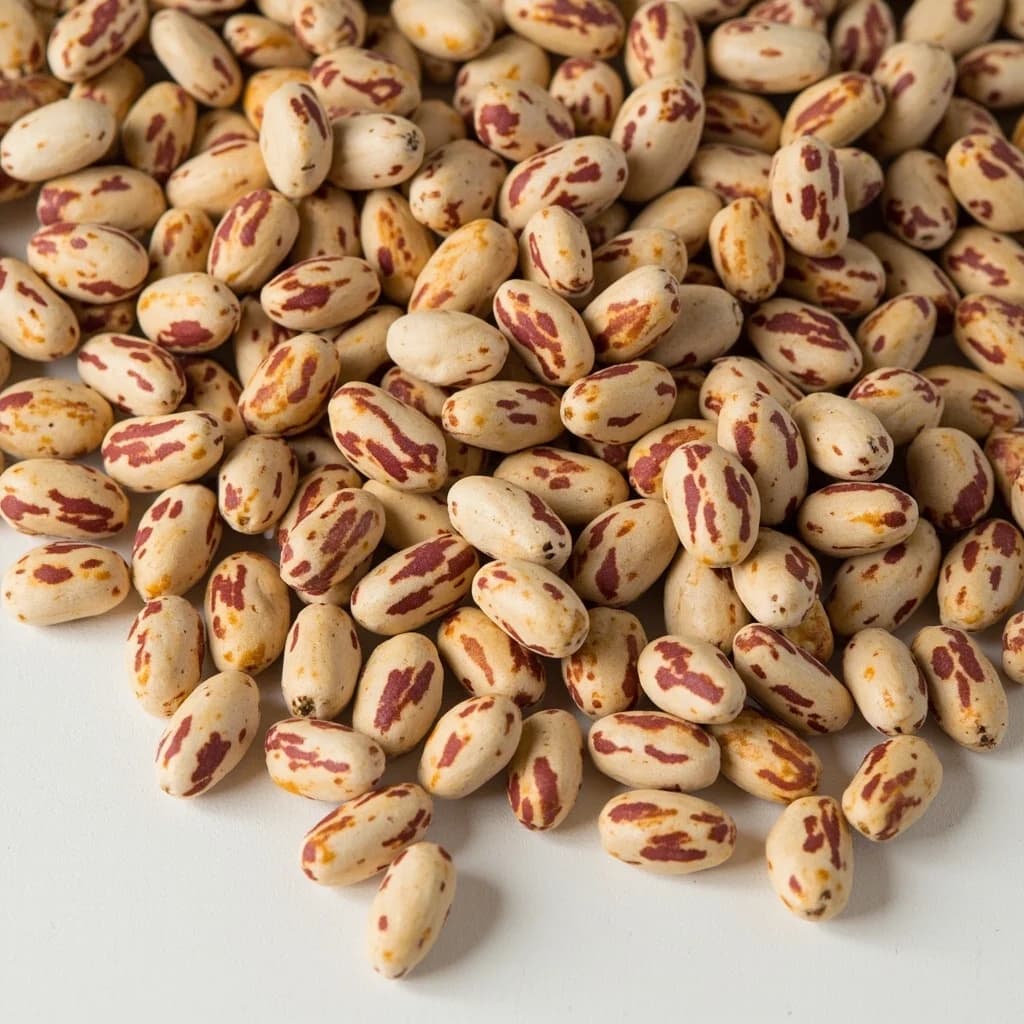
Pinto Beans
Creamy, speckled beans for refried beans and stews

Split Peas
Quick-cooking peas that melt into thick, comforting soups
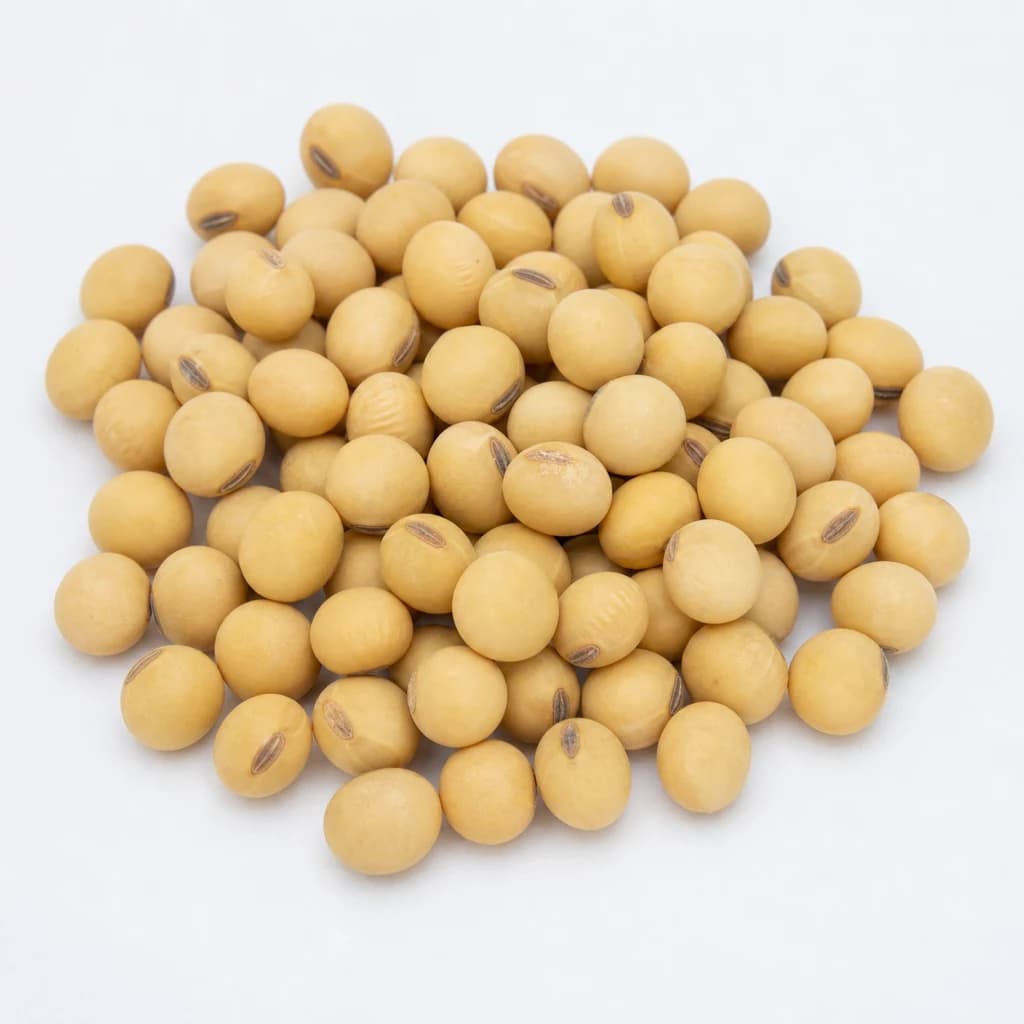
Soybeans
Protein-packed beans, the base for tofu and miso