Baking
Wheat Bran
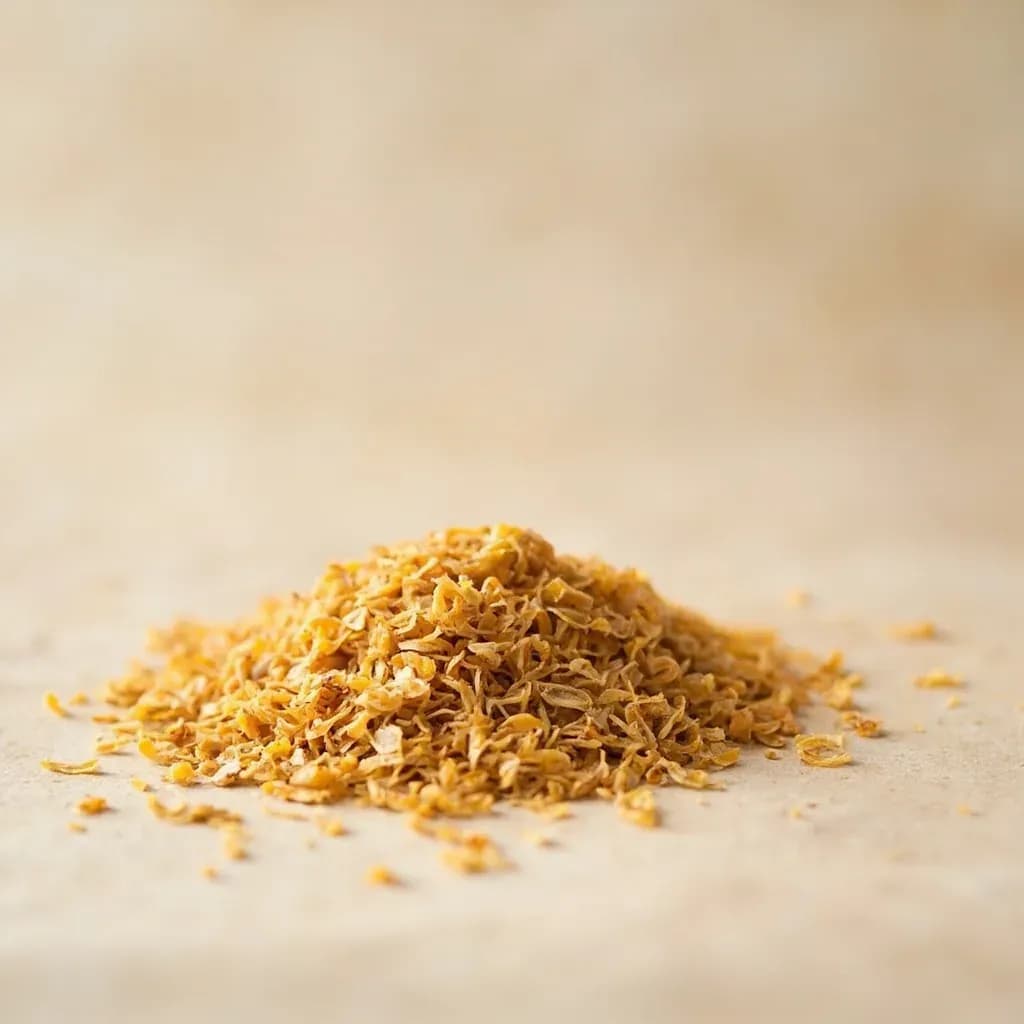
The fibrous outer husk of the wheat kernel, added for fiber and texture.
Wheat bran is the hard, flaky outer layer of the wheat kernel separated during milling. High in dietary fiber, it is stirred into breads, muffins, and porridge to boost fiber and add a nutty, slightly bitter taste and coarse texture. It is also used as a topping and in cereals.
Wheat bran is the fibrous outer protective layer of the wheat kernel, one of three components separated during flour milling alongside the starchy endosperm and the germ. It is produced in vast quantities as a byproduct of white flour production, making it both widely available and inexpensive. Its primary claim to fame in baking is an extraordinarily high insoluble fiber content—approximately 43% by weight—which makes it one of the most effective and economical ways to boost the nutritional density of any baked good.
Unlike its companion wheat product, wheat germ, bran contains very little fat, which translates directly into exceptional shelf stability when stored properly. The challenge in baking with bran lies in managing hydration: bran competes with gluten-forming proteins for available water, so recipes calling for substantial bran additions require compensatory liquid and adequate mixing time to develop proper structure. The result, when done correctly, is baked goods with a pleasant chew, noticeable texture, and that characteristic nutty depth that whole-grain enthusiasts seek out. Beyond baking, bran serves as a versatile thickener, coating, and textural add-on across both sweet and savory applications.
- Measured in
- g
- Storage
- Pantry
Allergens
Types & varieties
From common red or white wheat; most widely available and versatile
Ground smaller for smoother texture; preferred for cakes, cookies, and tender baked goods
Versatile cut offering good balance of texture and incorporation; suitable for most applications
Larger flakes providing pronounced texture; ideal for toppings, granolas, and hearty rustic breads
From durum wheat; slightly sweeter flavor; traditionally used in pasta flours
Why Fiber Matters in Baking
Insoluble fiber behaves fundamentally differently than starch or protein in dough systems. It does not form gluten, nor does it gelatinize like starch. Instead, it acts as a structural inert that absorbs water and swells, creating a coarse, chewy network throughout the crumb. This is why high-bran breads have that distinctive dense yet open texture—and why managing hydration is non-negotiable. The insoluble fiber also contributes small amounts of phytic acid, which can bind minerals, and antioxidants called phlobaphenes that give darker whole-grain flours their reddish cast. For health-conscious baking, these trade-offs are generally worthwhile; for tender pastries, bran requires more careful handling.
- Bran competes with gluten for water, requiring hydration adjustments
- Insoluble fiber creates a coarse, chewy crumb texture rather than a tender one
- Small amounts of phytic acid may reduce mineral absorption slightly
Choosing the Right Cut
Particle size dramatically affects how bran performs in different applications. Fine-cut bran integrates seamlessly into batters without creating unpleasant gritty pockets—essential for cakes, quick breads, and delicate muffins. Medium-cut strikes a balance that works well in standard sandwich breads and general-purpose baking. Coarse bran makes its presence known deliberately: sprinkle it over bread before baking for a rustic look, fold it into granola for satisfying crunch, or use it in hearty whole-grain loaves where texture is a feature, not a flaw.
- Fine-cut: smoothest texture, best for tender baked goods
- Medium-cut: all-purpose balance of texture and incorporation
- Coarse-cut: pronounced texture for rustic applications and toppings
Common uses
Tips & pitfalls
- Always increase liquid by 1–2 tablespoons per 1/4 cup bran added, as it absorbs significant moisture and will leave doughs stiff if unaccounted for
- Toast bran briefly at 350°F for 5–7 minutes before using to deepen its nutty flavor and improve its texture—this is especially effective for savory applications
- Start with 10–15% bran replacement in bread flour for a noticeable but not dense result; experienced bakers comfortably push to 25%
- Store in airtight containers in the refrigerator or freezer to prevent the natural oils from going rancid over time—unlike wheat germ, bran is stable, but cold storage extends its life significantly
- In cookies and cakes, use fine-cut bran and reduce the overall flour by the exact bran weight to prevent excessive denseness
- Add bran early in the mixing process to allow it to fully hydrate before baking—this ensures even distribution and prevents gritty pockets
- Combine with toasted wheat germ for a more complete wheat-germ-bran blend that amplifies both texture and nutrition in whole-grain breads
- A common mistake is adding bran late in the mixing process, which results in uneven hydration and a mottled, inconsistent crumb structure
Nutrition
Energy
904 kJ · per 100 g
Where the calories come from
Protein
15.6g
31% DV
Carbs
64.5g
23% DV
Fat
4.3g
5% DV
Fiber
42.8g
153% DV
Sugars
0.4g
of which
Sodium
2mg
0% DV
Source · USDA FoodData Central · Wheat bran, crude
View on FDC →In the shops
Matched grocery products
No matched grocery products for Wheat Bran yet.
Good to know
- Source
- Outer protective layer of the wheat kernel (separated from endosperm and germ during milling)
- Fiber content
- Approximately 43% dietary fiber by weight (predominantly insoluble)
- Texture
- Coarse, flaky, slightly gritty
- Flavor
- Mild, slightly nutty, neutral
- Fat content
- Low (4–5%); contributes to long shelf stability
- Primary nutrients
- B vitamins (B1, B3, B6), iron, magnesium, phosphorus, zinc
- Shelf life
- 6–12 months in cool, dry storage; longer if refrigerated or frozen
- Typical incorporation
- 10–25% of total flour weight in bread; up to 30% in muffins
Substitutes
- Oat bran — Similar mild flavor with slightly softer texture; use 1:1 as substitute, though it provides slightly less insoluble fiber
- Rice bran — Comparable fiber boost with more neutral flavor; use 1:1 in most applications
- Corn bran — Very high in fiber but coarser texture; best reserved for savory applications like meatloaf or hearty breads
- Ground flaxseed — Provides nutty flavor but creates a mucilaginous texture; use half the amount (1 tablespoon per 1/4 cup bran) and expect different binding properties
- Psyllium husk — Pure soluble fiber that creates a gelatinous texture rather than gritty bulk; use 1 teaspoon per 1/4 cup bran—not a direct texture substitute
- Wheat germ — Different texture (softer, oilier) and does not provide the same fiber boost or structural contribution; use as a nutritional complement rather than a substitute
Pairs with
Also called
Miller's Bran
Related

All-Purpose Flour
The do-anything flour for bread, cakes, sauces, and dredging

Bread Flour
High-protein flour for chewy, well-risen breads
Whole Wheat Flour
Nutty, whole-grain flour for hearty breads and bakes
Cake Flour
Fine, low-protein flour for tender, delicate cakes
Almond Flour
Nutty, gluten-free flour for macarons and tender bakes

Baking Powder
All-in-one leavener for fluffy cakes, pancakes, and biscuits

Baking Soda
Pure leavener that needs acid to lift — and tenderize
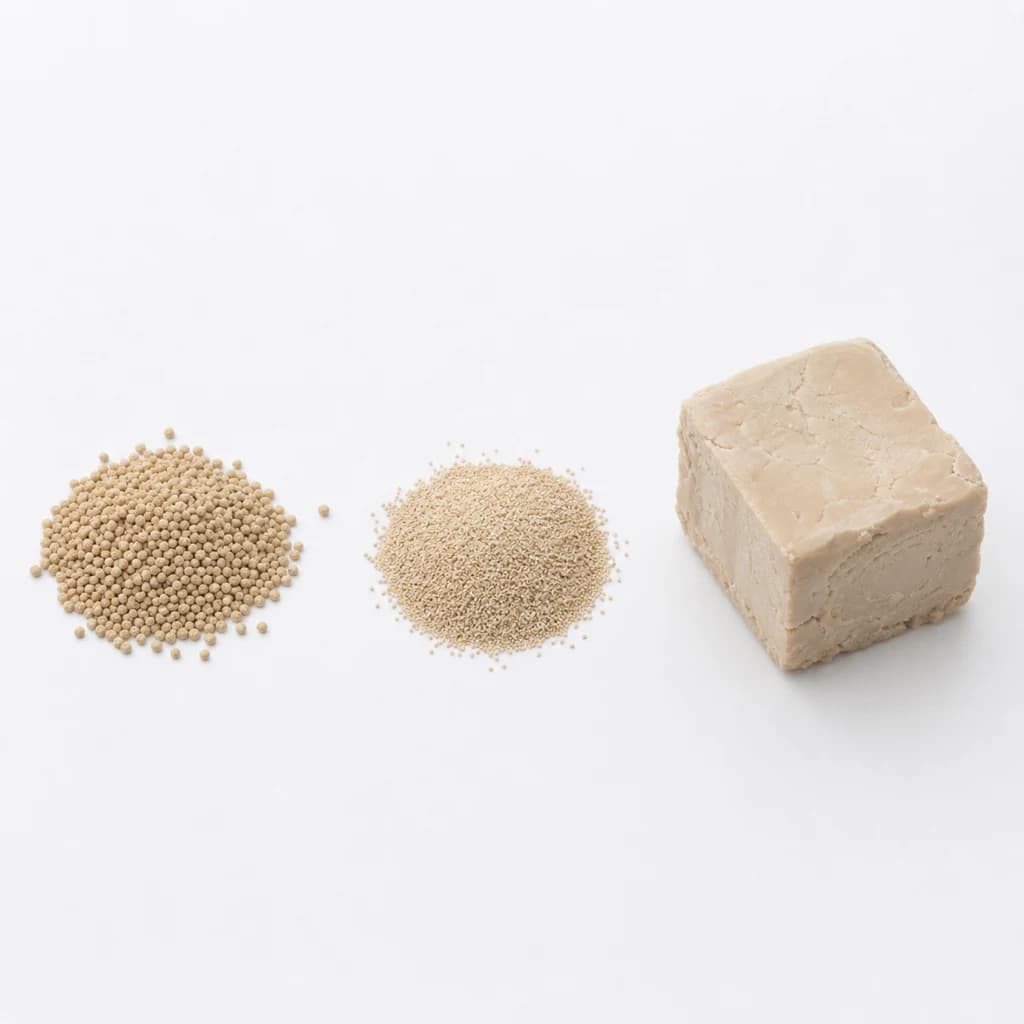
Yeast
Living leaven that makes bread rise and dough come alive