Baking
Wheat Germ
The nutrient-dense embryo of the wheat kernel, sprinkled in for nutrition.
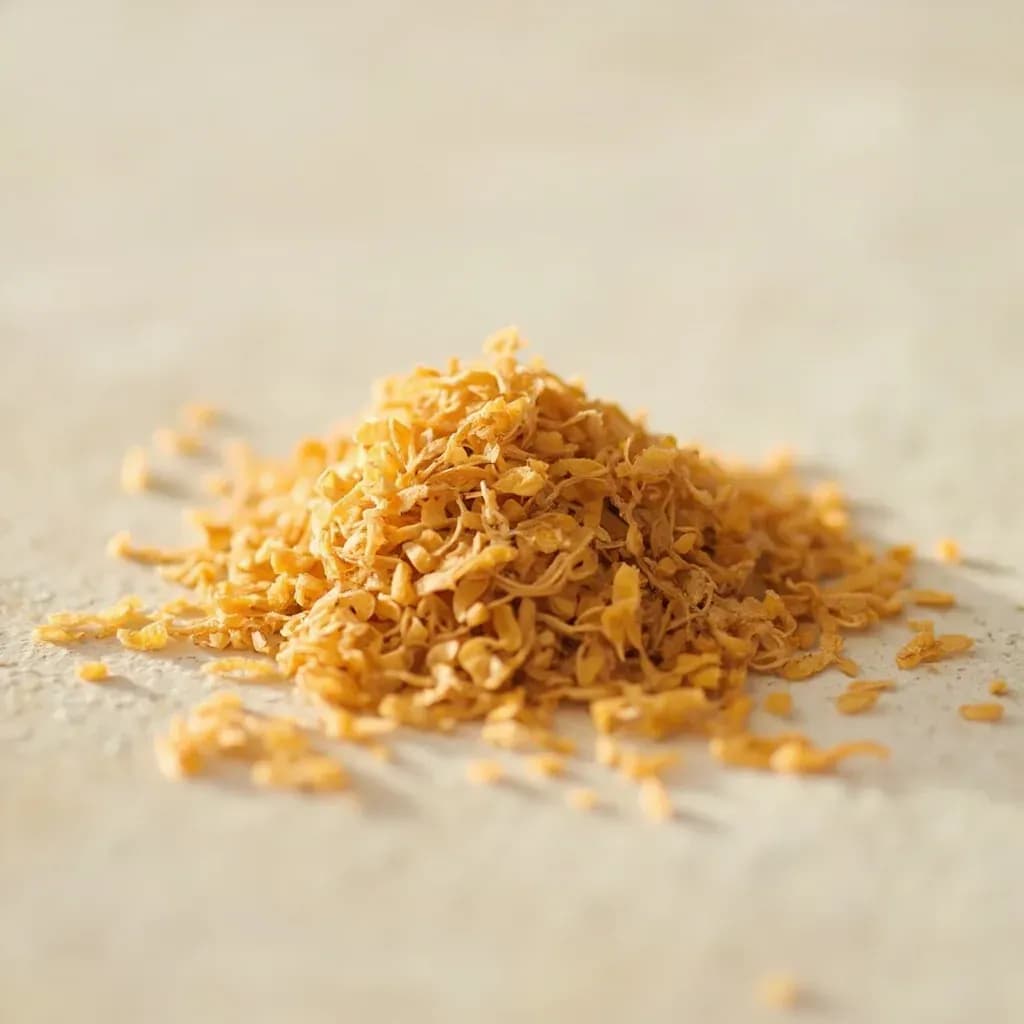
Wheat germ is the small embryo of the wheat kernel, removed during the milling of white flour. Rich in vitamin E, B vitamins, and healthy oils, it has a toasty, nutty flavor and is sprinkled over cereal, yogurt, and smoothies or folded into breads and baked goods. Because of its oil content it can turn rancid and is best stored cold.
Wheat germ is the embryo of the wheat kernel, one of three anatomical parts that make up the whole grain alongside the starchy endosperm and the fiber-rich bran. During conventional flour milling, the germ is separated from the endosperm because its high oil content would cause refined flour to go rancid quickly and complicate storage. This is why whole-wheat flour retains the germ and has a shorter pantry life than white flour, and why raw wheat germ requires refrigeration once opened. The germ itself is small, flaky, and reddish-brown in appearance—not a powder—and delivers roughly 23–25% protein by dry weight along with concentrated B vitamins, vitamin E, magnesium, zinc, potassium, phosphorus, and iron. Because the germ contains active lipase enzymes, raw germ deteriorates rapidly; stabilized varieties solve this problem by briefly heating the germ to denature those enzymes while preserving most nutrients. Once separated from the kernel's moisture and growth potential, the germ will not sprout or germinate—it is inert plant matter with exceptional nutritional density.
- Measured in
- g
- Storage
- Fridge
Allergens
Types & varieties
Untreated; requires refrigeration for storage; most nutritionally complete
Lightly roasted for deeper nutty flavor; slightly reduced vitamin activity but improved digestibility and shelf stability
Commercially heat-processed to deactivate enzymes that cause rancidity; can be stored at room temperature longer
Wheat Germ vs. Wheat Bran
Wheat germ and wheat bran are often confused but are distinct parts of the wheat kernel with very different characteristics. Wheat bran is the outer protective layer of the kernel, rich in fiber, while wheat germ is the embryonic plant contained within. Bran has a mild, slightly bitter flavor and a coarse texture; germ has a nutty, slightly sweet flavor and a flaky texture. They can be used together for complementary nutrition and texture, but they are not interchangeable in baking where texture matters.
Common uses
Tips & pitfalls
- Always refrigerate or freeze opened packages of raw wheat germ; the 10% fat content causes rapid rancidity at room temperature
- Stir a tablespoon into oatmeal, yogurt, or smoothies for an effortless nutrition upgrade without altering flavor significantly
- Lightly toast raw germ in a dry pan over medium heat to amplify the nutty flavor before adding to baked goods or granolas
- Substitute up to 25% of the flour weight in baking recipes; higher proportions yield a dense, crumbly texture
- Use stabilized wheat germ for pantry storage; use raw germ when maximum nutrient preservation is the priority
- Sift wheat germ before adding to dry mixes to break up any clumps and ensure even distribution
- Do not confuse wheat germ with wheat bran—germ is the embryo, bran is the outer protective layer; they have different textures and flavors
- Add to bread dough during the last kneading or fold-in stage rather than early mixing to distribute evenly without crushing the flakes
Nutrition
Energy
1506 kJ · per 100 g
Where the calories come from
Protein
23.2g
46% DV
Carbs
51.8g
19% DV
Fat
9.7g
12% DV
Fiber
13.2g
47% DV
Sodium
12mg
1% DV
Source · USDA FoodData Central · Wheat germ, crude
View on FDC →In the shops
Matched grocery products
No matched grocery products for Wheat Germ yet.
Good to know
- Source
- Embryo of the wheat kernel (Triticum aestivum)
- Composition
- Lipid-rich oils, proteins, B vitamins, vitamin E, magnesium, zinc, potassium, phosphorus, and iron
- Fat Content
- Approximately 10%, making it prone to rancidity
- Flavor
- Mildly nutty, slightly sweet; toasted version has a more pronounced roasted character
- Form
- Small, flaky, reddish-brown pieces; not a powder
- Shelf Life (unrefrigerated)
- 1–3 months before rancidity develops
- Shelf Life (refrigerated/frozen)
- Up to 6–9 months
- Protein Content
- Roughly 23–25% of dry weight
Substitutes
- Wheat Bran — Different texture and flavor but comparable nutritional boost; use in equal amounts
- Oat Bran — Similar nutritional profile; milder flavor; 1:1 substitution in most applications
- Ground Flaxseed — Similar nutritional density; adds omega-3s; best for baked goods and smoothies; use 1:1
- Sunflower Seed Kernels (chopped) — Comparable nutty flavor; adds crunch; use in equal amounts for topping or mixing
- Hemp Seeds — Similar protein and healthy fat content; milder flavor; 1:1 substitution
Pairs with
Also called
Toasted Wheat Germ
Appears in these dishes

Related

All-Purpose Flour
The do-anything flour for bread, cakes, sauces, and dredging

Bread Flour
High-protein flour for chewy, well-risen breads
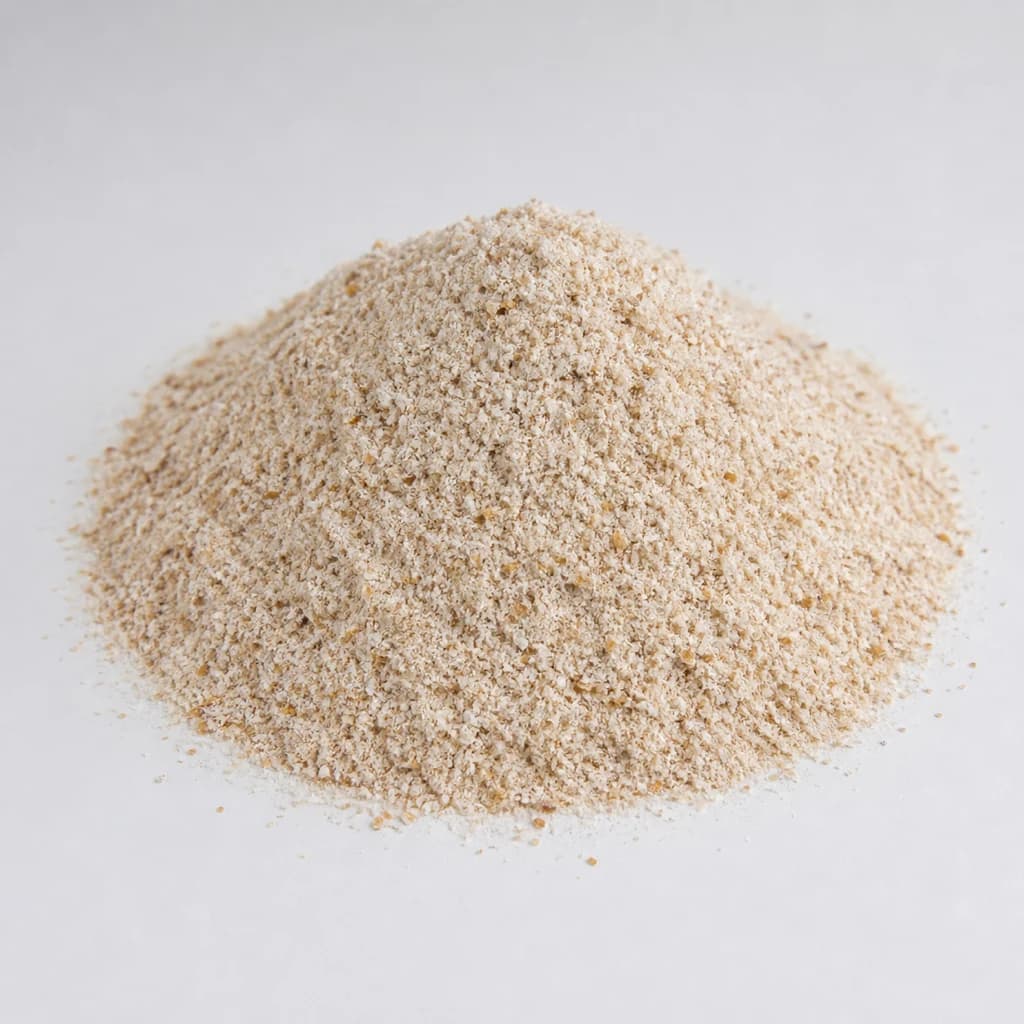
Whole Wheat Flour
Nutty, whole-grain flour for hearty breads and bakes
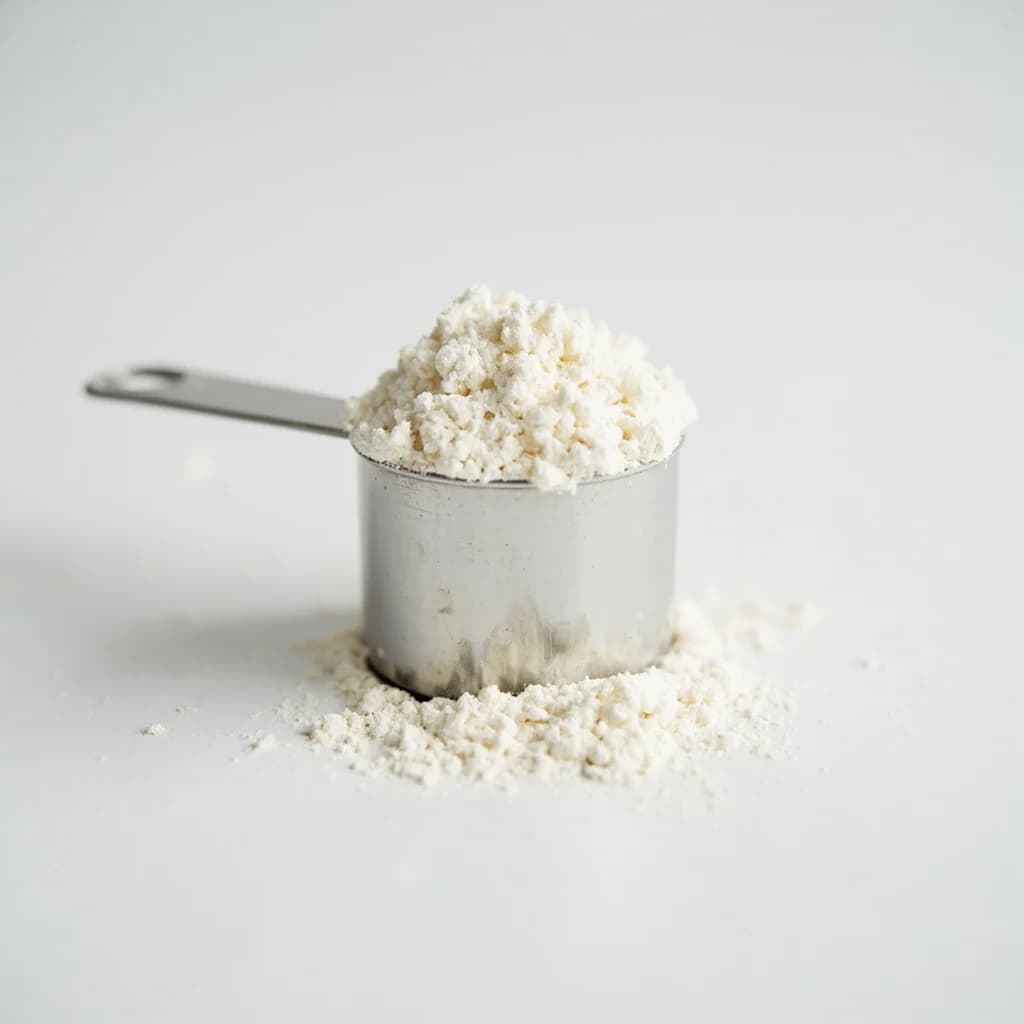
Cake Flour
Fine, low-protein flour for tender, delicate cakes
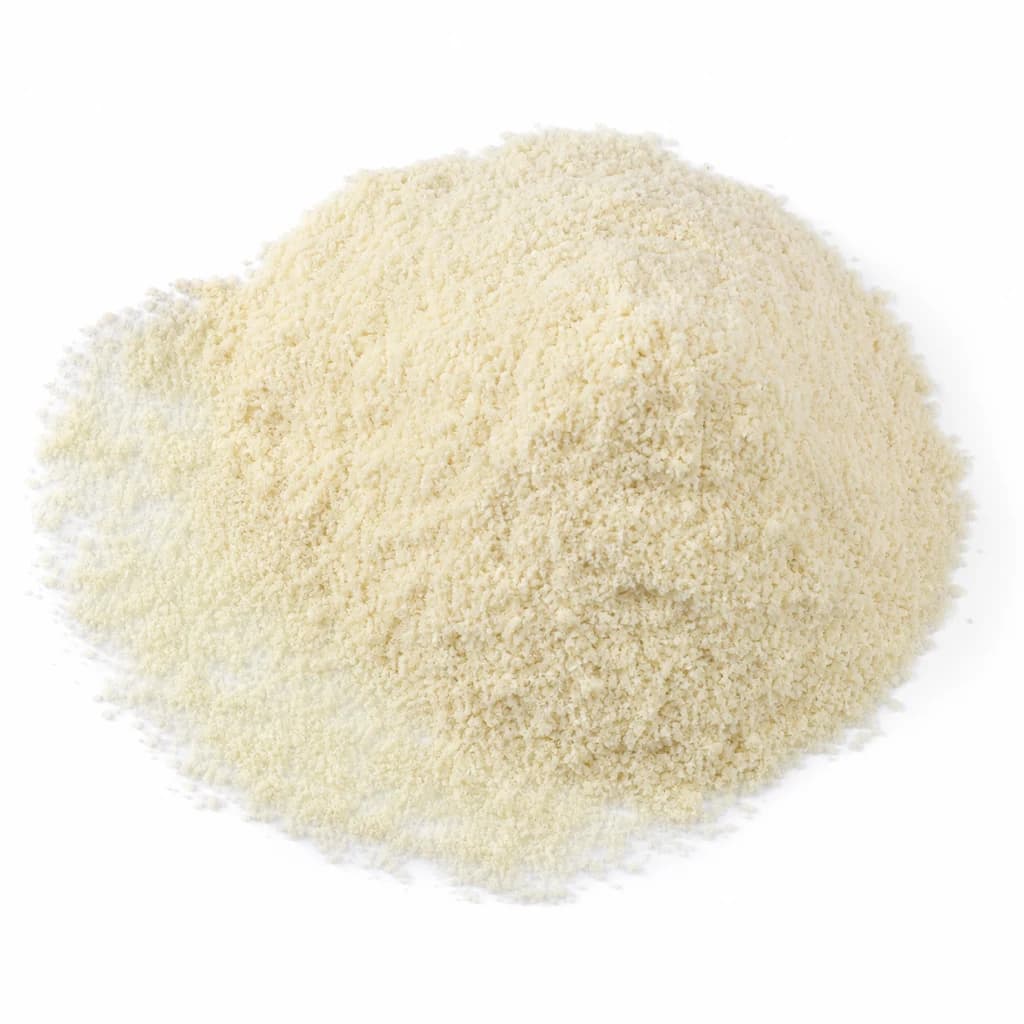
Almond Flour
Nutty, gluten-free flour for macarons and tender bakes

Baking Powder
All-in-one leavener for fluffy cakes, pancakes, and biscuits

Baking Soda
Pure leavener that needs acid to lift — and tenderize
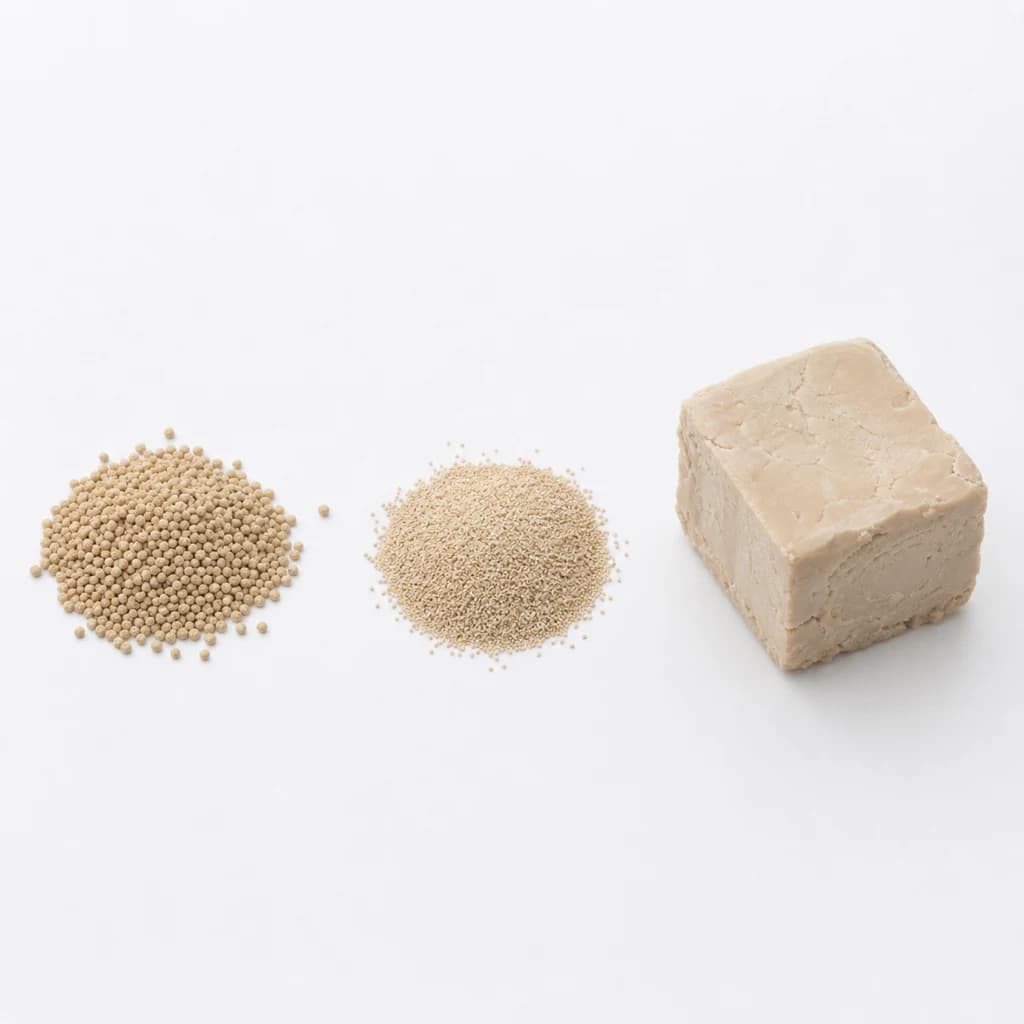
Yeast
Living leaven that makes bread rise and dough come alive