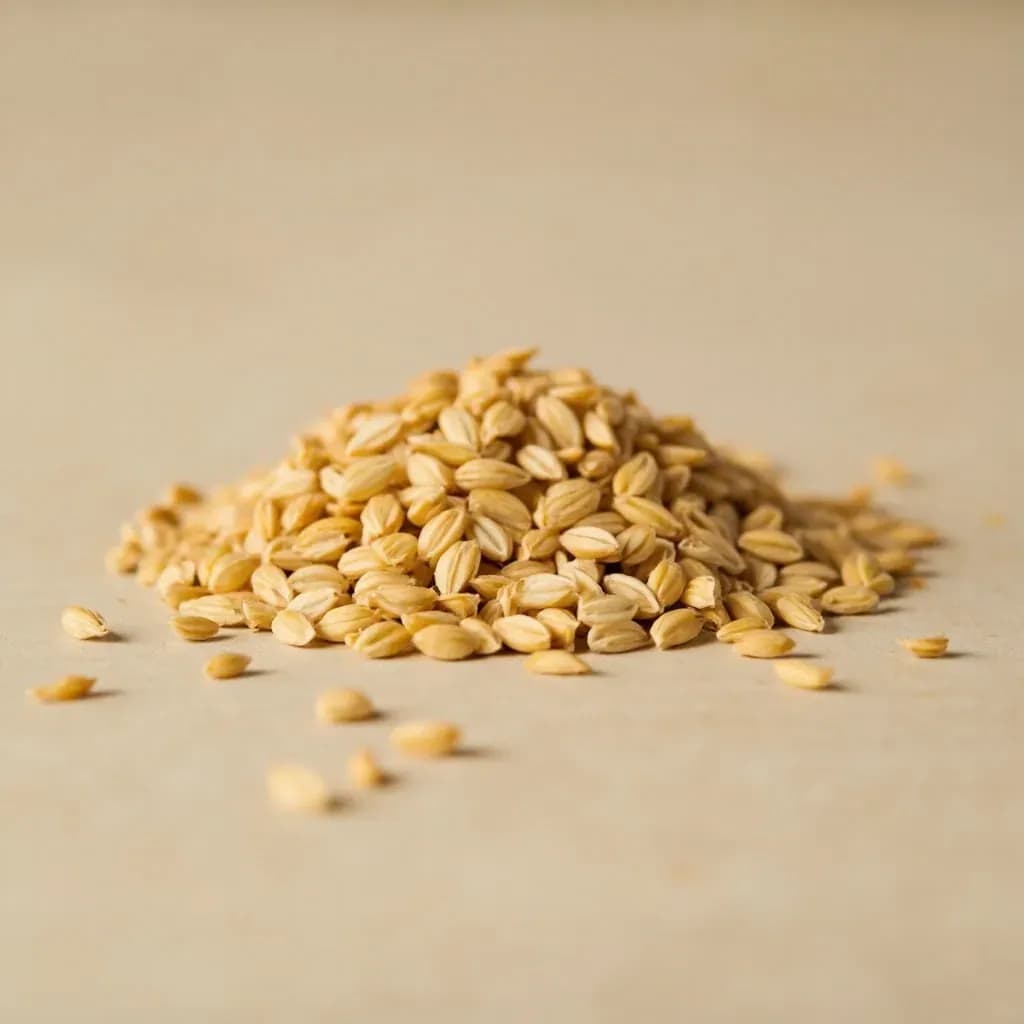
Grains & Rice
Pale 2-Row Malt
Clean, light base barley malt forming the backbone of most brewed beers.
Pale two-row malt is the workhorse base malt of brewing, made from two-row barley kilned lightly for a clean, mildly sweet, slightly grainy flavor. It provides most of the fermentable sugars in a beer recipe and a neutral canvas for hops and specialty malts. Its high enzyme content also helps convert added grains during the mash.
Pale 2-Row Malt is the foundational grain of modern brewing—a lightly kilned barley malt that provides the fermentable sugar foundation for the vast majority of beer styles, from crisp American lagers to hop-forward IPAs. The '2-row' designation refers to the physical arrangement of kernels on the barley stalk, which produces plump, uniform grains with consistent starch content. Malted at temperatures between 140–180°F (60–82°C), it develops only the faintest hint of color (1.5–2.5°L) and a clean, gentle cereal sweetness that lets hops and yeast take center stage. Its high diastatic power (120–140 WK) means it can break down its own starches efficiently, making it the workhorse base malt that brewers rely on for reliable, predictable extraction.
In the kitchen, pale 2-row malt reveals a quieter but equally valuable character. Ground into a fine flour, it contributes a subtle malted sweetness to baked goods without the dark, toasty notes of Munich or Vienna malts. It is the same malt used in artisan bread production, malted milk powders, and confections—products that harness its gentle grain sweetness and natural enzymatic activity. Unlike specialty malts that exist to add color and flavor complexity, pale 2-row functions as a neutral, honest foundation. When you see 'malted barley flour' at a natural foods store or brewing supplier, you are holding the same ingredient with the same properties.
Understanding the difference between base malt and specialty malt matters in both brewing and cooking. Munich malt adds richness and amber color; Victory malt contributes biscuit and nuttiness; Carafa lends chocolate and coffee notes. These are accent ingredients used at low percentages. Pale 2-row is the staple, the daily bread. Its subtlety is its strength: it supports other flavors rather than competing with them.
- Measured in
- g
- Storage
- Pantry
Allergens
Types & varieties
Grown in the Upper Midwest; slightly higher protein; clean, neutral fermentation profile ideal for hop-forward beers
Grown in Germany, Czech Republic, Denmark; slightly lower protein; traditional choice for Continental lagers and European pilsners
European 2-row kilned at very low temperatures; slightly lighter color (1.5–2°L); often used interchangeably with pale 2-row in brewing contexts
Understanding Base Malt vs. Specialty Malt
The distinction matters whether you are brewing or baking. Base malts like pale 2-row provide the fermentable sugars (in brewing) or the primary flour structure (in baking). Specialty malts—Munich, Vienna, Carafa, Victory—are added for specific contributions: color adjustment, flavor complexity, or body enhancement. Specialty malts are used at low percentages (typically 1–20% of the grain bill) precisely because their flavors are pronounced. Base malts make up 80–100% of a recipe because their job is to be invisible, to provide the canvas rather than the painting. Confusing the two is a common beginner mistake that produces muddled, unbalanced results.
- Base malts: pale 2-row, pilsner, pale ale malt—foundational, neutral, high diastatic power
- Specialty malts: Munich, Vienna, Carafa, Crystal, Victory—flavor and color accents used at low percentages
- Never substitute a specialty malt for a base malt in a recipe; the reverse (small base malt addition) is sometimes acceptable
Working with Malted Barley Flour in the Kitchen
When sourcing malted barley flour for baking and cooking, you have two primary supply channels: natural foods stores (where it may be labeled 'malted barley flour' or 'brewer's malt flour') and brewing suppliers (where it is the same product, just packaged for different markets). The composition is identical. For baking, grind whole malted barley to a fine powder in a high-speed blender or grain mill before incorporating into doughs and batters. For beverages and desserts, malted milk powder or pre-ground flour dissolves more readily.
- Grind malt to fine powder for seamless incorporation into batters and doughs
- Malt-based mixtures lose enzymatic activity above 150°F (65°C); avoid high-heat cooking methods
- Store ground malt flour in airtight containers with desiccant packets to prevent moisture absorption
- For gluten-free baking substitution, use no more than 15–20% malted barley flour; it lacks gluten structure and cannot replace wheat flour weight-for-weight
Common uses
Tips & pitfalls
- Crush or grind malt just before use—exposed starches oxidize quickly once milled, reducing fermentability in brewing and stale flavor in baking.
- In brewing, aim for a coarse crush that splits the husk without pulverizing the interior; fine flour causes stuck sparges and haze.
- For cooking applications, grind to a fine powder; coarse particles create grittiness in batters and sauces.
- Do not heat malted mixtures above 150°F (65°C) once the malt is added; excessive heat destroys enzymatic activity and produces undesirable cereal-gri flavors.
- When substituting malted barley flour for wheat flour in baking, cap it at 15–20% of total flour weight; beyond that, you will compromise gluten development and structural integrity.
- Store malt in airtight containers with desiccant packets; humidity causes clumping, sprouting, and premature staling.
- Common mistake: confusing pale 2-row with Munich malt for brewing. Munich adds color and richness and should never replace pale 2-row as your base malt.
Nutrition
Nutrition
No USDA FoodData Central match for Pale 2-Row Malt yet. We surface a per-100 g profile once a generic whole-food entry is matched and verified.
In the shops
Matched grocery products
No matched grocery products for Pale 2-Row Malt yet.
Good to know
- Origin
- US (Minnesota, North Dakota, Idaho) and Europe (Germany, Czech Republic)
- Barley Type
- 2-row spring barley (Hordeum vulgare)
- Kilning Temperature
- 140–180°F (60–82°C)
- Color
- 1.5–2.5°L (very light)
- Diastatic Power
- 120–140 WK (high—self-converting)
- Protein Content
- 10–12%
- Moisture Content
- 4–4.5%
- Extract Potential
- 80–83% (fine grind dry basis)
- Form
- Whole grain kernel, crushed or milled to flour
- Storage
- Cool, dry; best within 6–12 months of crush
Substitutes
- Pilsner Malt — Nearest equivalent in brewing; very similar color (1.5–2°L) and clean flavor profile; use 1:1
- Pale Malt (British) — Slightly more color (2.5–3°L) and touch more residual malt sweetness; acceptable in most recipes at 1:1
- Malted Wheat Flake — For cooking: provides malted flavor but adds wheat character; use half the volume for equivalent sweetness
- Barley Flour + Light Malt Extract — For baking: combine 80% barley flour with 20% light malt extract syrup to approximate flavor and sugar content
Pairs with
Also called
2-Row Pale Malt · Two-Row Brewers Malt
Related

White Rice
Fluffy long-grain rice — the neutral base for almost any meal

White Bread
Soft sandwich loaf for toast, sandwiches, and crumbs
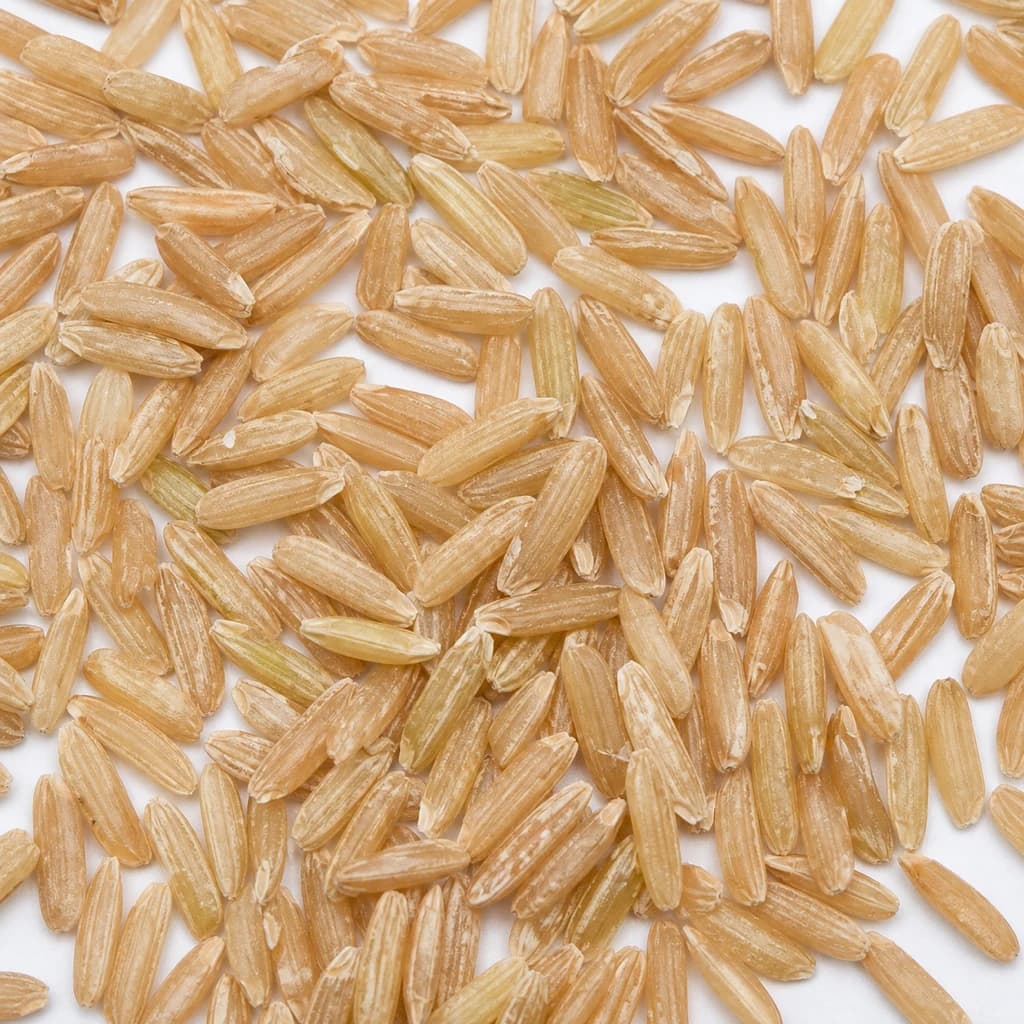
Brown Rice
Nutty, whole-grain rice with chew and extra fiber

Basmati Rice
Fragrant, long-grain rice that cooks up light and separate
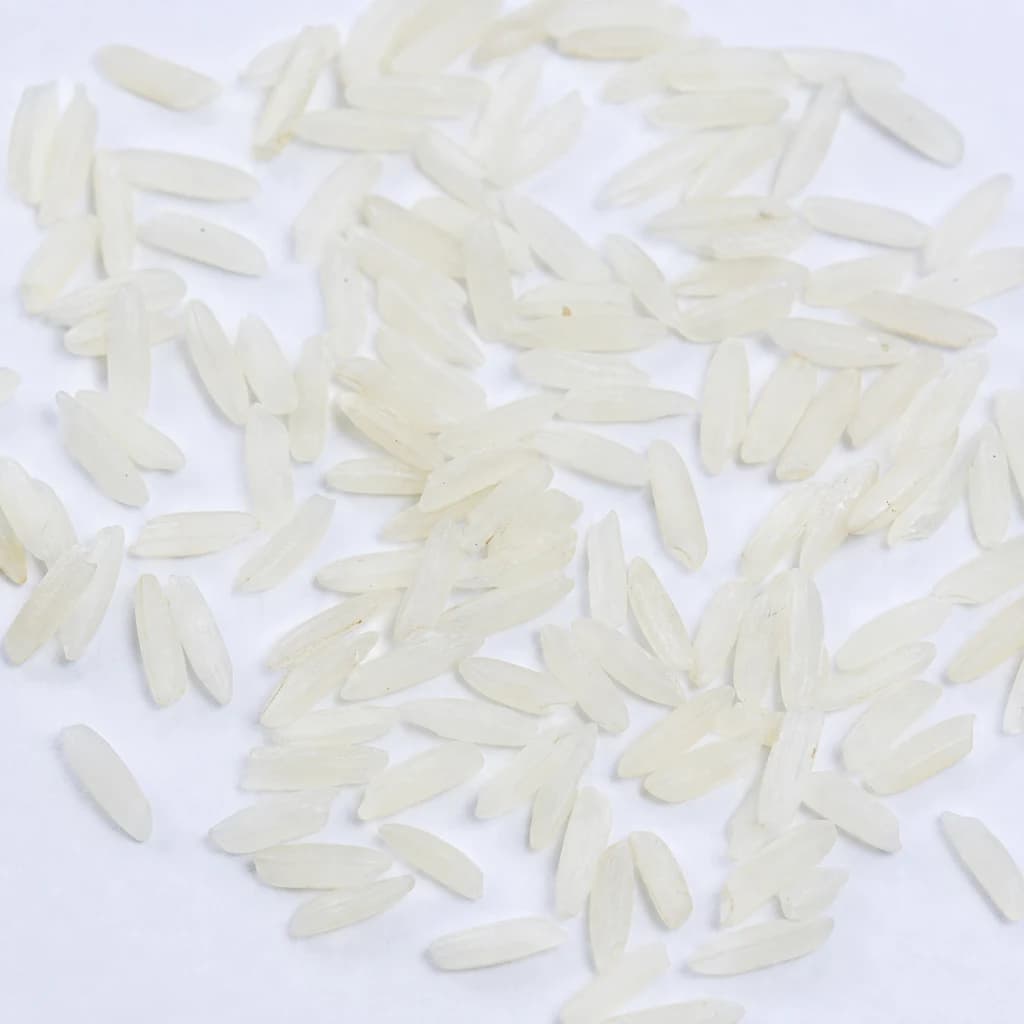
Jasmine Rice
Soft, floral-scented rice that's the pillar of Thai meals
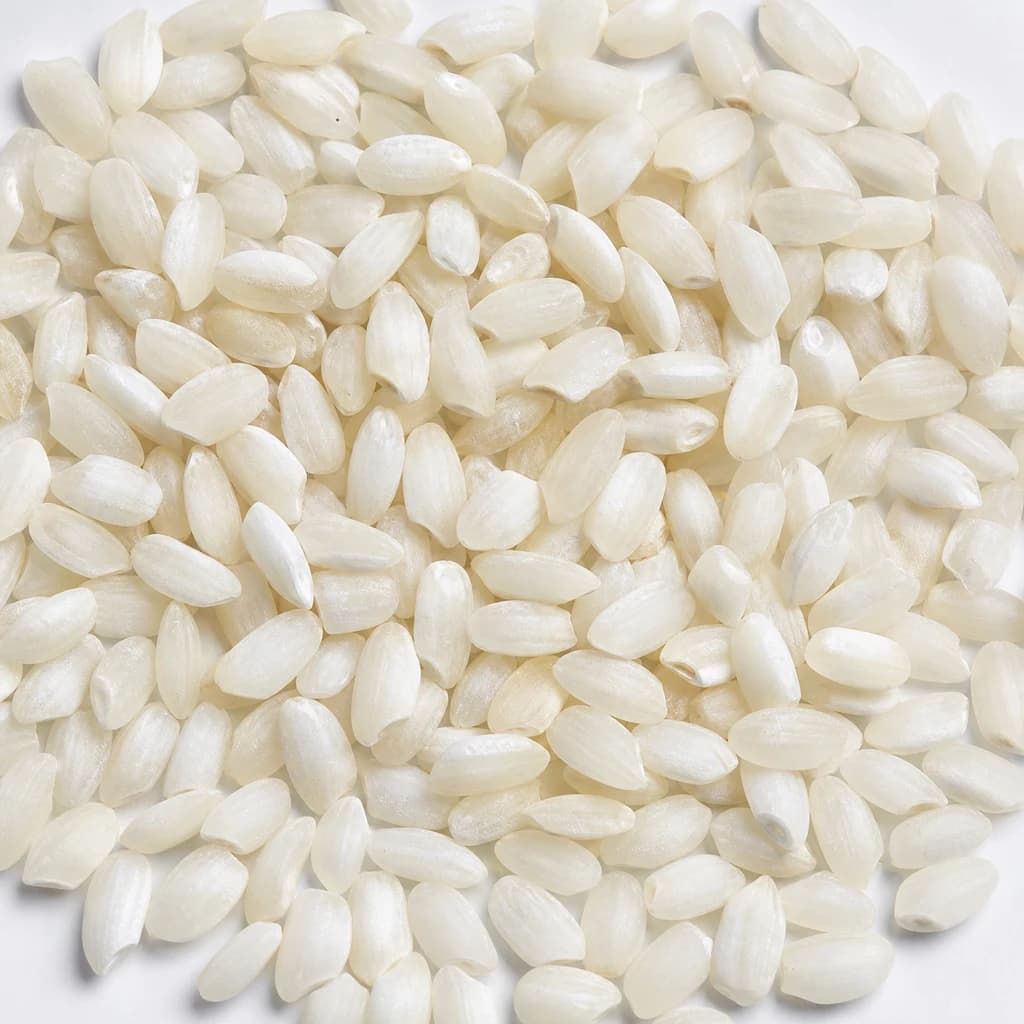
Arborio Rice
Plump, starchy rice that makes risotto creamy
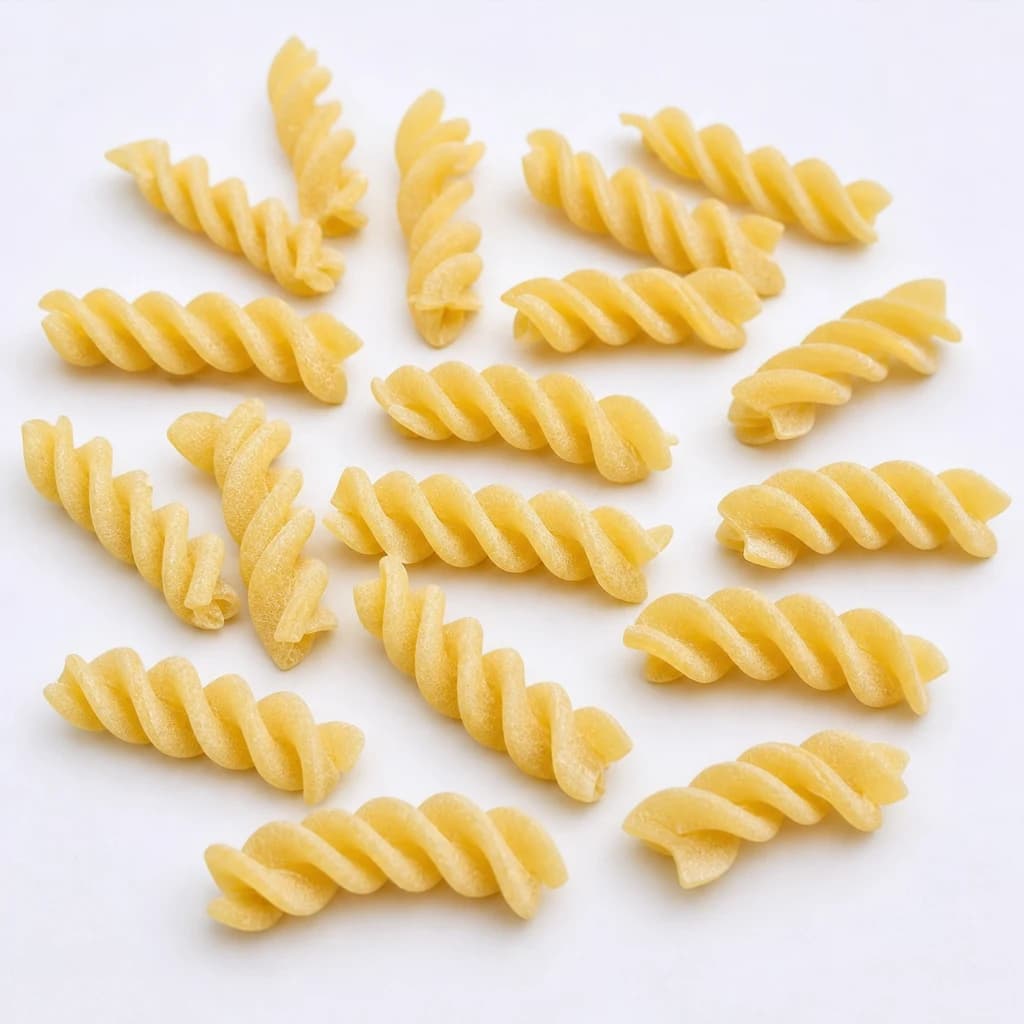
Fusilli
Spiraled pasta that twirls up sauce and dresses cold salads
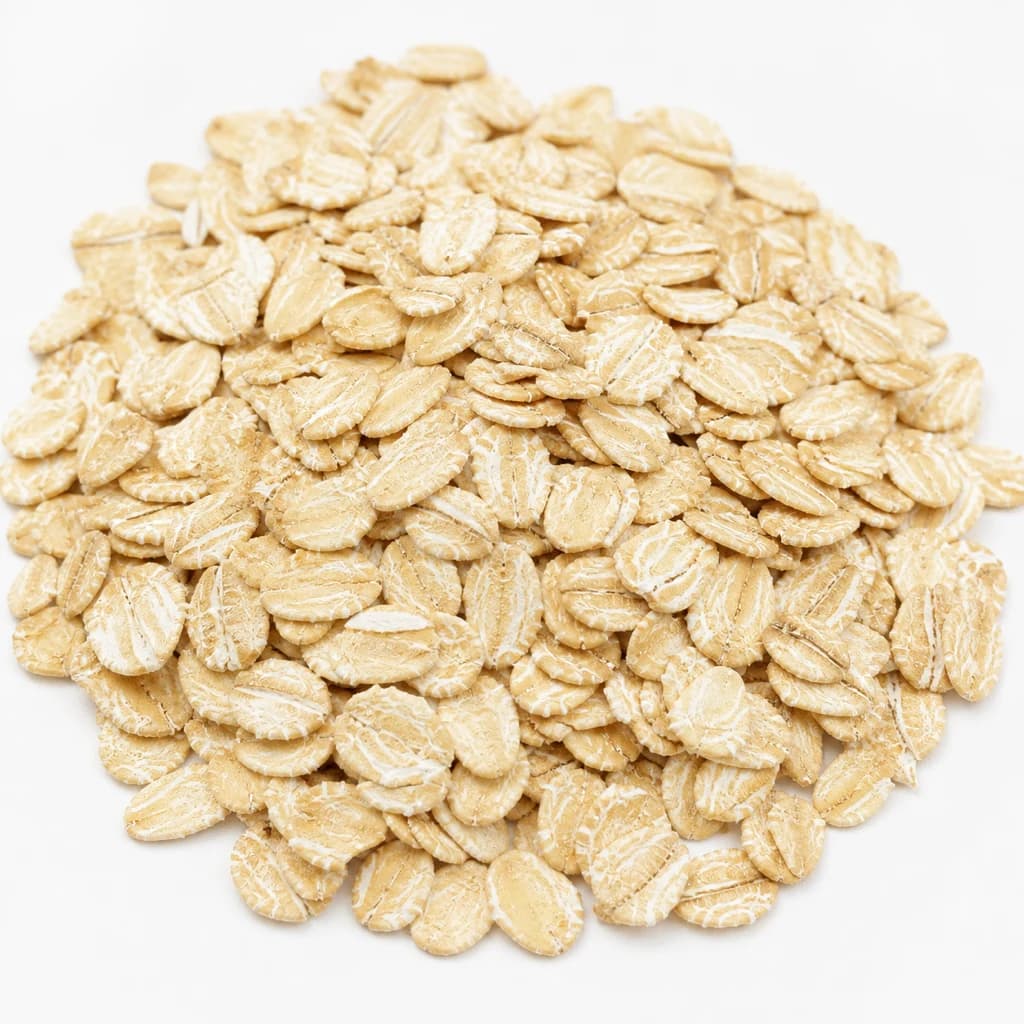
Rolled Oats
Hearty flakes for porridge, granola, and chewy cookies