
Natural form
Perry pears hang in clusters on the tree, small and hard at harvest time.
Shows the reader the pear's small size, russet-brown skin, and cluster-fruiting habit that distinguishes perry varieties from eating pears.
Produce
Perry Pear
Tannic, astringent pear variety grown specifically for making perry (pear cider).
Perry pears are small, hard, tannic pear varieties grown specifically to be pressed and fermented into perry, the pear equivalent of cider. They are usually too astringent and bitter to eat fresh, with high tannin and acid that give the finished drink structure. They are traditional to western England and parts of France.
Perry pears constitute an entirely separate horticultural category from the dessert and cooking pears found in markets. Bred over centuries in the orchards of Herefordshire, Gloucestershire, and Worcestershire — with parallel traditions in Normandy — these pears were selected not for eating quality but for the tannic, astringent character that transforms into the complex, slightly tart perry when fermented. Their flesh is so puckeringly dry that fresh consumption is genuinely unpleasant, a consequence of extraordinarily high tannin levels that most palates find intolerable. The trees themselves are notably slow-growing and long-lived; heritage specimens exceeding 300 years are still productive in traditional West Midlands orchards. This longevity, combined with the 8–15 years required for a young tree to come into full bearing, explains why genuine perry pear orchards remain rare and why the fruit is sourced almost exclusively from specialist cider producers or heritage fruit nurseries. Perry pears also differ markedly from eating pears in chemistry: lower sugar content requires supplementation for stable fermentation, while high malic acid contributes the characteristic tartness that distinguishes perry from sweeter pear wines.
- Measured in
- piece
- Storage
- Pantry
Types & varieties
Most widely planted variety; produces light, low-tannin perry; vigorous tree
Classic perry variety with high tannin; refers to several similar cultivars including Judge Ameroe Huffcap and Red Huffcap; produces full-bodied, astringent perry
Heavy cropping variety with moderate tannin; one of the more reliable producers
Distinct red-skinned variety with high tannin; produces deeply colored perry
Traditional variety named for its shape; medium-tannin perry
Large, heavy-fruited variety; moderate tannin; named for the tall tree habit
French-origin variety grown in English orchards; high tannin, good keeper
High tannin variety; produces sharp, complex perry
Small-fruited, intensely tannic variety; often blended with lighter varieties
Traditional Herefordshire variety; medium tannin; suitable for single-variety perry
Why Perry Pears Are Not Eating Pears
The distinction between perry pears and culinary pears is fundamental, not merely a matter of preference. Perry pears contain tannins in concentrations that cause immediate, intense mouth-puckering — a sensation that dessert pears have been bred to minimize. These tannins, while unpleasant raw, become essential during fermentation, providing structure, preventing oxidation, and contributing the characteristic dryness that defines proper perry. Culinary pears lack both the tannin levels and the acidic backbone that make perry distinctive. Attempting to make perry from eating pears yields a flat, overly sweet product that bears little resemblance to the real article.
- Perry pears: high tannin, high acid, low sugar, inedible raw
- Dessert pears: low tannin, low acid, high sugar, pleasant raw
- Most perry pear varieties require cross-pollination with another compatible variety; orchards traditionally contain multiple varieties
Sourcing Perry Pears
Finding genuine perry pears requires knowing where to look. Unlike apples, which are widely available at farm stands and markets, perry pears remain the province of specialist cider orchards and heritage fruit nurseries. The short harvest window (October–November) and even shorter processing window (24–48 hours from picking) make commercial distribution impractical. Your best options are purchasing fresh-pressed perry pear juice directly from a cidermaker, or sourcing whole fruit from a heritage nursery if you have pressing equipment. Some cider makers sell frozen pulp for home cidermakers, which solves the shelf-life problem but requires planning ahead.
- Contact specialist cidermakers in Herefordshire, Gloucestershire, or Normandy
- Heritage fruit nurseries sell trees and occasionally fruit
- Frozen perry pear pulp is an option for home cidermakers
- Expect to pay premium prices — these are rare fruits with a niche market
Common uses
Tips & pitfalls
- Never attempt to eat a perry pear fresh — the astringency is extreme and unpleasant, not merely drying like an unripe apple
- Press within 24–48 hours of harvest; the high tannin content oxidizes quickly and degrades quality, leaving the juice brown and flat
- Perry pears typically lack sufficient sugar for stable fermentation; blend with sweeter apple juice or add sugar to reach 1.050–1.060 specific gravity for reliable results
- Growing perry pear trees is a multi-decade commitment — trees take 8–15 years to bear and are a long-term orchard investment, not a hobby garden project
- Source from specialist heritage nurseries or directly from perry cidermakers who sell juice or pulp; supermarket pears are entirely inappropriate
- Blending 2–3 varieties from the Huffcap family is standard practice — individual varieties within this group vary significantly in tannin and acid balance
- Perry pears are prone to biennial bearing more than apple varieties; expect alternating heavy and sparse harvests rather than consistent annual crops
- The term 'perry' is PGI-protected in England when made from UK-grown perry pears — this distinction matters for authenticity
Nutrition
Energy
238 kJ · per 100 g
Where the calories come from
Protein
0.4g
1% DV
Carbs
15.2g
6% DV
Fat
0.1g
0% DV
Fiber
3.1g
11% DV
Sugars
9.8g
of which
Sodium
1mg
0% DV
Source · USDA FoodData Central · Pears, raw
View on FDC →In the shops
Matched grocery products
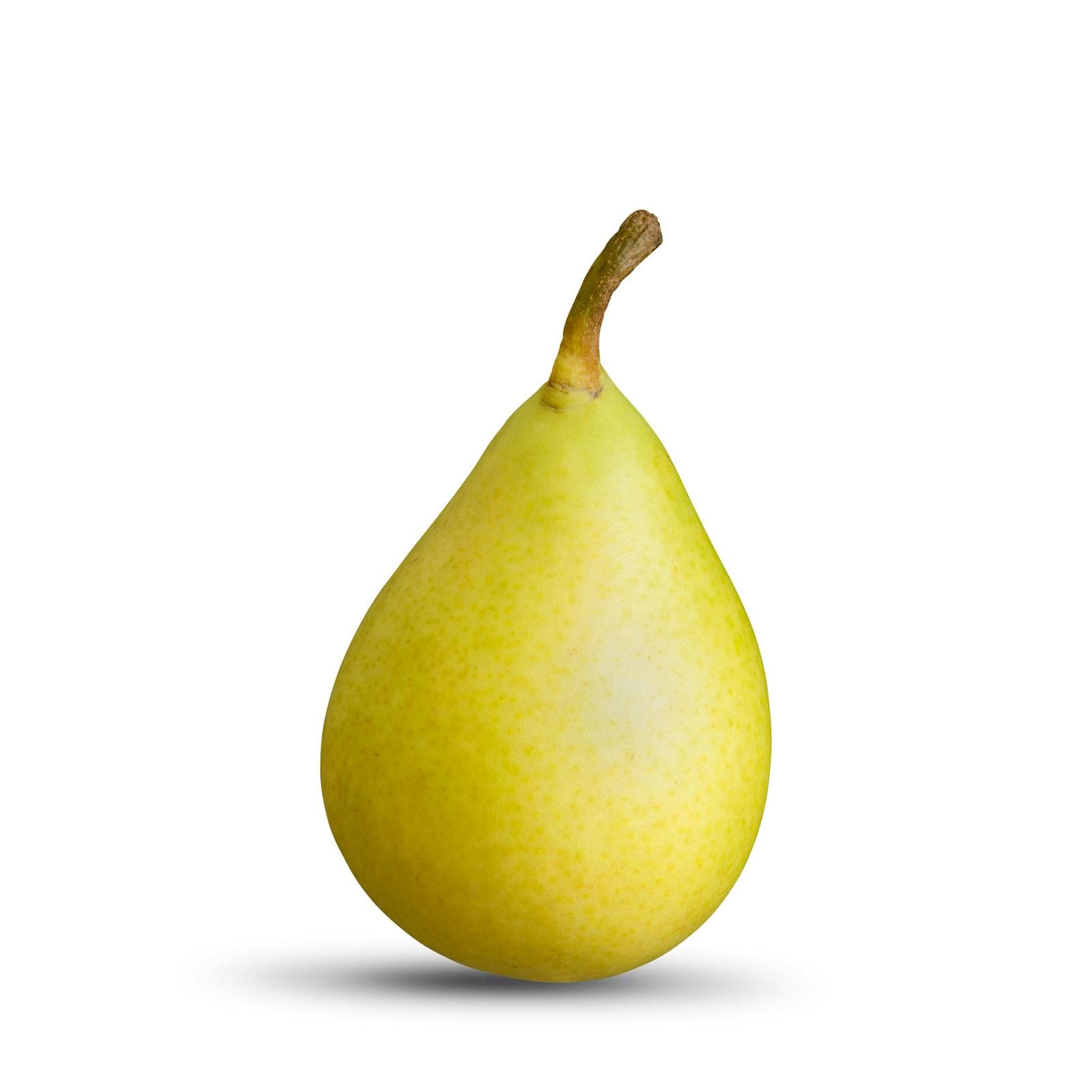 €0.31
€0.31Ercolina Pear
80 g · Mercadona
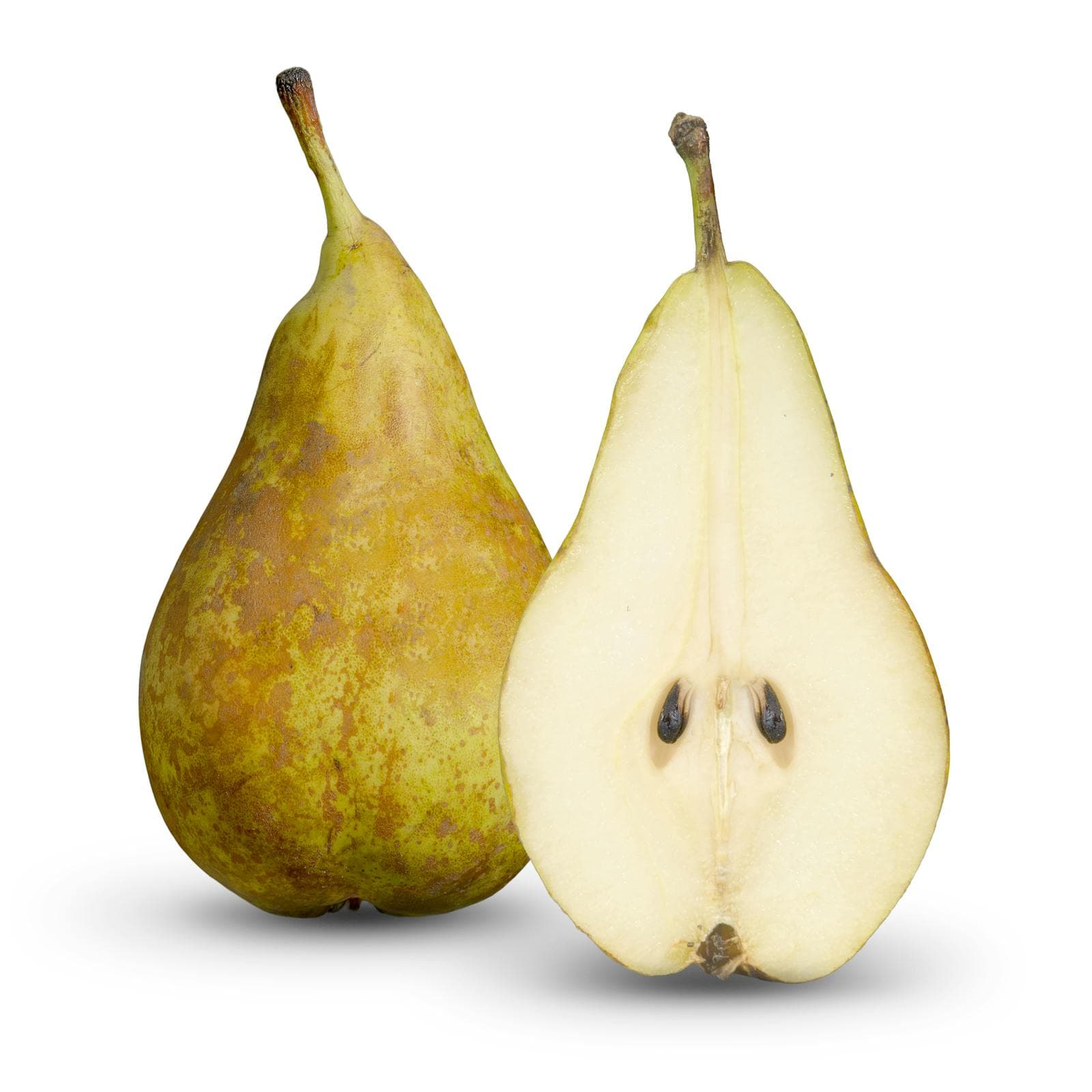 €0.44
€0.44Conference Pear
180 g · Mercadona
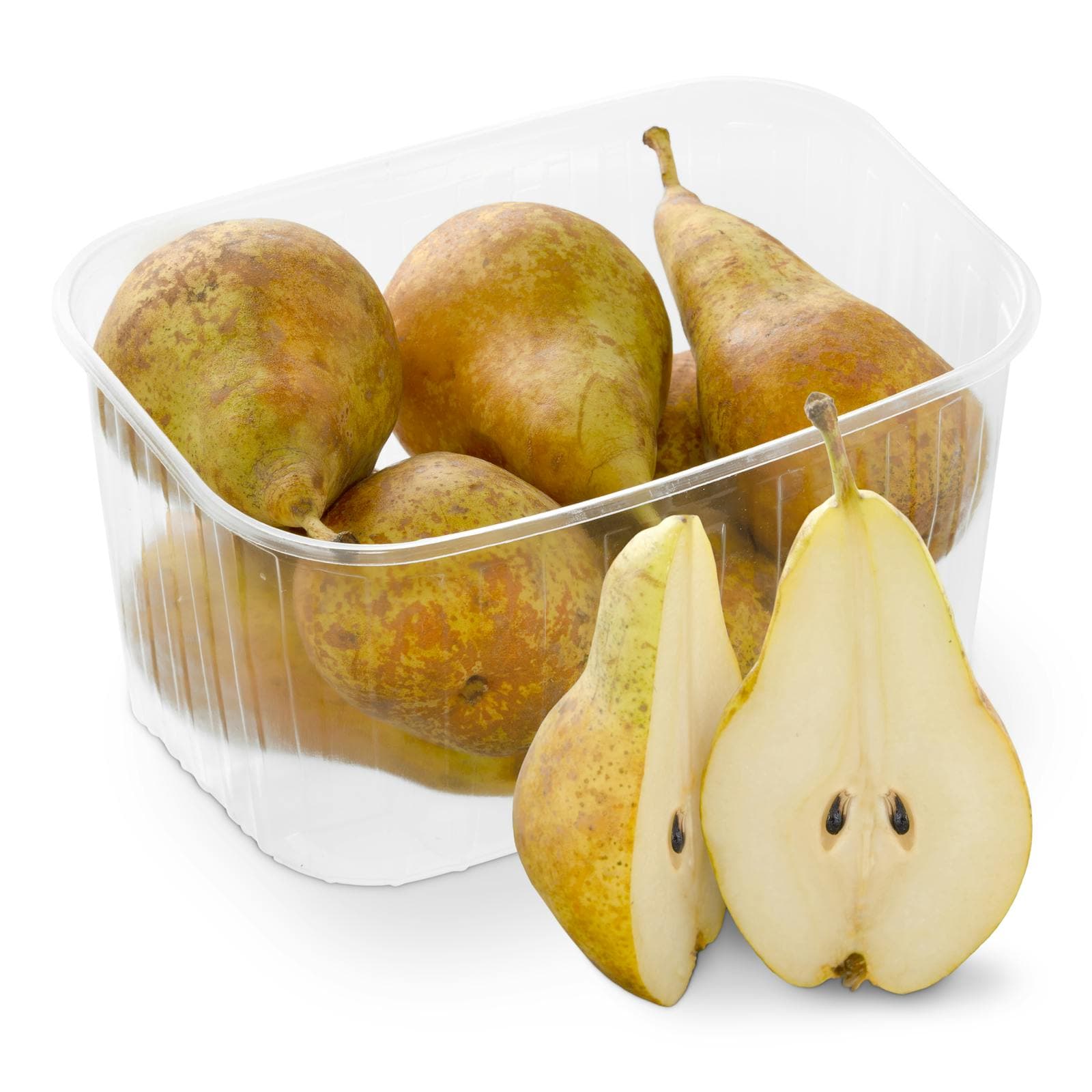 €2.39
€2.39Conference Pears
1.11 kg · Mercadona
 €0.36
€0.36Ercolina Pear 1 unit
ud · Bonpreu
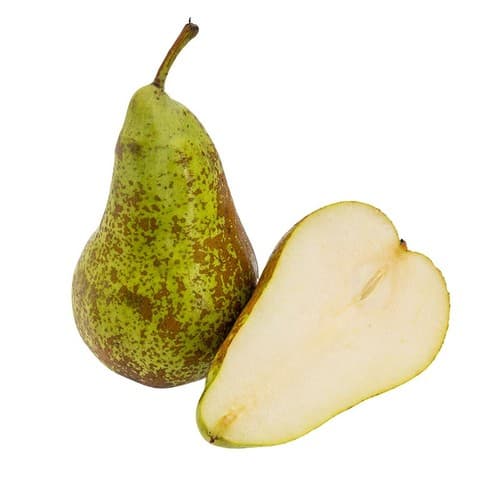 €0.45
€0.45Conference Pear Km0 1 unit
Bonpreu
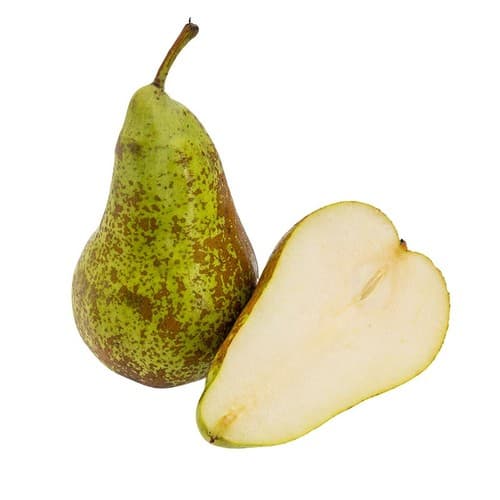 €0.52
€0.52Conference Pear Km0 1 unit
ud · Bonpreu
Good to know
- Type
- Fruit / Cider Pear Category
- Primary Use
- Perry (pear cider) production
- Tannin Level
- High — astringent to the point of being inedible fresh
- Sugar Content
- Lower than dessert pears; requires blending or supplementation for fermentation
- Origin
- Western England (Herefordshire, Gloucestershire, Worcestershire); Normandy, France
- Harvest Season
- Late autumn, typically October to November
- Growing Regions
- Traditional perry pear orchards in the West Midlands and Normandy; rare outside these areas
- Availability
- Very limited; sold primarily through specialist cider orchards and heritage fruit nurseries
- Shelf Life
- Very short; press within 24–48 hours of harvest
- Acidity
- High malic acid; contributes characteristic tartness
Substitutes
- Astringent apple varieties (e.g., Tremlett's Bitter, Somerset Redstreak) — Adds tannin structure when blending for a perry-style cider; will not replicate the distinctive pear character but provides acceptable complexity
- Oak chips or tannin powder — Adds tannin to a base juice but lacks the natural balance and complexity of perry pear tannins; a last resort for home cidermakers with no access to proper fruit
- Dessert or cooking pears — Entirely inappropriate; low tannin and high sugar produce a sweet, flat product that cannot be called perry
Pairs with
Also called
Perry Pears
Related
Tomato
Juicy, sun-sweet fruit for sauces, salads, and slow-cooked depth
Yellow Onion
The aromatic backbone of soups, sofritos, and braises
Garlic
Pungent cloves that perfume nearly every savory dish
Lemon
Bright, acidic citrus that wakes up almost any dish
Potato
Humble, hearty staple — roast, mash, fry, or boil
Carrot
Sweet, crunchy root — raw, roasted, or the base of a sofrito
Cucumber
Cool, crisp, and watery — for salads, pickles, and tzatziki

Lettuce
Crisp leaves for salads, wraps, and a fresh crunch