Varieties
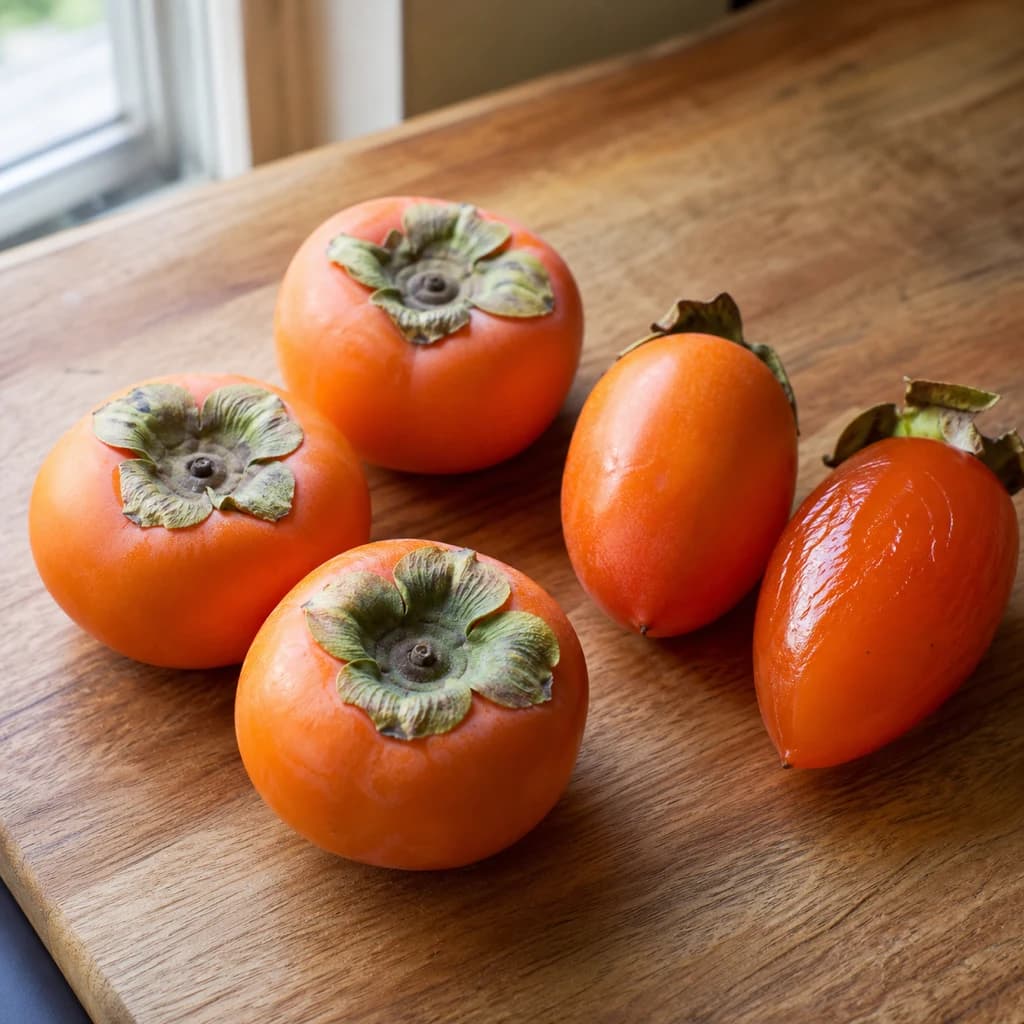
Fuyu (squat, firm) and Hachiya (elongated, soft-ripe) persimmons side by side on a wooden surface.
Showing both major cultivars together teaches readers the key shape and ripeness differences that determine how each variety must be eaten.
Produce
Persimmon
Sweet orange autumn fruit eaten fresh, dried, or baked when fully ripe.
Persimmons are glossy orange fruits with honey-sweet flesh, available in firm (Fuyu) and soft astringent (Hachiya) varieties. Fuyu types are eaten crisp like an apple, while Hachiya must ripen to a jelly-soft state to lose astringency before use in puddings and baking. They are also dried into chewy sweets in East Asia.
Persimmon is a unique autumn fruit that rewards patience and punishes impatience. The single most important thing to understand is that there are two distinct categories—astringent and non-astringent—and conflating them leads to one of the most unpleasant eating experiences in all of fruit. Astringent varieties, most notably Hachiya, contain high levels of soluble tannins when unripe that create an intensely drying, chalky sensation in the mouth (the feeling is sometimes compared to drinking extremely strong tea). These fruits must be completely soft, almost jelly-like, before eating. Non-astringent varieties like Fuyu can be eaten firm, like an apple, with no astringency whatsoever. When ripe, the flesh becomes custard-soft, honey-sweet, and deeply perfumed with notes of caramel, apricot, and mango. The fruit is botanically related to ebony wood, and its name derives from the Algonquian word pasimin, meaning 'dry fruit.' China produces roughly two million metric tons annually, though California, Japan, and Korea grow excellent specimens with distinct regional character.
- Measured in
- piece
- Storage
- Fridge
Types & varieties
Most common astringent variety. Elongated, acorn-shaped. Must be completely soft (jam-like) before eating. Deep orange-red skin.
Most common non-astringent variety. Squat, tomato-shaped. Can be eaten firm like an apple or soft. No astringency.
Non-astringent. Flattened, more squat than Fuyu. Very sweet. Firm when ripe.
Non-astringent. Large, round. Premium variety in Japan; intense sweetness.
Astringent. Uniquely shaped with a prominent leafy cap. Large fruit, very sweet when ripe.
Astringent. Small, elongated. Considered one of the sweetest; excellent for drying.
Diospyros virginiana. Native to eastern U.S. Smaller (1–2 inches). Very astringent until dead ripe. Rich, caramel flavor. Hardier tree than Asian types.
Common uses
Tips & pitfalls
- Never eat Hachiya persimmons until they are completely soft—eating them prematurely delivers an intensely dry, chalky feeling from tannins that can linger for hours and is completely unavoidable once experienced.
- Test ripeness by gently pressing: a ripe Hachiya feels like a filled water balloon with give across the entire fruit; a ripe Fuyu should give slightly near the stem but remain firm overall.
- To ripen astringent persimmons quickly, place them in a paper bag with a banana or apple; the trapped ethylene gas accelerates ripening in 1–3 days versus a week or more at room temperature alone.
- Do not refrigerate unripe persimmons—cold temperatures halt the ripening process and the fruit will not soften properly.
- When slicing persimmons, cut around the hard green calyx (leafy top) and pull or scoop out the core and seeds before using the flesh.
- For baking, drain excess moisture from pureed persimmon if using in dense batters to prevent soggy results; the fruit releases more liquid than pumpkin or applesauce.
- Overripe persimmons develop a wine-like, fermented flavor—use promptly when fully ripe or discard.
Nutrition
Energy
293 kJ · per 100 g
Where the calories come from
Protein
0.6g
1% DV
Carbs
18.6g
7% DV
Fat
0.2g
0% DV
Fiber
3.6g
13% DV
Sugars
12.5g
of which
Sodium
1mg
0% DV
Source · USDA FoodData Central · Persimmons, japanese, raw
View on FDC →In the shops
Matched grocery products
No matched grocery products for Persimmon yet.
Good to know
- Scientific name
- Diospyros kaki (Japanese); Diospyros virginiana (American)
- Season
- Late October through December/January
- Primary origin
- China; also Japan, Korea, California, Italy, Brazil, Israel
- Flavor when ripe
- Honey-sweet with caramel, apricot, and mango notes; intensely sweet when dried
- Texture ripe
- Jelly-soft (astringent); custard-soft to firm (non-astringent)
- Storage
- Refrigerate ripe fruit 1–2 weeks; store unripe at room temperature until soft
- Ethylene producer
- Yes; place near bananas or apples to accelerate ripening
- Yield
- Approximately 1 cup flesh per large persimmon
Substitutes
- Applesauce — Use in equal amounts for baking; similar moisture and sweetening effect, though flavor differs significantly.
- Pumpkin puree — Substitute 1:1 in baking; provides similar texture and moisture with a different, earthier flavor.
- Mango — Raw sliced fruit as a fresh substitute; provides tropical sweetness but lacks persimmon's honey-caramel notes.
- Medjool dates — Chopped and soaked for dried-persimmon flavor in baking or desserts.
Pairs with
Also called
Fuyu Persimmon · Hachiya Persimmon · Kaki
Related
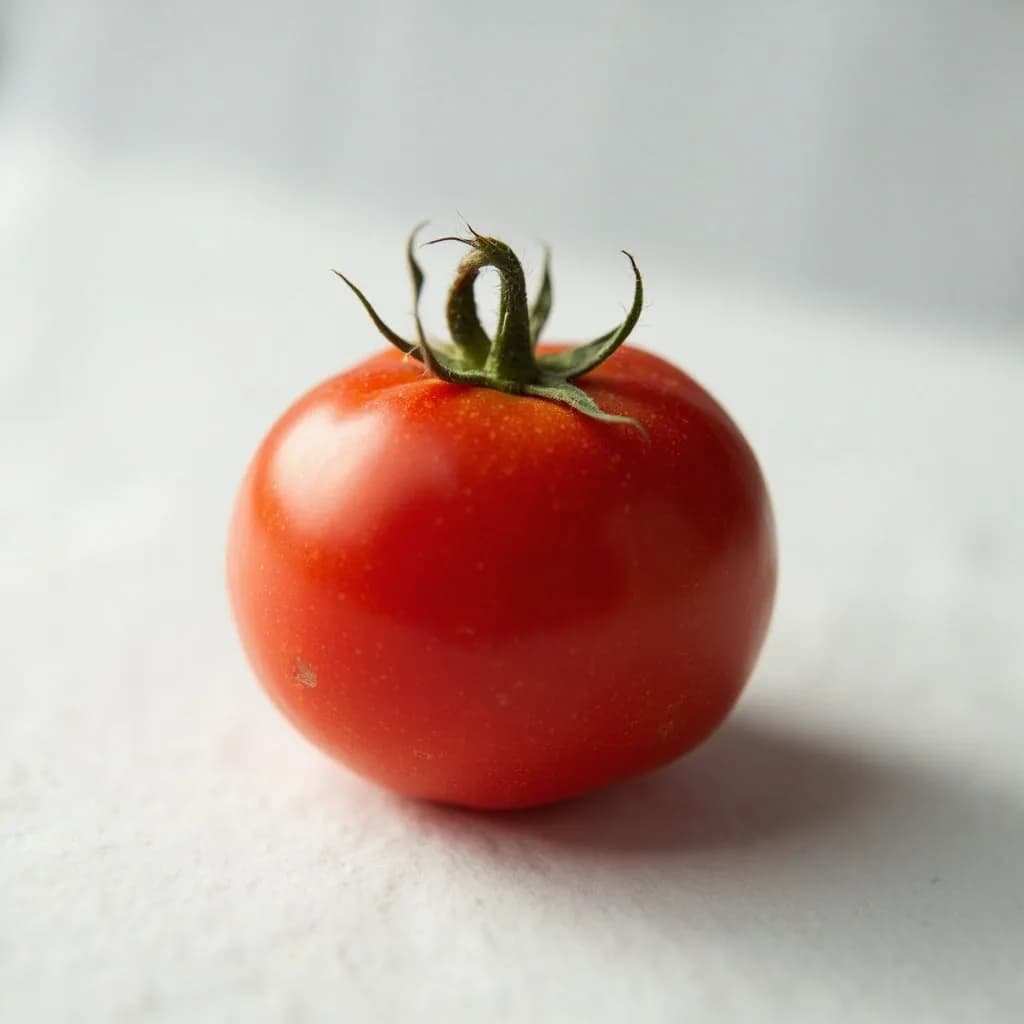
Tomato
Juicy, sun-sweet fruit for sauces, salads, and slow-cooked depth
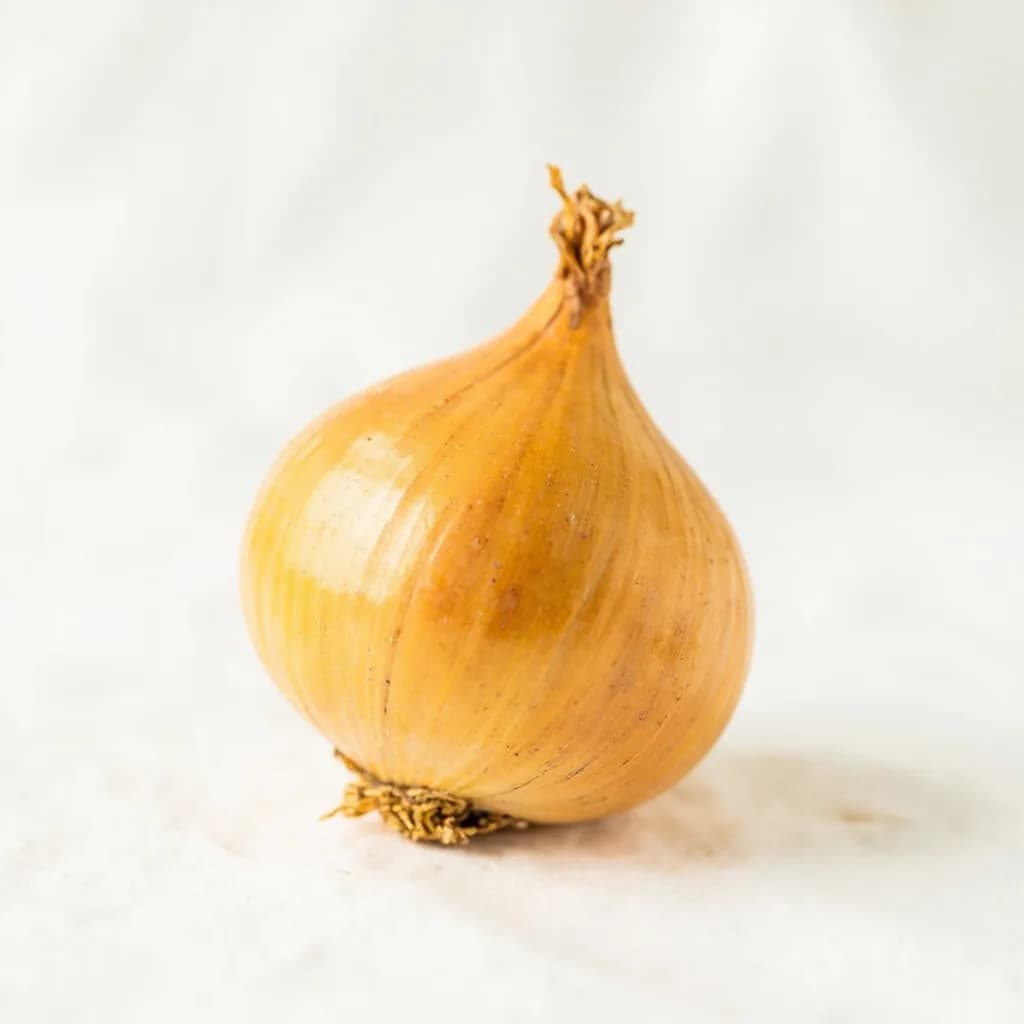
Yellow Onion
The aromatic backbone of soups, sofritos, and braises
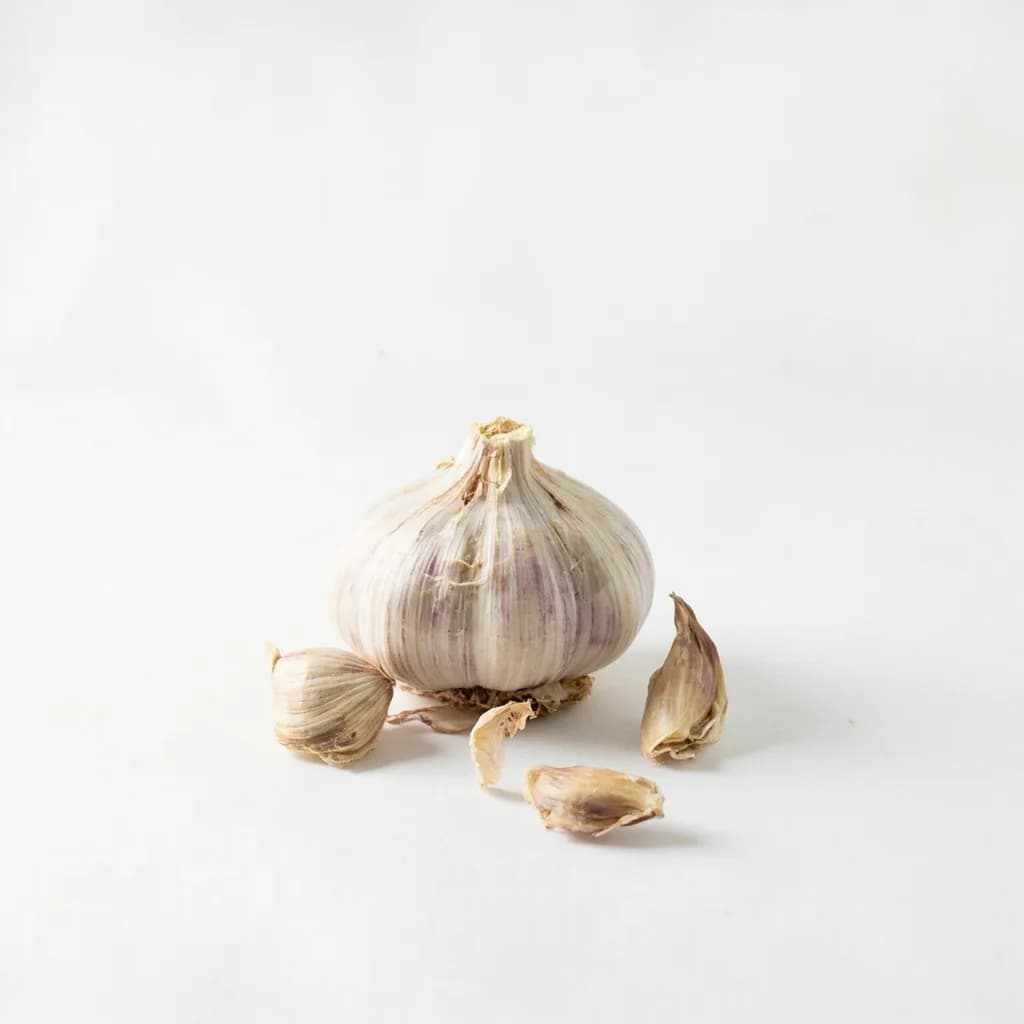
Garlic
Pungent cloves that perfume nearly every savory dish
Lemon
Bright, acidic citrus that wakes up almost any dish
Potato
Humble, hearty staple — roast, mash, fry, or boil
Carrot
Sweet, crunchy root — raw, roasted, or the base of a sofrito
Cucumber
Cool, crisp, and watery — for salads, pickles, and tzatziki

Lettuce
Crisp leaves for salads, wraps, and a fresh crunch