Natural form
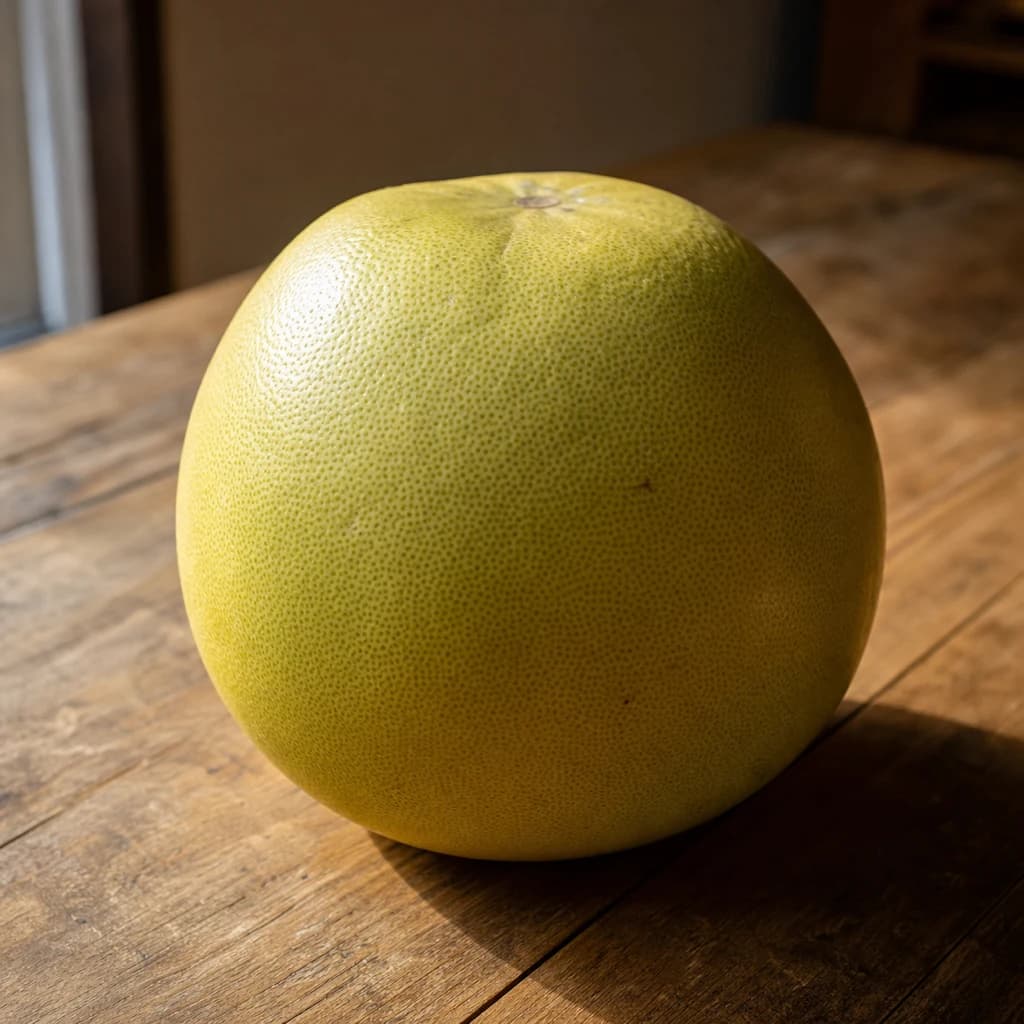
A whole pomelo showing its distinctive pale green-yellow thick rind and large size.
Establishes the pomelo's unmistakable silhouette — its outsize bulk and pale, dimpled rind — so readers can identify it at a market.
Produce
Pomelo
Largest citrus fruit, with thick rind and sweet, mild flesh eaten fresh or in salads.
The pomelo is the largest of the citrus fruits, with a very thick pale rind and pith surrounding firm, juicy segments that are sweet and only mildly tart. The flesh is eaten fresh, segmented into Southeast Asian salads like yam som-o, or added to desserts. It is an ancestor of the grapefruit.
The pomelo (Citrus maxima) is the largest citrus fruit in the world, ranging from 15–30 cm in diameter and typically weighing 1–4.5 kg, though specimens can reach 7 kg. Native to Southeast Asia and the Malay Peninsula, it is one of the three ancestral species of modern citrus, serving as one parent of the grapefruit (crossed with mandarin). The fruit features a thick rind—1–4 cm of yellow to green-yellow pith surrounding 13–18 large, easily separated segments. The flesh ranges from white to pale yellow, pink, or red depending on variety, offering a mild, sweet, low-acid flavor with subtle citrus notes that makes it far more approachable than its bitter relatives. The thick rind and substantial pith (up to 60% of the fruit) are inedible but contain valuable citrus oils prized in perfumery. In Buddhist cuisine across Thailand and Vietnam, the peeled and segmented pomelo holds sacred significance, often presented as offerings at family altars.
- Measured in
- piece
- Storage
- Fridge
Types & varieties
Large, smooth rind; pink to red flesh; most common in U.S. markets
Japanese variety; yellow rind, pink flesh; very sweet
Thai variety; greenish skin, sweet white flesh, fewer membranes
Thai white-fleshed variety; highly aromatic
Greenish-yellow rind, pale flesh; less bitter pith
Seedless variety; white flesh, mild flavor
Seedy variety; common in Florida
Thai variety; thin rind, sweet white flesh
Selecting and Storing
Choose pomelos that feel heavy for their size—this indicates juicy flesh. The rind should be firm with a slight give when pressed, and free of soft spots or blemishes. A dull rind may signal age, while overly green coloring suggests the fruit is underripe. Avoid any fruit with visible mold or water-soaked areas. Once cut open, refrigerate peeled segments in an airtight container for up to 5 days. Whole fruit keeps 2–4 weeks at room temperature and up to 6 weeks in the refrigerator.
- Weight is the best indicator of juice content—pick the heaviest fruit at the display
- Greenish skin is acceptable for some varieties but may indicate underripe fruit
- Separate segments before freezing; frozen segments lose texture but work well in smoothies
The Pomelo's Role in Citrus History
As one of the three founding species of modern citrus cultivation (along with mandarin and citron), the pomelo's importance extends far beyond its own culinary uses. It is the direct parent of the grapefruit, created through hybridization with the mandarin. The thick rind and substantial pith that characterize the pomelo are genetic traits it passed to its offspring, distinguishing grapefruit from other citrus. Understanding this ancestry explains why grapefruit tastes more like pomelo than like the sweet mandarin, and why both fruits share that characteristic bitterness in the membrane and pith.
- Pomelo × Mandarin = Grapefruit
- The thick rind is a dominant genetic trait—grapefruit inherited it from its pomelo parent
- Unlike mandarin-derived citruses, pomelo and its hybrids require more aggressive pith removal
Common uses
Tips & pitfalls
- Cut off both ends before scoring the rind vertically; the thick skin separates easily from the flesh once the ends are removed
- Remove every trace of the bitter white pith and the translucent membrane surrounding each segment—these are inedible and unpleasant
- Use your fingers to pop segments free rather than cutting them with a knife—this causes less bruising and yields cleaner results
- Select fruit that feels heavy for its size, indicating juicy flesh; this is the single most reliable quality indicator
- Avoid fruit with soft spots, overly green coloring (may be underripe), or a dull rind (suggests age)
- Refrigerate peeled segments in an airtight container for up to 5 days
- Separate segments before freezing; frozen segments lose texture but work well in smoothies
- The juice stains—use caution around light fabrics and work surfaces
- Do not confuse with grapefruit: pomelo is sweeter, less acidic, has a thicker rind, and larger flesh cells
Nutrition
Energy
159 kJ · per 100 g
Where the calories come from
Protein
0.8g
2% DV
Carbs
9.6g
3% DV
Fat
0g
0% DV
Fiber
1g
4% DV
Sodium
1mg
0% DV
Source · USDA FoodData Central · Pummelo, raw
View on FDC →In the shops
Matched grocery products
No matched grocery products for Pomelo yet.
Good to know
- Scientific name
- Citrus maxima (Citrus grandis)
- Origin
- Southeast Asia and the Malay Peninsula
- Peak season
- December through March in the Northern Hemisphere
- Typical weight
- 1–4.5 kg (2–10 lbs); can reach 7 kg (15 lbs)
- Flavor profile
- Sweet, mild, low-acid; less bitter than grapefruit; subtle citrus notes
- Edible yield
- Approximately 40% of total weight (a 1-kg fruit yields 400–500 g flesh)
- Shelf life
- 2–4 weeks at room temperature; up to 6 weeks refrigerated
- Also called
- Pummelo, shaddock, Chinese grapefruit, jabong
Substitutes
- Grapefruit — Closest substitute; more acidic and slightly bitter; reduce sugar if using in place of pomelo
- Oranges — Milder citrus flavor; different texture but workable in fresh applications
- UGLI fruit — A Jamaican citrus hybrid of grapefruit and orange; similar size and sweet-tart balance
- Pink grapefruit + simple syrup — Approximates the sweetness of red-fleshed pomelo varieties
Pairs with
Also called
Pamplemousse · Pummelo · Shaddock
Appears in these dishes

Related
Tomato
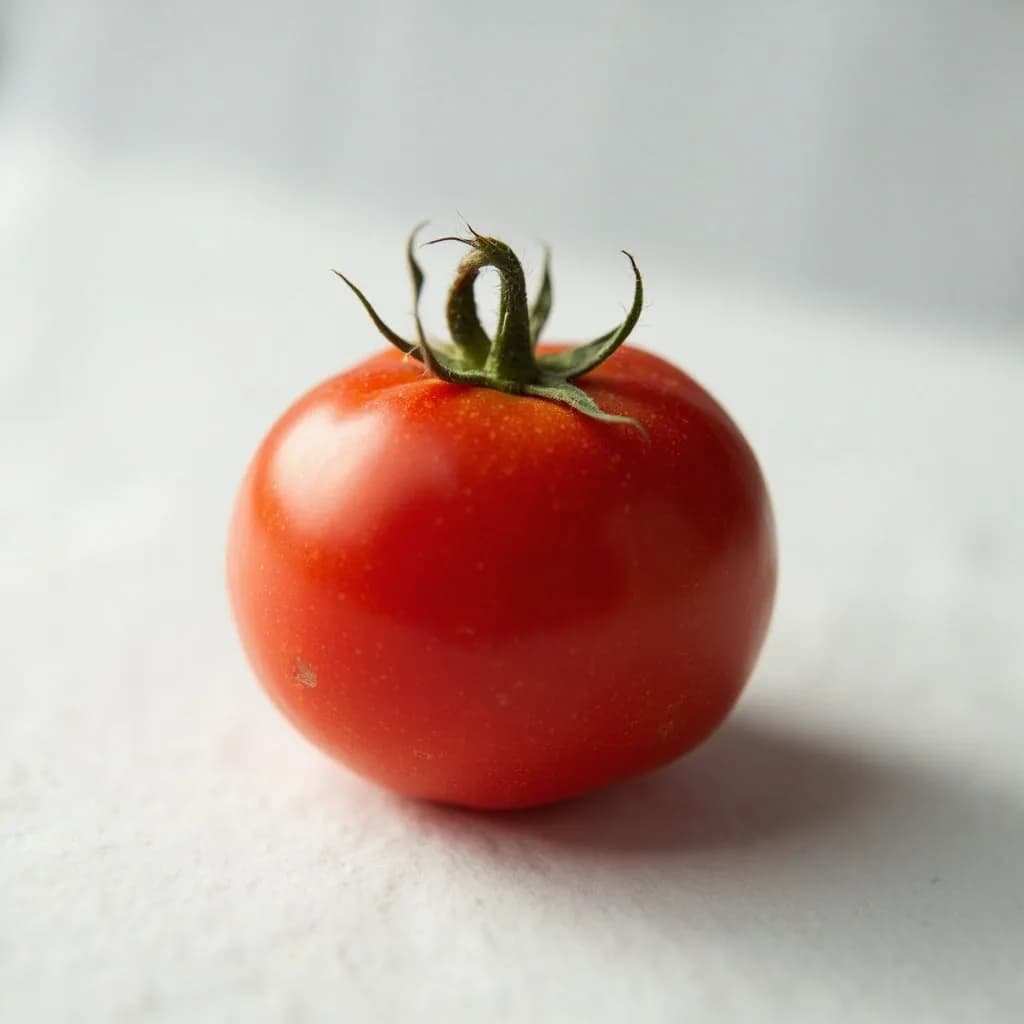
Juicy, sun-sweet fruit for sauces, salads, and slow-cooked depth
Yellow Onion
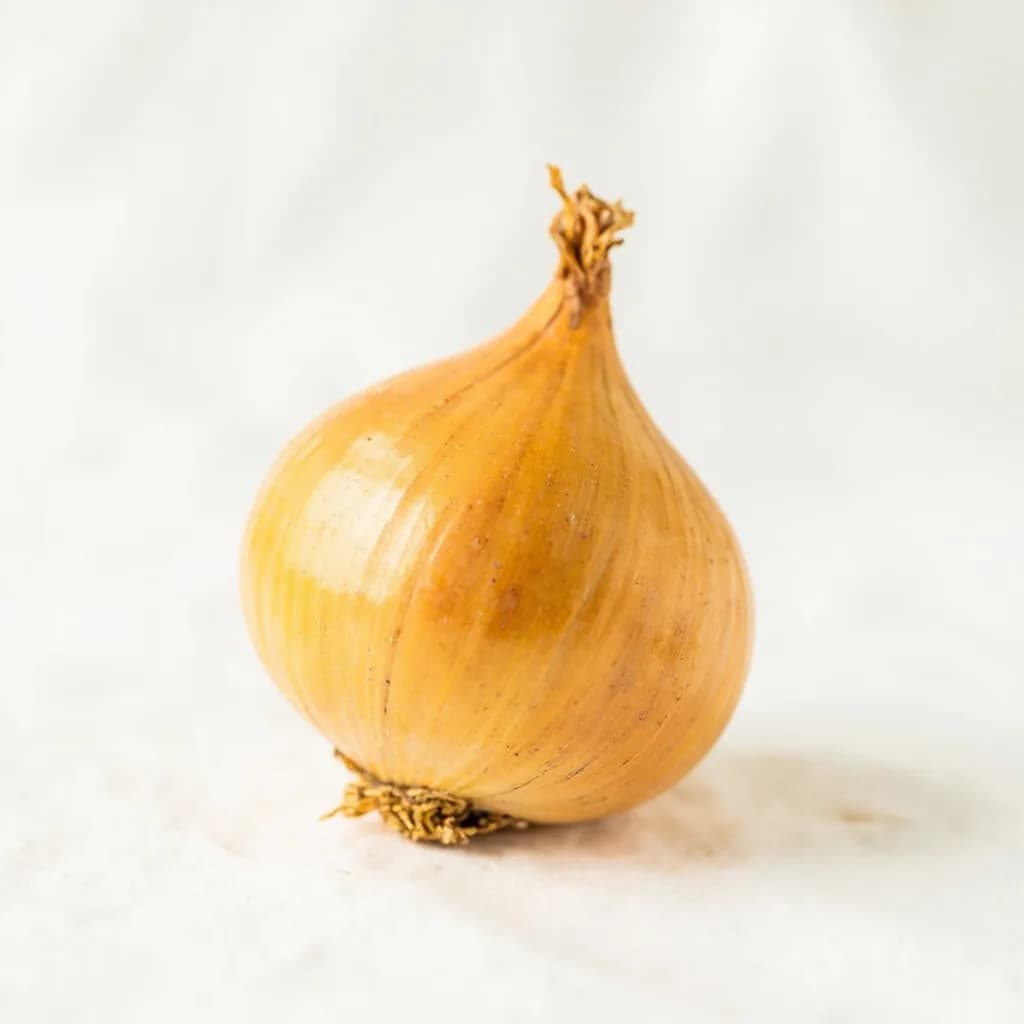
The aromatic backbone of soups, sofritos, and braises
Garlic
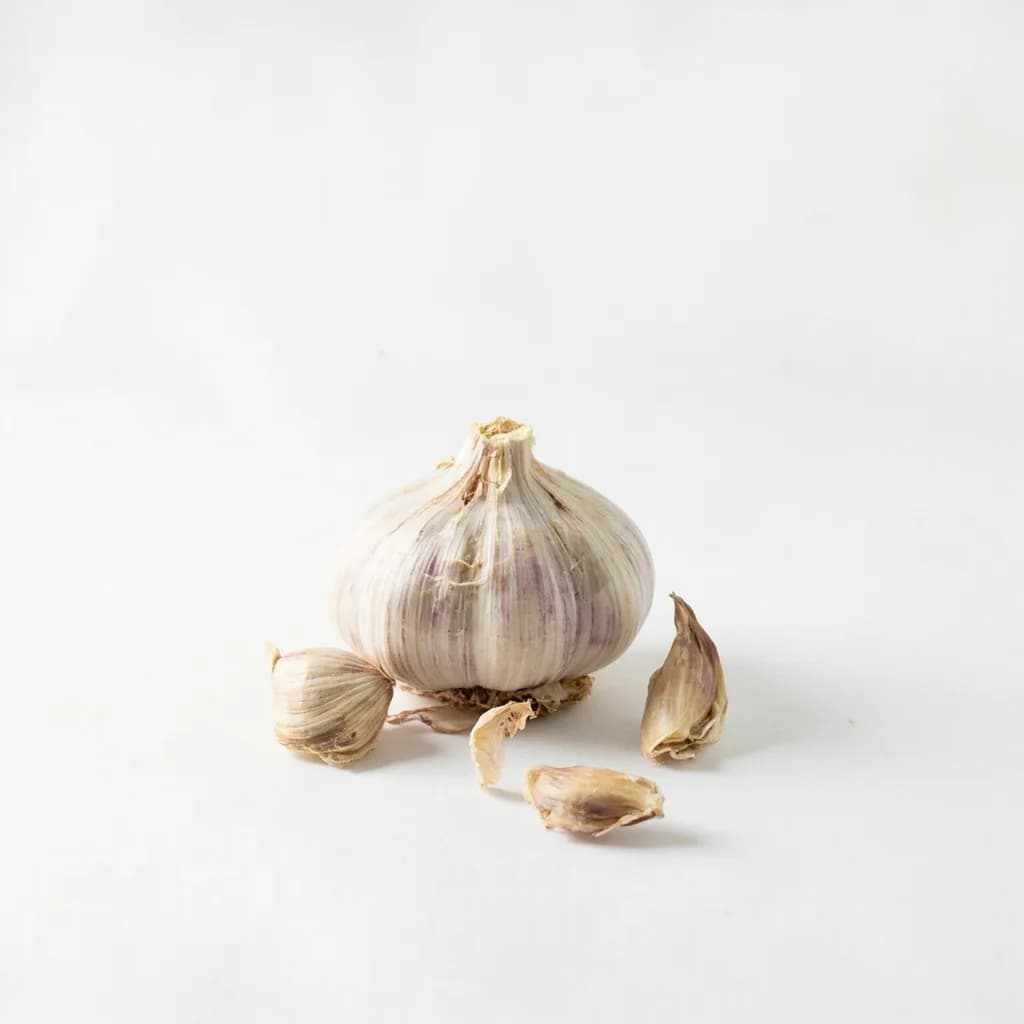
Pungent cloves that perfume nearly every savory dish
Lemon
Bright, acidic citrus that wakes up almost any dish
Potato
Humble, hearty staple — roast, mash, fry, or boil
Carrot
Sweet, crunchy root — raw, roasted, or the base of a sofrito

Cucumber
Cool, crisp, and watery — for salads, pickles, and tzatziki

Lettuce
Crisp leaves for salads, wraps, and a fresh crunch