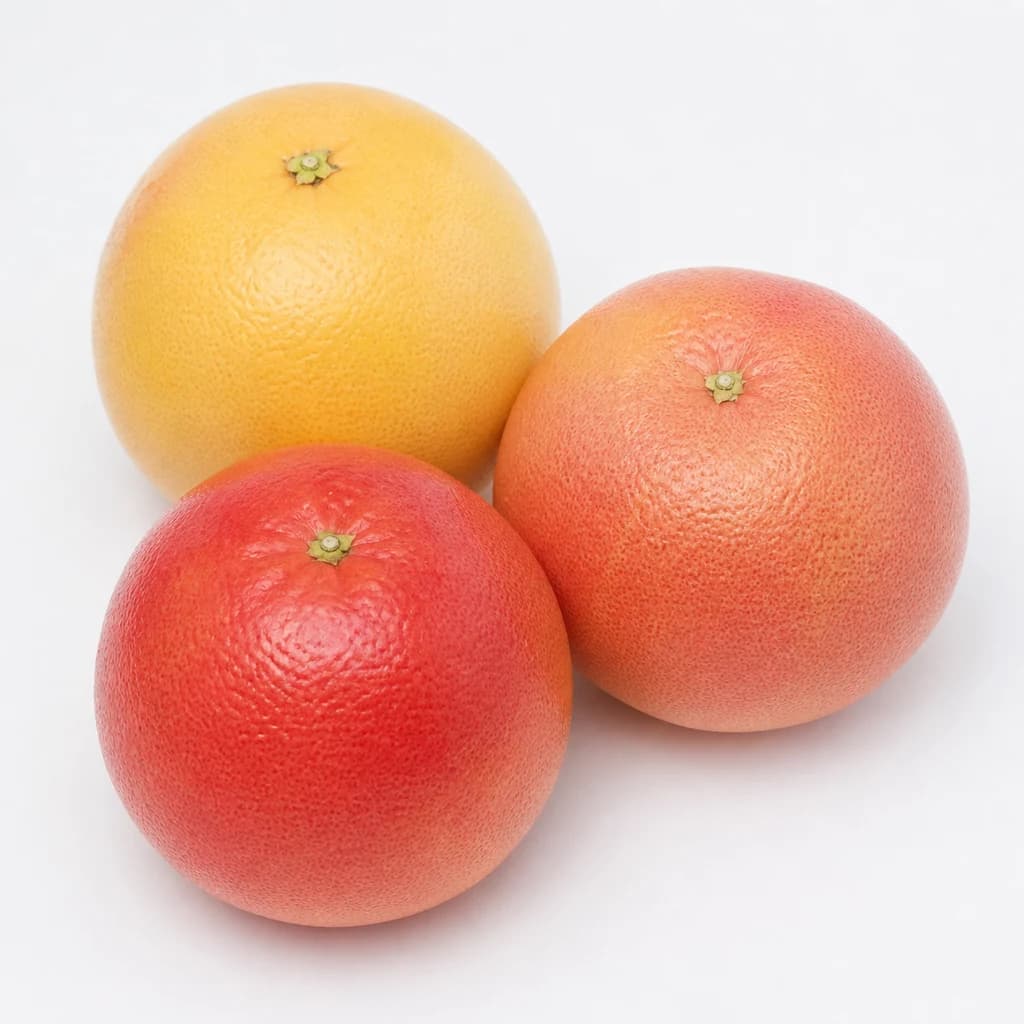
Natural form
Whole grapefruits showing the thick, pebbled yellow-to-blush rind and large size relative to each other.
Teaches the reader to recognize grapefruit by its distinctive size, rind texture, and color range before any cutting.
Produce
Grapefruit
Tart-sweet citrus for breakfast, salads, and cocktails
Bracingly tart with a sweet edge, grapefruit segments brighten a salad, a breakfast bowl, or a cocktail. Pink varieties are sweeter. Keep them cold for weeks.
Grapefruit is the bracing, grown-up citrus — large, juicy, and dramatically tart with a pleasant bitter edge that wakes up the palate. Pink and red varieties lean sweeter and milder; white ones bite harder. It's a classic breakfast half, segments brighten salads against rich and salty partners, and its juice makes a sharp, sophisticated cocktail base. The bitterness that puts some people off is exactly what makes it so refreshing.
- Measured in
- piece
- Storage
- Refrigerate
- Shelf life
- 21 days
Find it in
Types & varieties
Deep red flesh, sweetest and least bitter
Rosy flesh, mild and sweet-tart
Pale, the most tart and bitter
Larger relatives, sweeter and less acidic
How to choose
Pick fruit that feels heavy and dense for its size with thin, smooth, springy skin — that means juicy flesh. Slight softening is fine; rough, thick, puffy skin signals dryness and lots of pith. Flatter fruit is often juicier than perfectly round.
How to store
Keeps about a week at room temperature and up to three weeks in the fridge crisper. Bring to room temperature before eating for fuller flavor and juice.
A safety note on medication
Grapefruit and its juice interact with many common medications (some statins, blood-pressure and other drugs) by blocking an enzyme that breaks them down, which can raise drug levels dangerously. If you take prescription medication, check with a pharmacist before making grapefruit a regular part of your diet.
- Affects how certain drugs are metabolized
- Even a small amount can matter
- When in doubt, ask a pharmacist
Common uses
Tips & pitfalls
- A sprinkle of sugar — or a quick caramelized brûlée under the broiler — tames the bitterness
- Supreme the segments to escape the bitter membranes in salads
- Salt counterintuitively makes grapefruit taste sweeter
- Save the juice for a sharp, grown-up cocktail or vinaigrette
- Pair with rich, fatty, or salty foods to balance its acidity
Nutrition
Energy
134 kJ · per 100 g
Where the calories come from
Protein
0.6g
1% DV
Carbs
8.2g
3% DV
Fat
0.1g
0% DV
Sodium
0mg
0% DV
Source · USDA FoodData Central · Grapefruit, raw, white, Florida
View on FDC →In the shops
Matched grocery products
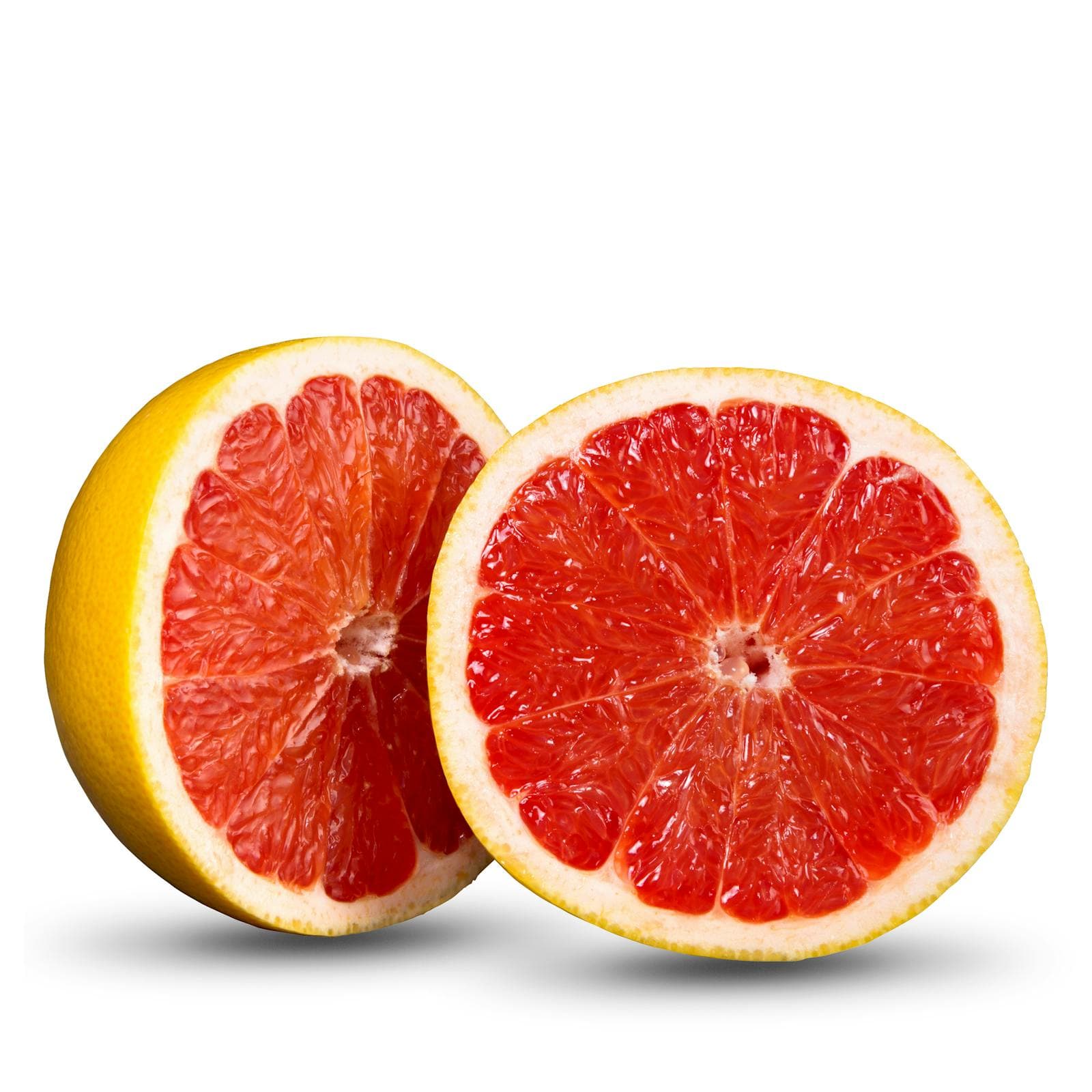 €0.68
€0.68Grapefruit
350 g · Mercadona
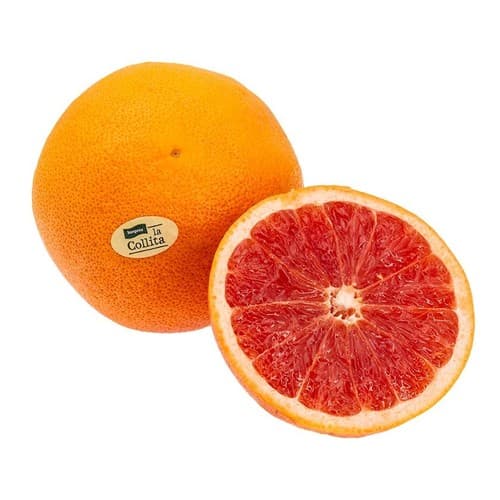 €1.09
€1.09Grapefruit 1 unit
Bonpreu
Good to know
- Peak season
- Winter through early spring
- Flavor
- Tart, bitter-edged, juicy; sweeter in red/pink types
- Origin
- Barbados, 18th century — a pomelo × sweet orange cross
- Nutrition
- ~42 kcal/100g; vitamin C, vitamin A (pink), lycopene
- How to buy
- Heavy, firm with slight give, thin smooth skin, fragrant
Appears in these dishes
Related
Tomato
Juicy, sun-sweet fruit for sauces, salads, and slow-cooked depth
Yellow Onion
The aromatic backbone of soups, sofritos, and braises
Garlic
Pungent cloves that perfume nearly every savory dish
Lemon
Bright, acidic citrus that wakes up almost any dish
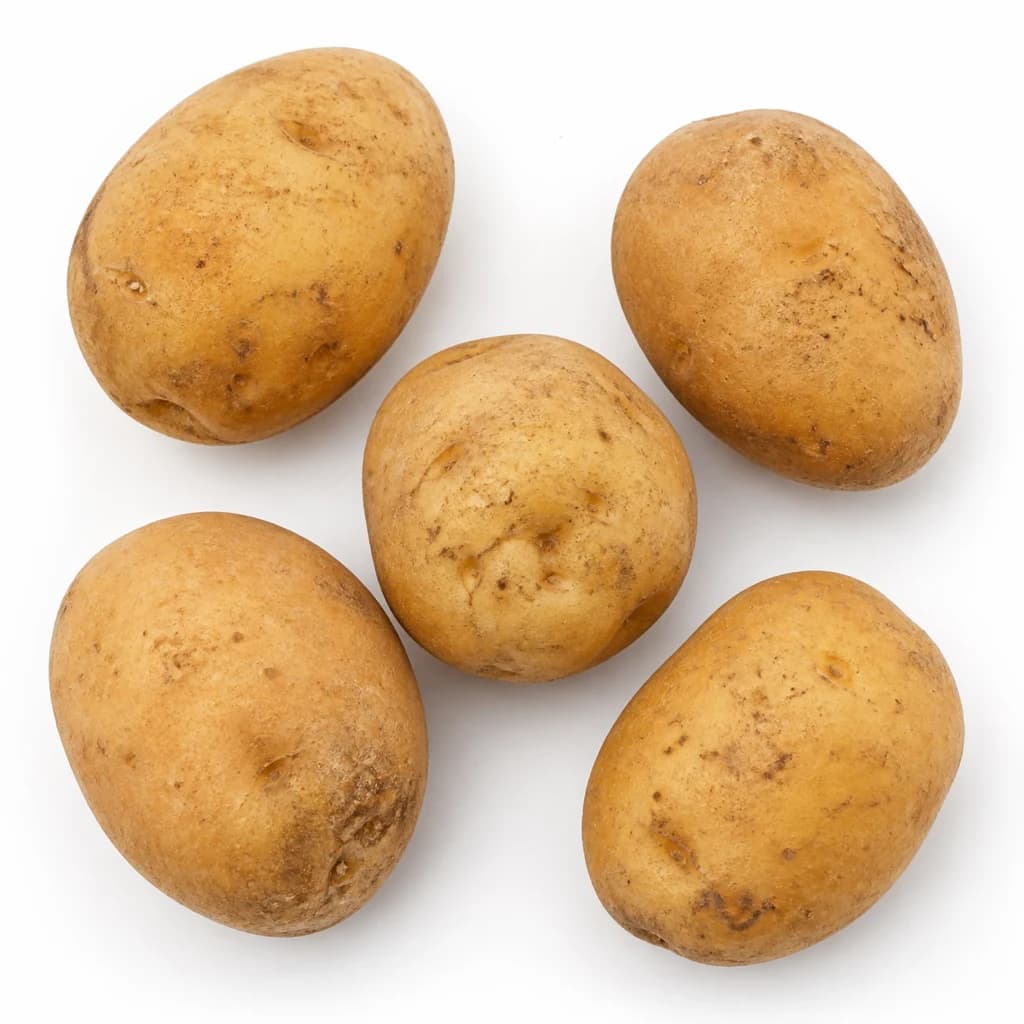
Potato
Humble, hearty staple — roast, mash, fry, or boil
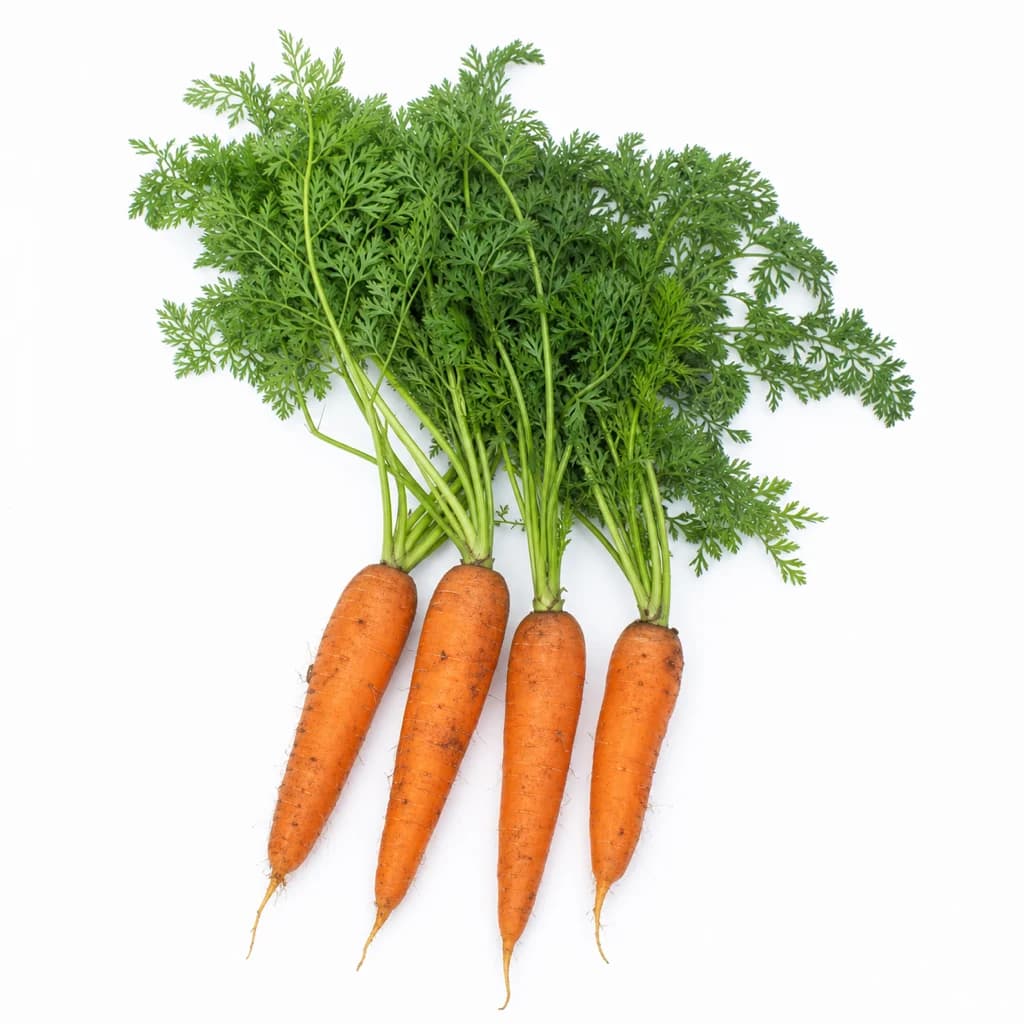
Carrot
Sweet, crunchy root — raw, roasted, or the base of a sofrito
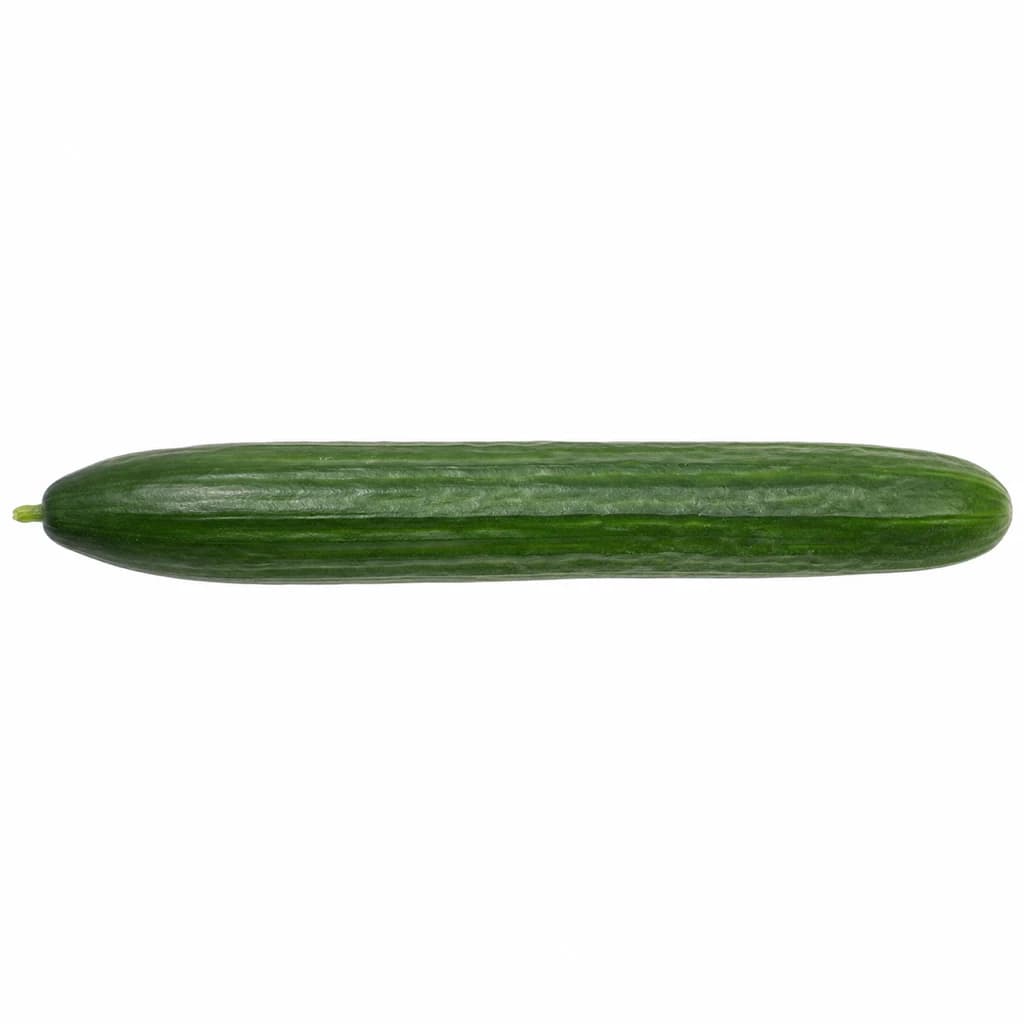
Cucumber
Cool, crisp, and watery — for salads, pickles, and tzatziki

Lettuce
Crisp leaves for salads, wraps, and a fresh crunch