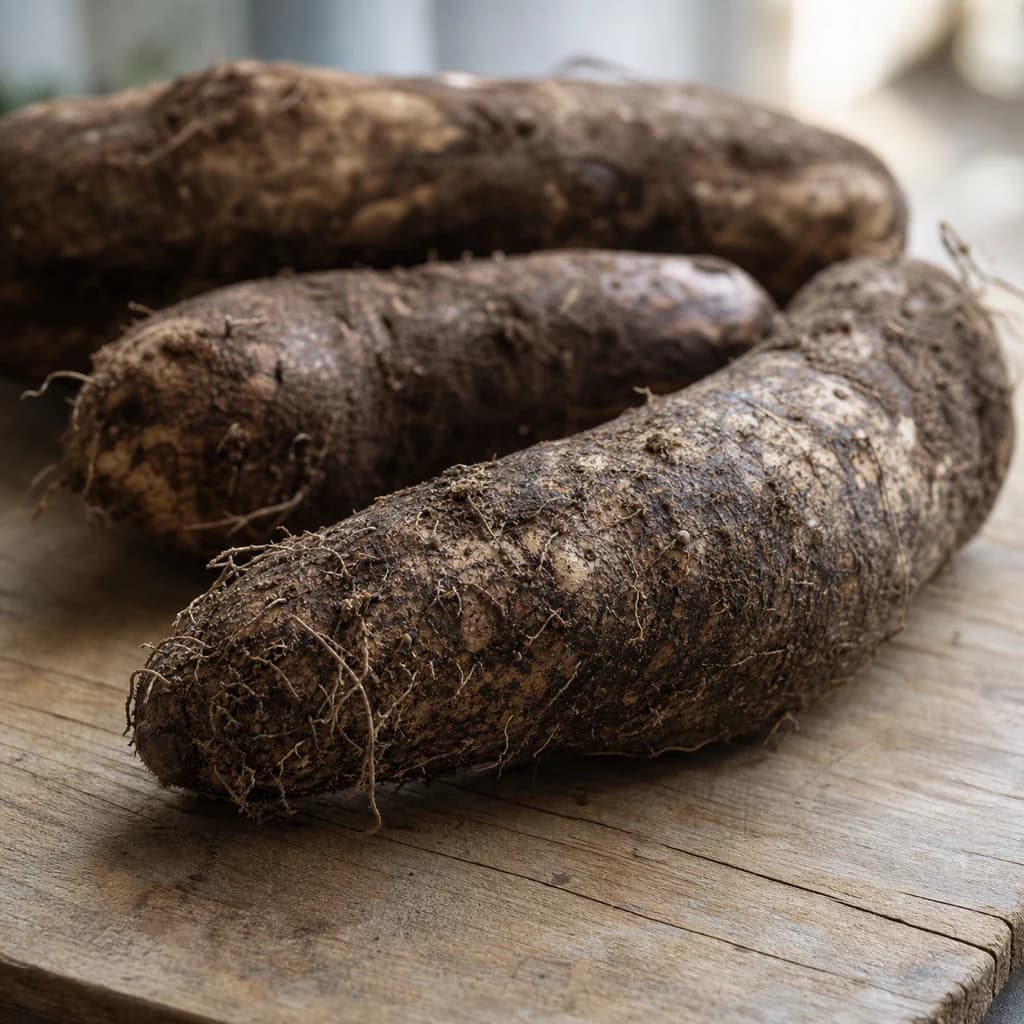
Natural form
Whole pomtajer tubers as they look freshly harvested, before any peeling or preparation.
Shows the raw exterior — rough brown bark-like skin, irregular shape, size relative to a hand — so readers can identify the ingredient at market.
Produce
Pomtajer (Arrowleaf Elephant Ear Root)
Surinamese starchy tuber of the elephant-ear plant, boiled like potato or yam.
Pomtajer is the starchy tuber of the arrowleaf elephant ear plant, used in Surinamese and Caribbean cooking. The peeled root is boiled or grated and cooked into the festive baked dish pom, alongside chicken and citrus. It has a dense, starchy texture similar to taro or yam and must be cooked to be edible.
Pomtajer is a starchy tuber from Colocasia esculenta var. antiquorum, the arrowleaf variety of the elephant-ear plant. Originating in Southeast Asia, it traveled to Suriname via Dutch colonial trade routes and took root as a dietary cornerstone of Creole and Maroon cooking traditions. The tuber has a dense, smooth texture when cooked—slightly sticky like taro, holding its shape well when cubed—and delivers a mild, faintly nutty, earthy flavor that is less sweet than sweet potato. This neutrality makes it an exceptional vehicle for bold seasonings, which is precisely why it forms the backbone of pom, Suriname's beloved layered casserole. Fresh pomtajer has pale cream-to-tan skin and white-to-ivory flesh; dried slices, common outside of Suriname, reconstitute into a softer product best suited for soups and stews. Raw tubers contain calcium oxalate crystals that irritate skin and mucous membranes, so thorough cooking is non-negotiable—boiling or pressure cooking renders them safe and transforms the texture into something silky and satisfying.
- Measured in
- g
- Storage
- Pantry
Types & varieties
Standard arrowleaf variety with light cream to pale pink flesh when cooked
Lighter-colored flesh, slightly milder flavor; preferred for traditional pom dishes
Pomtajer in Surinamese Cuisine
Pomtajer occupies a central position in Surinamese Creole and Maroon cooking, most notably as the foundation of pom. This iconic layered casserole combines grated, seasoned pomtajer with marinated chicken, salted beef, or shrimp, baked until a savory crust forms on top. The ingredient's capacity to absorb complex flavors while delivering a dense, satisfying base reflects the fusion of indigenous, African, and Dutch colonial influences that define Surinamese gastronomy. In Maroon traditions, pomtajer appears in more aggressively spiced preparations using scotch bonnet or habanero peppers and palm oil, while Creole versions tend toward gentler aromatics. Beyond pom, the tuber appears in boiled side dishes, fried snacks, and coconut-milk-enriched fritters, making it as versatile as it is culturally significant. When sourcing outside Suriname, seek out Caribbean and Latin American markets for the freshest product.
- Pom is the signature dish—a layered bake that showcases pomtajer's ability to absorb seasoning and hold structure
- Maroon preparations favor bold heat and palm oil; Creole versions use gentler aromatics
- The tuber represents a unique culinary bridge between Asian taro traditions and West African cooking techniques brought by enslaved peoples
Choosing and Handling Pomtajer
Fresh pomtajer should feel firm and heavy for its size, with smooth, unblemished skin. Avoid any tubers with soft spots, cracks, or a musty odor—these indicate age or improper storage. The flesh should be white to cream-colored without discoloration. Dried pomtajer slices, often sold in plastic bags at Caribbean markets, are a viable alternative but produce a softer finished product; reconstitute them in cold water for at least 2 hours before use. Regardless of form, always cook pomtajer thoroughly before consuming. Boiling is the most reliable method for eliminating calcium oxalate; frying or roasting raw tubers without prior boiling leaves the center potentially irritating and undercooked. Test doneness by piercing the thickest part with a fork—it should offer no resistance and feel tender throughout. If you taste even a hint of bitterness or immediate tingling, continue cooking.
- Select firm, heavy tubers with smooth skin and no soft spots
- Wear gloves when peeling raw tubers to prevent skin irritation
- Soak cut pieces in cold water for 30 minutes before cooking to reduce surface starch and residual irritation
- Always parboil before frying or roasting to ensure even cooking throughout
Common uses
Tips & pitfalls
- Wear kitchen gloves when peeling raw pomtajer—the calcium oxalate causes itching and skin irritation in most people
- Always parboil pomtajer before frying or roasting; direct high-heat cooking leaves the center underdone
- Test doneness by piercing the thickest part with a fork; it should be tender throughout, not just at the edges
- If the raw tuber tastes bitter or causes immediate tingling on the tongue, it needs significantly more cooking time
- Soak cut pieces in cold water for 30 minutes before cooking to reduce surface starch and potential oral irritation
- For smoother, more cohesive pom texture, grate the cooked tuber while it is still warm—it will shred more easily and bind better
- When substituting dried pomtajer, expect a softer texture; use it in soups and stews rather than dishes requiring structure
- Store fresh pomtajer refrigerated and away from strong-smelling foods
Nutrition
Energy
456 kJ · per 100 g
Where the calories come from
Protein
4.8g
10% DV
Carbs
23.5g
9% DV
Fat
0.6g
1% DV
Fiber
7.8g
28% DV
Sodium
17mg
1% DV
Source · USDA FoodData Central · approx. Wasabi, root, raw
View on FDC →In the shops
Matched grocery products
No matched grocery products for Pomtajer (Arrowleaf Elephant Ear Root) yet.
Good to know
- Common Names
- Pomtajer, Arrowleaf Elephant Ear, Surinamese Taro
- Scientific Name
- Colocasia esculenta var. antiquorum
- Plant Family
- Araceae (arum family)
- Origin
- Southeast Asia; introduced to Suriname through Dutch colonial trade; now a staple of Surinamese cuisine
- Part Used
- Tuber (underground corm)
- Primary Flavor
- Mild, slightly nutty, earthy; less sweet than sweet potato; neutral enough to absorb bold seasonings
- Toxicity
- Raw tubers contain calcium oxalate crystals; must be cooked thoroughly before consumption to avoid irritation
- Texture (cooked)
- Dense, smooth, slightly sticky; holds shape well when cubed or grated
- Storage
- Fresh: refrigerate up to 2 weeks. Dried slices: airtight container away from heat.
- Peak Season
- Harvested year-round in Suriname; available dried or fresh in Caribbean and Surinamese markets
- Yield
- 1 kg fresh tuber yields approximately 700g peeled, usable flesh
Substitutes
- Taro — Closest relative; use 1:1 in most preparations, though taro has a slightly sweeter flavor
- Dasheen — Caribbean taro variety; similar texture and cooking properties; excellent 1:1 substitute
- Yellow Yam — Good substitute for boiled or fried applications; differs in earthiness and is less starchy
- Sweet Potato — More readily available in most markets; will alter traditional dish character but works in a pinch
Pairs with
Also called
Arrowleaf Elephant Ear Root · Tajerblad Root · Tannia
Related
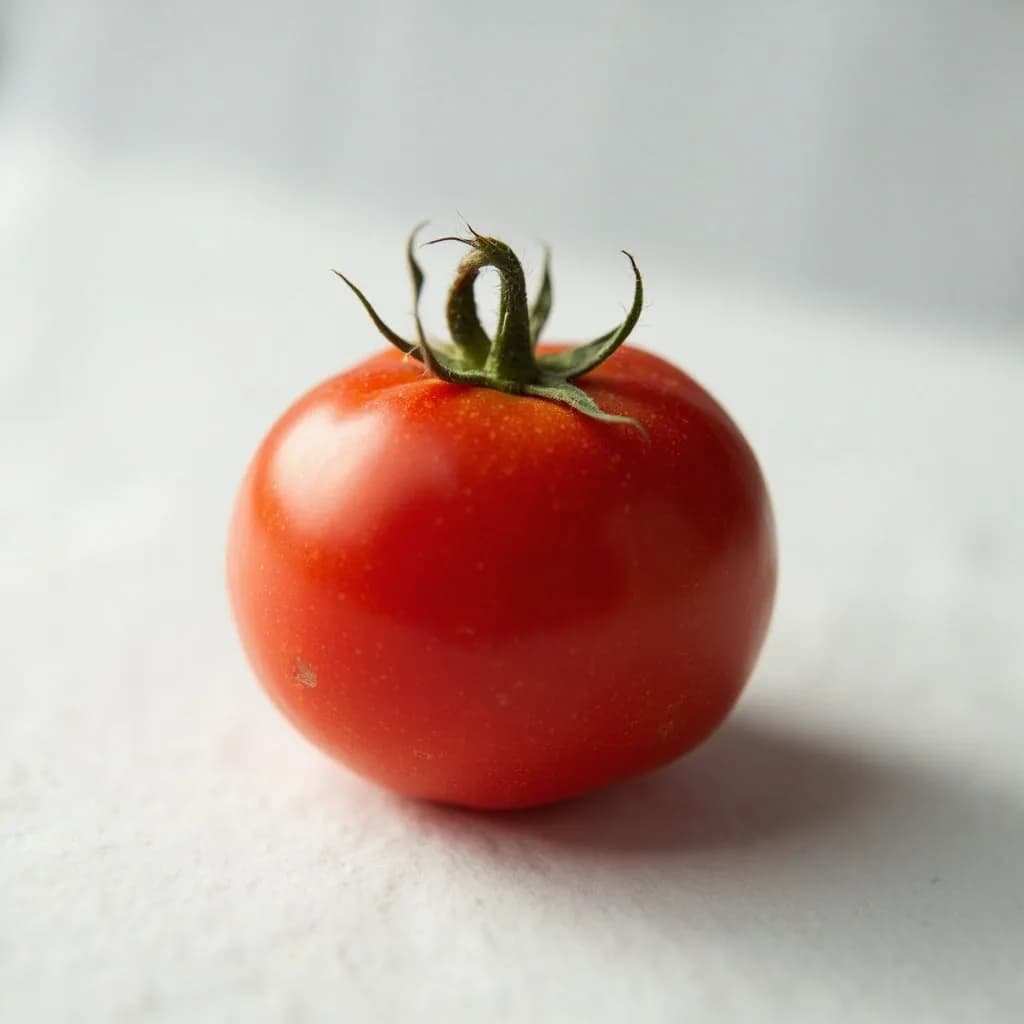
Tomato
Juicy, sun-sweet fruit for sauces, salads, and slow-cooked depth
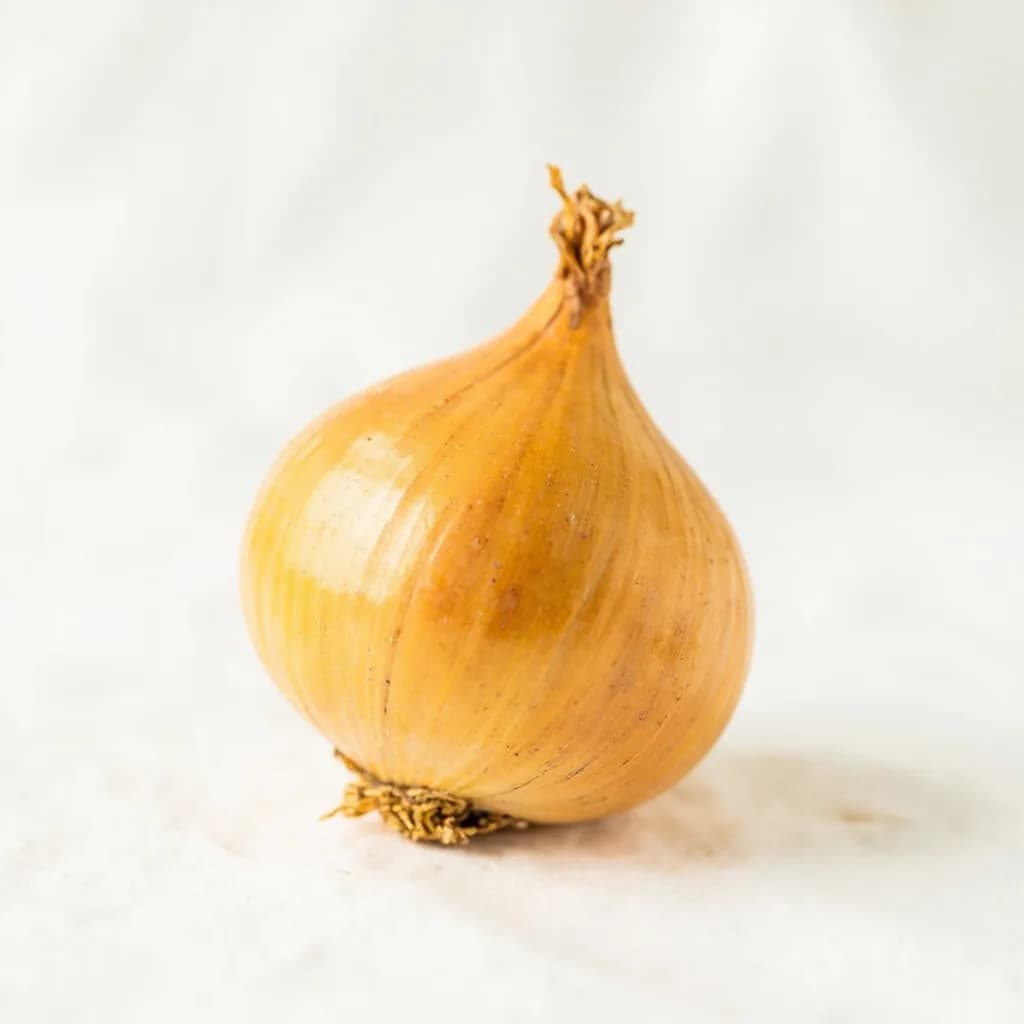
Yellow Onion
The aromatic backbone of soups, sofritos, and braises
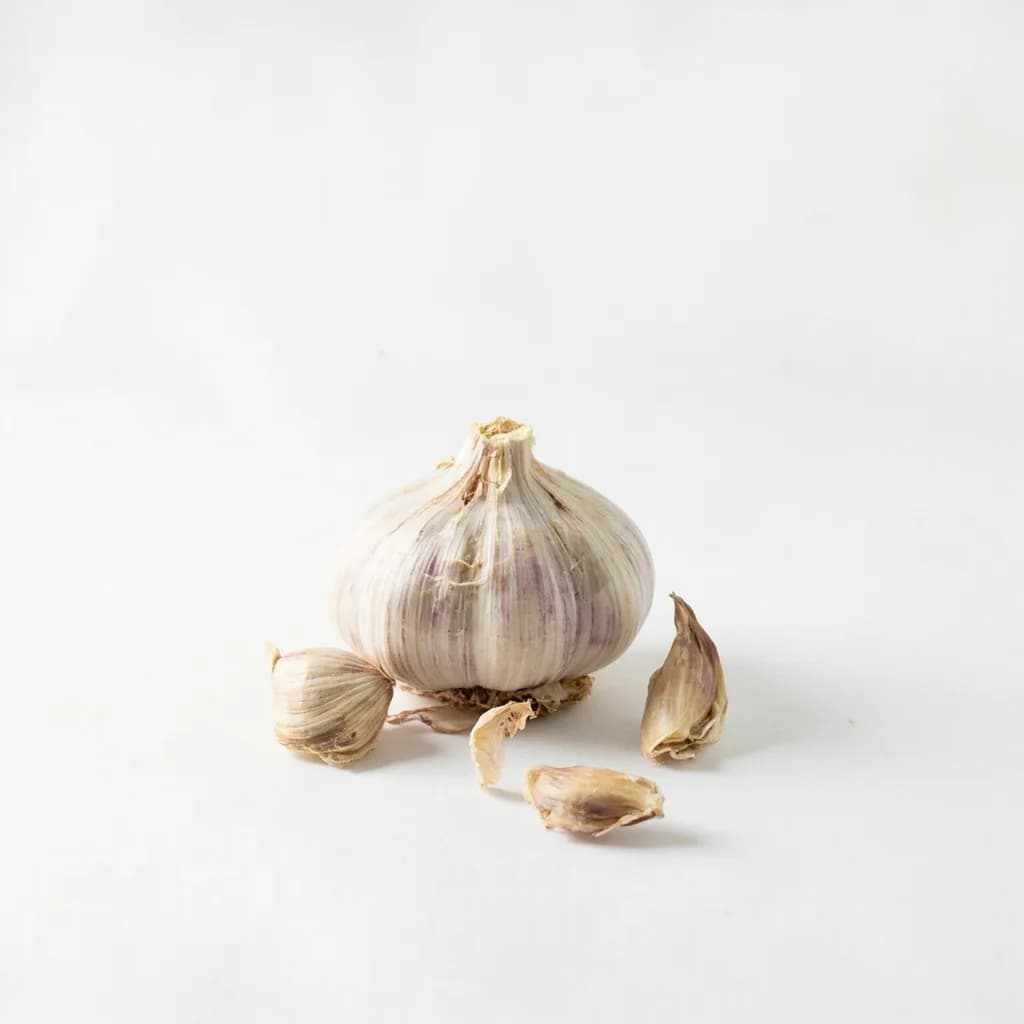
Garlic
Pungent cloves that perfume nearly every savory dish
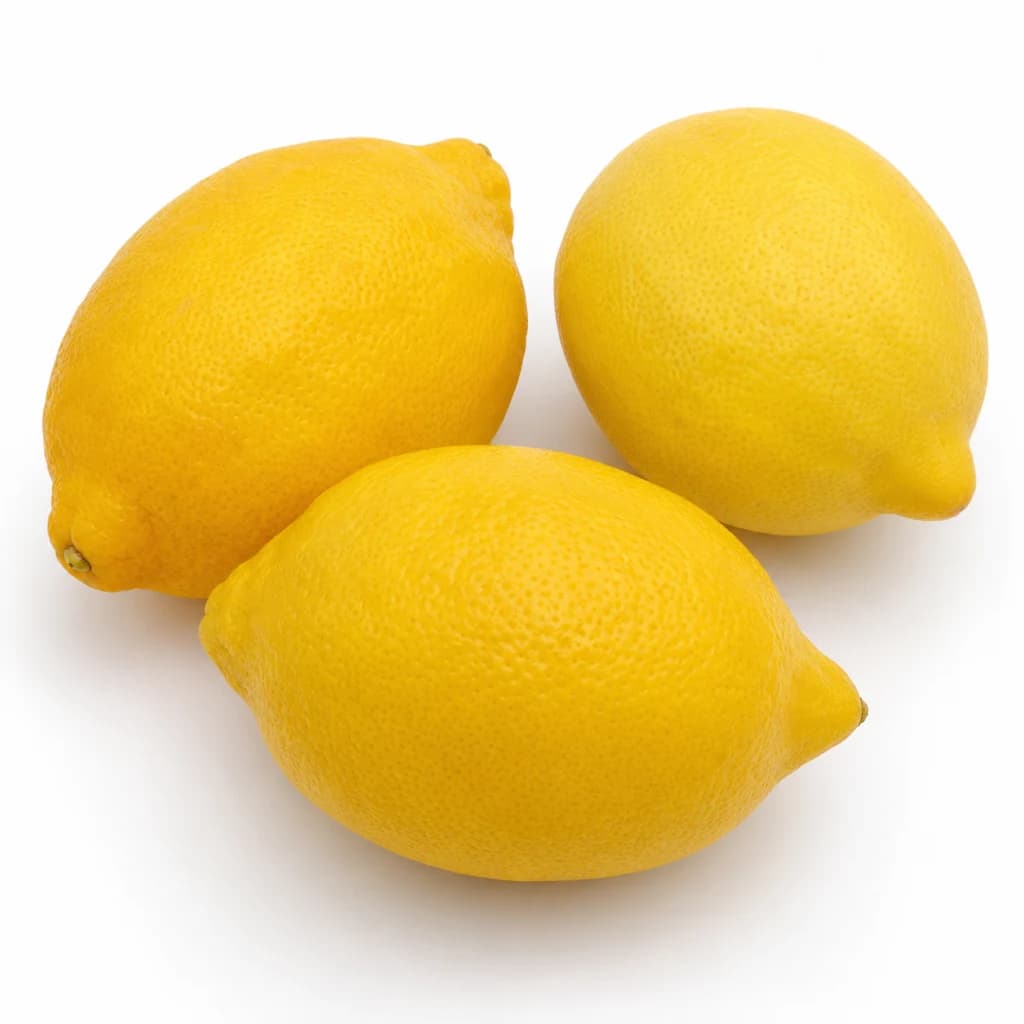
Lemon
Bright, acidic citrus that wakes up almost any dish
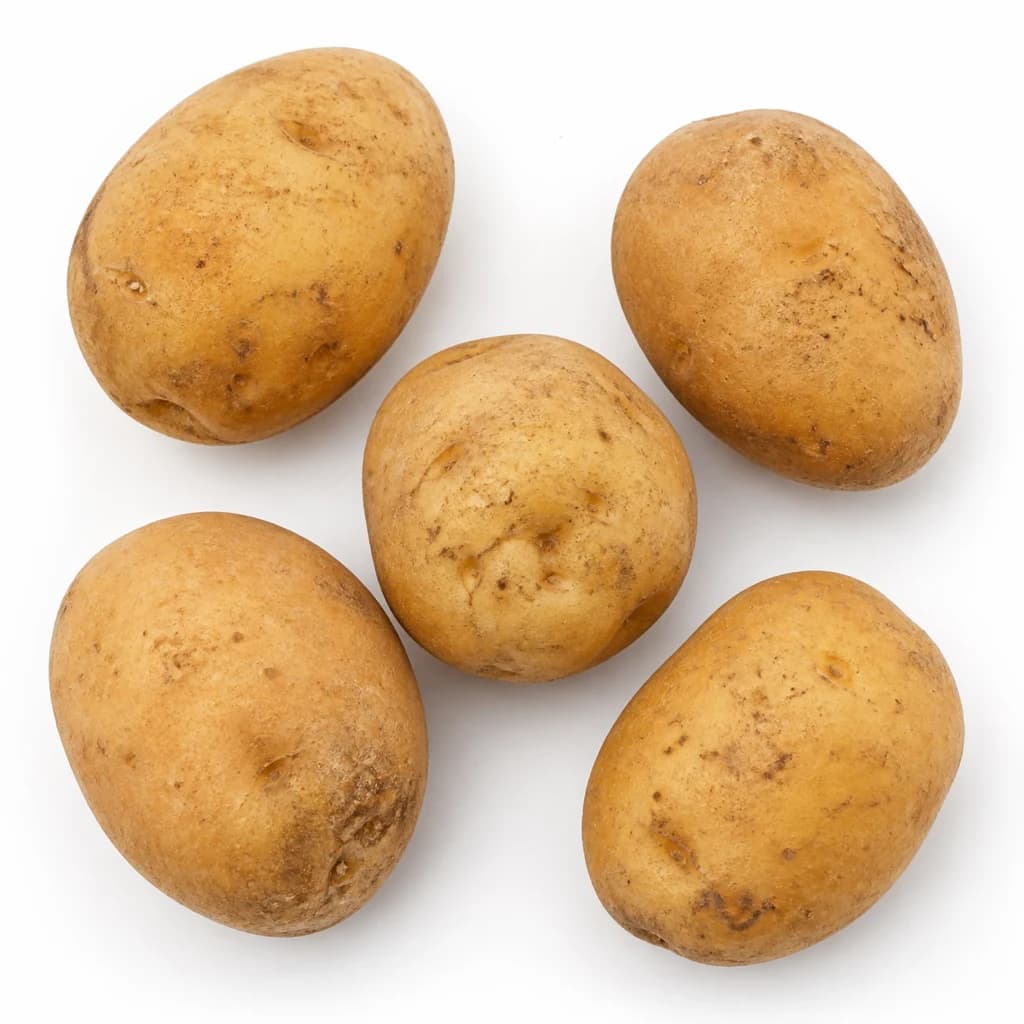
Potato
Humble, hearty staple — roast, mash, fry, or boil
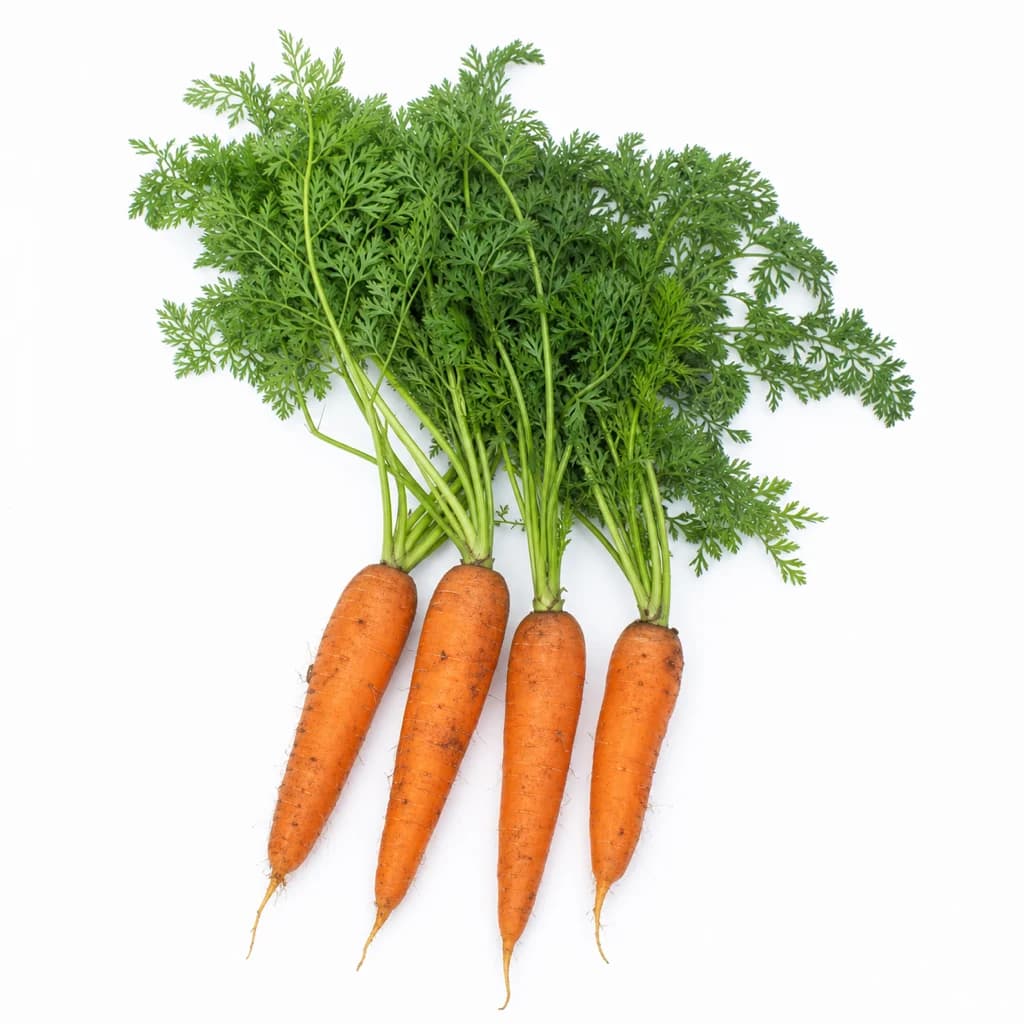
Carrot
Sweet, crunchy root — raw, roasted, or the base of a sofrito
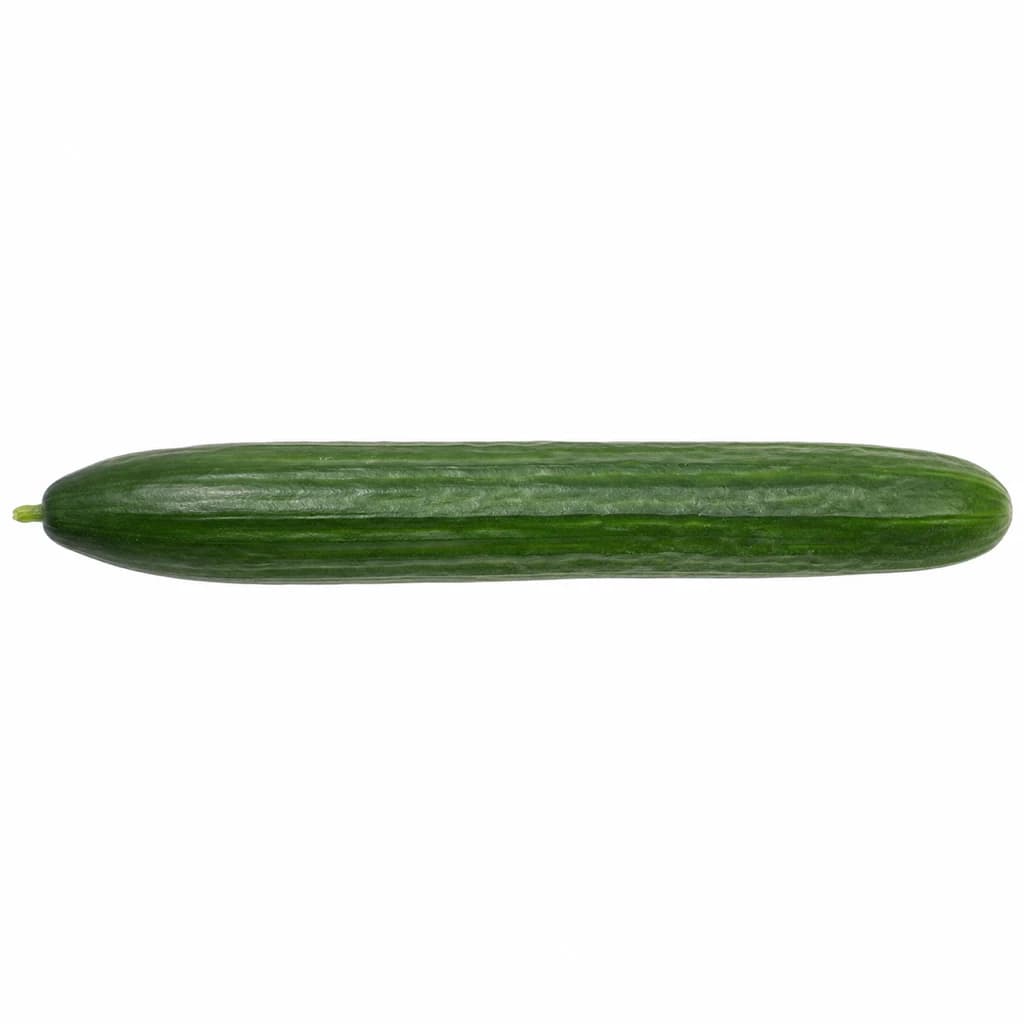
Cucumber
Cool, crisp, and watery — for salads, pickles, and tzatziki

Lettuce
Crisp leaves for salads, wraps, and a fresh crunch