Proteins
Pork Blood
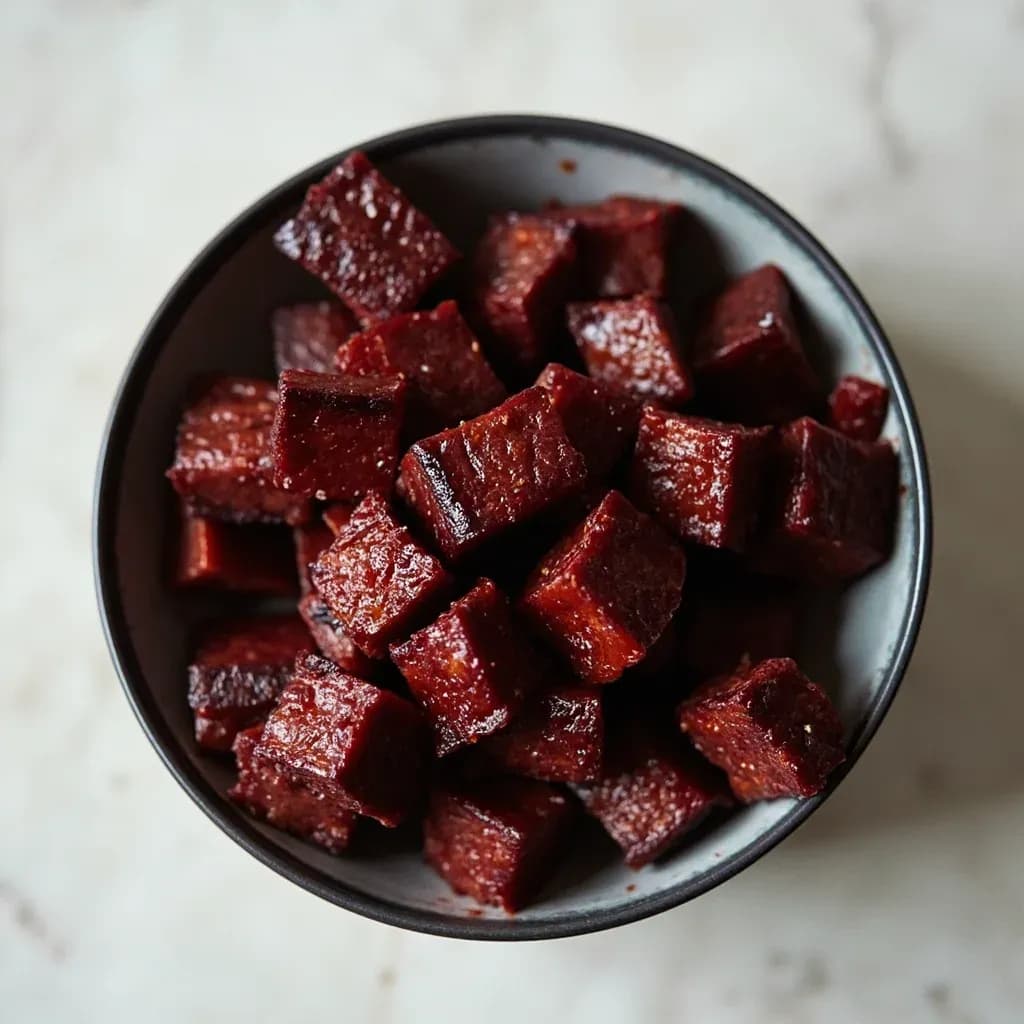
Fresh or set pig's blood used for blood sausage, dinuguan and thickening braises.
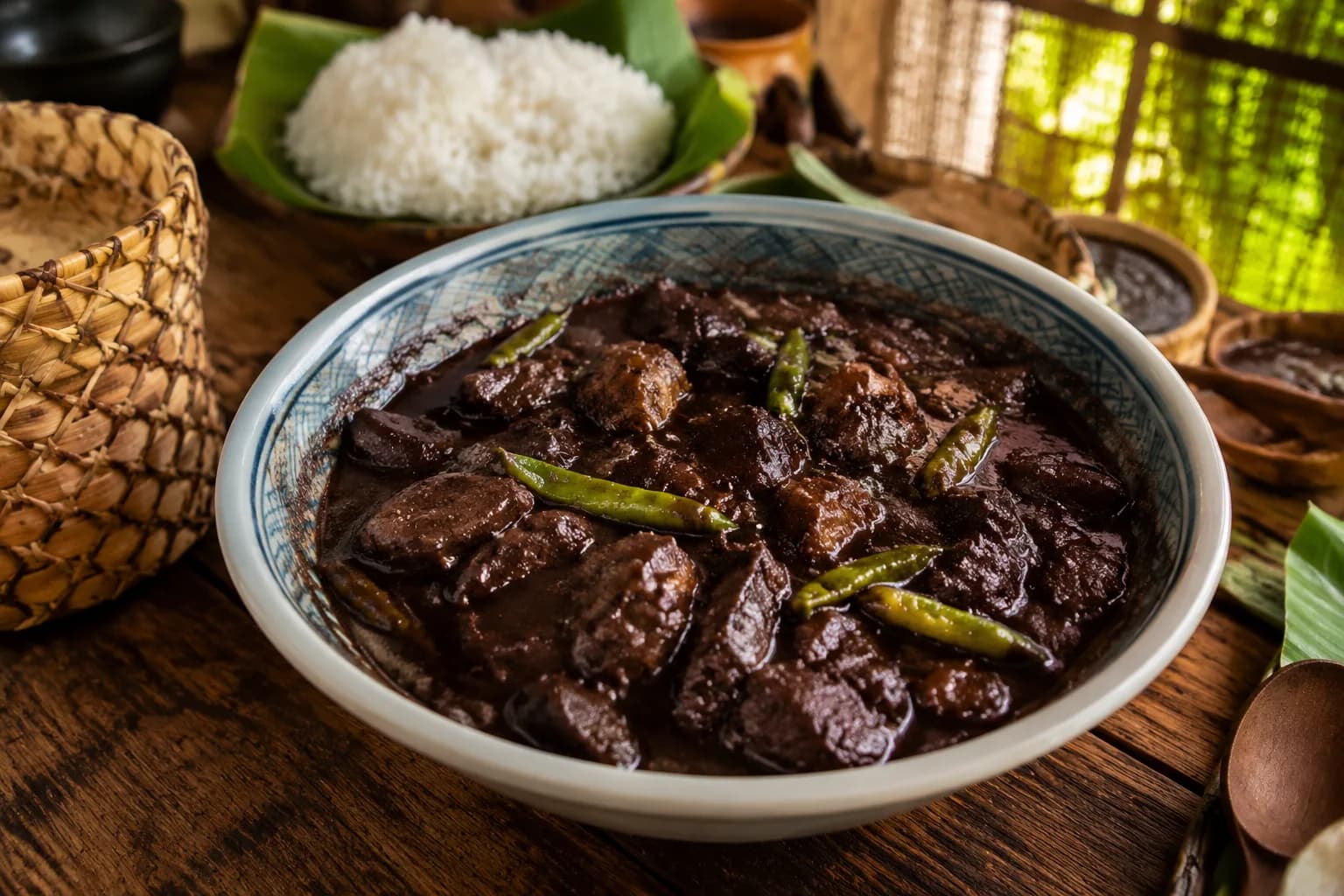
Pork blood is collected from slaughtered pigs and used as a rich binding and thickening agent across many cuisines. It is the base of blood sausages like black pudding, Filipino dinuguan, and Vietnamese tiết canh, and is sometimes sold set into firm cubes. It cooks to a dark, mineral-rich texture and is high in iron.
Pork blood is the whole liquid blood collected at slaughter from domestic pigs, used in cookery for its iron-rich flavor, its deep red-black color, and its remarkable ability to set into a tender, custard-like solid when gently heated. In its raw state it is roughly half plasma and half suspended red cells; once it leaves the animal, soluble fibrinogen converts to fibrin and the liquid gels. Slaughterhouses counter this by collecting the blood into stirred, lightly salted vats, which delays coagulation long enough to pour into casings for blood sausage or to deliver fresh or pre-coagulated blood to retail.
For the cook, what matters is the behavior. Blood carries roughly 17–19 g of protein per 100 g cooked, and that protein coagulates cleanly between about 70 and 85 °C, well below boiling. Below that range the proteins stay suspended; above it, they squeeze out water and turn grainy or rubbery. Salt tightens the network, acid (vinegar, calamansi) firms the curd and brightens the metallic flavor, and gentle heat turns the liquid into a soft, sliceable solid. Master that triangle and you can move between Filipino dinuguan, Korean seonji-guk, Spanish morcilla, and a Sichuan hotpot cube with equal confidence.
Culturally, pork blood is one of the most widely eaten offal-like ingredients in the world, present across most of Europe, East and Southeast Asia, Latin America, and pockets of Africa and the Caribbean. It is naturally gluten-free and among the richest dietary sources of heme iron, which is why traditional cuisines pair it with fatty pork, vinegar, chili, and starchy beans or rice — combinations that soften its intensity and convert a challenging ingredient into deep, savory comfort food.
- Measured in
- ml
- Storage
- Fridge
Types & varieties
Salted and stirred at the slaughterhouse to delay clotting, then poured into sausages or curdled directly into soup. Very perishable; rarely available to home cooks outside a butcher relationship.
Pre-set with salt and gentle heat into a firm dark block, sold in slabs or cubes in Chinese, Vietnamese, Filipino, and Korean markets. Cut into cubes for hotpot, stir-fry, and stews.
Common in mainland Chinese, Taiwanese, and Southeast Asian retail; thaw in the refrigerator overnight and use the same day.
Taiwanese snack of coagulated pork blood layered over sticky rice, steamed on a bamboo stick and eaten with peanut powder, cilantro, and sweet soy sauce.
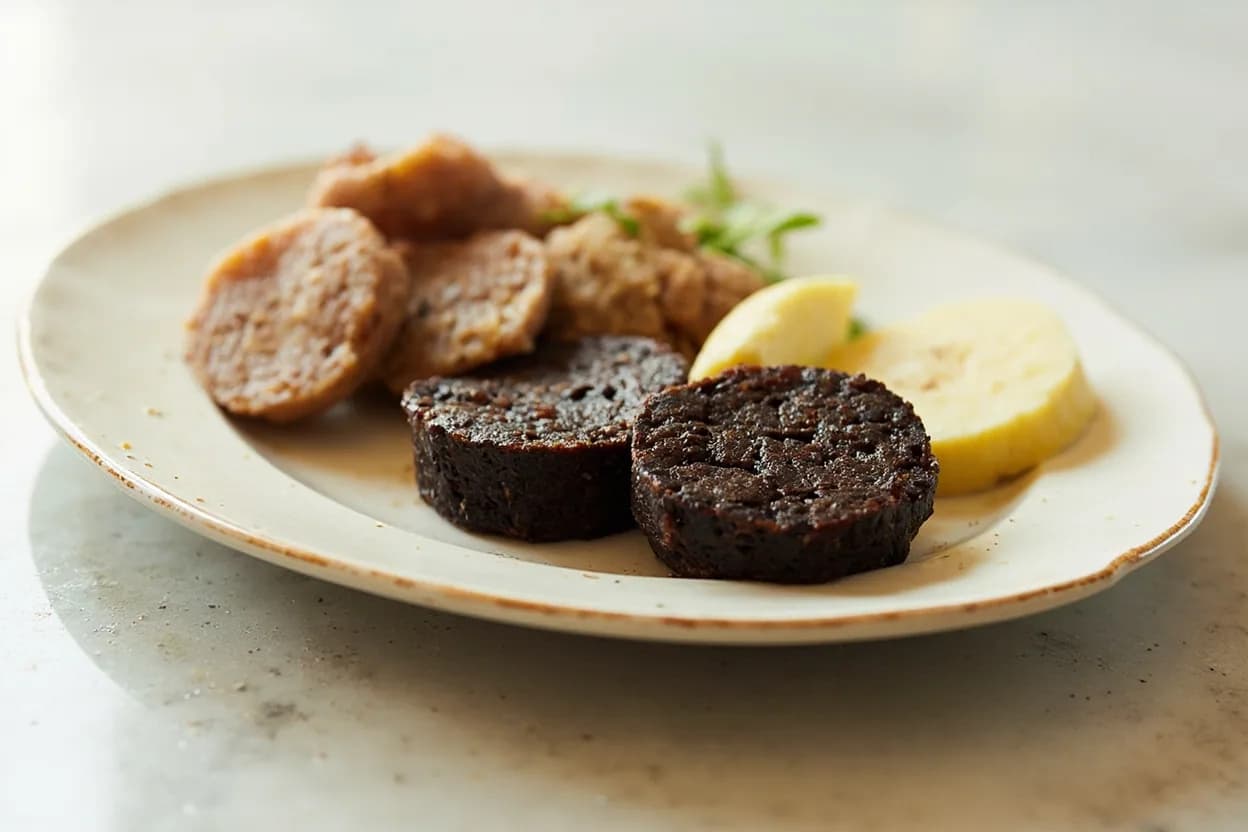
Cooked sausage where blood is the primary binder with grain, onion, fat, and seasoning — covers blutwurst, boudin noir, morcilla, kaszanka, sângerete, Korean sundae, and the base of dinuguan.
Sourcing and food safety
Fresh pork blood is the single biggest practical hurdle for home cooks, and the cold chain from slaughter to stove must be unbroken. Treat fresh liquid blood with the same caution you would give raw poultry: keep it at 1–4 °C, salt it within an hour of collection, and use it the same day. If your kitchen cannot guarantee that cold chain, do not buy fresh liquid blood.
For most home cooks the sensible route is pre-coagulated commercial block (sold in Asian markets as 猪血 or blood tofu) or frozen cubes. These have already been set with controlled heat and salt, ship refrigerated or frozen, and are far more forgiving in the pan. Outside dedicated butchers, online retailers shipping frozen blocks are the most reliable way to obtain quality pork blood. Spanish and French specialty butchers will also ship fresh morcilla and boudin noir, where the blood is already cooked inside the casing and behaves like a normal cured sausage.
The coagulation triangle: heat, acid, salt
Every blood dish in any cuisine is a controlled execution of the same three variables. Understanding them turns a tricky ingredient into a predictable one.
- Heat: blood proteins coagulate between roughly 70 and 85 °C. Hold braises and curdling soups just below a simmer. Boiling forces the proteins to contract violently, squeezing out water and producing a grainy, weeping texture.
- Acid: vinegar, calamansi, or rice wine lowers pH and tightens the curd. A small splash at the end of dinuguan, seonji-guk, or a Spanish lentejas brightens flavor and firms the set. Add late — long acid contact with raw proteins can turn the texture chalky.
- Salt: sodium ions compete with proteins for water, tightening the network. Salt the cooking water for blood sausage and for blanching set blood; it firms the protein and prevents weeping in the pot.
- Combination: a teaspoon of salt plus a tablespoon of vinegar plus gentle 80 °C heat is the universal formula for clean, tender, sliceable blood. Most traditional recipes are an intuitive application of this triangle.
Common uses
Tips & pitfalls
- Buy pre-coagulated cubes from a high-turnover Asian butcher or supermarket — they are the most forgiving form for home cooks and the easiest to find.
- Never boil blood hard; keep braises and curdling soups at a bare simmer, or blood will turn grainy and broken.
- When streaming fresh liquid blood into a hot braise, pour slowly while stirring constantly to form even fine curds, the technique behind many Chinese, Korean, and Hmong soups.
- For hotpot cubes that hold their shape, soak set blood in cold salted water for 20–30 minutes, then blanch briefly before adding to the pot.
- Finish Filipino and Spanish dishes with a small splash of cane, coconut, or rice vinegar — it firms the curd and cuts the metallic edge.
- Avoid overcrowding the pan when searing slices of morcilla or boudin noir; the casing is fragile and the interior will crumble if pushed.
- If a recipe calls for fresh blood and you only have frozen, thaw in the refrigerator overnight — never microwave, which partially cooks the edges and ruins the texture.
Nutrition
Energy
1586 kJ · per 100 g
Where the calories come from
Protein
14.6g
29% DV
Carbs
1.3g
0% DV
Fat
34.5g
44% DV
Fiber
0g
0% DV
Sugars
1.3g
of which
Sodium
680mg
30% DV
Source · USDA FoodData Central · approx. Blood sausage
View on FDC →In the shops
Matched grocery products
 €2.20
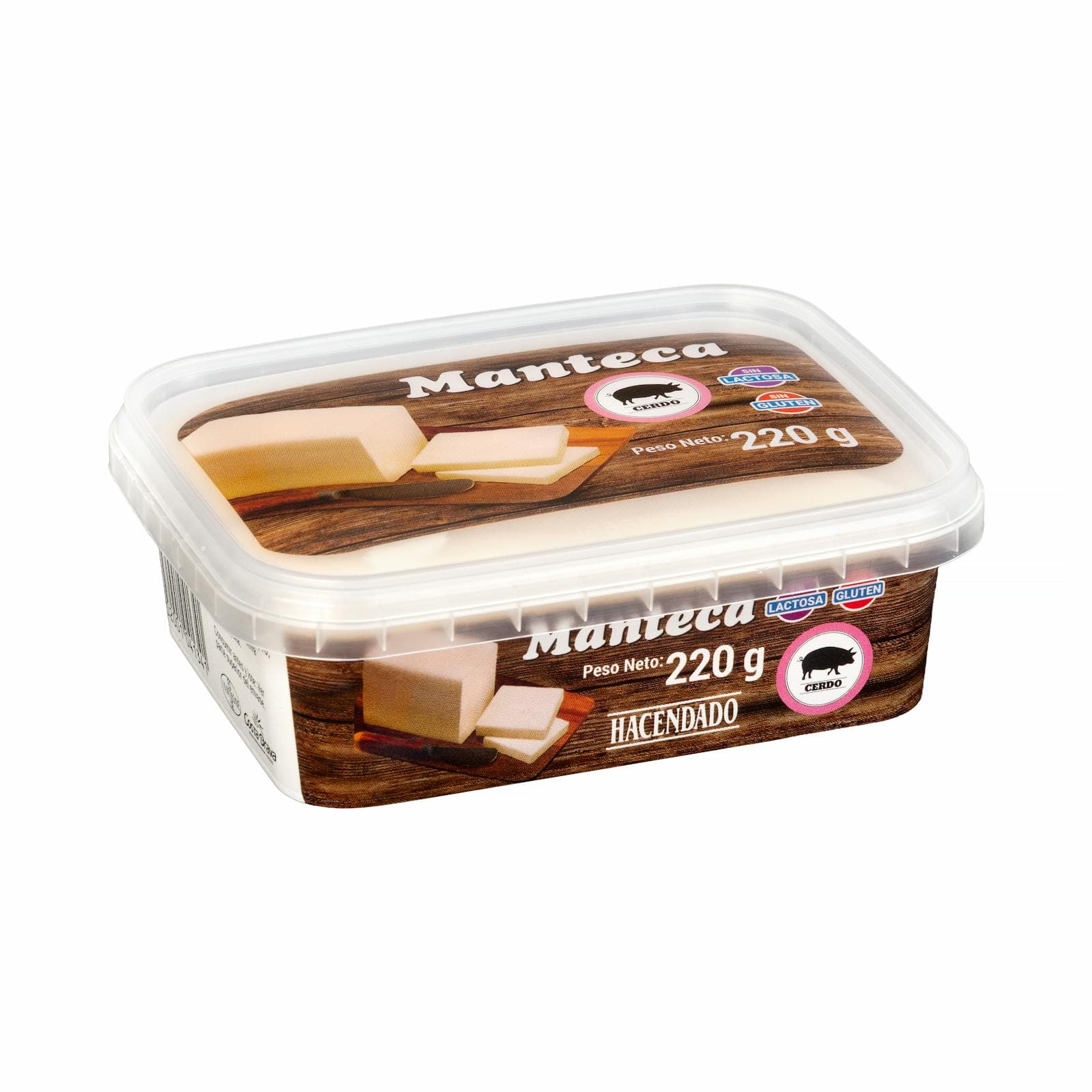
€2.20Pork Lard
Hacendado · 220 g · Mercadona
 €3.40
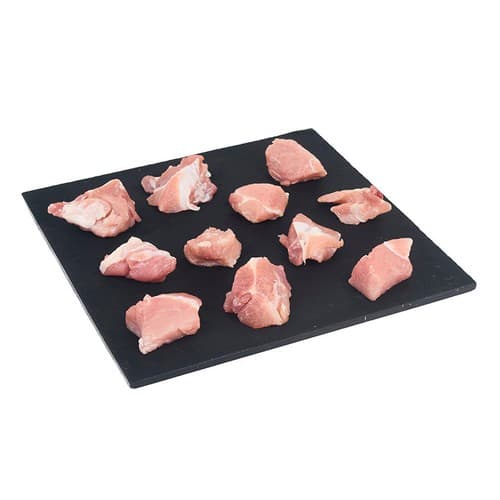
€3.40Pork Stew
BONPREU · ud · Bonpreu
 €3.45
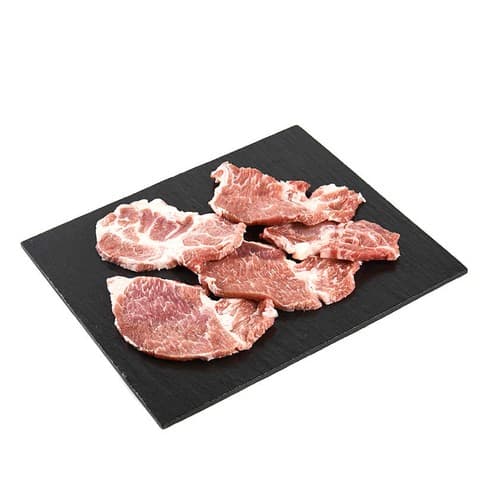
€3.45Lean Pork
BONPREU DE L'ERA · ud · Bonpreu
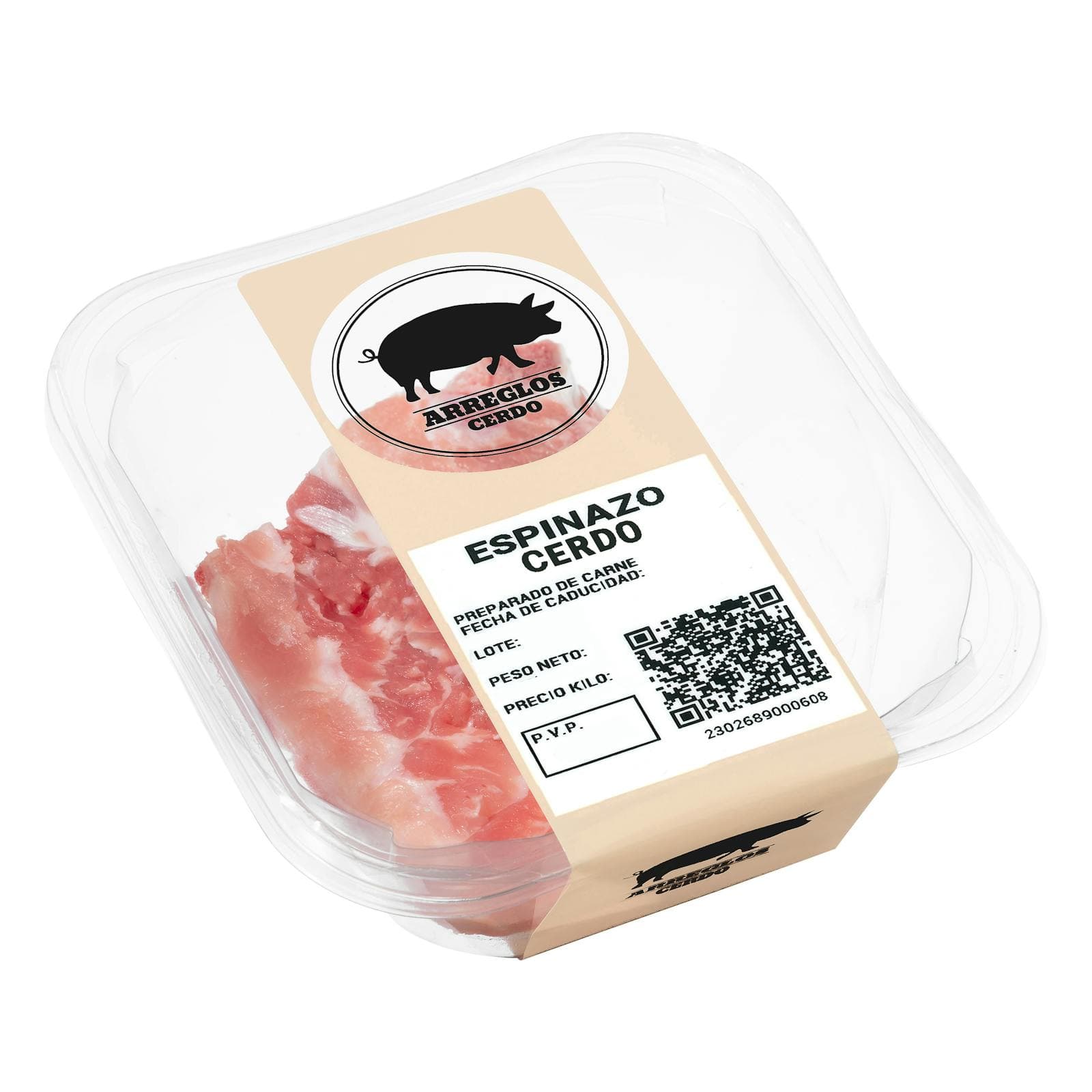 €2.10
€2.10Pork Spine
300 g · Mercadona
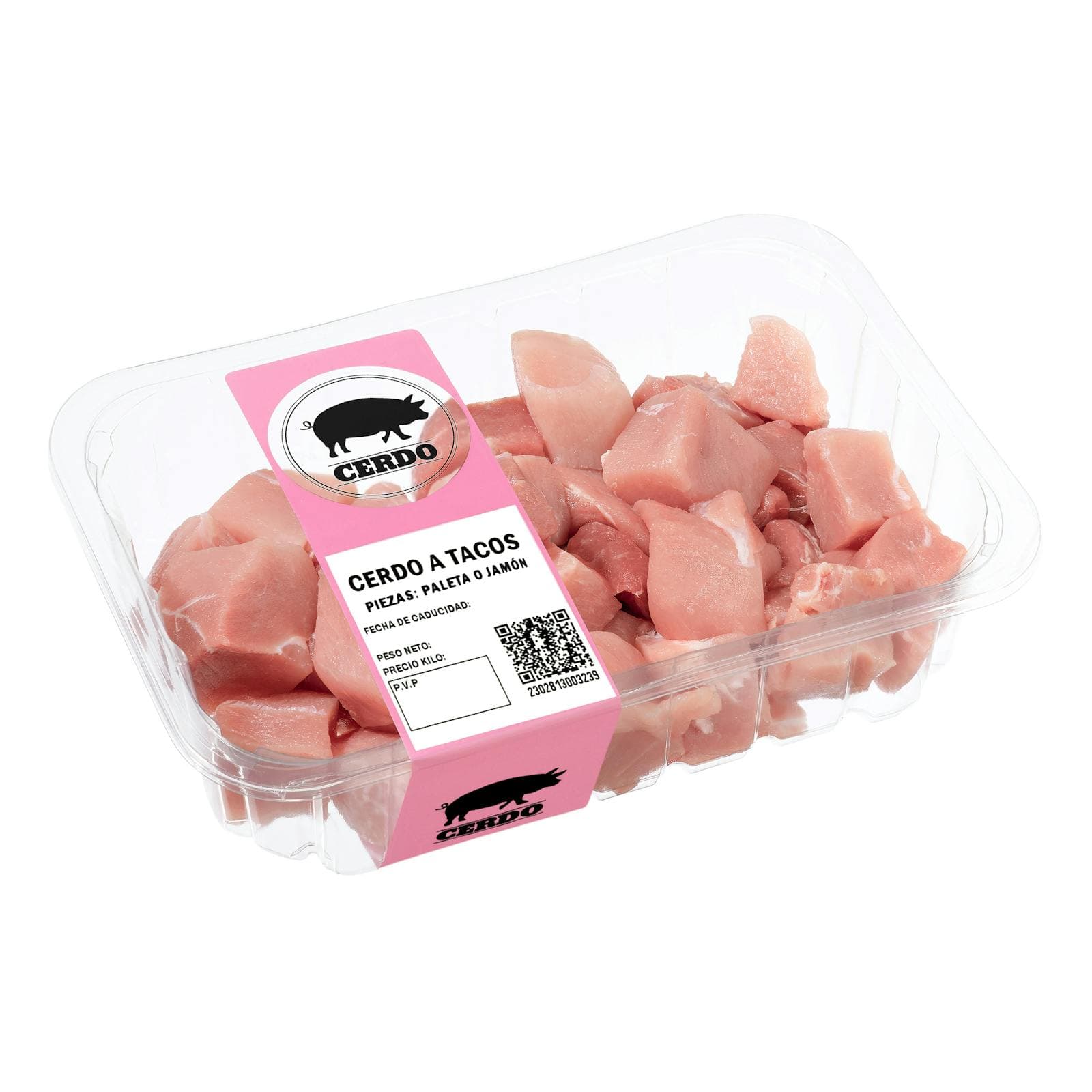 €3.22
€3.22Diced Pork
560 g · Mercadona
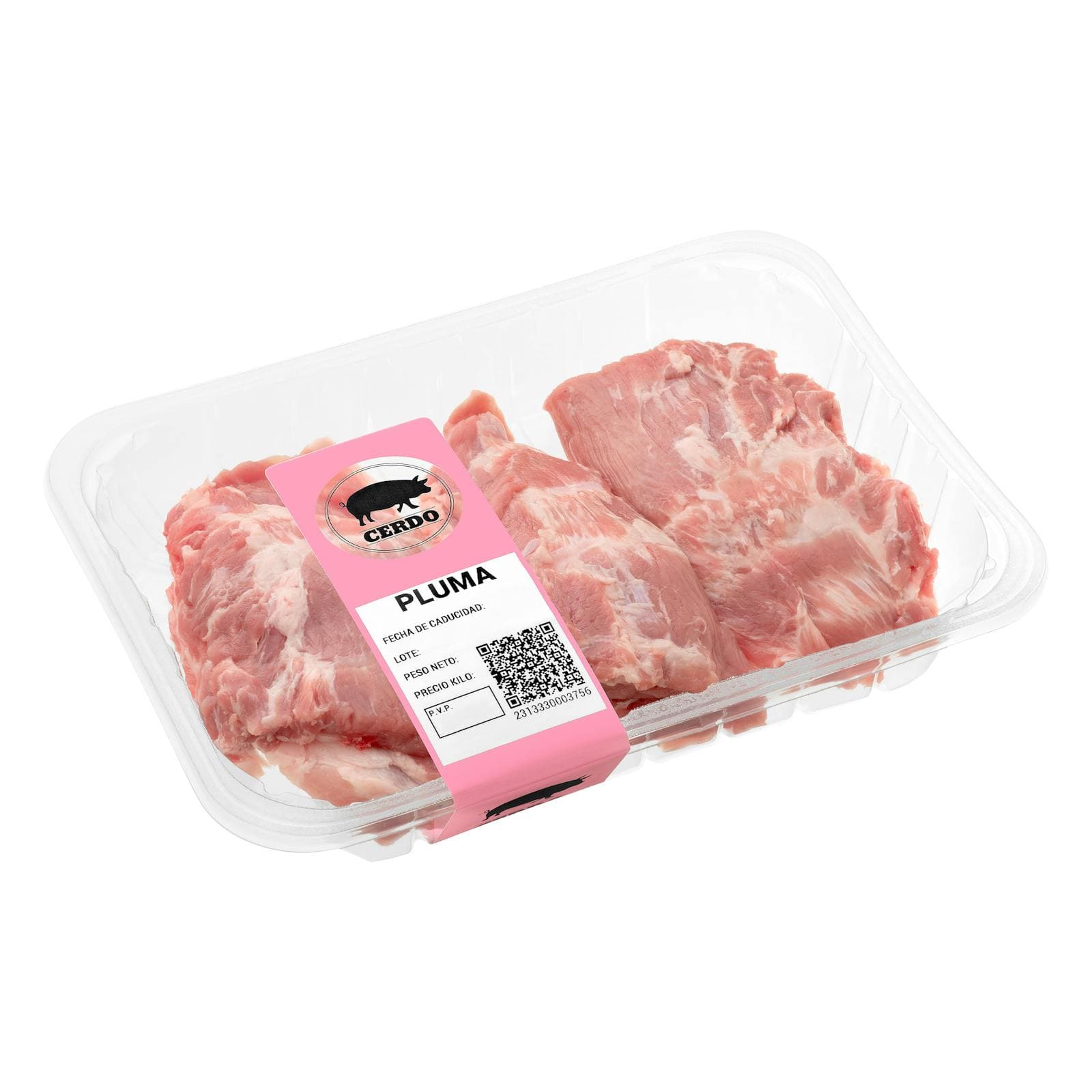 €3.75
€3.75Pork Pluma
300 g · Mercadona
Good to know
- Source
- Whole blood collected at slaughter from domestic pigs
- Color
- Deep oxblood red when fresh; nearly black once fully set and chilled
- Flavor
- Iron-rich, savory, slightly metallic, with a mild gamey undertone
- Texture when cooked
- Soft and custard-like at gentle heat; rubbery or grainy if boiled hard
- Iron content
- Roughly 20–30 mg of heme iron per 100 g — among the richest edible sources
- Protein content
- About 17–19 g per 100 g cooked
- Coagulation range
- Proteins set cleanly between roughly 70 °C and 85 °C
- Forms sold
- Fresh liquid, pre-coagulated block or cubes, frozen blocks, and industrial spray-dried powder
- Shelf life
- Fresh liquid: use within 24 hours refrigerated. Pre-coagulated block: 5–7 days refrigerated, several months frozen
- Cuisine spread
- Used across most of Europe, East and Southeast Asia, Latin America, and parts of Africa and the Caribbean
Substitutes
- Chicken or duck blood — Closest analogue; milder flavor and a more delicate set. Works in Chinese hotpot and Filipino-style stews, though pork blood gives a more assertive finish.
- Black pudding or blood sausage — If you want the flavor and thickening effect without handling raw blood, slice morcilla or boudin noir into bean stews, pasta sauces, or rice dishes.
- Pureed cooked chicken livers — Provides deep iron-rich body and dark color for rustic braises, but flavor and texture are noticeably different — use only when the dish's purpose is richness, not authenticity.
- Dark soy sauce plus mushroom stock (color only) — A few drops mimic the dark hue in vegetarian or convenience versions, but supply neither the protein set nor the savory depth of real blood.
Pairs with
Also called
Pig's Blood
Appears in these dishes
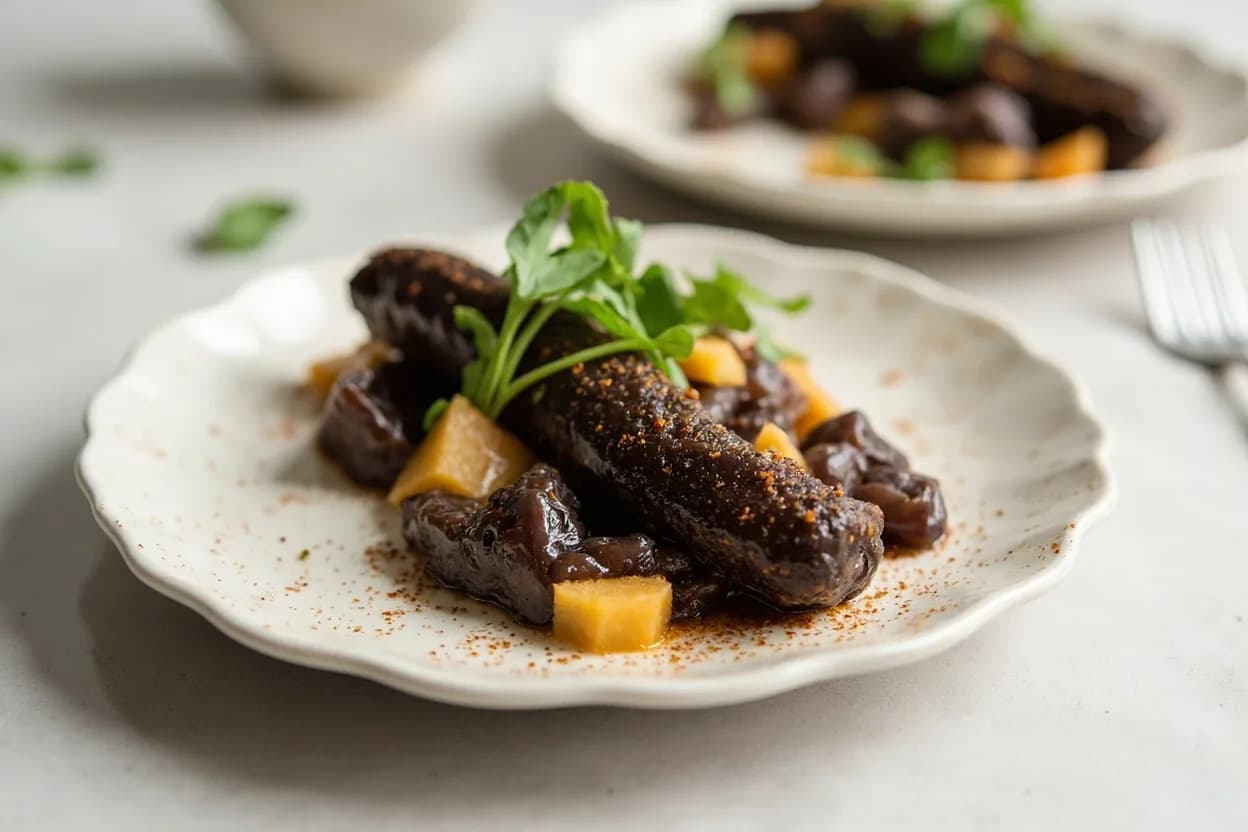
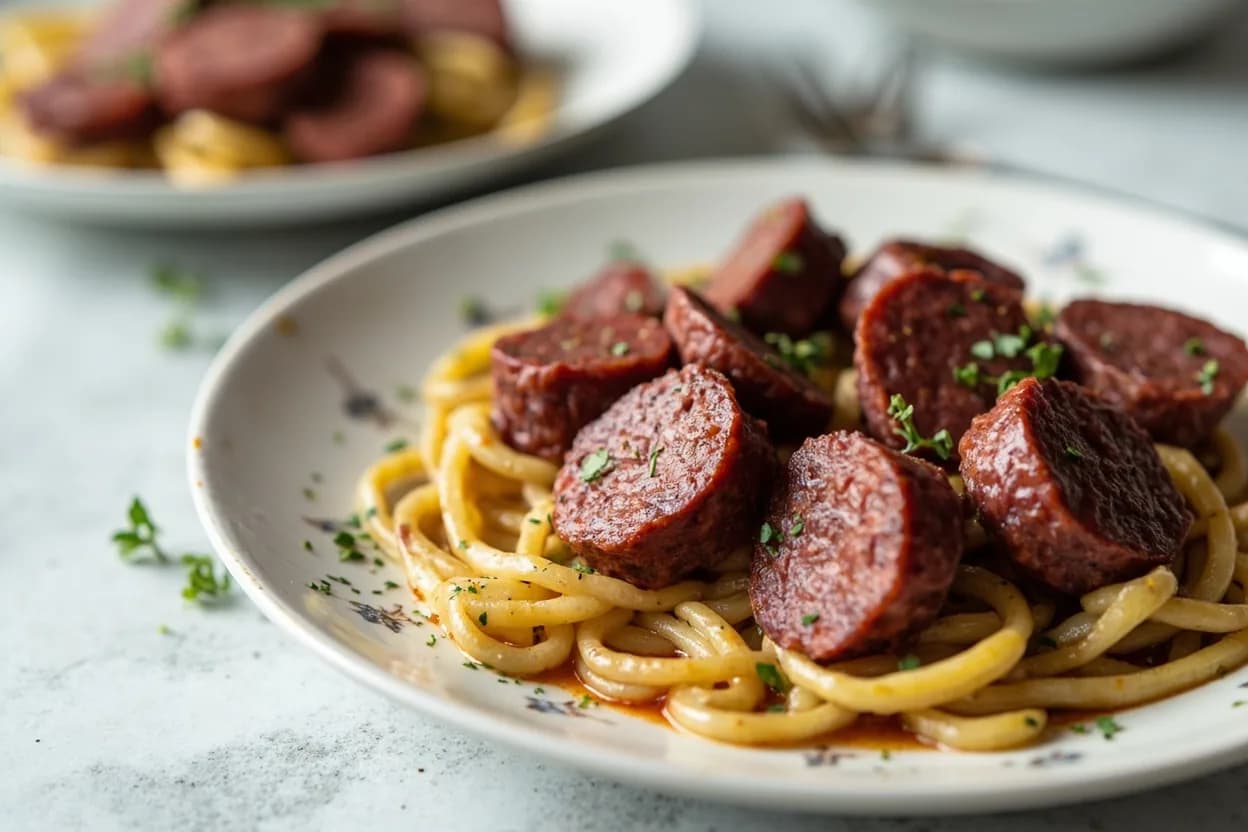
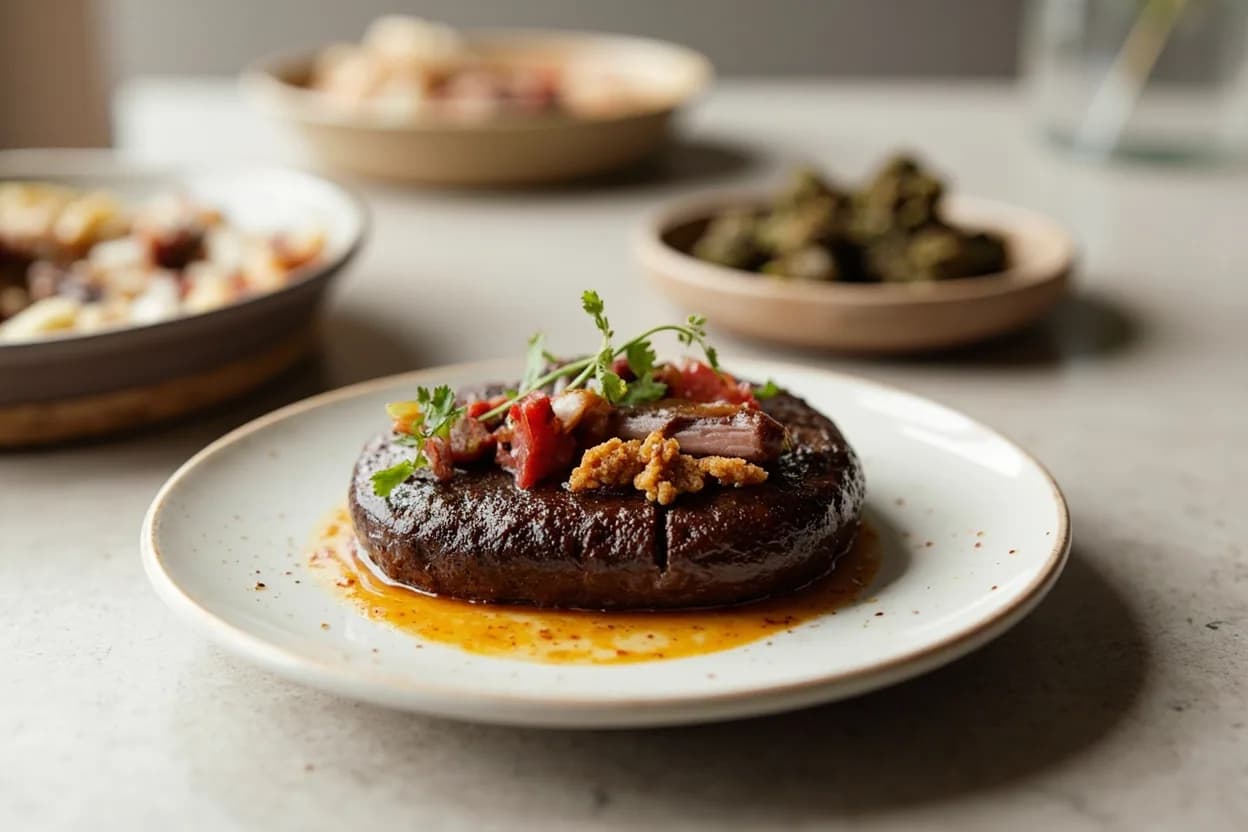
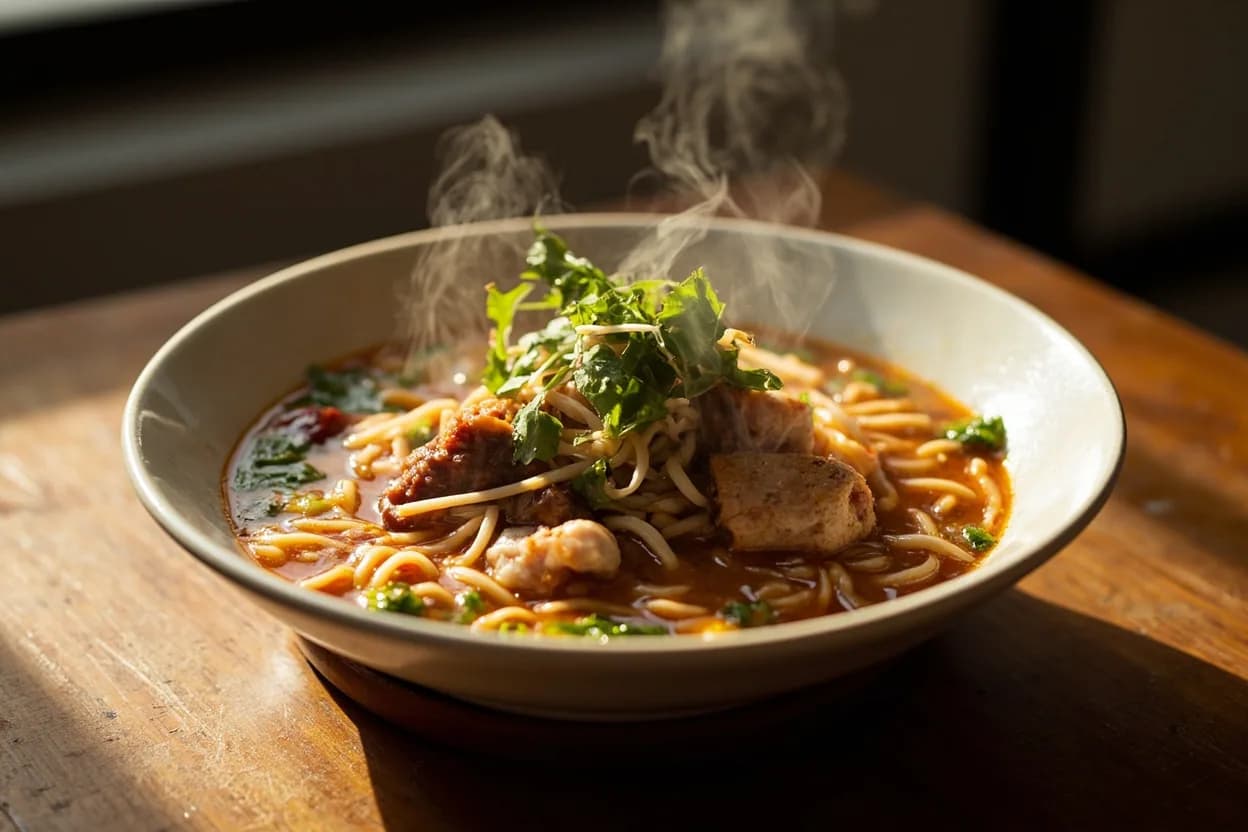
Related

Egg
The kitchen's everything ingredient — bind, leaven, enrich, or fry

Chicken Breast
Lean, quick-cooking white meat for everyday dinners

Ground Beef
Versatile minced beef for burgers, ragù, tacos, and meatballs

Pork Loin
Lean, tender roasting cut that stays juicy with care

Salmon
Rich, rosy fish that roasts, grills, or cures beautifully

Egg White
Pure protein that whips to airy peaks for meringue and more

Egg Yolk
Rich, golden yolk for custards, mayonnaise, and pasta

Quail Egg
Tiny, speckled eggs for garnishing and elegant bites