Proteins
Black Pudding
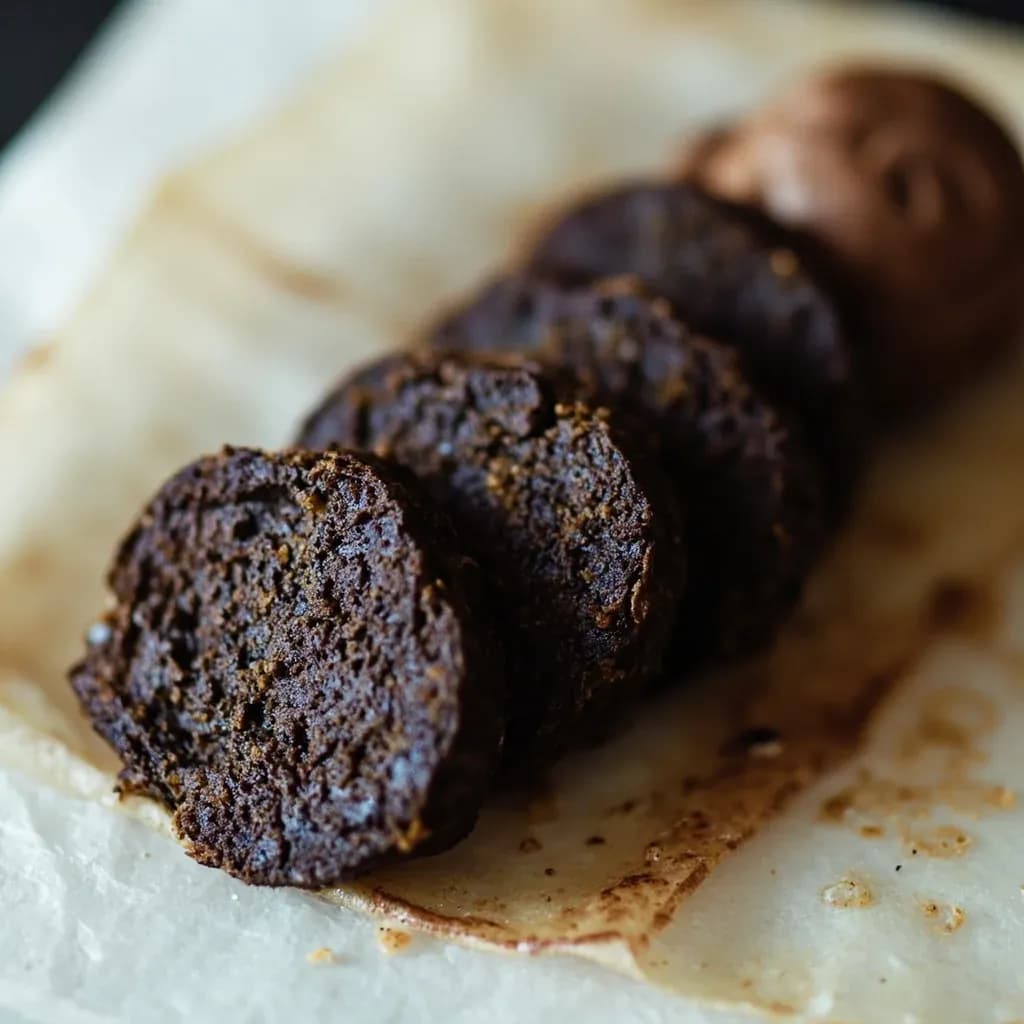
Dark blood sausage with oats and fat, sliced and fried — a British and Irish breakfast staple.
Black pudding is a blood sausage made from pork blood, fat, and oats or barley, seasoned and cooked into a dense, dark loaf or links. A fixture of the full English and Irish breakfast, it is sliced and pan-fried until crisp outside and soft within. Its flavor is earthy and mildly spiced, and it pairs classically with apples and eggs.
Black pudding is a cooked blood sausage made from pork blood, pork fat, and pork mince bound with oats in British and Irish tradition, or with bread, rice, or other fillers in Continental varieties. The blood gives it a deep dark color and an earthy, savory character with a mildly metallic note from iron content — a flavor that divides opinion but rewards the adventurous. Its texture varies by tradition: British and Irish black pudding, bound with steel-cut or pinhead oats, firms up substantially when cooked and holds a slice cleanly, while Spanish morcilla is notably firm and dense, and French boudin noir tends toward a softer, more delicate consistency. The sausage is traditionally encased in natural intestine or synthetic collagen casing and ranges from 25 to 40 mm in diameter. Historically made in autumn after pig slaughter, it was a practical way to preserve blood and extend the animal's usefulness. Today it appears beyond breakfast — in salads, stuffings, burgers, and refined bistro preparations — but its most satisfying expression remains the fried slice with a crisp, caramelized crust and a yielding center.
- Measured in
- g
- Storage
- Fridge
Allergens
Types & varieties
Steel-cut or pinhead oats as primary binder; regionally may include barley or breadcrumbs. Firm, sliceable texture. Lancashire, Yorkshire, and the Midlands have distinct regional styles.
Similar to British with oats, pork fat, and fresh blood. Often slightly sweeter and softer than English versions. St. Killian's and Clonakilty are respected producers.
Binder is bread or rice; often flavored with shallots, thyme, or port. Served warm with roasted apples or potatoes. Normandy and southwest France have distinct regional styles.
Rice as binder; contains onions and paprika. Firm, dense, and slightly sweet. Essential in paella, rice dishes, and tapas. Burgos morcilla is particularly prized.
Coarser texture; includes pork belly and sometimes pistachios or truffles in premium versions. Often served sliced and cold.
Originally made with donkey or pig blood; modern versions often incorporate chocolate or cinnamon in sweet preparations. Historically a Roman specialty.
Sourcing Quality Black Pudding
Fresh black pudding from a butcher or charcutier outperforms vacuum-packed supermarket versions, which can be overly processed and rubbery. Quality indicators include visible fat pockets distributed throughout, a deep dark color indicating high blood content, and a moist, dense feel when handled. Stornoway black pudding holds Protected Geographical Indication (PGI) status — look for this designation when authenticity matters. Avoid product that appears dry, crumbly, or has a uniform pale-gray color throughout.
- Visible fat pockets throughout the sausage indicate proper fat-to-meat ratio
- Deep dark color signals high blood content and authentic flavor
- Dense, moist feel when pressed — avoid anything that feels spongy or dry
- Stornoway PGI black pudding ensures specific regional production standards
Common uses
Tips & pitfalls
- Bring to room temperature before cooking — cold black pudding steams rather than sears, preventing crust development
- Score the casing lengthwise with a sharp knife before cooking to prevent it from bursting on the heat
- Use medium-high heat and cook undisturbed to develop a caramelized crust on each side
- Pan-fry for 3–4 minutes per side; internal temperature should reach 65°C (149°F)
- Do not prick with a fork during cooking — this releases juices and causes it to dry out
- Grilling or broiling works well; place on a rack so fat renders and casing crisps evenly on all sides
- If it splits, do not discard — the crumbled pieces are excellent scattered over dishes like a flavored garnish
- Tuck a thin slice under the skin of a roasting chicken to add depth to the pan drippings
- Common mistake: overcooking until dry and crumbly — it should remain slightly yielding at the center
- Always pair with acid — lemon juice, vinegar, or apple cuts through the richness and brightens the flavor
Nutrition
Energy
1586 kJ · per 100 g
Where the calories come from
Protein
14.6g
29% DV
Carbs
1.3g
0% DV
Fat
34.5g
44% DV
Fiber
0g
0% DV
Sugars
1.3g
of which
Sodium
680mg
30% DV
Source · USDA FoodData Central · Blood sausage
View on FDC →In the shops
Matched grocery products
No matched grocery products for Black Pudding yet.
Good to know
- Type
- Blood sausage / Charcuterie
- Primary protein
- Pork blood, pork fat, pork mince
- Binder
- Oats (British/Irish); bread, rice (French/Spanish)
- Casing
- Natural intestine or synthetic collagen
- Typical diameter
- 25–40 mm (1–1.5 inches)
- Flavor profile
- Rich, earthy, savory; mildly metallic from iron content
- Origin
- British Isles; similar products across Europe, Asia, and Latin America
- Peak season
- Autumn/winter (traditionally made after pig slaughter)
- Shelf life (raw, refrigerated)
- 5–7 days
- Shelf life (cooked/frozen)
- Up to 3 months frozen
- Cooking difficulty
- Easy — minimal prep; straightforward technique
Substitutes
- Fresh pork sausage (Cumberland or similar) — Lacks the iron depth and earthy character but provides similar savory richness and texture. Not a close substitute.
- Boudin noir (French blood sausage) — Excellent substitute if available; adjust seasoning as it may contain different herbs like shallots or thyme.
- Spanish morcilla — Slightly sweeter and denser; works well in cooked dishes but best pan-fried separately before adding.
- Liver pâté or liverwurst — Provides similar iron and umami notes but entirely different texture; best crumbled into dishes rather than sliced.
Pairs with
Also called
Blood Sausage · Black Pudding (Boudin Noir)
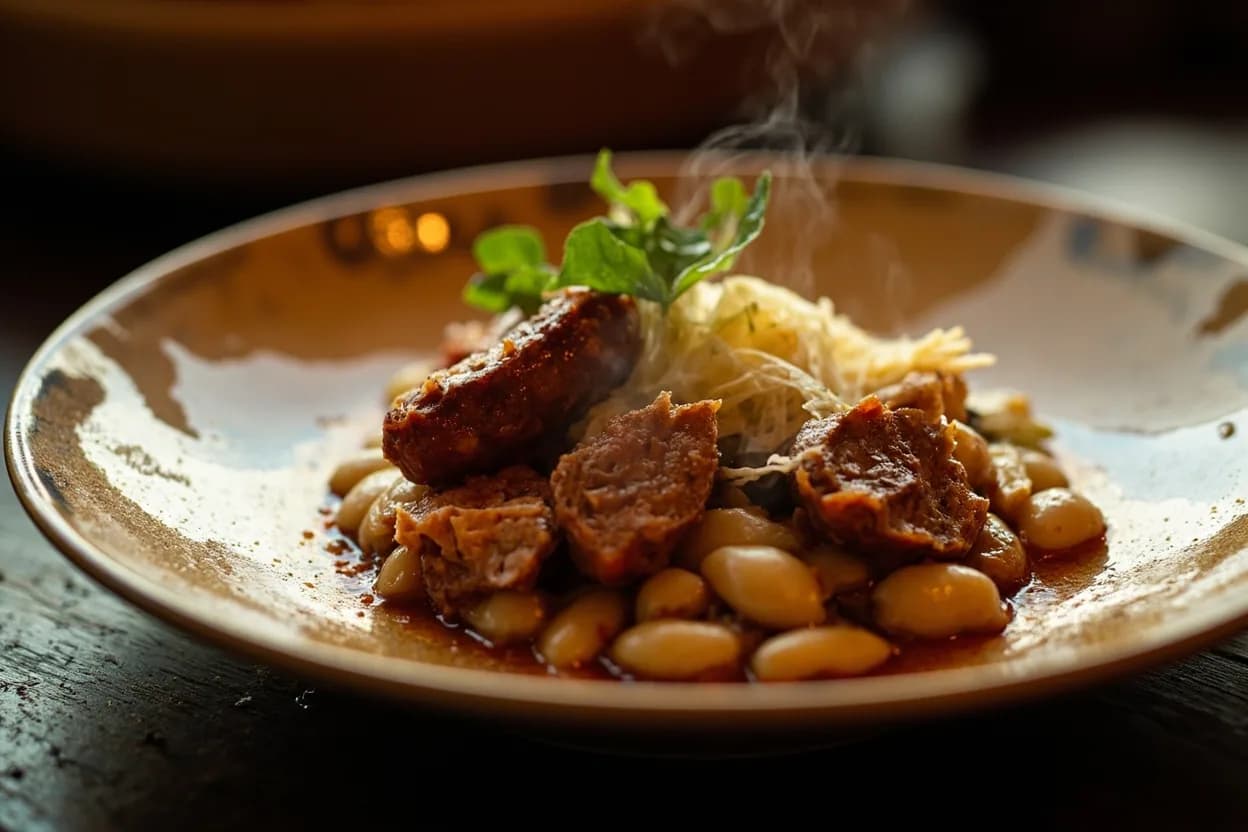
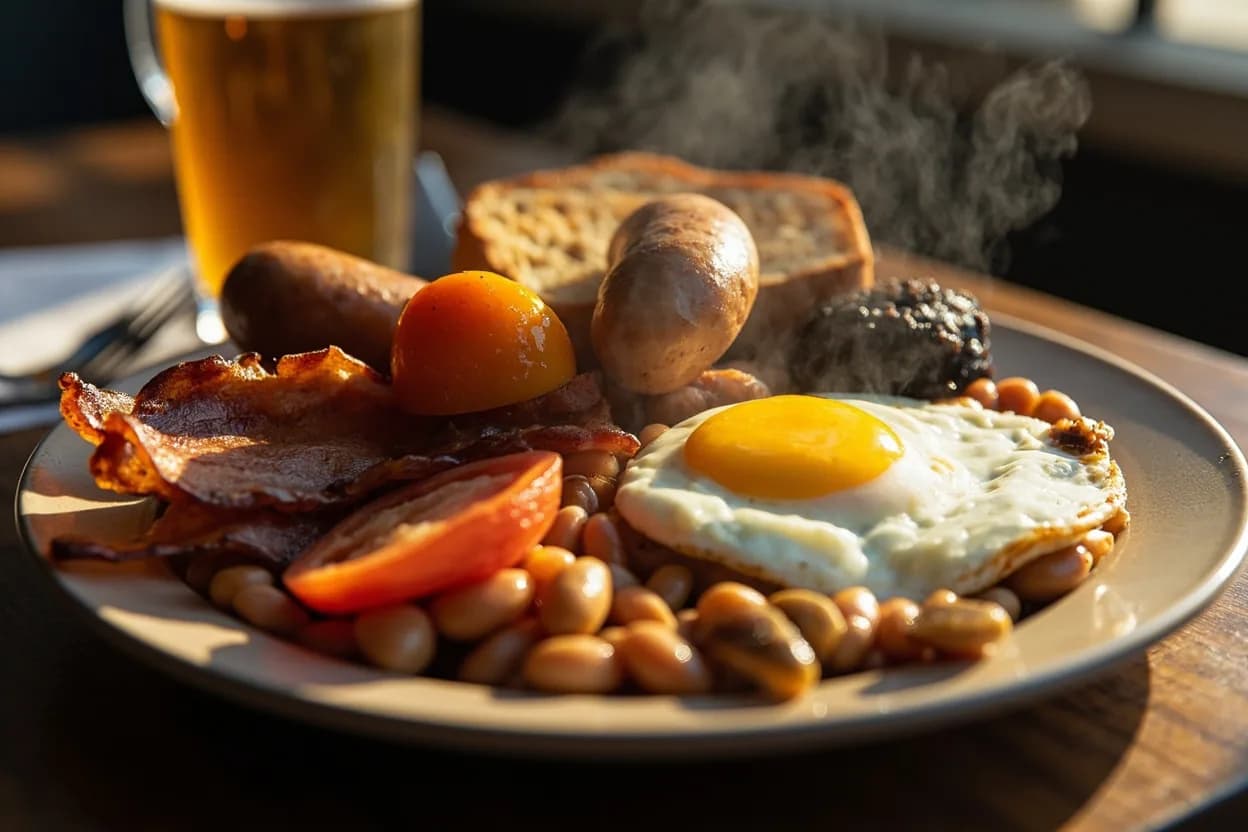
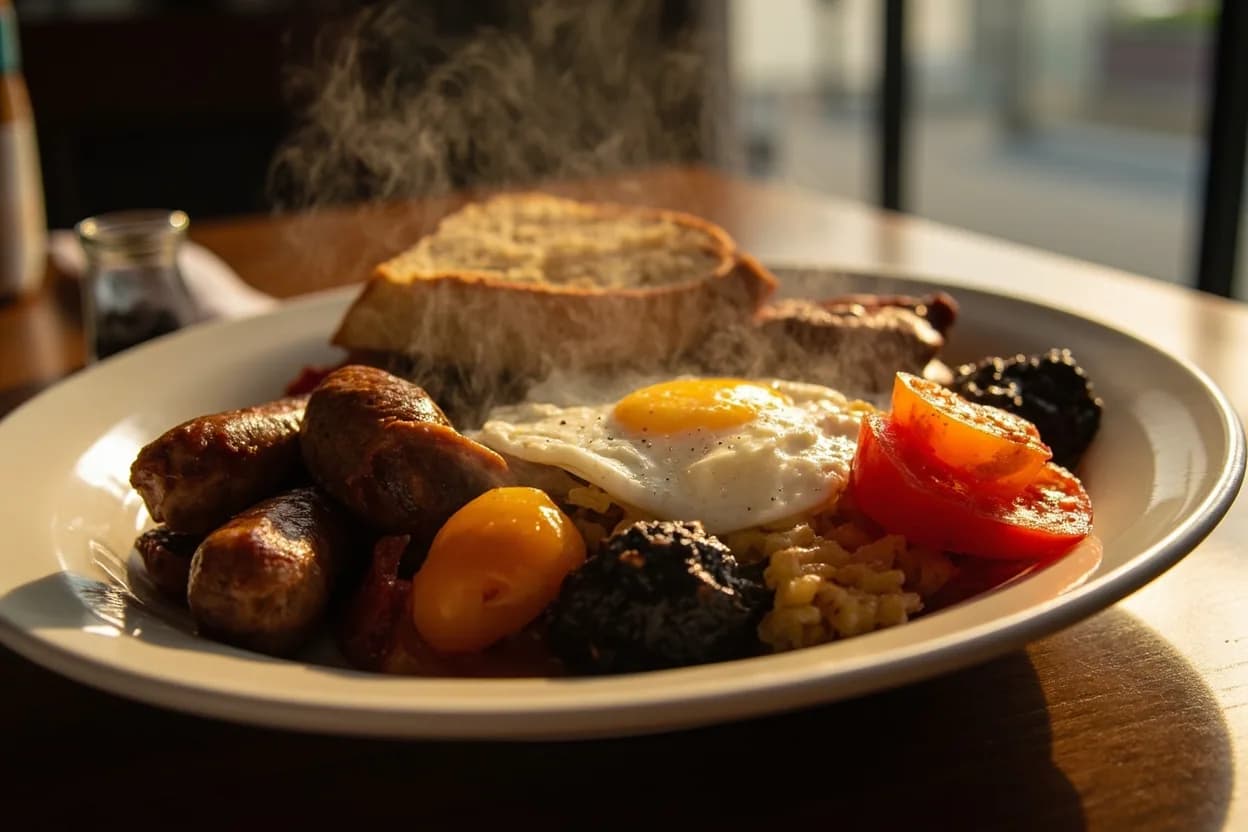
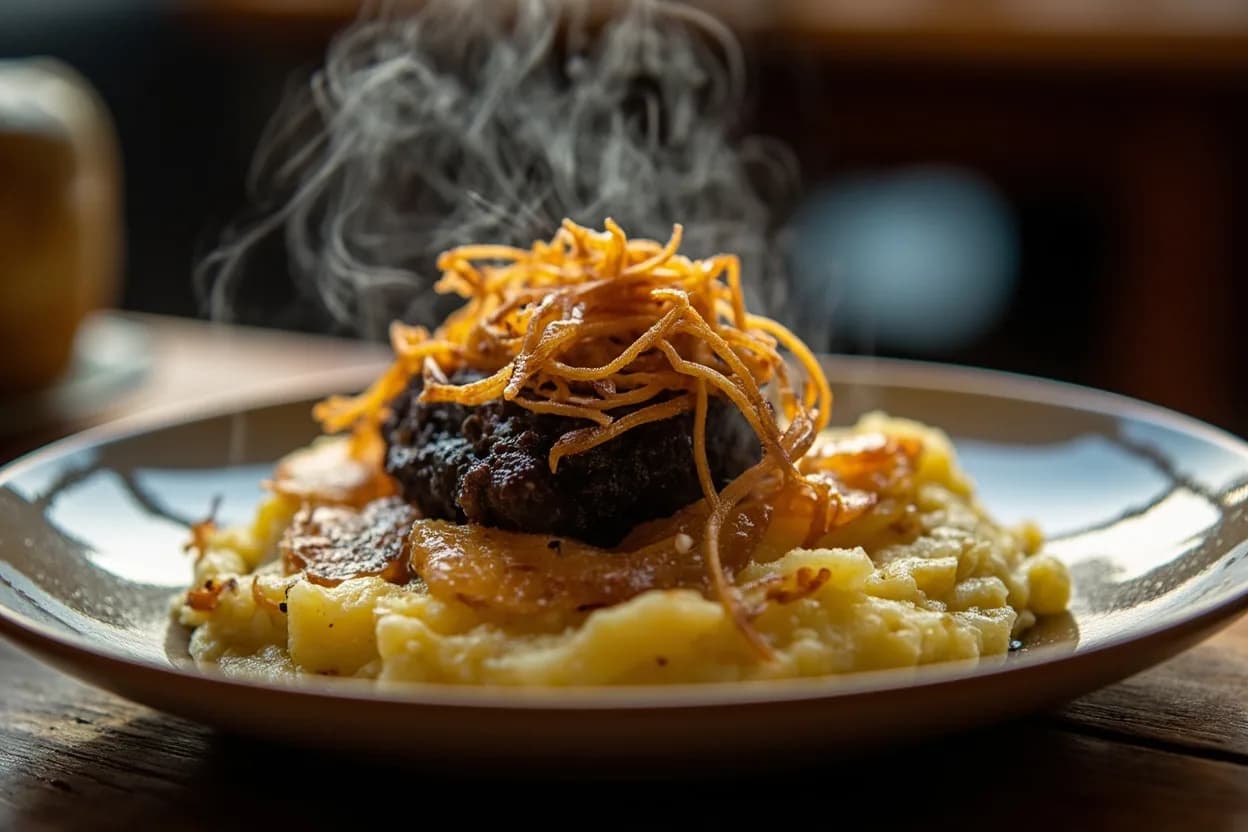
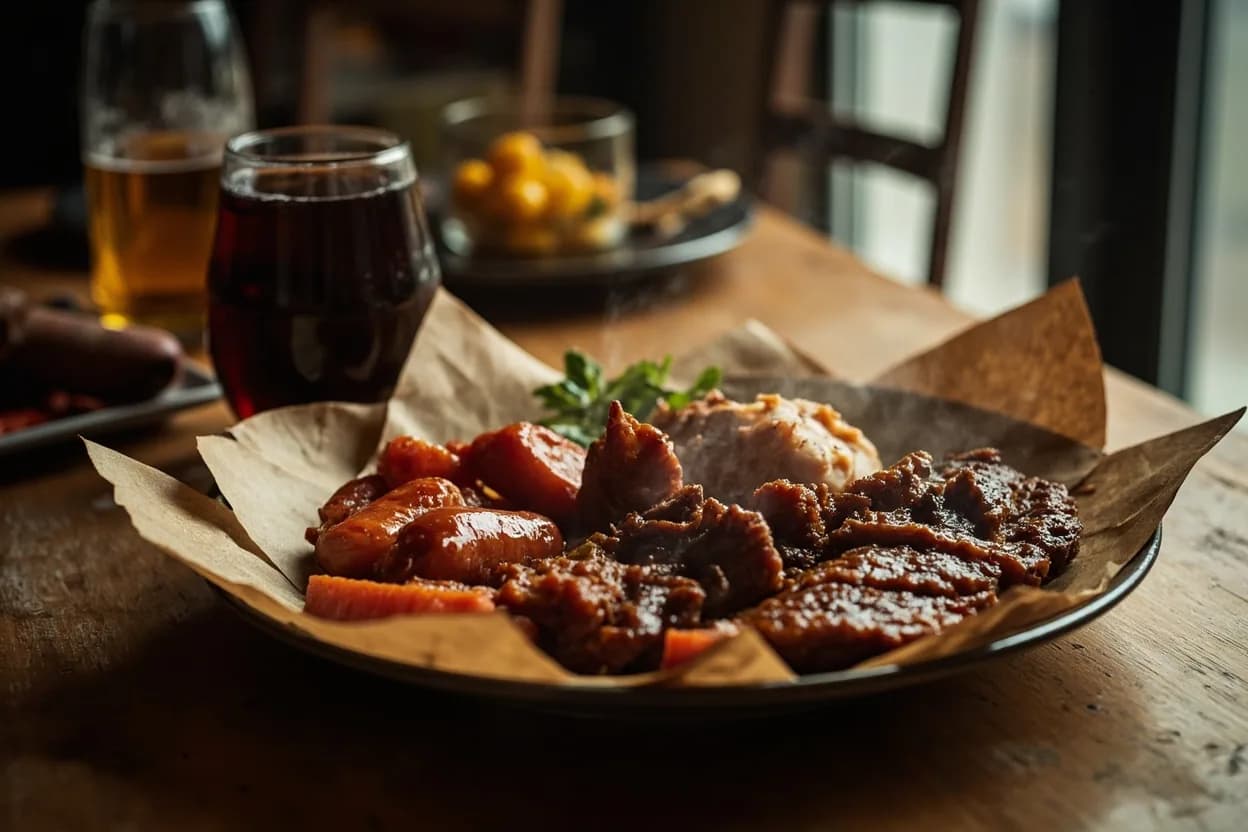
Appears in these dishes

Related
Egg
The kitchen's everything ingredient — bind, leaven, enrich, or fry
Chicken Breast
Lean, quick-cooking white meat for everyday dinners

Ground Beef
Versatile minced beef for burgers, ragù, tacos, and meatballs
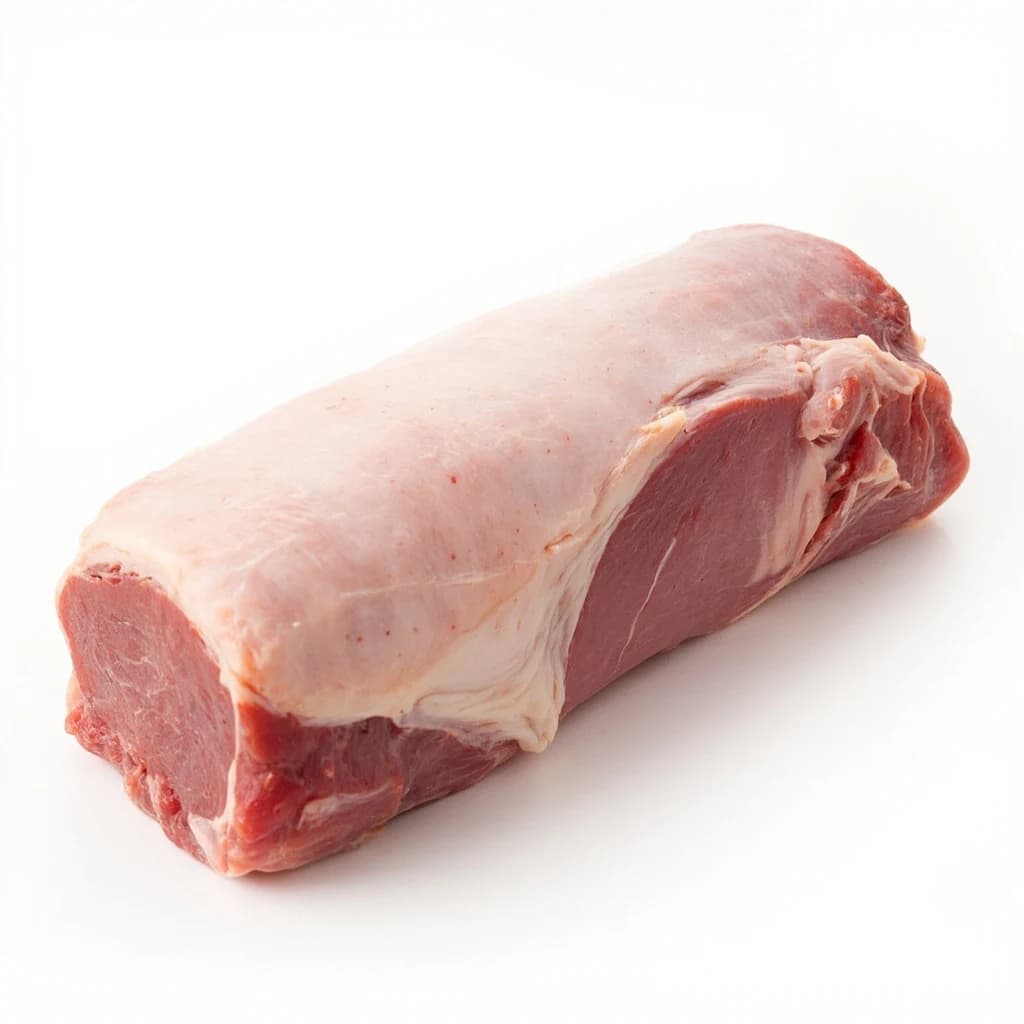
Pork Loin
Lean, tender roasting cut that stays juicy with care

Salmon
Rich, rosy fish that roasts, grills, or cures beautifully

Egg White
Pure protein that whips to airy peaks for meringue and more

Egg Yolk
Rich, golden yolk for custards, mayonnaise, and pasta

Quail Egg
Tiny, speckled eggs for garnishing and elegant bites