
Stored
Dark, finely chopped yacai fermented mustard greens, sold loosely in a ceramic bowl.
Shows the preserved product in its typical purchased form — dark, moist, finely minced — so readers recognize it at a market or pantry.
Condiments
Preserved Mustard Greens (Yacai)
Salt-cured, fermented Chinese mustard greens used as a savory cooking seasoning.
This preserved mustard, known as yacai (芽菜) in Sichuan, is mustard greens that are salted, dried, and fermented into a dark, savory, slightly sweet seasoning. It is a key ingredient in dishes like dan dan noodles and dry-fried green beans, adding deep umami and aroma. A little goes a long way as a flavor base.
Zhacai (also called yacai) is a traditional Chinese condiment from Sichuan Province and Chongqing Municipality made from Brassica juncea (Chinese mustard greens) that are salt-cured, pressed to remove moisture, and then fermented. The result is a savory, umami-rich seasoning with a distinctive salty, sour-tangy flavor and the signature ma la (numbing-spicy) quality from Sichuan peppercorns. The texture is crucial—it should remain slightly crunchy even after cooking, with visible shredded green leaves, pale stems, and characteristic pepper specks. Zhacai functions less like a pickle and more like a concentrated flavoring agent in Sichuan and Chongqing cooking, where it serves as a fundamental seasoning. Unlike fresh mustard greens, the preservation process transforms the vegetable into something that can be stored for long periods while developing complex fermented flavors. The high salt content acts as both preservative and seasoning, which is why rinsing is essential before use. Do not confuse zhacai with suan cai (fermented Chinese sauerkraut from Northeastern China) or other salt-preserved vegetables—the Sichuan pepper content and specific processing method distinguish authentic zhacai.
- Measured in
- g
- Storage
- Pantry
Types & varieties
The most recognized commercial brand; made in Sichuan with pronounced Sichuan pepper flavor, reddish in color
Standard variety; greenish-tan shredded greens with visible Sichuan peppercorn pieces and sometimes dried chili
May include additional spices like star anise or cassia; slightly sweeter base
Minimal additives for pure salty-tangy flavor; used when Sichuan pepper is not desired
The Distinction Between Zhacai and Suan Cai
Though both are fermented mustard greens, zhacai and suan cai are fundamentally different products. Suan cai (酸菜) is the Northeastern Chinese style of fermented sauerkraut, produced through a different lactic acid fermentation process without the heavy salting and pressing that characterizes zhacai. Zhacai also typically contains Sichuan peppercorns and other aromatics, while suan cai does not. In the West, these are often conflated, but they serve different roles: zhacai is a seasoning, while suan cai is a pickle or vegetable side dish.
- Zhacai is salted, pressed, and often contains Sichuan pepper; suan cai is purely fermented
- Zhacai serves as a cooking seasoning; suan cai is eaten as a pickled side dish
- Texture differs: zhacai stays crunchy; suan cai softens during fermentation
Common uses
Tips & pitfalls
- Always rinse preserved mustard greens briefly under cold water before using to remove excess salt and surface impurities
- After rinsing, squeeze out excess water with your hands or a clean towel before chopping or adding to dishes
- If the product is particularly salty, soak in cold water for 5–10 minutes, then drain and squeeze dry
- Store in an airtight container after opening; keep submerged in its own brine if possible to maintain texture
- Add early in cooking—fry with aromatics first—to let the flavors meld into the dish rather than adding at the end
- Common mistake: using without rinsing results in an overwhelmingly salty dish
- Common mistake: not squeezing out water causes dishes to become watery, especially in fried rice
- Common mistake: confusing zhacai with suan cai—they are not interchangeable
Nutrition
Energy
92 kJ · per 100 g
Where the calories come from
Protein
2.2g
4% DV
Carbs
3.9g
1% DV
Fat
0.3g
0% DV
Fiber
2.8g
10% DV
Sodium
21mg
1% DV
Source · USDA FoodData Central · approx. Mustard spinach, (tendergreen), raw
View on FDC →In the shops
Matched grocery products
No matched grocery products for Preserved Mustard Greens (Yacai) yet.
Good to know
- Name
- Preserved Mustard Greens (Zhacai / Yacai)
- Origin
- Sichuan Province and Chongqing Municipality, China
- Primary Ingredient
- Brassica juncea (Chinese mustard greens)
- Processing Method
- Salt-cured, pressed, then fermented
- Typical Additives
- Sichuan peppercorns, chili flakes, ginger, sugar
- Primary Flavor
- Salty, sour-tangy, numbing (ma la from Sichuan pepper)
- Physical Form
- Shredded green leaves and pale stems with visible pepper specks
- Sodium Content
- Very high; rinse before use to reduce saltiness
- Shelf Life (Unopened)
- 12–24 months sealed at room temperature
- Shelf Life (Opened)
- Refrigerate; use within 2–3 months
Substitutes
- Kimchi — Provides sour, salty fermented flavor but lacks Sichuan pepper and is much spicier; rinse and chop similarly
- Sauerkraut — Offers tangy, salty flavor without heat; rinse well before using; different vegetable origin but works in a pinch
- Preserved Turnip (Zha Cai Mu) — Made from turnip stems instead of mustard greens; similar salty-tangy profile; use in equal amounts
- Fermented Black Beans (Douchi) — Provides salty, fermented umami but not the same texture or tang; use sparingly as a flavor addition rather than textural substitute
Pairs with
Also called
芽菜 · Yacai · Preserved Mustard · Sichuan Preserved Vegetable
Related
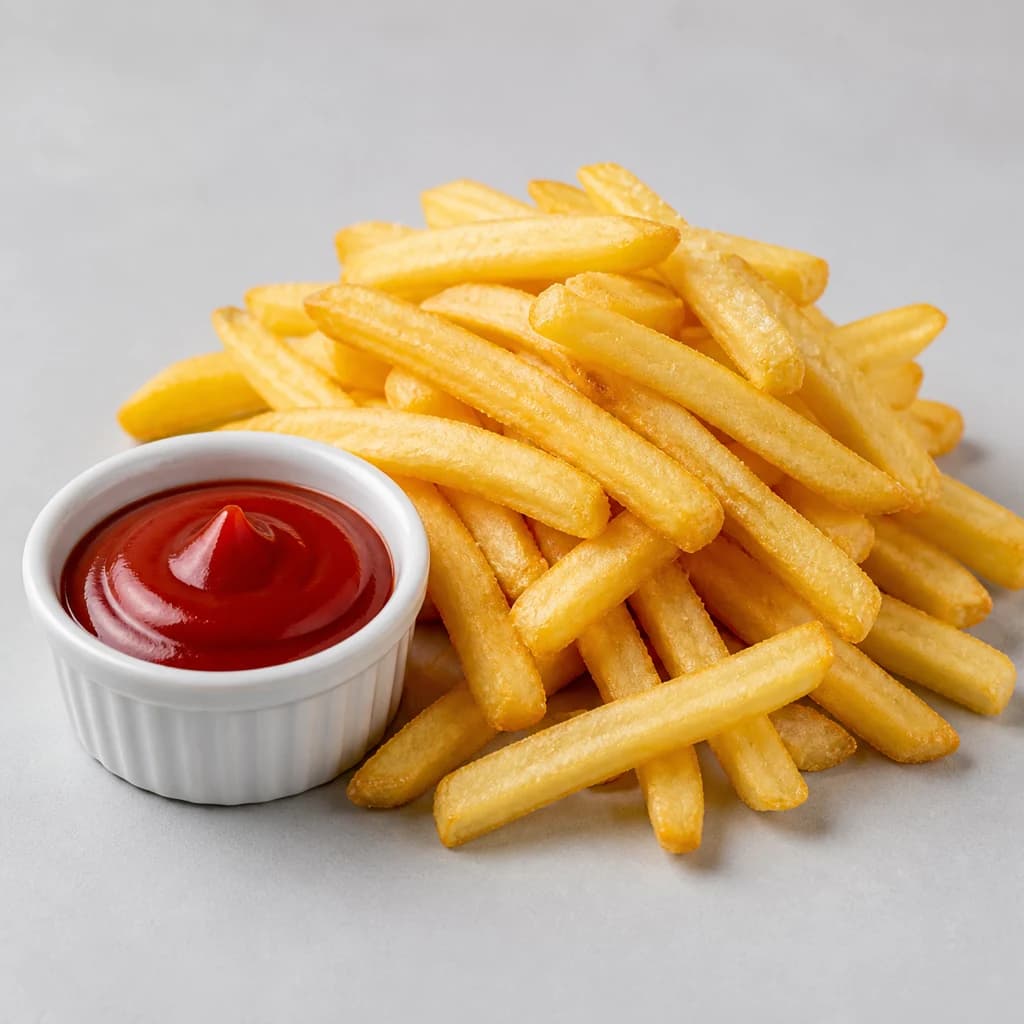
Ketchup
Sweet-tangy tomato condiment for fries, burgers, and glazes
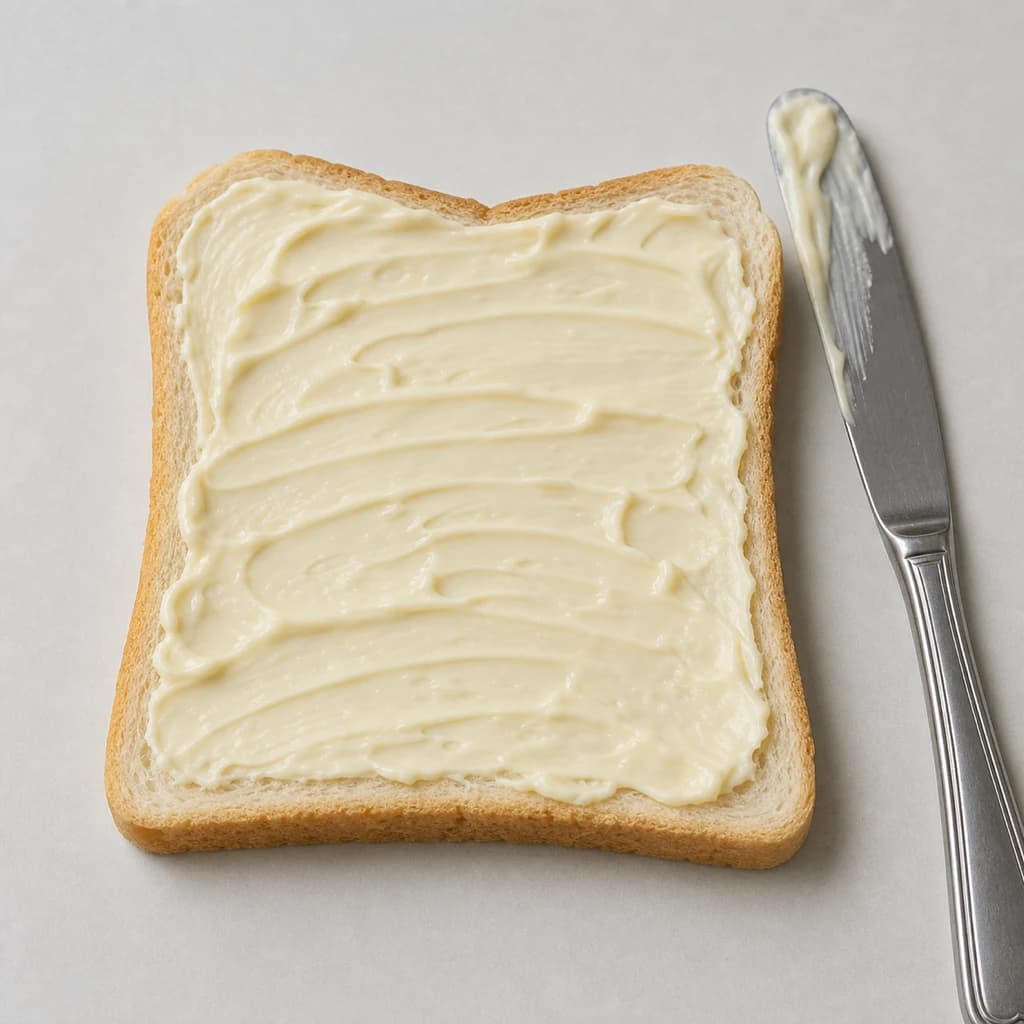
Mayonnaise
Creamy emulsion for sandwiches, dressings, and dips
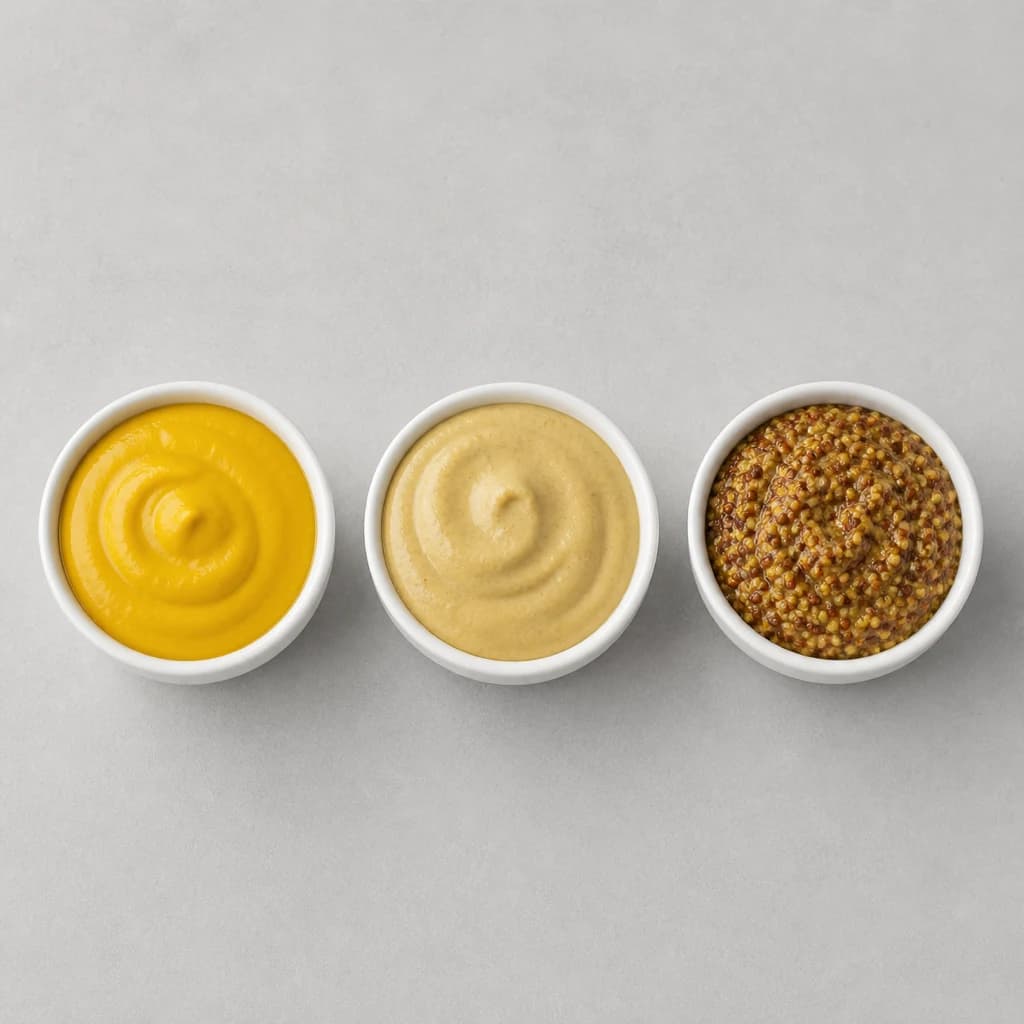
Mustard
Sharp, tangy condiment for sandwiches, dressings, and glazes
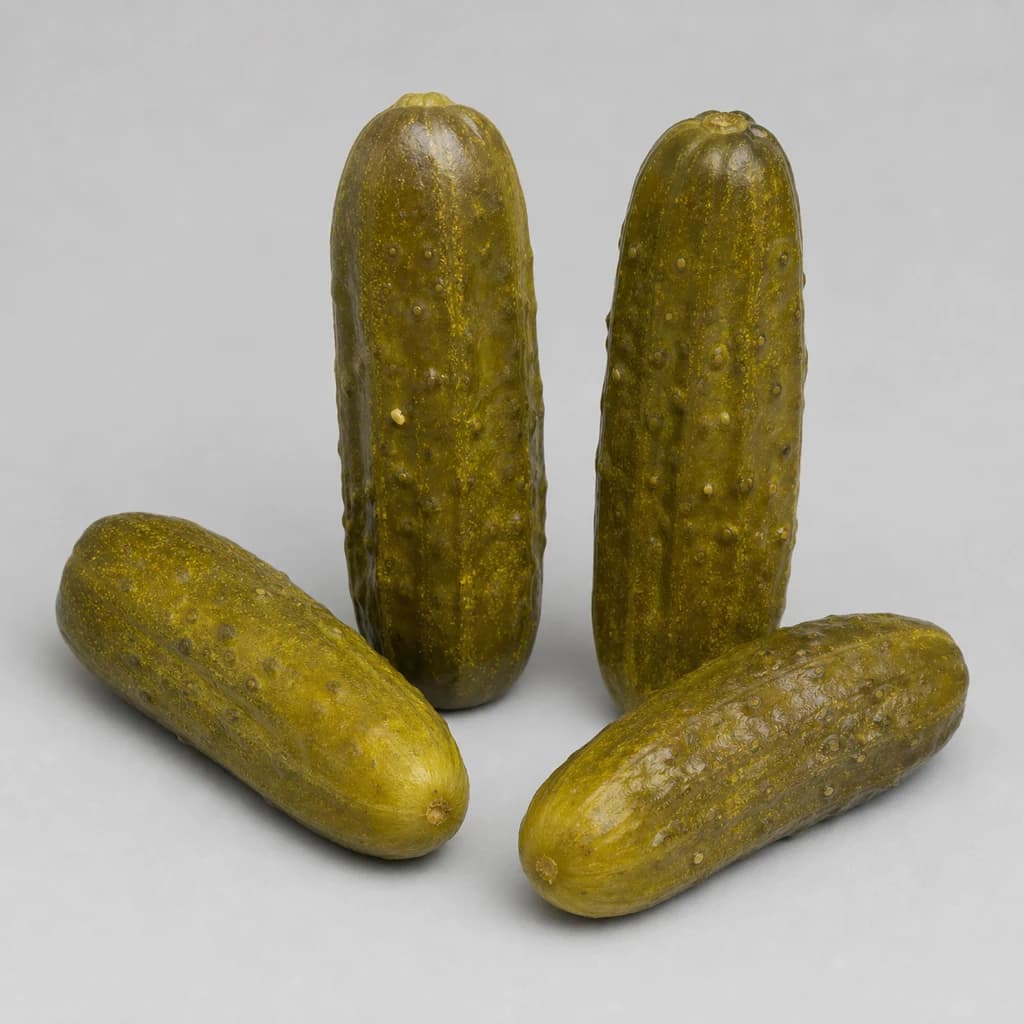
Pickles
Crunchy, tangy cucumbers for burgers, boards, and snacking
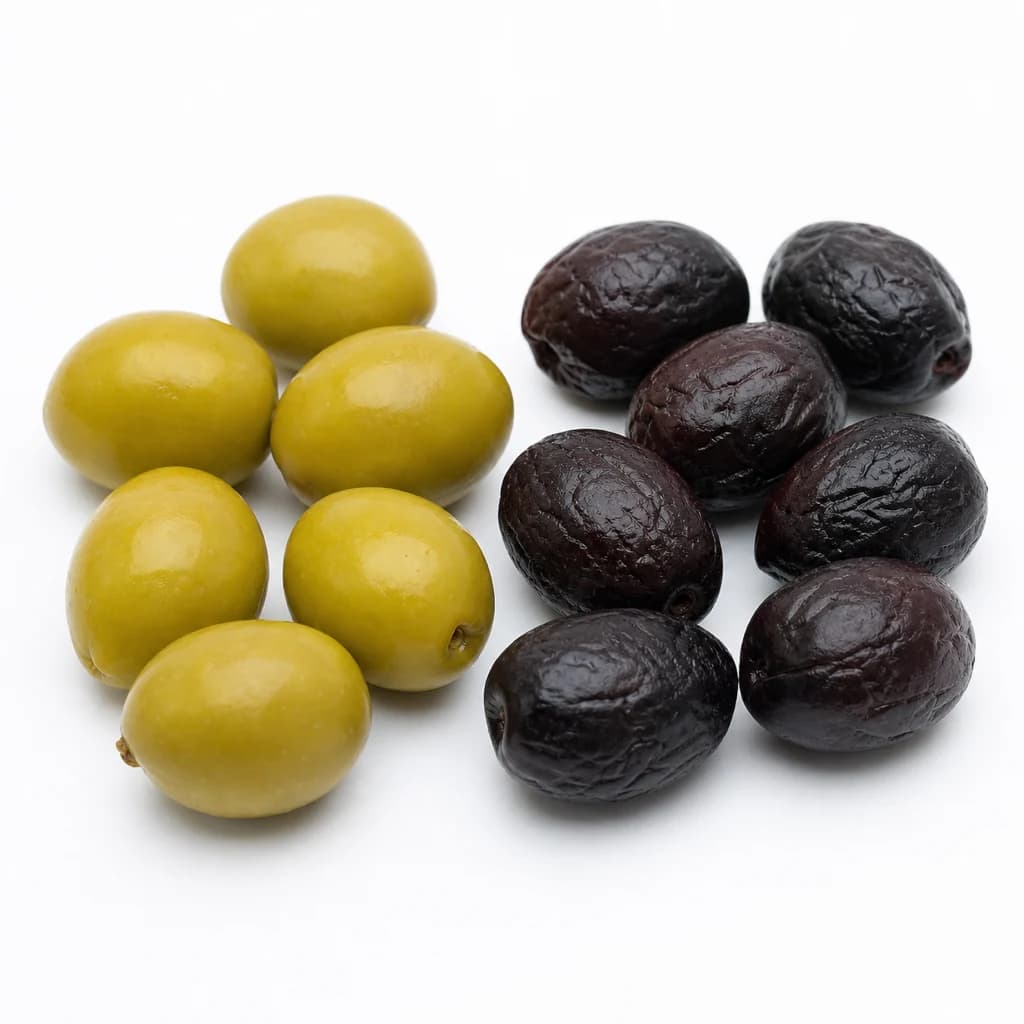
Olives
Briny, meaty fruit for snacking, tapenade, and braises
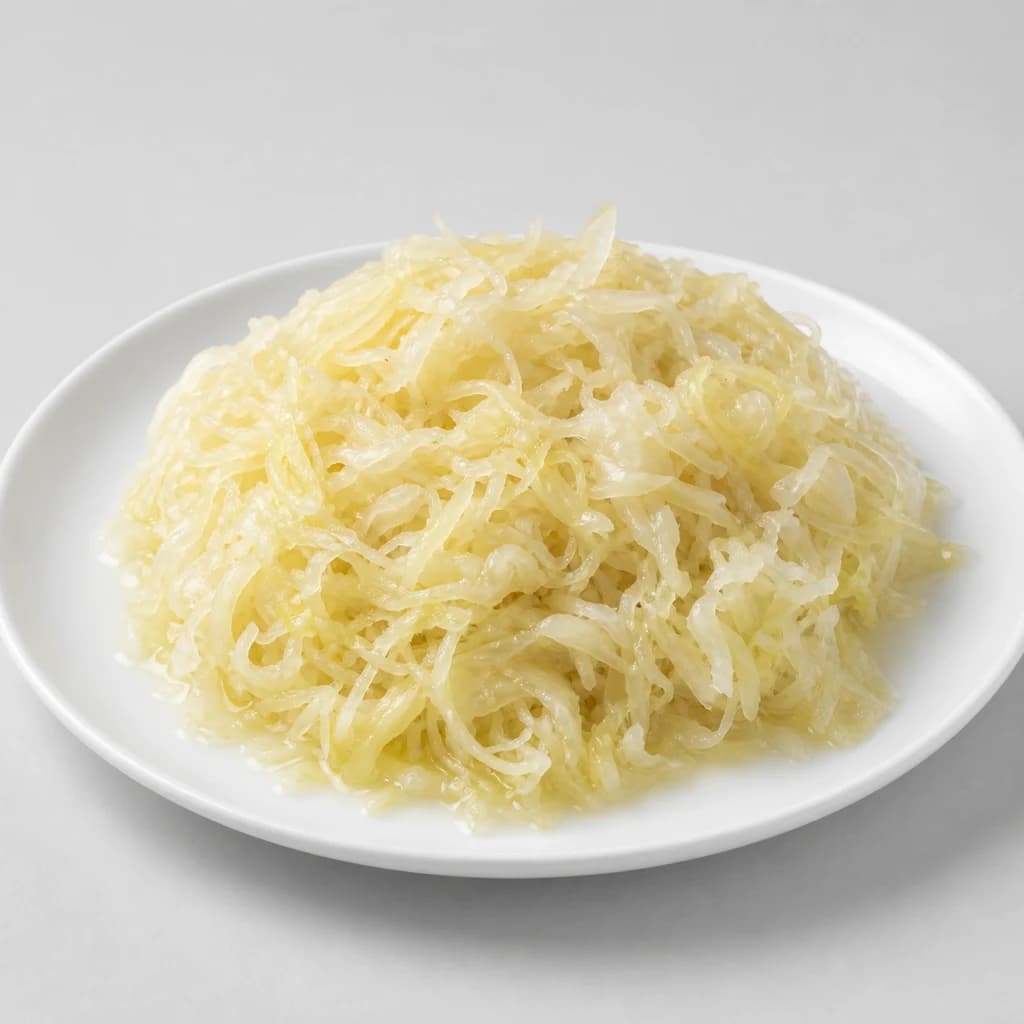
Sauerkraut
Fermented shredded cabbage with a tangy, sour bite, served as a side or cooked into stews.
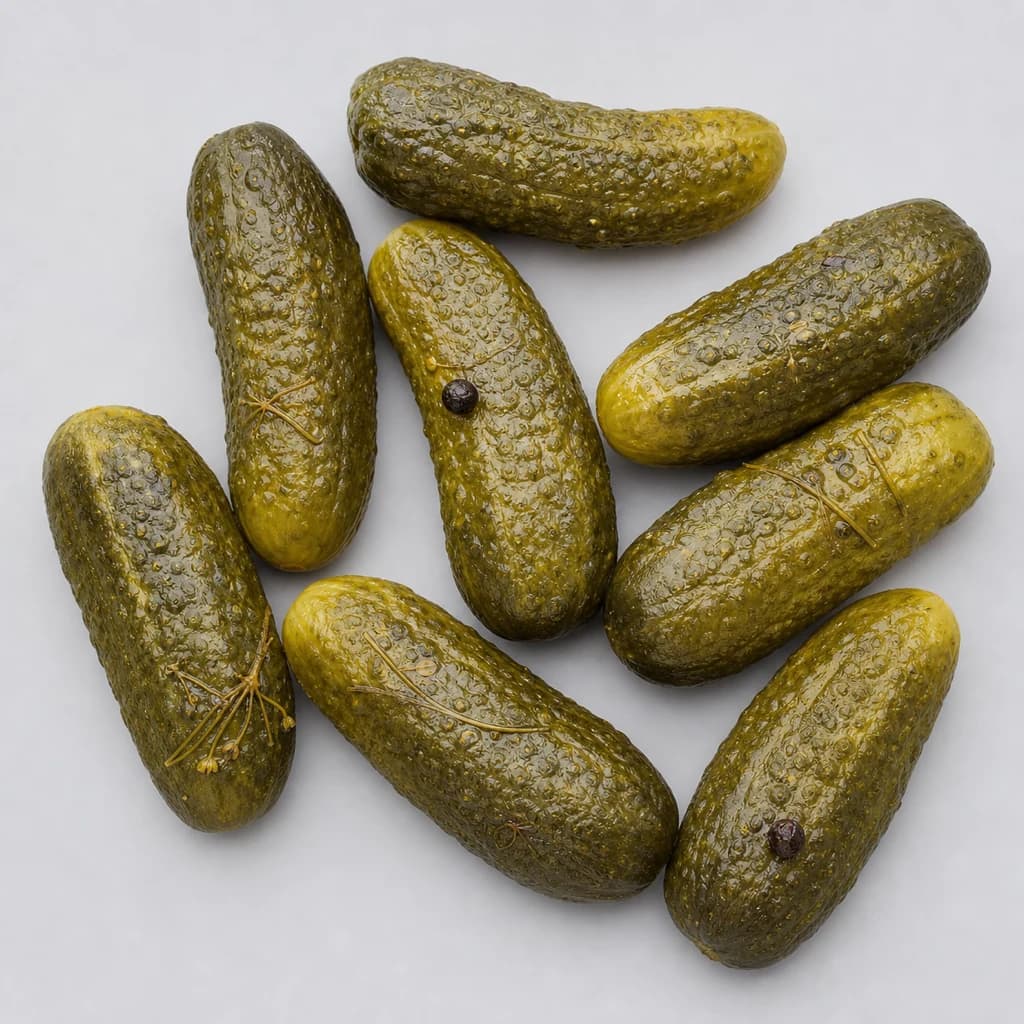
Pickled Cucumber
Brined or vinegar-cured cucumbers, tangy and crunchy, served as a side or in sandwiches.

Pickled Pepper
Brined or vinegared peppers eaten as a tangy condiment or salad component.