Natural form
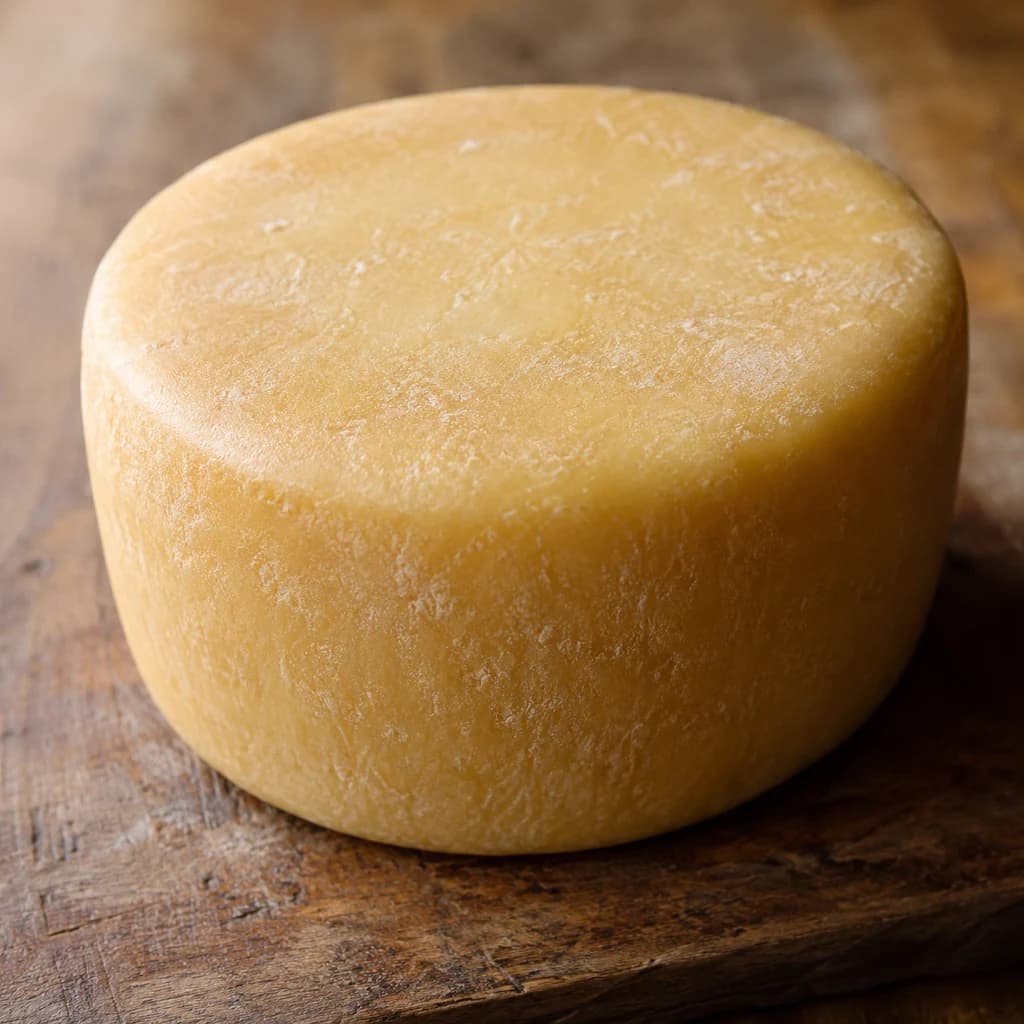
A whole wheel of Prästost shows its pale straw rind and semi-hard form.
Establishes the cheese's recognizable wheel shape, rind color, and overall size for identification.
Dairy & Eggs
Prästost Cheese
Swedish semi-hard 'priest cheese' with a rich, tangy, slightly nutty flavor, sometimes washed in spirits.
Prästost ('priest cheese') is a traditional Swedish semi-hard cow's-milk cheese with small irregular holes and a full, tangy, nutty taste that sharpens with age. Historically it was made from milk paid as tithes to the parish priest, hence the name. Some versions are matured with a wash of aquavit or whisky for extra depth.
Prästost is a Swedish semi-hard cheese, known in Sweden as hårdost, that occupies a cherished place in Scandinavian cheese culture. The name derives from the Swedish word for priest—a nod either to the red wax once used to coat the wheels or to the cheese's historical role in church tithes. What sets Prästost apart is its traditional production method: during aging, the wheels are periodically washed with spirits such as brännvin, brandy, or akvavit, a technique that imparts a distinctive ruddy rind and a subtle complexity that distinguishes it from other semi-hard cheeses. Originally from Mölltorp in Västergötland, the cheese is now produced throughout Sweden, though traditional producers maintain the spirit-washing ritual that defines its character.
In the kitchen, Prästost behaves with versatility. The texture is firm yet supple, cutting cleanly into slices while also yielding to a grater without crumbling. The flavor profile is mildly tangy with undertones of nuttiness that deepen as the cheese ages—medium-aged wheels offer approachability, while those aged beyond ten months develop a more pronounced character with slight crystallization. The spirit-washed rind is entirely edible, though some cooks prefer to trim it. The cheese performs well both raw and cooked, though high heat dulls its more delicate flavor compounds, making it most effective when added late in cooking or used as a finishing element.
- Measured in
- g
- Storage
- Fridge
Allergens
Types & varieties
Original producer; spirit-washed; aged minimum 6 months; considered for Protected Designation of Origin in Sweden
Milder flavor; 5–6 months aging; versatile for sandwiches and melting applications
10+ months aging; more crystalline texture; pronounced nuttiness and tang; sometimes called 'Vällagrad Prästost'
Common uses
Tips & pitfalls
- Bring the cheese to room temperature for 20–30 minutes before serving to fully release its aroma and flavor compounds
- Store with a small piece of bread inside the wrapping to prevent the cheese from drying out and becoming crumbly
- When substituting Prästost for Parmesan or Gruyère in recipes, use a slightly larger amount as the base flavor is milder
- The spirit-washed rind is edible—leave it on for presentation or scrape it off only if you prefer not to taste it
- For grating, use the medium or fine side of a box grater; if the cheese is too soft, freeze it briefly for 10–15 minutes first
- Avoid overcooking—add Prästost late in cooking or use as a garnish to preserve its supple texture and mild tang
- When shopping, press the rind gently; it should feel firm but yield slightly without sticking to your finger
- Aged Prästost can be quite assertive—taste before using in raw applications to ensure the flavor matches your intent
- Do not discard the rind when cubing for a platter; it adds textural contrast and visual interest
Nutrition
Energy
1628 kJ · per 100 g
Where the calories come from
Protein
25.6g
51% DV
Carbs
1.6g
1% DV
Fat
31.1g
40% DV
Fiber
0g
0% DV
Sugars
1.6g
of which
Sodium
800mg
35% DV
Source · USDA FoodData Central · approx. Cheese, fontina
View on FDC →In the shops
Matched grocery products
No matched grocery products for Prästost Cheese yet.
Good to know
- Origin
- Sweden, traditionally from Mölltorp in Västergötland
- Milk Type
- Cow's milk (typically pasteurized)
- Aging
- Minimum 5–6 months; longer aging develops deeper flavor and slight crystallization
- Classification
- Swedish semi-hard cheese (hårdost)
- Rind
- Washed in spirits during aging; develops reddish-brown tint; fully edible
- Color
- Pale yellow to golden with small irregular holes
- Texture
- Firm but supple; slices cleanly; grates without crumbling
- Shape
- Large wheels, typically 8–12 kg
- Storage
- Refrigerate tightly wrapped in plastic; use within 4–6 weeks; can freeze but may alter texture
Substitutes
- Grevéost — Closest Swedish alternative; similar firm texture and mild, nutty flavor; equally good for sandwiches and melting
- Jarlsberg — Norwegian semi-hard cheese; comparable aged flavor and excellent melting properties; more widely available internationally
- Young Gouda — Dutch semi-hard cheese; comparable mild nuttiness and good melting behavior; easier to find outside Scandinavia
- Edam — Slightly firmer texture; milder flavor; works as a budget-friendly substitute for sandwiches and cooked applications
- Emmental — Swiss-style with larger holes; milder and less tangy; acceptable substitute in cooked dishes where subtle flavor is acceptable
- Västerbottensost — Swedish blue-veined cheese; much stronger and more pungent; use sparingly as a substitute only if seeking intensity
Pairs with
Also called
prästost · prastost · präst cheese · priest cheese
Related

Whole Milk
Rich, full-fat milk for drinking, coffee, sauces, and baking
Butter
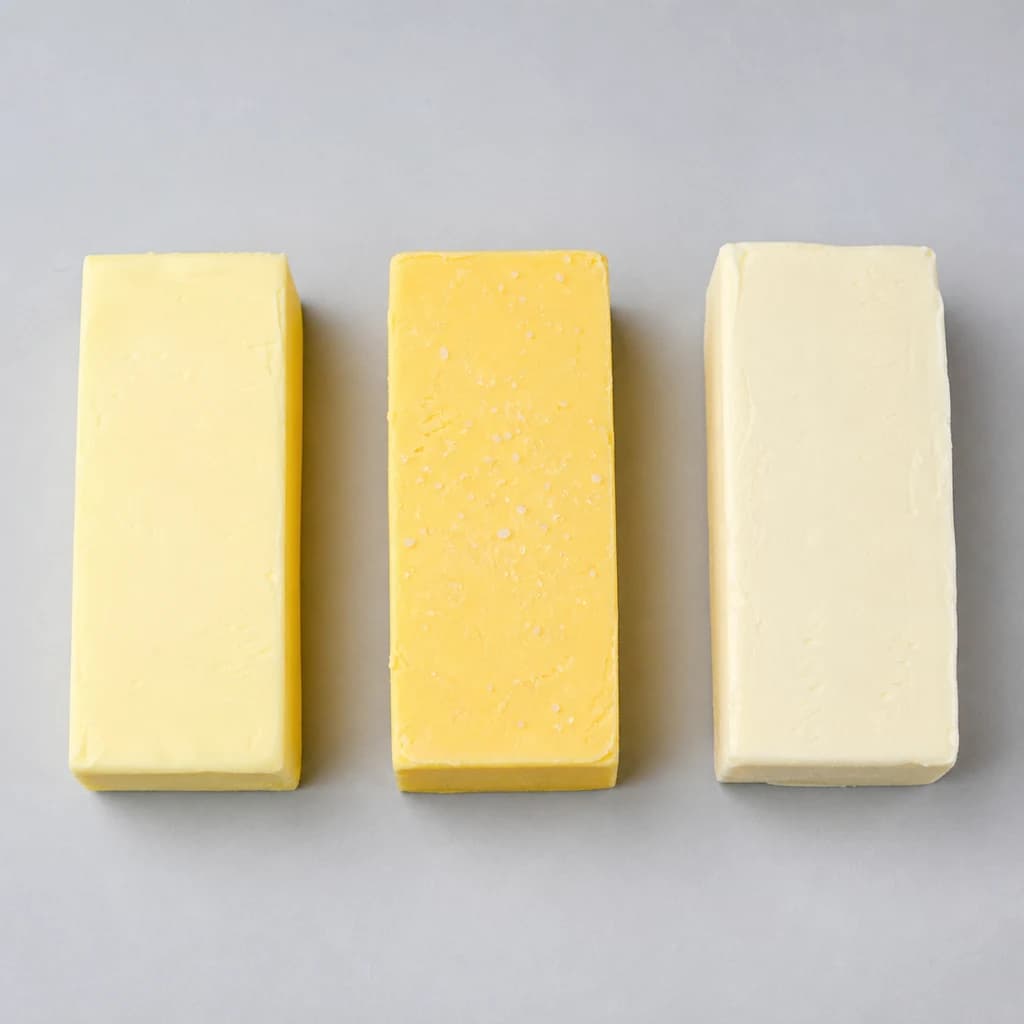
Golden fat for searing, baking, and finishing a sauce
Yogurt
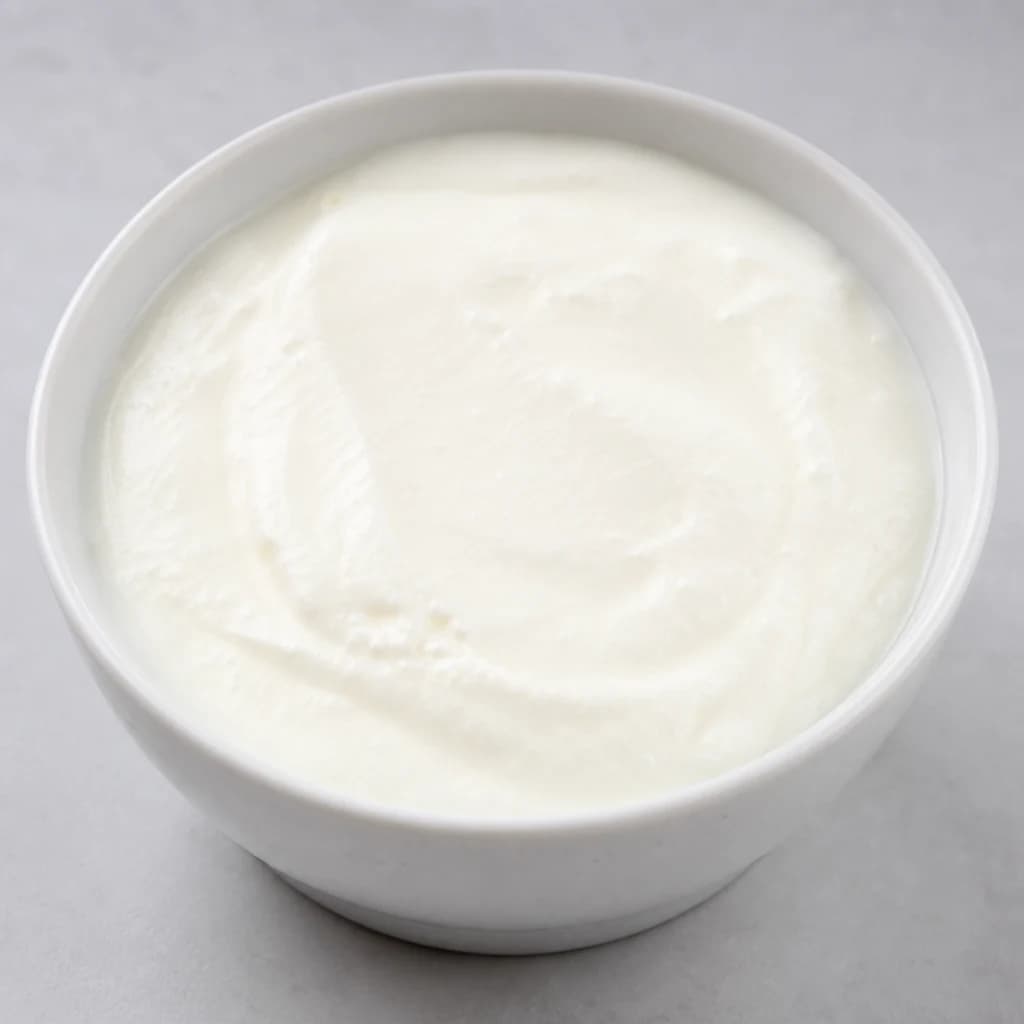
Tangy, creamy culture for breakfast, sauces, and marinades
Cheddar Cheese
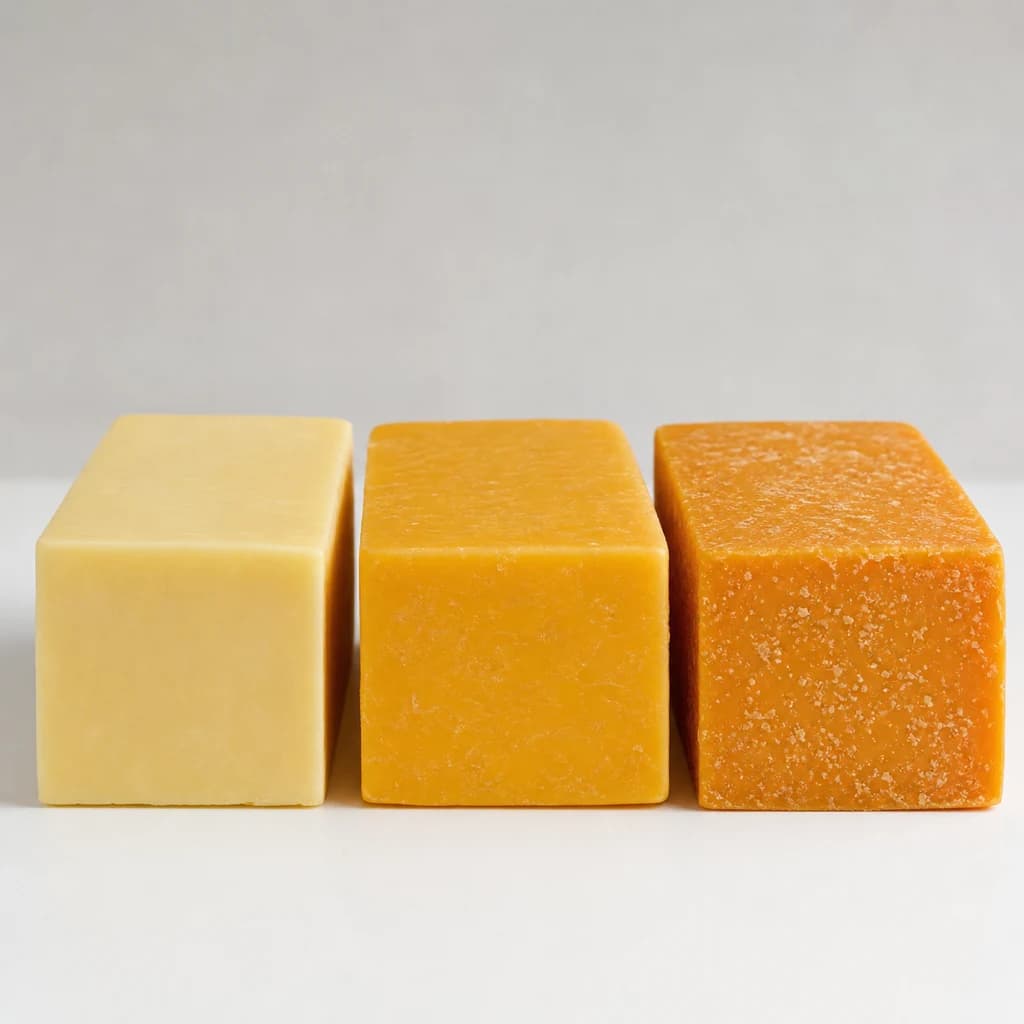
Sharp, melty cheese for sandwiches, gratins, and grating

Skim Milk
Fat-free milk for lighter drinking, coffee, and cooking
Heavy Cream
Rich cream that whips, enriches sauces, and sets ganache

Sour Cream
Tangy, thick cream for dolloping, baking, and dips
Mozzarella
Soft, milky cheese that melts into stretchy pizza pulls