
Natural form
Fresh roselle leaves on the plant, showing their distinctive lobed shape and deep green color.
Shows the reader exactly what raw roselle leaves look like in their growing state, teaching identification by leaf shape, color, and texture before any preparation.
Produce
Roselle Leaf (Chin Baung)
Sour, vitamin-rich hibiscus leaves used as a tangy cooking green in Burmese, African, and Caribbean dishes.
Roselle leaves come from the hibiscus species Hibiscus sabdariffa and carry a distinctly sour, lemony tang. In Myanmar they are the heart of chin baung kyaw, a stir-fried sour-leaf dish, and across West Africa and the Caribbean they are stewed as a cooking green. The acidity comes from natural oxalic and ascorbic acids, brightening rich, fatty dishes.
Roselle leaf (Hibiscus sabdariffa var. altissima) is the edible foliage of the same hibiscus plant that yields the celebrated crimson calyces used for beverages and sauces worldwide. Unlike its glamorous red sepals, the leaves remain a culinary secret outside their native growing regions—yet they are foundational to the cooking traditions of Burma, West Africa, and the Caribbean. The leaves grow on a tall, upright plant with palmate, often maple-shaped foliage that can be entirely green or marked with striking red veining and purple-tinted margins. Their flavor is pleasantly tart, driven by malic and citric acids, with a gently earthy undertone that becomes milder and more balanced with cooking. In Burmese cuisine, where the leaves are called chin baung, they are treated with the same reverence as garlic and onion—a non-negotiable aromatic base for countless dishes. The leaves cook remarkably fast, wilting down significantly like spinach, and their sourness tempers into something less puckering and more balanced. This is a genuinely useful cooking green that deserves far wider recognition, particularly for anyone interested in Southeast Asian, West African, or island cooking traditions.
- Measured in
- g
- Storage
- Fridge
Types & varieties
Most common variety; tender leaves with mild sourness and green veined foliage; preferred for cooking
Leaves display red veining and purple-tinged margins; similar flavor and texture; slightly more ornamental in appearance
Common uses
Tips & pitfalls
- Harvest or purchase young, tender leaves and shoot tips—mature leaves become tough and excessively sour
- For Burmese-style stir-frying, add a splash of water and cover briefly to wilt before frying; this prevents bitterness and ensures even cooking
- The stems are edible but require longer cooking; strip tender leaf tips for quickest results
- Frozen roselle leaf is a reliable substitute and widely available in Myanmar or Chinese grocery stores—use directly from frozen
- Sourness mellows considerably with cooking; raw leaves are quite tart, so taste before adjusting quantities in recipes
- Do not overcook or the leaves become slimy and lose their vibrant color; 2–4 minutes of active cooking is sufficient
- Pairs especially well with garlic, chili, shrimp paste, fermented seafood, and fish sauce in Burmese preparations
- When adding to African soups, incorporate in the last 10–15 minutes of cooking to preserve color and texture
- Avoid aluminum cookware—the acidity reacts with the metal and can affect both flavor and color of the greens
Nutrition
Nutrition
No USDA FoodData Central match for Roselle Leaf (Chin Baung) yet. We surface a per-100 g profile once a generic whole-food entry is matched and verified.
In the shops
Matched grocery products
No matched grocery products for Roselle Leaf (Chin Baung) yet.
Good to know
- Common names
- Chin baung (Burma/Myanmar), Rosella leaf (Australia), Sorrel leaf (Caribbean), Grogrum (West Africa), Vinagrillo (Latin America)
- Plant species
- Hibiscus sabdariffa var. altissima (leaf-type variety)
- Flavor profile
- Tart and sour from malic and citric acids; earthy undertone; significantly milder than the calyces
- Primary cuisine use
- Burmese cooking (essential green), West African soups, Caribbean callaloo-style dishes
- Season
- Year-round in tropical climates; late summer through fall in temperate zones when grown as annual
- Fresh storage
- Refrigerate wrapped in damp towels; 3–5 days optimal; blanched leaves freeze well for several months
- Cooked yield
- Approximately 4:1 raw to cooked ratio, similar to spinach and other cooking greens
- Culinary form
- Fresh in bundles (most common), frozen (excellent backup), dried (less common)
- USDA zones
- 9–11 for perennial cultivation; grown as annual in zones 3–8
- Related ingredient
- Same plant produces hibiscus calyces—the red sepals used for beverages, sauces, and Jamaican sorrel drink
Substitutes
- Amaranth leaves — Closest texture and mild earthiness; add a squeeze of lemon or lime to approximate the sourness
- Malabar spinach (basella) — Similar cooked texture and mild flavor; lacks inherent sourness, so season with citrus or vinegar
- Spinach with lemon juice — Matches texture and volume; flavor is less complex but acceptable for non-Burmese applications
- Fresh sorrel leaves (not dried calyces) — Genuinely sour and work in similar preparations; reduce cooking time to avoid mushiness
Pairs with
Also called
Chin Baung · Sour Leaf · Gongura · Hibiscus Leaf
Related
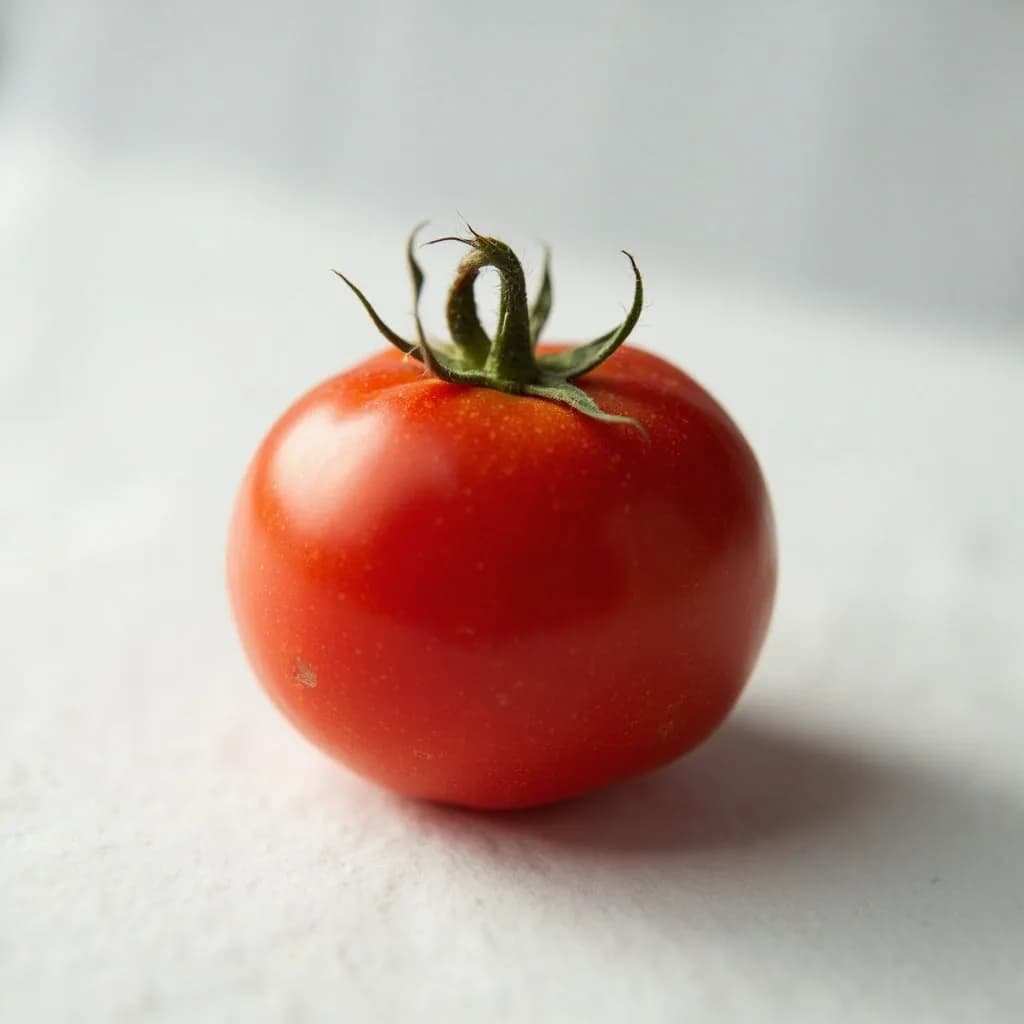
Tomato
Juicy, sun-sweet fruit for sauces, salads, and slow-cooked depth
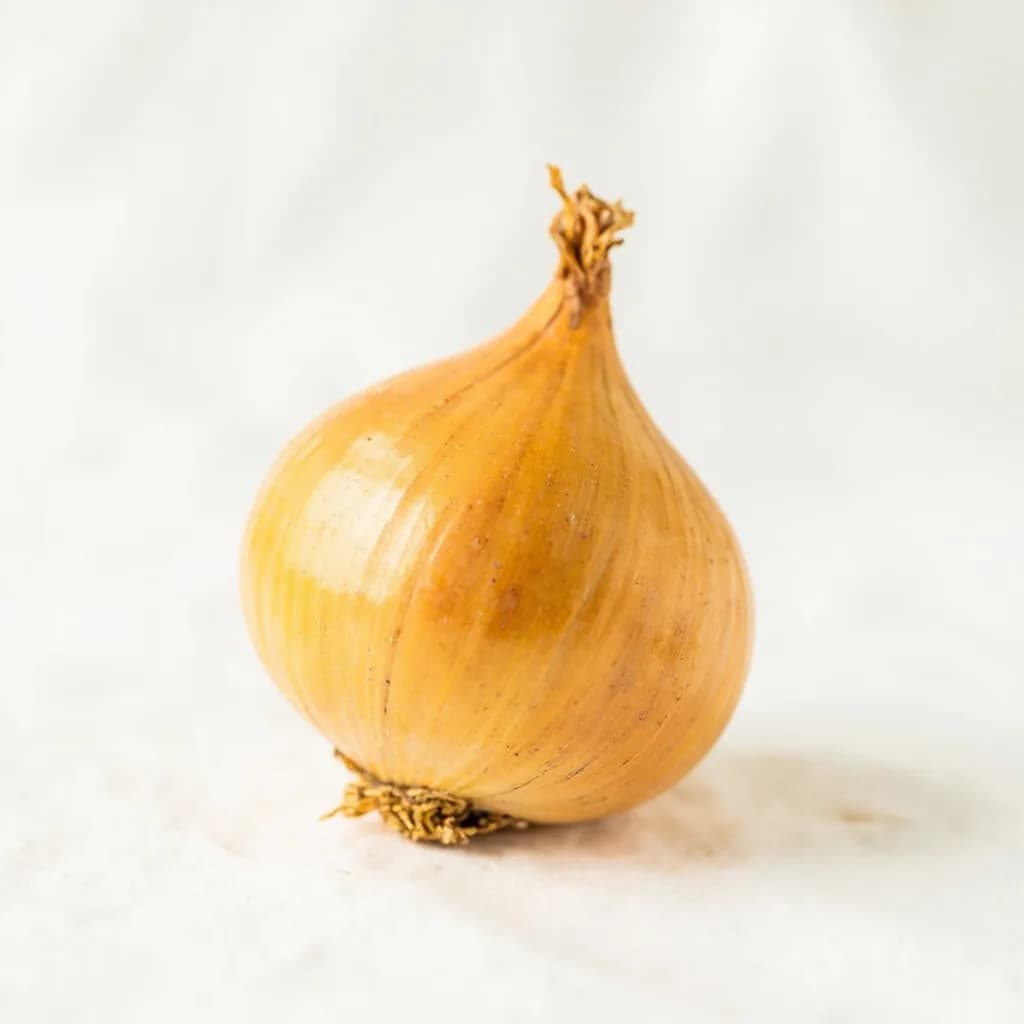
Yellow Onion
The aromatic backbone of soups, sofritos, and braises
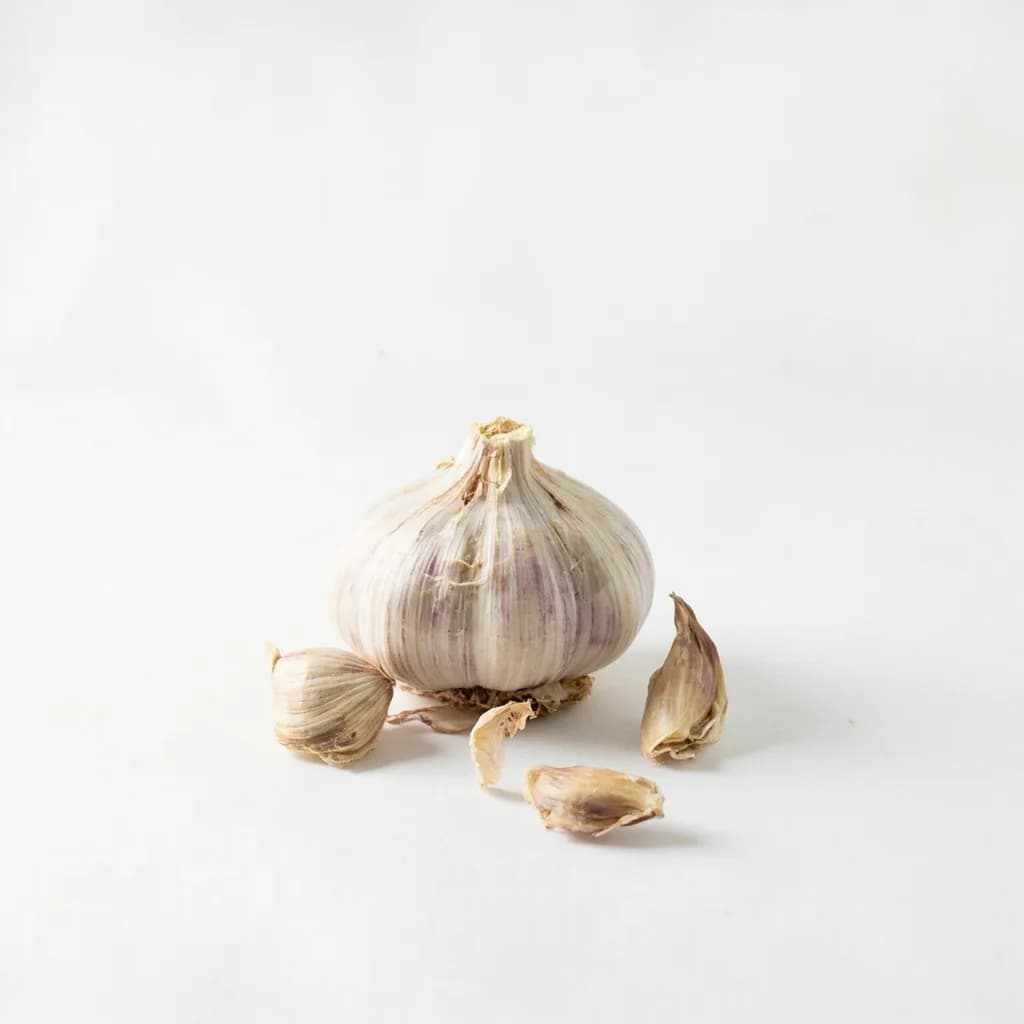
Garlic
Pungent cloves that perfume nearly every savory dish
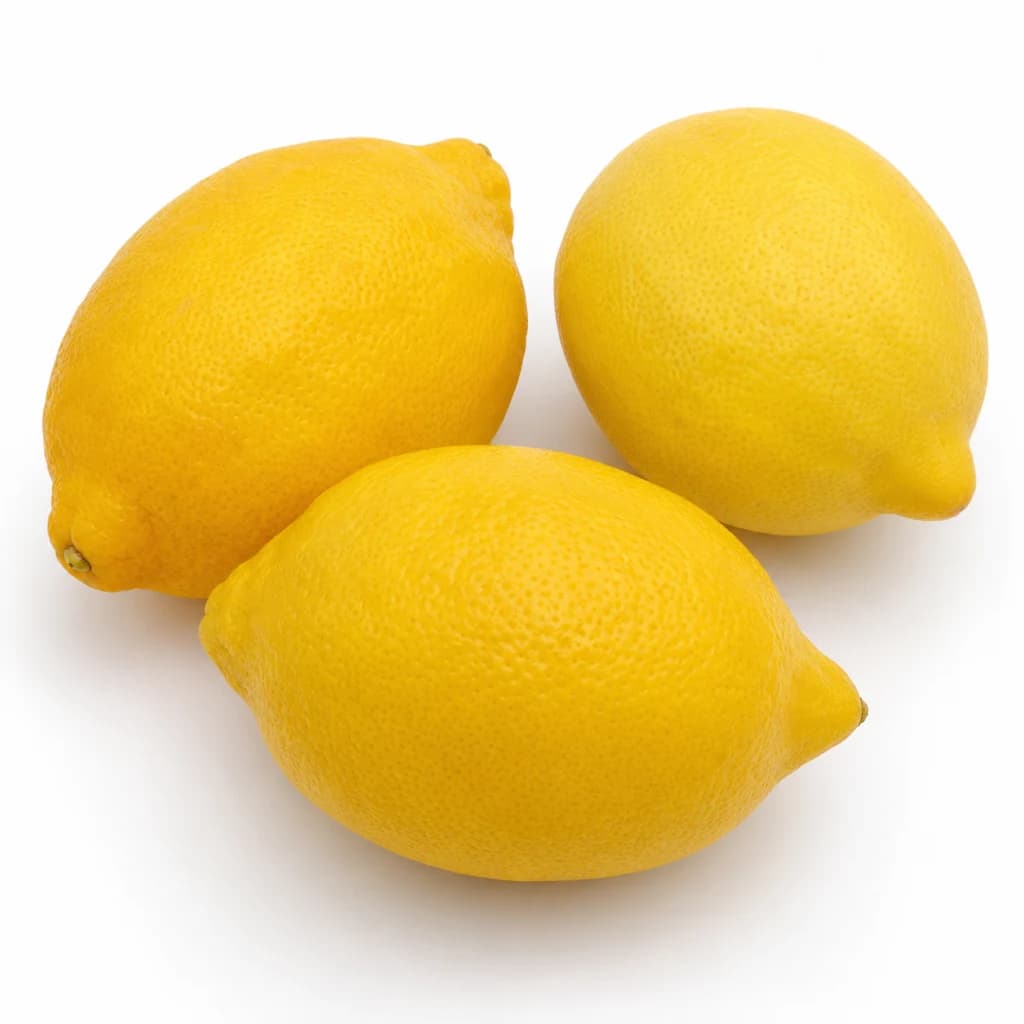
Lemon
Bright, acidic citrus that wakes up almost any dish
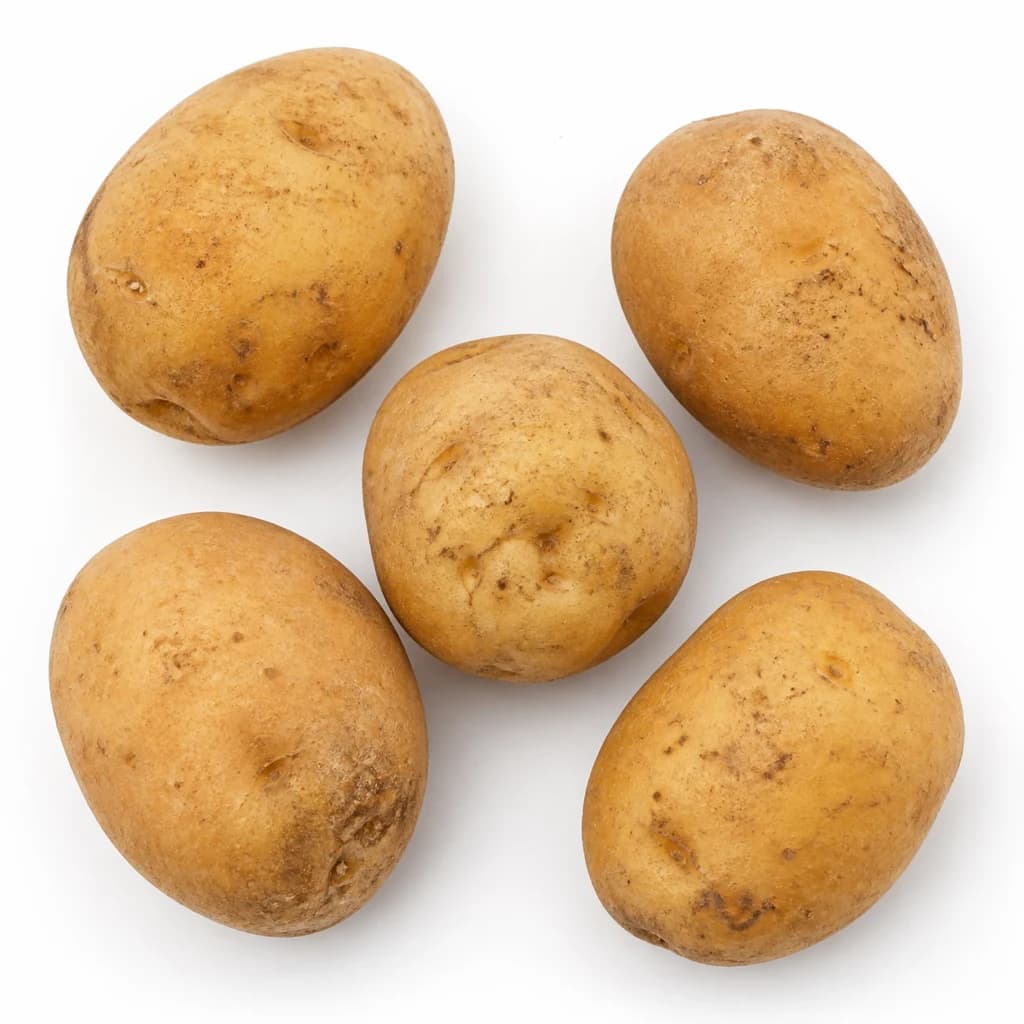
Potato
Humble, hearty staple — roast, mash, fry, or boil
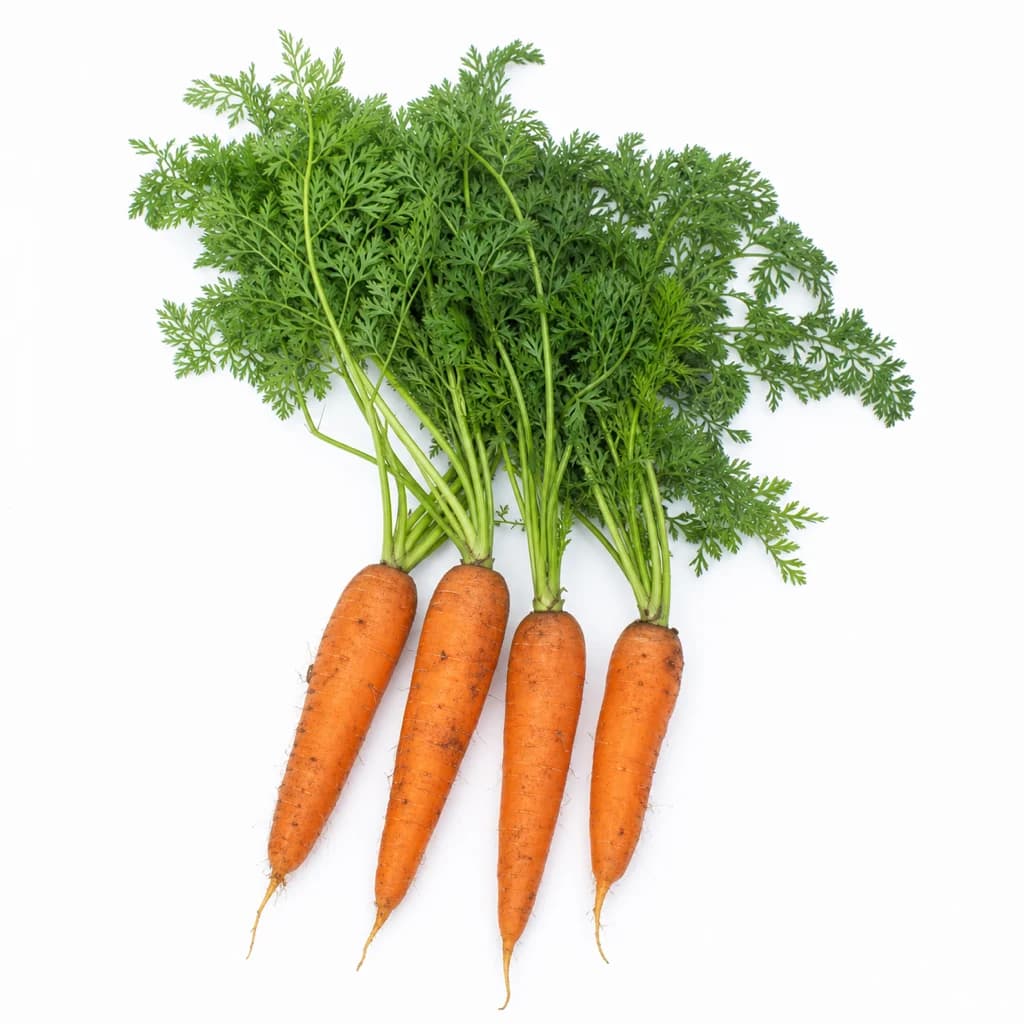
Carrot
Sweet, crunchy root — raw, roasted, or the base of a sofrito
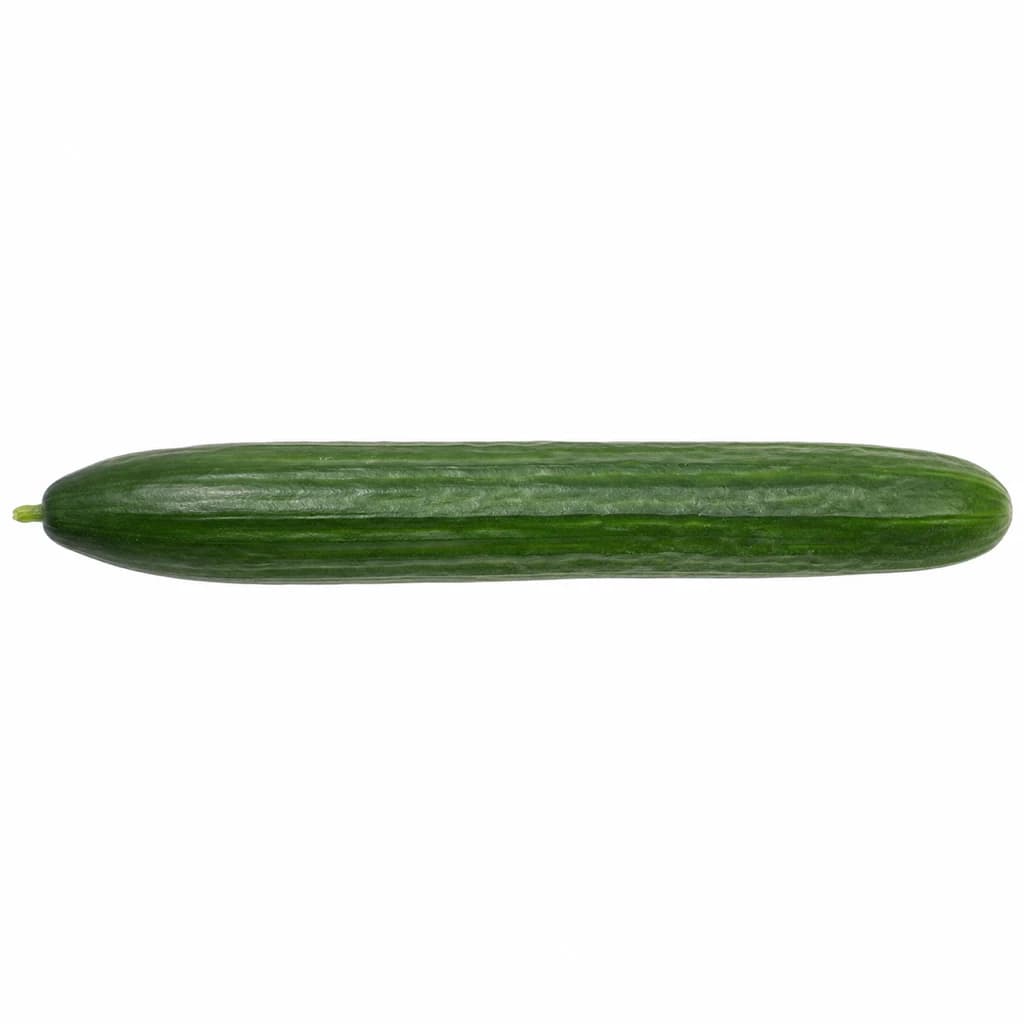
Cucumber
Cool, crisp, and watery — for salads, pickles, and tzatziki

Lettuce
Crisp leaves for salads, wraps, and a fresh crunch