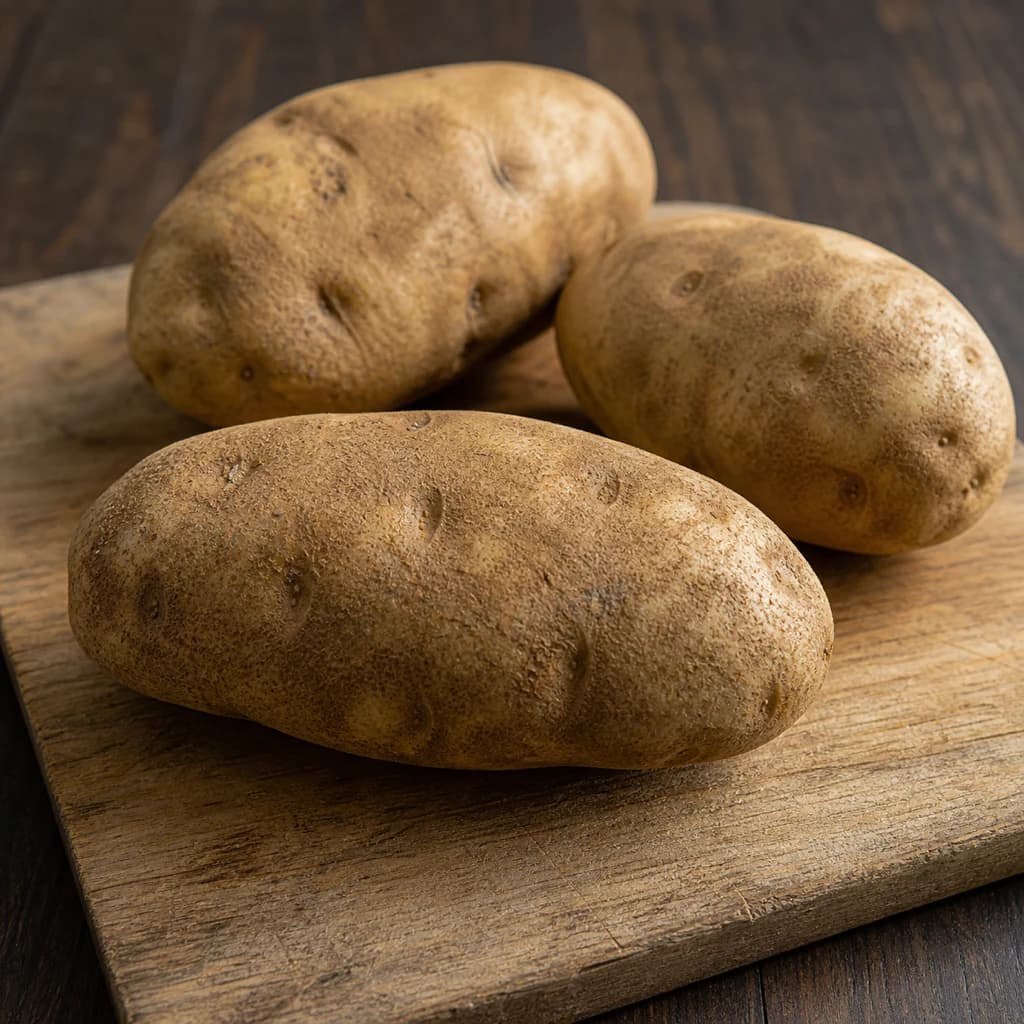
Natural form
Whole russet potatoes showing their characteristic rough brown skin and oblong shape.
Establishes the potato's distinctive appearance so readers can identify it at a market or store.
Produce
Russet Potato
Starchy, brown-skinned potato ideal for baking, mashing, and frying.
Russet potatoes are large, oblong potatoes with rough brown skin and dry, starchy flesh. Their high starch makes them ideal for fluffy baked potatoes, light mashed potatoes, and crisp French fries. They fall apart when boiled, so they are favored for dishes where a dry, mealy texture is wanted.
The Russet potato is the workhorse of the American kitchen—a high-starch tuber with a coarse, netted brown skin and white-to-cream flesh. Its scientific name is Solanum tuberosum 'Russet Burbank,' the original cultivar developed by Luther Burbank in 1902 in Santa Clara, California, and it remains the dominant variety in commercial production more than 120 years later. This staying power is no accident: the russet's low moisture content and fluffy, dry texture make it uniquely suited to baking, frying, and mashing. Idaho's volcanic soil and irrigation from the Snake River produce the characteristic high-starch, low-moisture profile that defines the variety commercially—the moisture content is what allows steam to create that fluffy interior when baked and prevents splattering and promotes golden browning when fried. Unlike waxy potatoes that hold their shape, russets break down readily, making them the primary choice for achieving light, airy mashed potatoes and the industry standard for French fries. When selecting, press gently: the potato should be firm with no give; softness indicates age or freezing damage, and green patches signal solanine buildup that requires deep peeling or discarding.
- Measured in
- piece
- Storage
- Pantry
Types & varieties
The original cultivar; irregular shape, moderate russeting, widely grown since 1902
Marketing term for Russet Burbanks grown in Idaho; high profile, consistent quality
Deeper russeting, better storage life, slightly earlier harvest than Burbank
Button-shaped mutation; very smooth skin; favored for peeled applications
Higher protein and vitamin C than standard russets; excellent baking quality
Smooth skin, good size; widely grown in the Columbia Basin
Why Starch Matters
Russet potatoes contain more starch and less moisture than any other common variety. This composition is what makes them superior for high-heat dry cooking methods. When heated, the moisture inside the potato turns to steam, which separates the starch granules, creating that characteristic light, fluffy interior. In frying, low moisture means no splattering and better browning. In mashing, high starch content absorbs fat and liquid readily, yielding a smooth, light result rather than a gluey or dense one. Waxy potatoes like reds or fingerlings have the opposite profile—they're better for boiling, roasting whole, or salads where you want the pieces to hold their shape.
- High starch = fluffy baked and mashed results
- Low moisture = crispier fries, better browning
- Starch content drops slightly during long storage
Storing Russets Correctly
The single biggest mistake home cooks make is refrigerating raw russets. Below 40°F, enzymes convert starch to sugar, which darkens the flesh and creates an off, overly sweet flavor when cooked—it also reduces the potato's ability to brown evenly. The ideal storage is a cool (45–50°F), dark, dry place with good air circulation. Paper bags, wooden crates, or mesh bags all work well. Never store in plastic bags, which trap moisture and promote rot. Light causes sprouting and greening. Stored correctly, russets last up to a month; at room temperature, plan to use them within 2–3 weeks. If you accidentally refrigerate them, you can restore some quality by letting them sit at room temperature for a week or two before using.
- Never refrigerate raw russets—starch converts to sugar below 40°F
- Store at 45–50°F in dark, dry conditions with airflow
- Use within 2–3 weeks at room temperature, up to 1 month in proper storage
Common uses
Tips & pitfalls
- Never refrigerate raw russets—cold converts starch to sugar, darkening flesh and affecting flavor when cooked.
- Store in a cool (45–50°F), dark, dry place with good air circulation; paper bags or wooden crates work well.
- For crispier baked skins, scrub clean, rub all over with high-smoke-point oil (canola), and prick skin 8–10 times with a fork before baking.
- Let baked potatoes rest 5–10 minutes after removing from the oven; internal temperature continues rising and steam escapes, improving texture.
- When mashing, heat the milk or cream before adding—this prevents the potatoes from cooling and becoming gluey.
- For French fries, soak cut potatoes in cold water 30–60 minutes, then dry thoroughly before frying; removes excess starch for crisper results.
- Avoid potatoes with visible sprouts (indicates age) or green patches (indicates solanine buildup—discard or peel deeply).
- Cut russets with a sharp knife; dull knives compress cells rather than cutting them, resulting in gummy mashed potatoes.
Nutrition
Energy
331 kJ · per 100 g
Where the calories come from
Protein
2.1g
4% DV
Carbs
18.1g
7% DV
Fat
0.1g
0% DV
Fiber
1.3g
5% DV
Sugars
0.6g
of which
Sodium
5mg
0% DV
Source · USDA FoodData Central · Potatoes, russet, flesh and skin, raw (Includes foods for USDA's Food Distribution Program)
View on FDC →In the shops
Matched grocery products
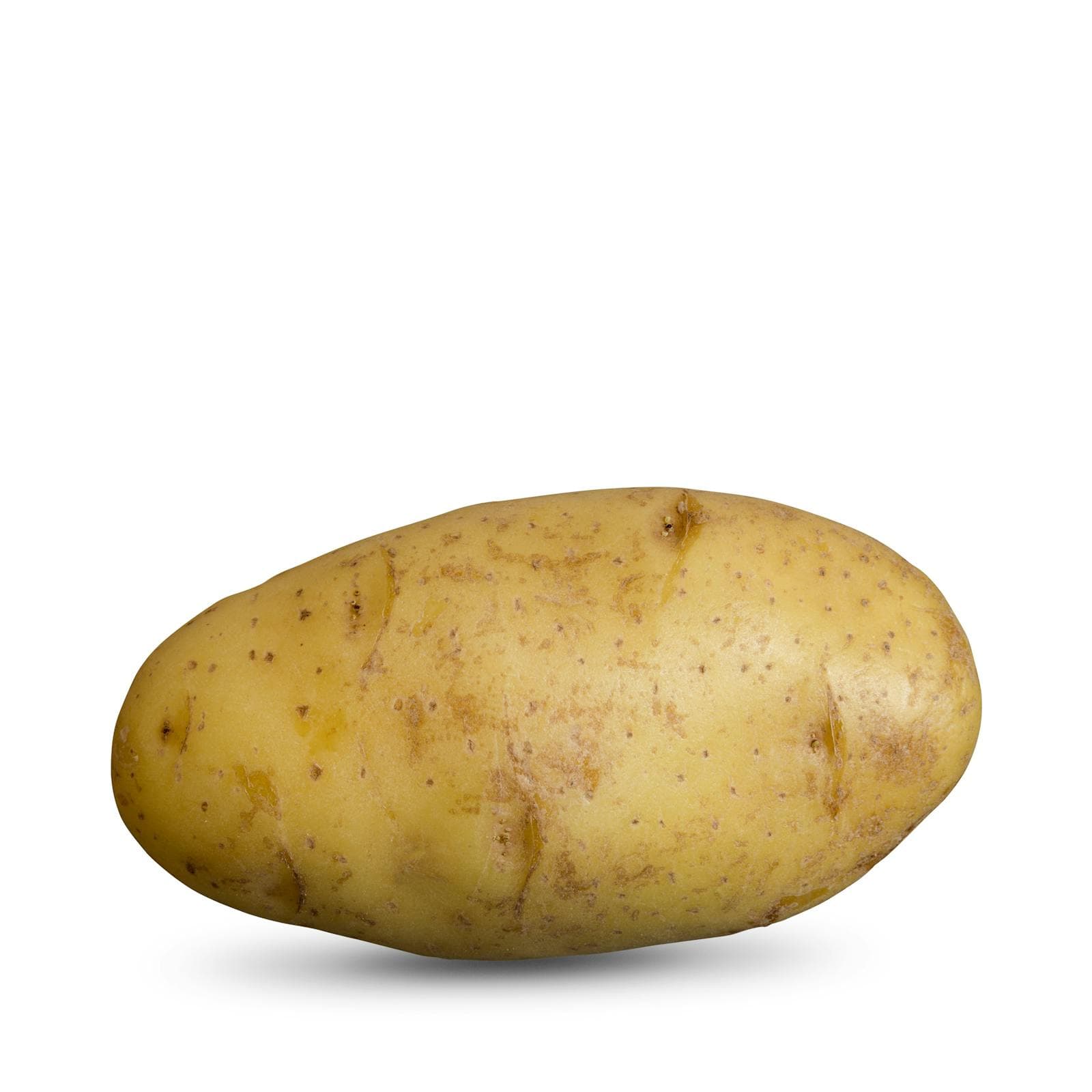 €0.40
€0.40Potato
210 g · Mercadona
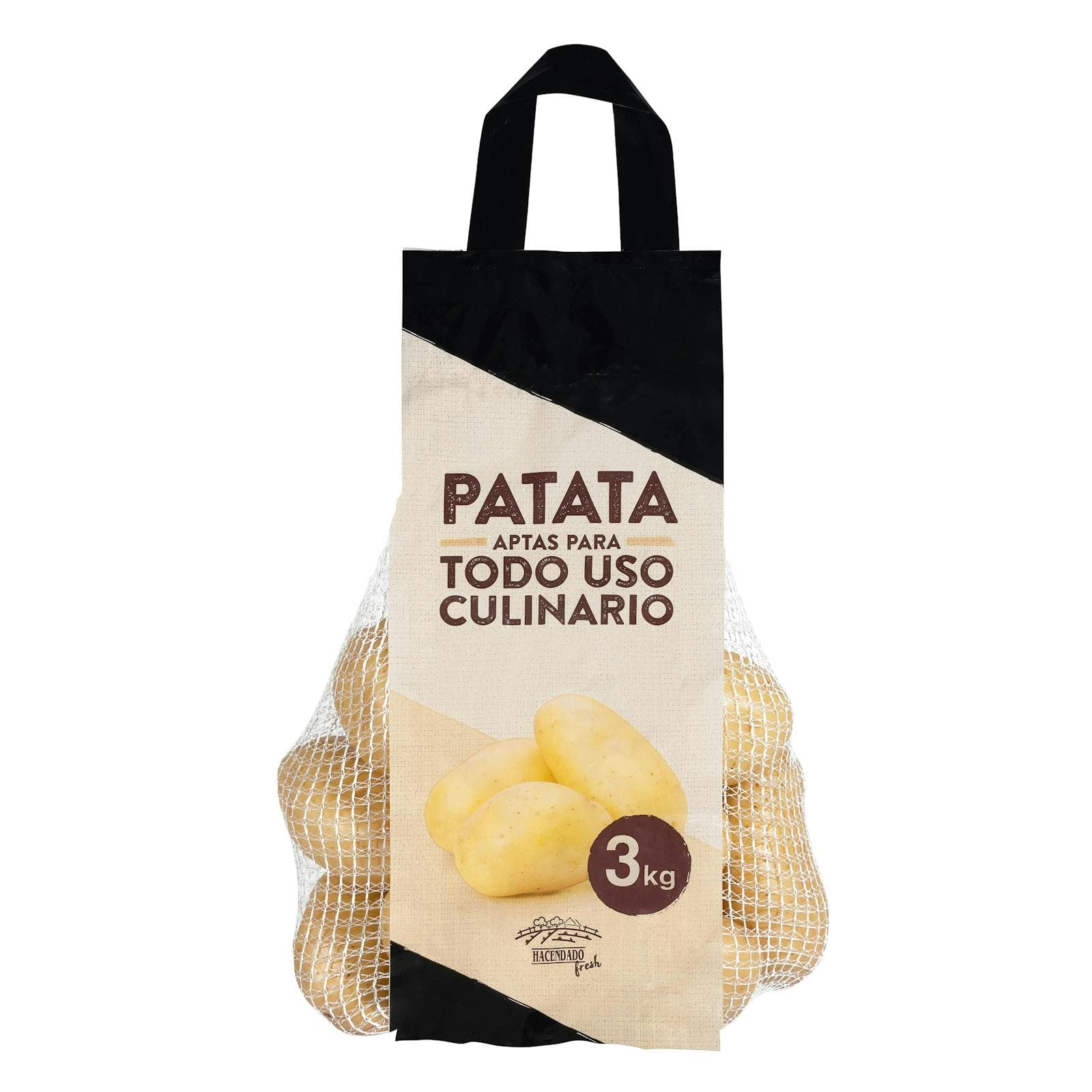 €4.65
€4.65Potatoes
3 kg · Mercadona
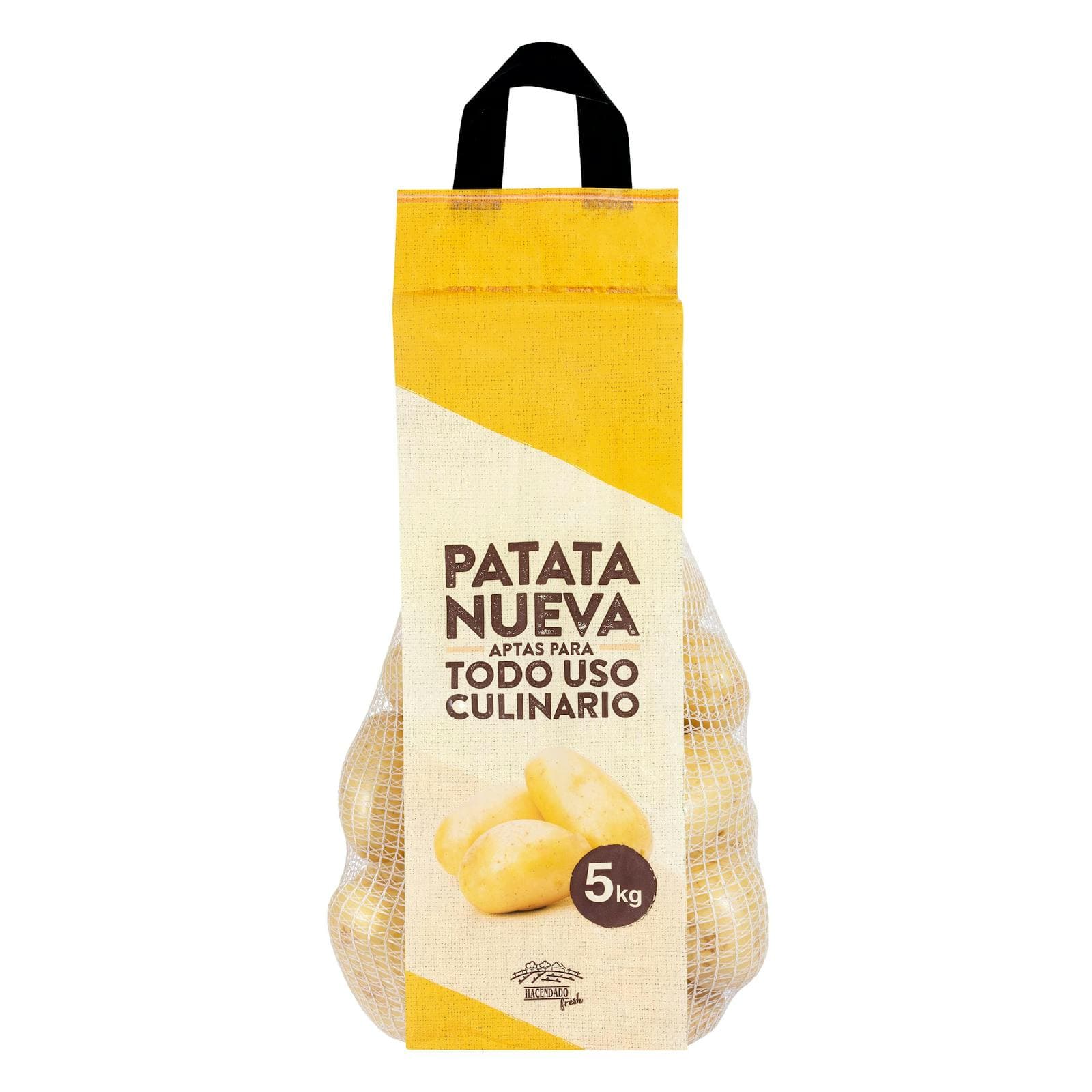 €5.60
€5.60Potatoes
5 kg · Mercadona
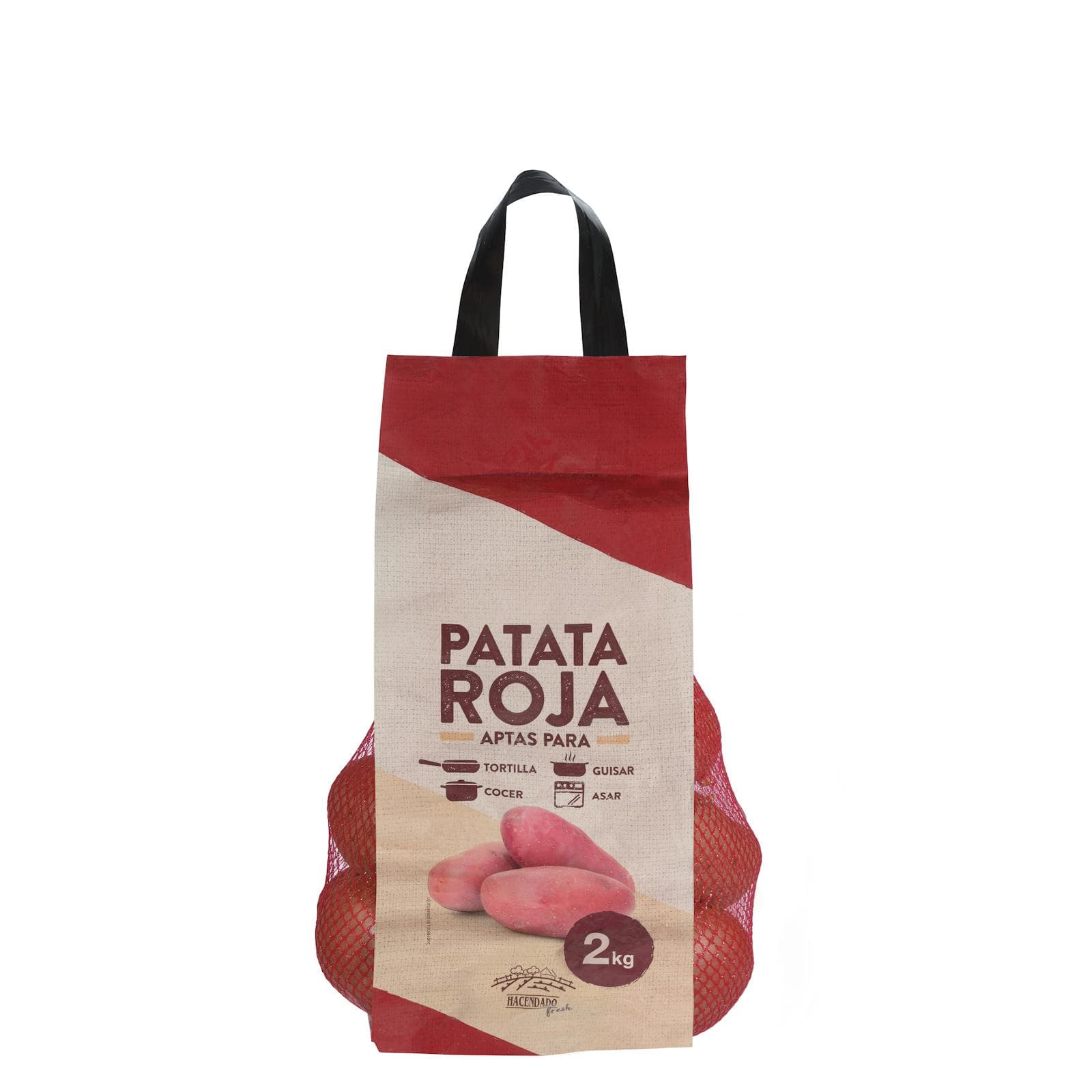 €3.80
€3.80Red Potatoes
2 kg · Mercadona
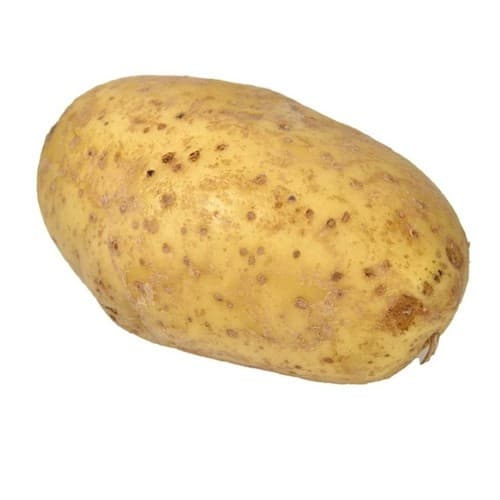 €0.45
€0.45Potato 1 unit
Bonpreu
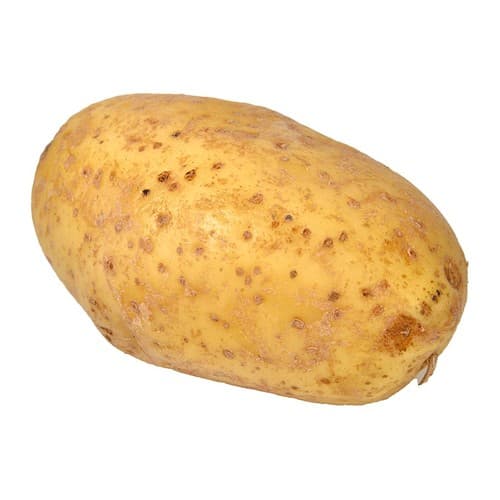 €0.70
€0.70Potato 1 unit
ud · Bonpreu
Good to know
- Scientific Name
- Solanum tuberosum 'Russet Burbank'
- Origin
- Developed by Luther Burbank in 1902 in Santa Clara, California
- Primary Growing Regions
- Idaho and Washington state (Idaho Russet accounts for ~25% of US production)
- Texture
- High starch, low moisture, dry and fluffy when cooked
- Skin Color
- Brown/tan with characteristic russeted (cork-like) netting texture
- Flesh Color
- White to pale cream
- Peak Season
- Fall through early spring; available year-round from storage
- Shelf Life
- 2–3 weeks at cool room temperature; up to 1 month in dark, dry storage (45–50°F)
- Storage Temperature Danger Zone
- Below 40°F causes starch-to-sugar conversion, darkening flesh and affecting flavor; above 70°F promotes sprouting
- Typical Size
- 4–6 inches long, 2–3 inches diameter
Substitutes
- Kennebec Potato — Similar starch level and baking performance; slightly smoother skin but comparable fluffy texture
- Yukon Gold — Waxy-creamy alternative for mashing; not ideal for French fries but acceptable for baking
- Sweet Potato — Not a true substitute; offers different flavor and nutrition profile; use when sweet variation is desired
- Agata Potato — Dutch variety with similar dry, floury texture; good for baking and mashing
Pairs with
Also called
Russet Baking Potato · Baking Potato · Idaho Potato
Related
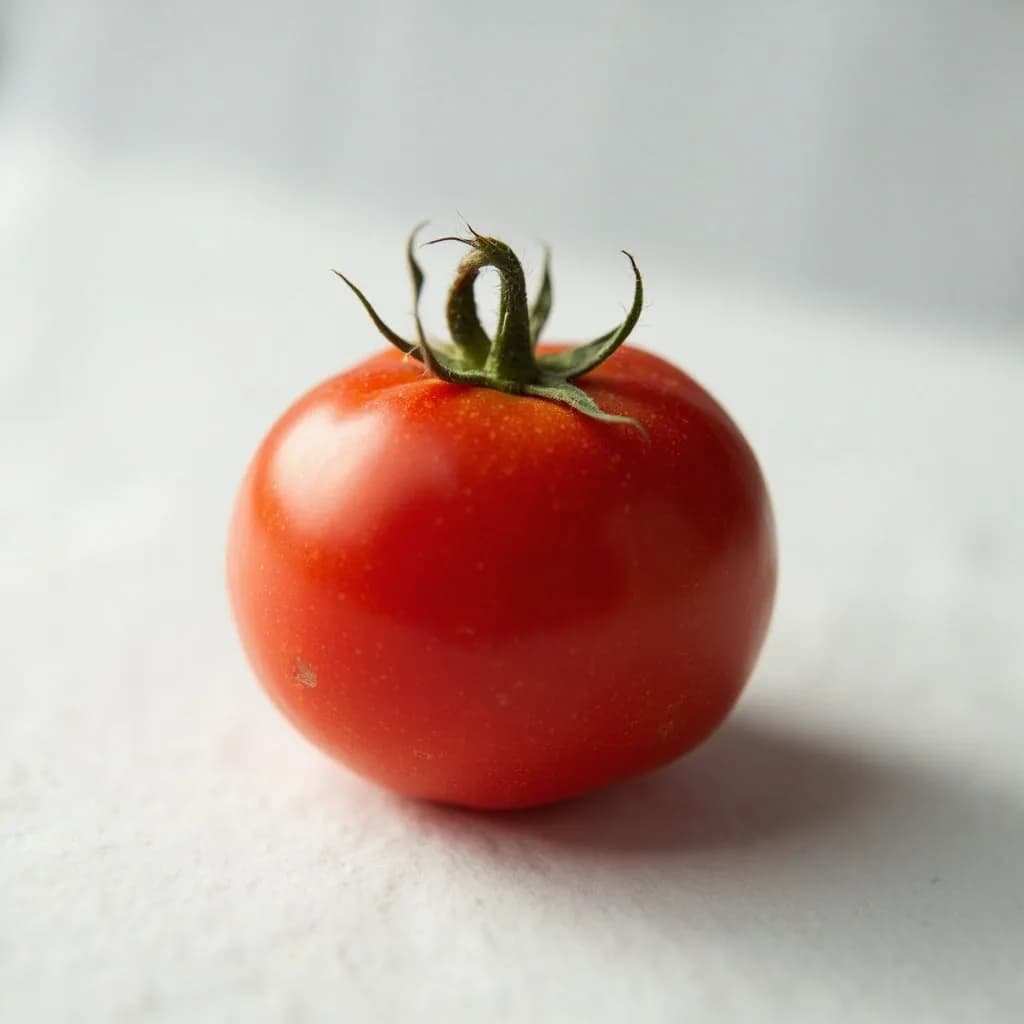
Tomato
Juicy, sun-sweet fruit for sauces, salads, and slow-cooked depth
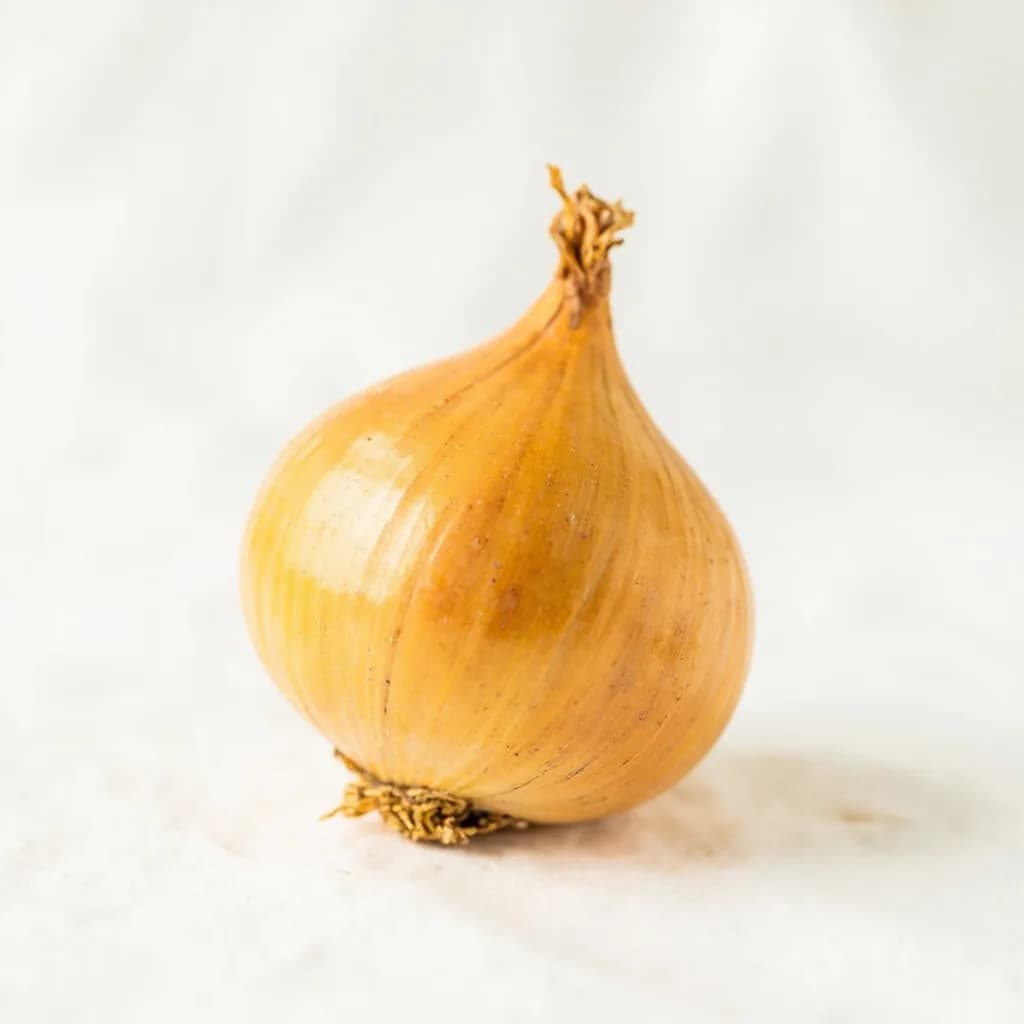
Yellow Onion
The aromatic backbone of soups, sofritos, and braises
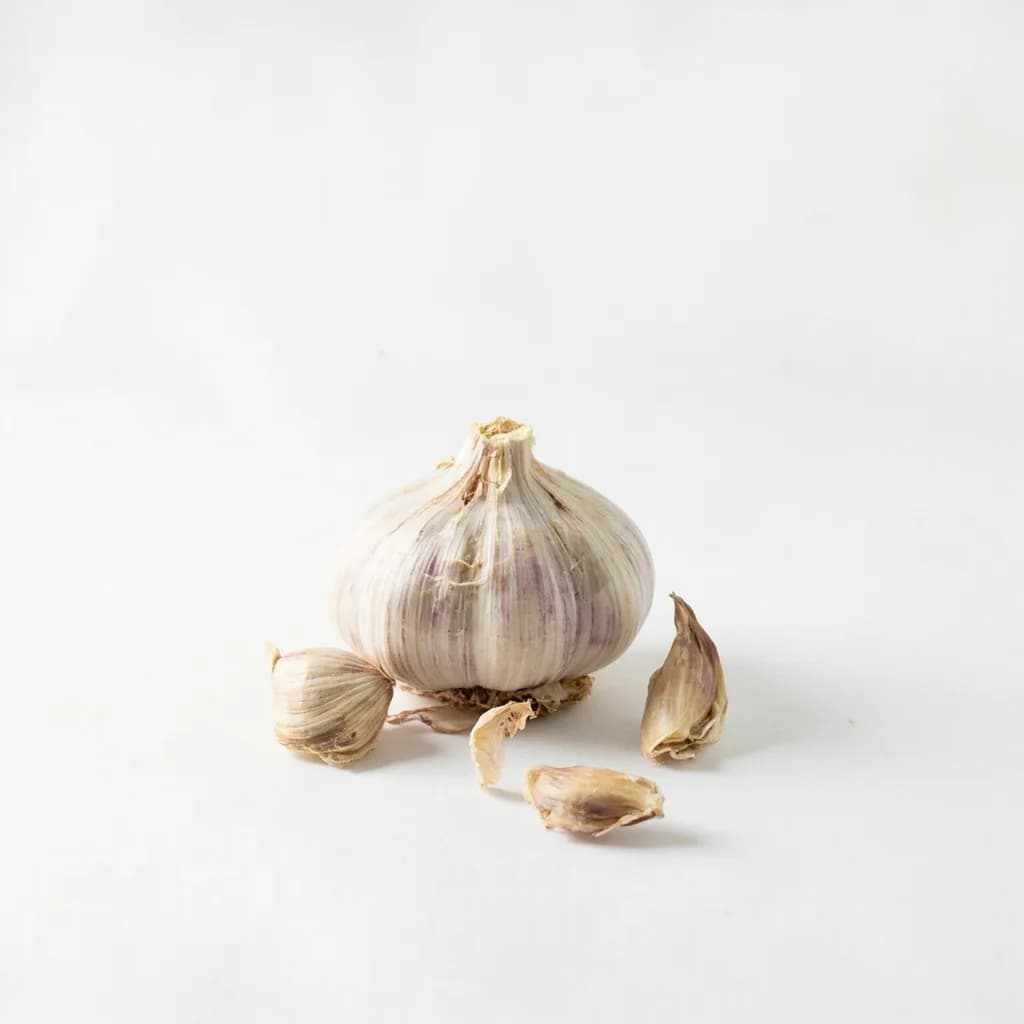
Garlic
Pungent cloves that perfume nearly every savory dish
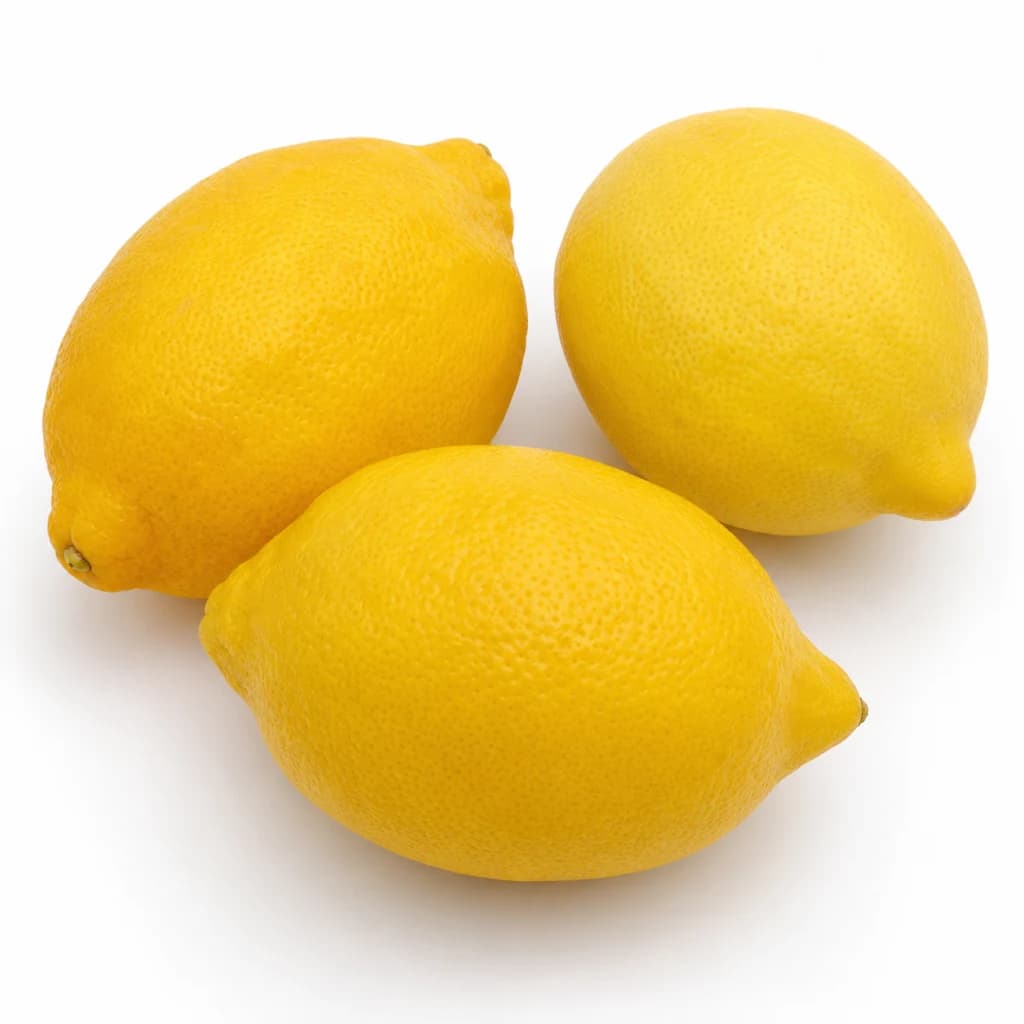
Lemon
Bright, acidic citrus that wakes up almost any dish
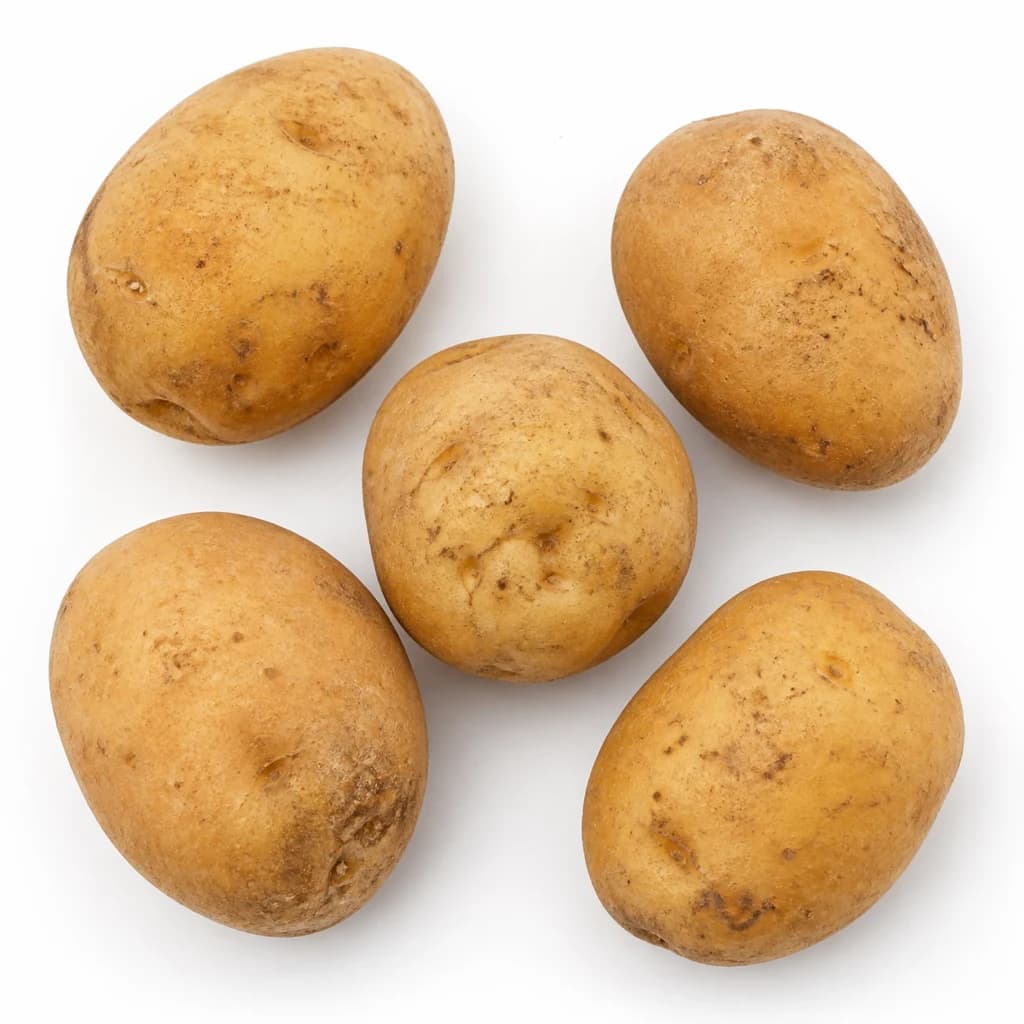
Potato
Humble, hearty staple — roast, mash, fry, or boil
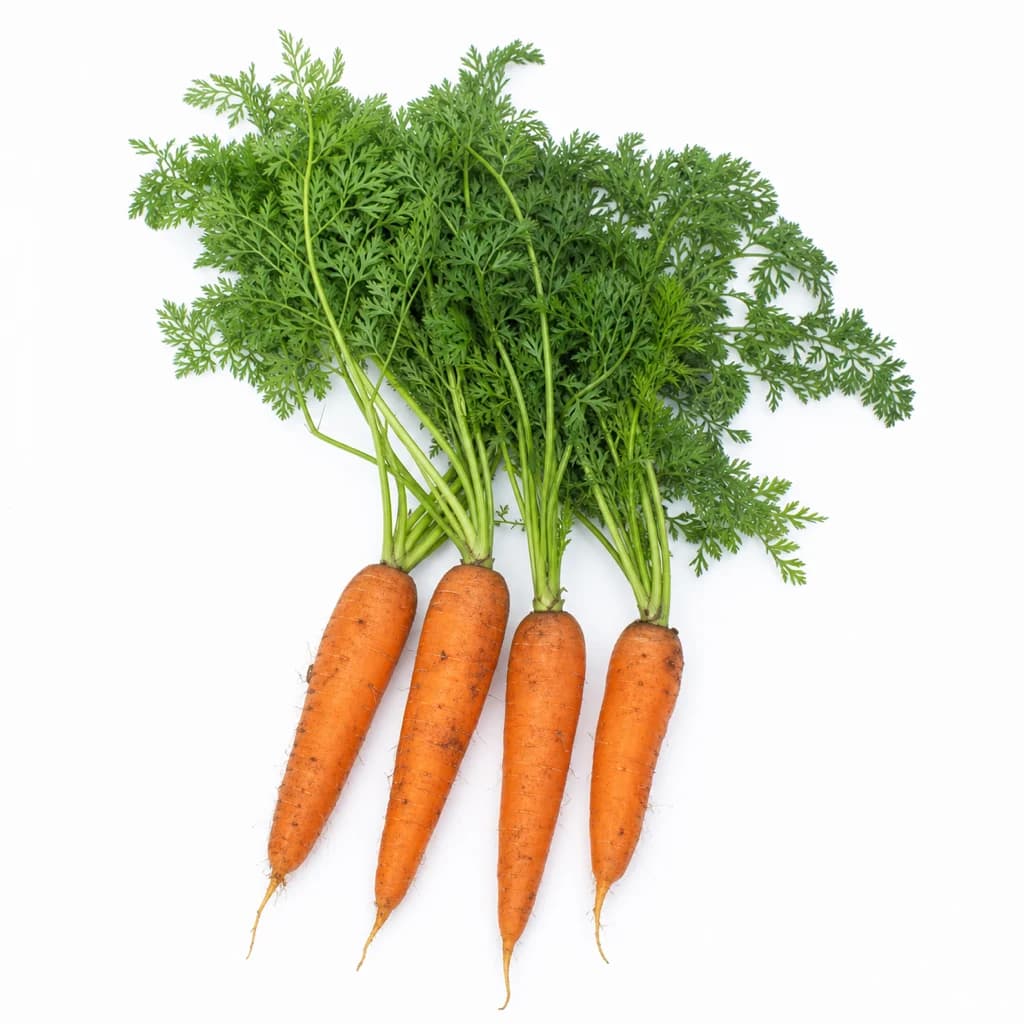
Carrot
Sweet, crunchy root — raw, roasted, or the base of a sofrito
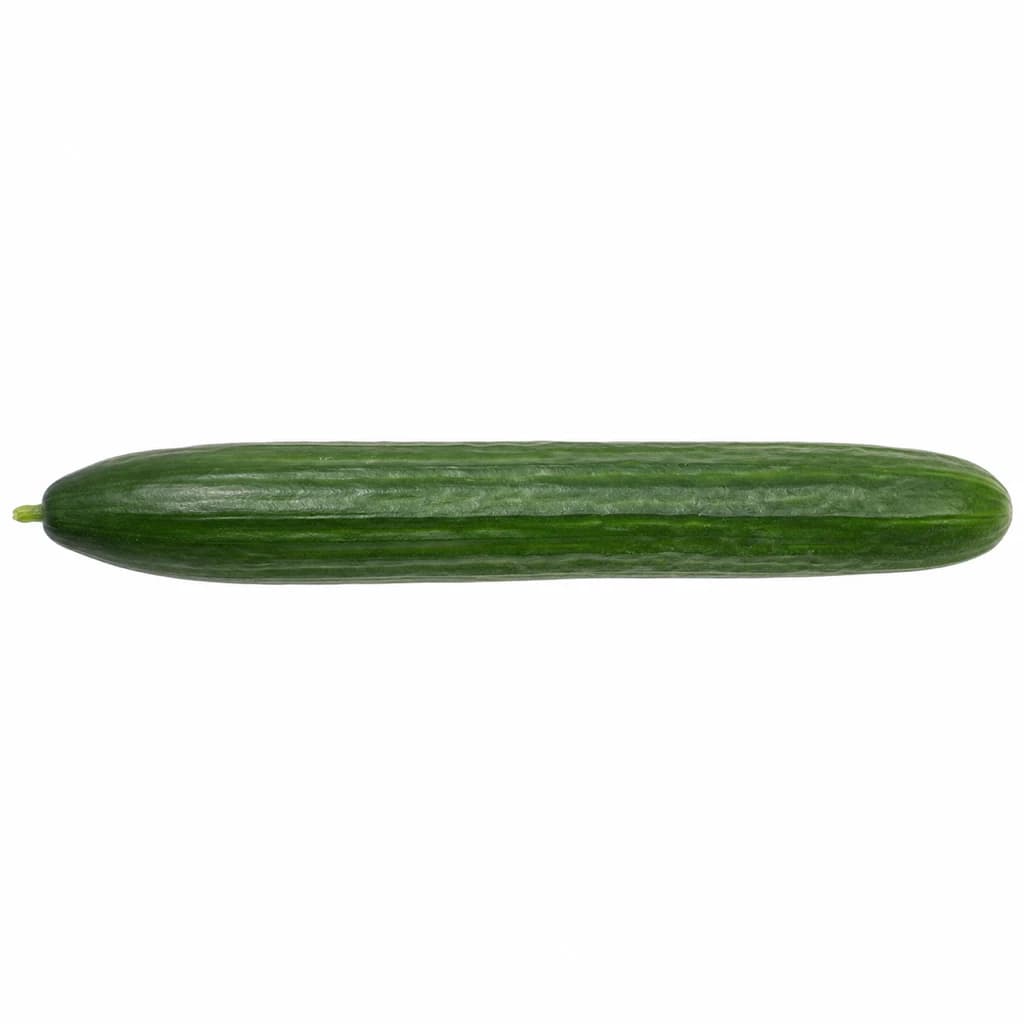
Cucumber
Cool, crisp, and watery — for salads, pickles, and tzatziki

Lettuce
Crisp leaves for salads, wraps, and a fresh crunch