Grains & Rice
Saimin Noodles
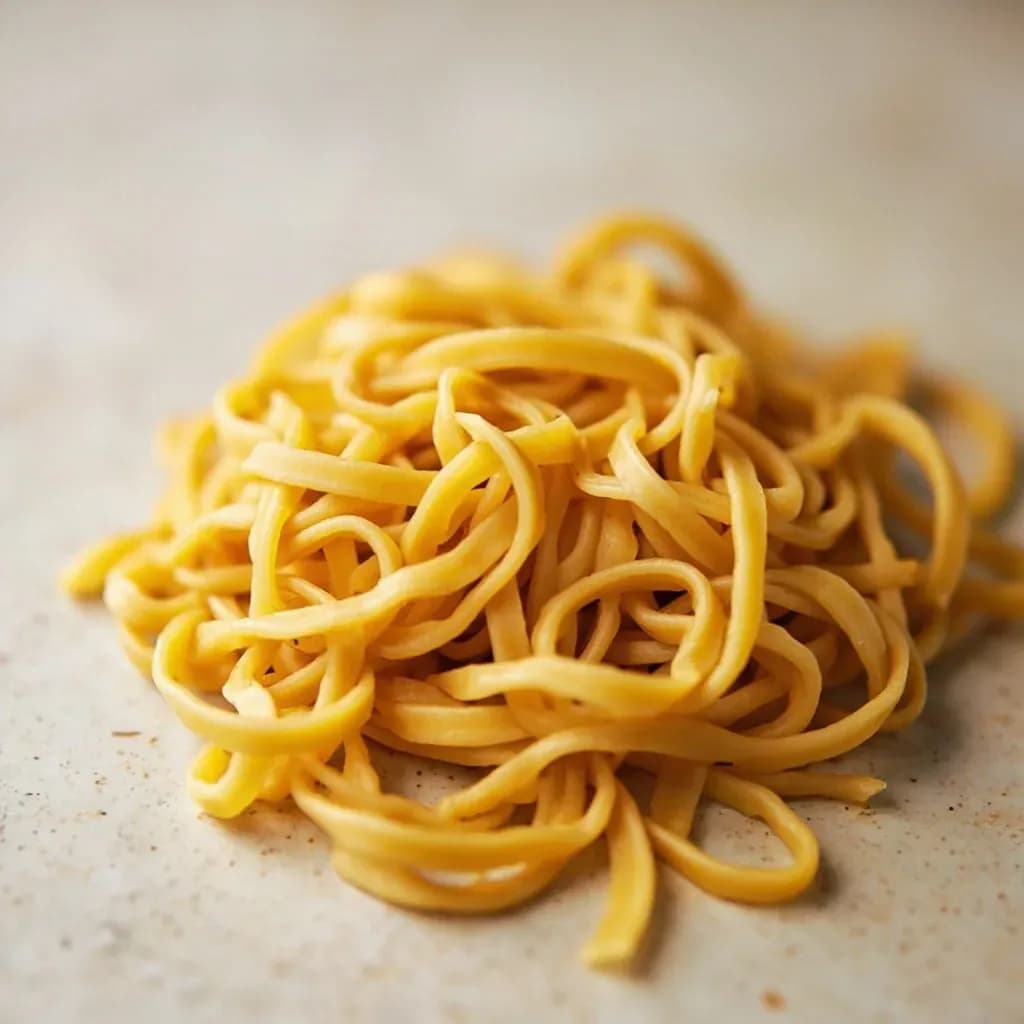
Soft wheat egg noodles served in Hawaiian saimin noodle soup.
Saimin noodles are thin, soft, springy wheat-based noodles central to saimin, a Hawaiian noodle soup blending Japanese, Chinese, and Filipino influences. They are boiled and served in a clear dashi-style broth topped with green onion, char siu, fish cake, and egg. The noodles are wavy and lighter than ramen.
Saimin noodles are thin, yellow‑tinted wheat egg noodles developed in Hawaii during the early 20th century by Chinese immigrants, later shaped by Japanese, Filipino, and Korean culinary influences. Unlike the firm, slightly chewy bite expected of al dente pasta or comparable Asian noodles, saimin noodles are intentionally soft and yielding—a deliberate departure that reflects Hawaiian palates and local water chemistry. The softness comes from the dough, which typically includes eggs for richness and often a small amount of kansui (lye water or sodium carbonate) that contributes to the noodles' tender, almost pillowy texture. This is not a noodle that resists the tooth; it is meant to yield gently, absorbing broth without becoming gummy or bloated.
The noodle's identity is inseparable from its cultural context. Saimin is Hawaii's unofficial comfort food, served in school cafeterias, neighborhood lunch counters, and high‑end Hawaiian restaurants alike. The noodles are sold fresh, frozen, and dried—fresh and frozen varieties are found in Hawaiian and Asian markets, while dried versions have extended shelf lives and are widely available online. Fresh noodles cook in one to three minutes; dried takes three to five. That short window is crucial: overcooked saimin disintegrates into the broth, losing both texture and the clean mouthfeel that defines a properly made bowl. The noodle's narrow profile and delicate structure mean it needs less cooking time than you might expect, and residual heat in hot broth will continue softening it after it leaves the pot.
Understanding saimin noodles means understanding their relationship to broth. They are built to swim in dashi‑based soup, absorbing seasoned liquid while holding their shape. Too few noodles and you have a bowl of broth with a weak garnish; too many and the noodles dilute and overwhelm the base. This balance is part of why saimin is less a recipe than a discipline—a practice learned through feel and experience rather than measurement alone.
- Measured in
- g
- Storage
- Pantry
Allergens
Types & varieties
Sold in refrigerated sections of Hawaiian or Asian grocery stores; softest texture and quickest cooking time
Flash‑frozen to preserve freshness; must be thawed before cooking; common in Hawaii supermarkets
Dehydrated for longer shelf life; slightly firmer texture than fresh when cooked; widely available online
The Broth‑Noodle Relationship
In saimin, the noodle and broth are co‑dependent. The broth seasons the noodles; the noodles give body to the broth. A common mistake is to treat them as separate components that happen to end up in the same bowl. The truth is that the noodles begin absorbing liquid the moment they enter the soup, and the broth's salinity and depth will concentrate or dilute based on how many noodles you use. Professional cooks in Hawaii often cook the noodles in a dedicated pot of lightly salted water rather than directly in the broth, then transfer them to the serving bowl and ladle hot, seasoned broth over them. This gives precise control over both the noodle's doneness and the broth's strength. The noodles continue cooking in the residual heat of the broth, so most cooks pull them slightly short of their final desired softness—expecting that final minute or two of carryover.
- Cook noodles separately in vigorously boiling salted water
- Drain and transfer to the serving bowl before ladling hot broth
- Season broth fully before adding noodles—once the noodles are in, the broth cannot be corrected
Common Mistakes
The most frequent error is overcooking. Saimin noodles go from perfectly soft to mushy quickly, especially once they hit hot broth. Watch the clock on fresh or thawed noodles: one to three minutes in boiling water is the window, and two minutes is often the sweet spot for fresh noodles. Dried noodles require more attention—check them at two minutes and continue in thirty‑second intervals. Another mistake is using frozen noodles directly from the freezer; boiling frozen saimin noodles leads to uneven cooking and a waterlogged, ragged texture. Always thaw frozen noodles overnight in the refrigerator before cooking. Finally, avoid adding noodles to a broth that is underseasoned; the noodles will dilute the broth as they absorb liquid, leaving you with a flat‑tasting bowl that cannot be rescued with last‑minute seasoning.
- Do not overcook—fresh noodles need only 1–3 minutes in boiling water
- Never boil frozen noodles from frozen; thaw overnight in the refrigerator first
- Season broth before adding noodles—the dilution factor makes post‑addition correction impossible
Common uses
Tips & pitfalls
- Cook noodles separately from the broth—drop them into vigorously boiling water, then drain and add to the serving bowl; residual heat finishes them in the hot broth
- Do not overcook; aim for soft but not mushy—the noodle should have gentle resistance, not disintegrate when lifted
- If using dried noodles, check doneness early and often; they go from done to overdone quickly
- For restaurant‑style texture, shock cooked noodles in ice water to stop cooking, then reheat briefly in hot broth before serving
- Frozen noodles should never be boiled from frozen—thaw overnight in the refrigerator for best texture control
- The broth should be hot and seasoned before adding noodles; underseasoned broth cannot be corrected once the noodles dilute it
Nutrition
Energy
1971 kJ · per 100 g
Where the calories come from
Protein
10.9g
22% DV
Carbs
63.6g
23% DV
Fat
21.2g
27% DV
Fiber
6.7g
24% DV
Sugars
0g
of which
Sodium
866mg
38% DV
Source · USDA FoodData Central · approx. Noodles, chinese, chow mein
View on FDC →In the shops
Matched grocery products
No matched grocery products for Saimin Noodles yet.
Good to know
- Origin
- Hawaii, developed by Chinese immigrants in the early 20th century with Japanese, Filipino, and Korean influences
- Base Ingredients
- Wheat flour, eggs, water; often contains kansui (lye water) or sodium carbonate for texture
- Texture
- Soft, yielding, and tender when cooked—saimin is intentionally softer than al dente pasta
- Appearance
- Thin, straight, yellow‑tinted noodles from egg content
- Available Forms
- Fresh, frozen, and dried; fresh and frozen typically found in Hawaiian or Asian markets
- Shelf Life
- Fresh: 1–2 days refrigerated; Frozen: 3–6 months; Dried: 12–24 months stored cool and dry
- Cooking Time
- Fresh or thawed: 1–3 minutes; Dried: 3–5 minutes in boiling water
- Primary Use
- Saimin noodle soup, the unofficial comfort food of Hawaii
Substitutes
- Ramen Noodles (fresh or dried) — Closest Western substitute; cook to softer than al dente to approximate saimin texture
- Wonton Noodles — Similar egg content and thin profile; reduce cooking time to achieve comparable softness
- Lo Mein Noodles (thin) — Acceptable substitute though slightly firmer when cooked; add an extra minute to the boil
Pairs with
Related

White Rice
Fluffy long-grain rice — the neutral base for almost any meal

White Bread
Soft sandwich loaf for toast, sandwiches, and crumbs
Brown Rice
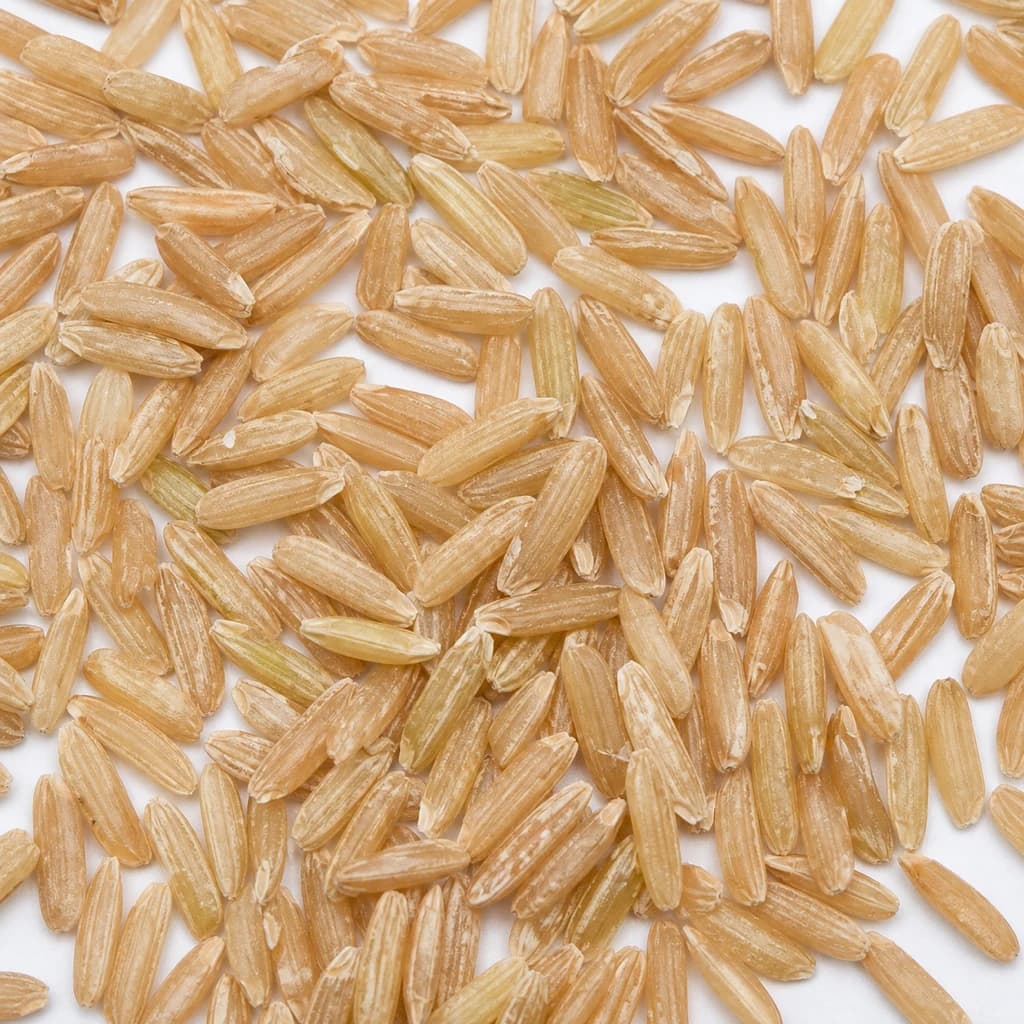
Nutty, whole-grain rice with chew and extra fiber

Basmati Rice
Fragrant, long-grain rice that cooks up light and separate
Jasmine Rice
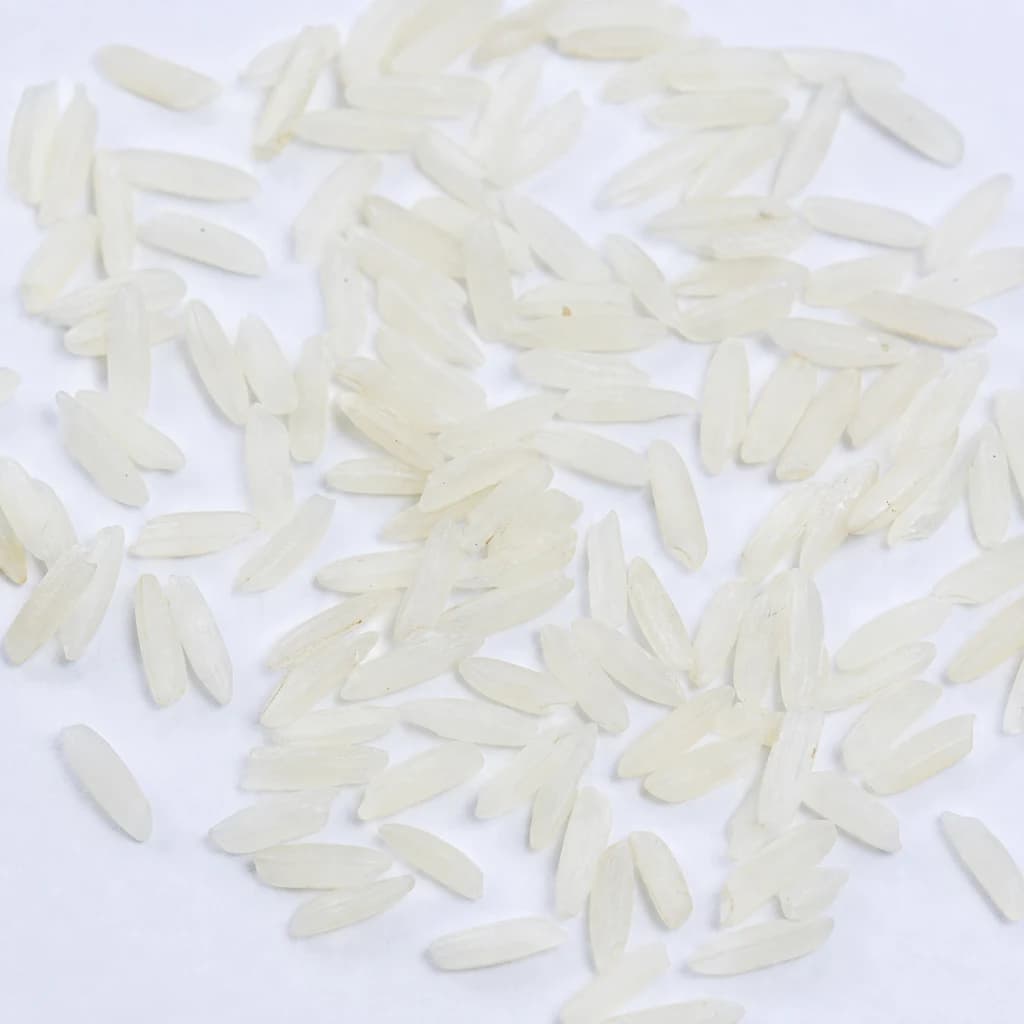
Soft, floral-scented rice that's the pillar of Thai meals
Arborio Rice
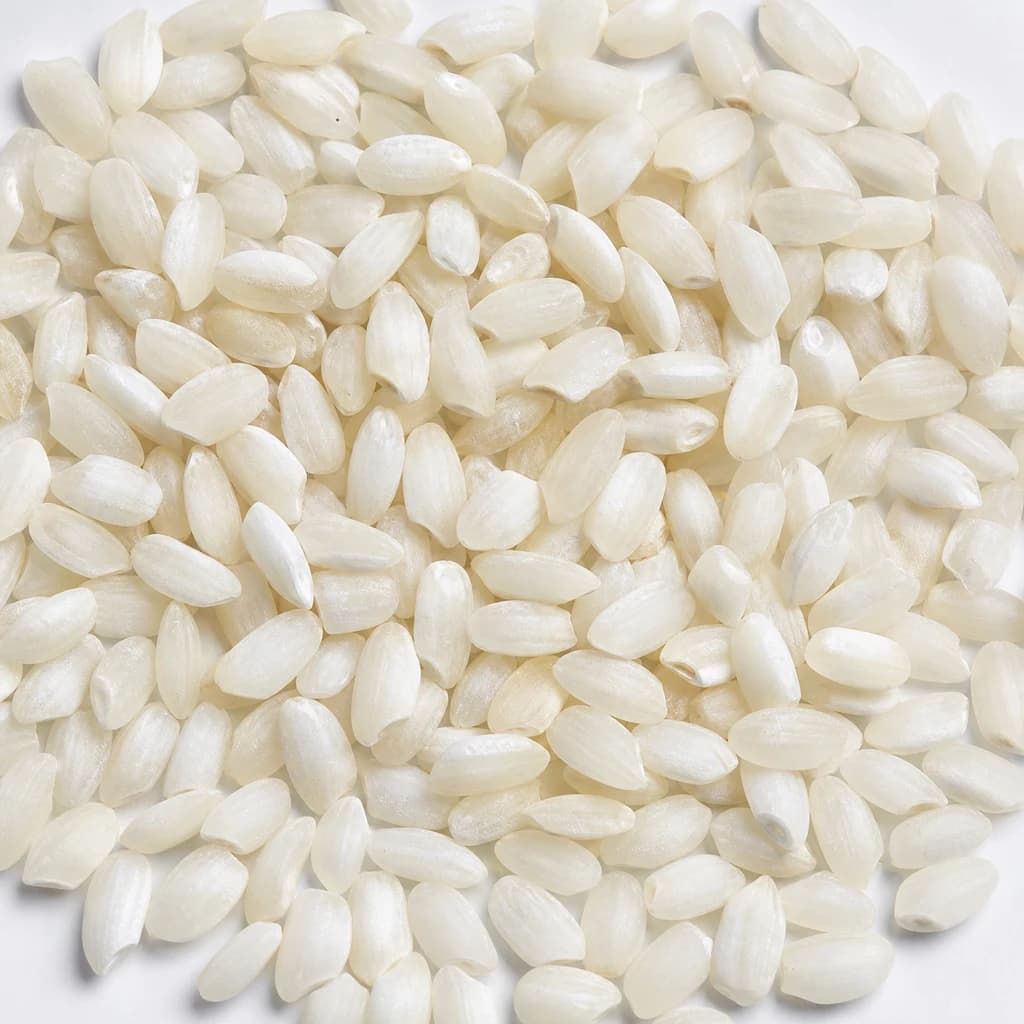
Plump, starchy rice that makes risotto creamy
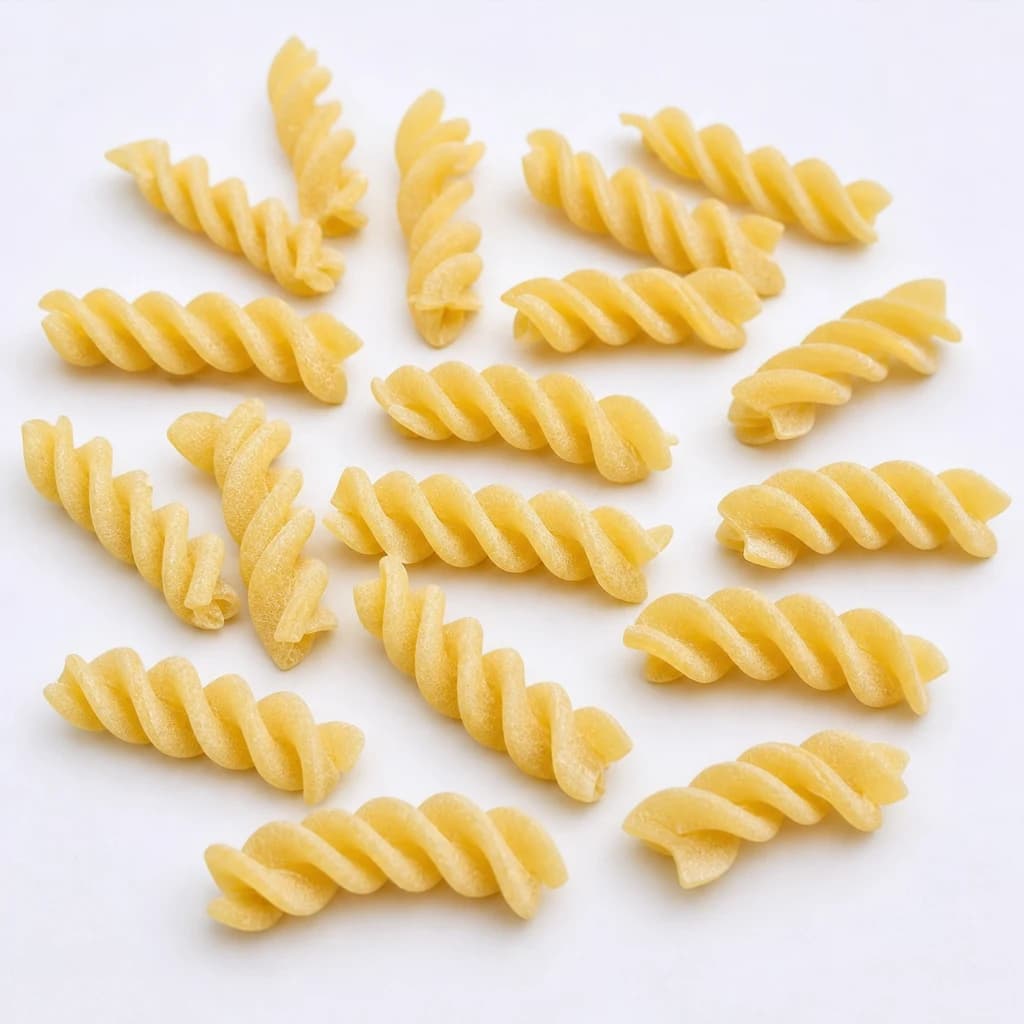
Fusilli
Spiraled pasta that twirls up sauce and dresses cold salads
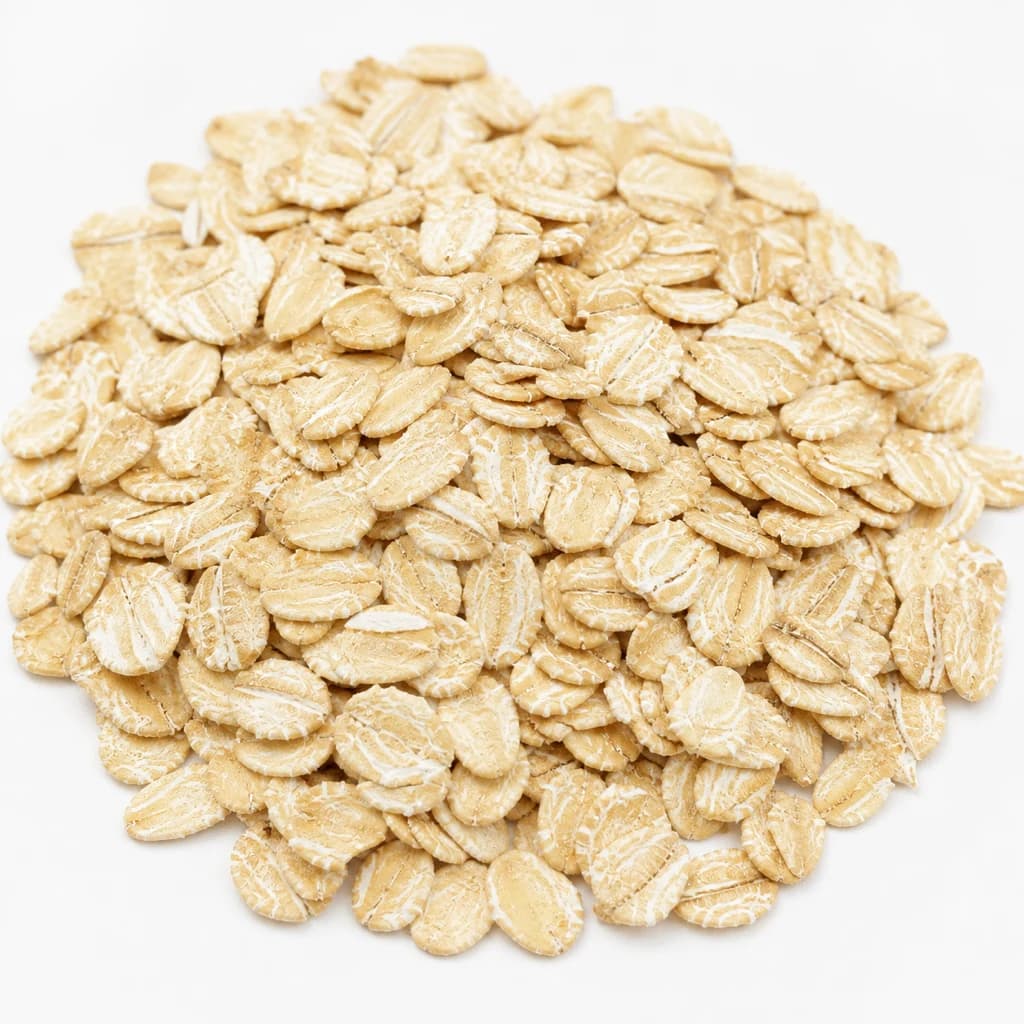
Rolled Oats
Hearty flakes for porridge, granola, and chewy cookies