Proteins
Kamaboko (Fish Cake)
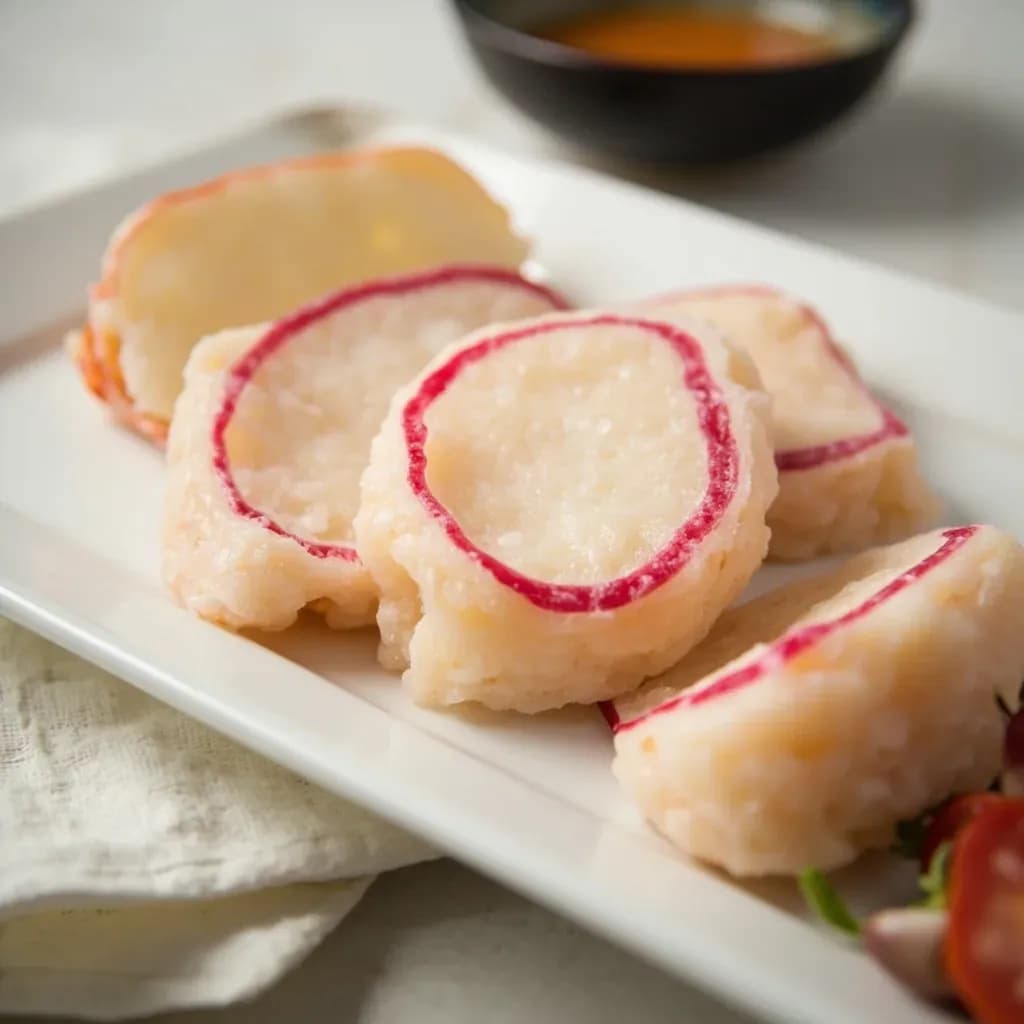
Steamed Japanese surimi loaf, often pink-rimmed, sliced into soups, noodles and bento.
Kamaboko is a cured Japanese fish cake made from white-fish surimi steamed into a firm, bouncy loaf, frequently with a signature pink-tinted surface. It is sliced and added to ramen, udon, soba, oden and bento boxes. It has a smooth, springy texture and a delicate seafood flavor.
Kamaboko is a steamed fish cake central to Japanese cuisine — not a raw ingredient but a fully cooked, shelf-stable (when refrigerated) protein with a mild, clean flavor designed to carry broth rather than dominate it. The base is surimi: Alaska pollock (or Pacific cod, blue mackerel, or shark) that has been deboned, minced, and repeatedly washed to remove fat, blood, and odor, leaving a lean, neutral-tasting muscle paste. This paste is shaped into cylinders or loaves, steam-set in molds for 30–45 minutes, and emerges as a firm, slightly elastic gel. Its defining characteristic is porosity — kamaboko acts like a flavor sponge, absorbing dashi, soy, and ponzu without adding competing notes of its own. The pink-to-red rim common on standard kamaboko is purely aesthetic, achieved with food-grade erythrosine (Red 3) to evoke salmon or tuna; it has no flavor impact whatsoever. Quality varies widely: premium kamaboko lists 80–90%+ fish content, while budget versions substitute starch and additives. Treat it as you would cooked chicken or tofu — a ready protein to warm, not to cure or further cook. Its role in Japanese cooking is indispensable precisely because it provides texture and protein without muddying the delicate balance of a broth or simmered dish. The subtle, slightly sweet flavor is clean enough to work in everything from dashi-based soups to deep-fried preparations, making kamaboko one of the most versatile convenience proteins in the Japanese kitchen.
- Measured in
- g
- Storage
- Fridge
Allergens
Types & varieties
Standard rectangular loaf; the generic kamaboko, named for Tosa Province (modern Kōchi Prefecture)
Pinwheel shape with pink-and-white spiral; named for Naruto City, Tokushima Prefecture — common in ramen
Tube-shaped, often grilled over charcoal; the exterior develops a savory, slightly charred flavor when grilled
Deep-fried fish cake from Kagoshima (historically Satsuma Province); often contains vegetables or pork
Light, fluffy, pale; made with shark surimi and potato starch; typical in oden and hot pot broths
Made with squid (yoshi) surimi; identifiable by a slightly tan color and faint squid flavor
Shaped like a whole octopus leg; common in oden and packed lunches for visual interest
Imitation crab made from pollock surimi; technically a processed kamaboko variant, sold pre-peeled
Why Kamaboko Belongs in Your Pantry
Kamaboko earns its place through versatility and practicality. It is fully cooked, requires no preparation beyond slicing, and adds clean protein and pleasant texture without demanding attention from the cook. In soups and simmered dishes, it performs a quiet supporting role — absorbing broth flavors while providing body and visual appeal with its clean white (and often pink-rimmed) slices. In fried or grilled preparations like chikuwa and satsuma-age, it holds its shape under high heat and develops a satisfyingly chewy exterior. For bento boxes and meal-prep scenarios, it travels well, tastes good cold or at room temperature, and won't spoil delicate sauces. In short: kamaboko is the kind of ingredient that quietly makes a dozen dishes easier.
- Keep a roll in the fridge for quick protein in weeknight soups
- Slice thin for noodle bowls, thick for simmered dishes like oden
- Grill or pan-sear for bento variety without any marination
Reading a Kamaboko Label
Because quality varies dramatically, learn to read the label before buying. The ingredient list should name a specific fish (Alaska pollock, cod, etc.) first — or simply say "fish" with a high percentage. Avoid products that list starch or wheat flour as primary ingredients; these are fillers that compromise texture and flavor. Be aware that seasonings and additives (including small amounts of MSG as a flavor enhancer) are common in many brands, but they should not dominate the ingredient list. The fish content in good kamaboko is 80–90%+ by weight. Sodium is the other variable to watch: budget brands can push 800 mg per 100 g, which can make a delicate dashi taste salty rather than savory. If sodium matters for your dish, look for low-sodium or "ken" (health) varieties, or rinse slices briefly under cold running water before adding to broth.
- First ingredient should be named fish, not starch
- Check the percentage of fish on premium brands
- Watch sodium if serving in light broths or to sodium-restricted diets
Common uses
Tips & pitfalls
- Slice kamaboko with a sawing motion using a sharp, thin knife — the dense surface sticks easily to dull blades, causing squashing and ragged cuts
- For grilled kamaboko and chikuwa, score the surface in a crosshatch pattern before cooking to prevent splitting and to increase caramelization
- Kamaboko is already fully cooked: reheat only until warmed through, or the gel over-sets and turns rubbery
- Pat sliced pieces dry with a paper towel before adding to soups or noodle dishes to prevent diluting the broth
- For a golden sear without further cooking, brush slices lightly with neutral oil and sear in a hot cast-iron pan for 30–60 seconds per side
- High-sodium kamaboko can overwhelm delicate dashi — choose low-sodium brands or rinse briefly under cold water for soup applications
- Freezer-burned kamaboko becomes chalky and mealy — double-wrap airtight or use a vacuum seal for long-term freezing
- Common mistake: overcooking in soups. Add kamaboko in the last 2–3 minutes of simmering; it only needs gentle warming, not active cooking
Nutrition
Energy
1418 kJ · per 100 g
Where the calories come from
Protein
7g
14% DV
Carbs
44.3g
16% DV
Fat
15.2g
19% DV
Fiber
1g
4% DV
Sodium
339mg
15% DV
Source · USDA FoodData Central · approx. Cake, coffeecake, cheese
View on FDC →In the shops
Matched grocery products
No matched grocery products for Kamaboko (Fish Cake) yet.
Good to know
- Origin
- Japan — documented production dates to the Nara period (710–794 CE)
- Primary Fish
- Alaska pollock (Theragra chalcogramma); also Pacific cod, blue mackerel, shark
- How It's Made
- Surimi (deboned, washed, minced fish) is steam-set in molds, forming a firm, slightly elastic gel
- Color
- White interior; pink outer rim from erythrosine (Red 3) dye — purely decorative, no flavor impact
- Calories & Protein
- 95–100 kcal and 8–12 g protein per 100 g
- Sodium
- 400–800 mg per 100 g — varies significantly by brand; check the label
- Shelf Life
- Refrigerated: 5–10 days; frozen: up to 3 months (double-wrap to prevent freezer burn)
- Cooked Before Sale
- Yes — steaming fully sets the gel; reheat only until warmed through
Substitutes
- Crab stick (imitation crab) — Made from the same Alaska pollock surimi; acceptable in sushi, salads, and noodle soups — almost identical in flavor and texture
- Fish balls (Chinese-style) — Round, chewy, often denser; different shape and salt level but works in hot pot and noodle soups
- Tofu (firm, sliced) — Provides similar mild flavor and clean protein texture in soups; markedly different texture but serviceable in oden and hot pot
- Shrimp balls (pressed) — Comparable mild seafood flavor in soups and hot pot; different bite and color, but functionally similar as a neutral protein
Pairs with
Also called
Fish Cake · Naruto · Surimi Cake
Appears in these dishes
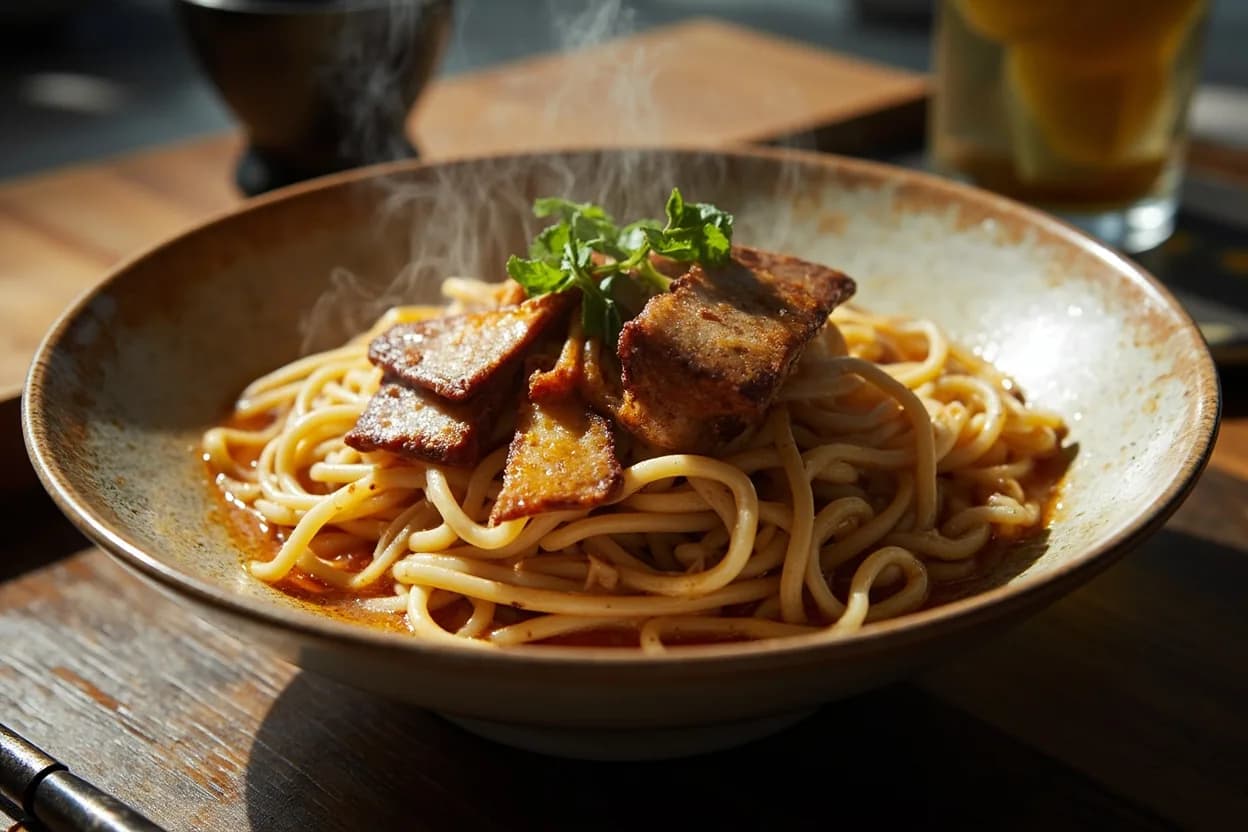
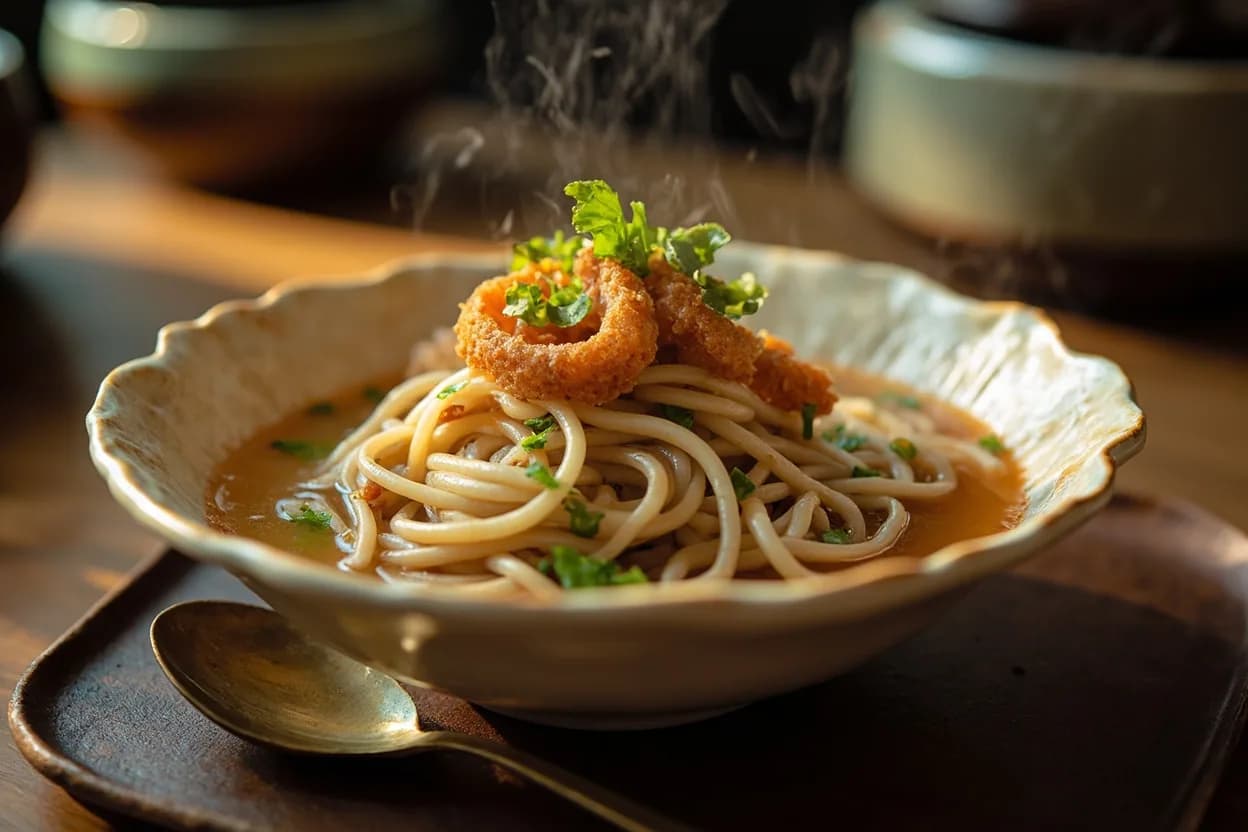
Related
Egg
The kitchen's everything ingredient — bind, leaven, enrich, or fry
Chicken Breast
Lean, quick-cooking white meat for everyday dinners

Ground Beef
Versatile minced beef for burgers, ragù, tacos, and meatballs
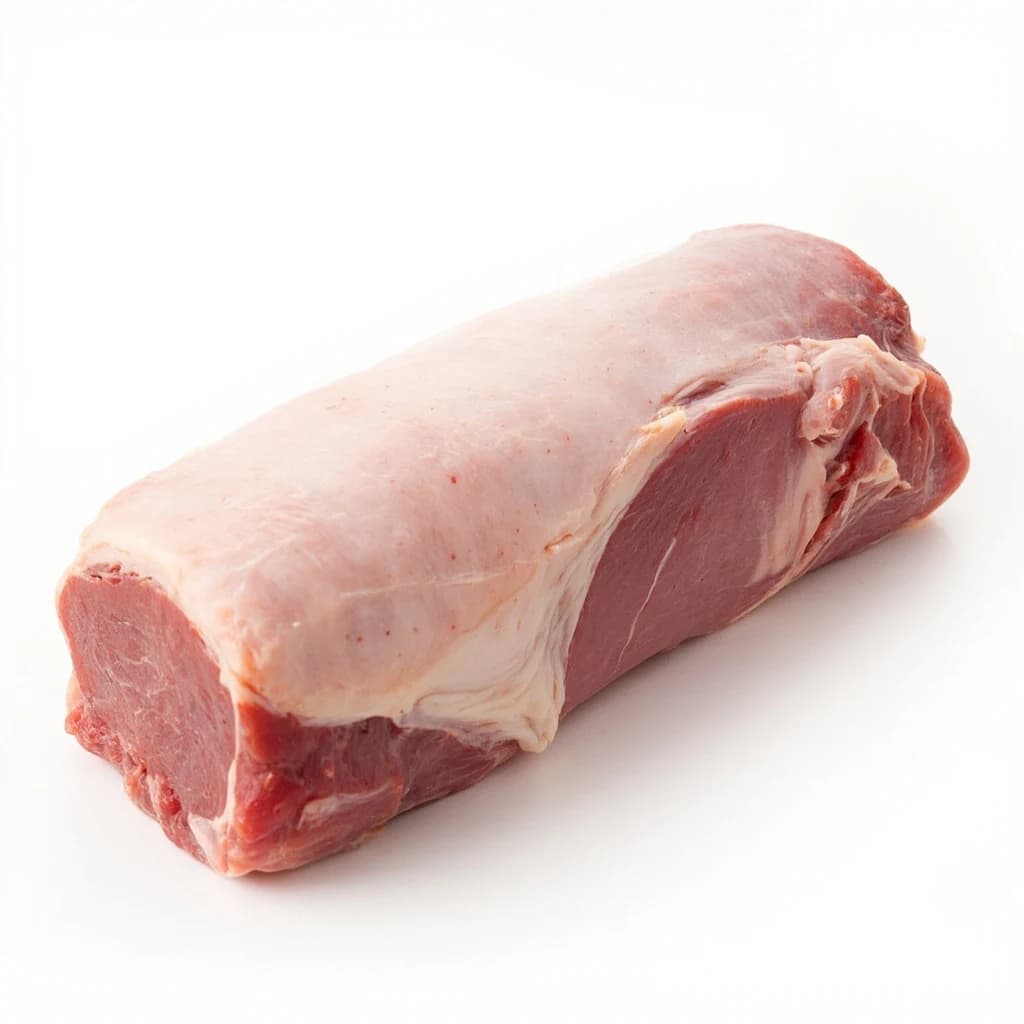
Pork Loin
Lean, tender roasting cut that stays juicy with care
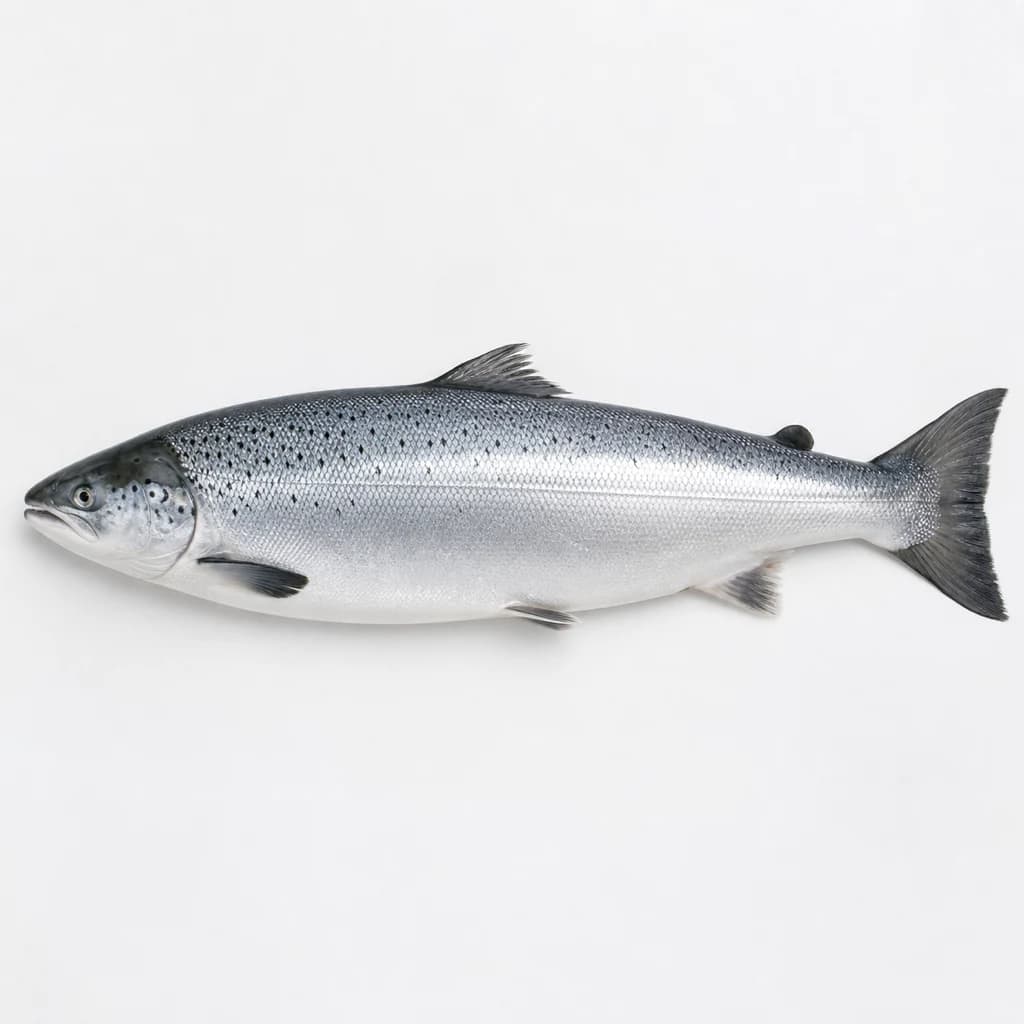
Salmon
Rich, rosy fish that roasts, grills, or cures beautifully

Egg White
Pure protein that whips to airy peaks for meringue and more
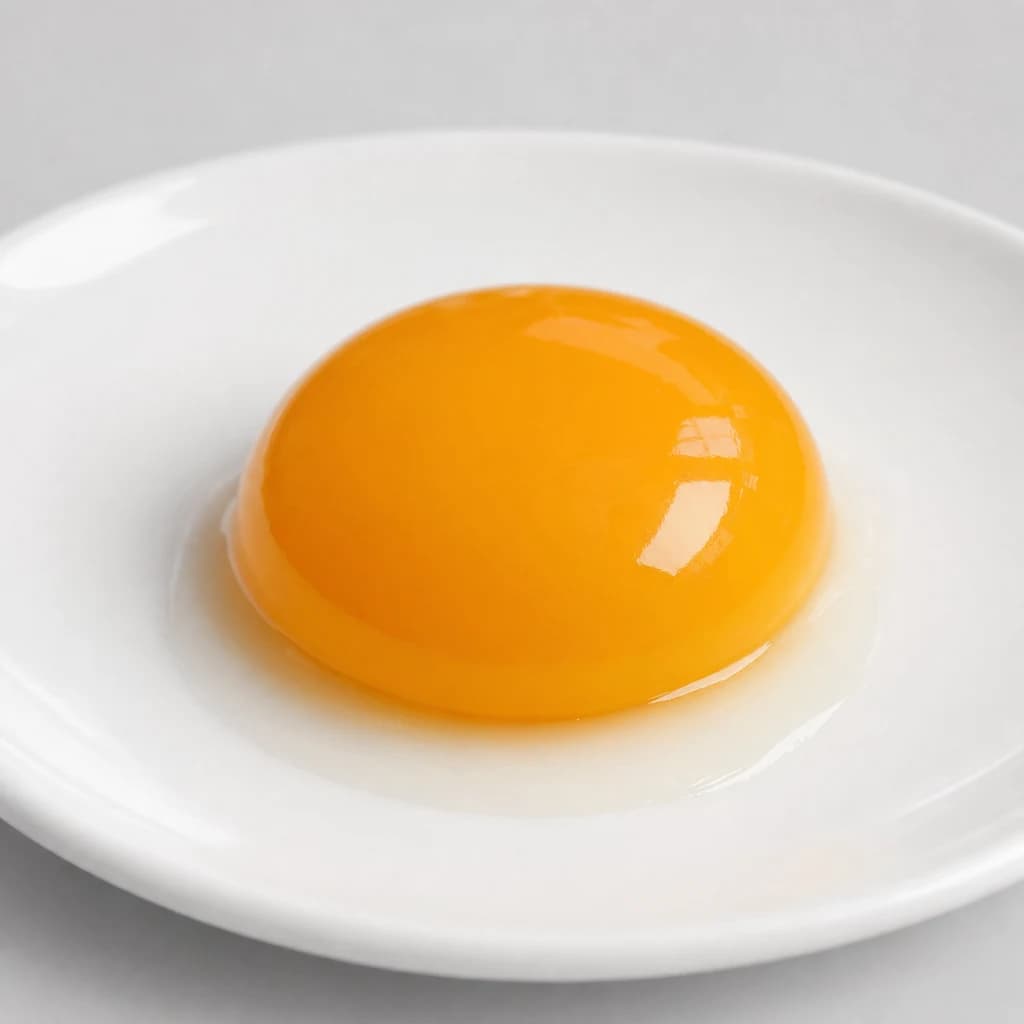
Egg Yolk
Rich, golden yolk for custards, mayonnaise, and pasta

Quail Egg
Tiny, speckled eggs for garnishing and elegant bites