Produce
Scotch Bonnet Chili
Fiery, fruity Caribbean chili that defines jerk seasoning and hot pepper sauces.
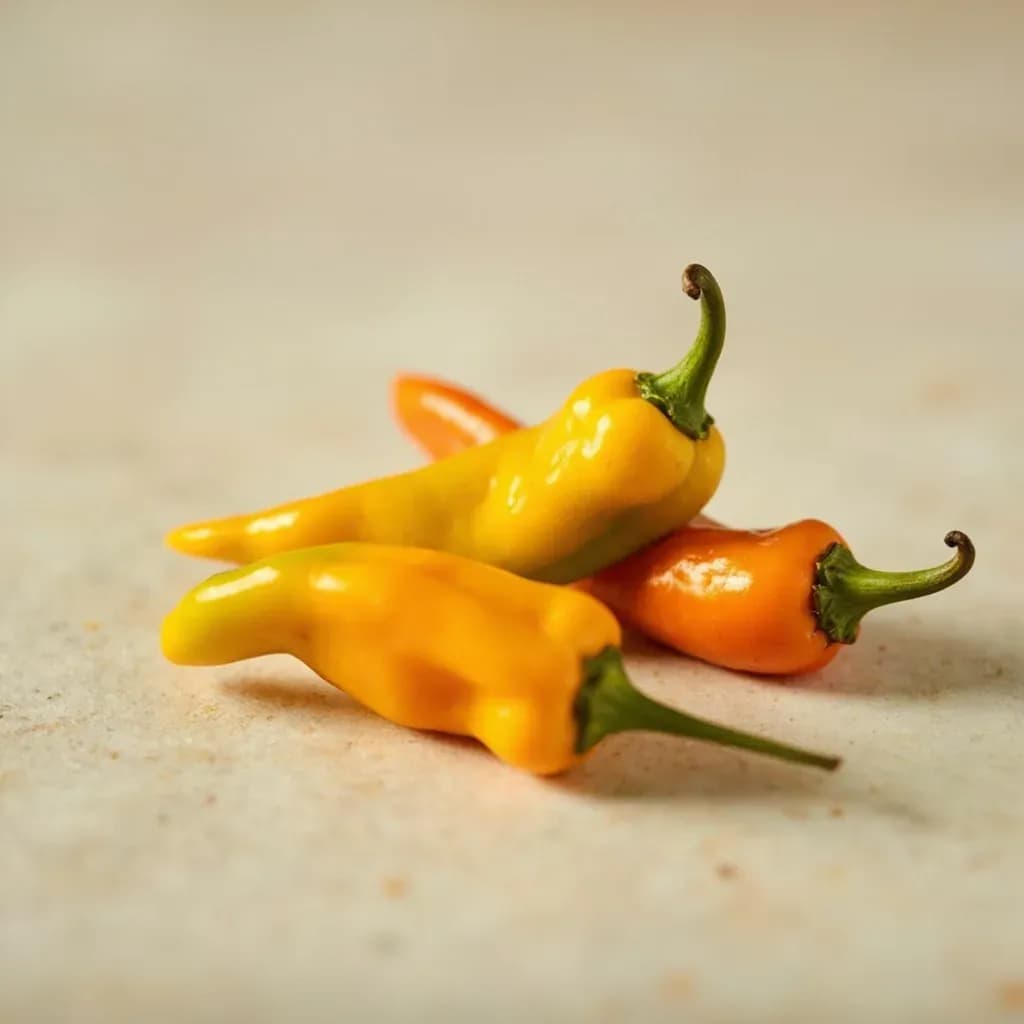
Scotch bonnet is a small, wrinkled chili with intense heat balanced by a distinct sweet, fruity flavor. It is the signature pepper of Caribbean and West African cooking, central to jerk seasoning, pepper sauces and stews. Cooks often add it whole and remove it before serving, or finely chop it for full heat.
The Scotch Bonnet is one of the most aromatic and complex chilies in the Capsicum chinense family, sharing species classification with the Habanero but diverging sharply in both shape and flavor character. Native to the Caribbean islands—Jamaica, Barbados, Trinidad, Belize, and the Bahamas—it has become the defining heat source for the region's most celebrated preparations, from jerk seasoning to vinegary pepper sauces. The pod is squat and hooded, resembling the Scottish tam-o'-shanter cap from which it takes its name, distinguishing it visually from the elongated Habanero. In Jamaican markets, the terms "Scotch Bonnet" and "pimento pepper" are used interchangeably in everyday commerce, though both refer to the same pod.
The pepper's flavor is its defining attribute: a fruity, tropical sweetness with clear citrus and mango notes that sits beneath fierce heat rather than competing with it. This layered complexity cannot be replicated by simpler chilies like serrano or cayenne. The capsaicin is distributed unevenly—the pith and seeds carry the overwhelming majority of the burn, while the flesh imparts flavor with more manageable intensity. This makes the Scotch Bonnet unusually controllable in the kitchen: a skilled cook can extract maximum flavor and minimum burn by working primarily with the walls. The pepper caramelizes beautifully when treated gently, but turns acrid if subjected to prolonged dry, high heat. Frozen whole, it grates or chops directly from frozen with minimal textural degradation, making it a practical pantry staple beyond its fresh peak season.
- Measured in
- piece
- Storage
- Fridge
Types & varieties
The most common variety; vivid red when ripe, fullest fruity flavor
Slightly sweeter, less pungent than red; popular in Trinidadian cuisine
Brownish-red when ripe; earthier, deeper flavor; slightly longer ripening period
Bahamian strain; similar heat, subtle flavor differences due to local terroir
Common uses
Tips & pitfalls
- Wear disposable gloves when handling; the capsaicin oils persist on skin and are intensified by moisture.
- Remove the seeds and white pith for less heat while retaining the fruity flavor—the pith holds most of the capsaicin.
- Toast whole peppers briefly in a dry skillet (30 seconds per side) to deepen the flavor before using in sauces or grinding.
- In jerk marinades, let the pepper macerate with the other aromatics for at least 30 minutes to allow the flavors to meld.
- When substituting Habanero: use a 1:1 ratio, but expect slightly less fruity complexity and a different heat curve.
- Do not cook Scotch Bonnets over extreme high heat for extended periods in dry oil—this turns the sugars acrid rather than caramelized.
- Frozen whole peppers can be grated or chopped directly from frozen for convenience; texture degrades less than thawing first.
Nutrition
Energy
121 kJ · per 100 g
Where the calories come from
Protein
0.9g
2% DV
Carbs
6.5g
2% DV
Fat
0.4g
0% DV
Fiber
2.8g
10% DV
Sugars
4.1g
of which
Sodium
3mg
0% DV
Source · USDA FoodData Central · approx. Peppers, jalapeno, raw
View on FDC →In the shops
Matched grocery products
 €1.04
€1.04Red Pepper
360 g · Mercadona
 €2.20
€2.20Tricolor Peppers
710 g · Mercadona
 €0.23
€0.23Green Frying Pepper
90 g · Mercadona
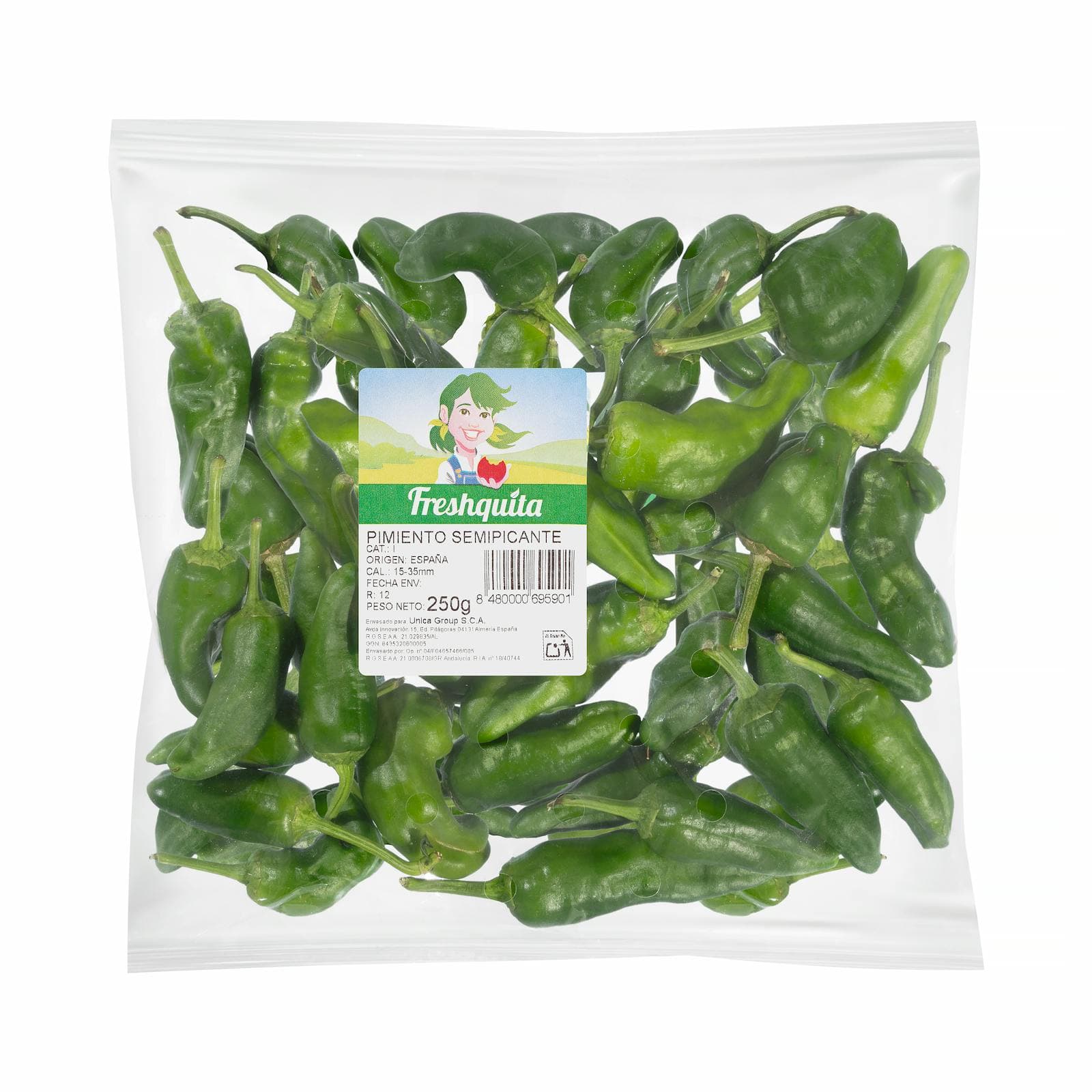 €1.35
€1.35Semi-Spicy Peppers
250 g · Mercadona
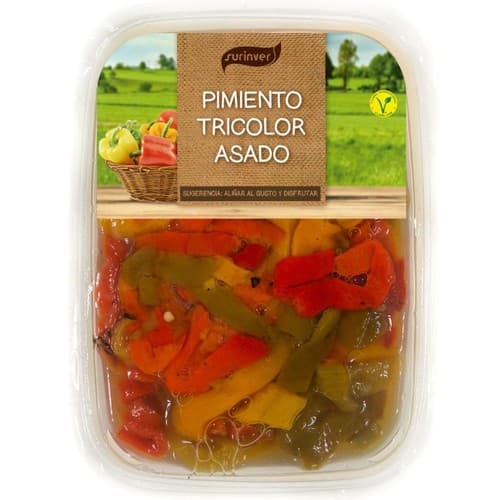 €2.49
€2.49Roasted Bell Peppers Three Colors
SURINVER · kg · Bonpreu
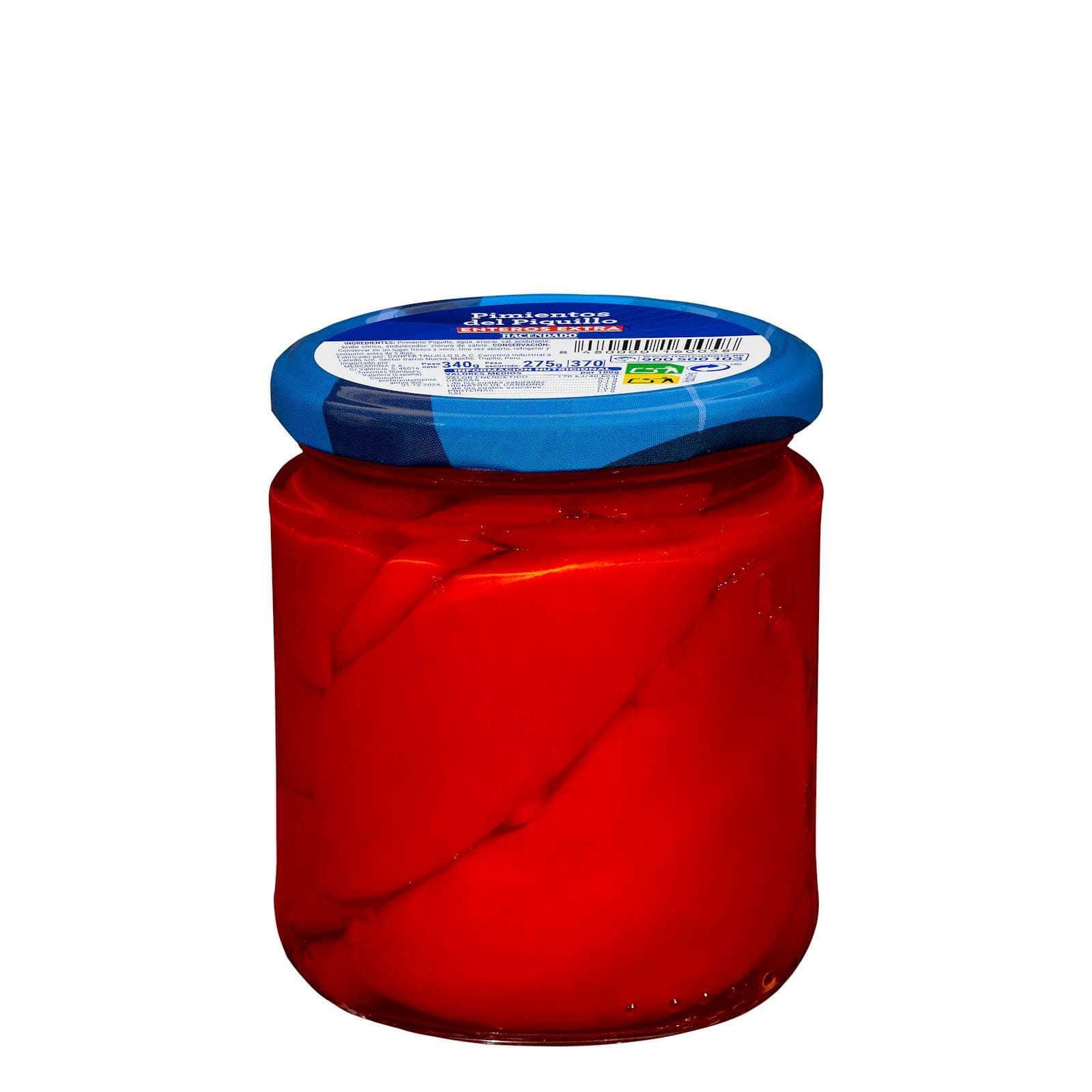 €1.45
€1.45Extra Whole Piquillo Peppers
Hacendado · 340 g · Mercadona
Good to know
- Scientific Name
- Capsicum chinense
- Origin
- Caribbean (Jamaica, Barbados, Trinidad, Belize, Bahamas)
- Heat Range
- 100,000–350,000 Scoville Heat Units (SHU)
- Typical Color
- Red, orange, yellow; chocolate (brown) variety exists
- Shape
- Round to slightly oblong with squashed bell form and distinctive raised hood or cap
- Average Size
- 2.5–5 cm (1–2 inches) in diameter
- Peak Season
- Year-round in tropical climates; late summer to early fall in temperate regions
- Flavor Notes
- Fruity tropical sweetness with citrus and mango hints; floral undertones beneath the heat
- Primary Uses
- Jerk seasoning, hot sauces, marinades, Caribbean braises, rice dishes
- Storage
- Refrigerate unwashed in a paper towel-lined bag for up to 2 weeks; freeze whole for several months
- Closely Related To
- Habanero (same species, C. chinense); distinct in shape and flavor nuance
Substitutes
- Habanero — Most direct substitute; similar heat range and fruity profile; slightly more floral, less citrusy; shape differs but cooks identically
- Caribbean Red Pepper — A broader category of C. chinense landraces from the Caribbean; often comparable in heat and flavor
- Madame Jeanette — Surinamese C. chinense; similar shape and heat; slightly sweeter, less tannic
- Datil Pepper — St. Augustine, Florida variety; comparable heat and fruity quality; harder to find outside the Southeast US
- Serrano or Cayenne — Not ideal; different flavor entirely (vegetal, grassy); acceptable only if heat alone is needed and fruity character is not
Pairs with
Also called
scotch-bonnet-pepper · piment · bonnet-pepper
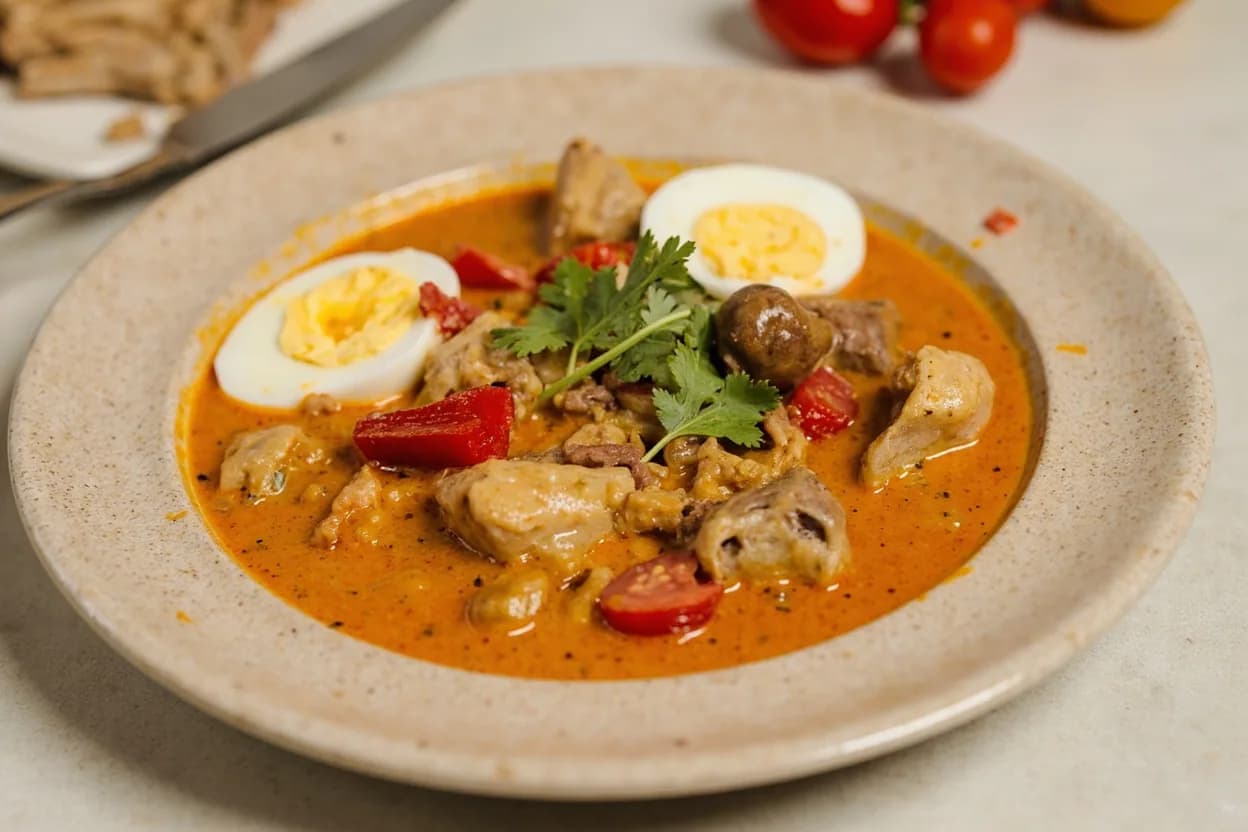
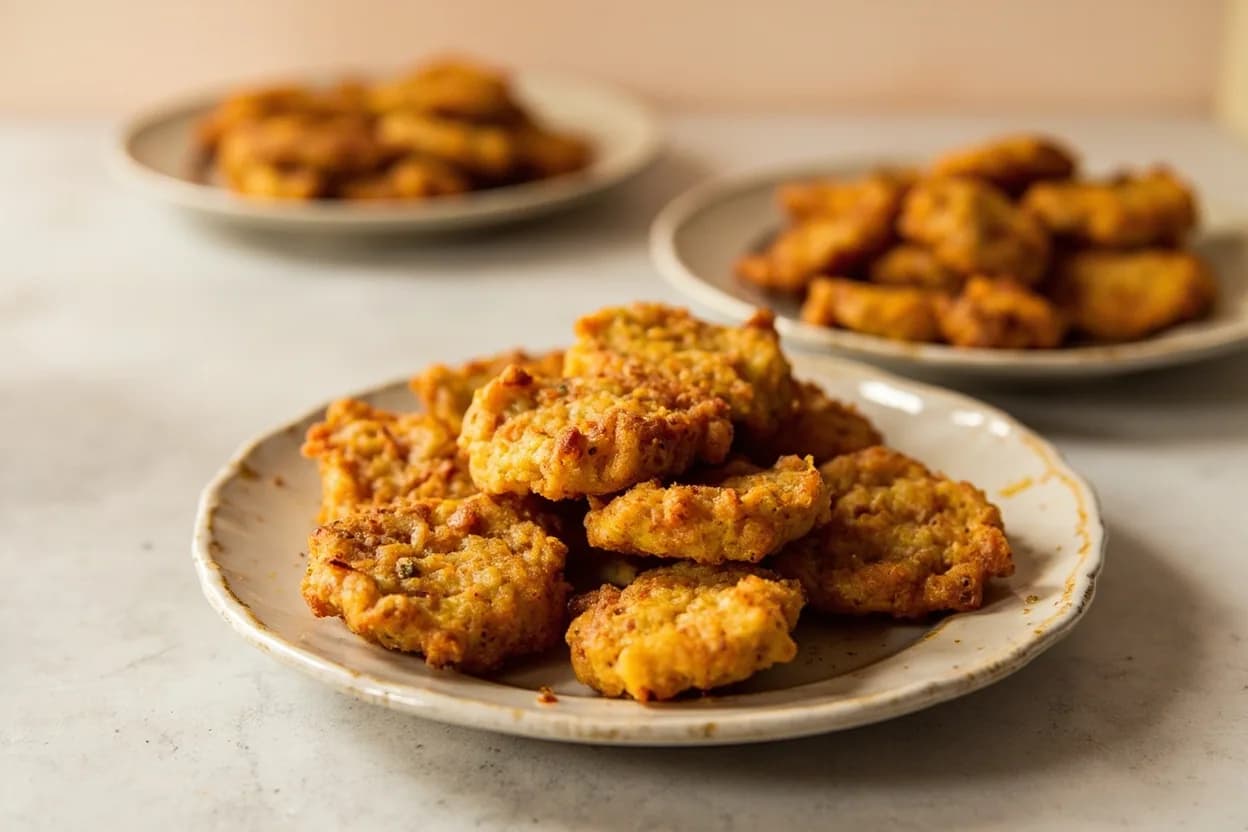
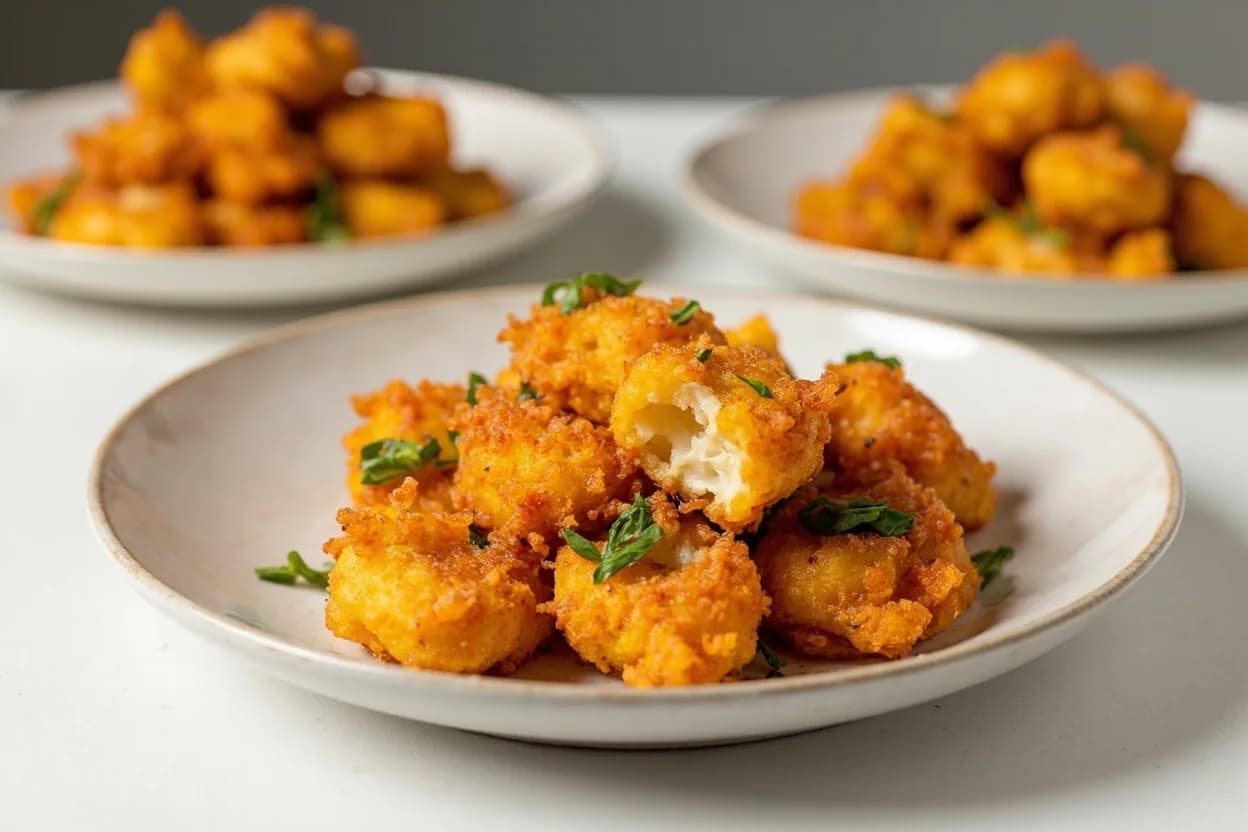
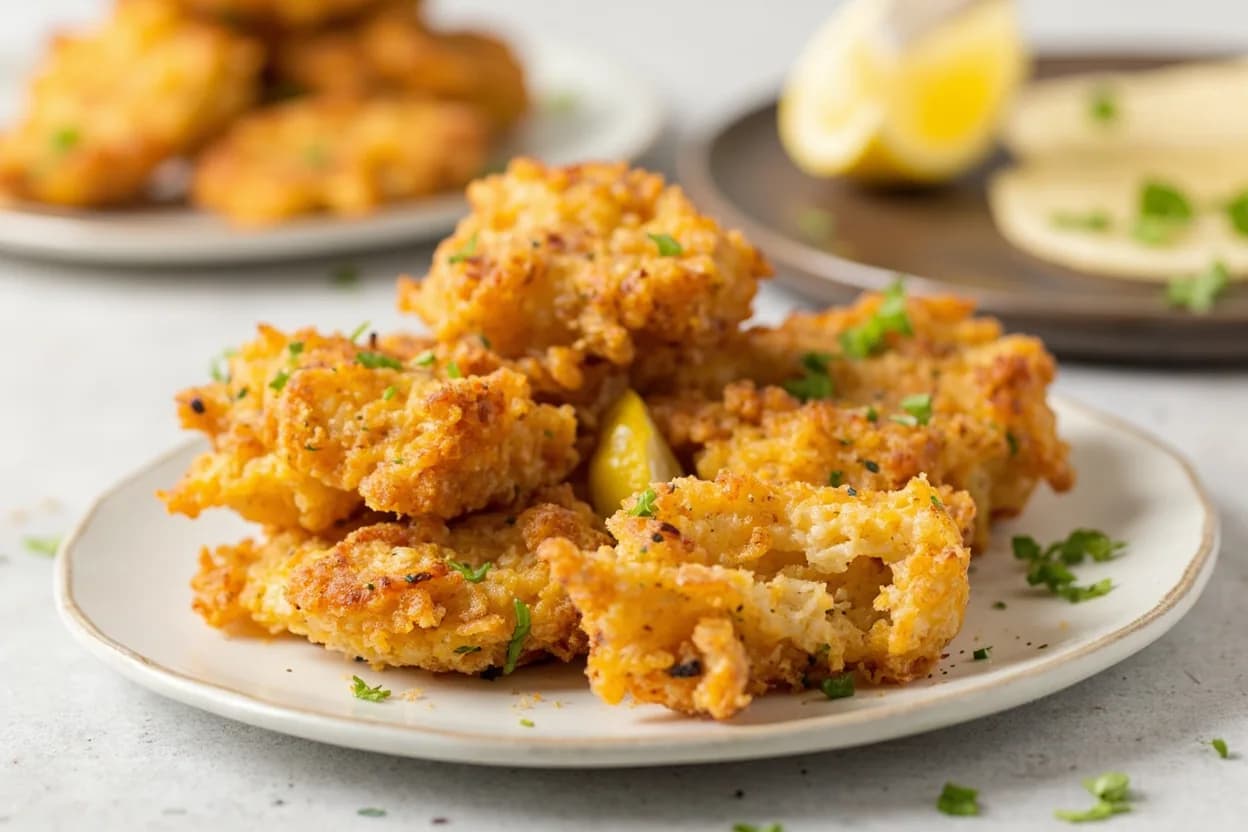
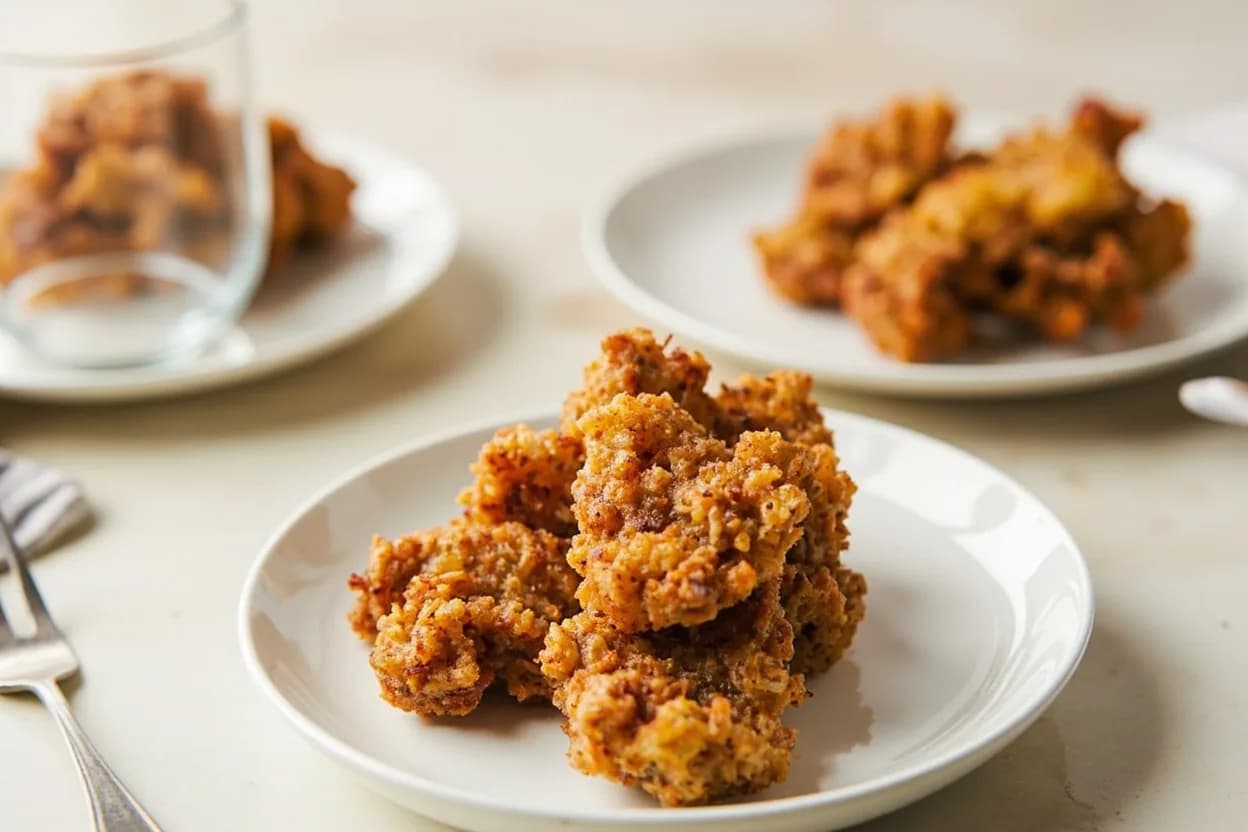
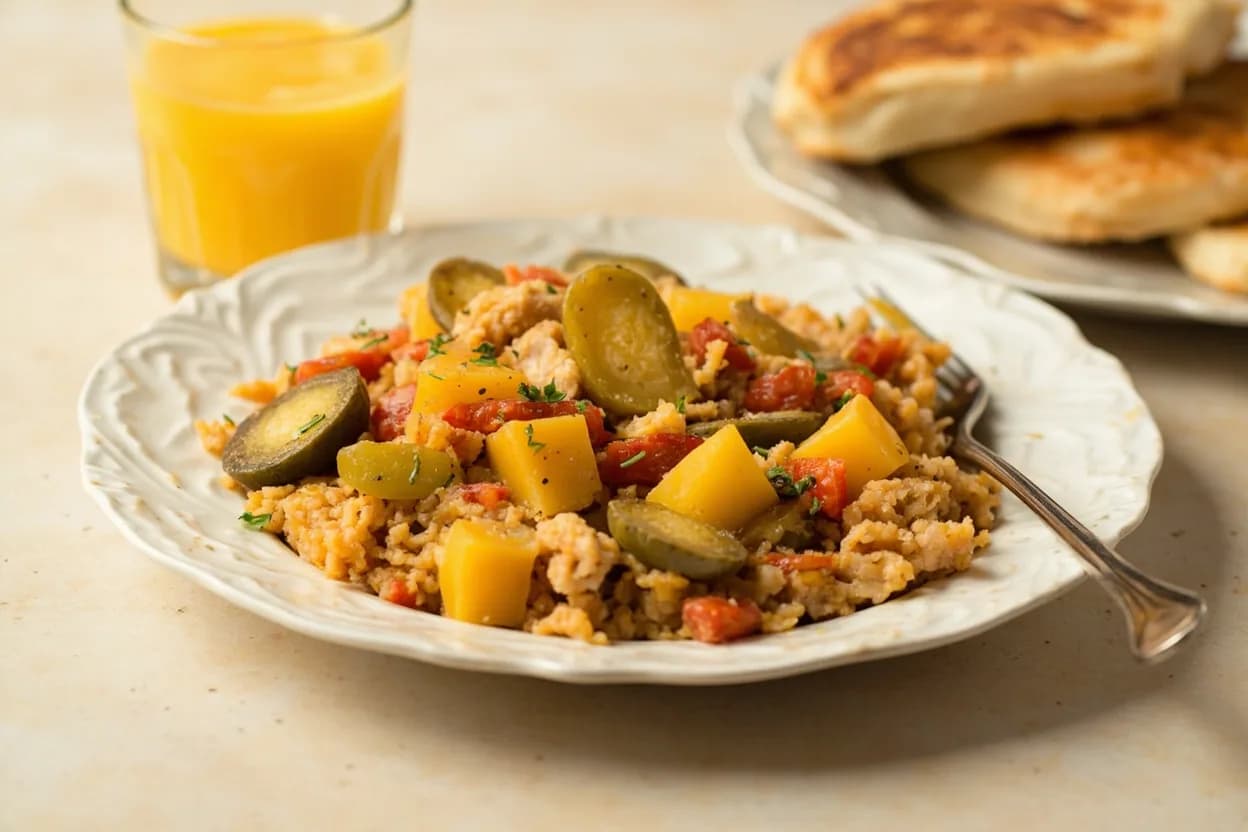
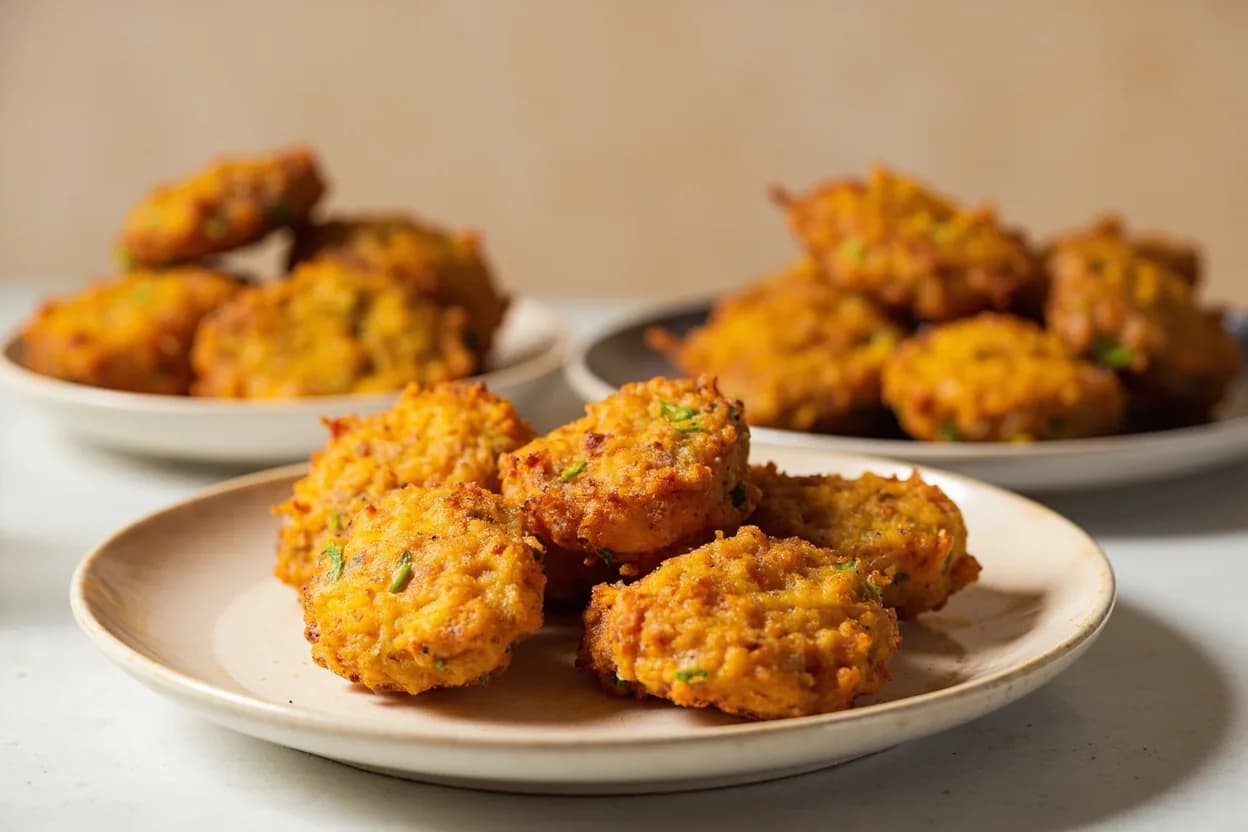
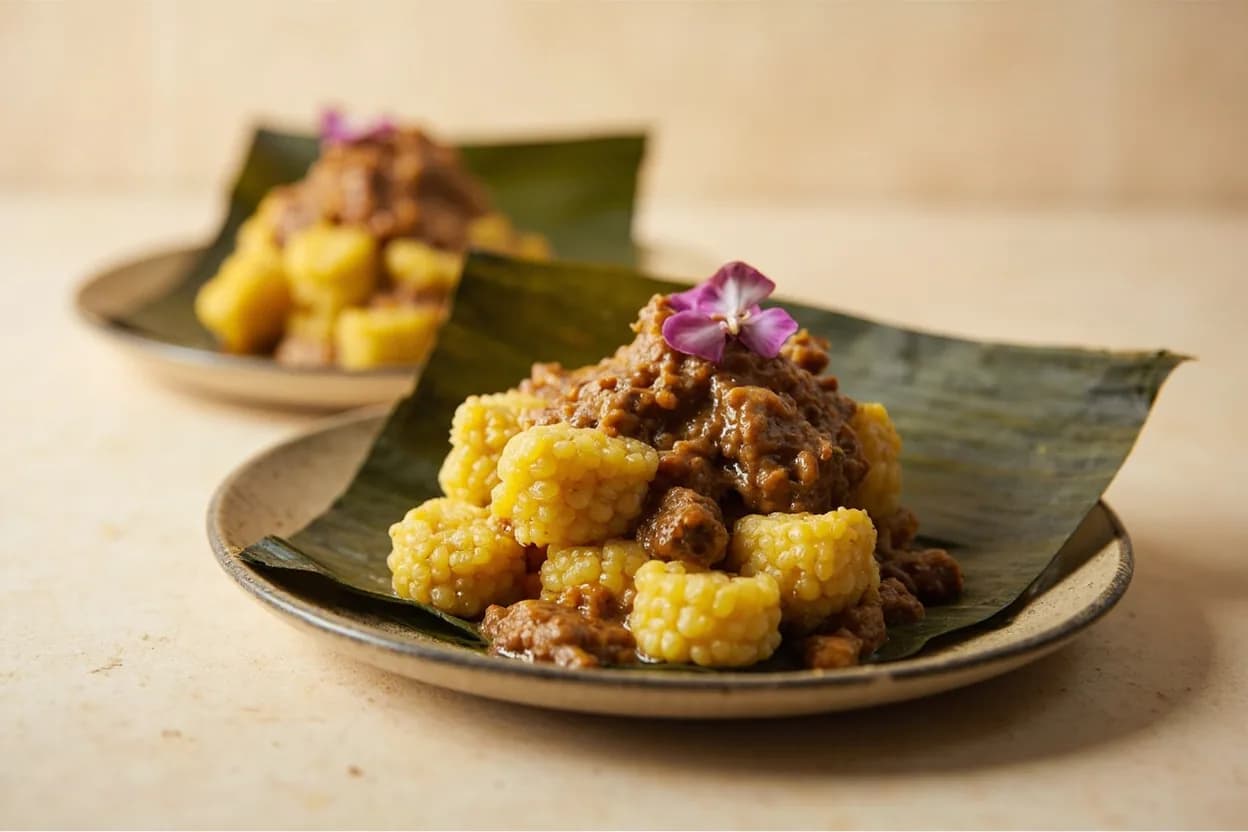
Appears in these dishes
Related
Tomato
Juicy, sun-sweet fruit for sauces, salads, and slow-cooked depth
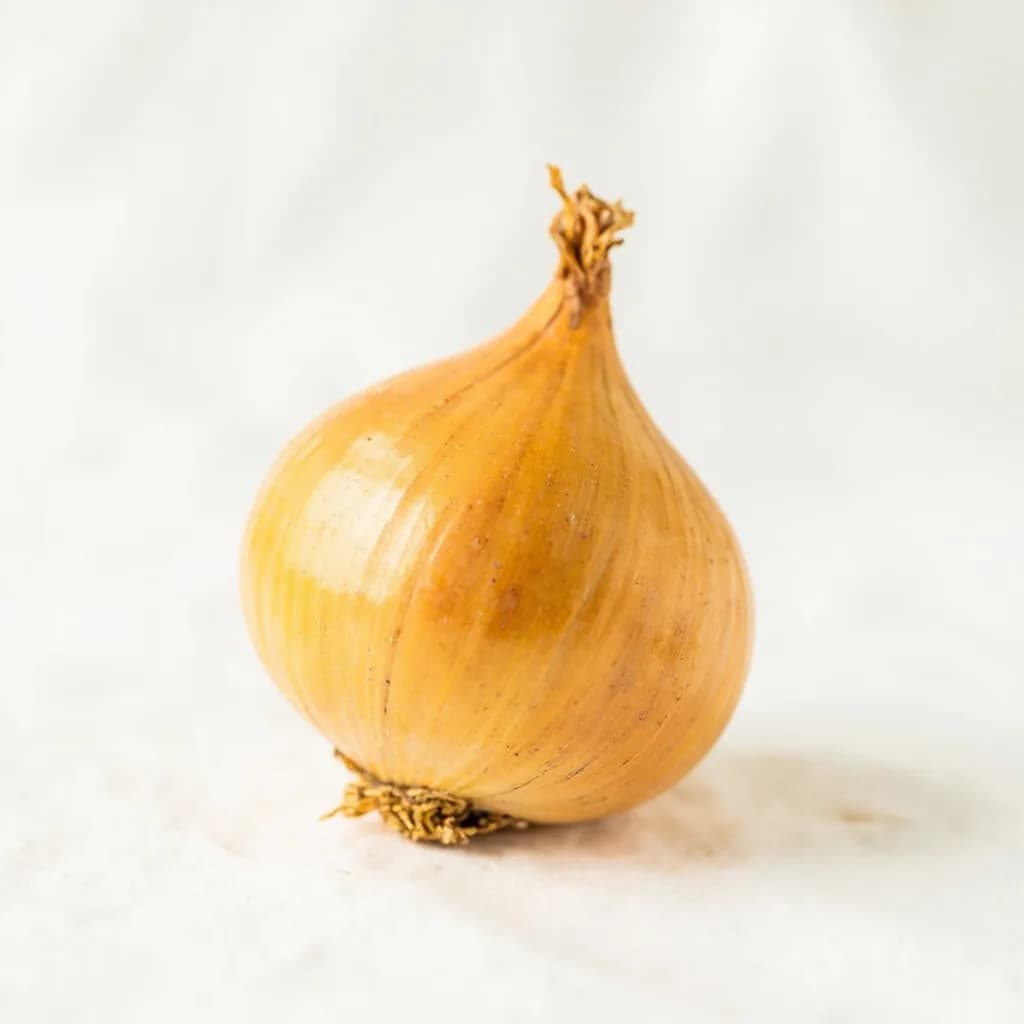
Yellow Onion
The aromatic backbone of soups, sofritos, and braises
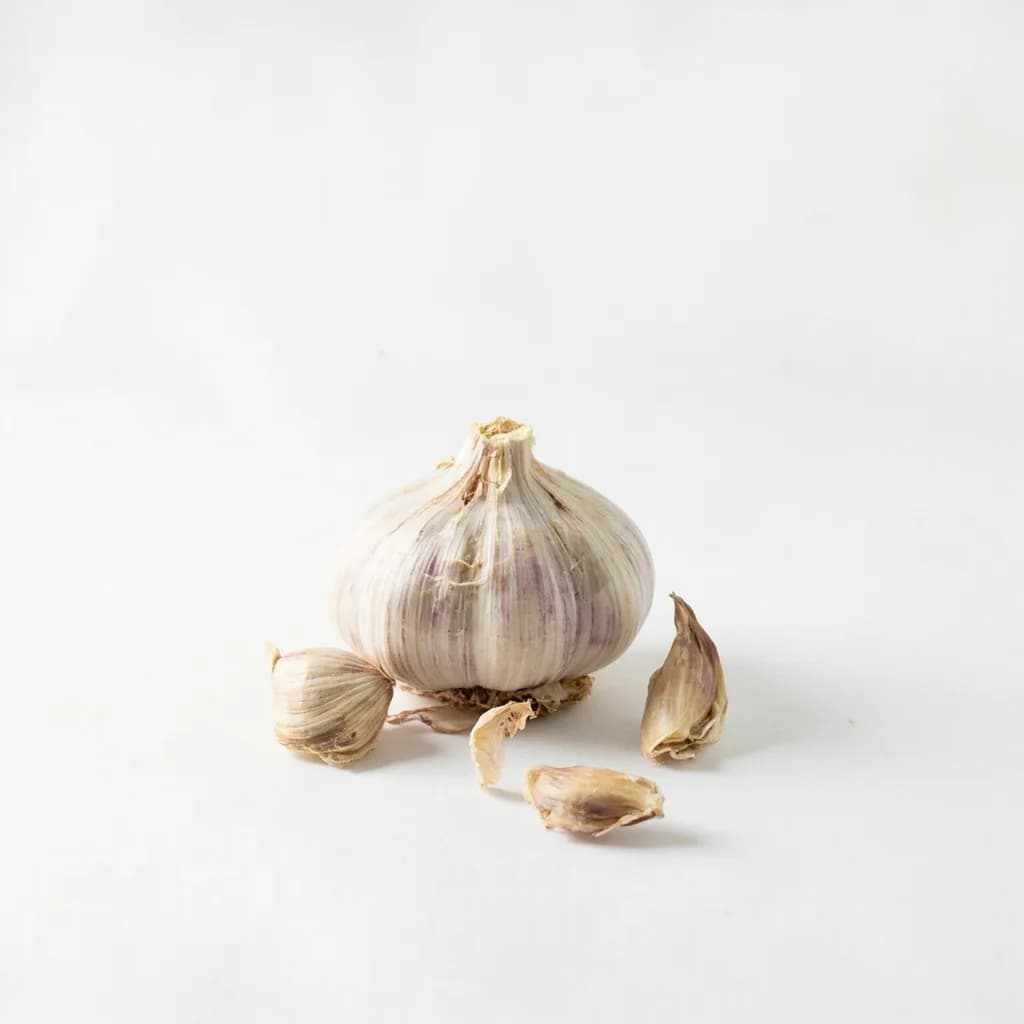
Garlic
Pungent cloves that perfume nearly every savory dish
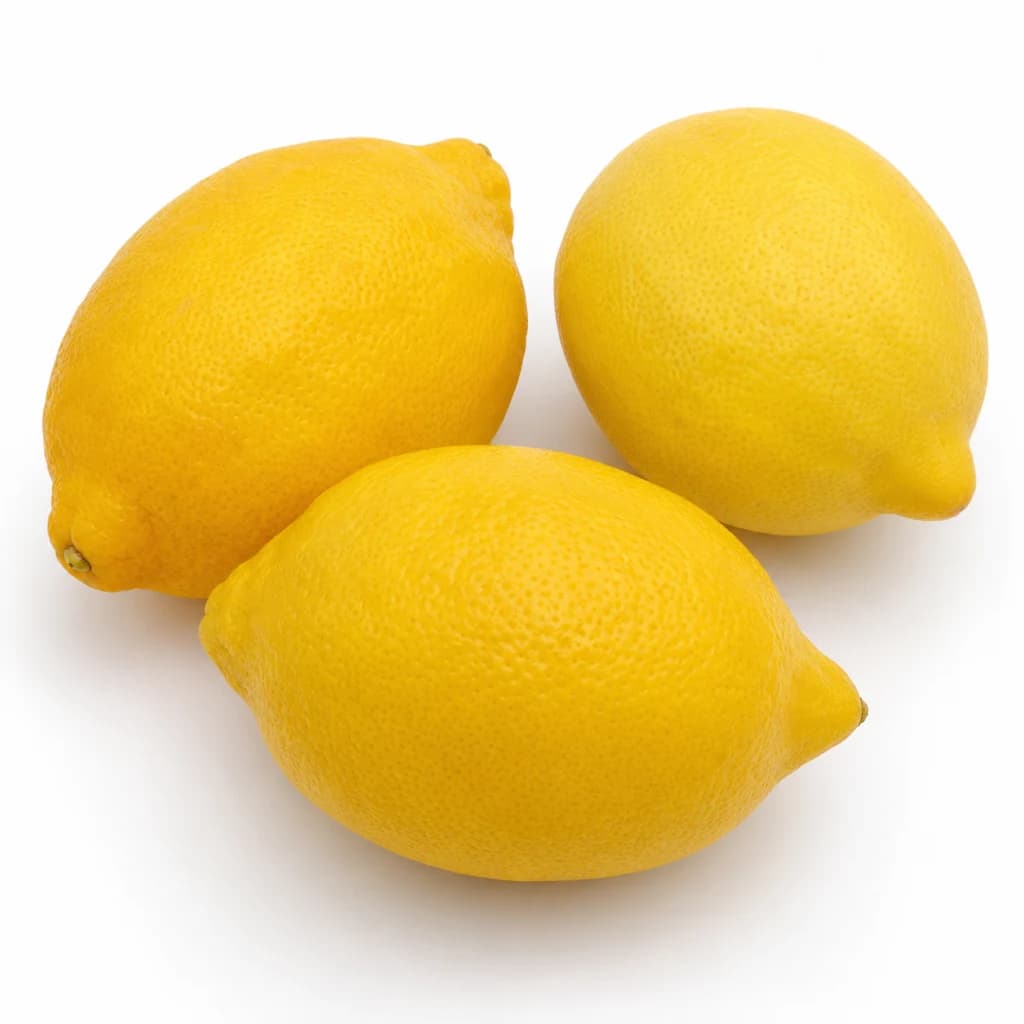
Lemon
Bright, acidic citrus that wakes up almost any dish
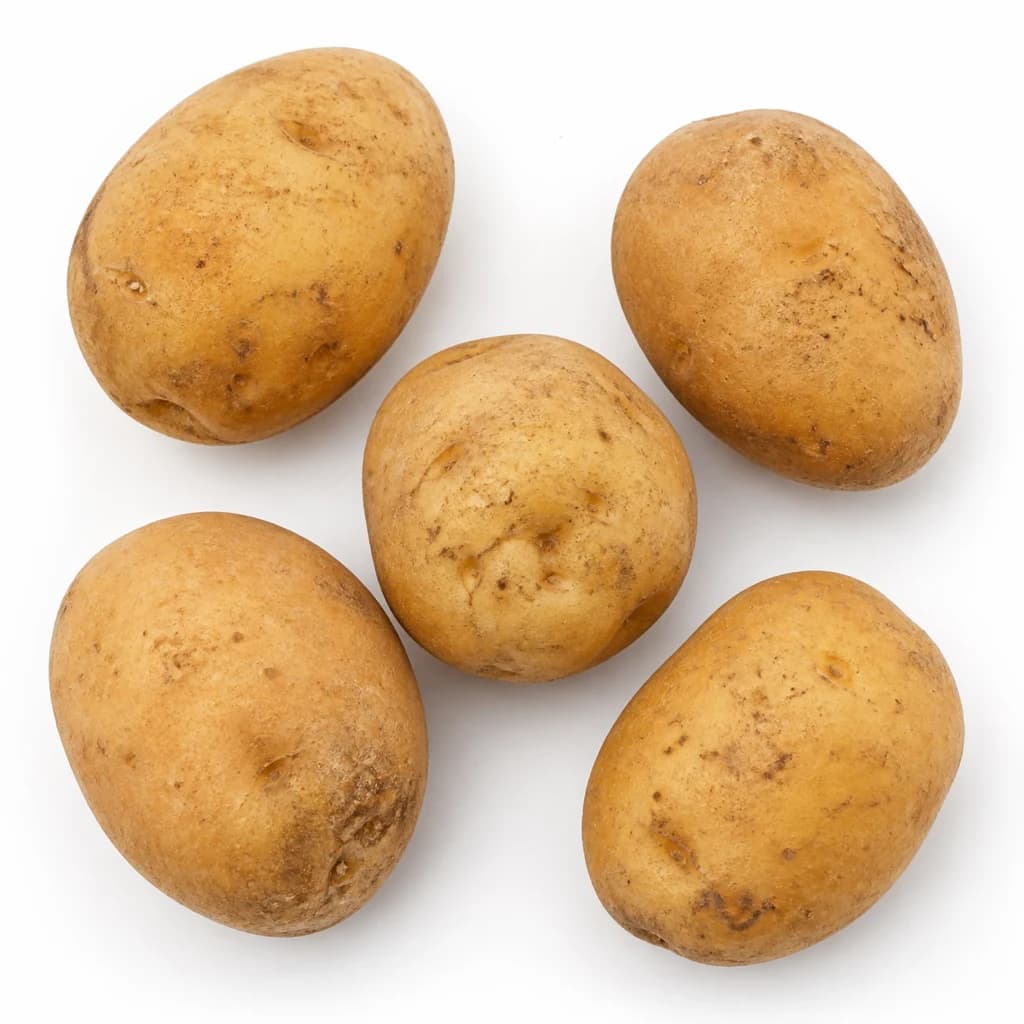
Potato
Humble, hearty staple — roast, mash, fry, or boil
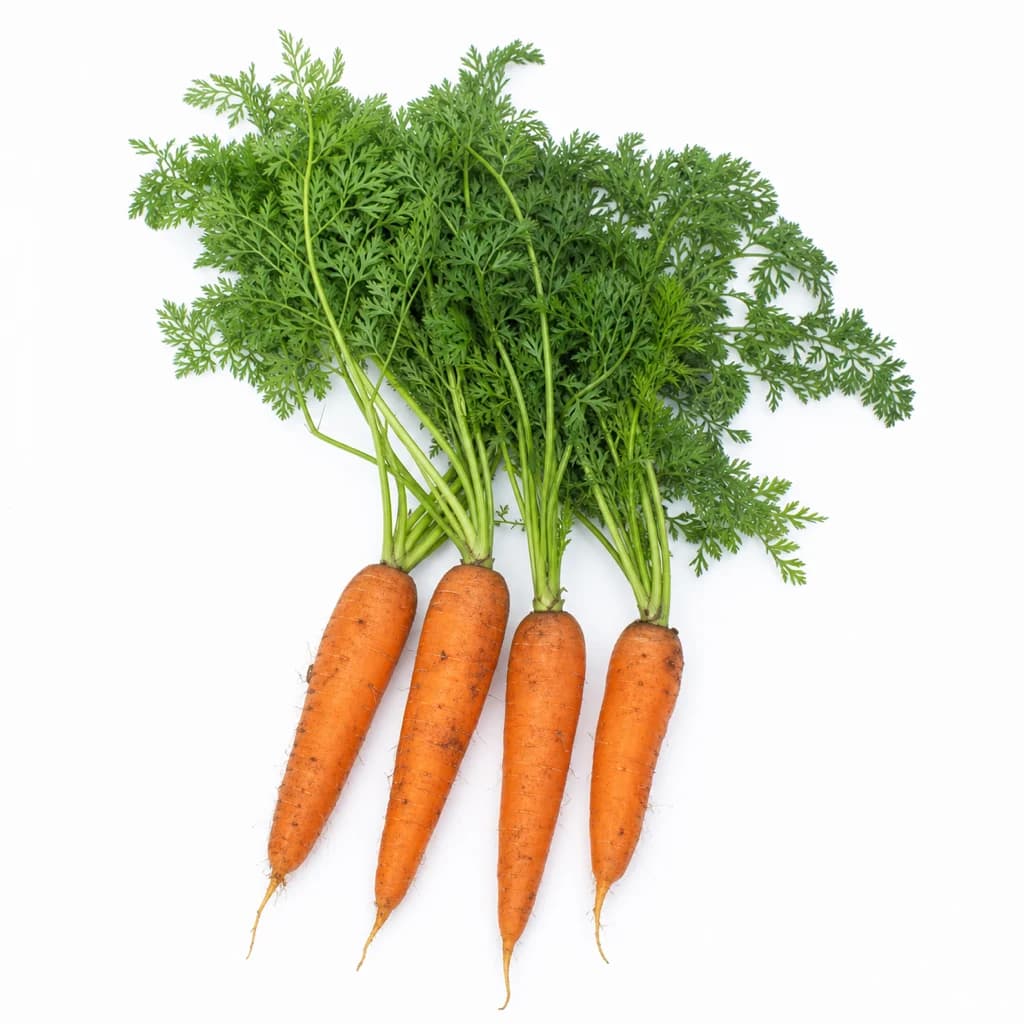
Carrot
Sweet, crunchy root — raw, roasted, or the base of a sofrito
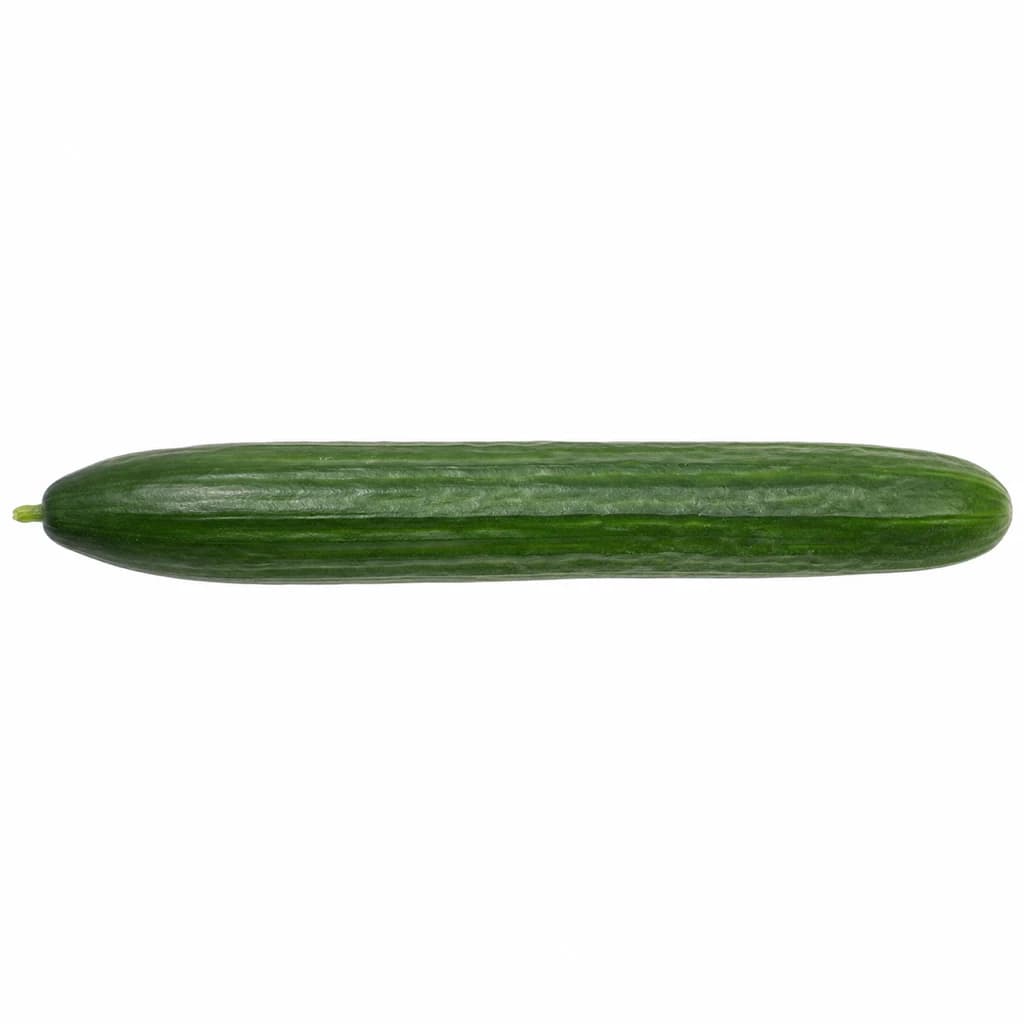
Cucumber
Cool, crisp, and watery — for salads, pickles, and tzatziki

Lettuce
Crisp leaves for salads, wraps, and a fresh crunch