
Natural form
A block of smoked tofu showing its firm, golden-brown exterior and uniform rectangular shape.
Shows the distinctive smoked exterior color and pressed block form that distinguishes it from plain white tofu.
Proteins
Smoked Tofu
Firm pressed tofu smoked for a savory, chewy bite; sliced into stir-fries and salads.
Smoked tofu is firm, pressed bean curd that has been smoked to give it a savory, slightly chewy texture and golden-brown exterior. It is sliced or cubed for stir-fries, salads, and noodle dishes, and holds its shape well during cooking. Popular in Chinese and vegetarian cooking, it carries a deeper flavor than plain tofu.
Smoked tofu is firm or extra-firm pressed tofu that has been brined—typically in soy sauce, rice wine, or both—and then exposed to wood smoke, traditionally pine in China and fruitwoods in Japan. The smoking process does more than add flavor: it partially denatures the soy proteins, drives out moisture, and creates a denser, more resilient structure that holds its shape far better than plain tofu under high heat. The result is a chewy, sliceable block with a deep mahogany color and an assertive smoky-savory character that carries through cooking.
This ingredient bridges the gap between plain tofu and fully processed meat substitutes. Its dense texture makes it genuinely satisfying to bite—you get resistance and body that softer tofu lacks—and its smoky flavor penetrates the matrix rather than sitting on the surface. Because the smoking draws out water, smoked tofu also browns more readily in a hot pan, developing caramelized edges that mimic seared proteins. In Chinese Buddhist vegetarian cooking, smoked tofu has long substituted for pork in dishes like mapo tofu and stir-fried greens; in Japan, freeze-dried koyadofu absorbs broths in hot pots and soups.
Commercial smoked tofu is widely available in Asian grocery stores and some mainstream supermarkets. Making it at home is an intermediate project requiring a stovetop smoker or kettle grill with wood chips—worth the effort if you want full control over smoke intensity and seasoning, but store-bought versions perform excellently in nearly every application. Once opened, smoked tofu requires refrigeration and keeps 5–7 days; unopened sealed packages last 2–3 weeks refrigerated and up to 3 months frozen, though freezing changes the texture to a more open, spongy structure that excels at absorbing braising liquid.
- Measured in
- g
- Storage
- Fridge
Allergens
Types & varieties
Pressed blocks with heavy smoke flavor; brined in soy sauce and rice wine before smoking; common in Sichuan and Hong Kong cuisines
Freeze-dried then smoked; extremely porous texture that absorbs broths readily; essential in hot pots and soups
Longer smoking at lower temperatures; subtler smoke flavor, lighter color, denser texture
Smoked at higher temperatures; pronounced smoke ring, slightly caramelized exterior, more flexible texture
Seasoned with star anise, cloves, cinnamon, Sichuan peppercorn, and fennel before smoking
Marinated in dark soy sauce or molasses before smoking; deeper color, slightly sweeter, more robust flavor
Pre-sliced, sold in flavored brines; ready to eat cold or heated; longer shelf life unopened
Pressing and Prepping for Cooking
Even pre-smoked tofu benefits from a brief press before high-heat cooking. Place sliced or whole blocks between clean kitchen towels or paper towels and weight with a cast iron skillet or a few cans for 10–15 minutes. This removes surface moisture that would otherwise cause steaming rather than searing. Pressed smoked tofu browns more evenly and develops the caramelized crust that gives the appearance and flavor of seared meat. For raw applications like salads or appetizers, keep slices thin; pressing is less critical and the texture remains pleasantly chewy.
- Press only what you'll cook immediately; pressed tofu dries out faster than unpressed
- For sandwich slices, press to about 2/3 original thickness for better bite-through
- If using frozen-thawed smoked tofu, skip pressing—its open texture already absorbs oil and marinades readily
The Smoking Process at Home
Making smoked tofu from plain firm tofu is straightforward with a stovetop smoker or kettle grill. The tofu is first brined in a mixture of soy sauce and rice wine for 30 minutes to 2 hours—this seasons the interior and provides the sugars needed for caramelization. After patting dry, the tofu goes into the smoker with fruitwood, alder, or hickory chips at low heat for 30–60 minutes. The tofu is done when it has darkened evenly and lost roughly 15–20% of its weight in moisture. Hot-smoked tofu (higher temperature) develops more exterior caramelization; cold-smoked (smoke only, below 90°F/32°C) keeps the texture denser with subtler flavor. Homemade smoked tofu keeps refrigerated for 2 weeks and freezes well for 3 months.
- Fruitwood and alder produce milder smoke; hickory is stronger—combine for complexity
- Brine tofu in 2:1 soy sauce to rice wine with a pinch of sugar for standard Chinese-style flavor
- Test doneness by color: the tofu should be golden-brown to mahogany throughout, not just on the surface
- Skip the brine for a lighter smoke character; soy sauce alone produces a straightforward savory result
Common uses
Tips & pitfalls
- Press fresh smoked tofu 10–15 minutes before cooking if it feels wet; this prevents steaming instead of searing
- Slice against the grain for easier chewing—smoked tofu's dense texture benefits from thinner cuts in raw applications
- Add smoked tofu near the end of stir-fries to preserve its chewy texture and smoky character
- For crispy edges, ensure pan is hot and add a small amount of high-smoke-point oil (avocado, peanut) before adding tofu
- Cold-smoked varieties absorb marinades faster due to more open texture; marinate 15–30 minutes; hot-smoked varieties need 1–2 hours
- Store opened smoked tofu submerged in clean water in the fridge, changing water daily, to extend freshness 2–3 days
- Smoked tofu released into cooking oil or sauce takes on flavor readily; use this to build depth in braised dishes
- Avoid boiling or prolonged simmering of hot-smoked varieties—they become rubbery; limit cooking time to 5–10 minutes
Nutrition
Energy
393 kJ · per 100 g
Where the calories come from
Protein
3.5g
7% DV
Carbs
16g
6% DV
Fat
1.8g
2% DV
Fiber
0.2g
1% DV
Sugars
1.2g
of which
Sodium
35mg
2% DV
Source · USDA FoodData Central · approx. Tofu yogurt
View on FDC →In the shops
Matched grocery products
No matched grocery products for Smoked Tofu yet.
Good to know
- Type
- Processed soy protein product (pressed, smoked tofu)
- Primary flavor
- Smoky, savory, umami-rich; wood smoke with mildly sweet background
- Typical texture
- Firm to extra-firm; dense, chewy, sliceable with clean edges
- Color
- Golden brown to deep mahogany (darker when cold-smoked)
- Protein content
- 8–10 g per 100 g serving
- Sodium content
- 200–500 mg per 100 g (varies by brand; due to brining)
- Refrigerated shelf life
- 2–3 weeks sealed; 5–7 days opened
- Freezer shelf life
- Up to 3 months (texture becomes spongier upon thawing)
Substitutes
- Plain firm tofu (un-smoked) — Add 1/2 tsp liquid smoke or a splash of soy sauce and smoked paprika per block to approximate the flavor; texture is identical
- Smoked tempeh — Simpler smoky flavor, nuttier and denser texture; slice thin and pan-fry; use at 3/4 the volume ratio (more protein-dense)
- Smoked seitan — Meatier, chewier texture; stronger wheat gluten flavor; use 1:1 but note gluten content for allergy concerns
- Grilled portobello mushrooms — Similar savory, meaty bite and grill char; less smoky unless marinated with liquid smoke; use caps sliced or whole as appropriate
- Smoked eggplant — Popular in Chinese and Korean cuisines; smoky, silky texture; works as a flavor substitute but not a texture match
- Baked chickpea tofu (besan tofu) — Denser, crumbly texture; add liquid smoke and smoked paprika; good nut-free alternative with different mouthfeel
Pairs with
Also called
熏豆腐 · Smoked Bean Curd
Related
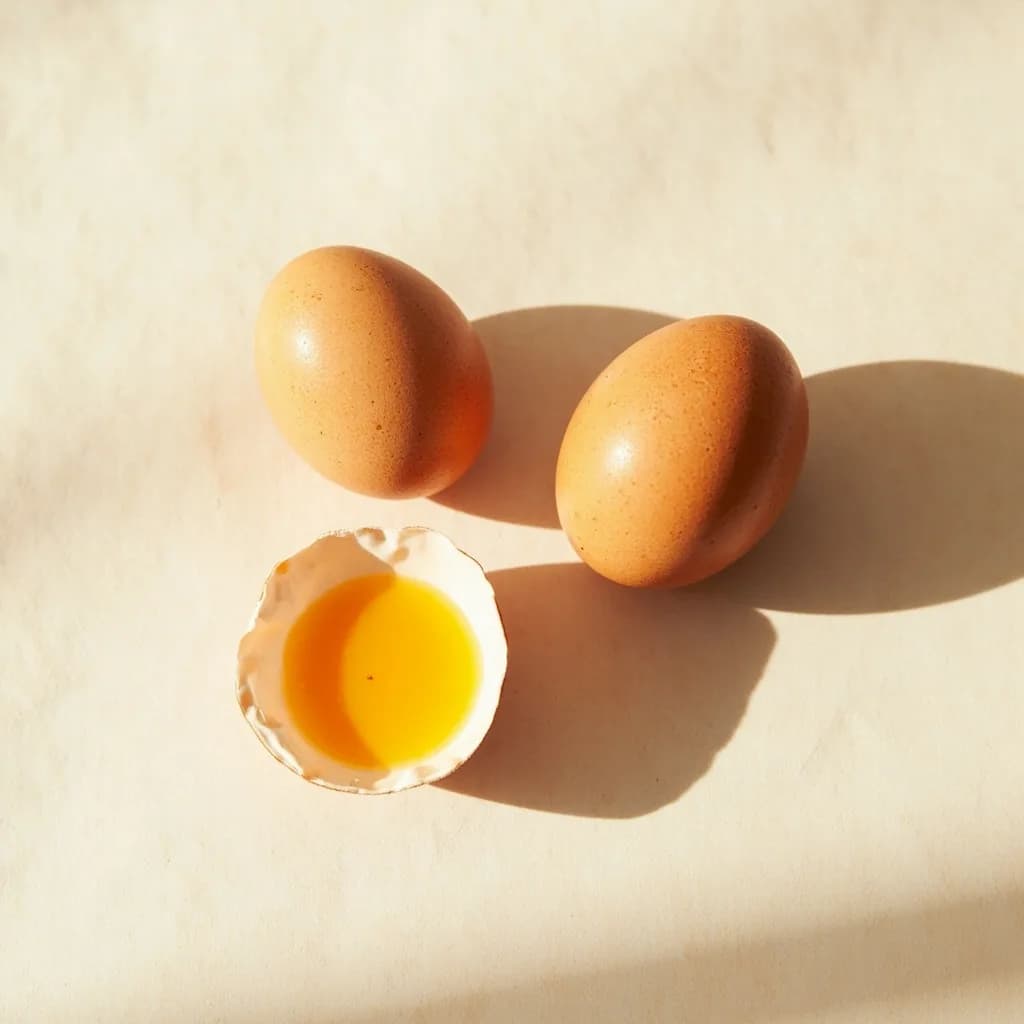
Egg
The kitchen's everything ingredient — bind, leaven, enrich, or fry
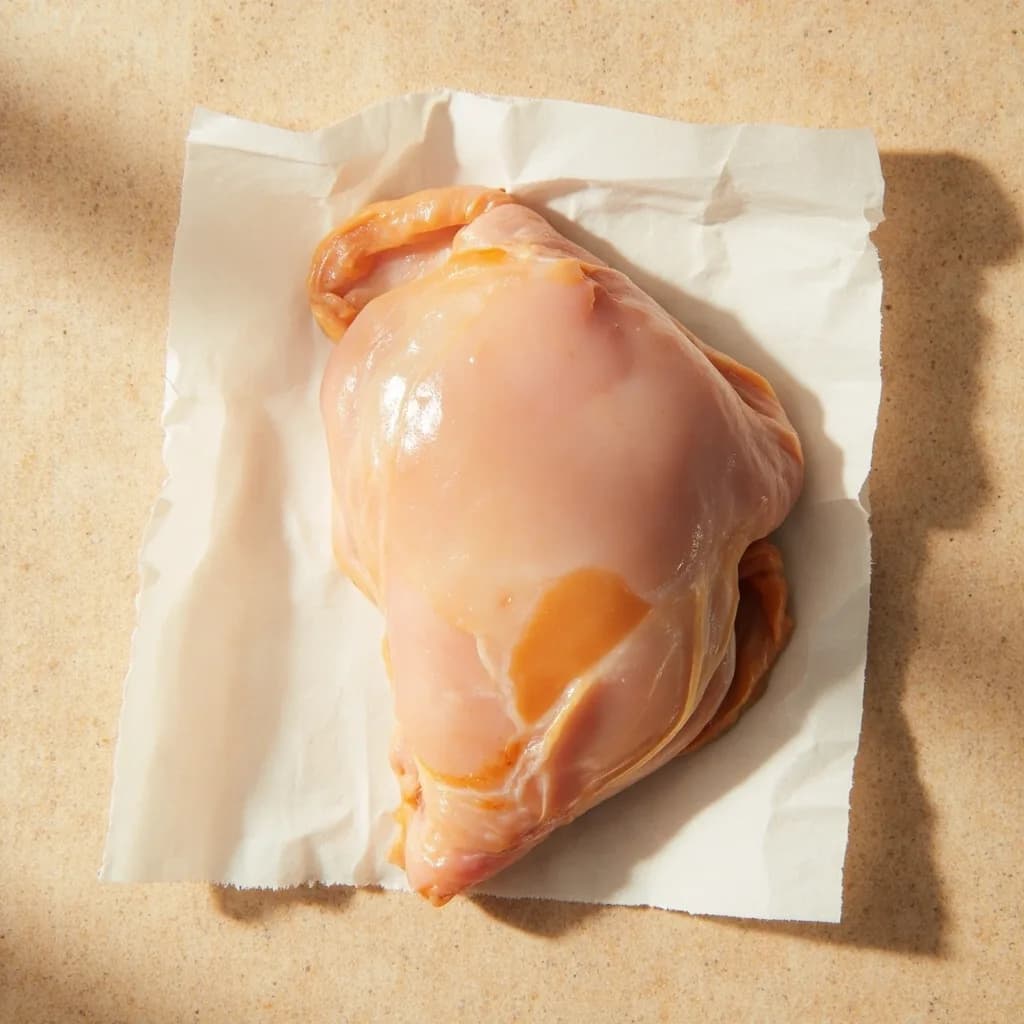
Chicken Breast
Lean, quick-cooking white meat for everyday dinners

Ground Beef
Versatile minced beef for burgers, ragù, tacos, and meatballs
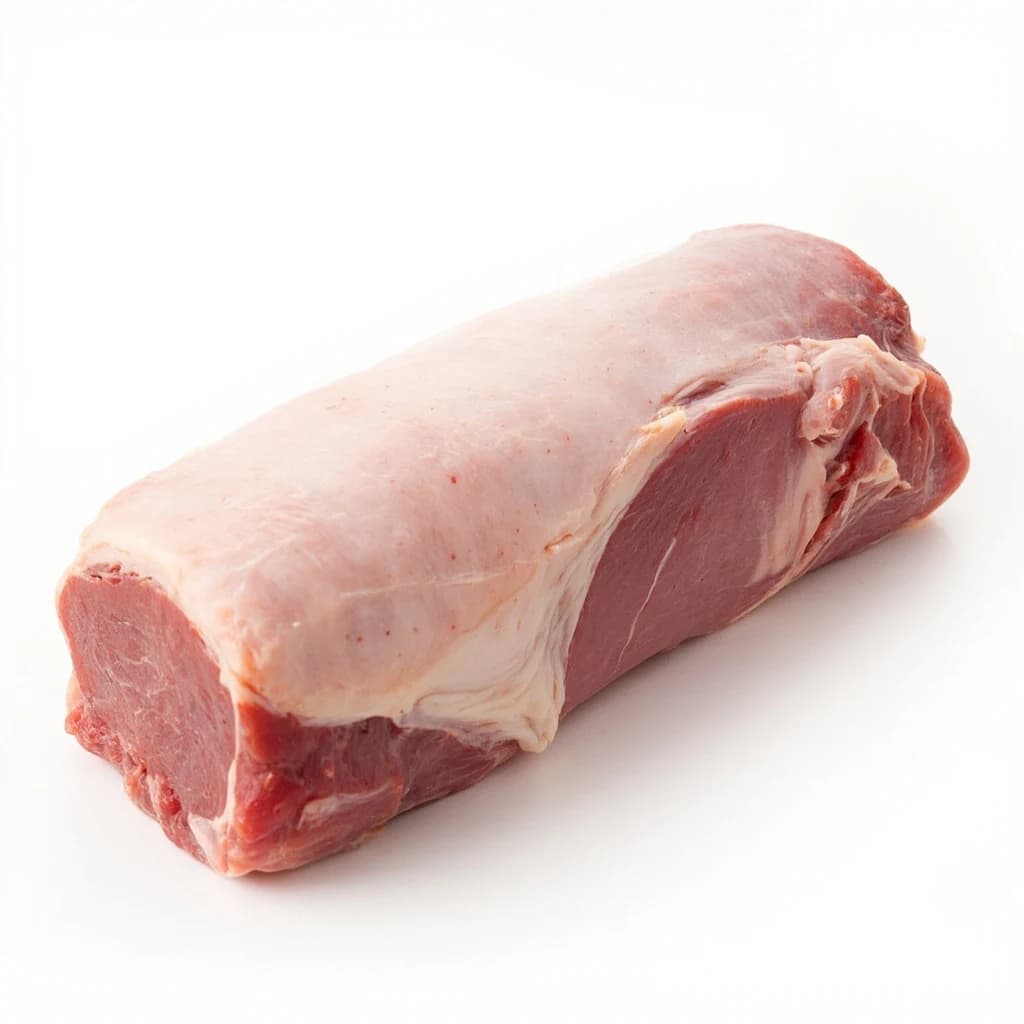
Pork Loin
Lean, tender roasting cut that stays juicy with care
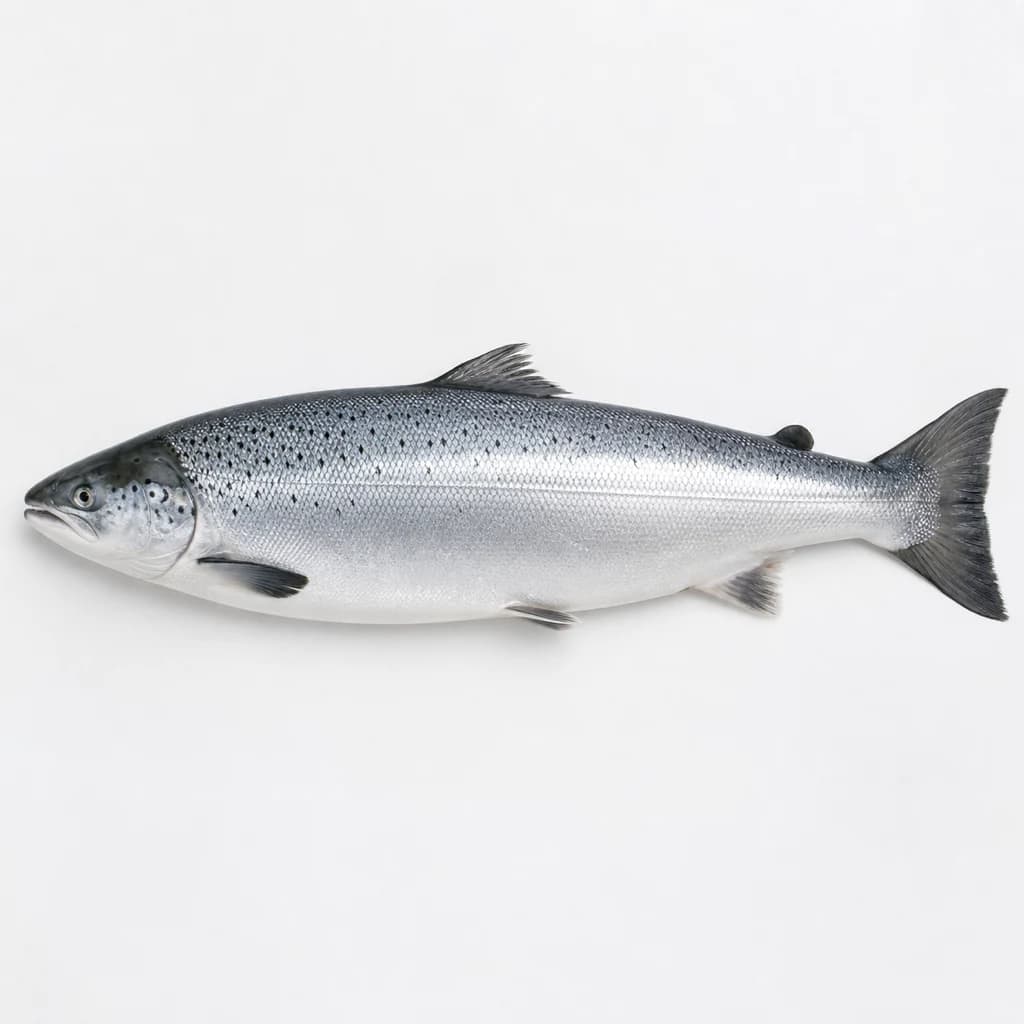
Salmon
Rich, rosy fish that roasts, grills, or cures beautifully

Egg White
Pure protein that whips to airy peaks for meringue and more
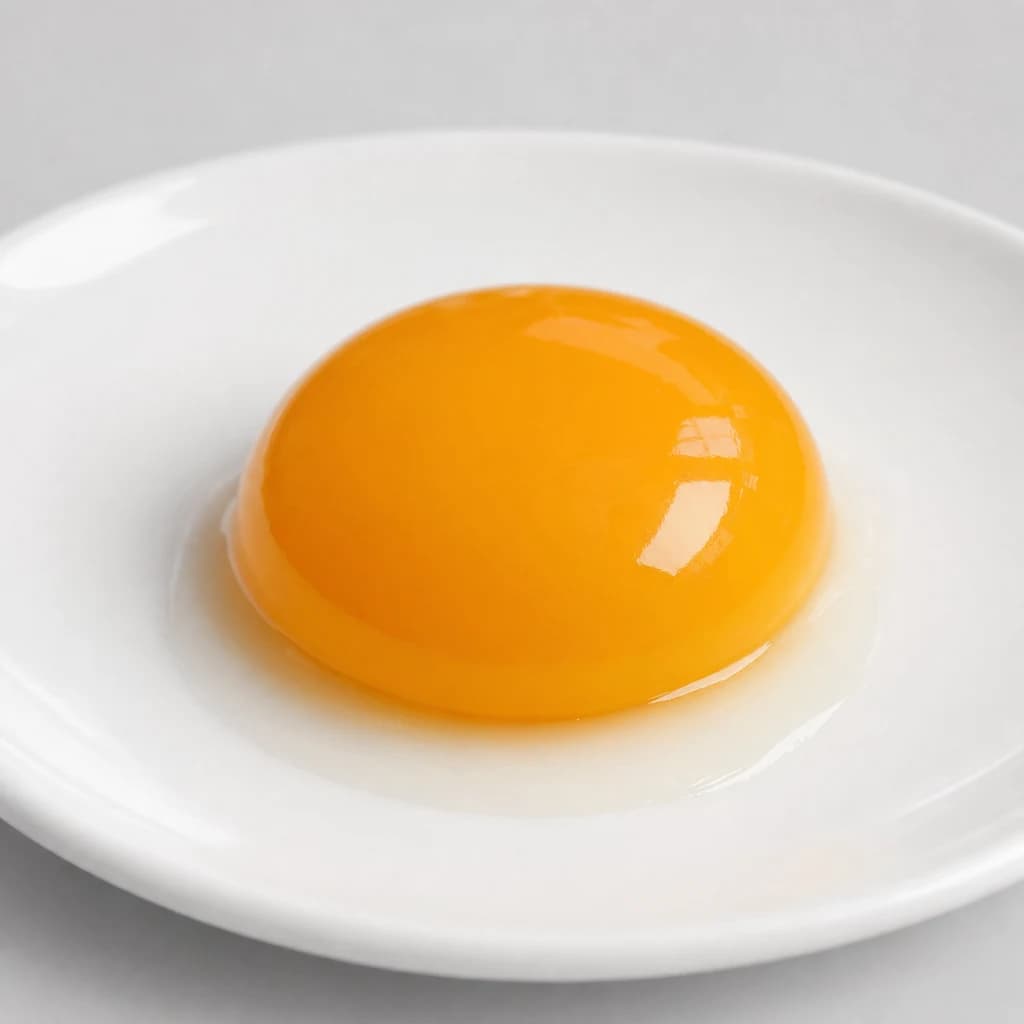
Egg Yolk
Rich, golden yolk for custards, mayonnaise, and pasta

Quail Egg
Tiny, speckled eggs for garnishing and elegant bites