Stored
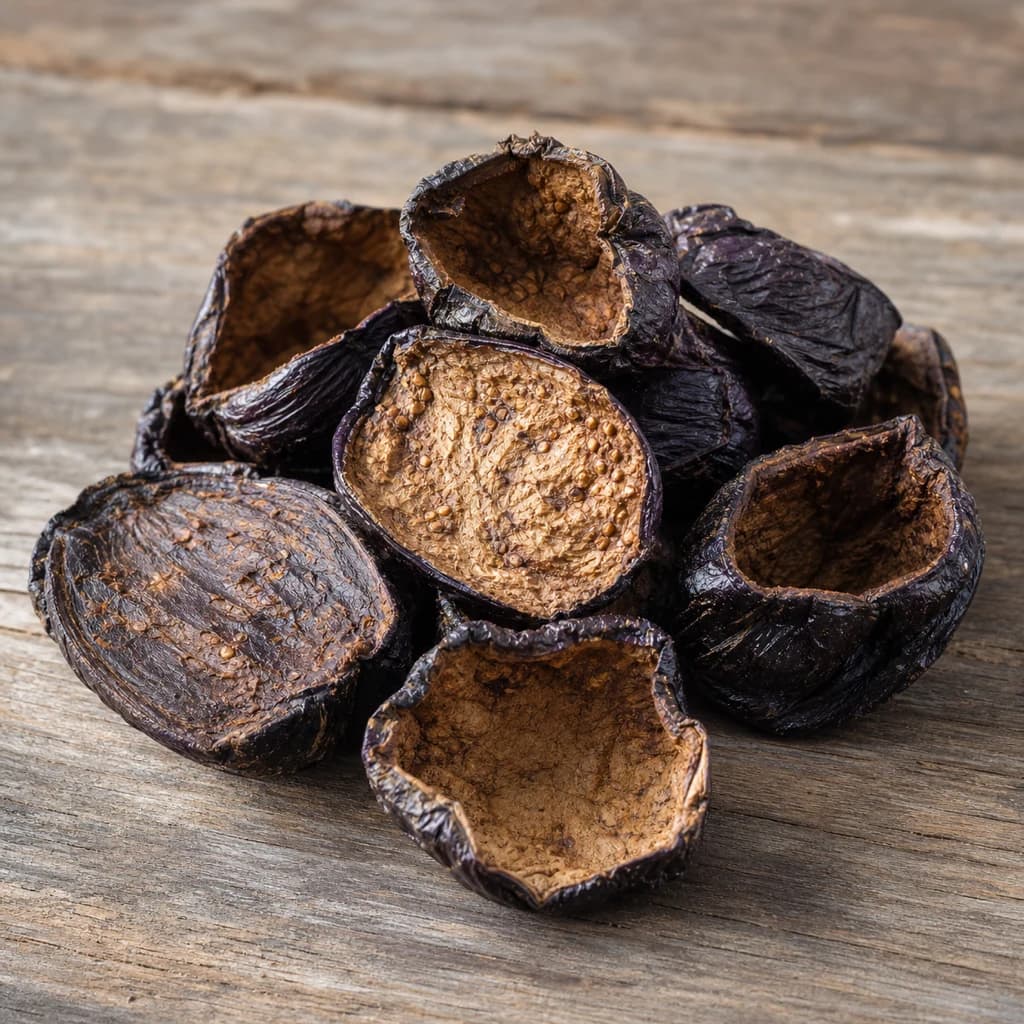
Sun-dried brinjal: dark, leathery slices and hollowed shells ready for storage or cooking.
Shows the dried form readers will encounter at a market or in a pantry — the definitive storage and purchase state.
Produce
Sun-Dried Brinjal
Dried eggplant slices or shells, rehydrated and fried or stuffed in South Asian and Turkish cooking.
Sun-dried brinjal is eggplant that has been sliced or hollowed and dried in the sun to concentrate its flavor and preserve it. In South India the slices are deep-fried into crisp vadagam-style sides, while in Turkey hollowed dried shells are rehydrated and stuffed for dolma. Drying intensifies the eggplant's savory depth and gives it a chewy, meaty texture once rehydrated.
Sun-dried brinjal is a preserved form of eggplant that transforms a perishable summer vegetable into a shelf-stable pantry staple with dramatically intensified flavor. The drying process concentrates the fruit's natural sugars and umami compounds while reducing bitterness, yielding pieces that—when rehydrated—develop a smoky, deeply savory character that fresh eggplant cannot match. In South Asian kitchens, particularly across Tamil Nadu, Karnataka, Maharashtra, and Bengal, sun-dried brinjal (known as vathal, badane vastu, or bhaja) is a cornerstone of regional cooking, used in curries, stuffings, and as a flavor base. Turkish and Middle Eastern cuisines employ the same technique, calling the product kurutulmuş patlıcan for dishes like stuffed dolma. The preservation method demands patience: eggplant slices are salted lightly, arranged on clean drying racks, and exposed to strong summer sun for three to five consecutive days, then stored airtight. The result rewards planning ahead—the dried pieces rehydrate in thirty to forty-five minutes and absorb sauces, spices, and fats with remarkable efficiency, making them ideal for long-simmered dishes where depth of flavor matters.
- Measured in
- g
- Storage
- Pantry
Types & varieties
Most common for drying; firm flesh, fewer seeds, holds shape well after rehydration
Preferred in Turkish cooking; thin skin, creamy flesh, dries evenly
Used in South India; slightly bitter, retains vivid color when dried
Mild flavor; provides aesthetic contrast when cooked
Peeled before drying; common in Karnataka and Tamil Nadu for curries and powders
Dried slices stored in spiced mustard oil; ready to fry directly; shelf-stable for years
Why Sun-Drying Works
Eggplant is mostly water—over 90 percent by weight—which dilutes its subtle flavor and makes it spoil quickly. Sun-drying reverses this: controlled moisture loss concentrates soluble solids, including natural glutamates that drive umami sensation. The slight salting applied before drying serves two purposes—it draws out additional moisture and inhibits polyphenol oxidase, the enzyme responsible for browning. The result is a stable product that, unlike fresh eggplant, needs no salting or sweating before cooking. Rehydrated dried brinjal also behaves differently in the pan: it absorbs fat readily and caramelizes at higher temperatures than fresh, because much of its internal water has already been removed.
- Over-dried pieces become extremely hard; soak 1–2 hours or simmer gently to restore
- Under-dried pieces risk mold—check that slices are bone-dry and slightly stiff before storing
- The oil-preserved variant skips rehydration entirely; fry directly from the jar
Regional Preparations
In Tamil Nadu, vathal is deep-fried in coconut oil or mustard oil and added to kootu (lentil-vegetable stews) or eaten as a crunchy condiment with rice and sambar. Karnataka's badane Badanekai Yennegai stuffs rehydrated shells with ground peanuts, sesame, jaggery, and tamarind, then slow-cooks them in gravy until the filling melds with the brinjal. Maharashtrian bharli vangi uses the dried shells as a vehicle for spiced peanut-coconut paste, similar in concept to stuffed peppers. In Bengal, bhaja bridged by the fryer become a pungent addition to fish curries and dal. Turkish kuru patlıcan dolması rehydrates whole dried eggplants and stuffs them with spiced rice, minced meat, or both—a labor-intensive preparation reserved for special occasions.
- Vathal kootu: rehydrate, simmer with dal and tamarind, finish with coconut-turmeric tempering
- Badane Yennegai: stuff rehydrated shells with peanut-sesame paste, cook in jaggery-tamarind gravy
- Oil-preserved vathal: fry directly until crisp; use as a garnish or snack
Common uses
Tips & pitfalls
- Choose firm, unblemished brinjals with minimal seeds—older, seedy eggplants become chewy when rehydrated
- Slice consistently 8–10 mm thick for even drying; irregular pieces leave moisture pockets that cause spoilage
- Salt slices lightly (a pinch per slice) before arranging to dry—this accelerates moisture removal and prevents browning
- Dry on a clean cotton cloth or wire rack with air circulation from below; avoid direct contact with plastic or metal
- Bring trays indoors each night to prevent dew absorption, which invites mold even in arid climates
- For a deeper smoky flavor, toast dried slices briefly in a dry pan before rehydrating them
- Rehydrate in warm water for at least 30 minutes; press gently to restore pliability before cooking
- When frying rehydrated brinjal, press each piece with a spatula to expel residual water—this ensures crispiness and prevents dangerous oil splattering
- Do not skip the frying step when a recipe calls for it—rehydrated dried brinjal has a denser texture than fresh and requires direct heat to soften properly
- Store dried pieces in airtight glass jars with a bay leaf or dried red chili to deter insects
Nutrition
Energy
105 kJ · per 100 g
Where the calories come from
Protein
1g
2% DV
Carbs
5.9g
2% DV
Fat
0.2g
0% DV
Fiber
3g
11% DV
Sugars
3.5g
of which
Sodium
2mg
0% DV
Source · USDA FoodData Central · approx. Eggplant, raw
View on FDC →In the shops
Matched grocery products
No matched grocery products for Sun-Dried Brinjal yet.
Good to know
- Also known as
- Vathal (Tamil Nadu), Badane Vastu (Karnataka), Bhaja (Bengal), Kurutulmuş Patlıcan (Turkish)
- Origin
- South Asia, with parallel traditions in Turkey and the Middle East
- Best season for drying
- Hot summer months (April–June); requires 3–5 consecutive days of strong sunlight
- Typical cuts
- Roundels (8–10 mm thick), half-moons, or slit shells for stuffing
- Shelf life (dried)
- 6–12 months in airtight, cool, dark storage; up to 2 years vacuum-sealed
- Rehydration time
- 20–45 minutes in warm water; press gently to restore pliability
- Yield
- 1 kg dried yields approximately 4–5 kg rehydrated
- Flavor profile
- Concentrated, smoky, intensely savory with natural sweetness; bitterness reduced versus fresh
Substitutes
- Fresh eggplant, roasted and mashed — Use twice the quantity; lacks the concentrated smokiness but approximates texture in curries
- Dried mushroom (porcini or shiitake) — Similar rehydration method and umami intensity; different flavor but workable in gravies
- Sunda vathal (sun-dried shallots) — Provides concentrated allium sweetness; not a direct texture substitute but useful in the same dish categories
- Smoked fresh eggplant (charcoal-roasted) — Closest flavor match but no rehydration needed; use immediately after smoking
- Tamarind concentrate — Not a textural substitute but adds the sourness that dried brinjal often provides in South Indian tamarind dishes
Pairs with
Also called
Wangan Hachi · Sun-Dried Eggplant · Dried Brinjal · Vathal
Related
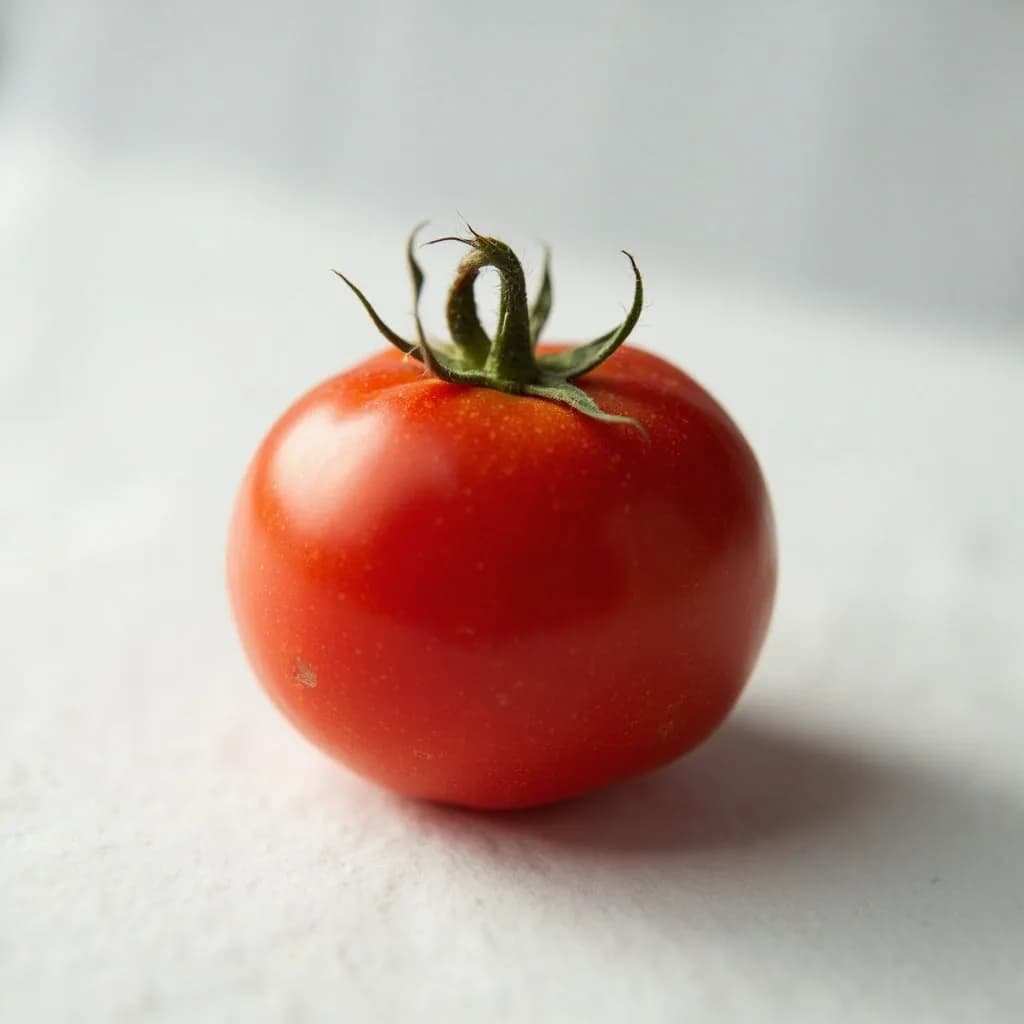
Tomato
Juicy, sun-sweet fruit for sauces, salads, and slow-cooked depth
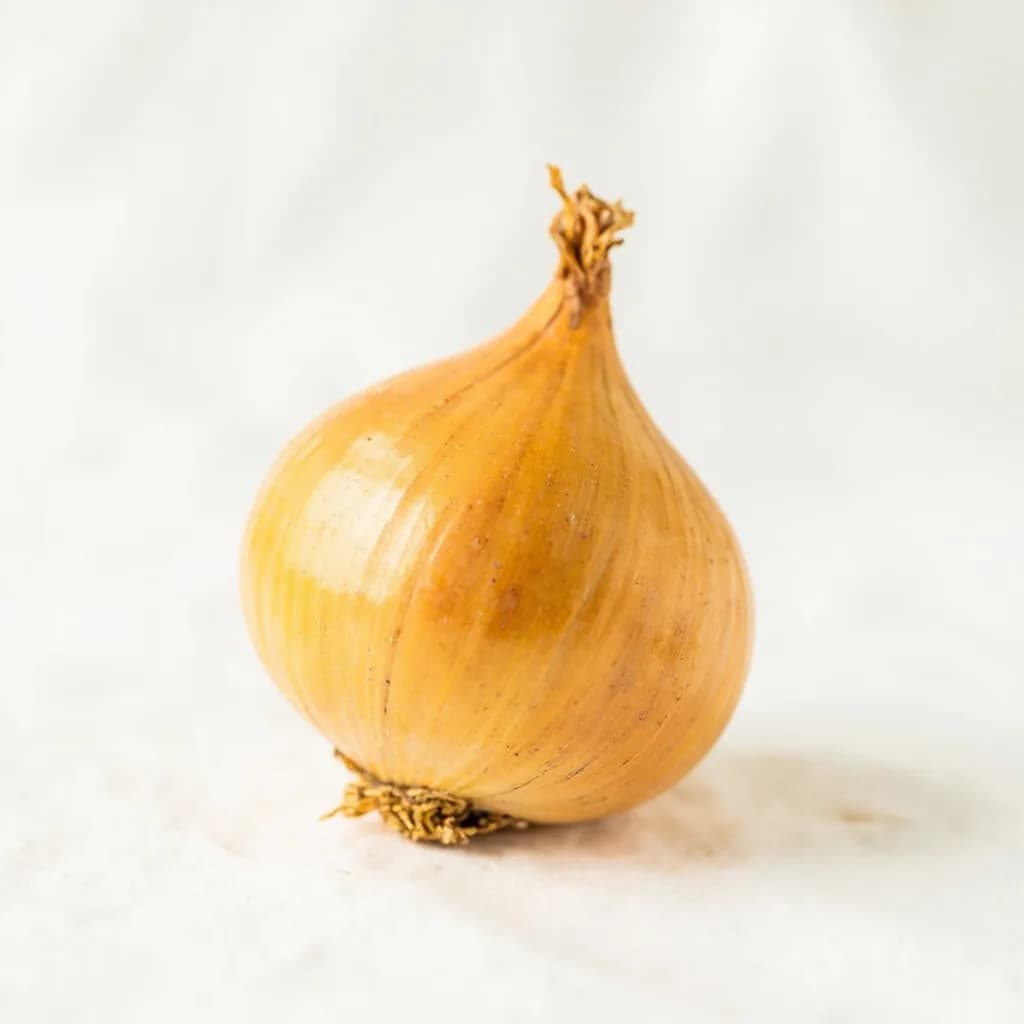
Yellow Onion
The aromatic backbone of soups, sofritos, and braises
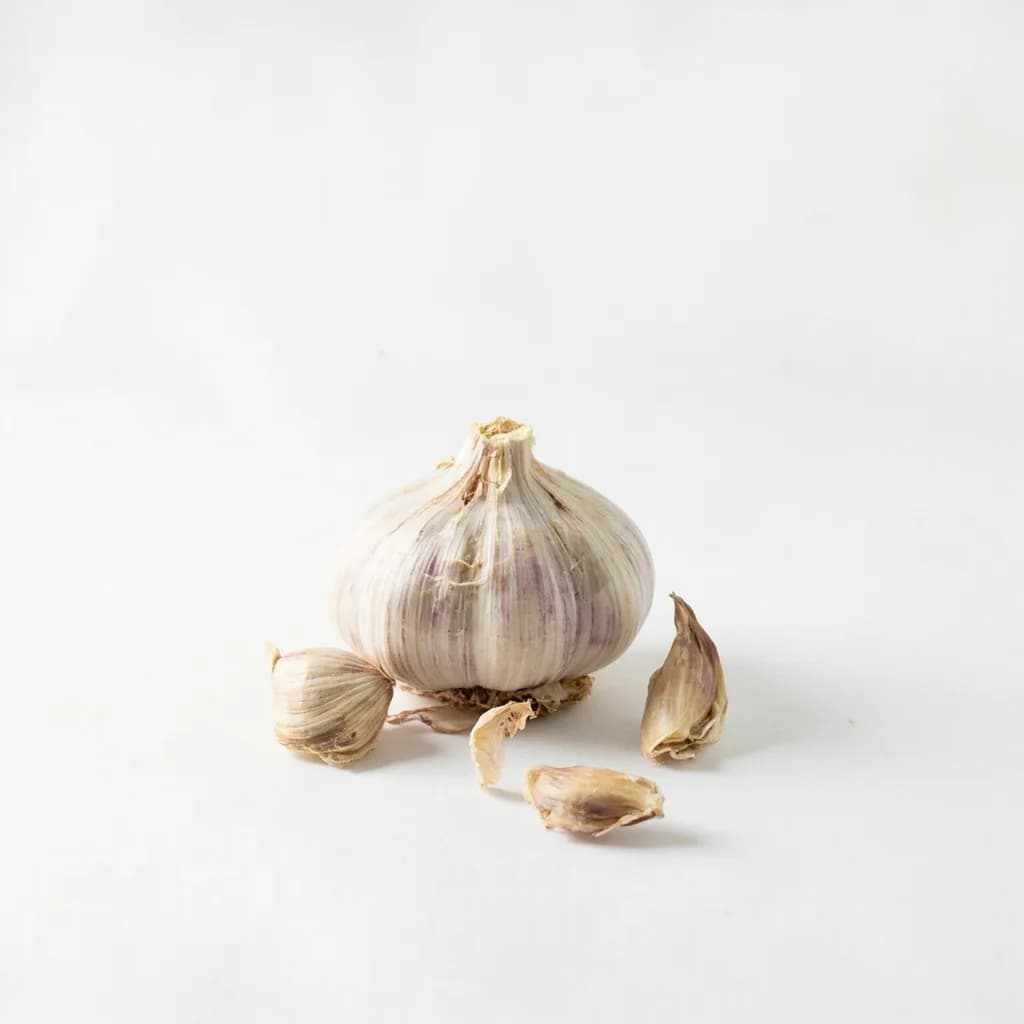
Garlic
Pungent cloves that perfume nearly every savory dish
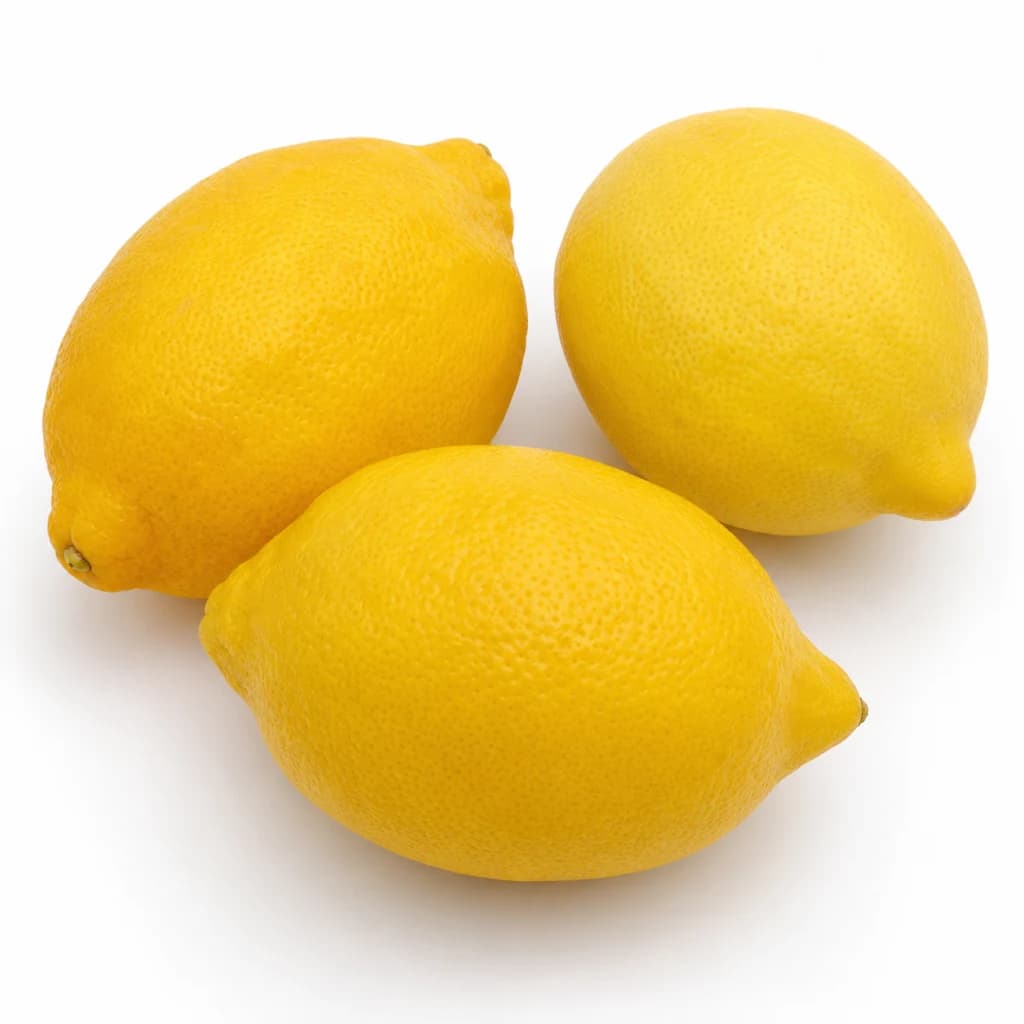
Lemon
Bright, acidic citrus that wakes up almost any dish
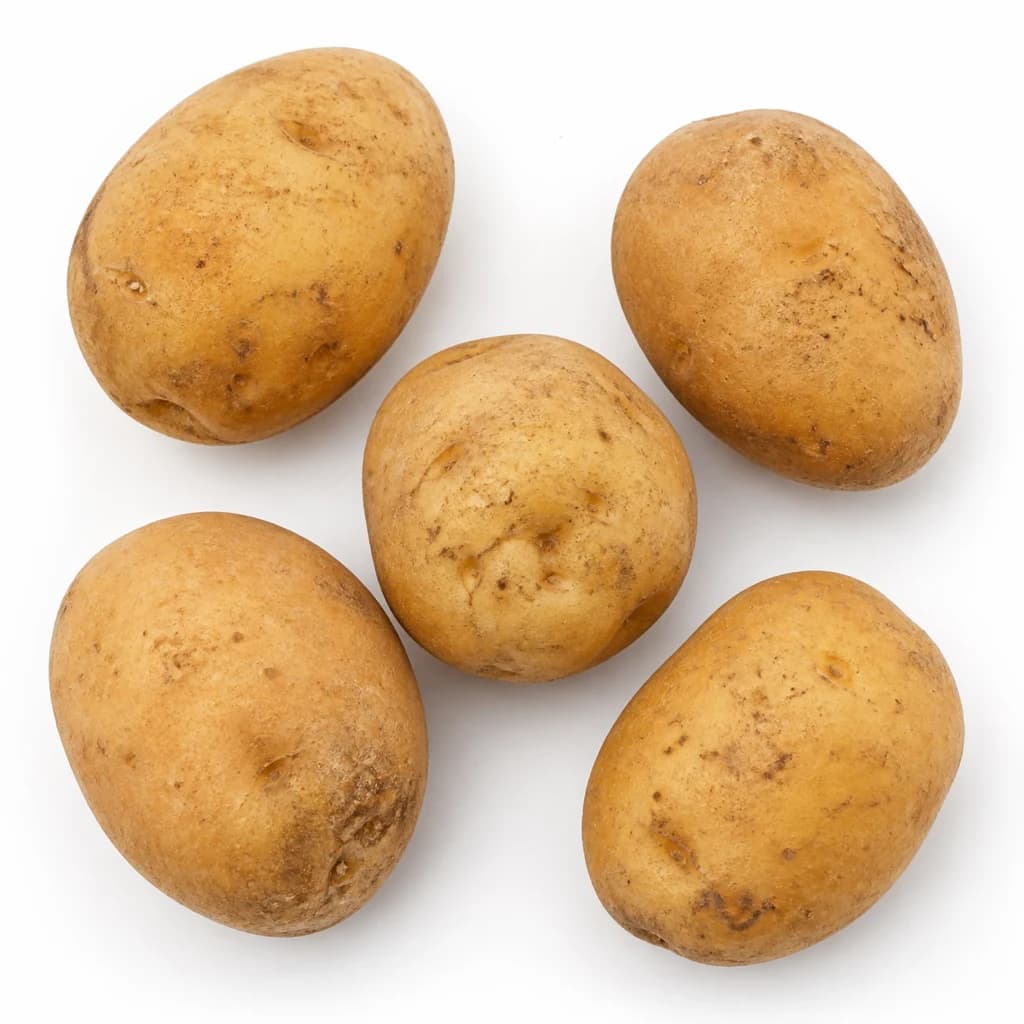
Potato
Humble, hearty staple — roast, mash, fry, or boil
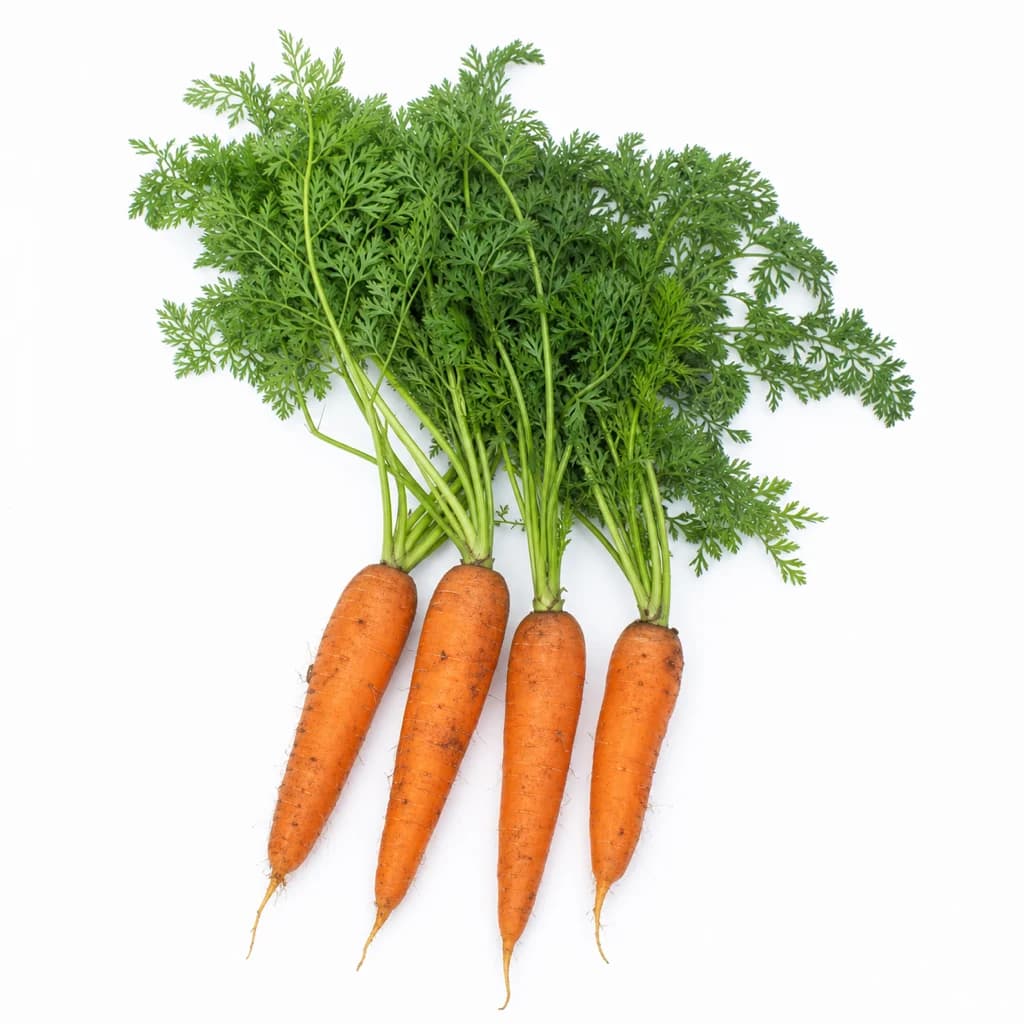
Carrot
Sweet, crunchy root — raw, roasted, or the base of a sofrito
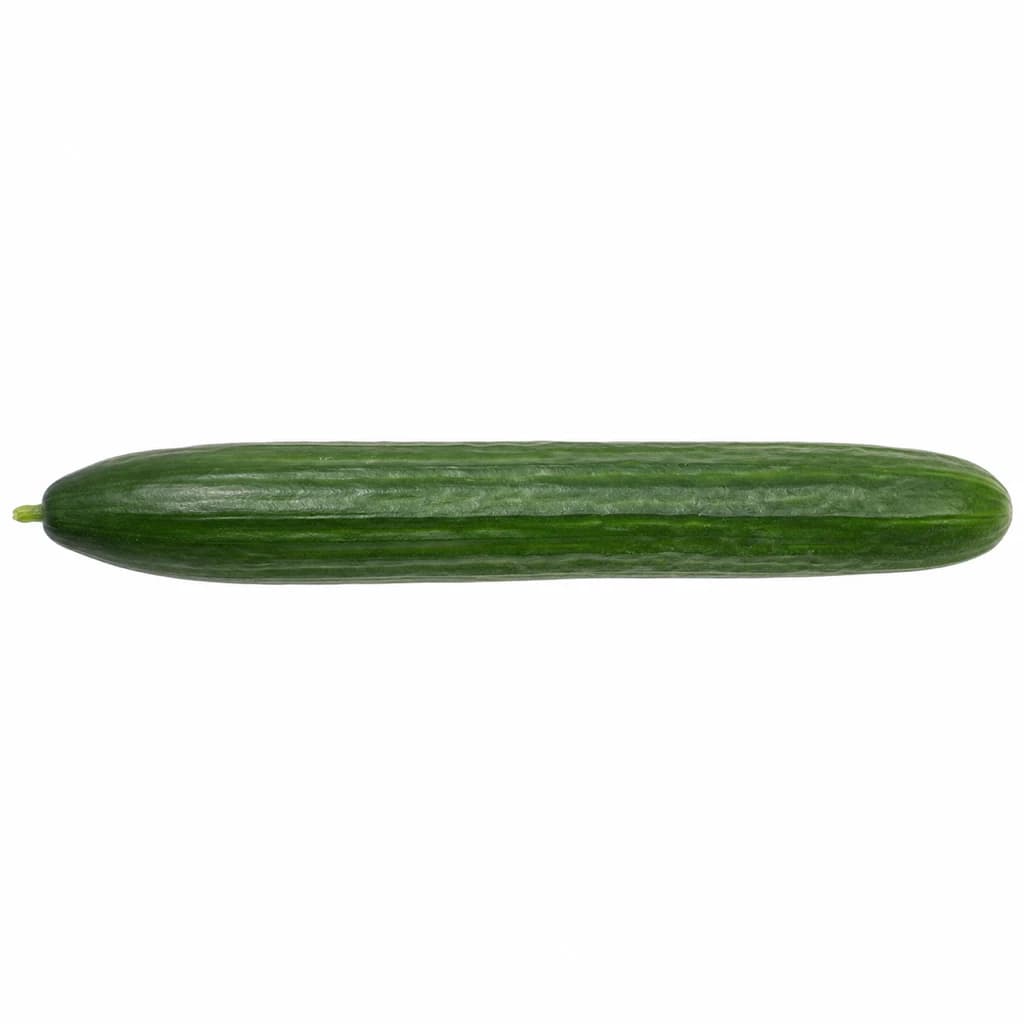
Cucumber
Cool, crisp, and watery — for salads, pickles, and tzatziki

Lettuce
Crisp leaves for salads, wraps, and a fresh crunch