Produce
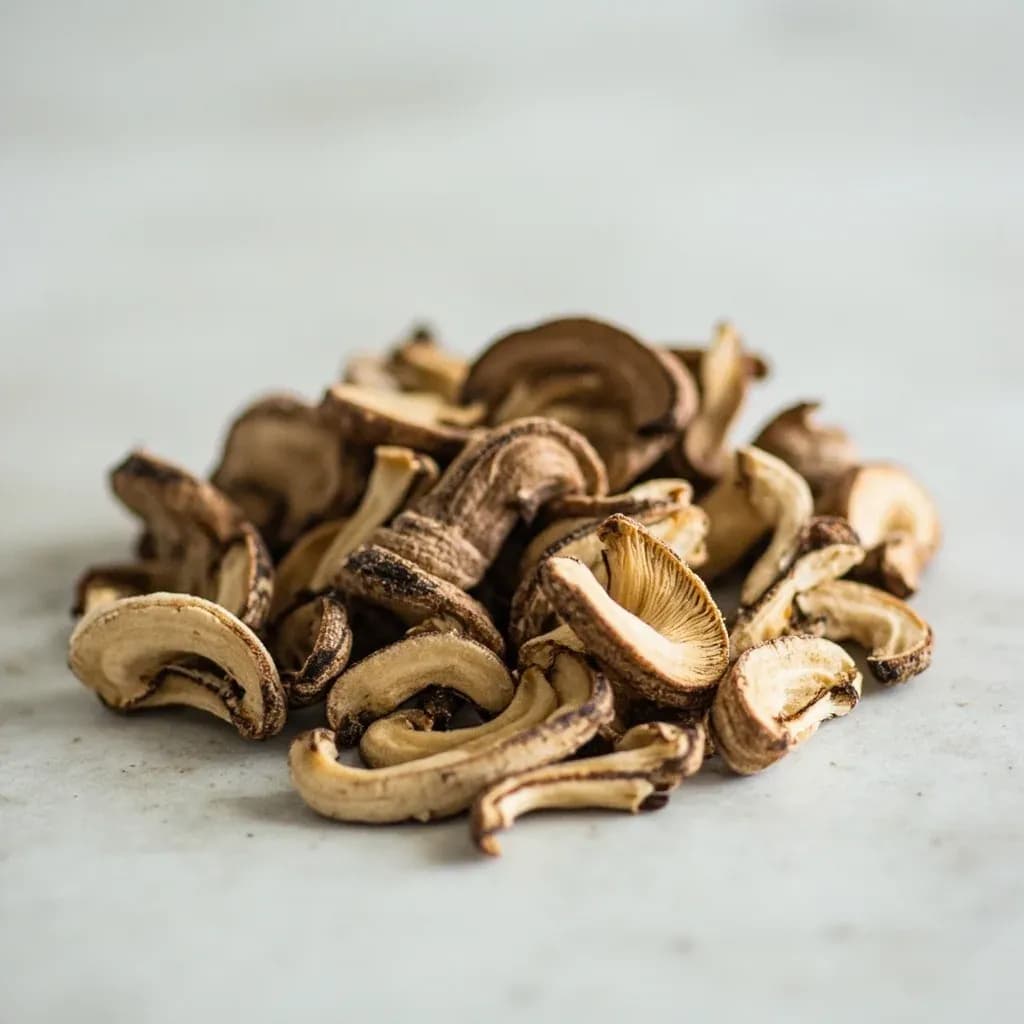
Dried Mushroom
Dehydrated wild or cultivated mushrooms that rehydrate into intense umami for stocks and stews.
Dried mushrooms are dehydrated wild or cultivated fungi such as porcini, shiitake, or boletes, with a concentrated savory, umami-rich flavor. They are soaked to rehydrate before use, and the soaking liquid becomes a prized stock for risottos, soups, and braises. Drying intensifies their earthy aroma far beyond fresh mushrooms, so a small amount goes a long way.
Dried mushrooms are fresh mushrooms of both wild and cultivated varieties that have been dehydrated to concentrate their flavors into intensely savory, umami-rich ingredients. The drying process—whether sun-drying, air-drying, or controlled-dehydration—removes moisture while preserving and even amplifying the mushrooms' earthy, woodsy compounds. What emerges is an ingredient that can be up to twenty times more potent than its fresh counterpart, transforming a modest amount into a powerhouse of depth for stocks, sauces, braises, and seasoning blends.
The magic lies not just in the mushrooms themselves but in the liquid they're rehydrated in. That amber, fragrant soaking liquid is not waste water but a concentrated mushroom stock that should be strained through a fine-mesh sieve or coffee filter to remove grit and added to your dish as a partial substitute for chicken or vegetable stock. Discarding it is discarding flavor. The rehydrated mushrooms themselves can be used whole in sauces and braises, sliced for risotto, or finely chopped for stuffings and duxelles.
Different varieties bring distinct personalities: dried shiitake provides the most accessible, deeply savory backbone; porcini offer the gold-standard Italian earthiness; morels contribute their prized honeycomb texture and wine-dark intensity; black trumpet delivers a haunting smokiness; chanterelles bring apricot-like fruit notes; and matsutake contribute their rare, piney-spicy aroma. Understanding how each behaves in the rehydration process and in cooking allows you to layer these flavors thoughtfully across cuisines.
- Measured in
- g
- Storage
- Pantry
Types & varieties
Most common; strong umami, meaty texture when rehydrated. 'Sun-dried' grade has best flavor.
Gold standard for Italian cooking; rich, earthy, warm. Expensive per ounce but potent.
Highly prized spring forage; honeycomb texture absorbs liquid well. Expensive; often used in sauces.
Also called Trumpet of Death; intensely smoky, earthy. Small, fragile; rehydrates quickly.
Fruity, apricot notes when rehydrated; less common than porcini but distinctive.
Rare, expensive Japanese variety; distinctive piney, spicy-cinnamon aroma.
Usually porcini-heavy with shiitake and others; economical all-purpose option.
Rehydrating Properly
The method matters as much as the mushrooms. For most varieties, place dried mushrooms in a bowl and cover with room-temperature water by about an inch. Allow them to soak undisturbed for 20–30 minutes—this gentle extraction draws out flavor compounds without the harshness of heat. For deeper extraction of more stubborn compounds, warm water (not hot) can be used, but never boiling. Morels, with their dense honeycomb structure, need 30–60 minutes to fully hydrate. Once pliable, lift the mushrooms out gently—don't pour the bowl through a strainer, as any grit settled at the bottom will end up in your dish. Reserve the strained liquid.
- Briefly rinse mushrooms in a colander under cool running water before soaking to remove surface grit and soil
- Use enough liquid to fully submerge—mushrooms expand significantly
- Test doneness by pressing gently; properly rehydrated mushrooms should feel supple, not rubbery
The Soaking Liquid: A Stock, Not Waste
The liquid left after soaking dried mushrooms is a concentrated, savory infusion that deserves respect. Strain it through a coffee filter or several layers of cheesecloth-lined fine-mesh sieve to remove sand and sediment—wild mushrooms especially carry embedded soil. The clarified liquid can replace a portion of your stock in risotto, soups, braises, and pan sauces. It freezes well in ice cube trays for quick flavor boosts.
- Never pour the soaking liquid directly into a dish without straining—grit will ruin texture and mouthfeel
- Season the liquid lightly; it already contains concentrated mushroom flavor that may oversalt your dish if not careful
- Combine with fresh stock for layered depth in long-cooked dishes like cassoulet or bourguignon
Common uses
Tips & pitfalls
- Grind leftover dried mushrooms or trimmed rehydrated pieces into a fine powder; use as an umami seasoning salt on finished dishes
- Toast dry mushrooms briefly in a dry skillet before soaking—this blooms the volatile compounds and deepens flavor significantly
- Never use boiling water to rehydrate; high heat sets the proteins and yields tough, rubbery mushrooms with muted flavor
- Always strain soaking liquid through a coffee filter or fine-mesh sieve lined with cheesecloth to remove embedded sand—wild mushrooms are especially gritty
- Smell before purchasing: a potent, forest-floor aroma indicates quality; musty or sour smells suggest age or improper storage
- Add dried mushrooms to slow-cooking dishes without pre-rehydrating only when you want them to absorb broth—they'll swell and mellow into the background; for controlled texture and flavor, rehydrate separately
- Never boil mushrooms in soup; the rolling boil toughens them irreversibly. Add pre-rehydrated pieces in the last 15–20 minutes of cooking
- Briefly rinse all dried mushrooms under cool water before soaking to remove surface grit and soil—this simple step prevents sandy bites in the finished dish
Nutrition
Energy
1238 kJ · per 100 g
Where the calories come from
Protein
9.6g
19% DV
Carbs
75.4g
27% DV
Fat
1g
1% DV
Fiber
11.5g
41% DV
Sugars
2.2g
of which
Sodium
13mg
1% DV
Source · USDA FoodData Central · Mushrooms, shiitake, dried
View on FDC →In the shops
Matched grocery products
 €2.05
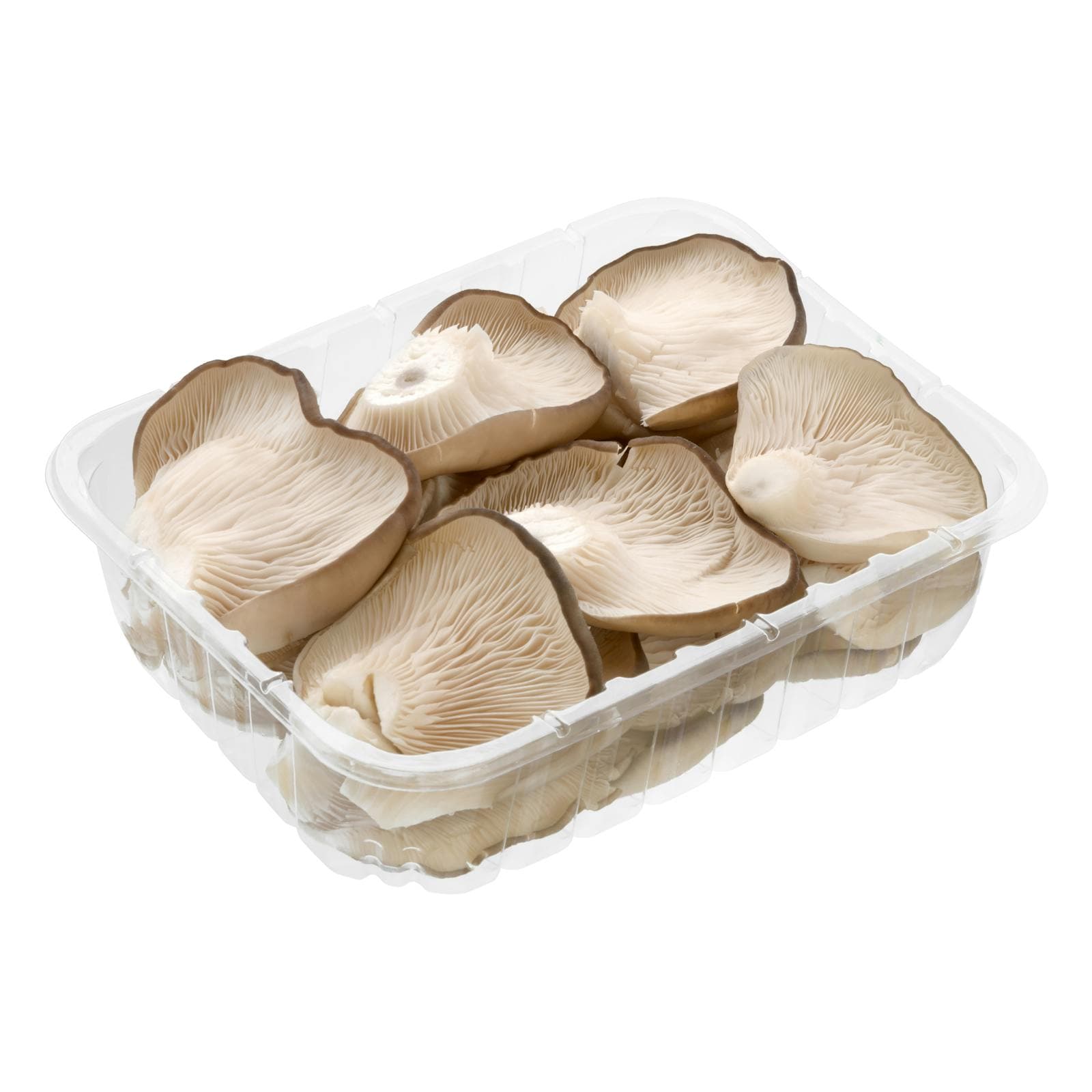
€2.05Mushrooms
250 g · Mercadona
 €1.45
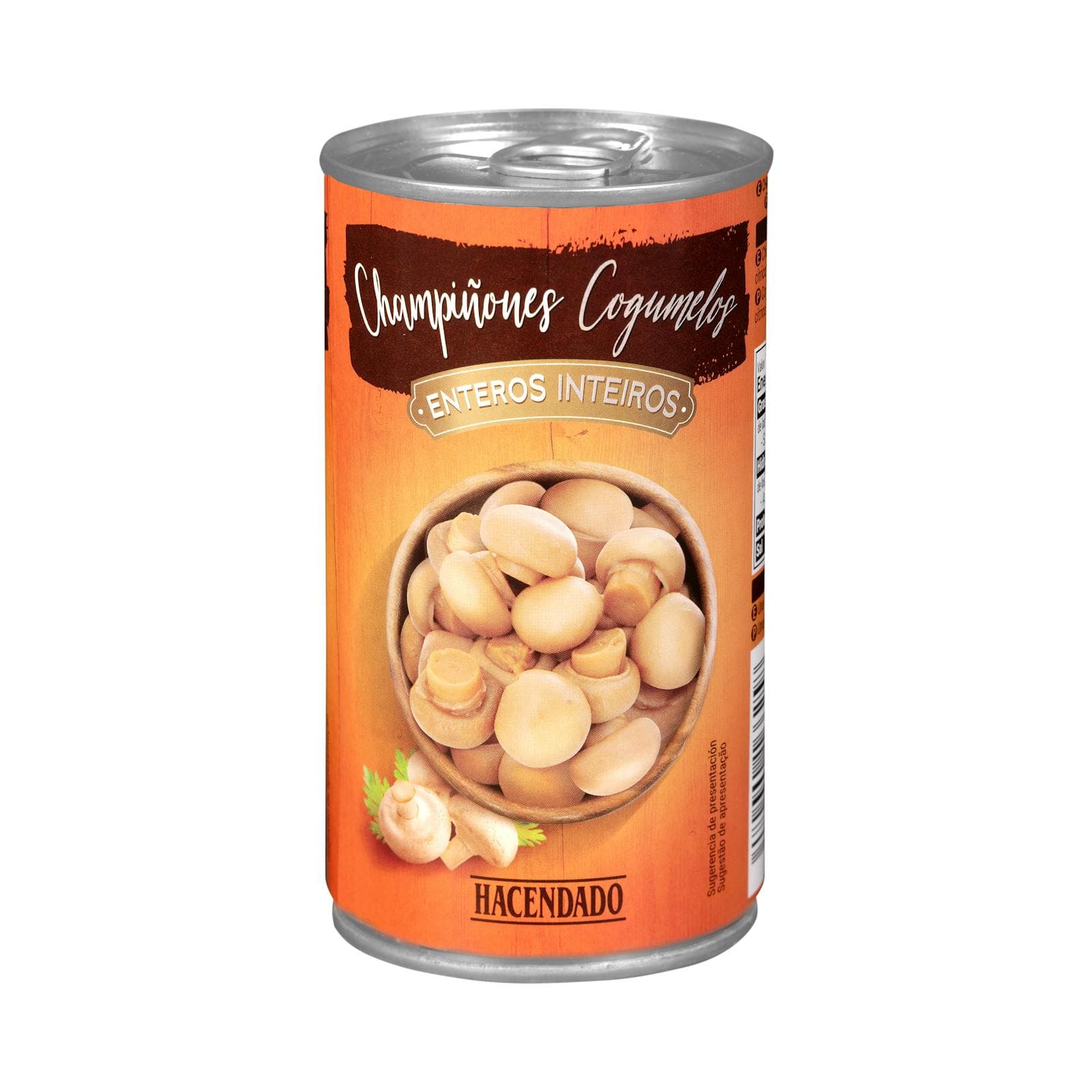
€1.45Whole Mushroom
Hacendado · 355 g · Mercadona
 €1.50
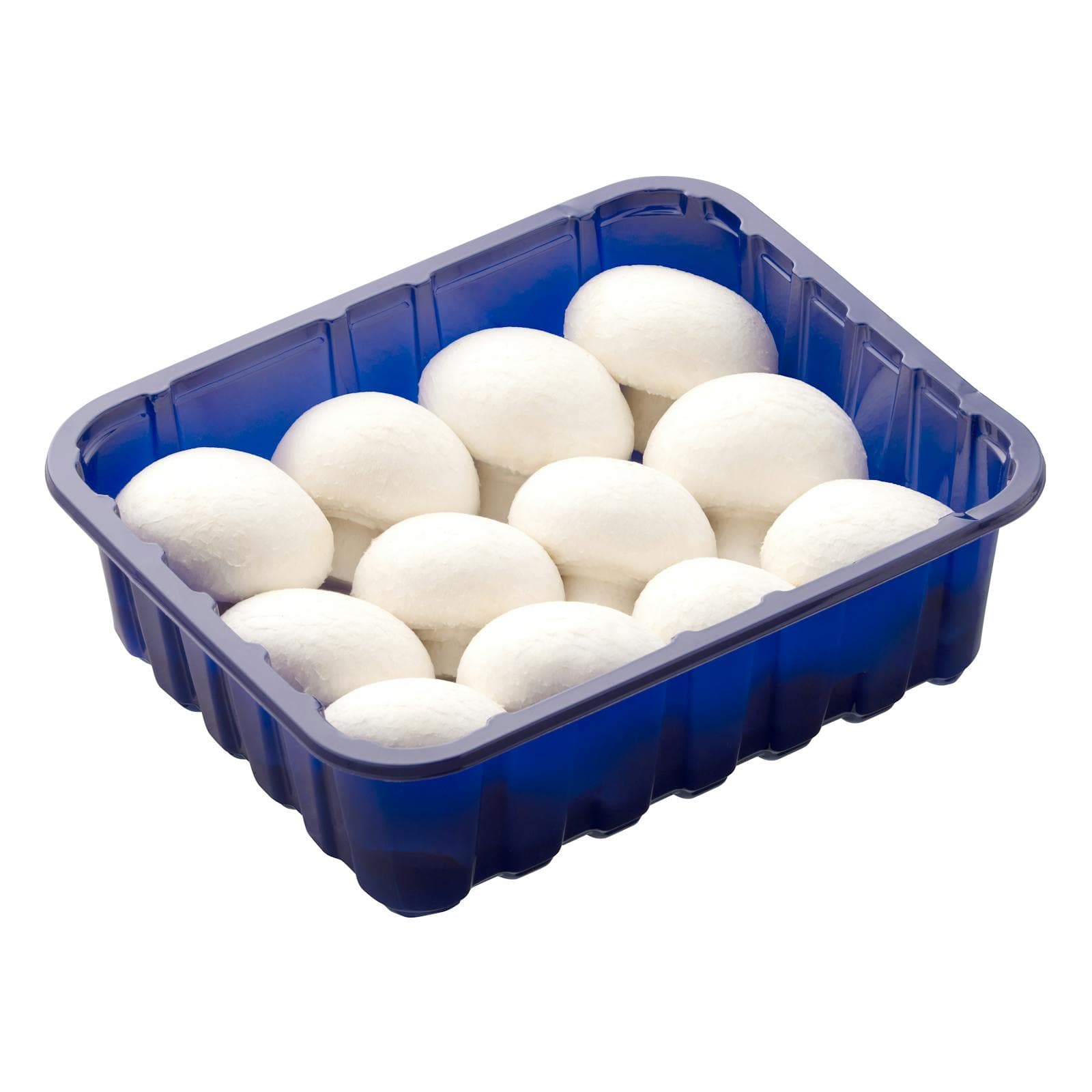
€1.50White Mushrooms
300 g · Mercadona
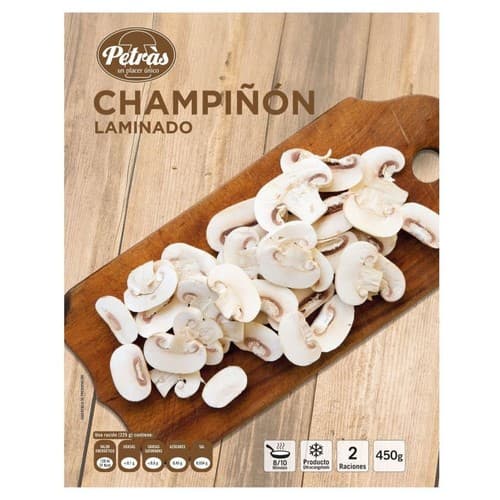 €1.99
€1.99Sliced Mushrooms
PETRAS · kg · Bonpreu
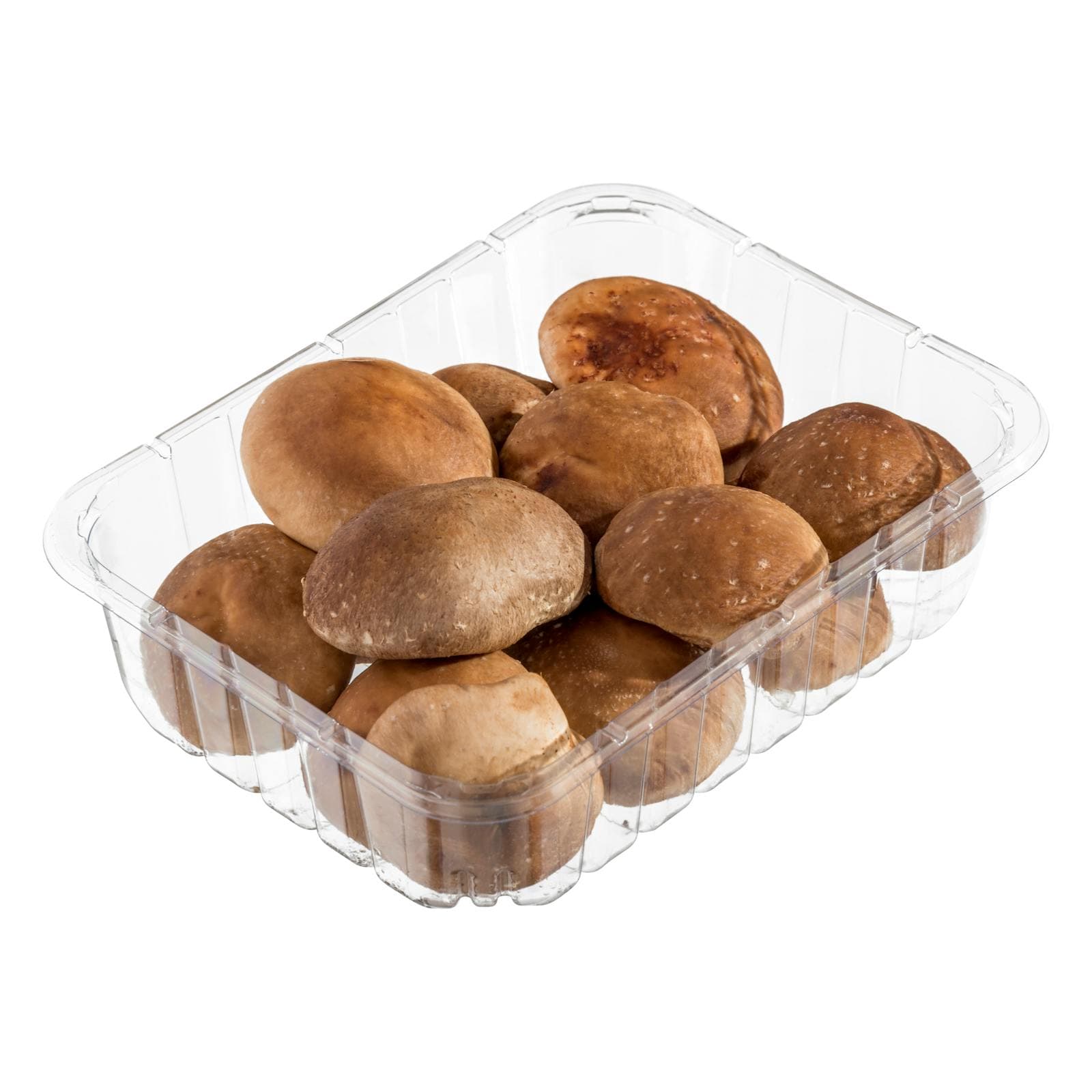 €3.96
€3.96Shiitake Mushrooms
300 g · Mercadona
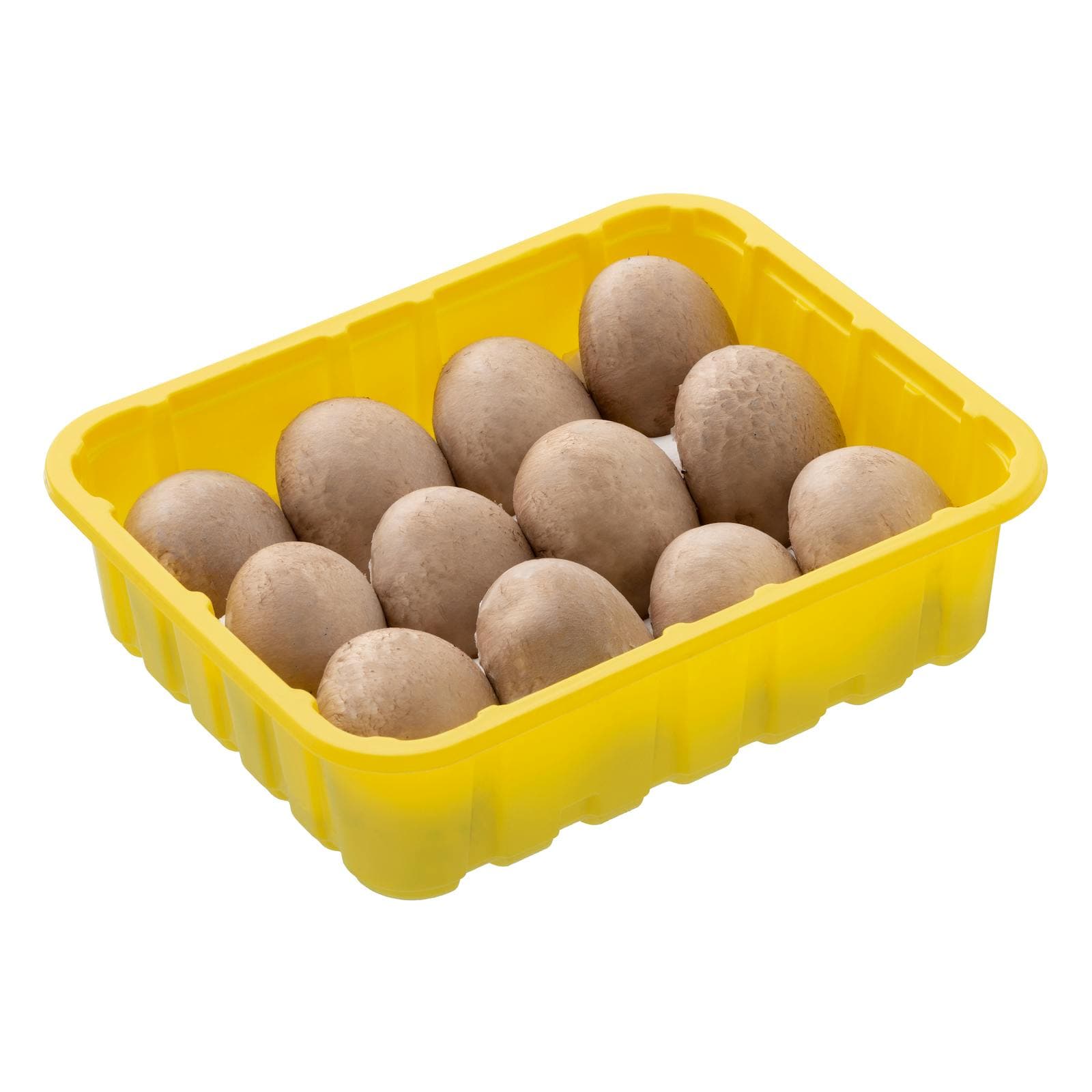 €2.16
€2.16Portobello Mushrooms
300 g · Mercadona
Good to know
- Common dried varieties
- Shiitake, Porcini/Boletes, Morel, Chanterelle, Black Trumpet, Maitake, Oyster, Matsutake
- Rehydration ratio
- 1 oz dried ≈ 10–15 oz fresh (varies by variety)
- Rehydration time
- 20–30 min for shiitake/porcini; 30–60 min for morels; cold or warm water depending on desired extraction
- Uses soaking liquid
- Strain through fine mesh; sediment-free liquid is flavorful stock. Discard grit.
- Shelf life
- 12–18 months in airtight container, cool dark place
- Flavor profile
- Intensely umami, earthy, savory, woodsy. Up to 20× more concentrated than fresh.
- Key storage note
- Keep away from moisture; vacuum-sealed or ziplock with desiccant preferred
- Heat sensitivity
- Never boil in soup; add in last 15–20 min of cooking or rehydrate separately
Substitutes
- Fresh mushrooms + soy sauce — 1 cup sliced cremini or shiitake with 1 tsp soy or tamari; mimics deep umami though not identical
- Porcini paste — Concentrated prepared paste; useful for quick sauces. 1–2 tsp equals 1 oz dried porcini.
- Mushroom base/bouillon — Decent backup for stock-based applications; not suitable for dishes where whole pieces are expected.
- Dried porcini with fresh cremini — Reconstitute small amount of porcini; chop and combine with sautéed fresh mushrooms for layered flavor.
Pairs with
Also called
Borowiki · Dried Wild Mushroom · Dried Porcini
Appears in these dishes
Related
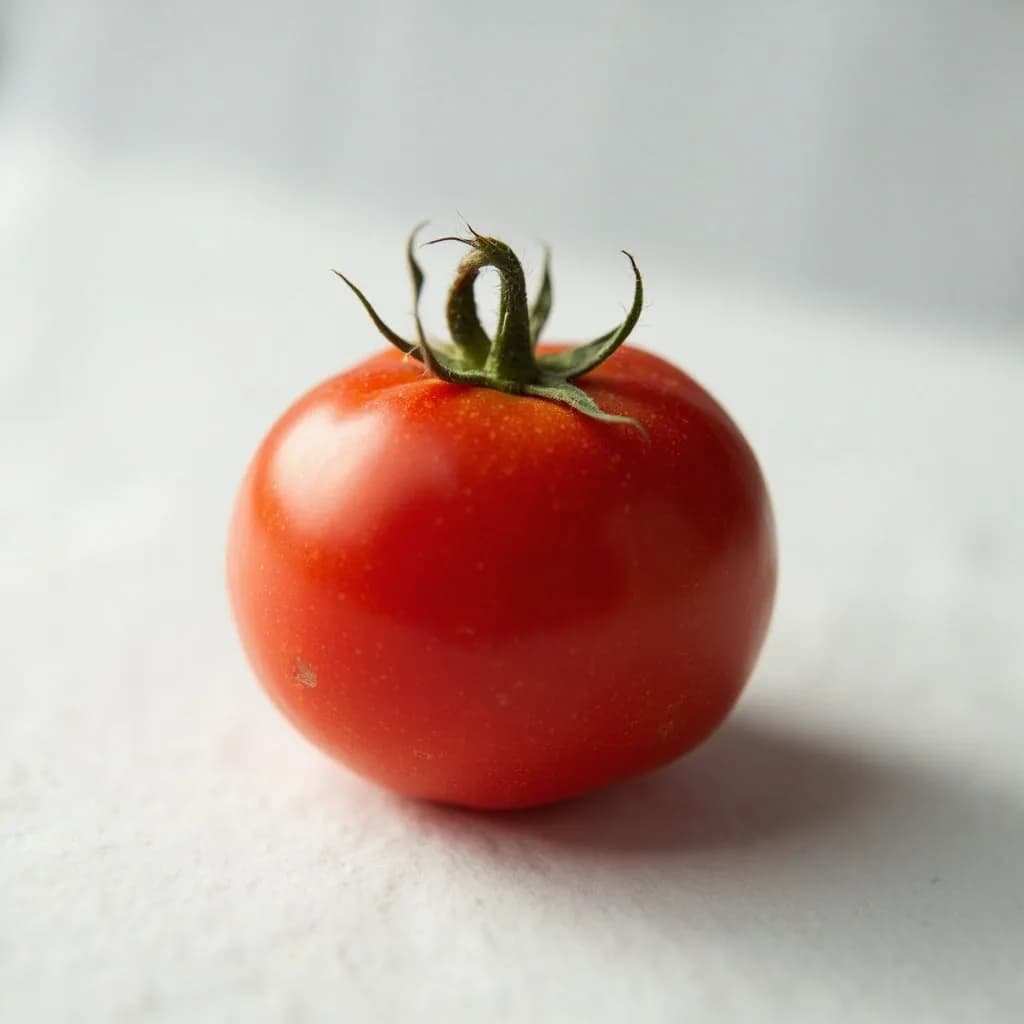
Tomato
Juicy, sun-sweet fruit for sauces, salads, and slow-cooked depth
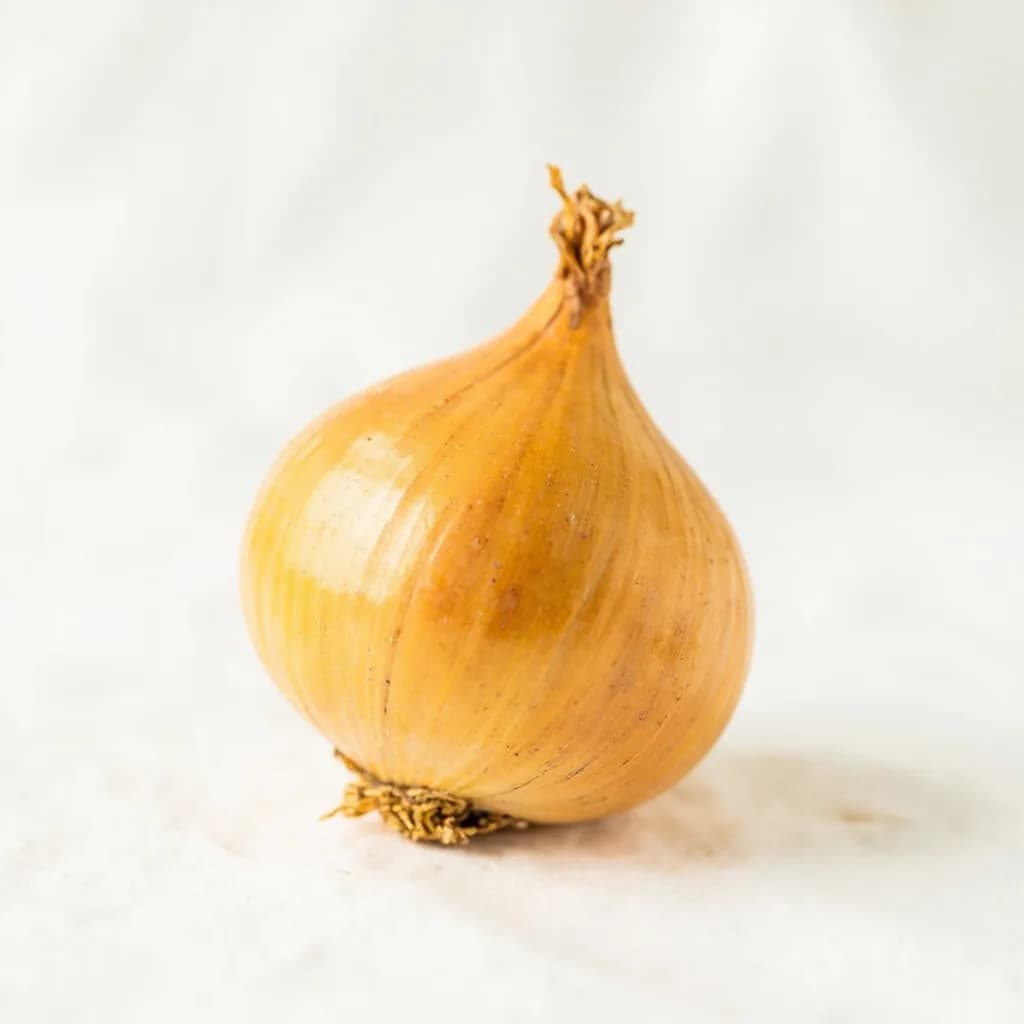
Yellow Onion
The aromatic backbone of soups, sofritos, and braises
Garlic
Pungent cloves that perfume nearly every savory dish
Lemon
Bright, acidic citrus that wakes up almost any dish
Potato
Humble, hearty staple — roast, mash, fry, or boil
Carrot
Sweet, crunchy root — raw, roasted, or the base of a sofrito
Cucumber
Cool, crisp, and watery — for salads, pickles, and tzatziki

Lettuce
Crisp leaves for salads, wraps, and a fresh crunch