Natural form
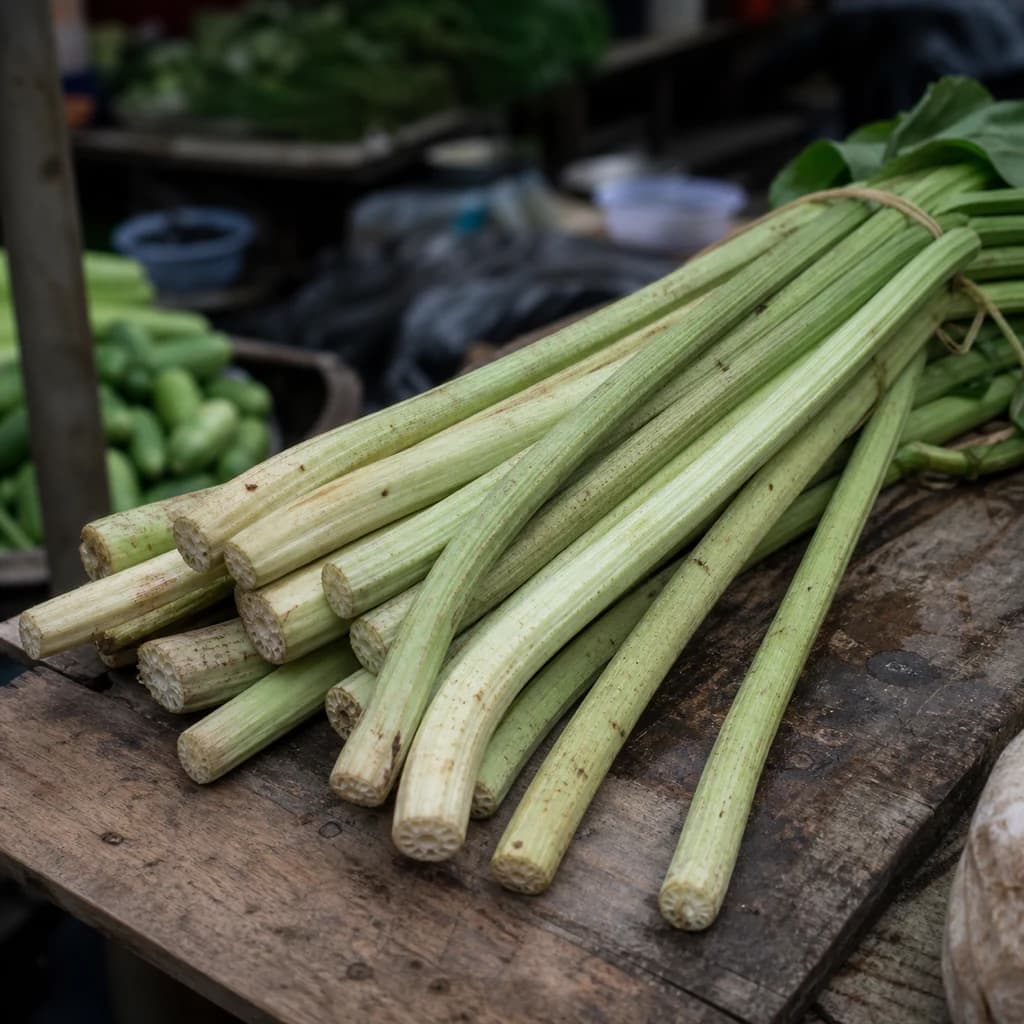
Fresh taro stems — long, fibrous stalks with pale green ridged skin, bundled at market.
Shows the raw, unprocessed form so readers can recognize and select taro stems at market.
Produce
Taro Stem (Kochur Loti)
The edible stalk of the taro plant, cooked into spicy, tangy curries and stir-fries in South Asia.
Taro stem is the long, fibrous stalk of the taro plant, peeled and chopped for cooking in Bengali and other South Asian kitchens (kochur loti). It is simmered into curries, stir-fried with shrimp, or cooked with tamarind for a tangy dish, taking on a soft, slightly slippery texture. It must be cooked thoroughly to neutralize the calcium oxalate that otherwise causes throat irritation.
Taro stem, known as kochur loti in Bengali and arbi ka patta across North India, is the edible petiole of the Colocasia esculenta plant—the same species that produces the taro tuber. While the tuber enjoys widespread recognition, the stems hold a cherished place in the cooking traditions of Bengal, Odisha, and Assam, where they are transformed into spicy curries, crispy fritters, and hearty one-pot preparations. The stems offer a more neutral, vegetal flavor than the tuber, making them excellent vehicles for bold seasonings. Their firm, fibrous structure holds up well to cooking, developing a tender interior with a slight slipperiness when properly prepared.
The key to working with taro stems lies in addressing two challenges: the fibrous outer layer and the calcium oxalate crystals present throughout the vegetable. The outer skin must be peeled or scraped away before cooking, as it remains chewy even after extended heat. The inner pith is what you want—firm and crisp when raw, yielding and tender when cooked. Calcium oxalate crystals make thorough cooking non-negotiable; undercooked stems cause mouth irritation and should never be eaten raw. Once these hurdles are cleared, taro stems are forgiving and versatile, absorbing strong flavors while contributing body and texture to dishes.
Fresh taro stems oxidize quickly once cut, turning brownish at the edges, but this is purely cosmetic. Work efficiently when preparing them, rinsing cut pieces briefly in water to remove any residual crystals on the surface. The vegetable pairs exceptionally well with the assertive aromatics of Eastern Indian cooking—mustard oil, panch phoron, green chilies, and coconut—making it a star in Bengali kochur loti chingri, where it mingles with shrimp, or in the dry stir-fry called chorchori.
- Measured in
- g
- Storage
- Fridge
Types & varieties
More fibrous and sturdy; common in Bengali markets and hold up well to long cooking
More tender with less bitterness; preferred for delicate preparations like bhajas
Stems from plants grown primarily for cormels; these stalks are often thinner with a milder flavor
Naming is regional and descriptive; no standardized commercial varieties exist
Preparation: Getting the Peel Right
The fibrous outer skin of the taro stem is the make-or-break step in its preparation. Hold the stalk firmly and draw a sharp vegetable peeler or small knife from top to bottom, removing the entire green or pigmented outer layer. Some cooks prefer scraping with a knife rather than peeling, particularly for thinner stalks where a peeler might remove too much flesh. What remains is the pale inner pith—this is what you cook. Work quickly once peeled, as the exposed surface oxidizes rapidly. If not cooking immediately, submerge cut pieces in lightly salted water for up to an hour, but no longer, or flavor will leach out.
- Use a Y-shaped vegetable peeler for better leverage on thicker stalks
- Thinner stalks from kochur mudi plants may need only light scraping
- Rinse peeling tools between stalks to avoid spreading the outer layer's fiber
Cooking Methods: From Curry to Crispy
Taro stems behave differently depending on how you cook them, and understanding this helps you choose the right method. For curries and dals, the stems absorb gravy and soften, contributing body rather than prominent texture. Parboiling 1–2 inch pieces for 5–7 minutes before adding them to the main dish ensures even cooking and prevents the center from remaining underdone while the exterior overcooks. For stir-fries like chorchori, cut stems on the bias to increase surface area for better absorption of the tempering. For frying, pat pieces completely dry and ensure oil is hot enough to set the batter immediately—wet stems cause violent splattering and soggy results. Fried taro stems develop a crisp exterior similar to fried okra while the interior becomes tender and yielding.
- For curries: parboil first, then simmer in spiced liquid for 15–20 minutes
- For bhajas: coat in spiced gram flour batter, fry at 175–190°C (350–375°F) until golden
- For chorchori: cut on bias, cook over high heat with tempering until tender-crisp
- Never crowd the pan when frying; the pieces need space to crisp
Common uses
Tips & pitfalls
- Always peel or scrape the fibrous outer layer completely—this layer stays chewy regardless of cooking time
- Cut stems into 1–2 inch pieces; for curries, cut on a bias to increase absorption of gravy
- Rinse cut pieces briefly in water to remove residual calcium oxalate crystals from the surface
- Pat pieces completely dry before frying—wet stems cause oil splattering and soggy results
- Parboil stems for 5–7 minutes before adding to curries to ensure they cook through evenly
- Do not overcook or the stems become mushy and overly slippery; they should retain some structure
- Combine with potato when uncertain—potatoes absorb excess slime and add bulk to the dish
- Taro stems pair well with strong spices; season boldly or the dish tastes flat and unremarkable
- If fresh stems are unavailable, frozen peeled stems work but lack the fresh vegetal quality—use only in cooked preparations
Nutrition
Energy
117 kJ · per 100 g
Where the calories come from
Protein
3g
6% DV
Carbs
5.2g
2% DV
Fat
0.4g
0% DV
Sodium
27mg
1% DV
Source · USDA FoodData Central · approx. Broccoli, stalks, raw
View on FDC →In the shops
Matched grocery products
No matched grocery products for Taro Stem (Kochur Loti) yet.
Good to know
- Botanical name
- Colocasia esculenta (petiole)
- Common names
- Kochur Loti (Bengali), Taro Stalk, Arbi Ka Patta
- Flavor
- Mild and vegetal, slightly earthy; more neutral than the tuber
- Texture (raw)
- Firm, fibrous outer layer with crisp inner pith
- Texture (cooked)
- Tender with slight slipperiness when properly cooked
- Toxicity
- Contains calcium oxalate crystals; must be cooked thoroughly
- Peak season
- Monsoon through winter in South Asia
- Storage
- Refrigerate unwashed up to 3 days; loses freshness quickly
Substitutes
- Celery stalks — Similar crunchy-to-tender texture when cooked; flavor is more pronounced and grassy, but works in most preparations
- Lotus stems — Comparable crunch when raw, tender when cooked; milder flavor, excellent for fried applications
- Banana flower stems — Similar mild flavor and fibrous structure; requires different cutting technique but adapts well to South Asian preparations
- Green jackfruit stems — Textural similarity when cooked; needs longer cooking time and more assertive seasoning
Also called
Kochur Loti · Taro Stalk · Colocasia Stem · Arbi Stem
Related
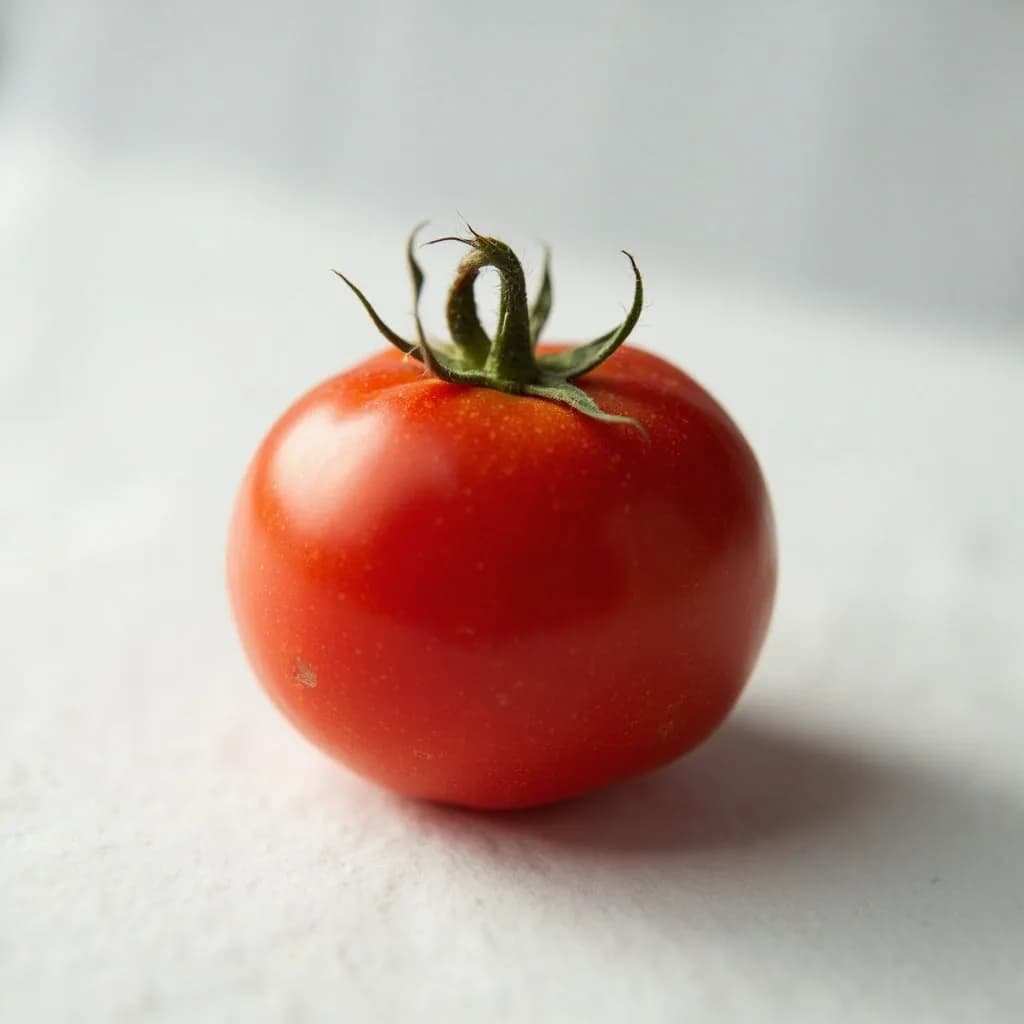
Tomato
Juicy, sun-sweet fruit for sauces, salads, and slow-cooked depth
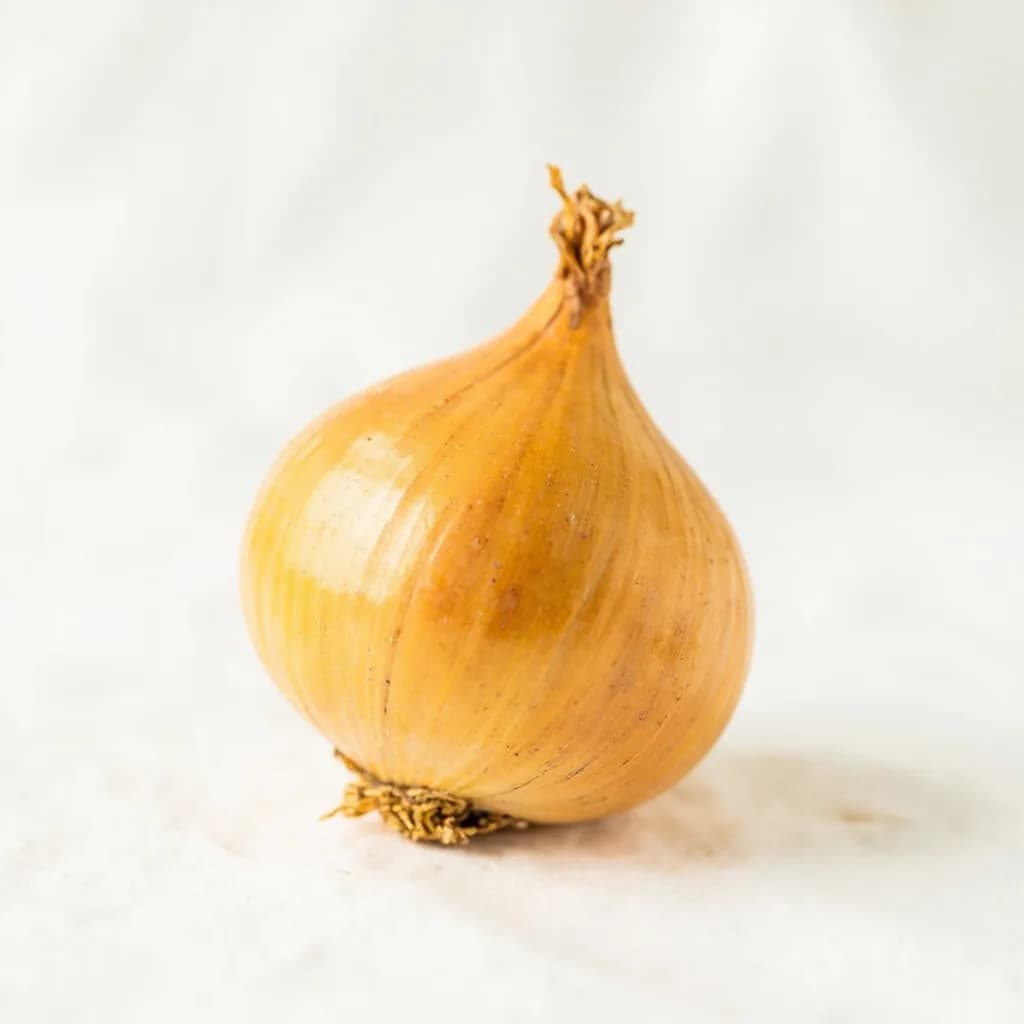
Yellow Onion
The aromatic backbone of soups, sofritos, and braises
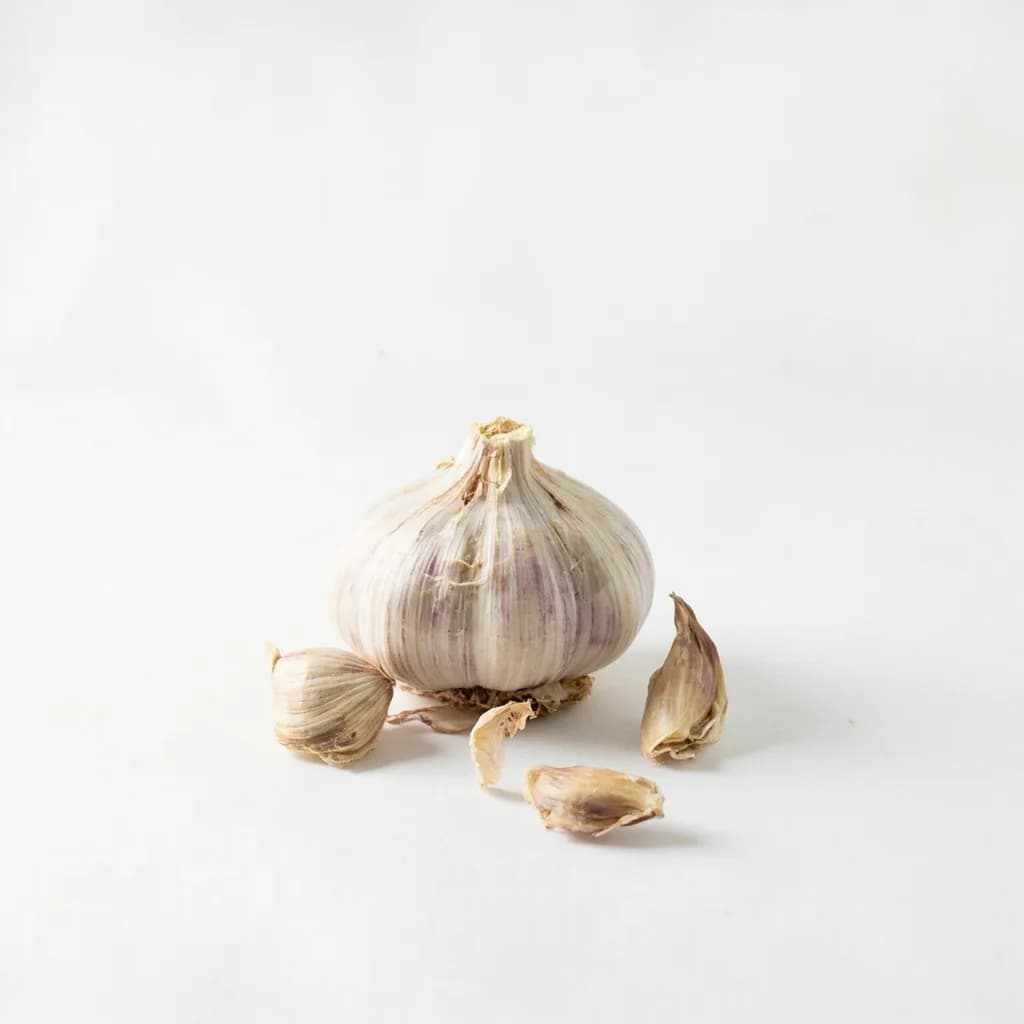
Garlic
Pungent cloves that perfume nearly every savory dish
Lemon
Bright, acidic citrus that wakes up almost any dish
Potato
Humble, hearty staple — roast, mash, fry, or boil
Carrot
Sweet, crunchy root — raw, roasted, or the base of a sofrito
Cucumber
Cool, crisp, and watery — for salads, pickles, and tzatziki

Lettuce
Crisp leaves for salads, wraps, and a fresh crunch