
Natural form
A whole Tête de Moine cylinder showing its natural rind and compact form.
Shows the cheese's distinctive short cylindrical shape, pale golden rind, and dense semi-hard body so readers recognize it before it is shaved.
Dairy & Eggs
Tête de Moine
Swiss semi-hard cheese shaved into delicate rosettes with a girolle tool, intensely aromatic and fruity.
Tête de Moine ('monk's head') is a semi-hard Swiss cow's-milk cheese traditionally made by monks in the Jura. Rather than slicing, it is scraped into airy floral rosettes with a special rotating tool called a girolle, which heightens its rich, fruity, slightly spicy aroma. The frilly rosettes are served as an aperitif.
Tête de Moine is a traditional Swiss semi-hard cheese produced in the Jura Mountains since the 12th–13th century, originally made by monks at the Abbey of Bellelay. Made exclusively from raw cow's milk, the wheels are cylindrical with flat faces, weighing between 400g and 1.2kg, and aged for a minimum of 2.5 months under a natural rind that is washed periodically during maturation. The cheese earned AOP (Appellation d'Origine Protégée) status in 2001, which guarantees production within the designated region and adherence to traditional methods.
The defining characteristic of Tête de Moine is how it is served: not sliced but shaved into delicate rosettes using a girolle, a rotating blade tool that creates paper-thin curls of paste. This method dramatically increases surface area, releasing volatile aromatic compounds that would remain trapped in a solid cut. The girolle is essential to the experience—the cheese was historically scraped rather than sliced, and the tool simply mechanizes this tradition. The resulting rosettes are not merely decorative; they transform the cheese's texture and fragrance, making even a modest amount feel generous and aromatic.
The flavor profile is intensely fruity with pronounced nutty notes of hazelnut and dried fruit, developing subtle spiciness and a lingering finish as the wheel ages. The texture progresses from smooth and slightly elastic when young to supple and more yielding with extended aging. Optimal quality typically arrives November through March when cows are fed stored hay, producing richer milk. Serve only what you need at a time—the cut surface oxidizes quickly and loses character, making this a cheese to appreciate in focused moments rather than casual snacking.
- Measured in
- g
- Storage
- Fridge
Allergens
Types & varieties
The standard version from certified producers in the Jura region; aged minimum 2.5 months
Seasonal variant infused with black truffle; limited production
Aged in Jura marc (grape pomace brandy) for added complexity
The Girolle Method
The girolle consists of a wooden base, a vertical pin, and a rotating blade mechanism. The cheese wheel sits inverted on the pin, and you turn the blade arm in a circular motion to shave paper-thin ribbons from the top of the wheel. The shaved pieces curl into rosettes as they fall onto the plate below. Adjust the depth setting so the shavings are thin enough to be translucent but substantial enough to hold their curl—thick shavings indicate incorrect blade depth and will lack the proper aromatic release. The girolle is not optional; slicing with a knife compresses the paste and destroys the delicate rosette structure that makes this cheese distinctive.
- Always turn the blade arm in a consistent direction for even curls
- Clean the blade immediately after use to prevent cheese residue from drying and affecting future shavings
- Store the girolle with the blade protected to maintain sharpness
Seasonal Quality
Tête de Moine from autumn and winter months (November through March) consistently shows superior quality. During this period, Swiss cows eat stored hay rather than fresh grass, producing milk with higher fat and protein content that translates to richer flavor and better texture in the aged cheese. Avoid purchasing wheels in late summer unless you can verify the milk source. When selecting a whole wheel, examine the rind for uniform color without cracks or excessive drying, and gently press the center face—young cheese should offer slight resistance, while properly aged wheels will yield more readily under pressure.
- November through March yields the best quality wheels
- Inspect the rind for cracks, which indicate uneven aging or drying
- Press the face of the wheel—uniform yielding suggests even maturation
Common uses
Tips & pitfalls
- Use a girolle (rotating blade shaver) rather than a knife—slicing compresses the paste and destroys the aromatic rosette structure
- Bring cheese to room temperature for at least 30 minutes before serving; cold suppresses aroma and flavor
- Cut only what you need at one time; the cut surface oxidizes and loses character quickly
- Store rind-side down on a wooden board or in original wrapping; avoid airtight containers which trap moisture and accelerate deterioration
- Select wheels with uniformly colored rind without cracks or excessive drying around the edges
- Adjust the girolle depth setting so shavings are translucent and curl into rosettes, not thick and starchy
- Avoid refrigerating the whole wheel if consuming within a week—cellar-temperature aging continues flavor development
- Pair with full-flavored accompaniments; mild items will be overwhelmed by the cheese's intensity
- Do not confuse with Trappist cheeses or aggressively pungent washed-rind French varieties; Tête de Moine is distinctly fruity rather than earthy
Nutrition
Nutrition
No USDA FoodData Central match for Tête de Moine yet. We surface a per-100 g profile once a generic whole-food entry is matched and verified.
In the shops
Matched grocery products
No matched grocery products for Tête de Moine yet.
Good to know
- Origin
- Abbey of Bellelay, Jura Mountains, Switzerland; documented 12th–13th century
- Milk
- Raw cow's milk, unpasteurized
- Aging
- Minimum 2.5 months; typically 3–5 months
- Certification
- AOP protected since 2001
- Shape
- Cylindrical wheel, 12–18cm diameter; 400g–1.2kg
- Rind
- Natural rind, washed periodically during aging; orange to reddish-brown when ripe
- Flavor
- Intense, fruity, nutty; hazelnut, dried fruit, slight spiciness
- Fat Content
- Approximately 48% fat in dry matter
- Shelf Life
- 2–3 weeks refrigerated once cut
Substitutes
- Époisses de Bourgogne AOP — French washed-rind cheese with similar intensity and complexity; softer texture and more aggressive aroma
- Pont-l'Évêque AOP — Normandy washed-rind cheese; milder but shares the barnyard and fruity character
- Raclette cheese — Swiss table cheese; milder but acceptable for melting applications
- Morbier — Comte-style cheese; less intense but workable for cooked uses
Pairs with
Also called
tête de moine · tete de moine
Related

Whole Milk
Rich, full-fat milk for drinking, coffee, sauces, and baking
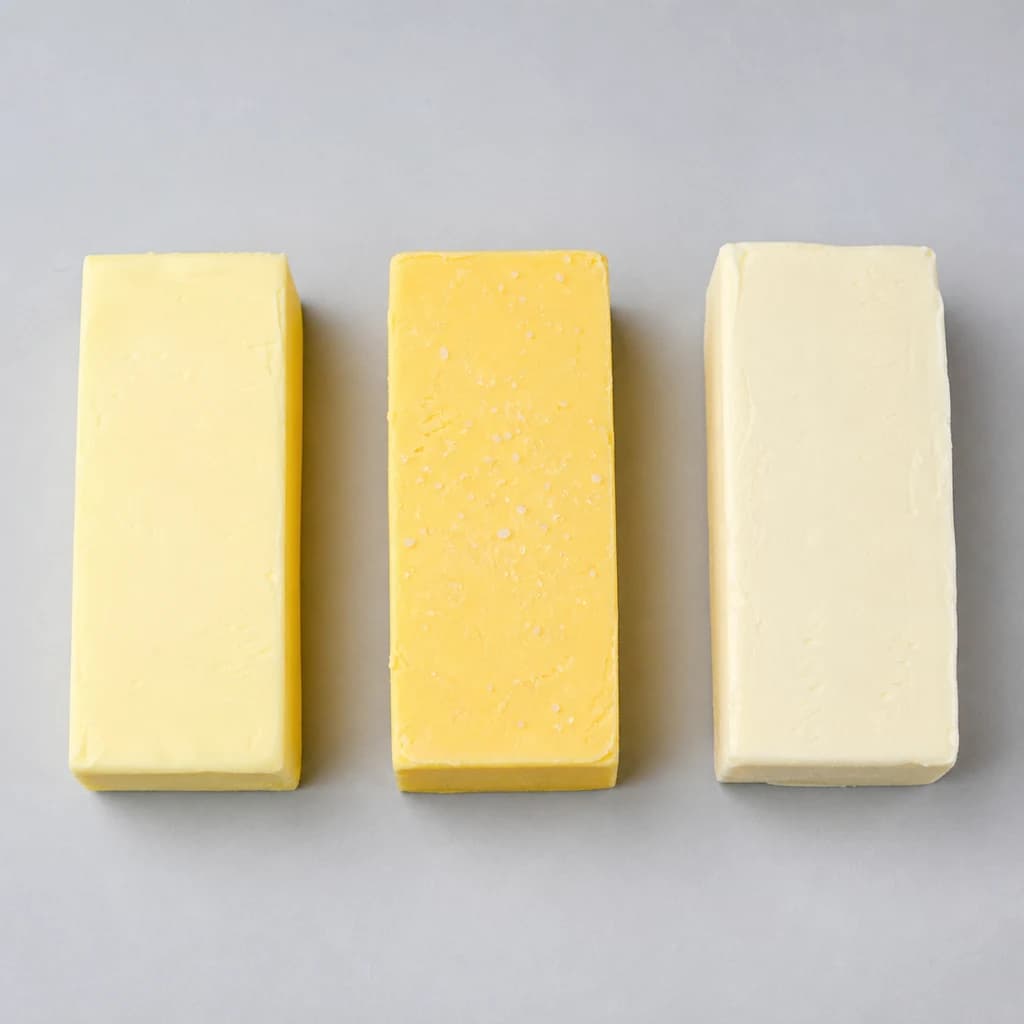
Butter
Golden fat for searing, baking, and finishing a sauce
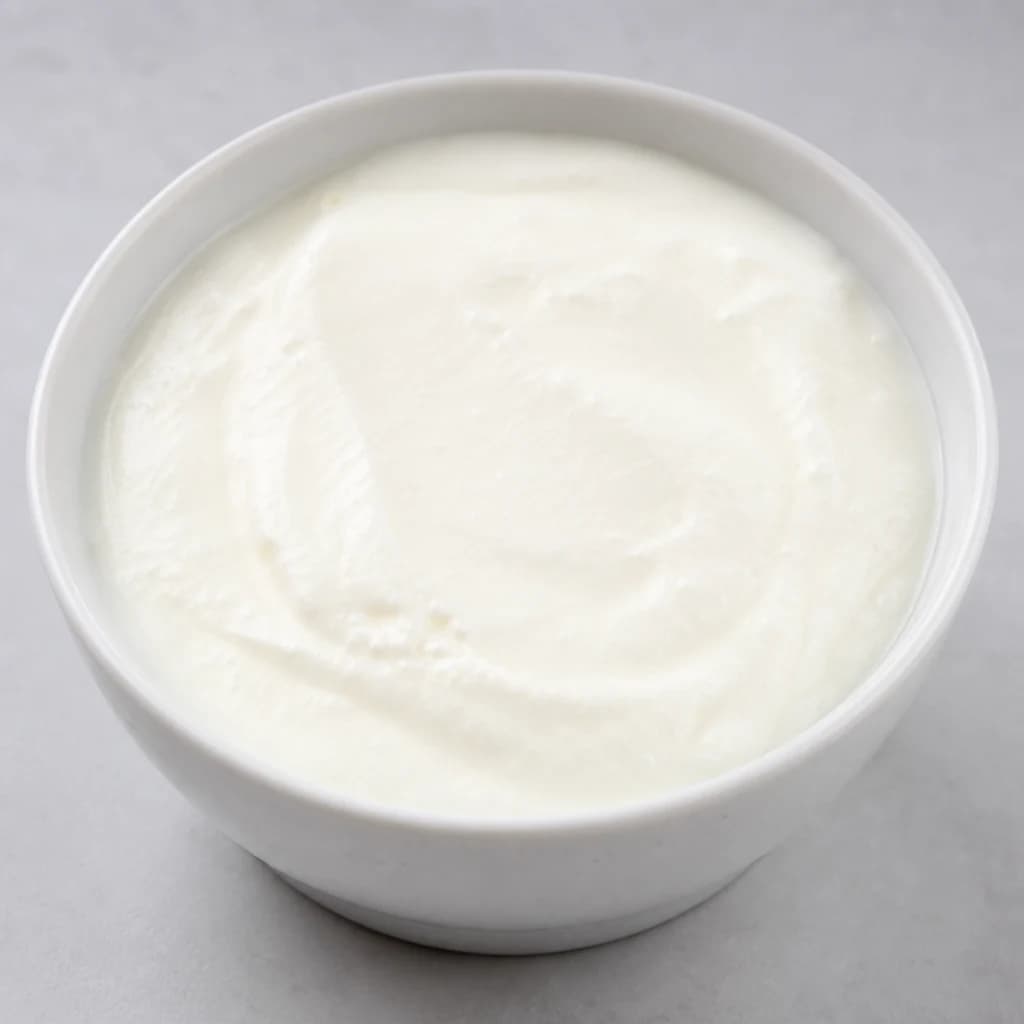
Yogurt
Tangy, creamy culture for breakfast, sauces, and marinades
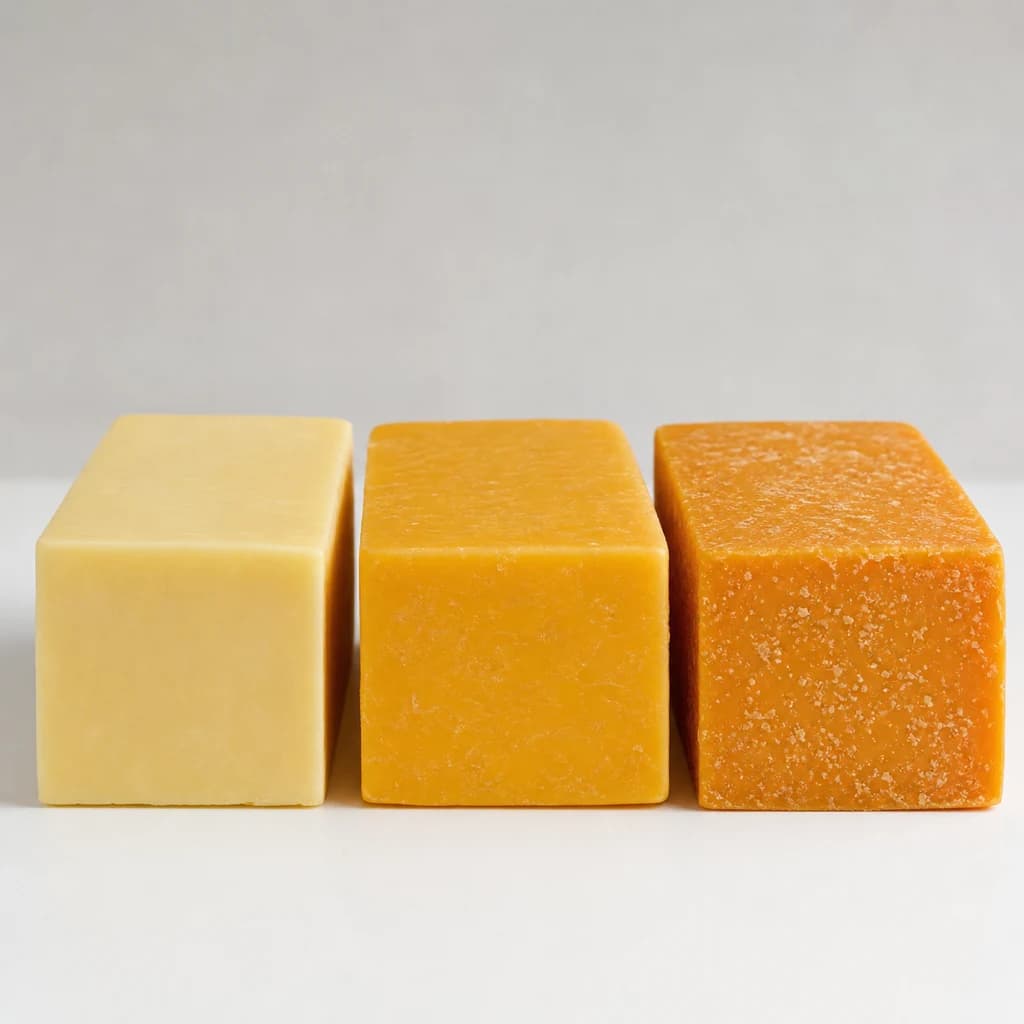
Cheddar Cheese
Sharp, melty cheese for sandwiches, gratins, and grating
Skim Milk
Fat-free milk for lighter drinking, coffee, and cooking
Heavy Cream
Rich cream that whips, enriches sauces, and sets ganache

Sour Cream
Tangy, thick cream for dolloping, baking, and dips
Mozzarella
Soft, milky cheese that melts into stretchy pizza pulls