
Natural form
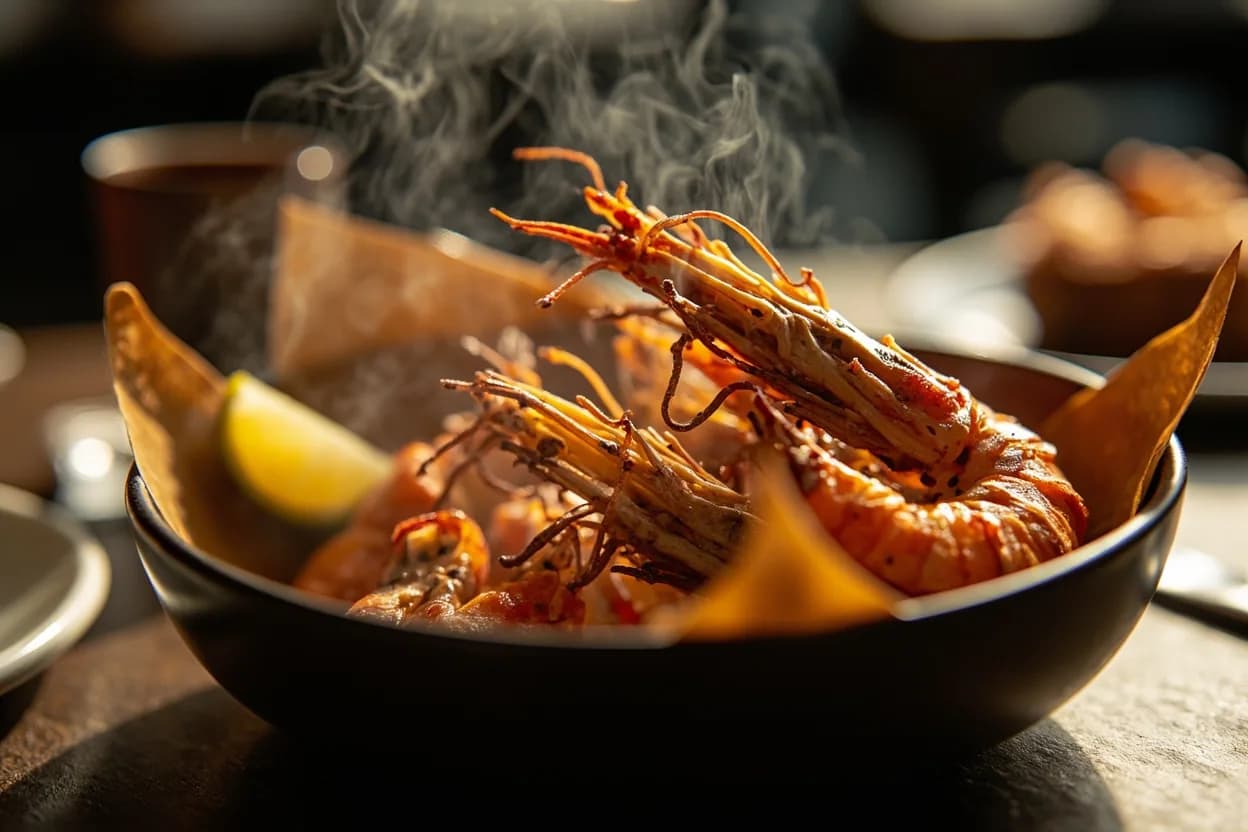
Raw tiger prawn showing full body with distinctive dark and pale striped banding across shell.
Shows the diagnostic feature — tiger stripe banding on shell — that makes this species unmistakable to a reader.
Proteins
Tiger Prawn (Bagda Chingri)
Large striped saltwater prawn prized for sweet, firm flesh in curries, grills and stir-fries.
The tiger prawn is a large prawn with distinctive dark stripes across a pale shell, named for that tiger-like banding. Its firm, sweet flesh holds up well to grilling, frying and rich coconut curries, and it is central to Bengali dishes like chingri malai curry. It is widely farmed and exported across South and Southeast Asia.
Tiger Prawns (Penaeus monodon), called Bagda Chingri in Bengali, are among the most commercially important crustaceans in South and Southeast Asian cooking. Distinguished by dark horizontal stripes against a blue-grey shell, these large prawns reach 20–30 cm at market size and can weigh 25–50 g each. Native to the Indo-West Pacific—particularly the Bay of Bengal and Andaman Sea—they are now extensively farmed across Bangladesh, India, Thailand, Vietnam, and Indonesia, with over 900,000 metric tons produced annually. What makes Tiger Prawns indispensable in the kitchen is their firm, meaty texture that holds together under high heat and their sweet, pronounced flavor that stands up to bold spices, rich coconut milk, and heavy marinades that would overwhelm more delicate seafood. The shell, when left on during cooking, protects the flesh and imparts depth; the heads and shells also make exceptional stock when toasted and simmered. In Bengali cuisine specifically, Tiger Prawns are considered hearty enough to anchor heavy spice and fat combinations—evident in classics like chingri malai curry and chingri bhapa—while wild-caught specimens from the Sundarbans region are prized for their concentrated flavor and superior bite.
- Measured in
- g
- Storage
- Freezer
Allergens
Types & varieties
The standard commercial variety; distinctive dark stripes most visible when raw. The preferred choice for curries and grills.
A distinct species (Penaeus stylirostris); blue-brown coloring. Slightly sweeter but less firm; best for quick-cook methods.
A processed product—Black Tigers treated with sulfites to appear white. The sulfiting affects flavor and texture; best avoided.
From the Bay of Bengal and Andaman Sea; more intense flavor and firmer texture than farmed. Look for firm shells and clean ocean smell.
Choosing and Storing
Frozen Tiger Prawns are often superior to so-called 'fresh' counter prawns, which may have been thawed and refrozen multiple times. Buy frozen IQF (individually quick frozen) product frozen on the day of catch when possible. Thaw overnight in the refrigerator, never at room temperature. Avoid any frozen prawns with white spots on the shell—this indicates melanosis, a sign of age and oxidation. Fresh prawns should smell clean and briny, not fishy; the shell should be firm and glossy, and the flesh should be translucent rather than cloudy.
- Look for IQF frozen product for best quality
- Avoid frozen prawns with white shell spots (melanosis)
- Thaw in refrigerator overnight, not in warm water
- Fresh prawns: firm shell, clean ocean smell, translucent flesh
The Sustainability Question
Bangladesh's Tiger Prawn aquaculture, which expanded rapidly in the 1980s–1990s, has faced legitimate environmental concerns including mangrove deforestation for pond construction and disease outbreaks like Taura syndrome. Wild-caught prawns from the Sundarbans region are considered superior by Bengali home cooks but face their own pressures. When possible, seek certification or inquire about sourcing. The Marine Stewardship Council (MSC) certification indicates sustainably managed wild fisheries.
- Ask about country of origin and farming practices
- Look for MSC certification on wild-caught product
- Smaller-scale Bangladeshi operations may be more sustainable than large industrial farms
- Wild-caught from the Sundarbans offers superior flavor but is under fishing pressure
Common uses
Tips & pitfalls
- Always devein—remove the dark intestinal tract running along the curve of the back with a small knife or deveining tool before cooking.
- Do not overcook; 2–3 minutes per side for medium prawns over high heat is sufficient. They are done when the flesh turns opaque and the cut side shows white throughout.
- Frozen prawns are often superior to 'fresh' counter prawns that have been thawed and refrozen. Buy frozen IQF product that was frozen immediately on the boat.
- Cook in the shell for grilling and curries—it protects the flesh and adds flavor. Peel before serving for easier eating in saucy dishes.
- Marinate for no more than 30 minutes; acidic marinades (lemon, yogurt) begin to denature proteins and make the flesh mushy if left too long.
- Bangladesh-sourced Bagda Chingri often comes from smaller-scale operations than Brazilian or major Southeast Asian farm-raised stock; check country of origin when possible.
- Use high heat for searing and grilling; low heat is for poaching only. Tiger prawns are too firm for gentle simmering—they become rubbery.
- Pat dry before cooking if marinated or frozen-thawed to achieve proper caramelization rather than steaming.
Nutrition
Nutrition
No USDA FoodData Central match for Tiger Prawn (Bagda Chingri) yet. We surface a per-100 g profile once a generic whole-food entry is matched and verified.
In the shops
Matched grocery products
No matched grocery products for Tiger Prawn (Bagda Chingri) yet.
Good to know
- Scientific Name
- Penaeus monodon
- Common Names
- Giant Tiger Prawn, Asian Tiger Prawn, Black Tiger Prawn, Bagda Chingri (Bengali)
- Origin
- Indo-West Pacific; wild stocks from Bay of Bengal and Andaman Sea; farmed in Bangladesh, India, Thailand, Vietnam, Indonesia
- Market Size
- 20–30 cm (8–12 in) length; 25–50 g per prawn
- Flavor & Texture
- Sweet, pronounced shrimp taste; firm and meaty; holds up well to high-heat cooking
- Yield
- Approximately 60% edible after peeling and deveining
- Peak Season
- Year-round farmed; wild catch peaks October–March in Bay of Bengal
- Shelf Life
- 1–2 days fresh on ice; up to 6 months frozen at -18°C
Substitutes
- Jumbo White Shrimp (Penaeus vannamei) — Most accessible substitute; neutral flavor and similar size. Less firm, so reduce cooking time by 30%. Use for curries and stir-fries.
- King Prawns — Broader term; may include tiger prawns. If referring to true king prawns (Penaeus latisulcatus), they are sweeter but softer. Best for grilling and light sauces.
- Scampi (Nephrops norvegicus) — Not a true prawn (a lobster relative); meatier and sweeter. Significantly more expensive. Reserve for elegant preparations.
Pairs with
Also called
Bagda Chingri · Black Tiger Prawn · Giant Tiger Prawn
Appears in these dishes
Related

Egg
The kitchen's everything ingredient — bind, leaven, enrich, or fry
Chicken Breast
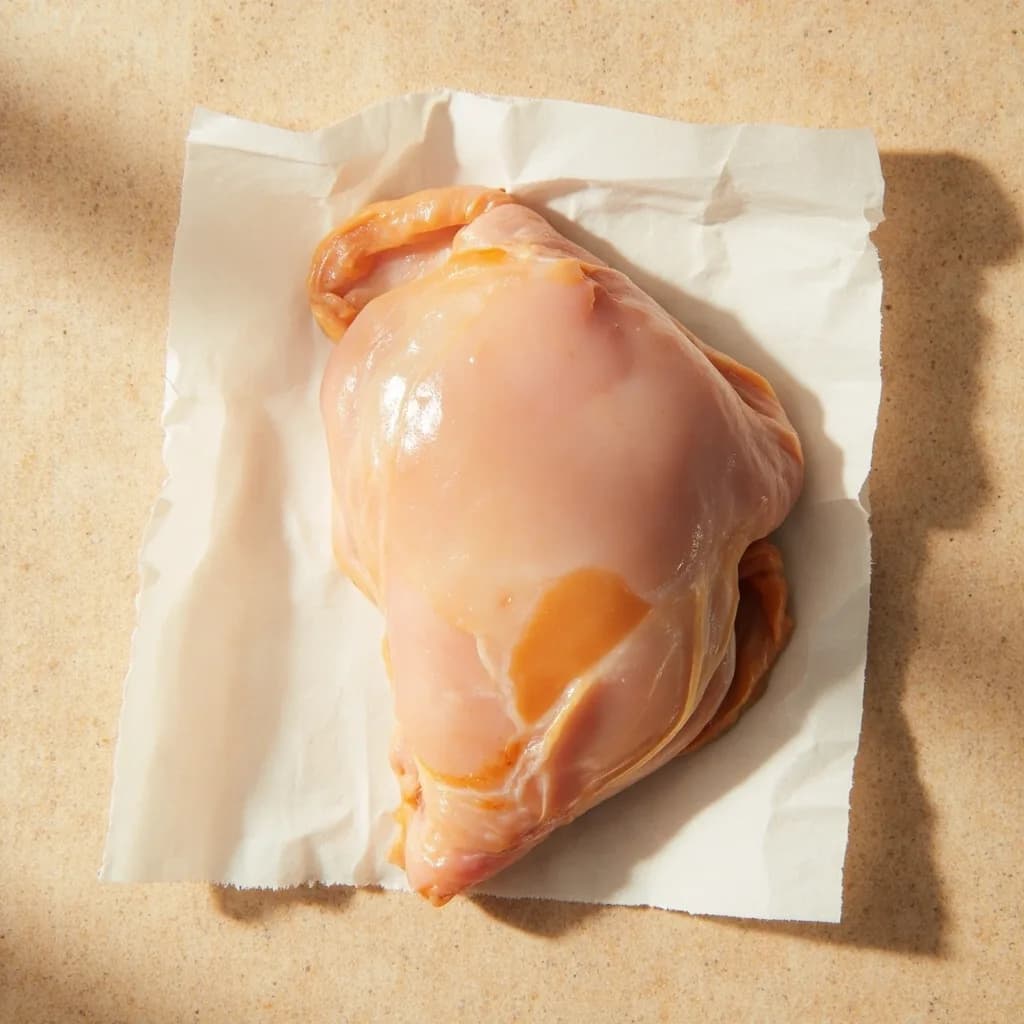
Lean, quick-cooking white meat for everyday dinners

Ground Beef
Versatile minced beef for burgers, ragù, tacos, and meatballs
Pork Loin
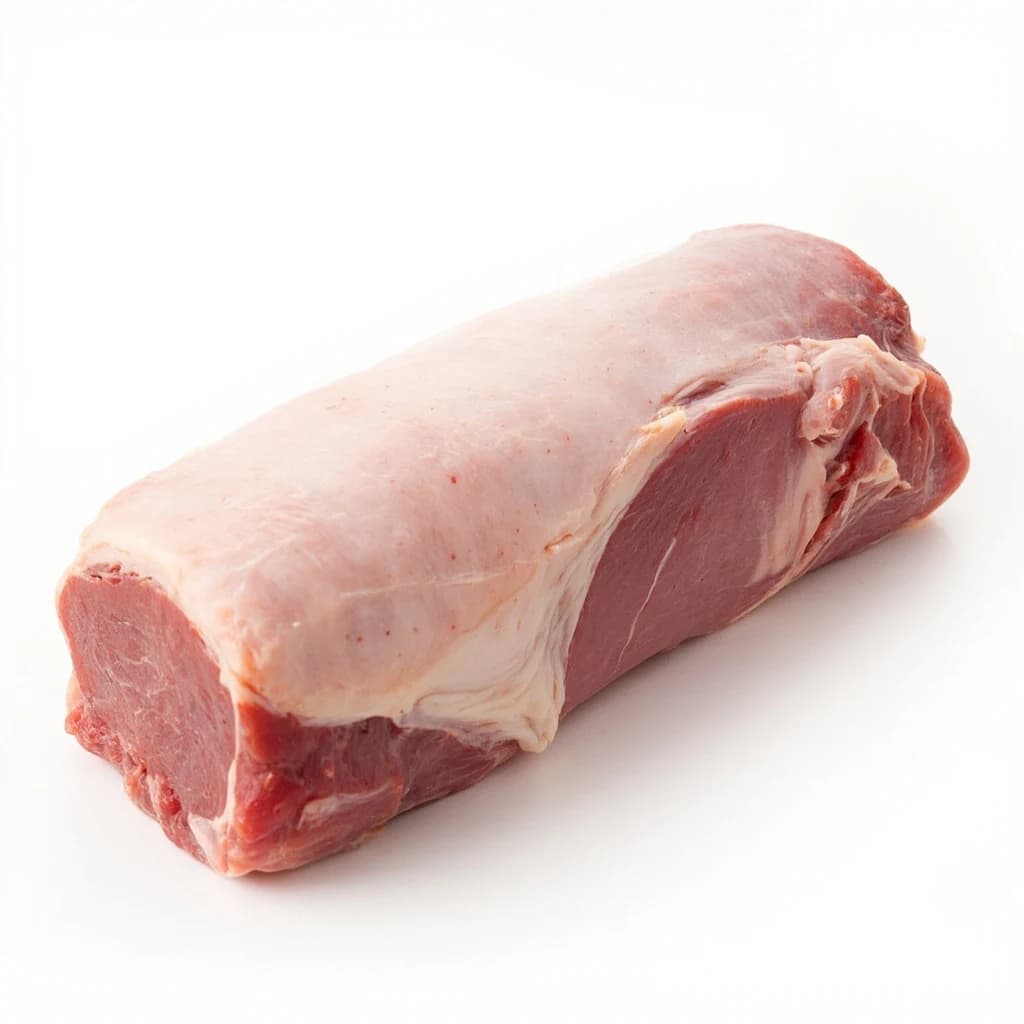
Lean, tender roasting cut that stays juicy with care
Salmon
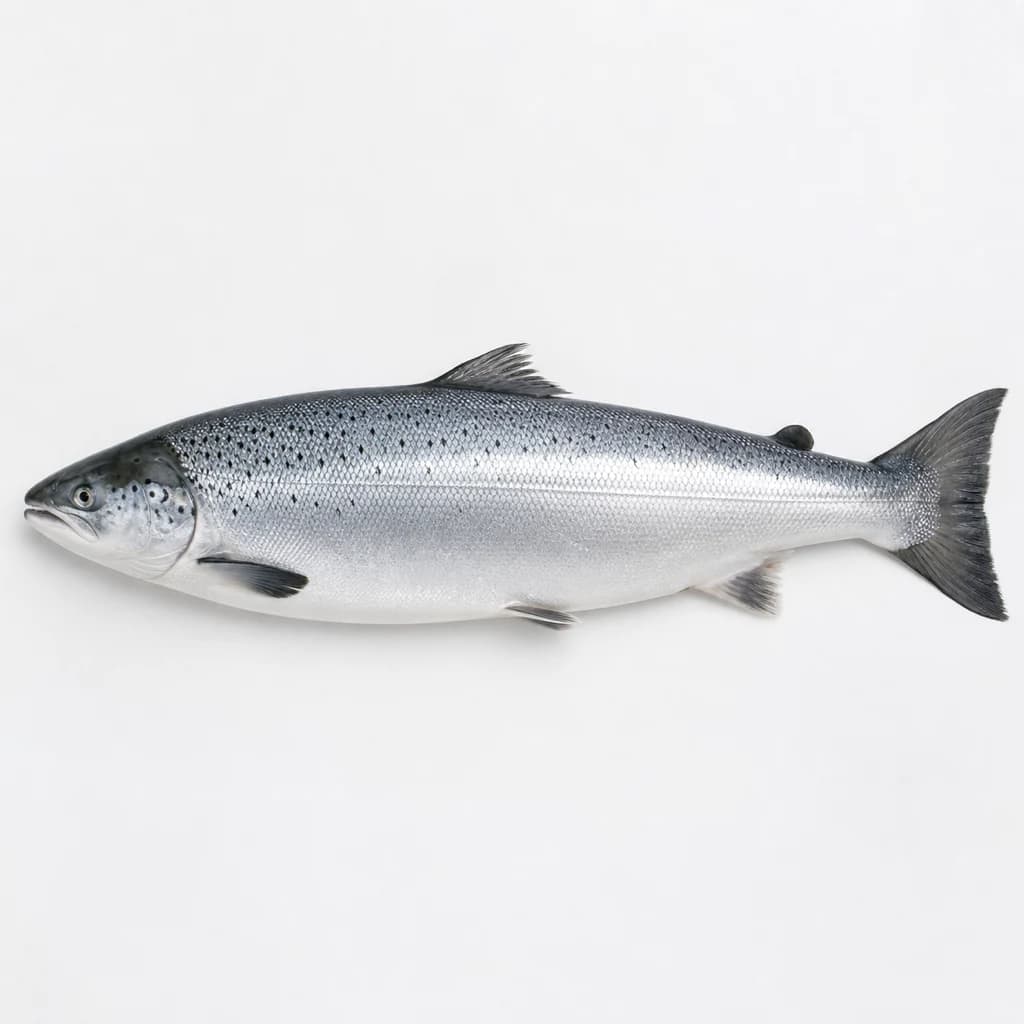
Rich, rosy fish that roasts, grills, or cures beautifully

Egg White
Pure protein that whips to airy peaks for meringue and more

Egg Yolk
Rich, golden yolk for custards, mayonnaise, and pasta

Quail Egg
Tiny, speckled eggs for garnishing and elegant bites