
Natural form
Whole tamarillos showing the smooth egg-shape and deep red-orange skin.
Establishes the fruit's unmistakable egg shape, smooth glossy skin, and characteristic red-to-orange color range so readers can recognize it at a market.
Produce
Tree Tomato (Tamarillo)
Tangy egg-shaped fruit used in Andean sauces, salsas and juices; both sweet and savory.
The tree tomato, or tamarillo, is an egg-shaped Andean fruit with smooth red or orange skin and tart, tomato-like flesh. In Colombia and Ecuador it is blended into juices and the spicy table sauce ají de tomate de árbol, and it works in chutneys and savory sauces. Its flavor is more acidic and complex than a tomato, with a slightly bitter skin that is usually peeled.
The tamarillo is a small, egg-shaped fruit grown on an evergreen shrub native to the Andes, where it has been cultivated for centuries across Peru, Bolivia, Ecuador, Chile, and Colombia. Though often called the tree tomato, it is a distant cousin within the Solanaceae family—alongside true tomatoes, potatoes, eggplants, and peppers—not a direct relative. The fruit typically measures 4–8 cm long and comes in three main color varieties: deep red, golden-yellow, and reddish-purple, with flesh ranging from yellow-orange to pale pink.
Despite its name and appearance, the tamarillo delivers a distinctly different eating experience from its garden-variety namesake. Red and purple varieties are notably tart and acidic, while yellow types offer a milder, sweeter profile. The flesh is tender and slightly granular, surrounding a central cavity filled with small, edible seeds that can impart a faint bitterness if left intact. The skin, while technically edible, tends toward papery bitterness and is usually removed for cooked preparations.
The commercial name "tamarillo" is a modern invention—coined in 1967 by the New Zealand Tamarillo Growers Association to give the fruit market appeal—superseding the older English term "tree tomato." Today, New Zealand and South Africa are major commercial producers, though the Andean countries of origin remain central to its culinary traditions, where it appears in everything from fresh salsas and warming soups to preserves and juices.
- Measured in
- piece
- Storage
- Fridge
Types & varieties
Deep red skin; most acidic and tart; most common in commercial production
Golden-orange skin; milder, sweeter flavor; lower acidity; good for eating raw
Dark reddish-purple skin; often the most tart of the three; firm texture
Selection and Storage
Choose fruit that is firm with unblemished skin—wrinkles or soft spots signal age or overripeness. Unripe tamarillos will ripen at room temperature over several days. Once fully colored and yielding slightly to gentle pressure, they can be refrigerated for 2–3 weeks. For best flavor, use ripe fruit within a few days of reaching peak ripeness. New Zealand-bred cultivars tend to be slightly sweeter than traditional Andean strains, so taste and adjust seasoning accordingly when trying unfamiliar sources.
- Firm, unblemished skin indicates freshness
- Refrigerate only when fully ripe
- Yellow varieties are mildest and most forgiving for raw eating
Andean Culinary Traditions
In Colombia, where it is called tomate de árbol, the tamarillo is a staple in traditional soups and aguadientes (fruit liqueurs). Ecuadorian street vendors serve tamarindo dulce—a sweet tamarillo juice completely unrelated to tamarind—on nearly every corner. Peru incorporates the fruit into savory sauces and chutneys, often alongside ají amarillo peppers and fresh herbs. This versatility across cuisines reflects the fruit's remarkable ability to bridge sweet and savory applications.
- Colombia: soups and aguadientes (fruit liqueurs)
- Ecuador: tamarindo dulce, a beloved street juice
- Peru: savory sauces, chutneys, and fresh preparations
Common uses
Tips & pitfalls
- Score an X on the skin and blanch in boiling water for 30–60 seconds; the skin slips off easily—this is the most reliable peeling method
- Taste before using: red varieties are significantly more acidic than yellow ones, so adjust sugar or acid in recipes accordingly
- Remove seeds by pressing the flesh through a fine-mesh sieve or scooping with a spoon; they can add a faintly bitter note
- Do not overcook: the flesh becomes watery and mushy; add late in cooking for sauces, or use quick high-heat methods like roasting or searing
- The skin is edible but slightly bitter and papery; it is typically removed for cooked preparations but is sometimes left on for roasting
- Refrigerate unripe fruit until fully colored; fruit should yield slightly to pressure when ripe
- New Zealand-bred cultivars tend to be slightly sweeter than traditional Andean strains
- When buying, choose firm fruit with unblemished skin; avoid fruit with wrinkles or soft spots
Nutrition
Energy
63 kJ · per 100 g
Where the calories come from
Protein
1g
2% DV
Carbs
3g
1% DV
Fat
0.3g
0% DV
Fiber
0.7g
3% DV
Sodium
23mg
1% DV
Source · USDA FoodData Central · approx. Tomatoes, yellow, raw
View on FDC →In the shops
Matched grocery products
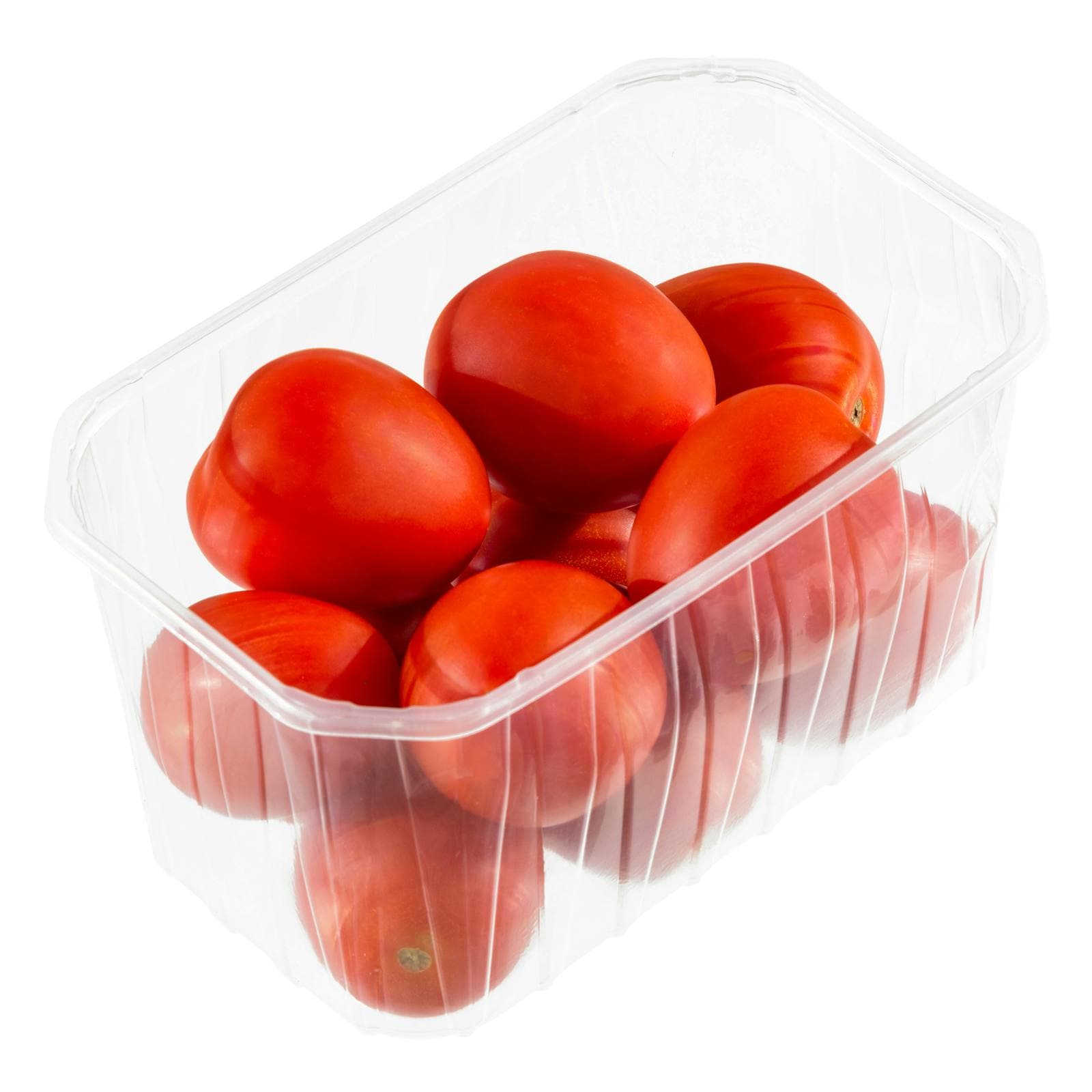 €2.62
€2.62Pear Tomatoes
1.14 kg · Mercadona
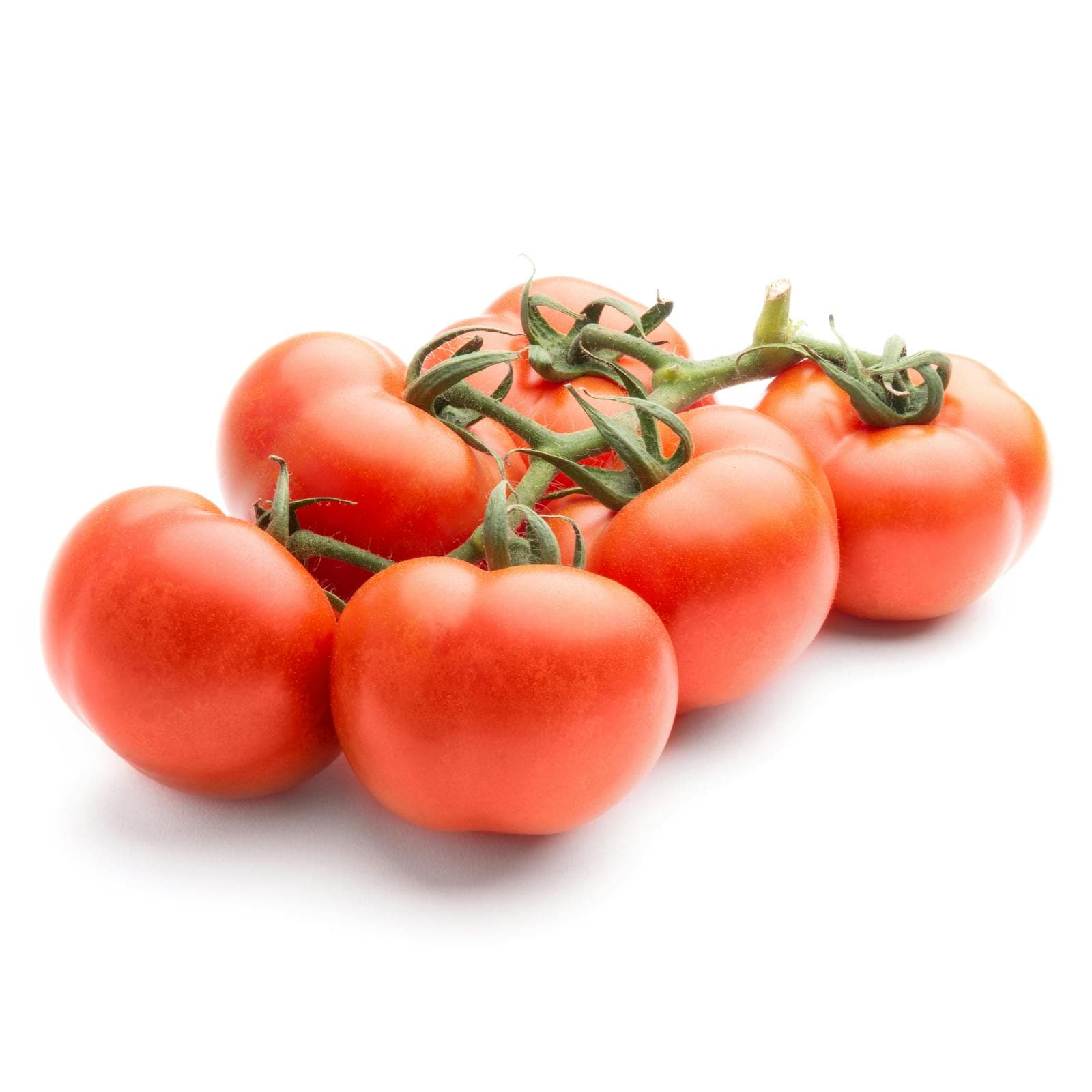 €1.49
€1.49Truss Tomatoes
550 g · Mercadona
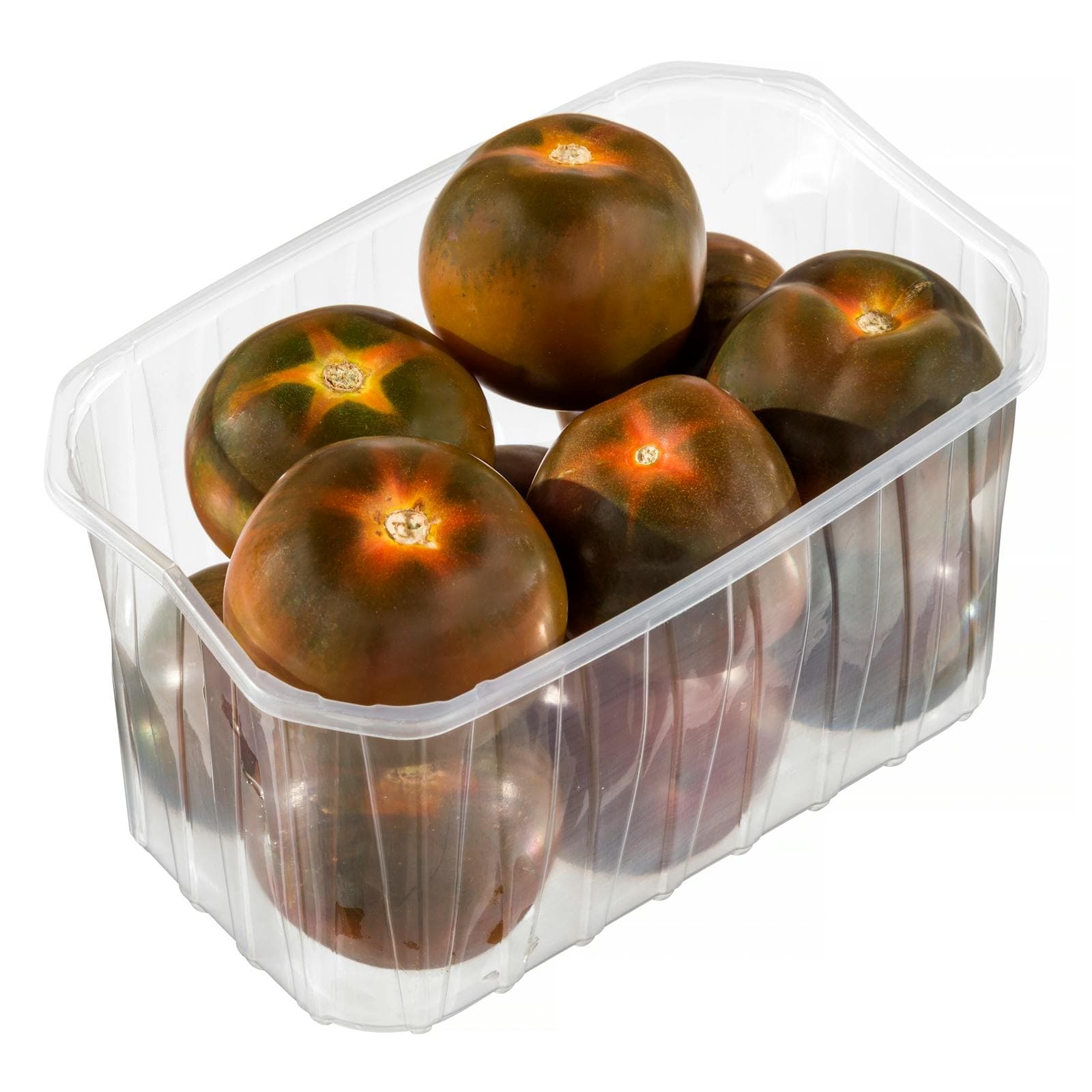 €2.60
€2.60Black Tomatoes
1 kg · Mercadona
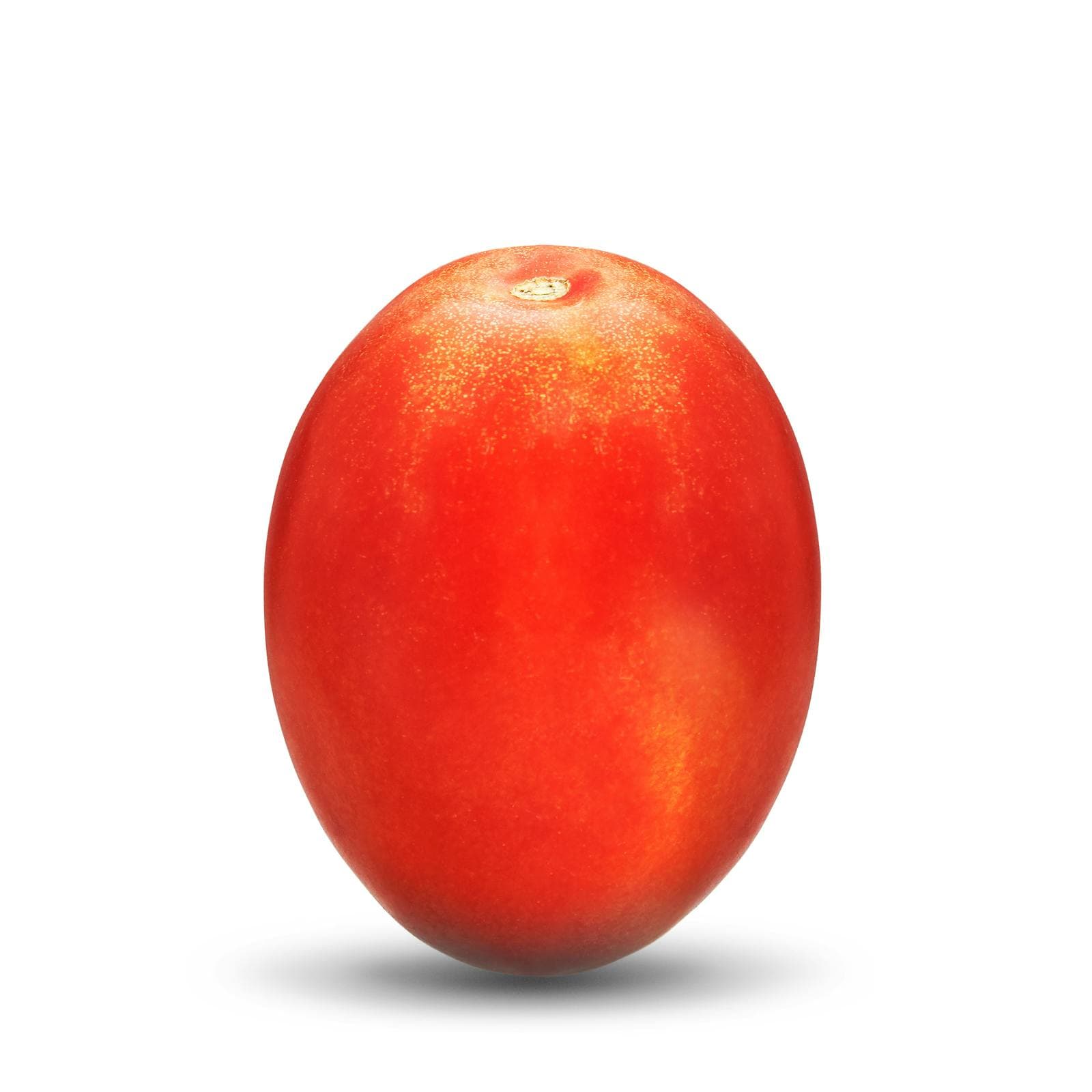 €0.29
€0.29Plum Tomato
130 g · Mercadona
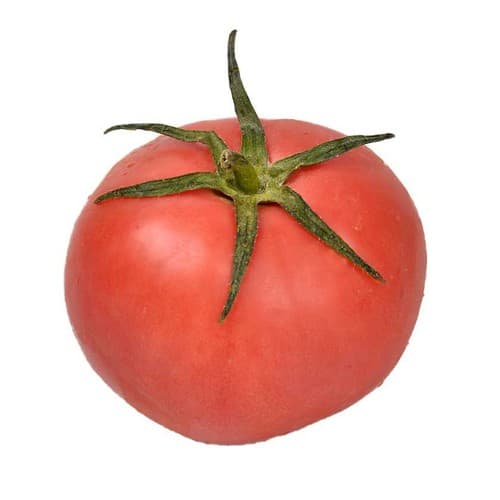 €1.07
€1.07Pink Tomato
ud · Bonpreu
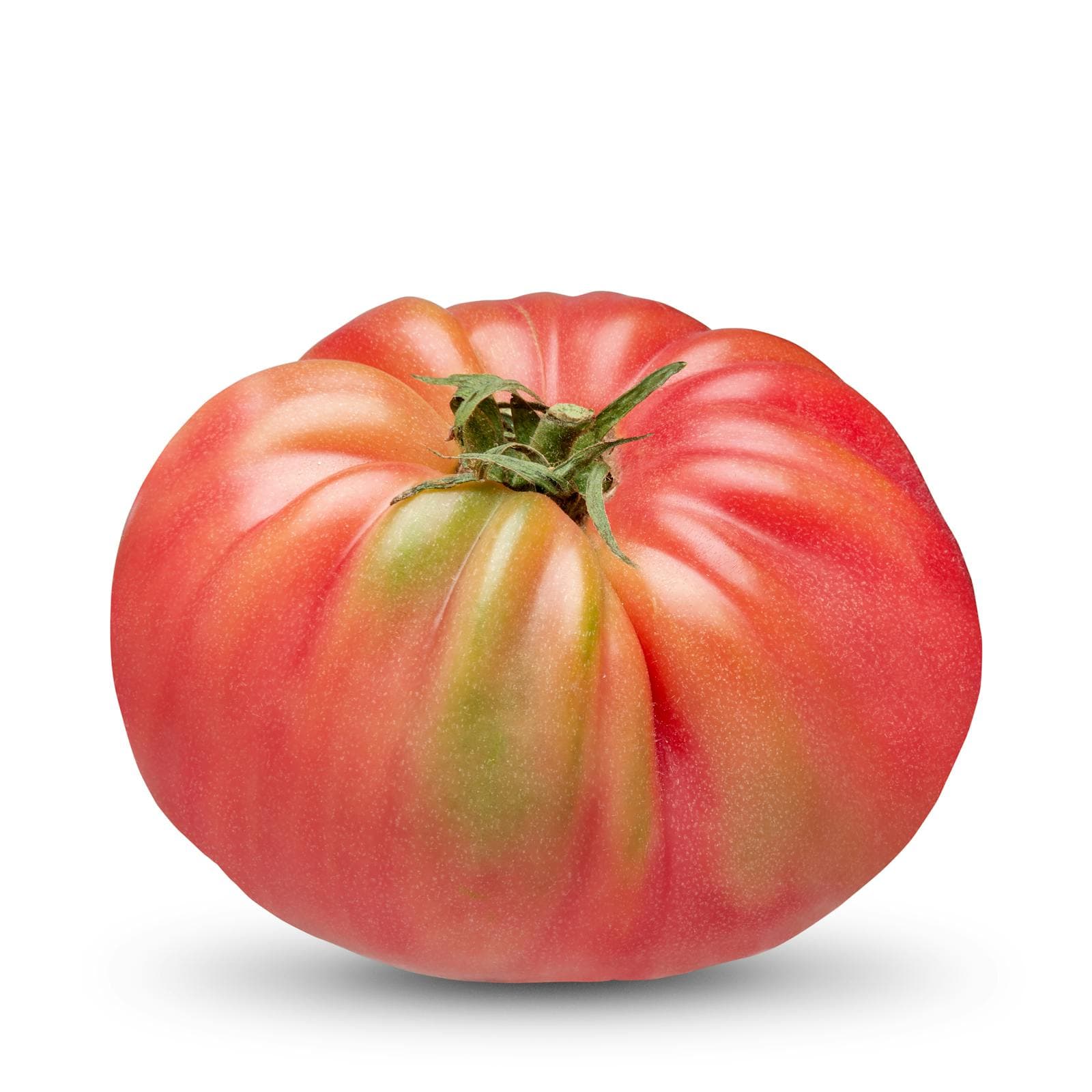 €1.16
€1.16Pink Tomato
340 g · Mercadona
Good to know
- Botanical name
- Solanum betaceum (formerly Cyphomandra betacea)
- Origin
- Andes region (Peru, Bolivia, Ecuador, Chile, Colombia)
- Plant type
- Evergreen shrub or small tree, 2–4 m tall
- Fruit type
- Berry, egg-shaped, 4–8 cm long
- Typical colors
- Red, orange-yellow, or deep purple-red; flesh ranges from yellow to orange to pale pink
- Flavor
- Tangy, slightly acidic; red and purple varieties are more tart, yellow varieties sweeter
- Peak season
- Varies by region: New Zealand (March–May), Andes (year-round with peaks)
- Shelf life
- 2–3 weeks refrigerated; ripen at room temperature
Substitutes
- Roma or plum tomato — Milder acidity; best for cooked sauces; may need a squeeze of lime to approximate tamarillo's tang
- Passion fruit pulp — Comparable tartness and intensity; good for sauces, dressings, and desserts; seeds are edible
- Fresh kiwi or feijoa — For raw applications; similar tangy-tropical profile; adjust sweetness
- Guava — For preserves and cooked dishes; comparable texture and tropical sweetness with some acidity
Pairs with
Also called
Tomate de Árbol · Tamarillo
Related
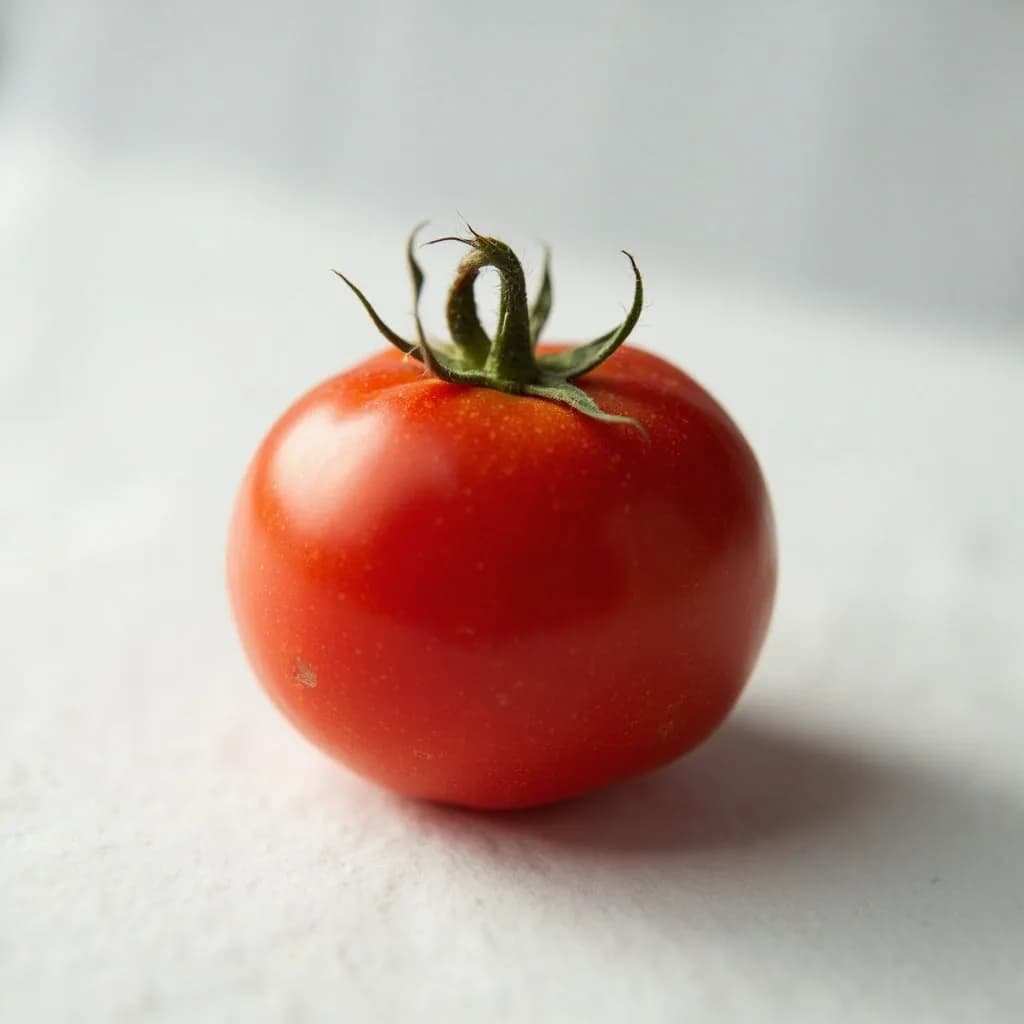
Tomato
Juicy, sun-sweet fruit for sauces, salads, and slow-cooked depth
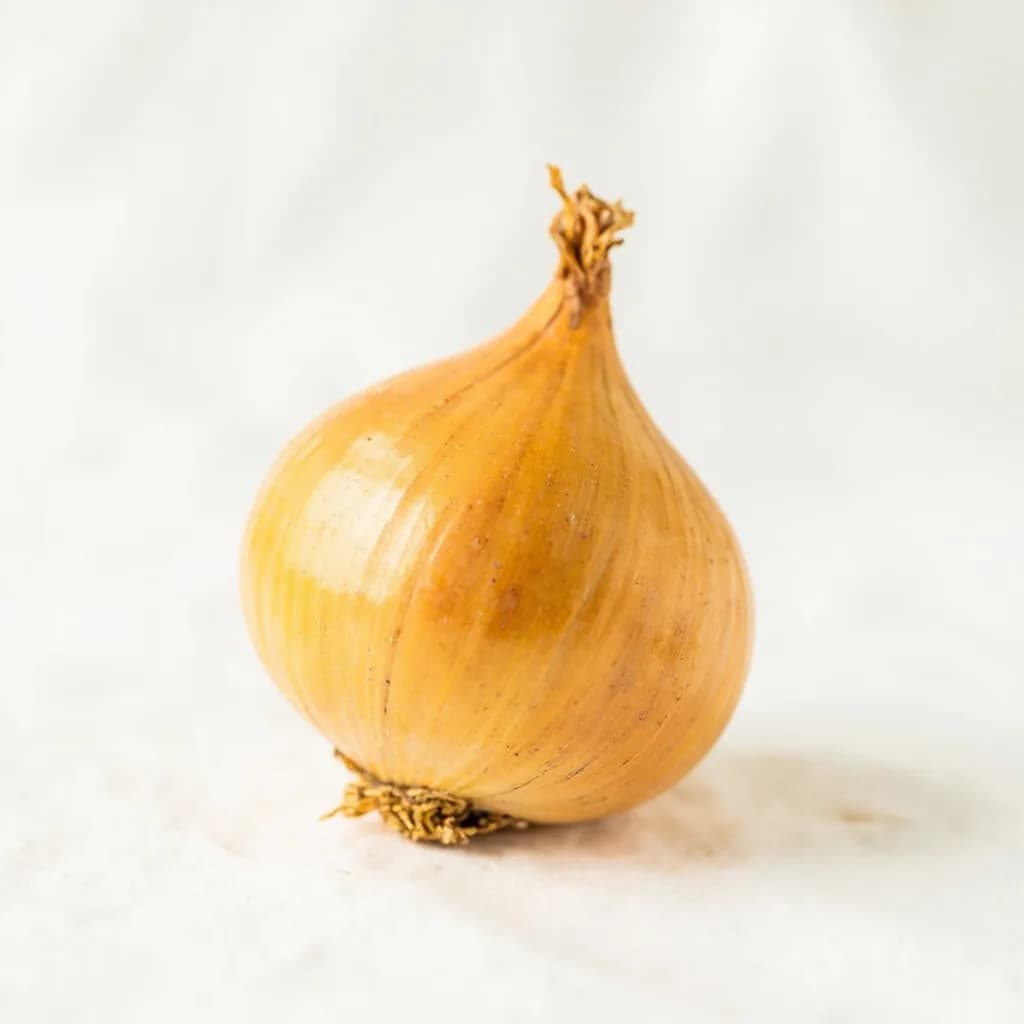
Yellow Onion
The aromatic backbone of soups, sofritos, and braises
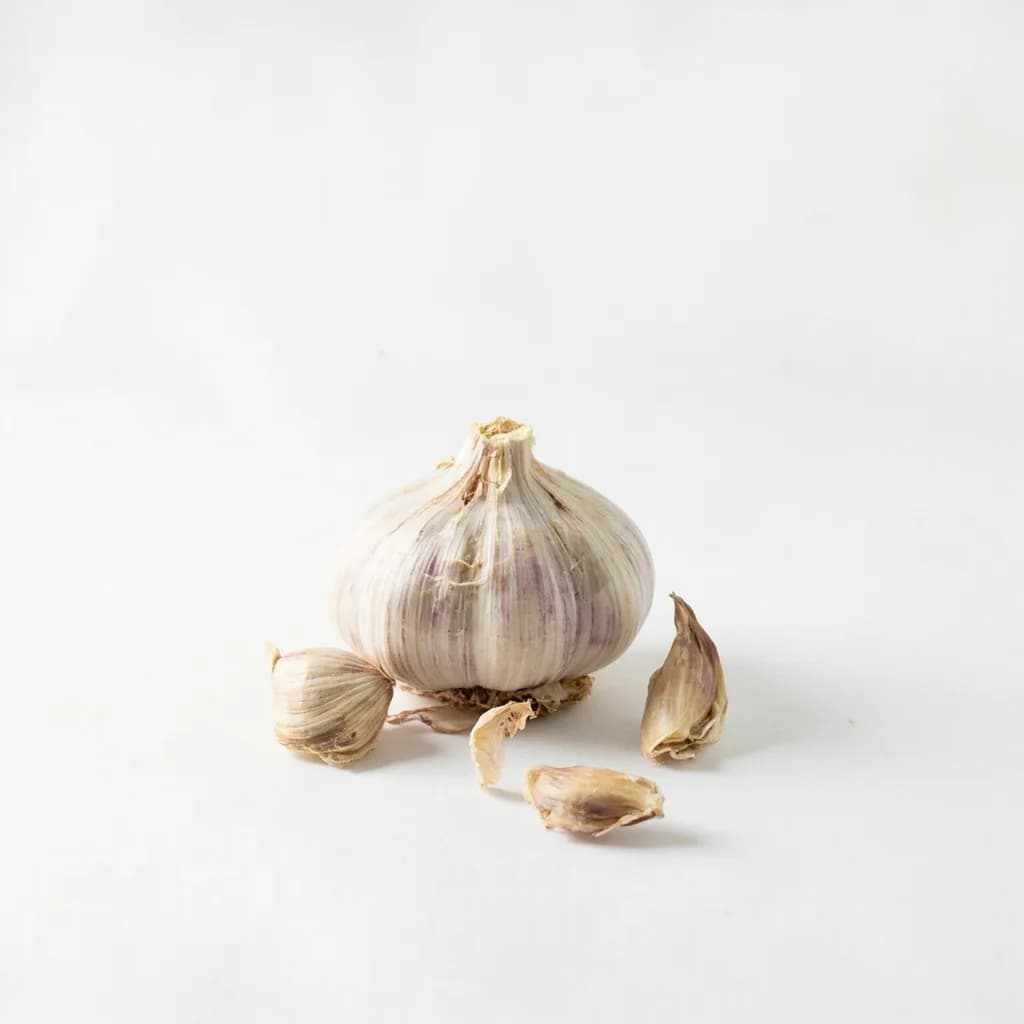
Garlic
Pungent cloves that perfume nearly every savory dish
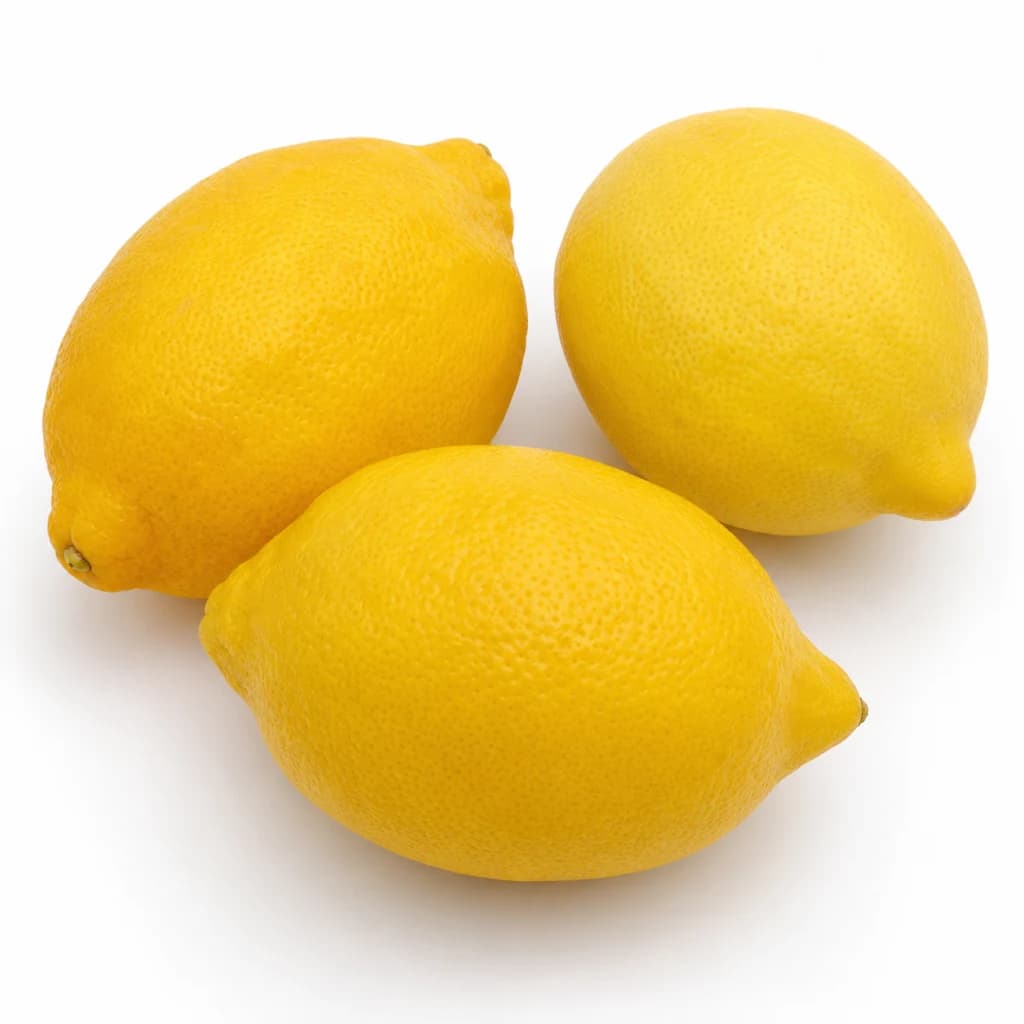
Lemon
Bright, acidic citrus that wakes up almost any dish
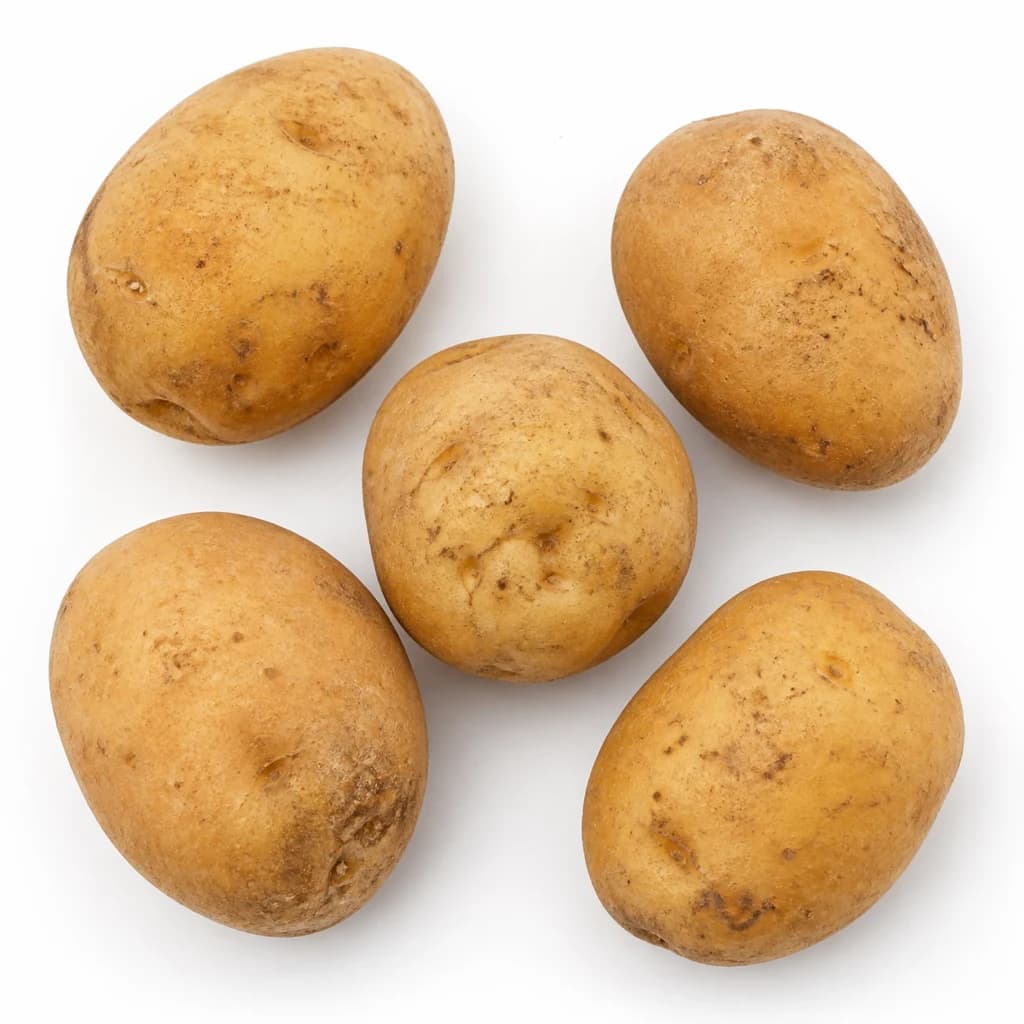
Potato
Humble, hearty staple — roast, mash, fry, or boil
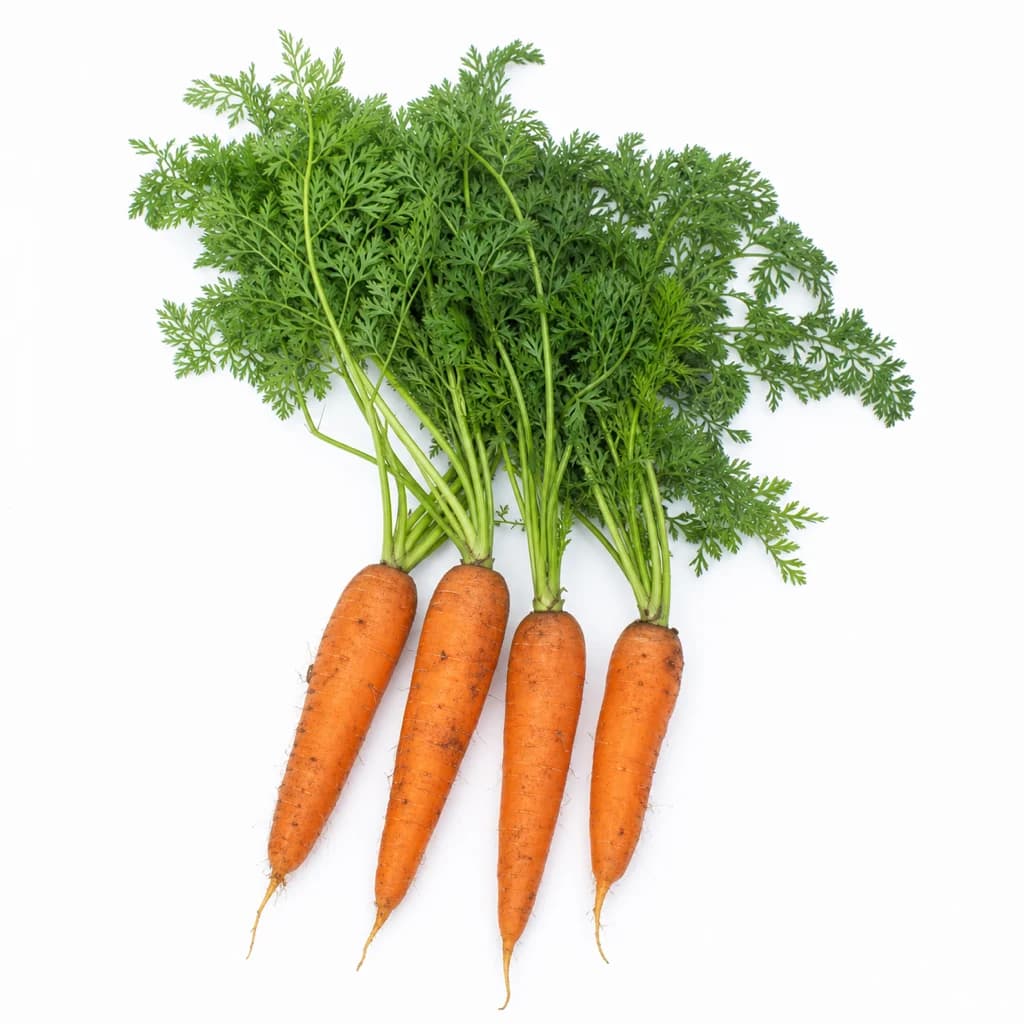
Carrot
Sweet, crunchy root — raw, roasted, or the base of a sofrito
Cucumber
Cool, crisp, and watery — for salads, pickles, and tzatziki

Lettuce
Crisp leaves for salads, wraps, and a fresh crunch