Baking
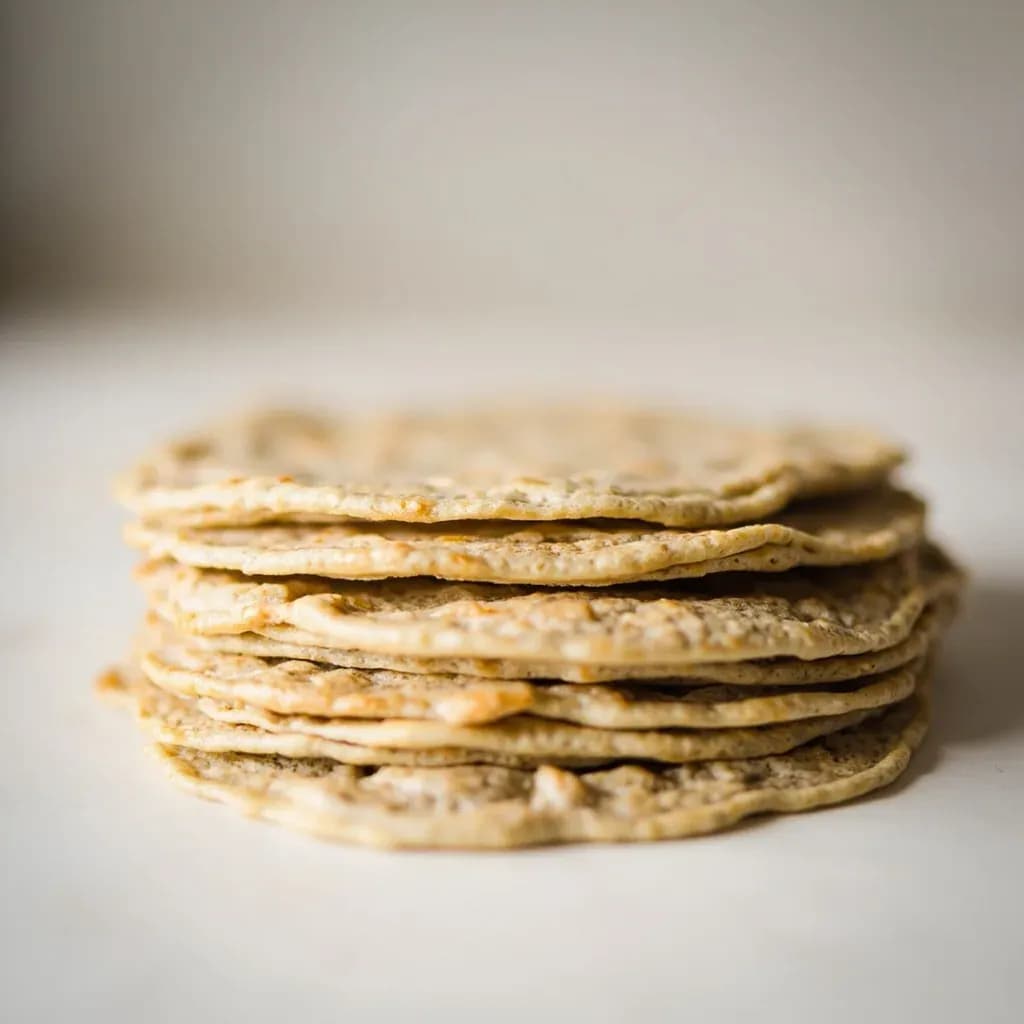
Whole-Wheat Wrap
A soft whole-grain flatbread tortilla for rolling sandwiches and fillings.
A whole-wheat wrap is a soft, pliable flatbread made with whole-wheat flour, used to roll around fillings for wraps, burritos, and rolls. The whole-grain flour gives it a nuttier flavor and more fiber than a white tortilla. It is warmed briefly to make it flexible before filling.
Whole-wheat wraps are soft, thin flatbreads made with the entire wheat grain—bran, germ, and endosperm—giving them notably higher fiber and nutrient content than their white-flour counterparts. They fall into the broader tortilla family but are distinguished by their softer, more pliable texture and the use of whole-grain flour rather than refined wheat flour. The bran and germ add a subtle nutty flavor and a denser, more substantial mouthfeel compared to white wraps, though this difference largely disappears when the wrap is properly warmed before filling.
The higher fiber content is their primary advantage: a single wrap can deliver 3–6 grams of fiber depending on the brand. This fiber slows digestion and adds bulk, making whole-wheat wraps a practical choice for anyone seeking more whole grains in their diet without abandoning sandwich-style convenience. The trade-off is a slightly shorter shelf life and a tendency to dry out faster once opened.
Commercially, whole-wheat wraps are typically 10–12 inches in diameter and formulated to be flexible enough for rolling without cracking, though they brown more quickly on a hot griddle than white flour versions due to natural sugars in the wheat germ. Home bakers can make them with a simple dough of whole wheat flour, water, oil, and salt, rolled thin and cooked on a dry skillet at 375°F (190°C). Brands like Mission, Trader Joe's, and Food for Life (sprouted varieties) represent the range from standard supermarket options to more specialized whole-grain formulations.
- Measured in
- piece
- Storage
- Pantry
Allergens
Types & varieties
Made entirely with whole wheat flour; nuttier flavor, denser texture than white flour versions
Fortified with flaxseed, oat bran, or psyllium; higher fiber content, slightly more fragile when handling
Made from sprouted wheat berries; easier to digest, slightly sweeter; brands include Food for Life Ezekiel
Contains dried herbs such as spinach, tomato-basil, or rosemary; adds flavor and visual appeal
Sweetened with honey; slightly sweeter and more tender
Drier formulation; stays flexible longer but tears more easily when folding
Warming Before Use
This is the single most important step for working with whole-wheat wraps. Because the higher fiber content makes them more prone to cracking when cold, always warm them before filling. A dry skillet over medium heat (about 30–45 seconds per side) works best for restoring pliability without adding oil. Alternatively, microwave wrapped in a damp paper towel for 10–15 seconds. The wrap should be warm and flexible but not hot enough to cook the fillings if they are already prepared.
- Skillet method preserves texture better than microwave
- Do not overheat or the wrap will become too soft and difficult to roll
- Test pliability by gently bending the wrap—it should curve without cracking
Rolling Technique
Place fillings in a single line across the center third of the wrap—never pile them in the middle like a burrito. Fold the sides in first, then roll from the bottom toward the top, keeping pressure even. For a sealed wrap, brush a thin line of hummus, mayo, or water along the inner edge before completing the final roll. If the wrap tears during rolling, overlap the torn edges or place the torn side face-down on the plate—the filling will hide it from diners.
- Less filling is better than too much; aim for a single thin line of ingredients
- Roll tightly but don't compress the fillings
- Cut in half diagonally for a cleaner presentation and easier eating
Common uses
Tips & pitfalls
- Warm wraps in a dry skillet (30–45 seconds per side) or microwave (10–15 seconds wrapped in damp paper towel) before filling to restore pliability and prevent cracking
- Do not overfill: limit fillings to a single line across the center third of the wrap
- Seal the fold with a thin smear of hummus, mayo, or water brushed along the inner edge
- For a crispier exterior, pan-fry the assembled wrap seam-side down in a lightly oiled skillet until golden, 2–3 minutes per side
- Store opened wraps in a zip-top bag or airtight container with a slice of bread to maintain moisture
- Divide bulk packages into smaller portions and freeze what won't be used within a week
- If a wrap tears while rolling, overlap the torn edges or place the torn side down against the plate—guests won't notice
- For a gluten-free alternative, seek brown rice or corn-based tortillas rather than assuming whole-wheat substitutes work
- Common mistake: assuming whole-wheat wraps taste notably 'wheaty' or dry—properly warmed and well-filled wraps are indistinguishable to most eaters
- Whole-wheat wraps brown more quickly than white flour versions on a hot griddle due to natural sugars in the germ; watch carefully to avoid burning
Nutrition
Energy
1297 kJ · per 100 g
Where the calories come from
Protein
9.8g
20% DV
Carbs
45.9g
17% DV
Fat
9.8g
13% DV
Fiber
9.8g
35% DV
Sugars
2.4g
of which
Sodium
617mg
27% DV
Source · USDA FoodData Central · Tortillas, ready-to-bake or -fry, whole wheat
View on FDC →In the shops
Matched grocery products
No matched grocery products for Whole-Wheat Wrap yet.
Good to know
- Primary flour
- Whole wheat flour (contains bran, germ, and endosperm)
- Typical diameter
- 10–12 inches (25–30 cm)
- Typical calorie count
- 70–100 calories per wrap (varies by brand and thickness)
- Fiber content
- 3–6g per wrap depending on formulation; significantly higher than white flour tortillas
- Shelf life (unopened)
- 1–2 weeks at room temperature; check best-by date
- Shelf life (opened)
- 3–5 days sealed in airtight bag at room temperature; up to 2 weeks refrigerated
- Freezer storage
- Up to 6 months in airtight container or freezer bag
- Texture
- Soft and pliable when fresh; becomes brittle if exposed to air
- Common brands
- Mission Whole Wheat, Trader Joe's Whole Wheat, Ole Extreme Wellness, Food for Life Ezekiel (sprouted)
- Typical ingredients
- Whole wheat flour, water, vegetable oil, salt, leavening agents, preservatives (e.g., calcium propionate)
Substitutes
- White flour tortilla — Most direct substitute; softer and more pliable but lacks whole grain fiber
- Whole wheat pita — Must be split horizontally; works for open-face use but less flexible for rolling
- Lavash or flatbread — Similar texture and size; check ingredients for whole grain content
- Corn tortilla — Different flavor and smaller size; requires warming and is more brittle
- Lettuce wrap — Low-carb alternative; completely different texture and purpose
- Rice paper wrapper — Requires hydration; used for fresh spring rolls, not warm sandwiches
- Sprouted grain tortilla — Comparable nutrition profile; may have slightly sweeter flavor
Pairs with
Also called
Whole-Wheat Tortilla · Wholemeal Wrap
Related

All-Purpose Flour
The do-anything flour for bread, cakes, sauces, and dredging

Bread Flour
High-protein flour for chewy, well-risen breads
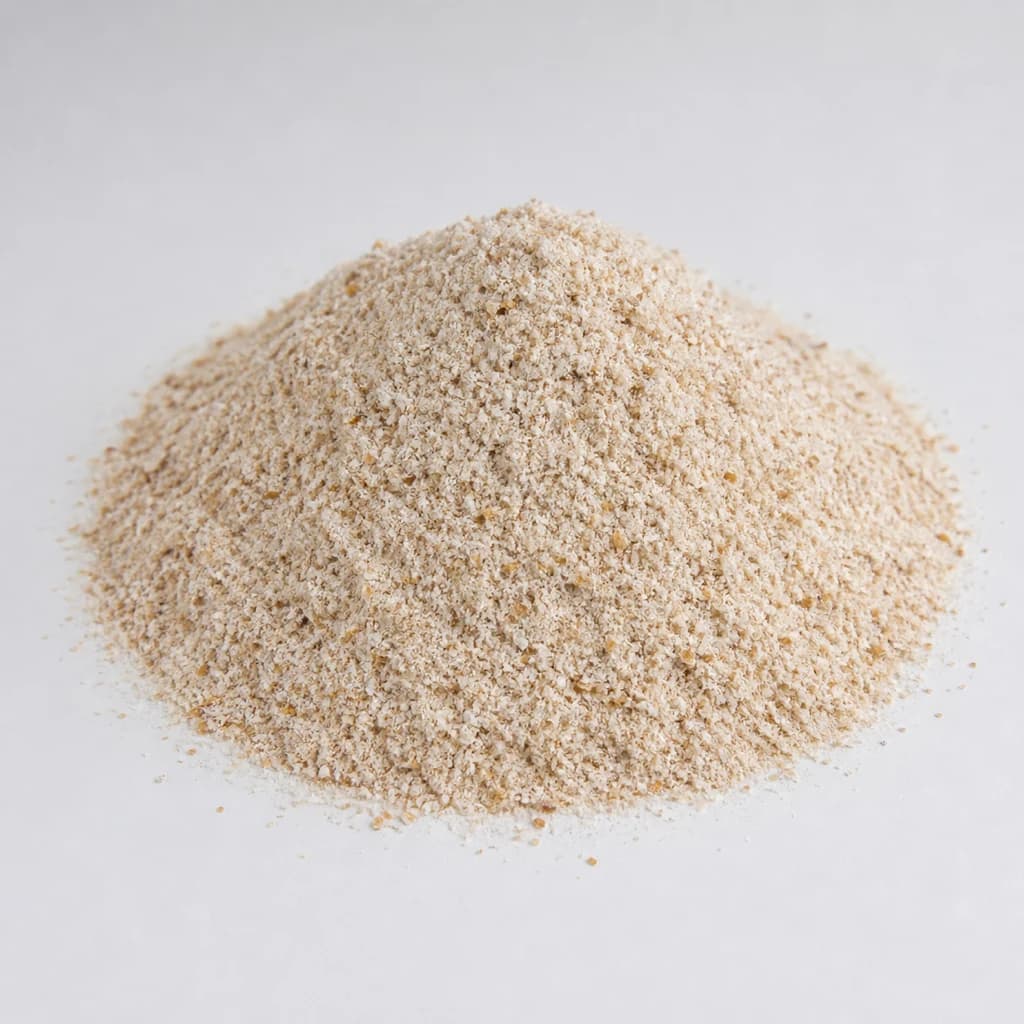
Whole Wheat Flour
Nutty, whole-grain flour for hearty breads and bakes
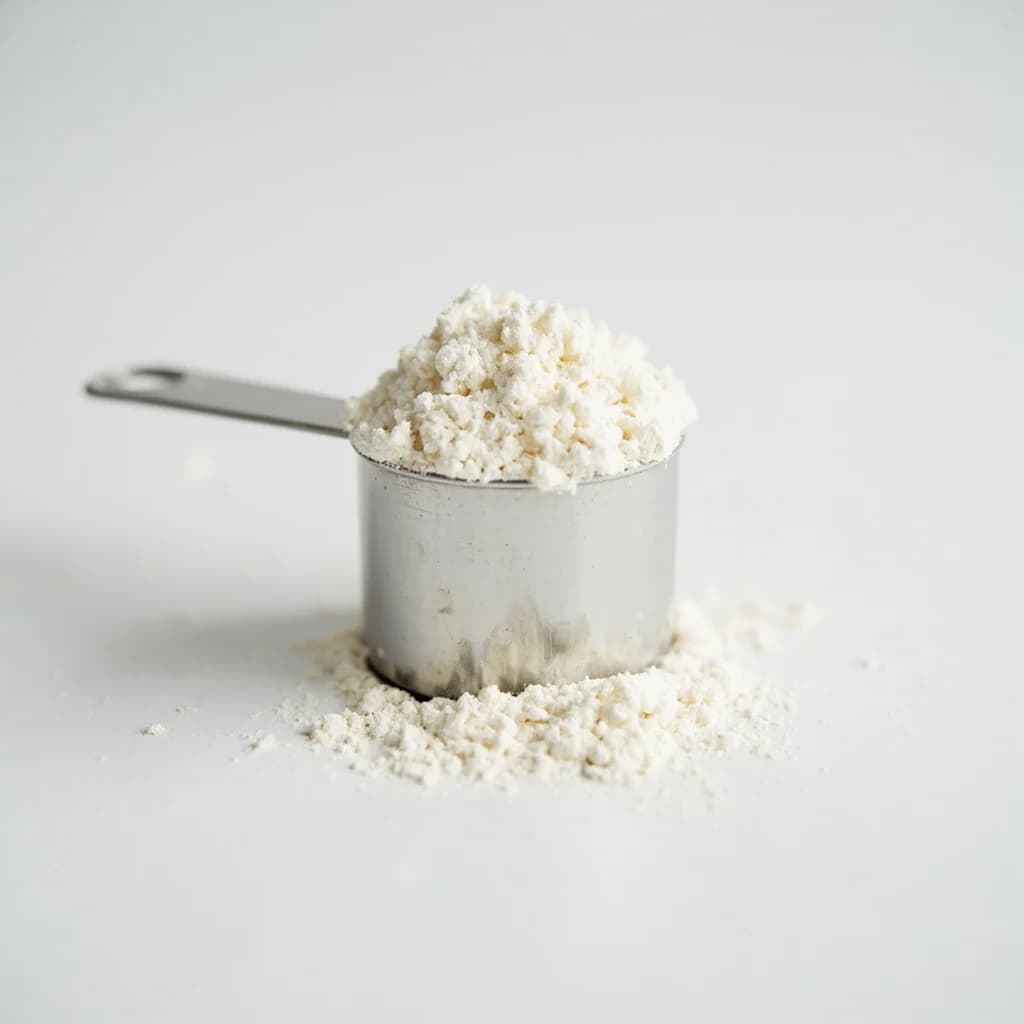
Cake Flour
Fine, low-protein flour for tender, delicate cakes
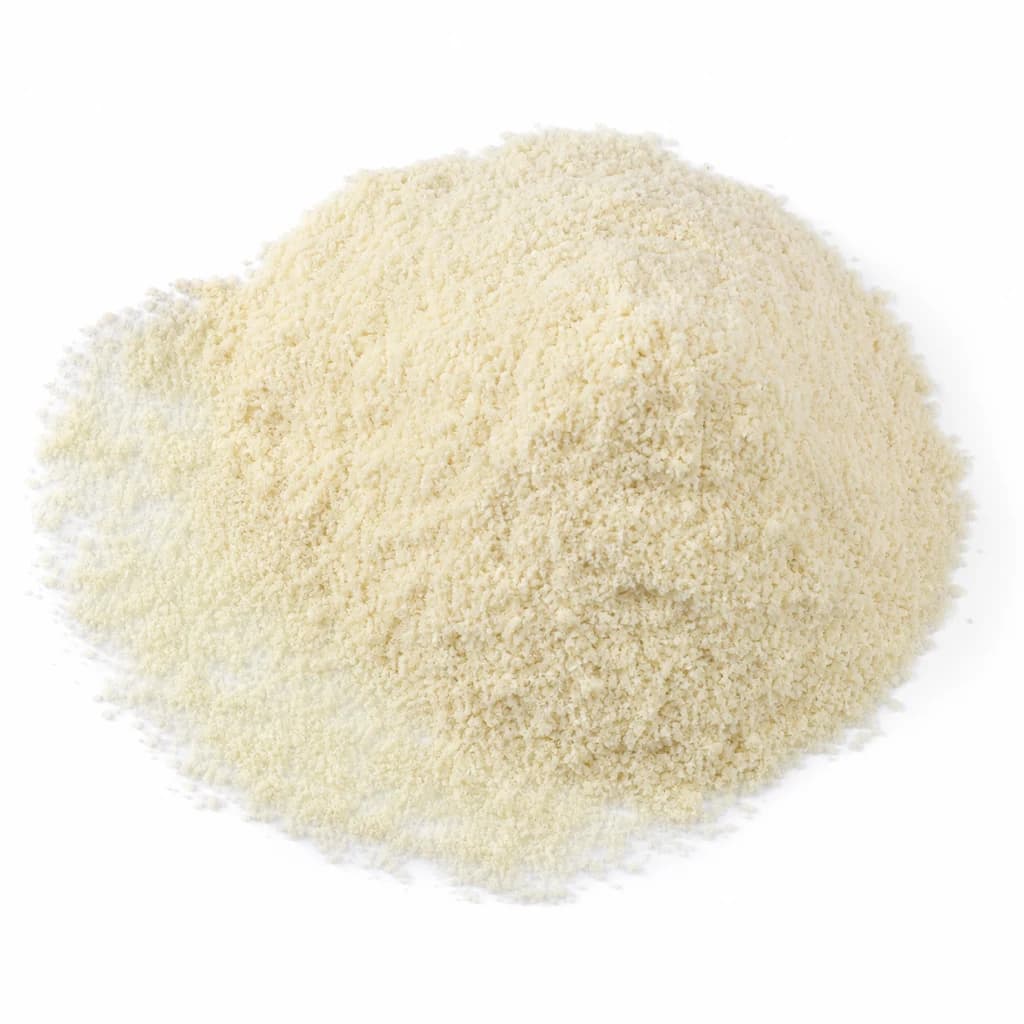
Almond Flour
Nutty, gluten-free flour for macarons and tender bakes

Baking Powder
All-in-one leavener for fluffy cakes, pancakes, and biscuits

Baking Soda
Pure leavener that needs acid to lift — and tenderize
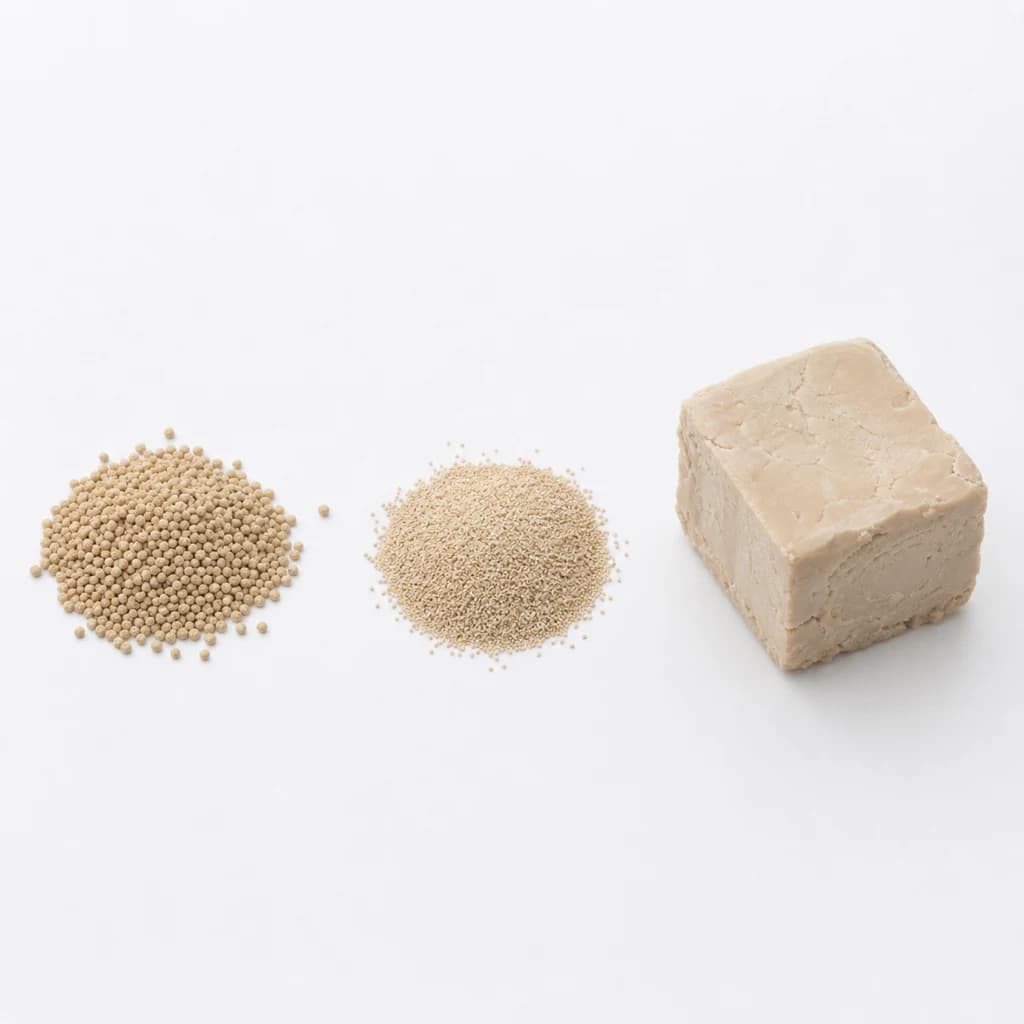
Yeast
Living leaven that makes bread rise and dough come alive