Grains & Rice
Corn Tortilla
Thin round flatbread of nixtamalized corn masa, the base of tacos and enchiladas.
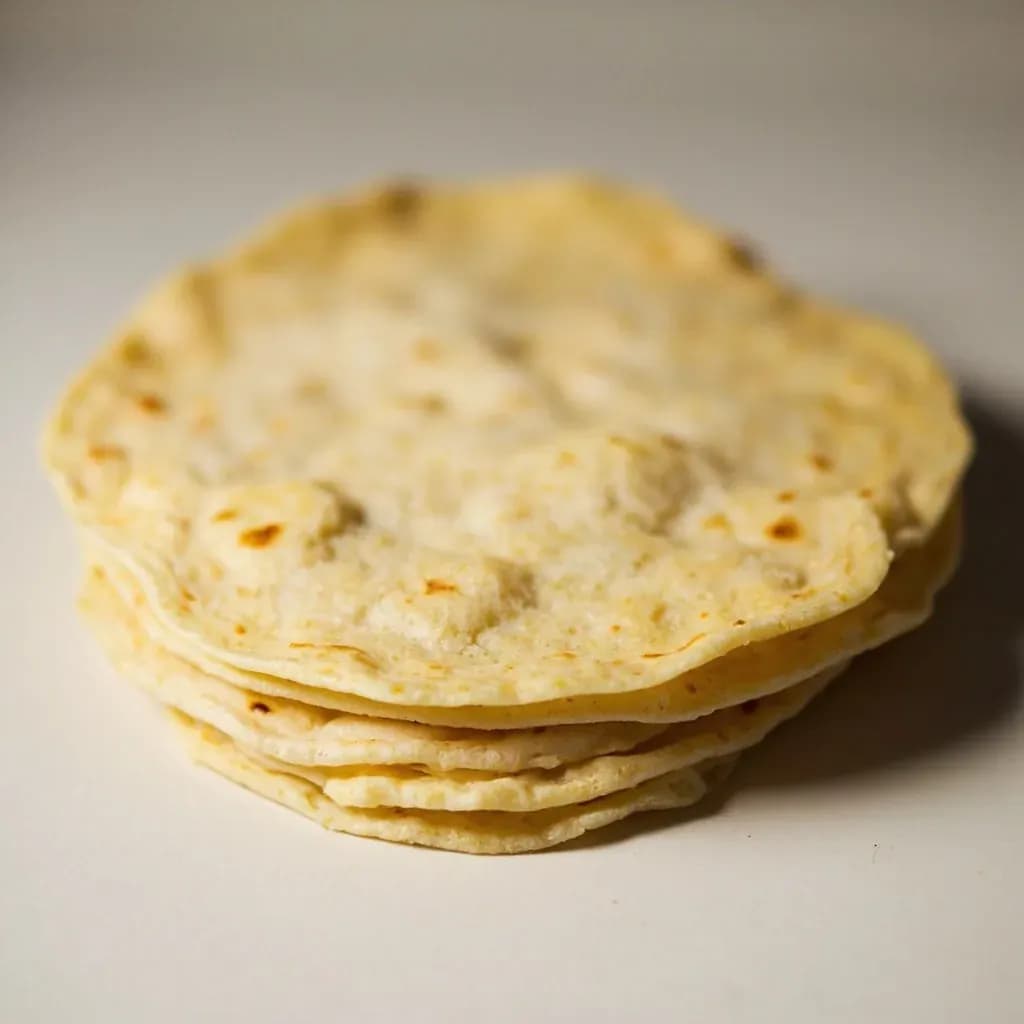
Corn tortillas are thin, round flatbreads pressed from masa (nixtamalized corn dough) and cooked on a hot comal. A cornerstone of Mexican cooking, they wrap tacos, are layered into enchiladas, fried into chips and tostadas, and eaten warm with nearly every meal. They are naturally gluten-free with a distinctive earthy corn flavor.
Corn tortillas are thin, round flatbreads made from nixtamalized corn masa—corn cooked in alkaline water with food-grade lime or wood ash, then ground into a pliable dough. This ancient process, called nixtamalización, is what separates true corn tortillas from any flatbread made with untreated cornmeal: the alkaline treatment loosens the corn's tough hull, releases bound niacin (preventing pellagra), increases calcium availability, and makes proteins digestible. Without nixtamalization, corn is not only nutritionally deficient but produces a dough that cracks and falls apart. The result is a tortilla with a faintly earthy, minerally sweetness and a texture that is simultaneously pliable and slightly chewy when properly cooked.
One of the oldest prepared foods in the Americas, with evidence at Guilá Naquitz cave in Oaxaca dating to at least 1500 BCE, corn tortillas have been a dietary cornerstone from pre-Columbian civilizations through modern Mexico. Traditional preparation involves pressing fresh masa (ground daily in most households for centuries) into thin rounds and cooking them on a dry clay comal or metal skillet. The modern equivalent—masa harina mixed with water and rested—brings this tradition into any kitchen without requiring a molino (grain mill). When cooked on a sufficiently hot surface, a good tortilla develops toasty brown spots and lifts at the edges within 30–45 seconds per side; it folds without cracking, holds fillings without tearing, and carries the distinct corn flavor that anchors Mexican cuisine.
A properly made corn tortilla should never be rubbery, brittle, or taste raw at the center. The hallmark of quality is a slight char, a gentle pliability, and a chew that gives way to the corn's sweet, slightly nutty flavor. Commercial varieties vary widely: many contain preservatives like potassium sorbate and stabilizers that affect texture and flavor. Fresh tortillas from a tortilleria (or homemade) are noticeably superior—drier, more aromatic, and more responsive to heating—while the best are still made from masa ground the same day.
- Measured in
- piece
- Storage
- Fridge
Types & varieties
Most common variety in central Mexico; neutral, mild corn flavor
Common in northern Mexico and US markets; slightly sweeter, more pronounced corn taste
Made from blue corn; earthy, slightly nutty, faintly sweet; traditional to Pueblo peoples and Oaxaca
Made from red corn varieties; mildly sweet, earthier than yellow; regional specialty in parts of Mexico
From dark corn varieties; slightly sweet, often used in tamales
For antojitos: tacos, taquitos, tostadas; crisps more easily when fried
For burritos, chimichangas, large enchiladas; less common in traditional Mexican cooking
Why Nixtamalization Is Non-Negotiable
The alkaline treatment that defines nixtamalized corn is not optional for authentic tortillas. Regular cornmeal, cornstarch, or even finely ground dried corn lacks the chemical transformation that makes masa workable and nutritious. When corn is cooked with lime (calcium hydroxide) or wood ash, the hull softens, the endosperm loosens, and the starches and proteins become accessible. Without this process, tortillas crumble, taste flat, and provide inadequate nutrition—specifically, they cannot prevent pellagra, the niacin-deficiency disease that plagued populations relying on untreated corn.
Reading a Good Tortilla
A properly made corn tortilla tells you its quality at a glance and in the mouth. Visually, it should have occasional dark spots from direct contact with a hot comal—these aren't blemishes but marks of proper char. Texturally, it should be pliable enough to fold into a U-shape without cracking, yet have enough body to support heavy fillings without falling apart. Flavor-wise, you should taste corn—sweet, faintly nutty, with a mineral quality from the lime—rather than cardboard or raw starch. A rubbery, pale, flavorless tortilla is a sign of commercial processing or improper reheating.
- Pliable and slightly chewy when warm
- Toasted brown spots on cooking surface
- Corn-forward flavor with slight sweetness
- Does not tear when folded around fillings
Storing and Reheating
Fresh corn tortillas are perishable in a way dried masa harina is not. Refrigerated, they last 3–5 days; frozen, they hold for up to six months. The critical rule: never microwave stale tortillas. Microwaves drive moisture out of the center while leaving the surface cool, producing a tough, rubbery result. The correct method is a dry comal or skillet over medium heat—20–30 seconds per side until warmed through and pliable. For frozen tortillas, place them directly on the hot comal from frozen; they'll thaw and heat simultaneously in about a minute. Store fresh tortillas layered between paper towels in a sealed bag to absorb excess moisture and prevent mold.
- Reheat only on dry heat: comal, skillet, or open flame
- Frozen tortillas go directly on hot dry surface—no thawing needed
- Stack and wrap in cloth to keep warm for service
- Refrigerate only if using within 5 days; freeze for longer storage
Buying Guide: What to Look For
Commercial corn tortillas vary enormously in quality. Read labels: the ingredient list for a traditional tortilla should be short—corn, lime, water, and possibly a small amount of oil or fat. Watch for potassium sorbate, guar gum, and other preservatives and stabilizers, which affect flavor and texture. If you have access to a local tortilleria, use it—fresh-ground masa produces tortillas that supermarket versions cannot match. When buying packaged tortillas, choose those with the shortest ingredient list and the freshest sell-by date. Avoid any product that lists "corn flour" or "cornmeal" rather than "masa" or "nixtamalized corn"—the alkaline treatment is the defining difference.
- Short ingredient list: corn, lime/water, minimal additions
- Avoid preservatives if clean flavor is desired
- Local tortillerias produce superior fresh tortillas
- Fresh ground masa produces noticeably better results than packaged
Making Corn Tortillas from Scratch
For committed cooks, homemade tortillas are far superior to anything purchased. The process begins with masa harina (like Maseca), not regular cornmeal. Mix 2 cups masa harina with approximately 1¼ cups warm water—enough to form a dough that holds together without sticking to your hands. Rest the covered dough for 15–20 minutes to allow full hydration. Divide into golf-ball-sized portions (about 1½ ounces each). Press with a tortilla press (or a heavy skillet with a plastic bag) to 1/8-inch thickness. Cook on a dry comal or heavy skillet over medium-high heat: 30–45 seconds per side until dark spots appear and edges lift. Keep finished tortillas wrapped in a cloth as you cook the rest. The first tortilla is always a test—adjust dough moisture if it cracks.
- Use masa harina, not regular cornmeal or corn flour
- Dough should be pliable, not sticky or dry; rest 15–20 minutes
- Press once with steady, even pressure—double pressing causes uneven thickness
- Cook on very hot dry surface until spots appear and edges lift
Common uses
Tips & pitfalls
- Warm tortillas on a dry comal or skillet over medium heat 20–30 seconds per side until pliable; never microwave stale tortillas as they become rubbery.
- Fresh tortillas that crack when folded are too dry; wrap in damp cloth or toast briefly with a sprinkle of water.
- Authentic flavor requires nixtamalized corn; regular cornmeal or corn flour lacks the alkaline treatment and produces inferior results.
- When pressing masa, center the ball and press once with steady pressure; double pressing makes uneven thickness that cooks irregularly.
- Store fresh tortillas layered between paper towels in a sealed bag to absorb excess moisture and prevent mold.
- Frozen tortillas thaw in minutes at room temperature or directly on a warm comal.
- For restaurant-quality char, cook on a very hot dry skillet until edges lift slightly and dark spots appear (30–45 seconds per side for fresh masa tortillas).
- Masa harina (like Maseca) must be mixed with water and rested 15–20 minutes to allow full hydration.
- Commercial tortillas often contain preservatives (like potassium sorbate) and stabilizers; check labels if clean ingredients are desired.
- Thick, dense tortillas indicate too much masa per press or insufficient pressing; use less dough or press more firmly.
Nutrition
Energy
1155 kJ · per 100 g
Where the calories come from
Protein
7.8g
16% DV
Carbs
58.1g
21% DV
Fat
1.4g
2% DV
Fiber
3.4g
12% DV
Sugars
3g
of which
Sodium
663mg
29% DV
Source · USDA FoodData Central · Tortilla, blue corn, Sakwavikaviki (Hopi)
View on FDC →In the shops
Matched grocery products
 €1.99
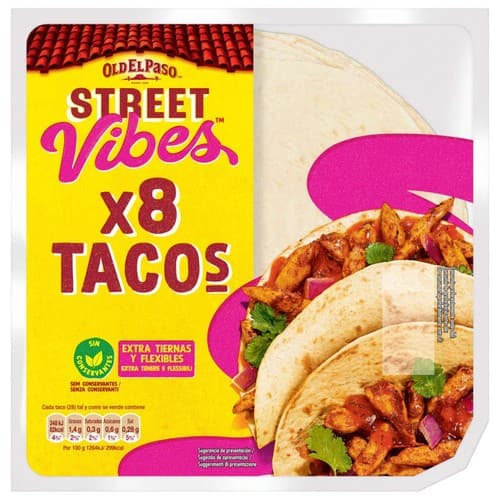
€1.99Mini Taco Tortillas
OLD EL PASO · kg · Bonpreu
 €0.99
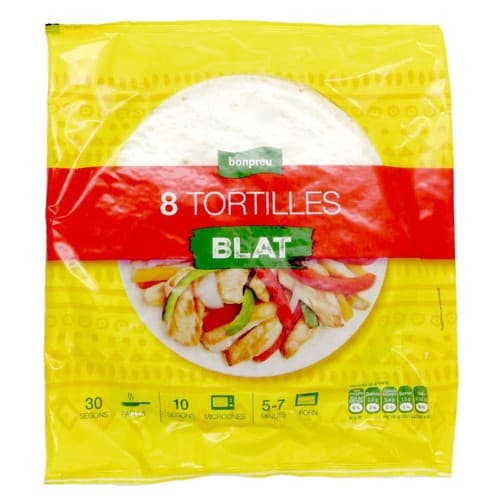
€0.99Bonpreu Wheat Tortillas
BONPREU · kg · Bonpreu
 €1.85
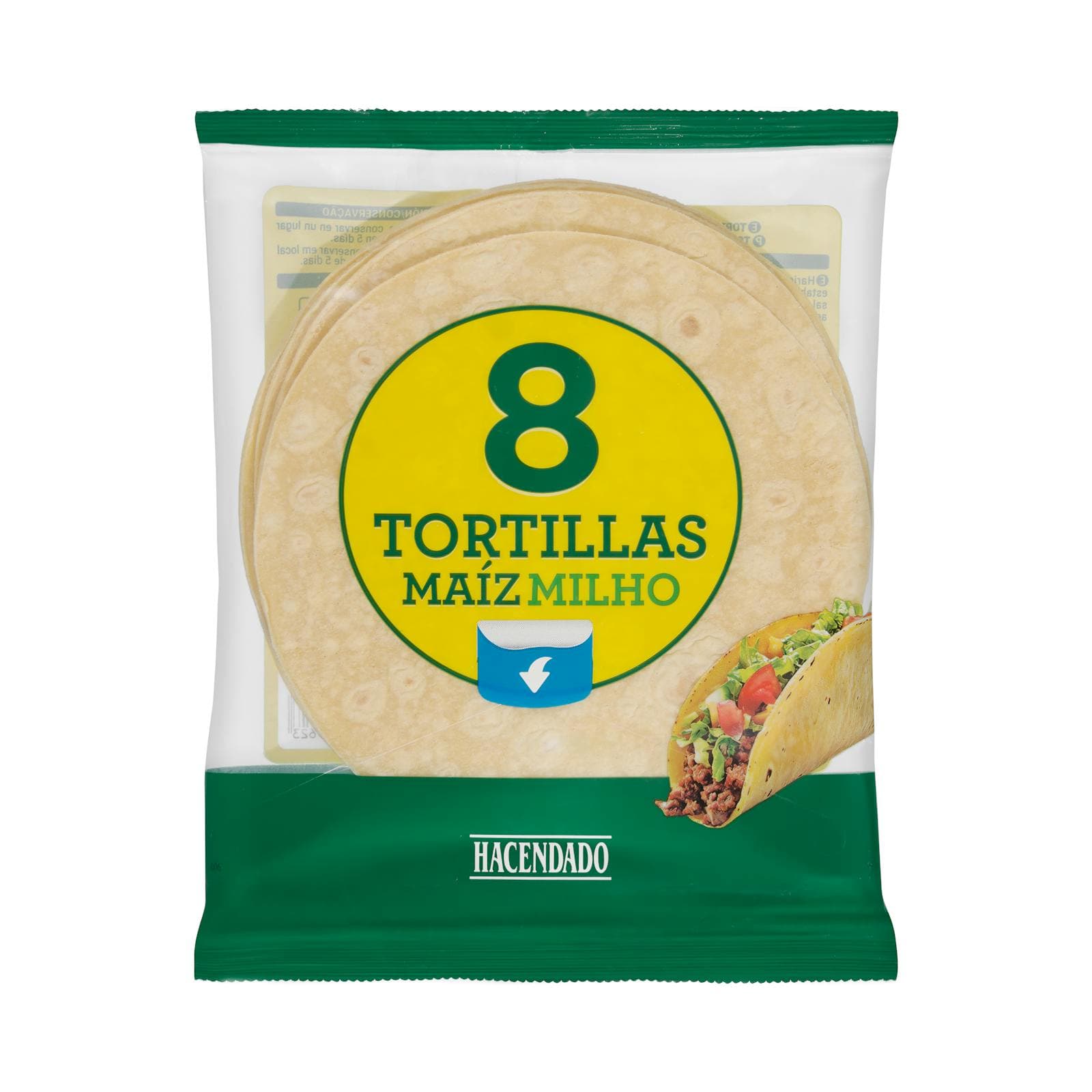
€1.85Corn Tortillas
Hacendado · 208 g · Mercadona
 €2.59
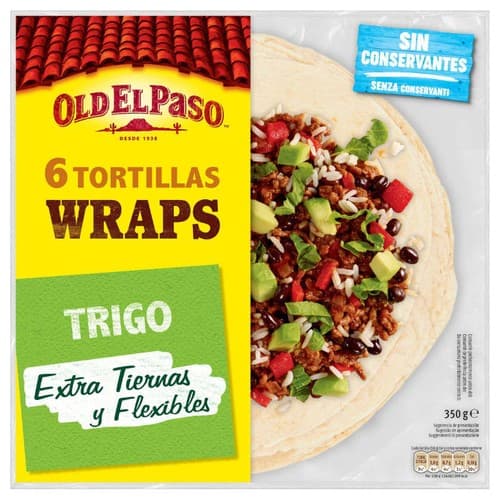
€2.59Old El Paso Wheat Tortillas
OLD EL PASO · kg · Bonpreu
 €1.15
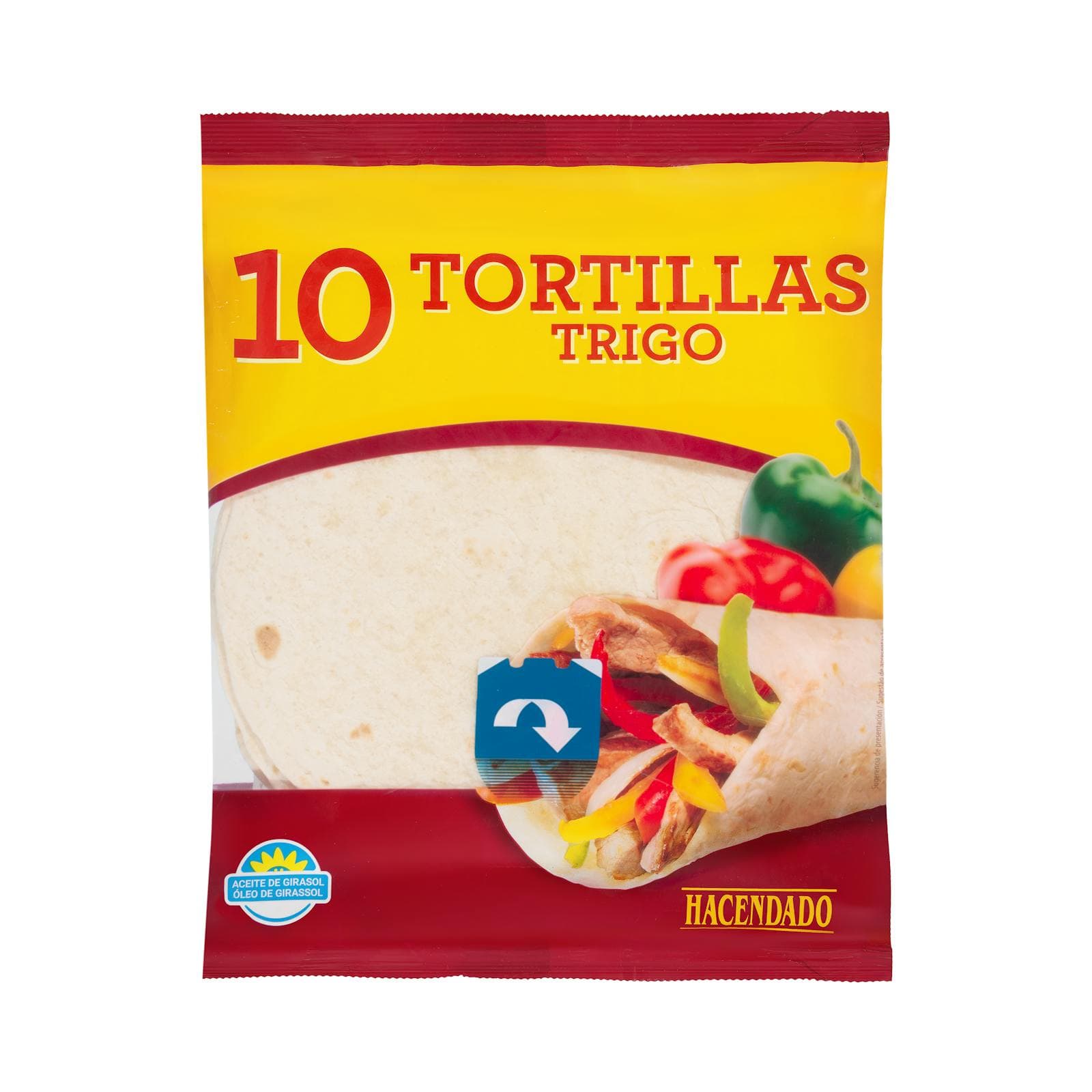
€1.15Wheat Tortillas
Hacendado · 360 g · Mercadona
 €1.39
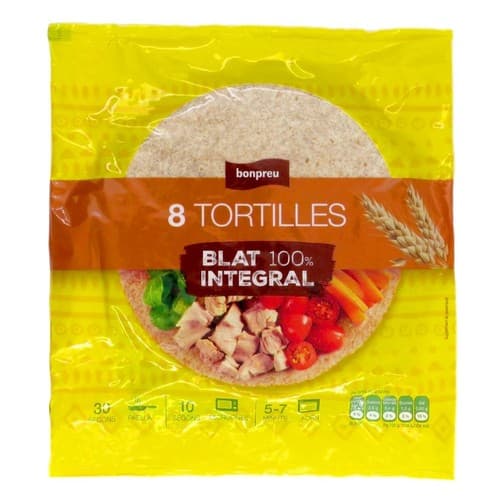
€1.39Bonpreu Whole Wheat Tortillas
BONPREU · kg · Bonpreu
Good to know
- Origin
- Mesoamerica; consumed since at least 1500 BCE, evidence found at Guilá Naquitz cave in Oaxaca
- Base Ingredient
- Nixtamalized corn (corn cooked in alkaline water with food-grade lime or wood ash) ground into masa
- Typical Size
- 6–8 inches (15–20 cm) diameter, approximately 1/8 inch thick
- Gluten-Free
- Yes; made entirely from corn and water
- Shelf Life (Fresh)
- 3–5 days refrigerated; up to 6 months frozen
- Shelf Life (Dried/Masa Harina)
- 6–12 months in cool, dry storage
- Calories (per 6-inch tortilla)
- Approximately 50–70 calories
- Nixtamalization Purpose
- Releases niacin, increases calcium, makes protein digestible, improves texture
Substitutes
- Flour Tortilla — Not a direct substitute; softer, chewy, does not hold shape as well for tacos; used in northern Mexico and Tex-Mex; not gluten-free
- Flour Tortilla + Corn Masa — Hybrid tortillas exist but are neither traditional nor ideal for most applications
- Wheat Flatbread (Naan, Lavash) — Distant substitute; completely different flavor and texture; acceptable only for dietary necessity
- Lettuce Wrap — Low-carb alternative; acceptable for soft-taco style fillings only
Pairs with
Also called
Tortilla de Maíz
Appears in these dishes
Related

White Rice
Fluffy long-grain rice — the neutral base for almost any meal

White Bread
Soft sandwich loaf for toast, sandwiches, and crumbs
Brown Rice
Nutty, whole-grain rice with chew and extra fiber

Basmati Rice
Fragrant, long-grain rice that cooks up light and separate
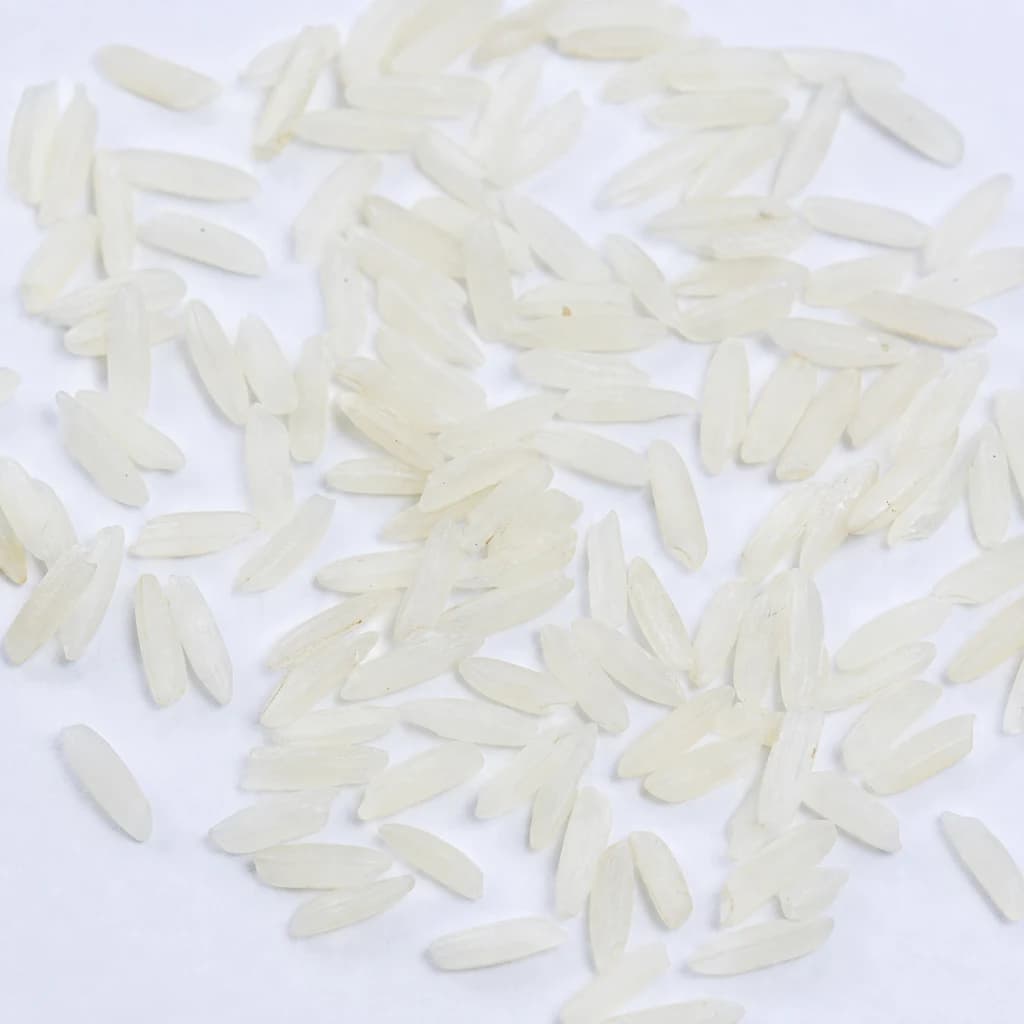
Jasmine Rice
Soft, floral-scented rice that's the pillar of Thai meals
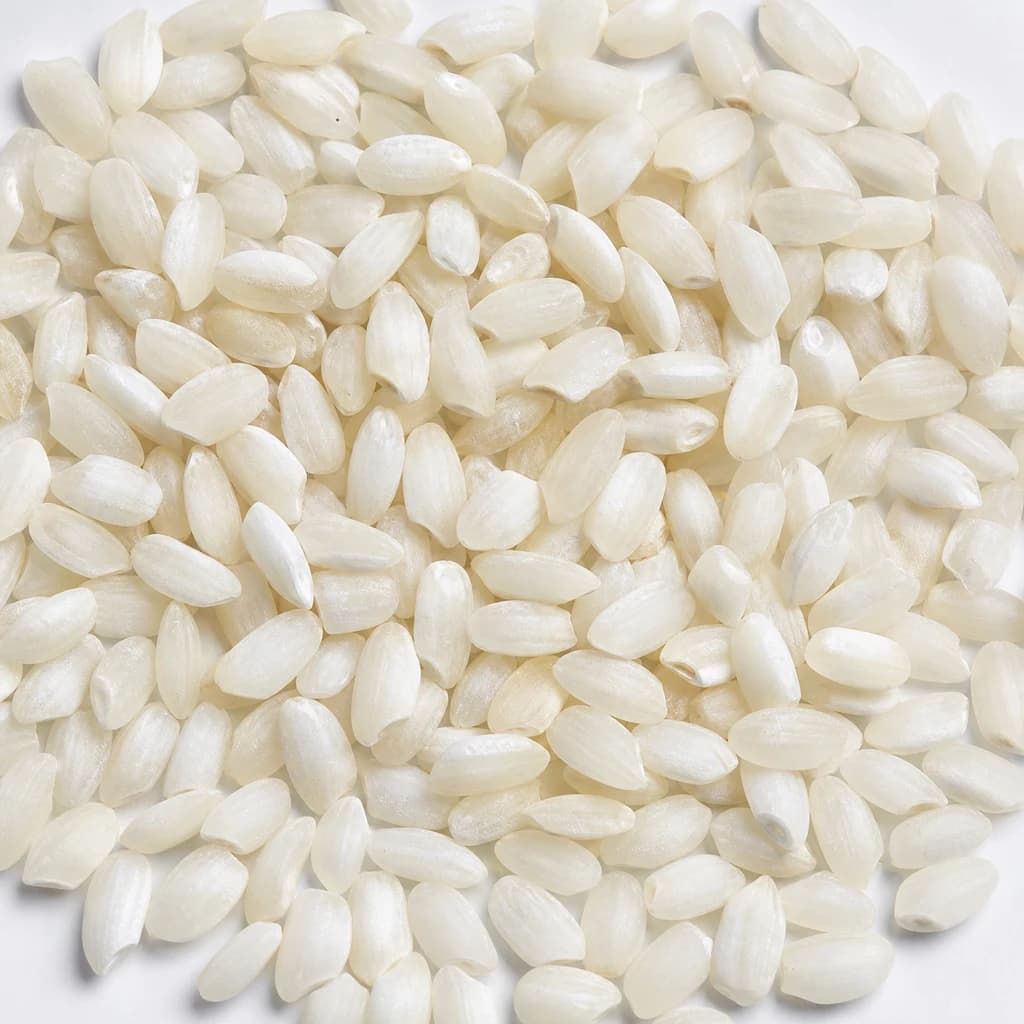
Arborio Rice
Plump, starchy rice that makes risotto creamy
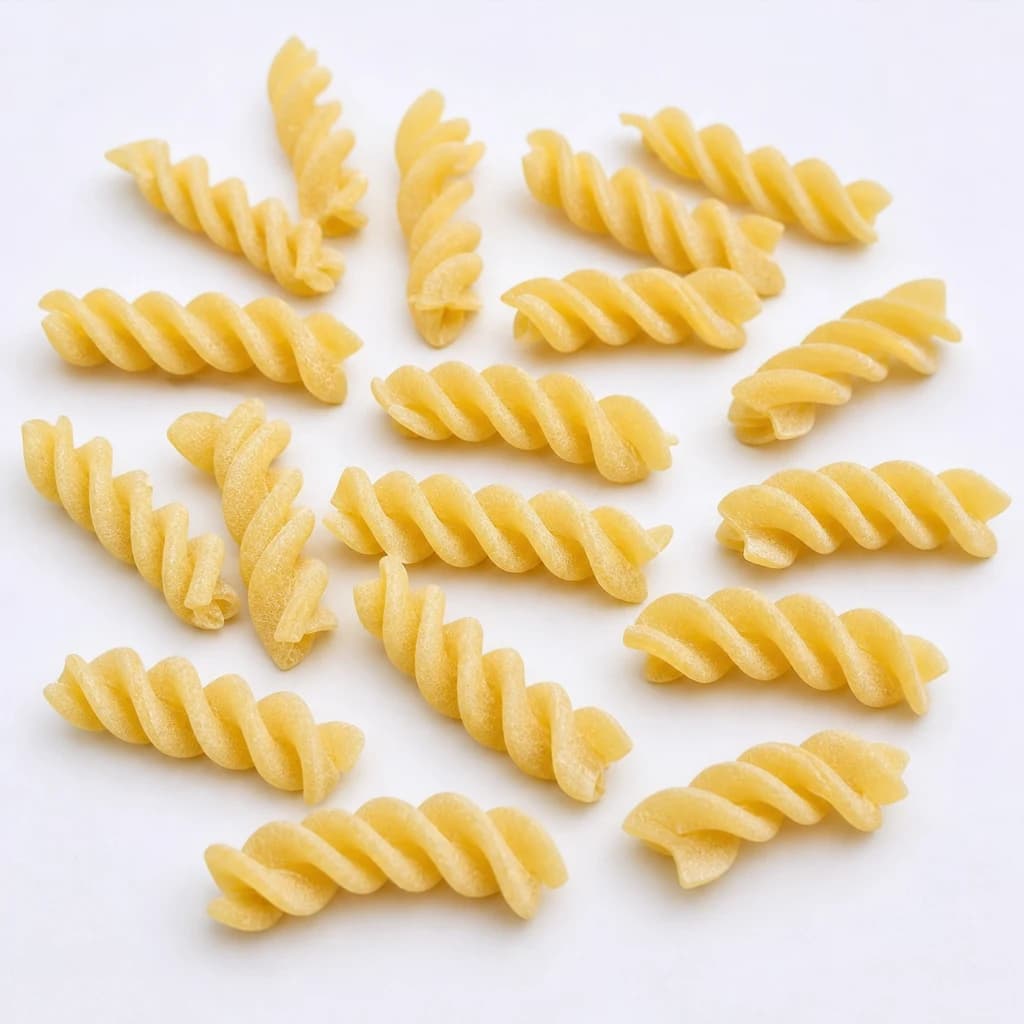
Fusilli
Spiraled pasta that twirls up sauce and dresses cold salads
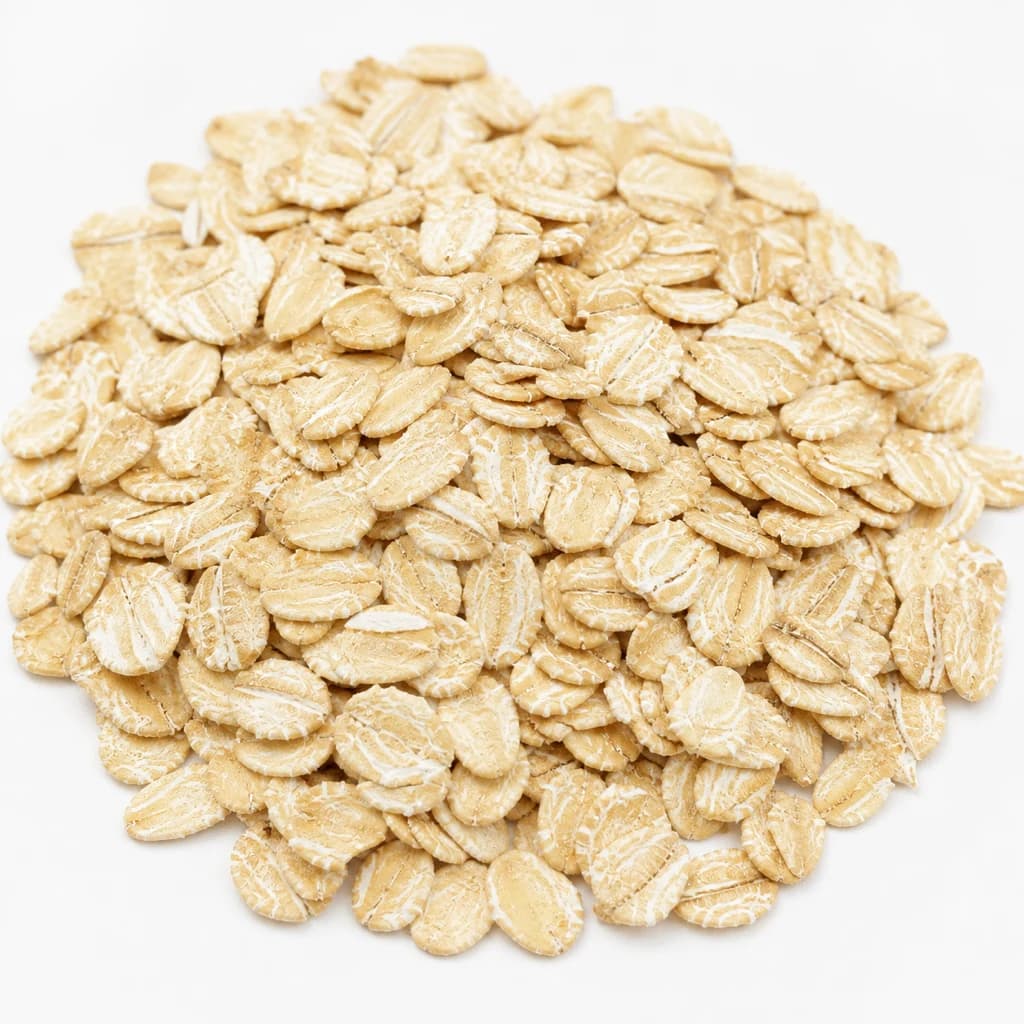
Rolled Oats
Hearty flakes for porridge, granola, and chewy cookies