Legumes & Beans
Yellow-Eyed Bean
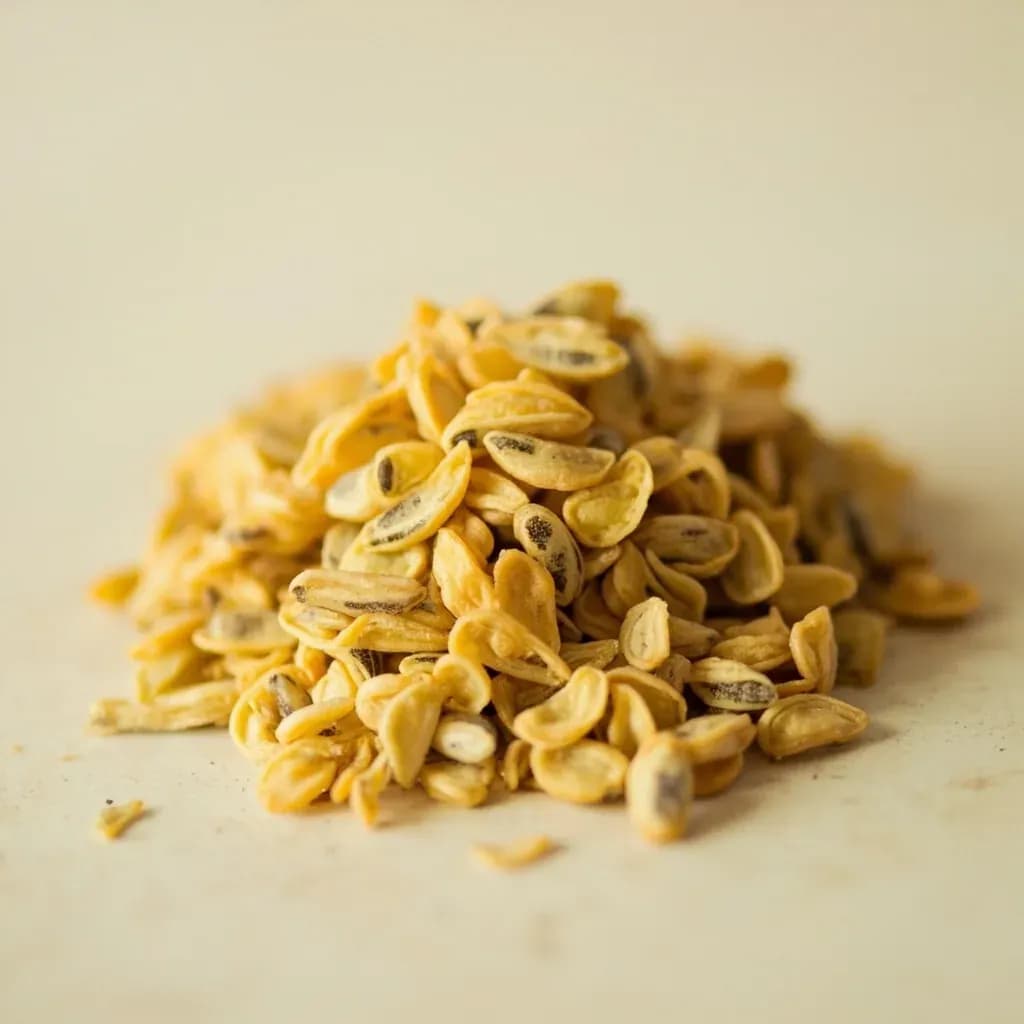
Creamy cream-colored bean with a dark yellow eye, used in soups, stews and bean salads.
Yellow-eyed beans are small cream-colored legumes marked by a yellow-brown ring around the hilum. They cook up tender and creamy and are common in West African, Caribbean and Southern U.S. cooking for soups, stews and bean dishes. Soak dried beans before simmering until soft, and they hold their shape well in braises.
Yellow-eyed beans are a distinct variety within the cowpea family, valued for their creamy interior and mild, slightly nutty flavor that sets them apart from standard black-eyed peas. The dark yellow to golden eye that gives the bean its name contains a concentration of starches responsible for the characteristic creaminess when cooked. Shaped like small kidneys about half an inch long, these beans hold their shape well during cooking while developing a smooth, almost buttery texture inside—making them ideal for soups, stews, and salads where you want substance without mushiness.
A staple in Southern US, Caribbean, and West African cuisines, yellow-eyed beans are interchangeable with black-eyed peas in many traditional dishes, though cooks who prefer them argue that yellow-eyes offer superior creaminess for soup applications. Like all legumes, they are an excellent source of plant-based protein and fiber, and they excel at absorbing and carrying the flavors of the ingredients cooked with them. The bean's neutral, versatile character makes it equally at home in a simple side dish with aromatics or in a complex slow-cooked stew.
- Measured in
- g
- Storage
- Pantry
Types & varieties
The most common commercial variety in the United States; medium-sized, creamy texture when cooked
Slightly larger; traditionally used in Creole and Cajun cooking
Regional name in some Southern markets for the same bean
Common uses
Tips & pitfalls
- Always soak dried yellow-eyed beans for at least 8 hours; this reduces cooking time by half and promotes even cooking throughout the batch
- Add salt only in the last 30 minutes of cooking or after beans are fully tender—salt added early toughens the bean skins and prevents softening
- Skim the foam that rises during the first 10–15 minutes of boiling to remove impurities and improve the final flavor of your dish
- Add acidic ingredients like tomatoes, vinegar, or citrus only in the final 20–30 minutes; acid interferes with softening and can leave beans firm
- Test for doneness by biting or pressing a bean against the side of the pot—the interior should be creamy with no chalky core remaining
- For firmer beans suitable for salads, stop cooking when tender but before they begin to fall apart
- Older dried beans take longer to cook; if beans are more than 1–2 years old, add a pinch of baking soda to the soaking water to help break down cell walls
- Use cooking liquid in dishes—the starchy water adds body and flavor to soups and stews
- Leftover cooked beans freeze excellently in their cooking liquid for up to 6 months
Nutrition
Energy
130 kJ · per 100 g
Where the calories come from
Protein
1.8g
4% DV
Carbs
7.1g
3% DV
Fat
0.1g
0% DV
Fiber
3.4g
12% DV
Sugars
3.3g
of which
Sodium
6mg
0% DV
Source · USDA FoodData Central · Beans, snap, yellow, raw
View on FDC →In the shops
Matched grocery products
No matched grocery products for Yellow-Eyed Bean yet.
Good to know
- Scientific Name
- Vigna unguiculata subsp. unguiculata
- Origin
- West Africa; primary cultivation in Southern United States, Caribbean, and West Africa
- Type
- Dried legume (cowpea family)
- Color
- Cream or off-white with a distinctive dark yellow to golden eye
- Typical Size
- About 1/2 inch long, kidney-shaped
- Protein (per cooked cup)
- Approximately 13–15 grams
- Fiber (per cooked cup)
- Approximately 11 grams
- Soaking Time
- 8–12 hours or quick-soak 1 hour
- Cooking Time (after soaking)
- 45–90 minutes depending on age and desired texture
- Yield
- Approximately 2 cups cooked per 1 cup dried
- Shelf Life (dried)
- 1–2 years in cool, dark, dry conditions
- Shelf Life (cooked)
- 3–5 days refrigerated; 6 months frozen
- Difficulty
- Easy; main challenge is proper soaking and not adding salt too early
Substitutes
- Black-eyed peas — Closest substitute; slightly smaller but similar texture and flavor; interchangeable in most recipes
- Cannellini beans — Good for soups and stews where a creamy white bean is desired; different flavor but similar cooking behavior
- Great northern beans — Similar size and creaminess; slightly nuttier; works in stews and soups
- Baby lima beans — Comparable creamy texture; slightly different flavor profile
Pairs with
Also called
yellow-eye-bean · yellow eyed bean
Related
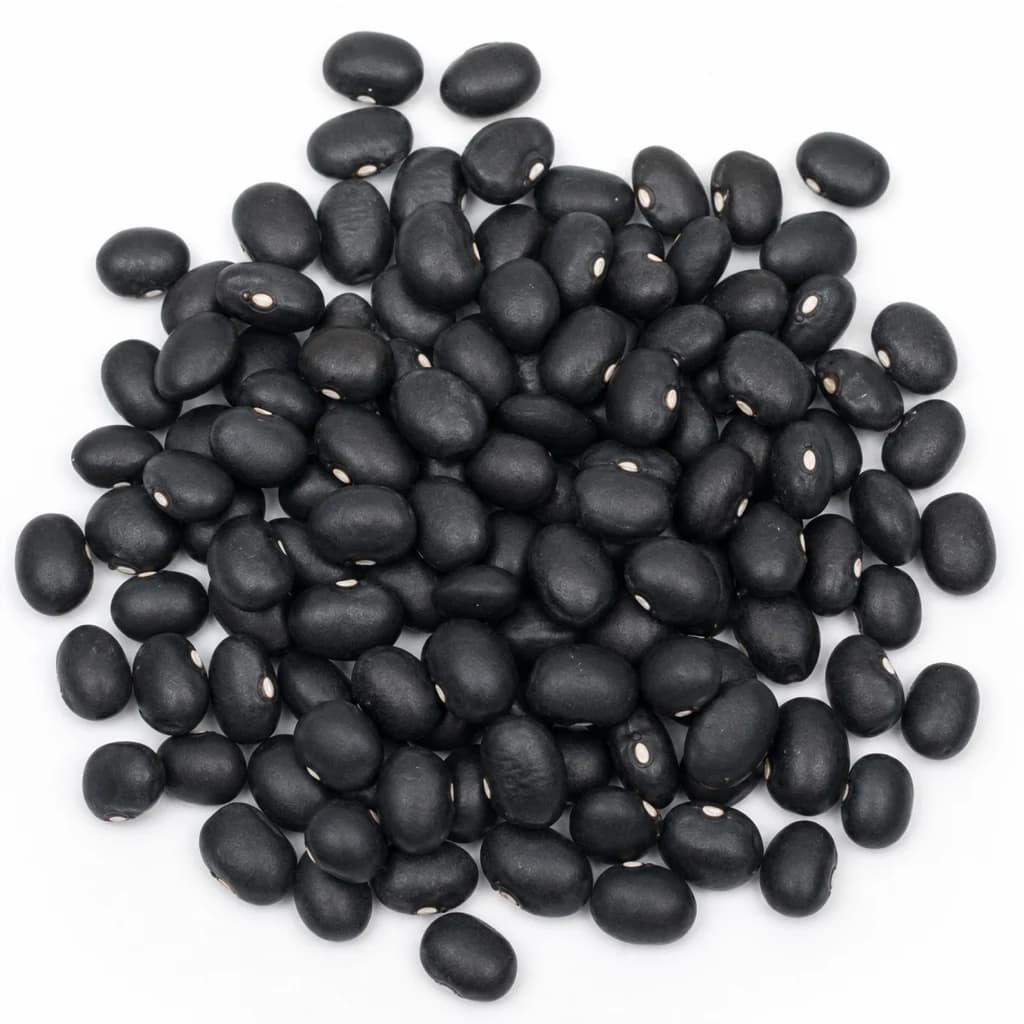
Black Beans
Earthy, creamy beans for bowls, soups, and tacos
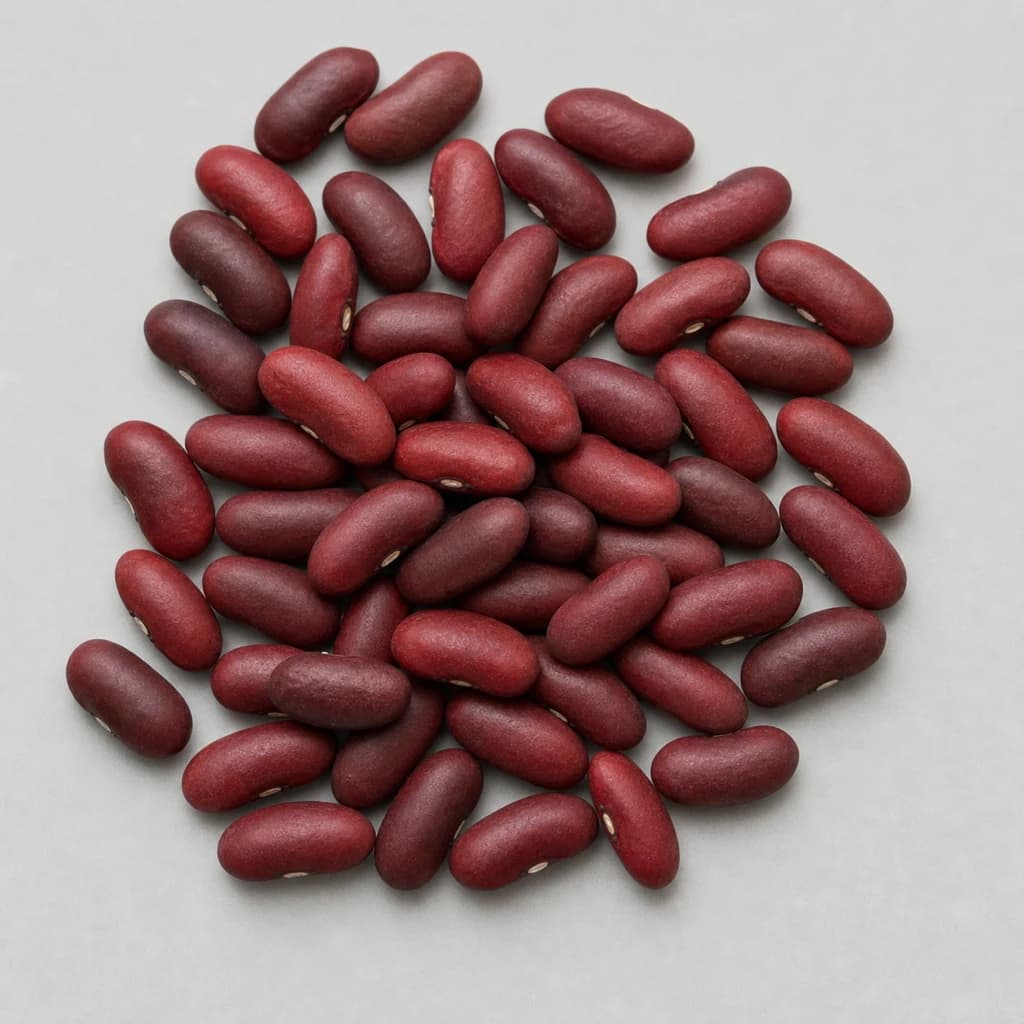
Kidney Beans
Hearty red beans that hold their shape in chili and stews
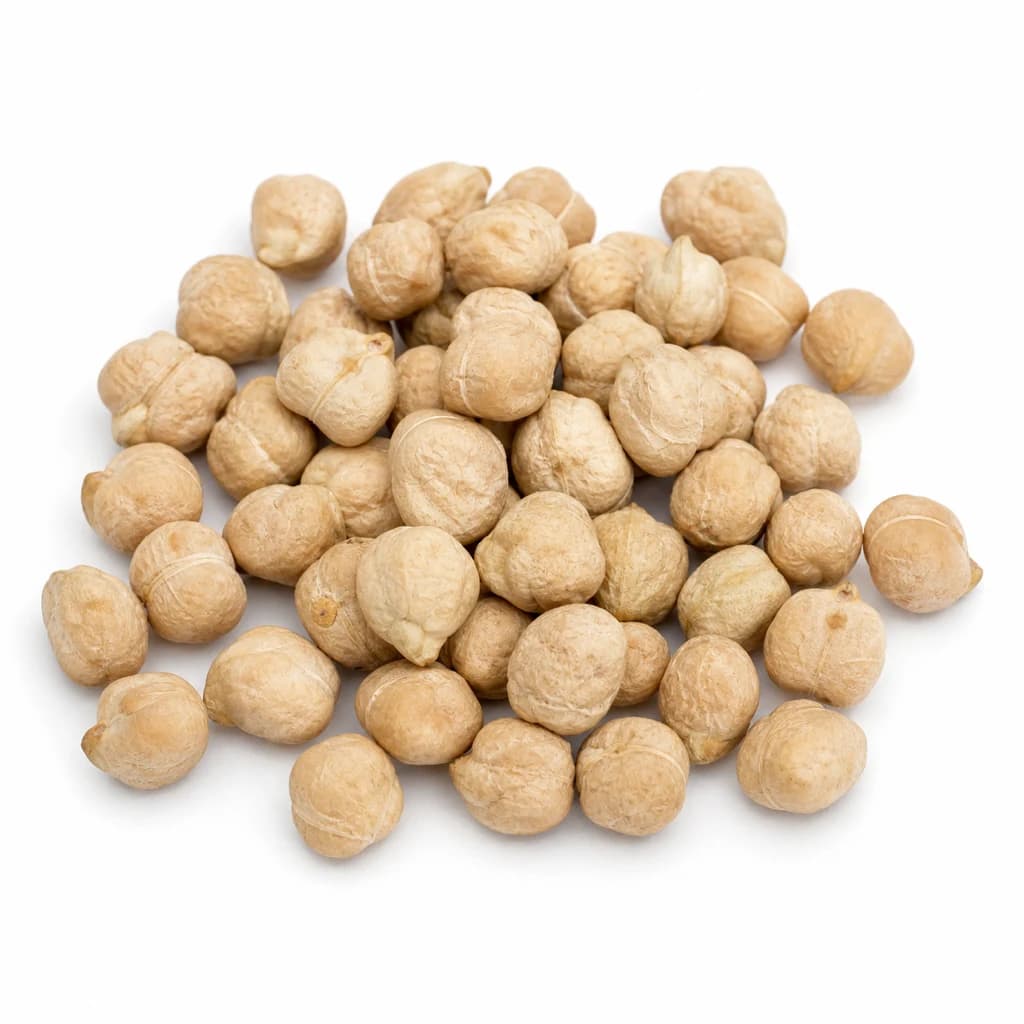
Chickpeas
Nutty, versatile beans for hummus, curries, and roasting
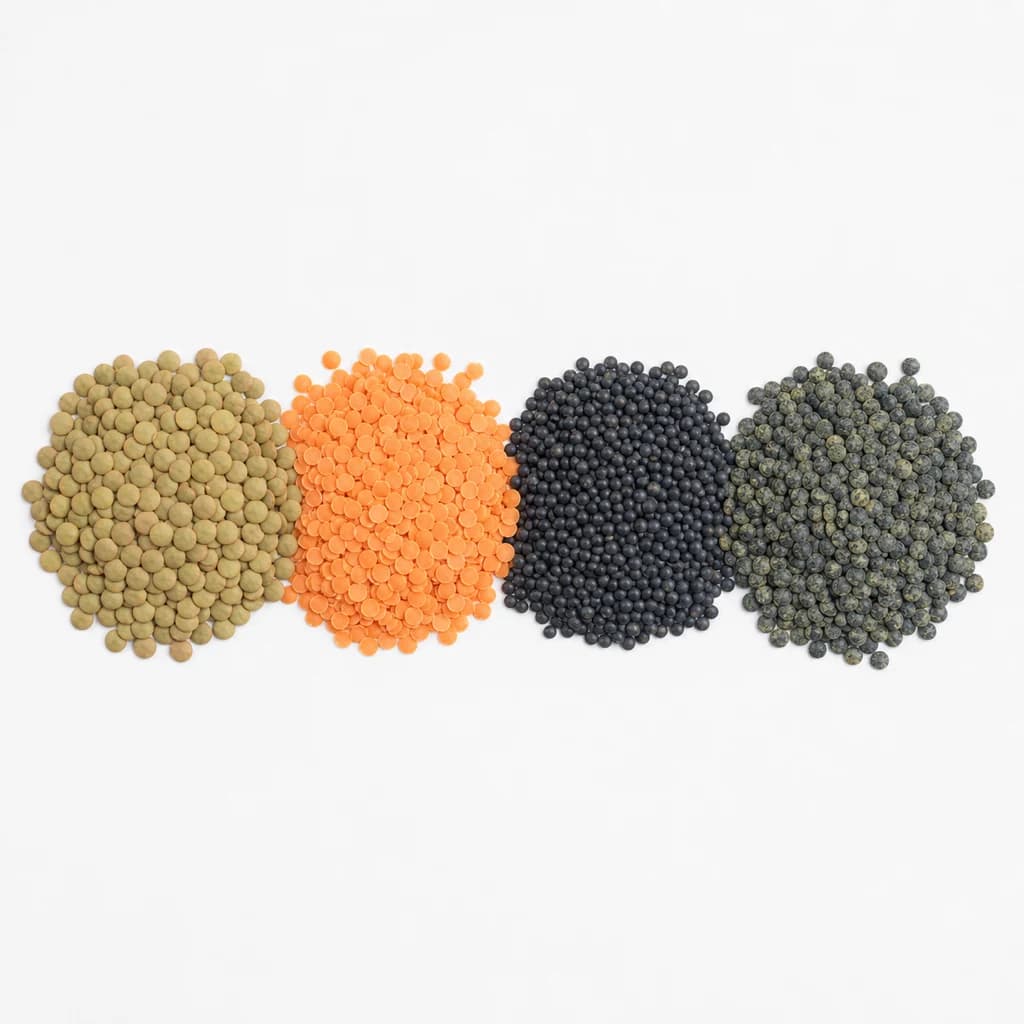
Lentils
Quick-cooking pulses for soups, dals, and hearty salads

White Beans
Creamy, mild beans for soups, stews, and silky purées
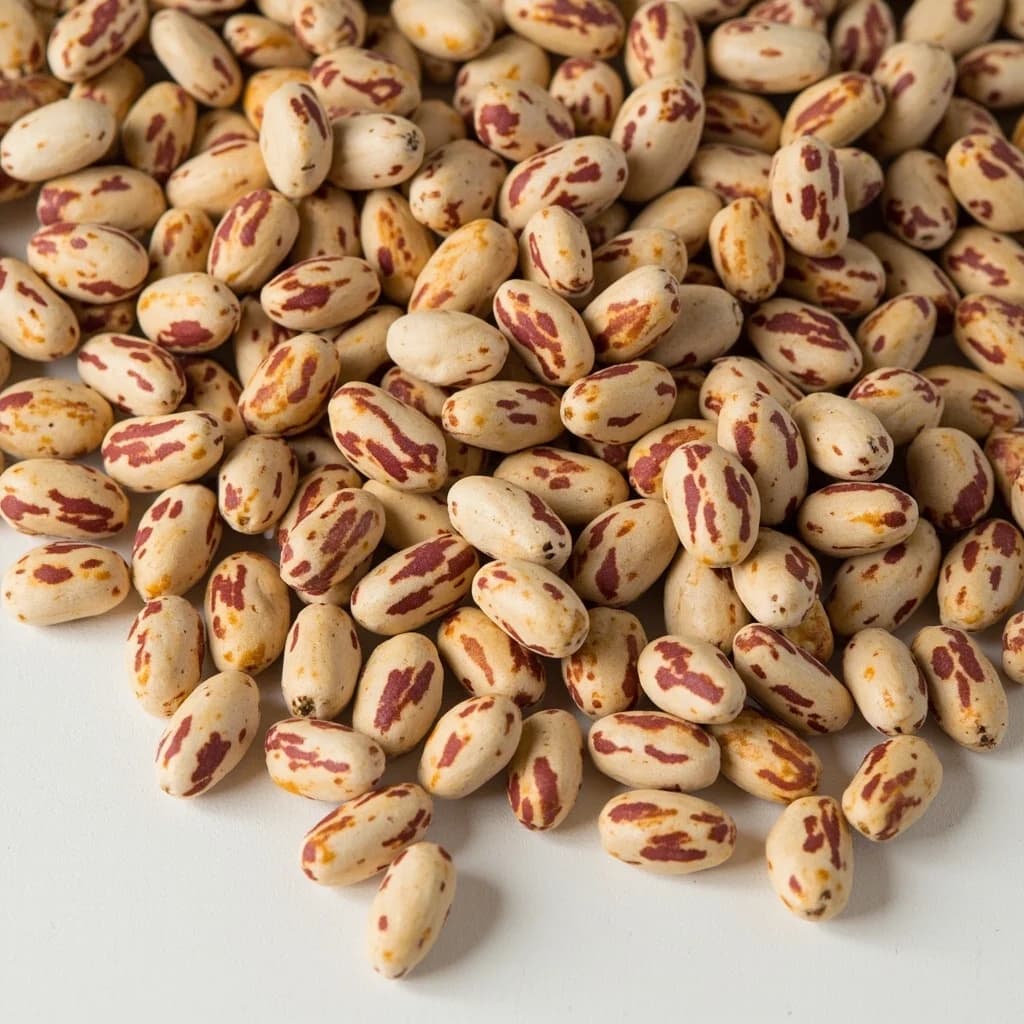
Pinto Beans
Creamy, speckled beans for refried beans and stews

Split Peas
Quick-cooking peas that melt into thick, comforting soups
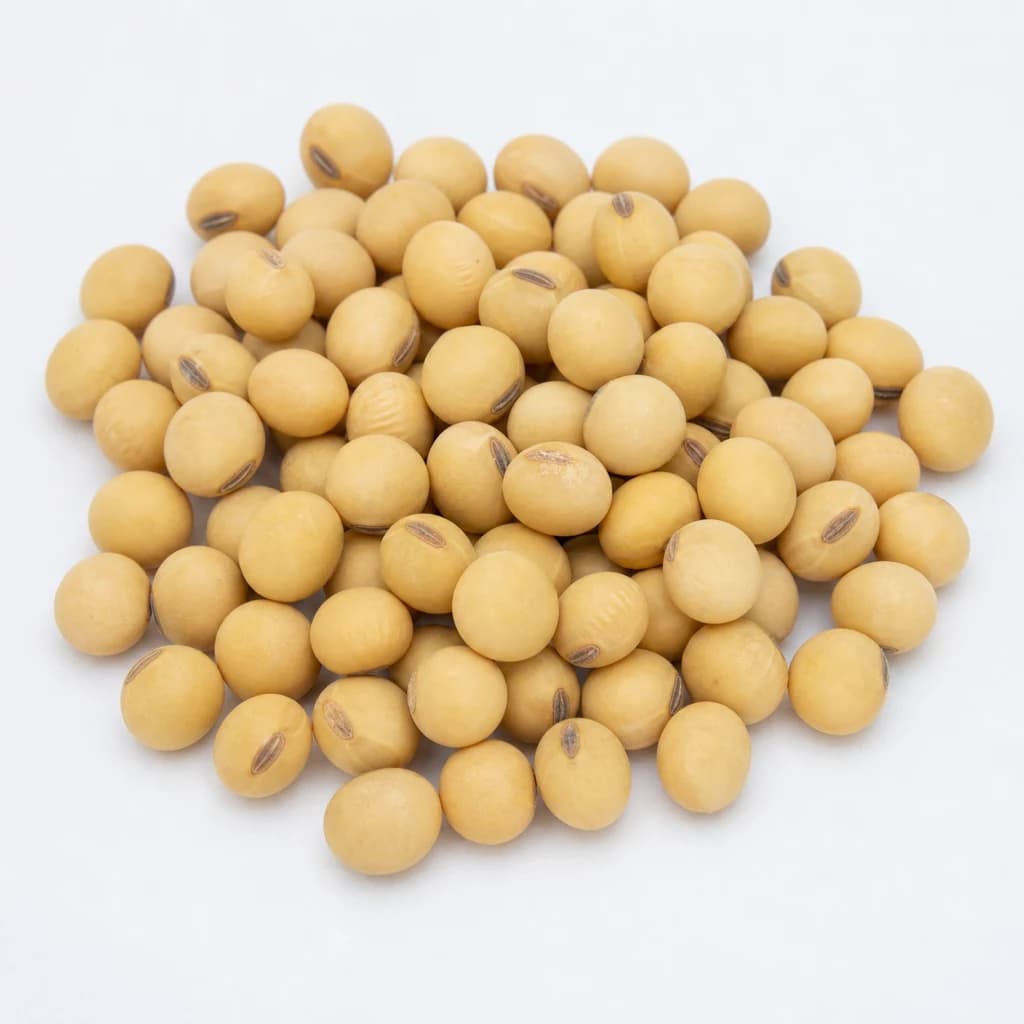
Soybeans
Protein-packed beans, the base for tofu and miso