Tying & Fastening
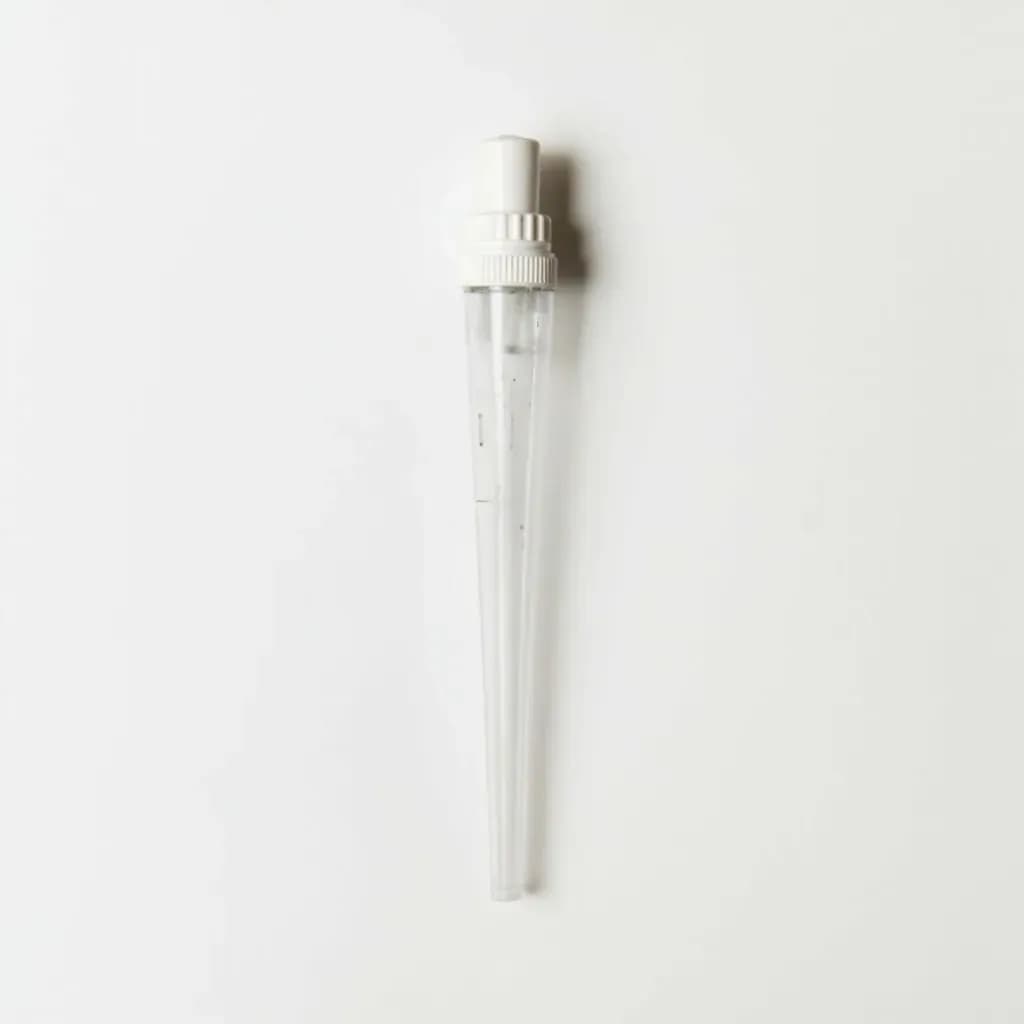
Disposable Pipette
A small plastic dropper for measuring and placing precise drops of liquid in plating and modernist cooking.
A disposable pipette is a one-piece plastic transfer dropper with a squeeze bulb and slim stem. Cooks use it to draw up and dispense exact small amounts of liquid, such as flavored oils, dye, or sauces, for precise plating and modernist garnishes. It is single-use and graduated versions allow rough volume measurement.
The disposable pipette is a one-piece molded tool made of low-density polyethylene, consisting of a squeezable reservoir bulb at one end and a tapered stem that narrows to a fine tip at the other. Most kitchens keep three sizes within reach — 1 mL, 3 mL, and 5 mL — and they differ less in precision than in drop volume, stem reach, and reservoir capacity. The plastic is soft, light, and translucent, so a cook can see how much liquid sits in the bulb and judge the moment to release.
In practice the pipette behaves like a controllable dropper: a slow, partial squeeze sets down a bead or a thin thread of liquid, while a full snap-release splatters. The graduations molded into the stem are approximate — typically accurate only to within 5–10 percent — and should not be trusted for recipe scaling. Treat the tool as a finisher on the pass, not a measure in the prep kitchen. Its soft LDPE construction is the main physical limitation: the body begins to deform near 90–100 °C, so pipettes belong at plating and at the table, never in a hot pan or with boiling liquid. For genuinely precise volumes, modernist cooks graduate to graduated syringes without needles or stainless squeeze bottles with fine tips.
Pipettes crossed into professional kitchens from the laboratory in the late twentieth century and were canonized at elBulli under Ferran Adrià, where pre-loaded "elBullipipetas" of flavored liquid were placed at each cover so diners could dose themselves. The same logic — controlled, repeatable placement of small amounts of intense flavor — still drives most of their uses today, from dotting a plate with reduced balsamic to landing a single drop of butter on a seared scallop.
Alternatives
Types & varieties
Smallest reservoir and finest droplet; ideal for micro-dots of balsamic, soy, or flavored oil.
The plating workhorse for dots, lines, glazes, and pre-loading for tableside service.
Larger bulb and longer, narrower stem for reaching into deep vessels or bottle necks.
Carries molded mL markings for rough measurement when scaling drops to recipe ratios.
Use when the liquid will not be cooked afterward — raw fish, dairy, fresh juices, garnishes.
Economical for cooked sauces, oils, and any application followed by heat.
Pre-loading for tableside service
The pipette's most theatrical role is the tableside dose — a tray of loaded pipettes that arrive with the plate or the next course. Drawing, resting, and serving them cleanly takes a little choreography.
- Draw the liquid by submerging the tip and slowly releasing the bulb; tap the stem gently to shed clinging drops back into the source.
- Keep loaded pipettes tip-up; resting them in a chilled glass packed with coarse rice or a crumpled towel prevents rolling and slow weeping.
- Chill flavor-loaded pipettes briefly before service so the liquid is viscous enough to stay put until the diner squeezes.
- Plan one pipette per diner per flavor; a Sharpie-marked bulb band is the easiest way to keep 'smoke' separate from 'citrus' during a busy pass.
Common uses
Tips & pitfalls
- Dedicate one pipette per flavor or color for the length of a service and discard at cleanup; reused pipettes bleed residual flavor into the next dot.
- Hold the pipette perpendicular to the plate so drop size stays consistent from dot to dot.
- Squeeze the bulb slowly and only partially for micro-dots — a full snap-release spatters.
- For ultra-fine dots, snip a small additional bevel from the tip with scissors, accepting that you have lost both sterility and uniformity.
- If a thicker sauce (a reduction, a syrup) clogs the tip, expel a tiny amount into a spare spoon rather than back into the sauce bottle.
- Never reach into a hot pan or a boiling liquid with an LDPE pipette; the bulb collapses and may leach plastic — switch to a metal squeeze bottle or syringe above roughly 90 °C.
- Avoid using the same pipette for strongly acidic and strongly fatty liquids back-to-back without a rinse; residue trapped inside the bulb bleeds into the next application.
- When a recipe asks for a 'drop,' assume roughly 0.05 mL from a standard 3 mL pipette and adjust by feel — the graduations are not a reliable substitute for tasting.
Good to know
- Material
- Low-density polyethylene (LDPE), one-piece molded
- Common culinary sizes
- 1 mL, 3 mL, and 5 mL reservoirs
- Components
- Squeezable bulb at one end, tapered stem with fine tip at the other
- Sterility options
- Sold sterile (individually wrapped) and non-sterile in bulk
- Temperature tolerance
- LDPE softens near 90–100 °C; not suitable for boiling or pan-hot liquids
- Measurement accuracy
- Molded graduations are approximate, within roughly 5–10 percent
- Reusability
- Technically washable; in pro kitchens treated as single-use to avoid flavor cross-contamination
- Typical drop volume
- Roughly 0.05 mL from a standard 3 mL pipette squeezed gently
- Notable culinary association
- elBulli's 'elBullipipeta' service (Ferran Adrià, early 2000s) — pre-loaded flavored pipettes set at each cover
Also called
Transfer Pipette · Plastic Dropper · Eyedropper
Related

Skewers
Thread meat and vegetables for kebabs and grilling

Toothpicks
Pin rolls shut and test cakes for doneness

Kitchen Twine
Food-safe string for trussing roasts and tying bundles

Butcher Paper
Breathable wrap for resting barbecue and storing meat
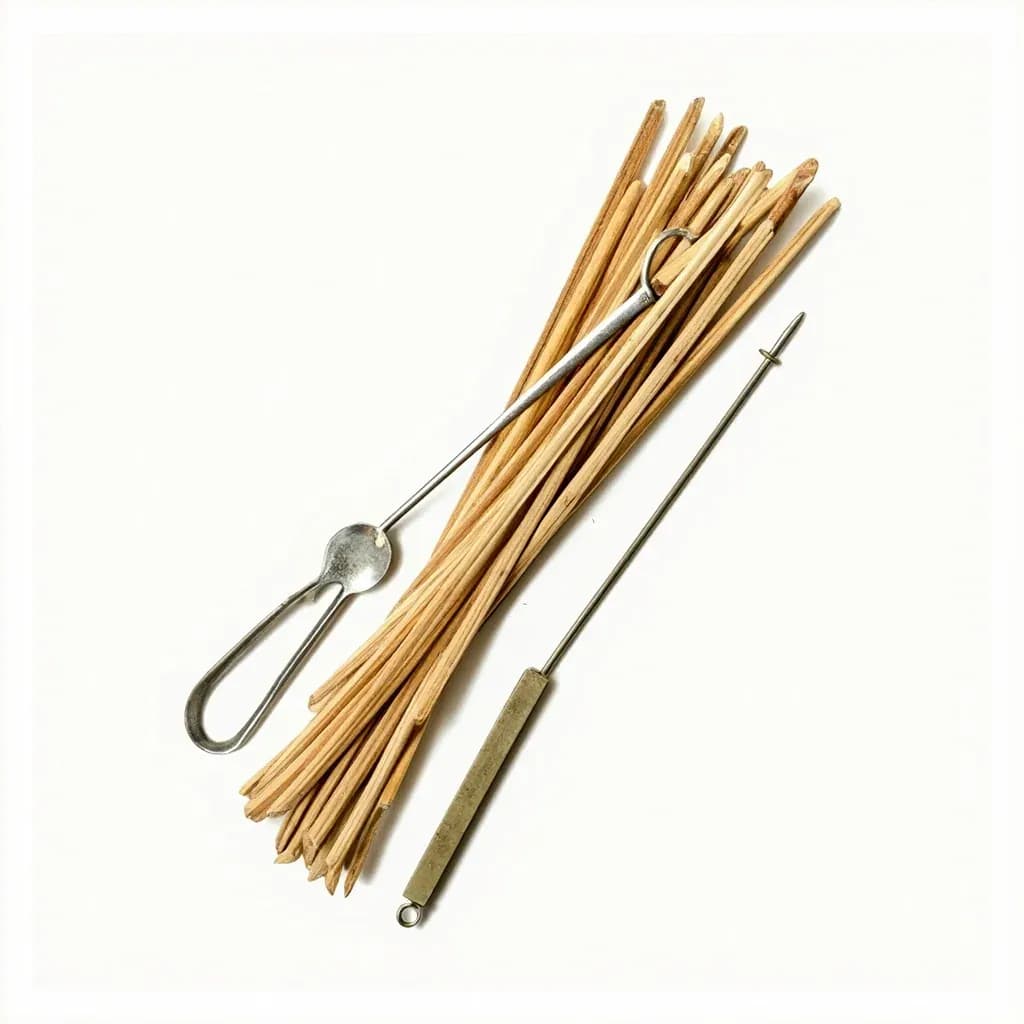
Skewer (Metal / Wooden / Bamboo)
Thin pointed rod that threads meat and vegetables for grilling, roasting, or testing doneness.
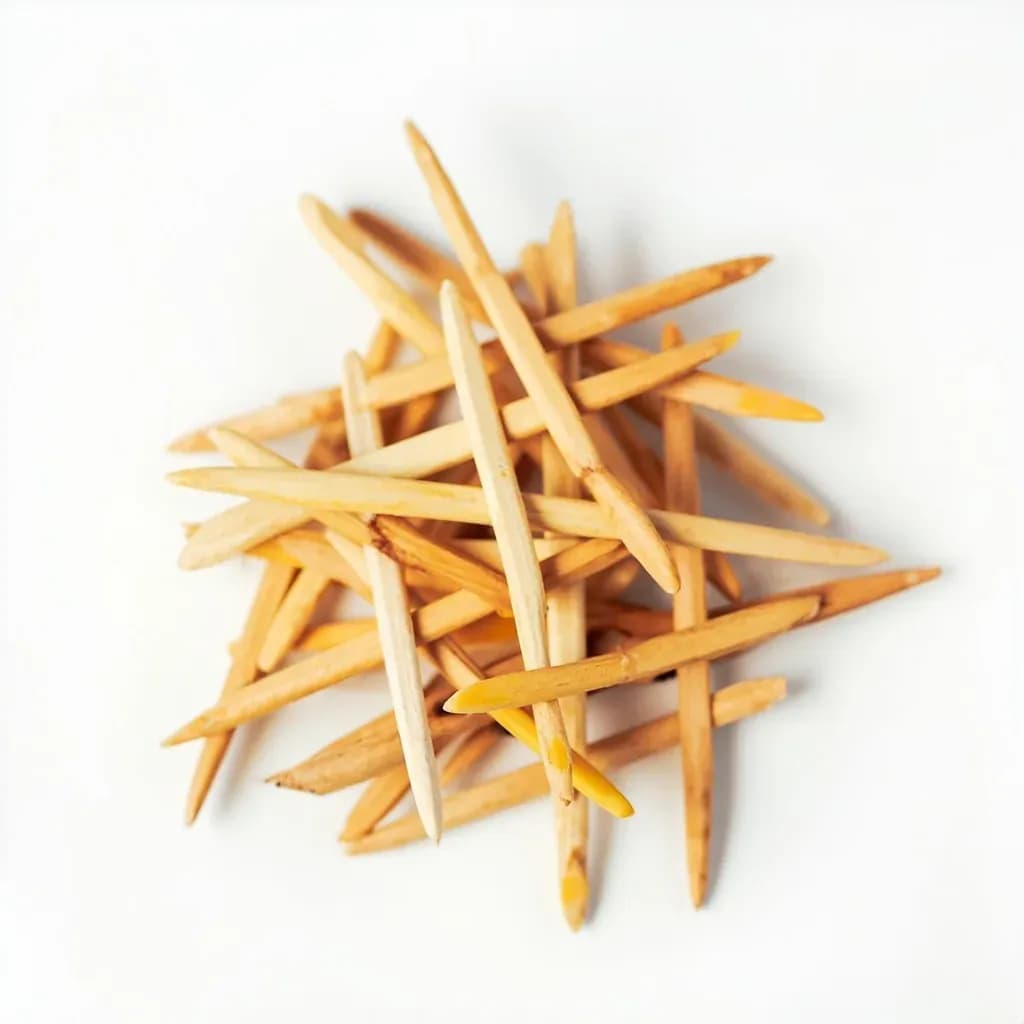
Toothpick
Small pointed wooden pick that pins rolled food shut and tests baked goods for doneness.
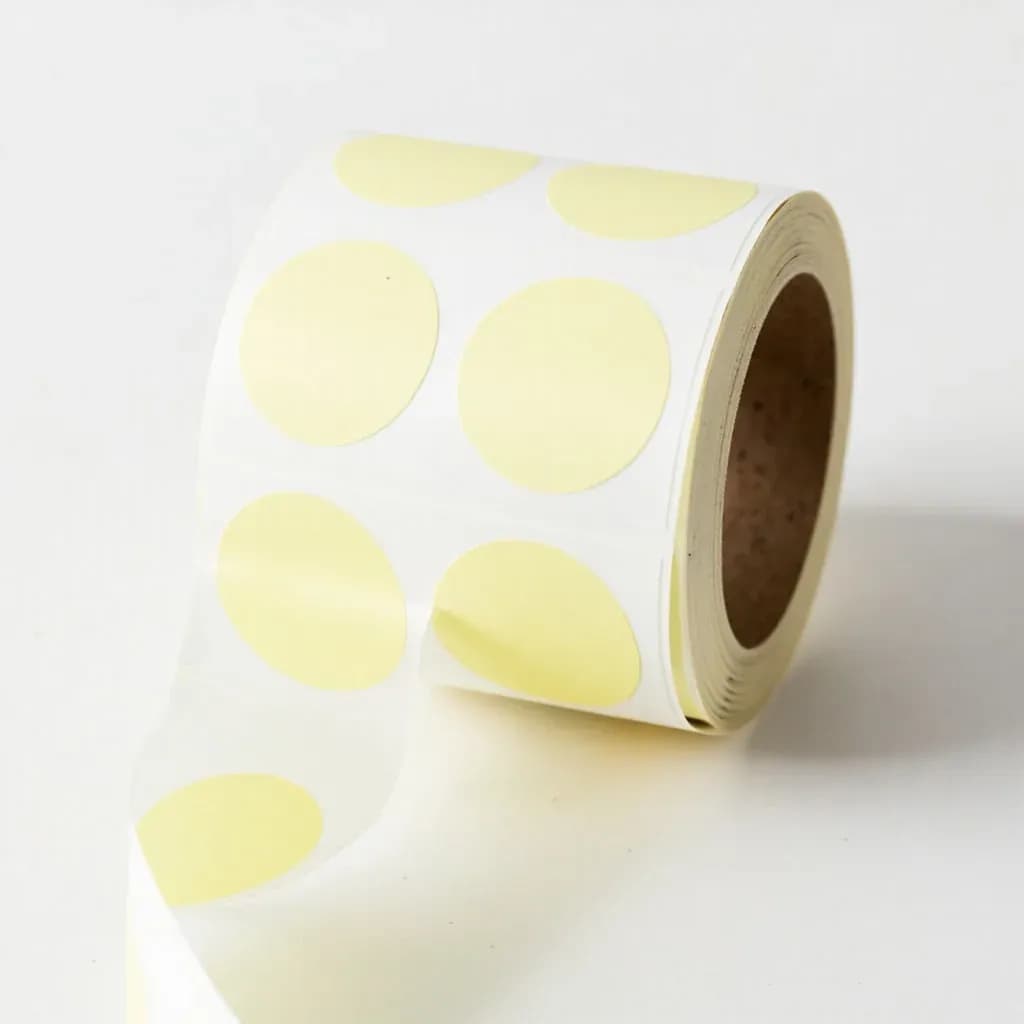
Food Storage Label (Day-Dot)
Stick-on label marking date, contents, or batch info for safe stock rotation.
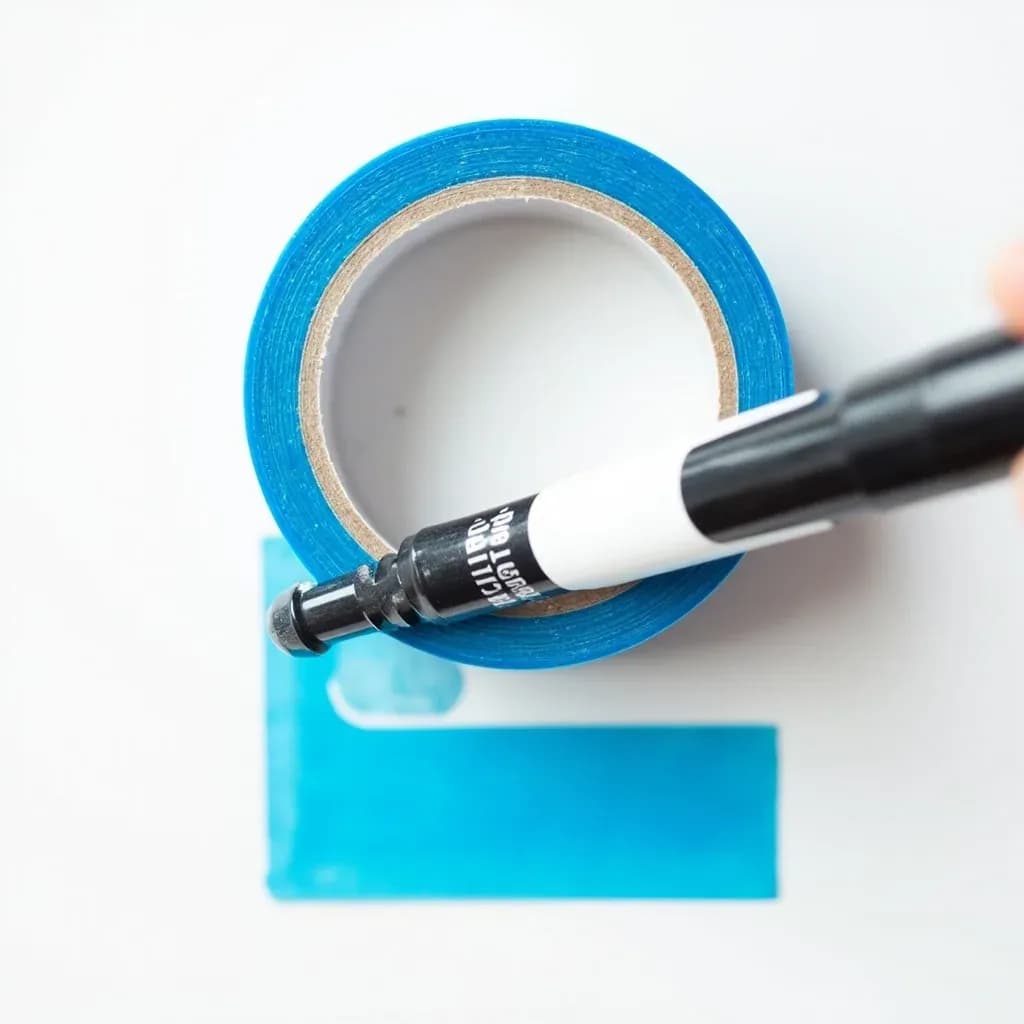
Labeling Tape
Write-on tape for marking containers with contents and dates, peeling off cleanly later.