Tying & Fastening
Sardine Skewer Cane (Caña de Espeto)
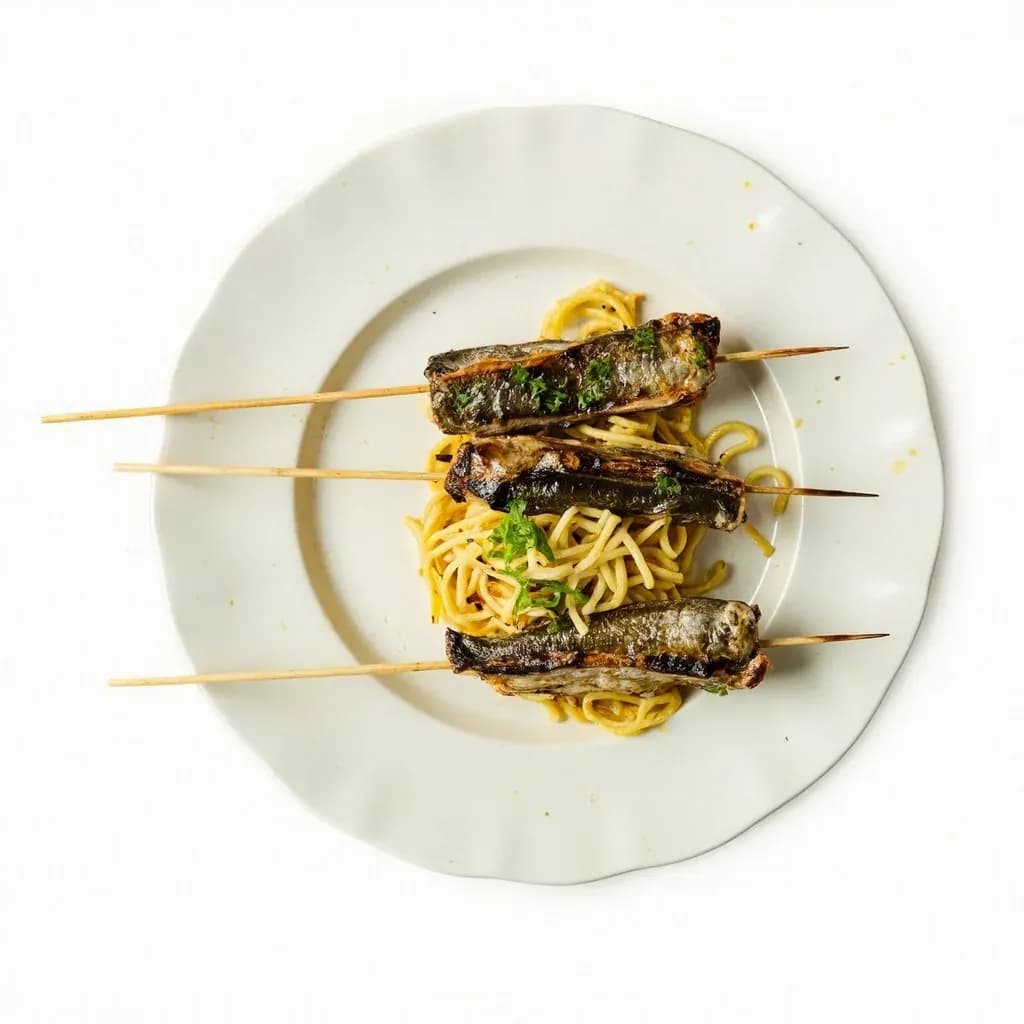
Slender cane skewer used in Málaga to spit-roast sardines over an open beach fire.
A sardine skewer cane, or caña de espeto, is a thin pointed reed or bamboo cane threaded through whole sardines for grilling. In Andalusian beach cooking, several fish are run onto one cane and the cane is staked beside a driftwood fire so the sardines roast in the radiant heat. The natural cane resists burning and gives the espeto its traditional look and smoky flavor.
The caña de espeto is a long, hollow skewer cut from Arundo donax — the giant reed that lines the riverbanks of Andalusia — and it is the working spine of Málaga's beach-grilled sardine tradition. Cut to roughly 70–90 cm and tapered from a thick base to a narrow tip, it is the tool that turns a row of fresh boquerones into an espeto, the iconic preparation served at the chiringuitos of Pedregalejo and El Palo. The reed is pale, lightweight, and brittle when dry, but in service it behaves like nothing else: it holds a dozen fish in a single, even plane, anchored in damp sand at an angle so their bellies face a vertical ring of glowing pine embers.
Cane is chosen over metal for reasons that only become clear once you have cooked over a real espeto fire. Reed is a poor conductor of heat, so the thick base planted in the sand and the grip end stay cool enough to handle even when the fish are blistering inches from the coals. The hollow stem chars and slowly bows under the radiant heat, giving the cook a visible, almost mechanical cue that the sardines are ready to come off. And the cane itself contributes something intangible: a faint grassy aroma that mingles with the fish oil, sea salt, and pine smoke in a way stainless steel never does.
The caña is, in practice, a single-use implement. By the end of a service it is blackened, bent into a gentle arc, and saturated with brine and fat. That is the point — a new caña for each round of fish, sourced from the same riverbanks and cut the same season. For cooks outside Málaga, it is worth understanding what the reed contributes, because once you have, every improvised substitute is judged against it.
Alternatives
Types & varieties
The authentic, traditional skewer — pale, hollow reed with a natural taper; the standard at Pedregalejo and El Palo chiringuitos.
Premium version cut by hand so the heavy base sits firmly in wet sand; the tip is left raw for skewering.
Modern substitute used when cane is unavailable; choose thick, unbleached, untreated bamboo and soak briefly to reduce scorching.
Found in some commercial kitchens and inland restaurants; reusable and easy to clean, but lacks the insulating mass and aroma of cane.
Sold ready-skewered at fishmongers and supermarkets in Málaga province for home grilling over a fire ring or charcoal.
Why cane rather than metal
Three properties of Arundo donax explain why the caña has not been replaced by stainless steel, despite being thrown away after a single use. The reed insulates, it aromatises, and it gives the cook a built-in timer. Understanding each makes it easier to compensate when you have to substitute.
- Insulation: the hollow stem stays cool at the base and the grip, so the caña can be planted in sand and the cook's hand kept away from radiant heat that would be unholdable on a metal rod.
- Aroma: the cane chars slowly and lends a faint grassy note to the smoke already mingling with sardine fat and salt; this is the note you taste in an espeto made over cane and miss in one made on metal.
- Built-in doneness cue: the skewer visibly bows as the fibre softens under heat, and the tip begins to blacken. Experienced espeteros pull the fish when the cane has bent into a gentle arc and the tip is scorched but not flaming.
Sourcing and storage
The quality of a caña is set in the months before it ever sees a sardine. Cut and dried slowly in shade, and stored flat, a good caña is firm, straight, and pale. Rush the drying and the cane cracks when loaded; leave it in the sun and it warps; store it damp and it goes mouldy from the inside out.
- Buy cane cut the same season if possible — old, brittle caña snaps the moment you start threading.
- Keep caña off the ground and out of direct sun; a shaded, ventilated bundle is ideal.
- Reject any cane that is cracked, twisted, or stained dark at the ends — these will fail at the fire.
- Imported bamboo skewers can carry sulphite or oil residues from processing; rinse and dry them thoroughly before use, and source food-grade bamboo when you can.
Common uses
Tips & pitfalls
- Thread sardines through the eyes with a long steel aguja de espetar before sliding them onto the cane; this lines the fish up in a single plane so they cook evenly and look right on the plate.
- Salt the sardines with coarse sea salt just before they go over the fire — salt pulls surface moisture and helps the skin blister and crisp.
- Keep the fire moderate and steady: too fierce and the cane ignites, too weak and the sardines stew in their own juice rather than roasting.
- Plant the caña at a slight angle, with the base deep in damp sand and the fish facing inward toward the fire ring; the bellies should catch radiant heat, not direct flame.
- Rotate the caña no more than once, and only if one side is browning noticeably faster — minimal handling is the rule of thumb at a real chiringuito.
- Discard the cane after the service; it will be blackened, bent, and saturated with fish oil, and a fresh caña is the standard for the next round.
- If you must use bamboo, soak it briefly in water, choose a thick flat commercial grilling skewer to approximate the insulating mass of caña, and watch for scorching — bamboo will catch fire long before cane does.
Good to know
- Material
- Arundo donax (giant reed), traditionally harvested from Andalusian riverbanks; pale, hollow, brittle when fully dry.
- Typical length
- Roughly 70–90 cm — long enough to plant in the sand with the fish facing a vertical fire ring.
- Diameter
- Tapered, around 1.5–2 cm at the thick base, narrowing toward a pointed tip.
- Capacity
- Holds a row of about 8–12 sardines (boquerones), threaded head-to-tail.
- Companion equipment
- Vertical metal fire ring (armazón), long-handled tongs, a steel threading needle (aguja de espetar), and coarse sea salt.
- Fuel pairing
- Pine (pino) is classic; olive (olivo) and orangewood are common alternatives.
- Reusability
- Single-use — the cane chars, bends, and absorbs fish oil; a fresh caña is fitted for each service.
- Storage
- Keep dry, off the ground, away from heat and humidity to prevent warping or mould.
Also called
caña de espeto · espeto cane · sardine cane skewer
Related

Skewers
Thread meat and vegetables for kebabs and grilling

Toothpicks
Pin rolls shut and test cakes for doneness

Kitchen Twine
Food-safe string for trussing roasts and tying bundles

Butcher Paper
Breathable wrap for resting barbecue and storing meat
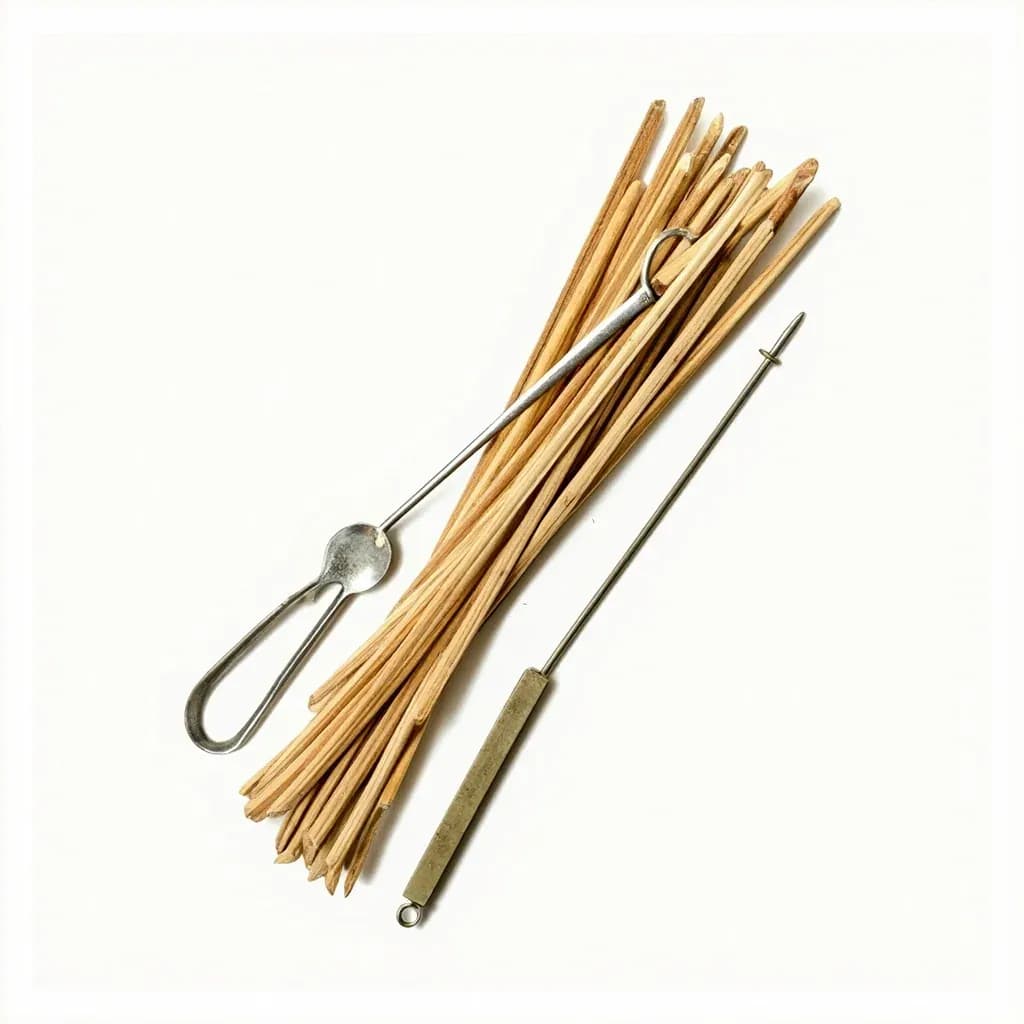
Skewer (Metal / Wooden / Bamboo)
Thin pointed rod that threads meat and vegetables for grilling, roasting, or testing doneness.
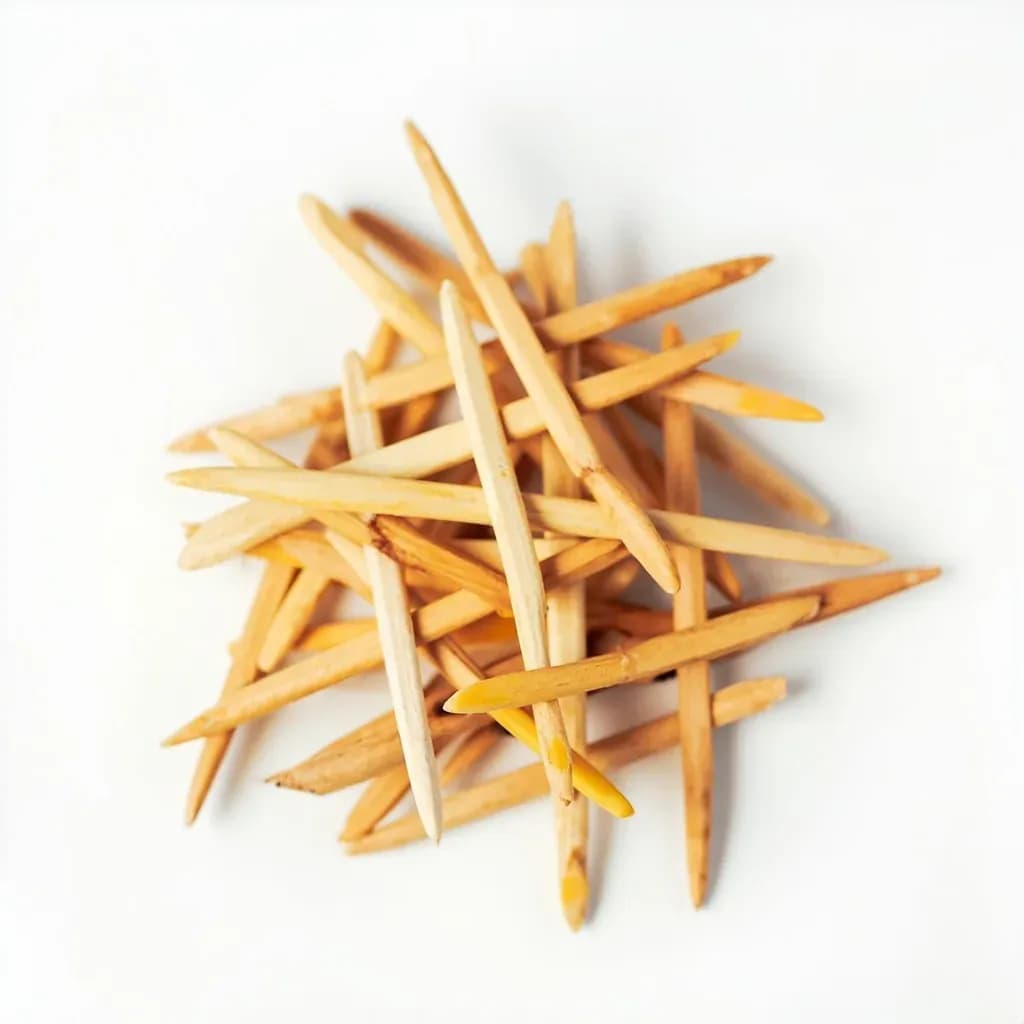
Toothpick
Small pointed wooden pick that pins rolled food shut and tests baked goods for doneness.
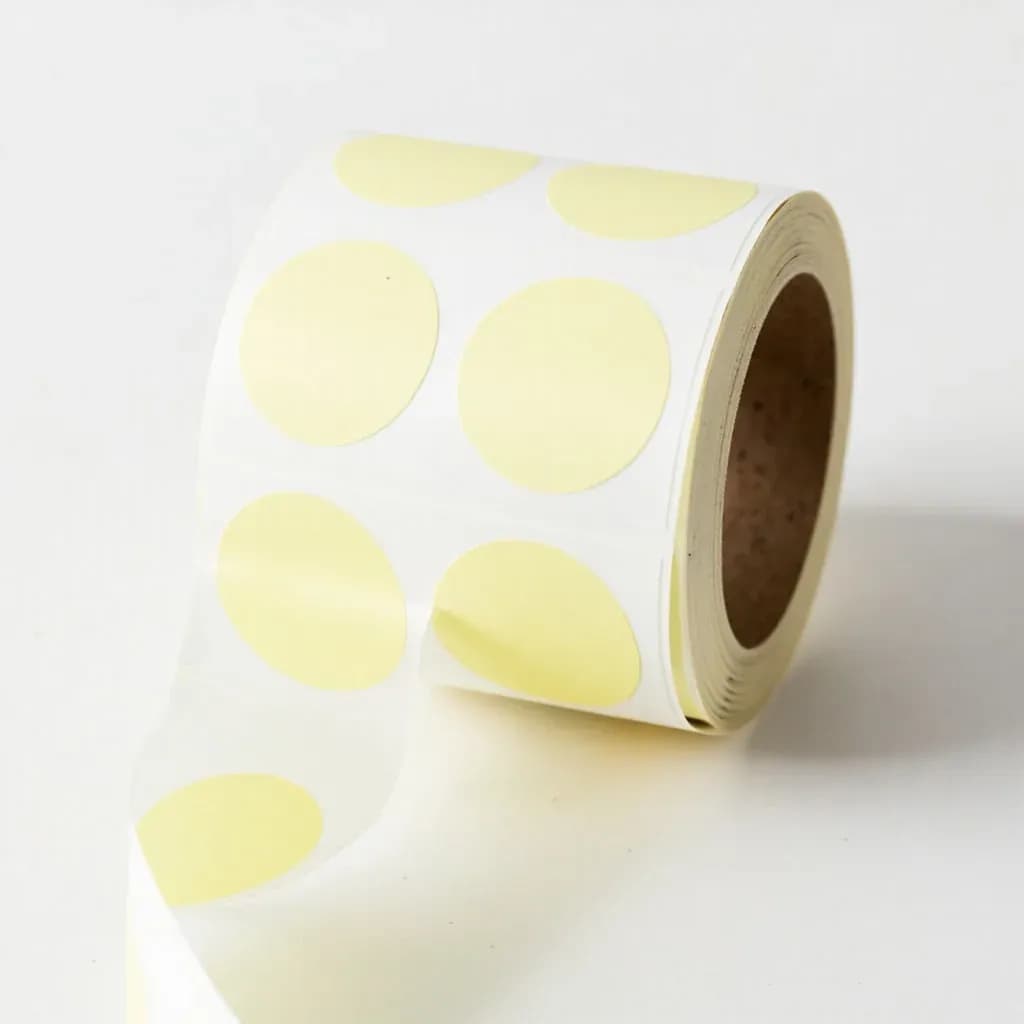
Food Storage Label (Day-Dot)
Stick-on label marking date, contents, or batch info for safe stock rotation.
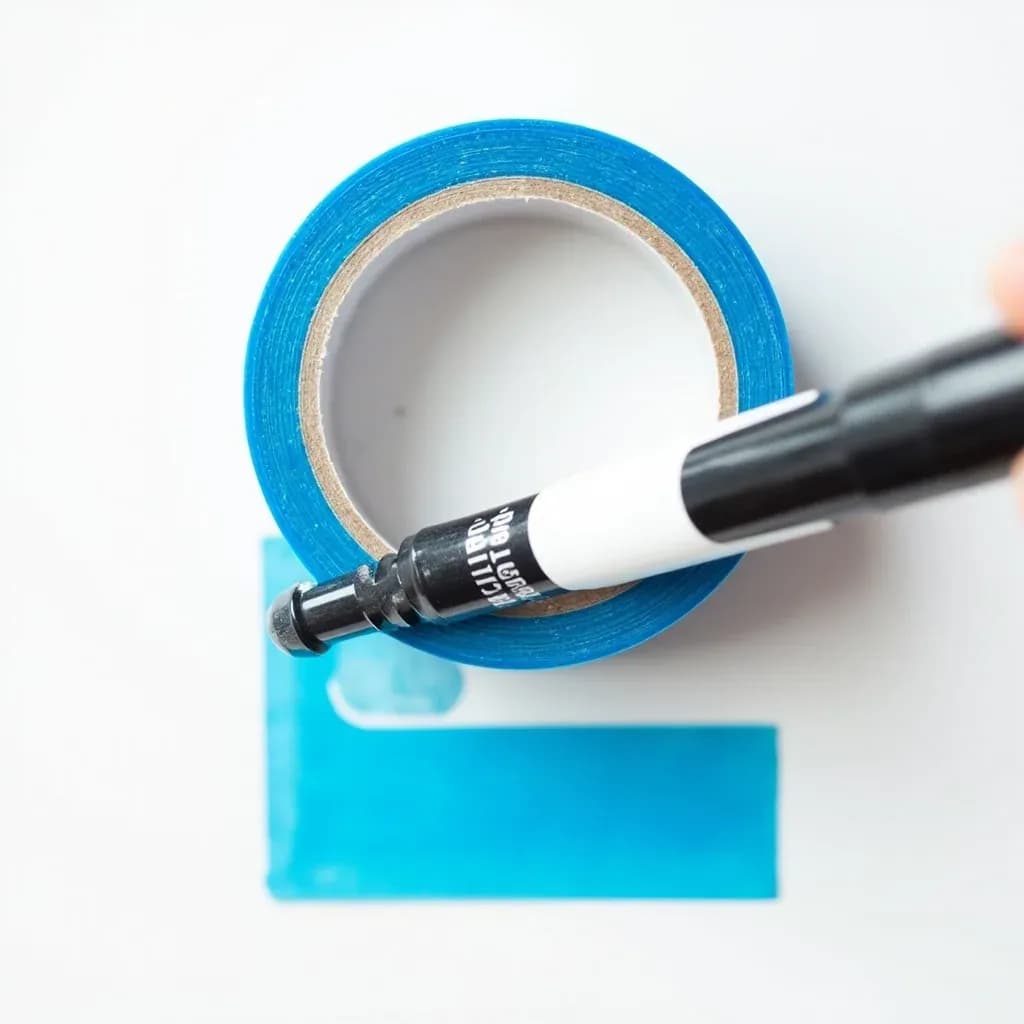
Labeling Tape
Write-on tape for marking containers with contents and dates, peeling off cleanly later.