
Tying & Fastening
Tamper-Evident Jar Seal
Breakaway band or shrink seal that shows whether a jar has been opened.
A tamper-evident jar seal is a band, ring, or shrink sleeve fitted around a jar lid that visibly tears or pops when first opened. Small-batch producers and home preservers use it on jams, sauces, and pickles so buyers can confirm the jar is unopened. The broken seal or popped safety button is a one-way indicator that cannot be reset.
A tamper-evident jar seal is anything on a closed jar that signals at a glance whether the contents have been touched since leaving the producer. Two distinct ecosystems live under the term. Commercial food makers rely on plastic shrink bands, induction-sealed foil liners, and breakaway caps to satisfy FDA 21 CFR requirements formalized after the 1982 Chicago Tylenol case. Home canners rely on the long-established two-piece lid, with a central raised button that depresses as a vacuum forms and re-pops the instant the seal is compromised. Both approaches solve the same problem from different ends of the speed, scale, and regulation spectrum.
A well-chosen seal quietly does three jobs: it keeps oxygen and contaminants off the rim until first opening, it broadcasts that fact visually to the buyer, and it gives producers a clean surface for branding, batch codes, and best-by dates. Behavior under heat, moisture, and time varies sharply by material, which is why a band that holds up on shelf-stable salsa may soften on a 180 °F hot-fill or distort in a retort. Match the seal to the fill temperature, the storage environment, and the regulatory category of the product — not the other way around.
Alternatives
Types & varieties
Pre-printed tube or wrap of PVC or PETG that contracts around the lid and neck under heat; the workhorse of commercial jarred goods.
Two-piece canning lid with a central raised button that depresses as the vacuum seals and re-pops when the seal breaks; the home-canning standard since the mid-20th century.
Foil or foil-laminate liner inside the cap that bonds to the jar rim via electromagnetic induction; requires a sealing machine.
Foam-backed adhesive disc pressed onto the rim by hand or capping machine; common on dry goods, spices, and small-batch cosmetics.
Plastic cap with an integrally molded ring or tab that separates on first twist, common on carbonated drinks and some honey or syrup jars.
Traditional disc of waxed paper or hot-poured paraffin placed over the jar opening beneath the lid; a legacy method still used for artisanal preserves.
Polylactic acid shrink sleeve marketed for sustainability claims; needs industrial composting facilities to break down fully.
Two Families of Tamper-Evident Seal
Which seal to use comes down to whether you are running a production line or filling jars on a kitchen counter. The two ecosystems answer to different pressures and rarely cross over cleanly.
- Commercial seals (shrink bands, induction liners, breakaway caps) prioritize line speed, regulatory compliance, and shelf presence. They are sized to specific lid diameters and applied with heat tunnels, induction sealers, or capping machines.
- Home-canning seals (button pop-up lids with screw bands) prioritize vacuum integrity, reusability, and tolerance for boiling-water and pressure-canning temperatures. They are sold in regular and wide-mouth sizes and reseal loosely after first opening.
- A shrink band can be added to a home-canned jar for gifting or sale, but a button lid alone will not pass as a commercial tamper-evident seal — the indicator is too subtle for a buyer scanning a shelf.
Reading and Testing a Button-Style Lid
The two-piece canning lid is the most familiar tamper-evident seal in American kitchens. Knowing how to read it separates a safe jar from a spoiled one in seconds.
- After processing and 12–24 hours of cooling, the center of the lid should be concave — pulled down by the vacuum inside the jar. Press it with a fingertip; it should feel firm and should not flex, click, or spring back.
- If the button is up, or pops up at a light touch, the vacuum has not formed or has been lost. Refrigerate and use the contents within a few days, or reprocess the jar with a fresh lid following current tested guidelines for that food.
- Once opened, the lid is no longer a tamper-evident seal — the button stays down because the vacuum is gone, not because the jar is sealed. Use a fresh lid if you intend to reprocess or freeze the contents.
Applying a Shrink Band by Hand
Small-batch producers and gift-jar makers can get a clean band finish without a heat tunnel. The keys are even rotation and a steady distance from the heat source.
- Slide the band over the closed jar so it spans roughly 1 cm above the lid-to-jar seam and 1 cm below it; a band that sits only on the lid will tear off with the cap.
- Hold a heat gun 5–10 cm from the surface and rotate the jar continuously. PVC begins to shrink near 120 °C and conforms in a few seconds; overheating scorches the print and can warp PETG.
- For hot-fill products, let the jar cool below about 60 °C before applying a PLA band — PLA softens well below the working range of PETG and will distort on a warm rim.
Common uses
Tips & pitfalls
- Size bands to the lid outside diameter, not the jar — a band cut to the jar OD will gap around the lid and tear unevenly on first twist.
- Don't substitute kitchen cling film for a real shrink band; it lacks the shrink memory and clean-tear behavior that make a band a true tamper indicator.
- For glass jars headed into a boiling-water bath, choose bands rated above 100 °C; standard PVC tolerates a water bath, but PETG is the safer pick for retort conditions.
- Test a button-style lid 12–24 hours after processing, not immediately — the vacuum needs time to develop as the contents cool and contract.
- Match induction foil liners to the cap's interior geometry; a liner that fits too tightly will not release cleanly from the cap when the customer first opens the jar.
- Leave an intact band on the jar after opening only if it stays unbroken. A torn band is itself a signal that the jar was previously opened and the contents may be older than the printed date.
- Store unapplied bands in a cool, dry place away from UV; PVC shrink film keeps 12–24 months sealed but yellows and loses shrink memory in direct sunlight.
- For bridging odd lid-to-jar combinations (a Ball jar with a Kerr lid, say), a band is the cheapest way to disguise the mismatch and still ship a presentable product.
Good to know
- Category
- Tying & Fastening / Packaging Closure
- Primary Materials
- PVC shrink film, PETG, PLA (industrial-compostable), aluminum foil, paper/foil laminates
- Common Types
- Shrink band, button pop-up lid, induction heat seal, pressure-sensitive foam seal, tear-strip cap, wax disc
- Typical Diameter Range
- 28 mm to 110 mm lid diameters; custom sizes available
- Application Heat (shrink bands)
- Approximately 120–160 °C (250–320 °F) via heat gun or tunnel
- Food-Safety Basis
- FDA 21 CFR tamper-evident packaging requirements, codified 1982–1983 after the Chicago Tylenol case
- Compostable Options
- PLA bands available; require industrial composting for full breakdown
- Reference Cost
- Bulk PVC shrink bands roughly $0.02–$.10 each depending on size and print
Also called
tamper-evident jar seal · jar safety seal · tamper band
Related

Skewers
Thread meat and vegetables for kebabs and grilling

Toothpicks
Pin rolls shut and test cakes for doneness

Kitchen Twine
Food-safe string for trussing roasts and tying bundles

Butcher Paper
Breathable wrap for resting barbecue and storing meat
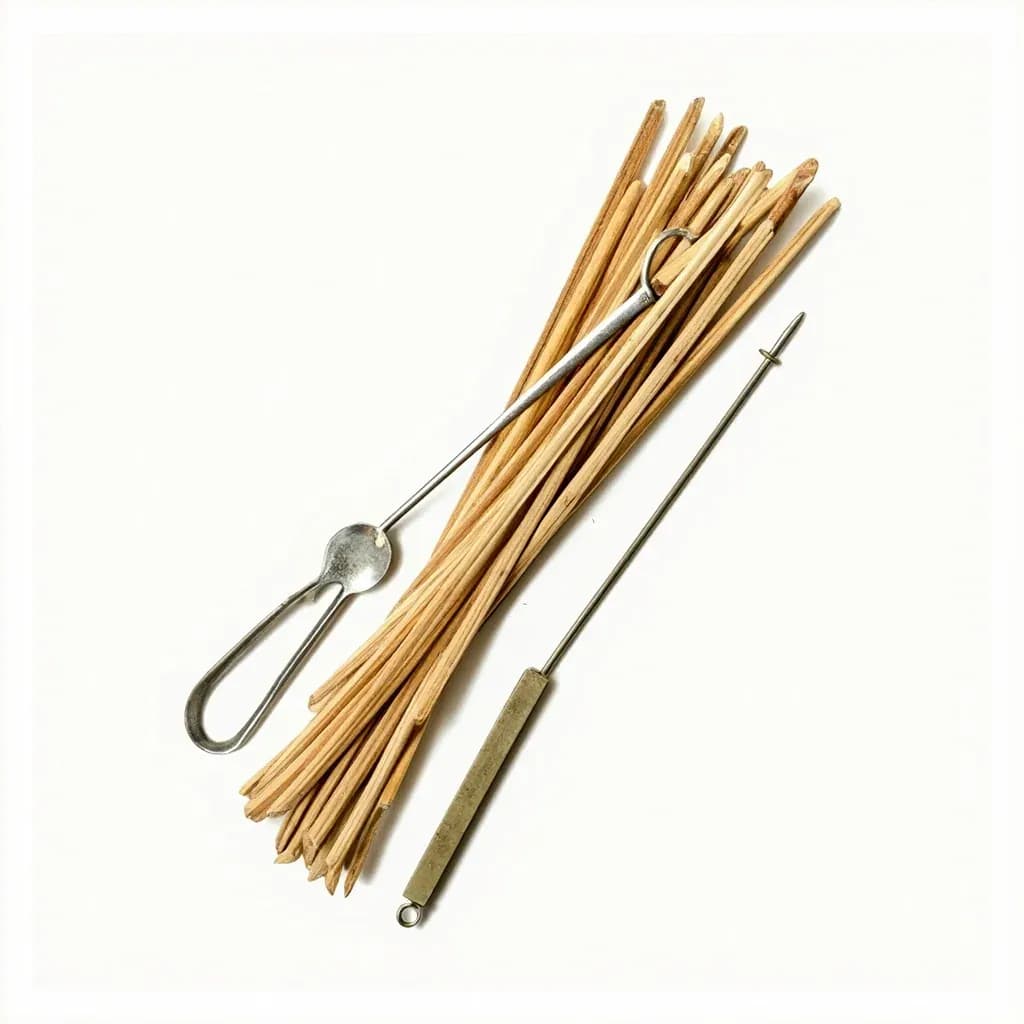
Skewer (Metal / Wooden / Bamboo)
Thin pointed rod that threads meat and vegetables for grilling, roasting, or testing doneness.
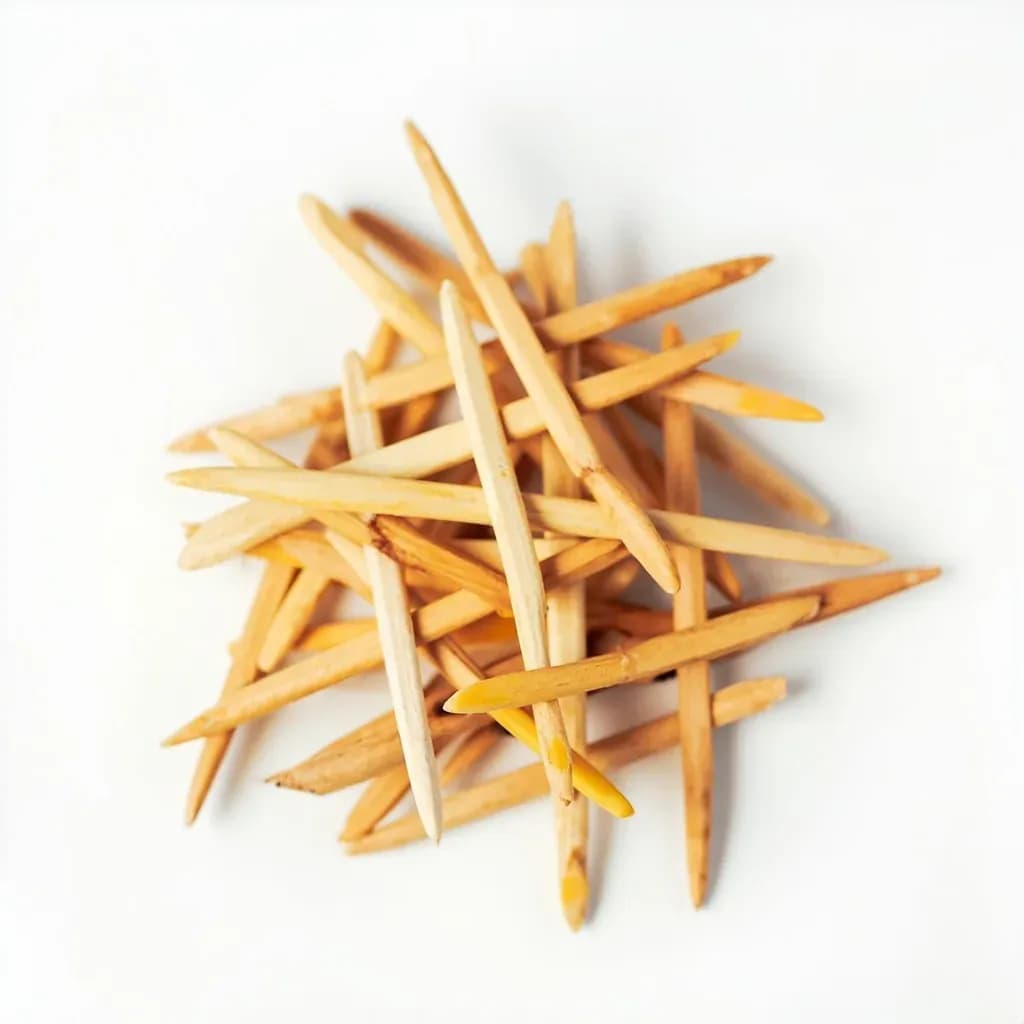
Toothpick
Small pointed wooden pick that pins rolled food shut and tests baked goods for doneness.
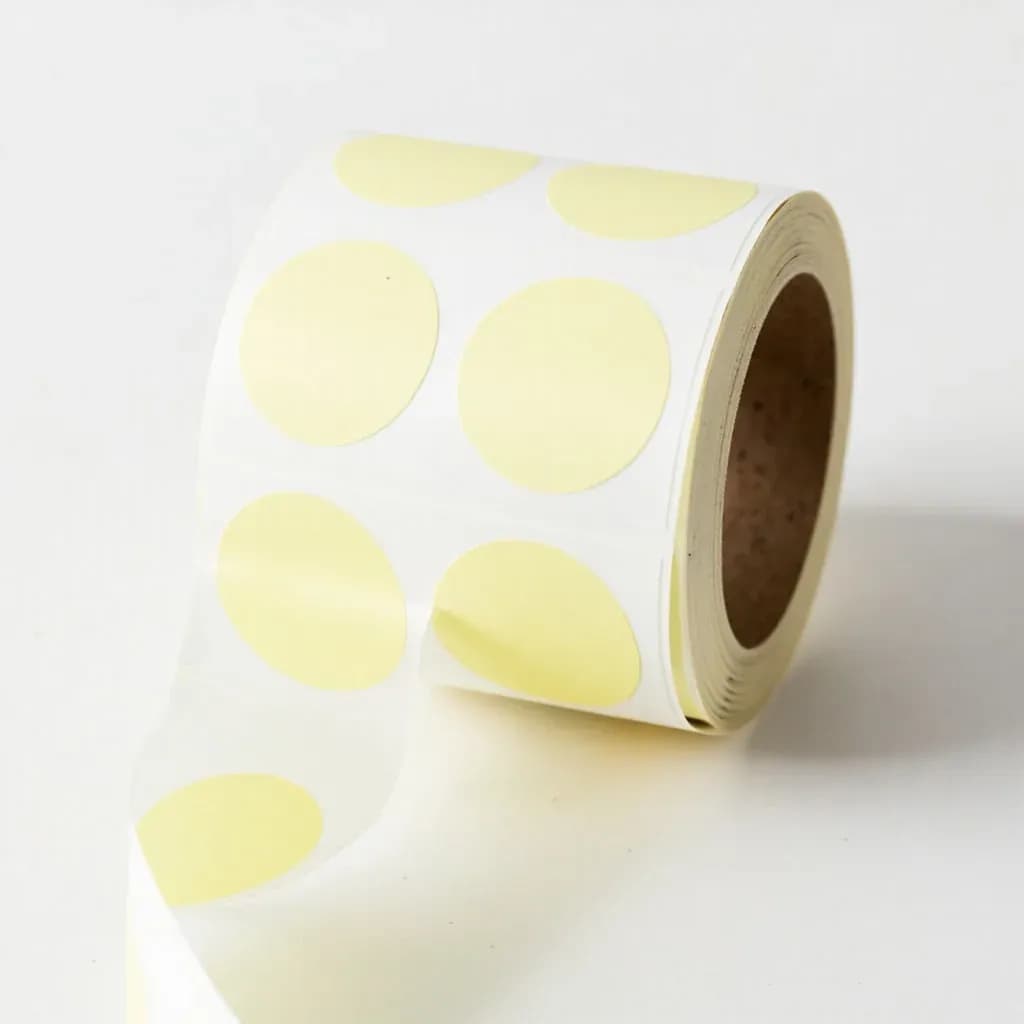
Food Storage Label (Day-Dot)
Stick-on label marking date, contents, or batch info for safe stock rotation.
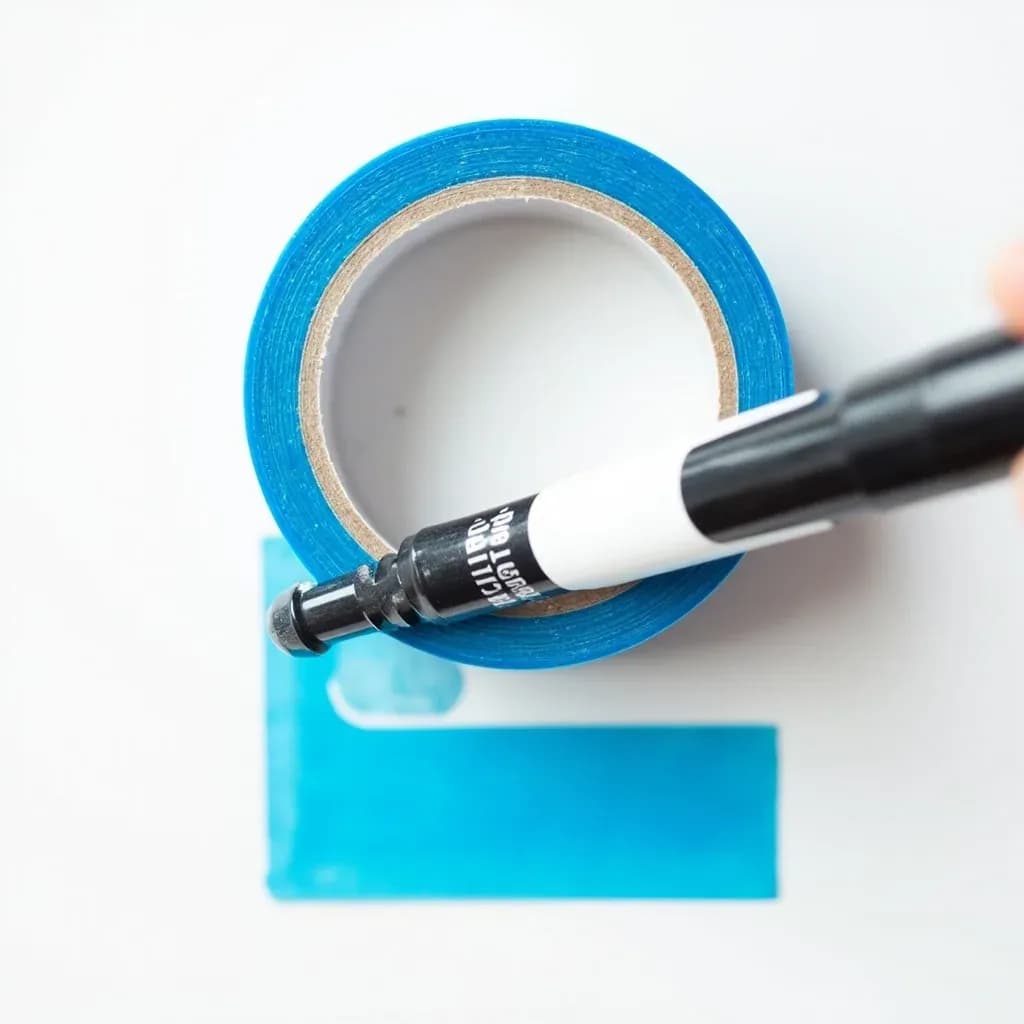
Labeling Tape
Write-on tape for marking containers with contents and dates, peeling off cleanly later.