 American
Medium · Hot
Seared Beef Steak Packets with Butternut and Herbs
Succulent beef steak seared to a golden crust, nestled with tender butternut crescents and fragrant fresh herbs, then roasted together in parchment packets until the flavors meld into a rustic, smoky-sweet harmony.
Prep
35 min
Cook
28 min
Total
1h 3m
Method
1
Remove beef steak from refrigerator and let it rest at room temperature for 20 minutes. Pat dry with paper towels and season all sides generously with salt and black-pepper. Bring beef to a safe serving temperature.
2
While the steak rests, peel the butternut squash, halve it lengthwise, and scoop out the seeds. Cut into thin crescent moons, no thicker than 5mm, so they roast evenly.
3
4
Fold four large sheets of parchment paper in half and crease them. Open each parchment half to create a nest-like pocket for the packets.
5
Place a heavy skillet over high heat until it begins to smoke faintly, about 2-3 minutes. Add 1 tablespoon of olive oil and let it shimmer across the surface.
6
Lay the seasoned beef steak in the screaming-hot pan. Sear without moving for 2 minutes, until a deep golden crust forms on the first side. Flip and sear the second side for 90 seconds. Remove from heat and rest on a wooden board.
7
Transfer the seared steak to a cutting board. Holding the blade at a slight angle, slice the steak into 1.5cm strips, each cut going against the grain for maximum tenderness.
9
Divide the butternut squash crescents among the four parchment pockets, laying them in a single loose layer on one side of each fold. Season the squash lightly with a pinch of salt.
10
11
Fold the parchment over the ingredients and fold and crimp the edges tightly, working around the perimeter to create a sealed half-moon packet. Tuck the final edge underneath so the packet holds its shape during roasting.
12
Slide the tray into the preheated oven and roast for 22-25 minutes, until the squash is completely tender when pierced with a knife and the beef reaches a safe internal temperature of 63°C (145°F) for medium-rare doneness at the thickest point.
13
14
When ready to serve, cut open the parchment packets with scissors, being careful to avoid the escaping steam. Serve the contents over crusty white-bread or white-rice if desired, spooning any collected herb-scented juices from the packet over the top.
B
Nutri-Score
Good balance
A–E · lower is better · score 1
Calories
564
per serving
High in protein · 40gLow sugar · 5g
Protein
40g
Carbs
17g
Fat
39g
Sat. fat
10g
Fiber
6g
Sugar
5g
Sodium
955mg
Dairy FreeGluten FreeLow CarbPaleoWhole30DiabetesHeart HealthyLow Sodium ModifiableBalanced MealsHigh ProteinNutrient Dense
Nutri-Score is a general nutritional-balance guide, not medical or dietary advice.
E
Environmental impact
Very high impact
A–E · lower is better · includes estimates
kg CO2e
15
per serving
ECarbonBEU all-round· carbon sets the grade
Water
0.7m³
Land
294Pt
Runoff
0.2g P
Beef Steak drives 99% of this recipe’s estimated footprint.
Carbon from Poore & Nemecek 2018; water, land & runoff from Agribalyse — modelled averages for comparing recipes, not a measurement of your groceries.
Flavor Profile
7
Umami
4
Sweet
5
Salty
1
Sour
2
Bitter
3
Spicy
Textures
CrispyTender
Aromas
HerbalSavorySmoky
Kitchen Equipment
Techniques
Safety & Storage
Cooking Temperature
Verify beef steak reaches a minimum internal temperature of 63°C (145°F) for medium-rare doneness. Insert a calibrated meat thermometer into the thickest portion of the steak to confirm safe cooking temperature before serving.
Handling
Allow raw beef to rest at room temperature for only 20 minutes maximum before cooking. Do not leave at ambient temperature longer than indicated, as this promotes bacterial growth in the danger zone between 4°C and 60°C.
Allow sealed parchment packets to rest for 5 minutes after removal from oven before opening. Cut open packets with scissors away from your face and body to avoid burns from escaping steam.
Cross Contamination
Designate separate cutting boards and utensils for raw beef and ready-to-eat vegetables like squash and herbs. Sanitize all surfaces and tools that contact raw meat before using them for other ingredients.
Equipment Safety
Use long-handled tongs and heat-resistant gloves when handling the screaming-hot skillet during searing. The skillet retains dangerous heat after removal from the burner.
Storage
Refrigerate any leftover beef and squash within 2 hours of cooking. Store contents in clean airtight containers and consume within 3-4 days. Reheat leftovers to an internal temperature of 74°C (165°F) before serving.
Pro Tips
Technique
The sear before roasting is not optional, mi amigo—it is the moment where the crust begins its story. A properly heated cast iron creates that Maillard reaction that gives the beef its soul, just as we build the fire with intention before the lamb ever touches the grate.
Substitution
If butternut is not in season, swap it for sweet potato or even thick slices of roasted red pepper—anything that can caramelize and hold its shape while absorbing those herb and garlic whispers from the packet.
Equipment
A well-seasoned cast iron skillet will give you that ember-like heat for searing. The heavier the pan, the better the heat retention—essential for achieving a proper crust without overcooking the center.
From the chef
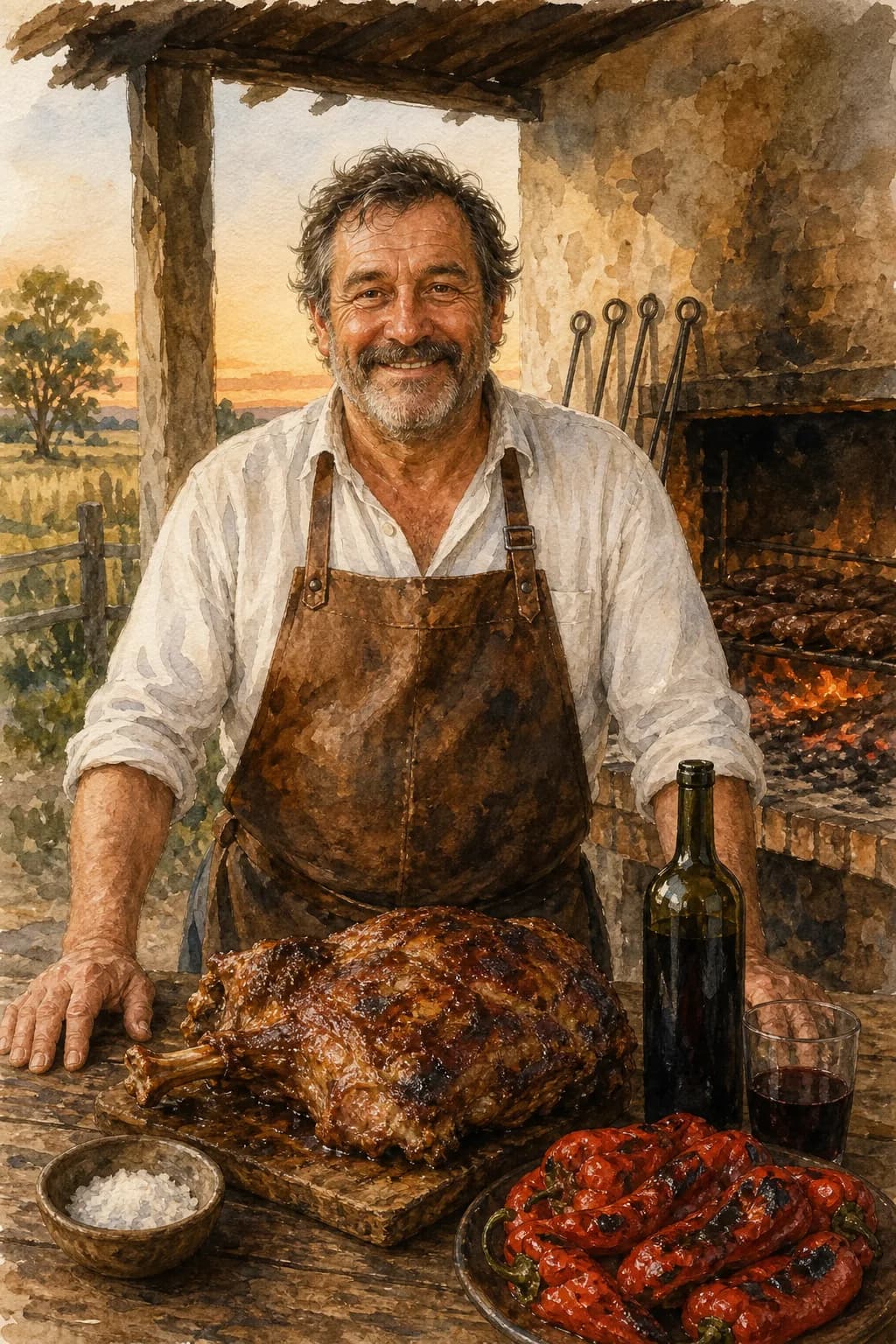
In Mendoza, we learned that patience transforms meat into something sacred. This recipe channels that philosophy—searing the beef first to capture the essence of the asado flame, then letting it commune with the sweet butternut and herbs inside parchment, where all those smoky, herbaceous whispers meld together into a harmony my grandfather would have nodded at approvingly.
TagsBeefButternut SquashOven RoastedParchment CookedEn PapilloteHerbaceousRusticWeeknight DinnerGluten FreeDairy Free
Source: generated · June 12, 2026