 French
Medium · Chilled
Chia Vanilla Cream Terrine
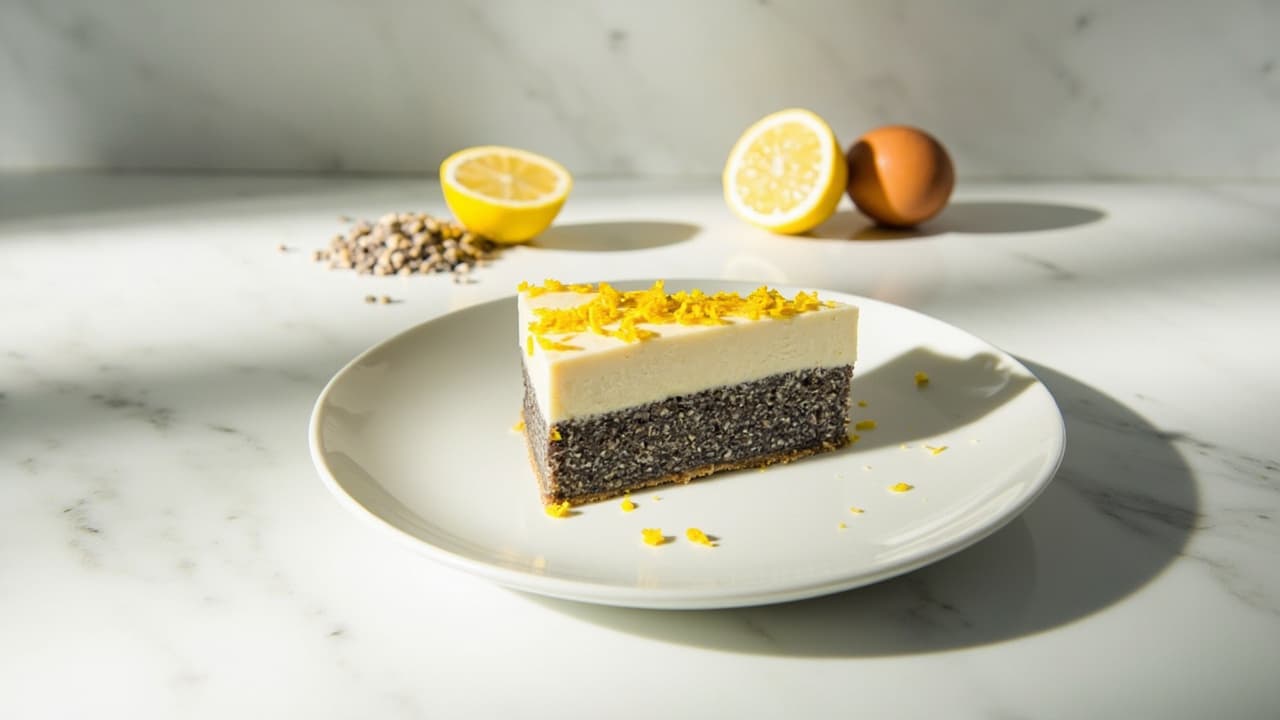
A layered no-bake terrine with a jewel-like chia seed base beneath clouds of vanilla-scented cream, finished with bright citrus zest. Silken, elegant, and precisely set.

Prep
20 min
Cook
10 min
Total
30 min
Method
1
Combine chia seeds, whole milk, vanilla extract, and white sugar in a bowl; whisk thoroughly to prevent clumping. Cover and refrigerate for 15 minutes until seeds swell and liquid absorbs to a thick, pudding-like consistency.
2
Combine heavy cream, egg, white sugar, vanilla extract, and butter in a saucepan over medium-low heat (170-175°F/76-79°C). Whisk continuously for 8-10 minutes until the mixture thickens to a custard that coats the back of a spoon and reaches 180°F/82°C. Strain through a fine-mesh sieve and let cool to room temperature, 10-15 minutes.
3
Line a 900ml loaf pan or terrine mold with plastic wrap, leaving overhang on all sides. Spread the chia base evenly across the bottom in a compact layer. Pour the cooled vanilla cream over the chia layer and tap gently to level. Fold the plastic wrap over the top. Refrigerate for at least 4 hours or overnight until fully set.
4
Using the plastic overhang, lift the terrine from the mold onto a serving platter. Peel away the plastic wrap. Using a sharp, hot knife, cut clean slices wiping the blade between each cut. Scatter lemon zest finely over the top surface just before serving.
C
Nutri-Score
Fair balance
A–E · lower is better · score 5
Calories
353
per serving
High in saturated fat · 11gLow salt · 61mg
Protein
6g
Carbs
22g
Fat
28g
Sat. fat
11g
Fiber
4g
Sugar
18g
Sodium
61mg
Gluten FreeKetoLow CarbAnti InflammatoryHeart HealthyLow Fat
Nutri-Score is a general nutritional-balance guide, not medical or dietary advice.
B
Environmental impact
Low impact
A–E · lower is better · includes estimates
kg CO2e
0.6
per serving
BCarbonAEU all-round· carbon sets the grade
Water
0.4m³
Land
25Pt
Runoff
0.07g P
Heavy Cream drives 47% of this recipe’s estimated footprint.
Carbon from Poore & Nemecek 2018; water, land & runoff from Agribalyse — modelled averages for comparing recipes, not a measurement of your groceries.
Flavor Profile
4
Umami
6
Sweet
1
Salty
4
Sour
2
Bitter
0
Spicy
Textures
CreamyGelatinousSilkySmoothTender
Aromas
CaramelCitrusDairyHerbalVanilla
Kitchen Equipment
Safety & Storage
Cooking Temperature
Heat vanilla cream custard to 180°F/82°C to ensure egg proteins set properly and eliminate salmonella risk. Do not exceed 185°F or the egg will scramble.
High Risk Population
This recipe contains raw egg cooked in custard. Young children, elderly persons, pregnant women, and immunocompromised individuals should consume only if egg is heated to proper temperature throughout.
Handling
Strain vanilla cream through fine-mesh sieve before cooling to remove any coagulated egg particles and ensure silky texture.
Storage
Refrigerate assembled terrine at 40°F or below. The chia base acts as a moisture barrier but the dairy cream requires consistent refrigeration. Consume within 3 days.
Allergen Warning
This recipe contains multiple dairy sources and egg. Cross-check all purchased ingredients for allergen statements as processing methods vary.
Equipment Safety
Use sharp, hot knife for slicing set terrine. Dip blade in hot water and wipe dry between each cut for clean, precise slices without crumbling.
Pro Tips
Technique
When tempering the cream for the vanilla custard layer, maintain that 170 to 175 degree window with absolute precision. A thermometer is not optional — it is the difference between a silky coating and a scrambled catastrophe.
Substitution
Whole milk may be replaced with unsweetened oat milk for a dairy-free chia base, though the richness will shift accordingly. The terrine will still set, but the mouthfeel will be lighter and less unctuous — which I tolerate, but do not celebrate.
From the chef
This terrine earns its elegance through structural precision. The chia base must swell fully in cold milk before a word of cream is touched — rush that step and the layers refuse to hold. The vanilla cream is cooked to exactly 79 degrees, not a degree more, until it coats the spoon with quiet authority. Unmolded and sliced with a blade wiped clean between each cut, it presents silken strata of ivory and near-translucent seed, finished with bright lemon zest. Restraint at every stage is what allows each layer to speak clearly.
TagsElegant DessertLayeredMake AheadVanillaCitrusChilledNo BakeGluten FreeVegetarian
AllergensMilkEggs
Source: generated · June 13, 2026