
Heat & Fire
Char
Blacken the surface over flame for smoky, bittersweet edges
Charring intentionally blackens the outside over direct flame, trading a little bitterness for deep smoke and sweetness underneath. It's how you blister peppers, scorch scallions, or fire-roast tomatoes. Take it just past golden into spotty black, then let the heat settle before peeling or chopping.
Charring deliberately blackens a food's exterior over direct flame or intense heat, trading a little surface bitterness for deep smokiness and the concentrated sweetness underneath. It's how you blister peppers for peeling, scorch scallions and corn, fire-roast tomatoes for salsa, or put smoky edges on cabbage and eggplant. Unlike a clean sear or careful browning, charring is meant to go past golden into spotty black — the trick is hitting that point only on the surface while the inside stays intact, then letting the heat settle before you peel or chop.
- Difficulty
- Easy
Types & varieties
Directly over a gas burner or coals for peppers, chiles, and eggplant.
Under fierce top heat for trays of peppers or tomatoes.
Mexican comal method for blistering tomatoes, chiles, garlic, and onion.
How to do it
- 1
Get the heat roaring
Bring a flame, grill, broiler, or dry pan to full heat before the food touches it — gentle heat steams instead of chars.
- 2
Place directly on the heat
Set the food right over the flame or contact surface; rub with a little oil only if it helps.
- 3
Char in patches, then turn
Let the skin blister and blacken in spots, then rotate to char evenly all over.
- 4
Steam to loosen skins
For peppers and chiles, seal hot in a bowl or bag for 10 minutes; the steam slips the blackened skin off easily.
- 5
Peel, settle, and use
Rub or peel off the charred skin (don't rinse, which washes away flavor), then chop or blend.
Char vs. burn
Charring and burning sit on the same spectrum, separated by intent and control. Good char is surface-deep, spotty blackening that adds smoke and concentrated sugar while the flesh beneath stays cooked but intact — a flavor you want. A burn is char gone all the way through: acrid, ashy, uniformly carbonized, and bitter. The line is held by high heat applied briefly and turned often, so the surface scorches before the heat can drive deep enough to ruin the interior.
Common uses
Tips & pitfalls
- Steam charred peppers in a covered bowl so the skins peel off in sheets.
- Don't rinse off the char — wipe or rub it; rinsing washes away the smoky flavor you just built.
- Leave a few black flecks in the dish; total removal loses the point of charring.
- Char on full blast and turn often so the surface blackens before the inside overcooks.
Good to know
- Heat level
- Very high, direct flame or contact
- Best for
- Peppers, chiles, scallions, corn, eggplant, tomatoes, cabbage
- Equipment
- Gas burner, grill, broiler, or screaming-hot dry skillet
- Fat needed
- Little to none; sometimes a light oil rub
- Time
- Minutes; until the skin blisters and blackens
Also called
blacken · fire-roast
Dishes that rely on it
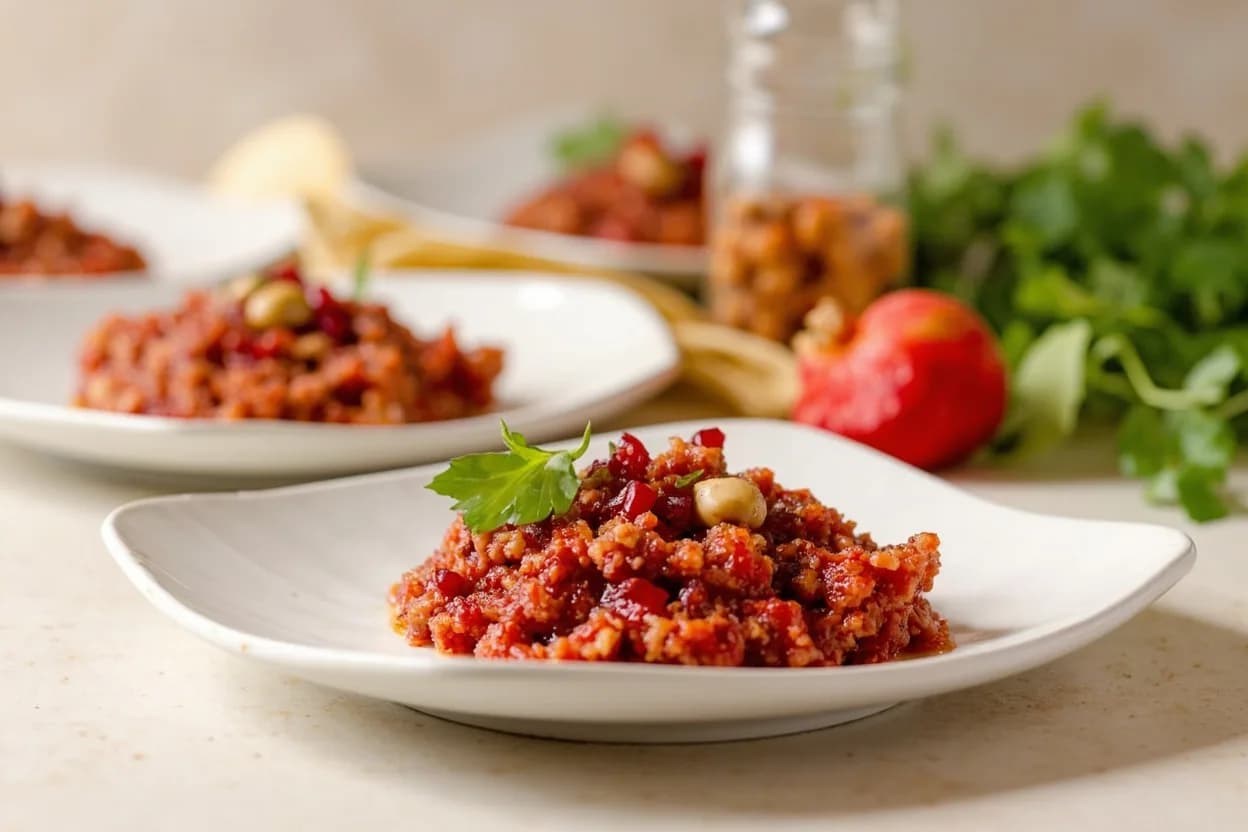
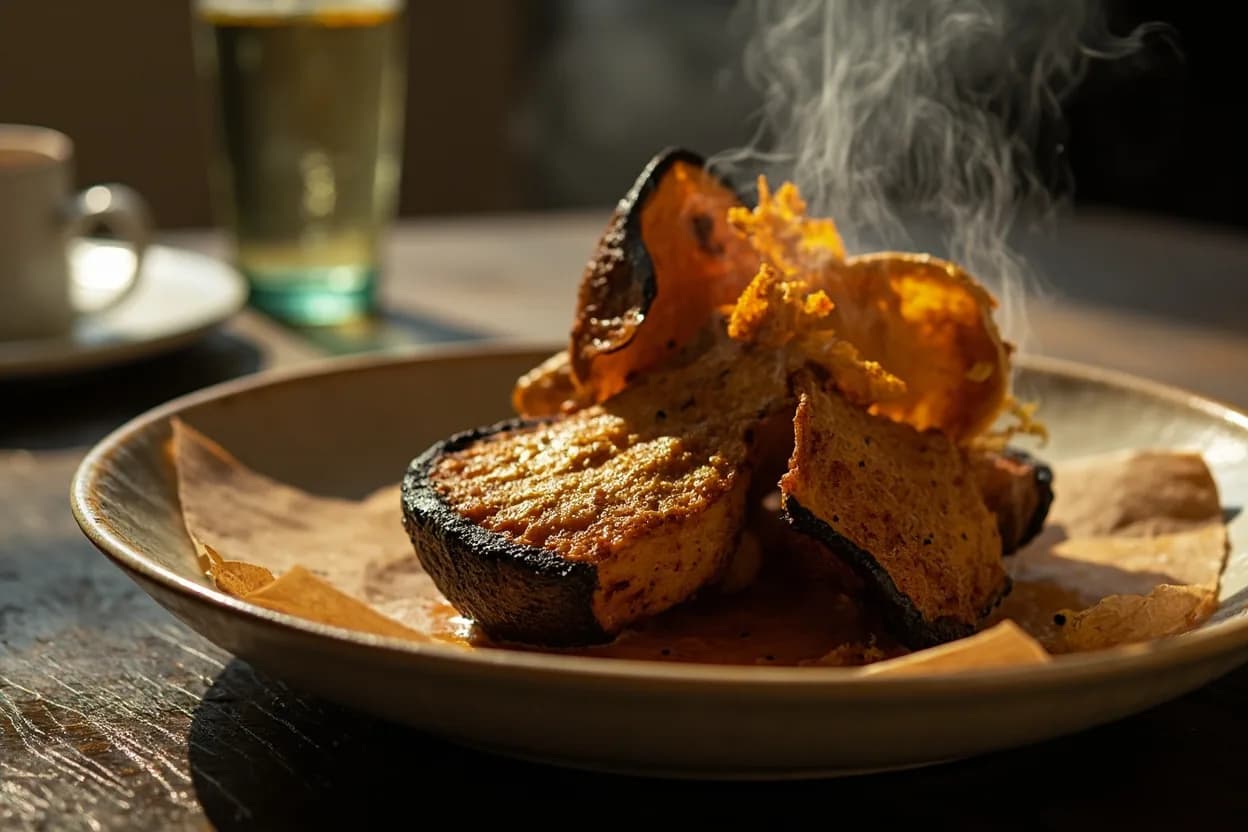
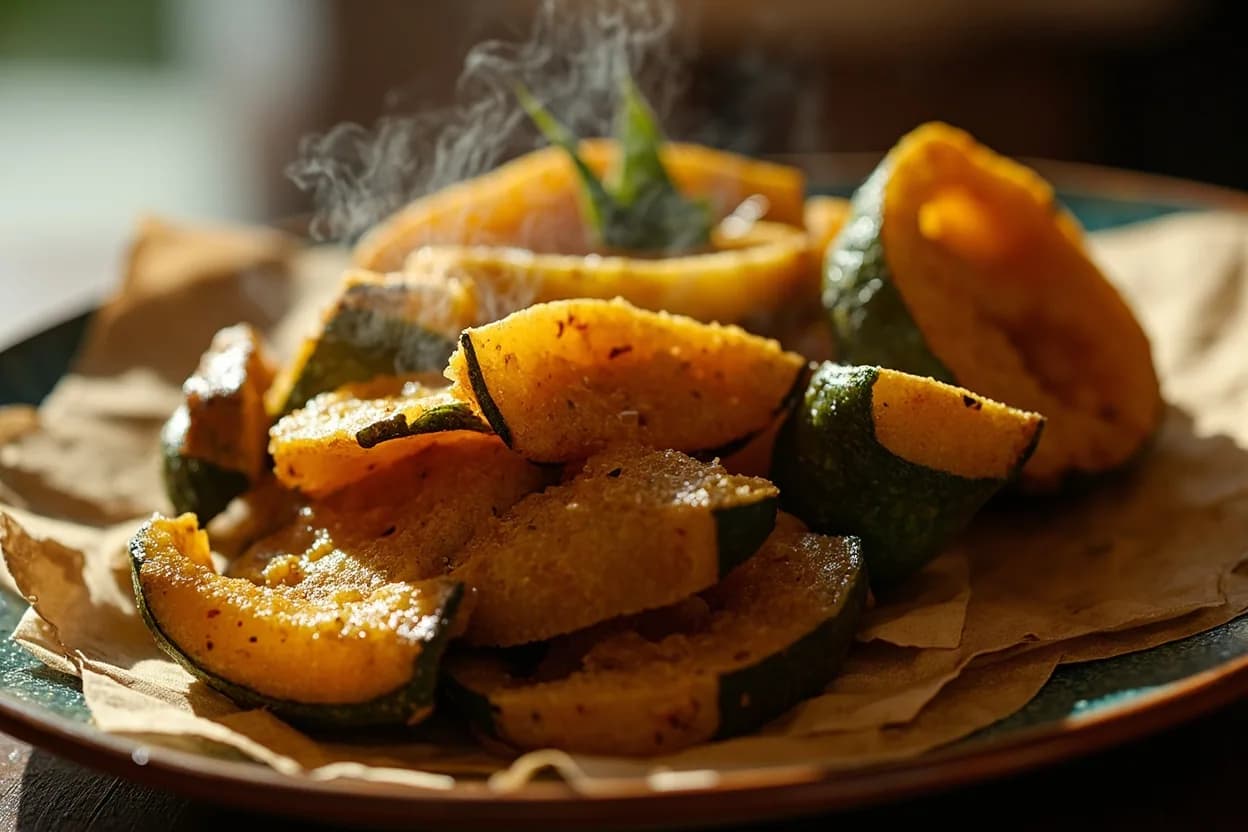
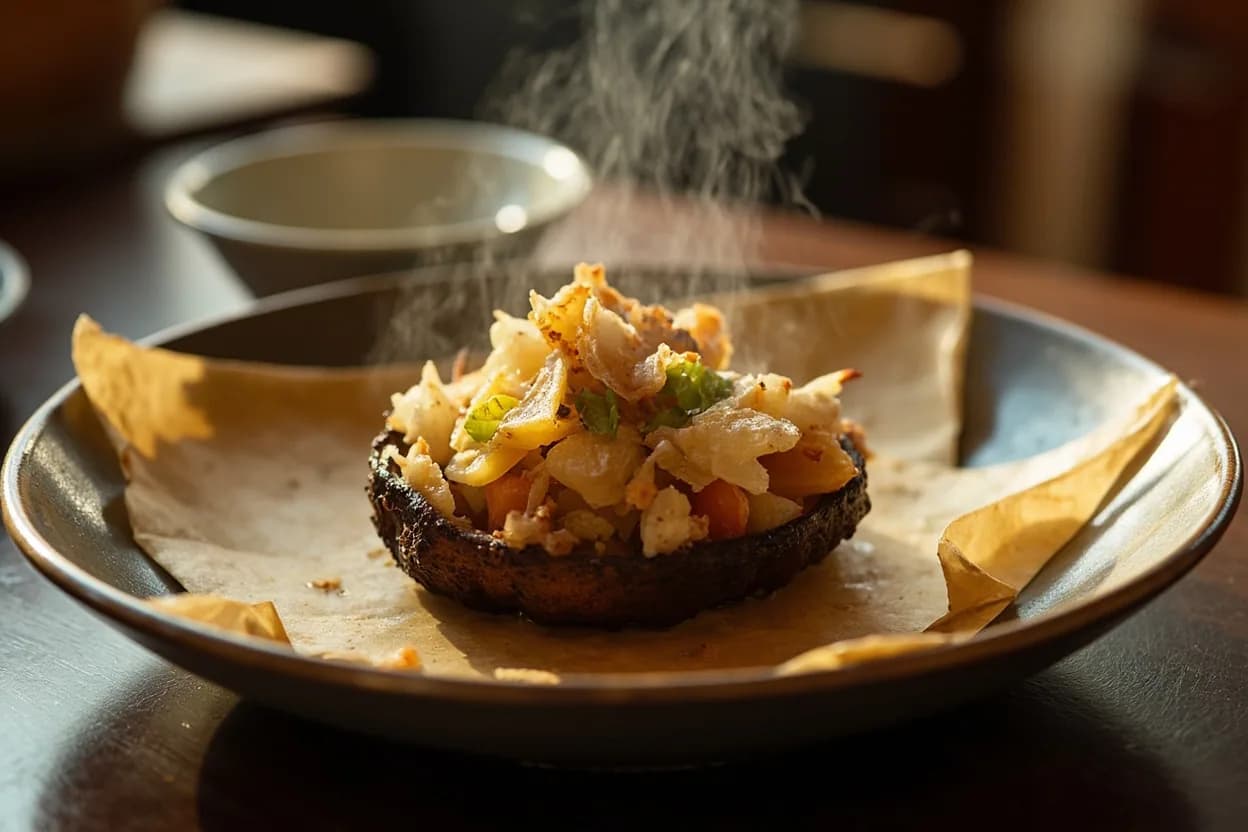
Related

Sear
Blast the surface hot for a deep-browned, savory crust

Sauté
Cook quickly in a little fat over lively heat, tossing as you go

Stir-Fry
Toss bite-sized pieces over roaring heat for fast, smoky cooking

Pan-Fry
Crisp food in a shallow layer of hot fat, turning once or twice

Deep-Fry
Submerge in hot oil for an all-over crackling crust

Roast
Cook uncovered in dry oven heat for browned edges and tender centers

Bake
Cook with steady, surrounding oven heat — the soul of bread and pastry

Broil
Hit food from directly above with fierce overhead heat