
Heat & Fire
Flambé
Ignite a splash of spirit to burn off alcohol and deepen flavor
Flambéing sets a measure of warmed liquor alight in the pan, burning off raw alcohol and leaving a toasted, caramel note behind. It's the flourish on crêpes Suzette or a pan sauce. Pull the pan from the heat, add the spirit, then ignite carefully and let the flames die on their own.
Flambéing sets a measure of warmed spirit alight in the pan, burning off the raw alcohol and leaving behind a toasted, lightly caramelized note. Before anything else, the safety rule: never flambé under a running extractor hood or low cabinets — a hood pulls flame upward and is the most common way a flambé fire spreads. Keep the pour well away from the bottle, and prefer a long lighter or long match over tilting the pan into the burner. It's the flourish on crêpes Suzette, bananas Foster, steak Diane, and many classic pan sauces, but the real culinary effect is subtle: a brief, intense surface heat that caramelizes sugars and softens the harsh edge of alcohol. Done with care — pan off the heat, spirit added off the burner, then ignited at arm's length — it's quick and controlled; done carelessly near a bottle or a hood, it's a serious fire hazard, so it's not a casual move for a first-timer.
- Difficulty
- Intermediate
Types & varieties
Brandy or rum over fruit and sugar — crêpes Suzette, bananas Foster, cherries jubilee.
Cognac or whisky to deglaze and deepen a sauce — steak Diane, au poivre.
Finished in front of guests for spectacle — done with extra caution.
How to do it
- 1
Choose a spirit with enough proof
Spirits need roughly 35–40% ABV minimum to catch reliably (brandy, rum, cognac, whisky); warming helps a 40% spirit light. The real danger is poor technique — pouring from the bottle, loose hair or sleeves — not a slightly higher proof.
- 2
Warm the spirit slightly
Gently warm it (off any flame) so it vaporizes and ignites readily; cold spirit is reluctant to light.
- 3
Pull the pan off the heat
Remove the pan from the burner before adding the spirit so you control exactly when it ignites.
- 4
Add spirit, then ignite
Pour in the measured spirit from a cup (never the bottle), then ignite with a long match or long-handled lighter at arm's length. Prefer this to tilting the pan into a gas flame, which invites a flare-up.
- 5
Let the flames burn out
Stand back and let the fire die on its own as the alcohol burns off; never blow it out or move a flaming pan.
- 6
Finish the sauce
Return to heat, swirl in butter or cream, and the flavor will read toasted, not boozy.
Safety and the science
Flambéing burns alcohol vapor, not the liquid — so it ignites only when enough vapor has risen and dies once that fuel is spent. Contrary to myth, flambéing does not burn off all the alcohol — it removes the harsh raw edge and adds flavor, but a measurable amount of alcohol remains.
- Add spirit off the heat, from a measured cup — never from the bottle, and never re-pour onto a pan that may still be flaming. Flame can travel up the stream and ignite the bottle in your hand (a flashback) and cause severe burns.
- Ignite with a long match or long-handled lighter at arm's length; turn off the overhead vent or hood so it can't pull the flame upward; keep a lid within reach to smother the fire.
- Stand back, tie hair and sleeves clear, and keep alcohol, paper towels, dish towels, and aerosols off and away from the stove.
- Let the fire die on its own — never blow it out or move a flaming pan.
Common uses
Tips & pitfalls
- Measure the spirit into a separate cup first — never pour from the bottle near the flame.
- Dim the kitchen lights to see the flame, which can be nearly invisible in daylight.
- Keep a pan lid within reach to smother flames instantly if needed.
- Tie back hair and sleeves and clear the area above the pan before you ignite.
Good to know
- Heat level
- Brief, intense flame from igniting spirit vapor
- Best for
- Pan sauces, dessert flambés, finishing dishes with depth
- Equipment
- Wide pan, long match or lighter, the spirit warmed separately
- Fat needed
- Whatever the dish already uses
- Time
- Seconds — until the flames die on their own
Also called
flambe · flaming
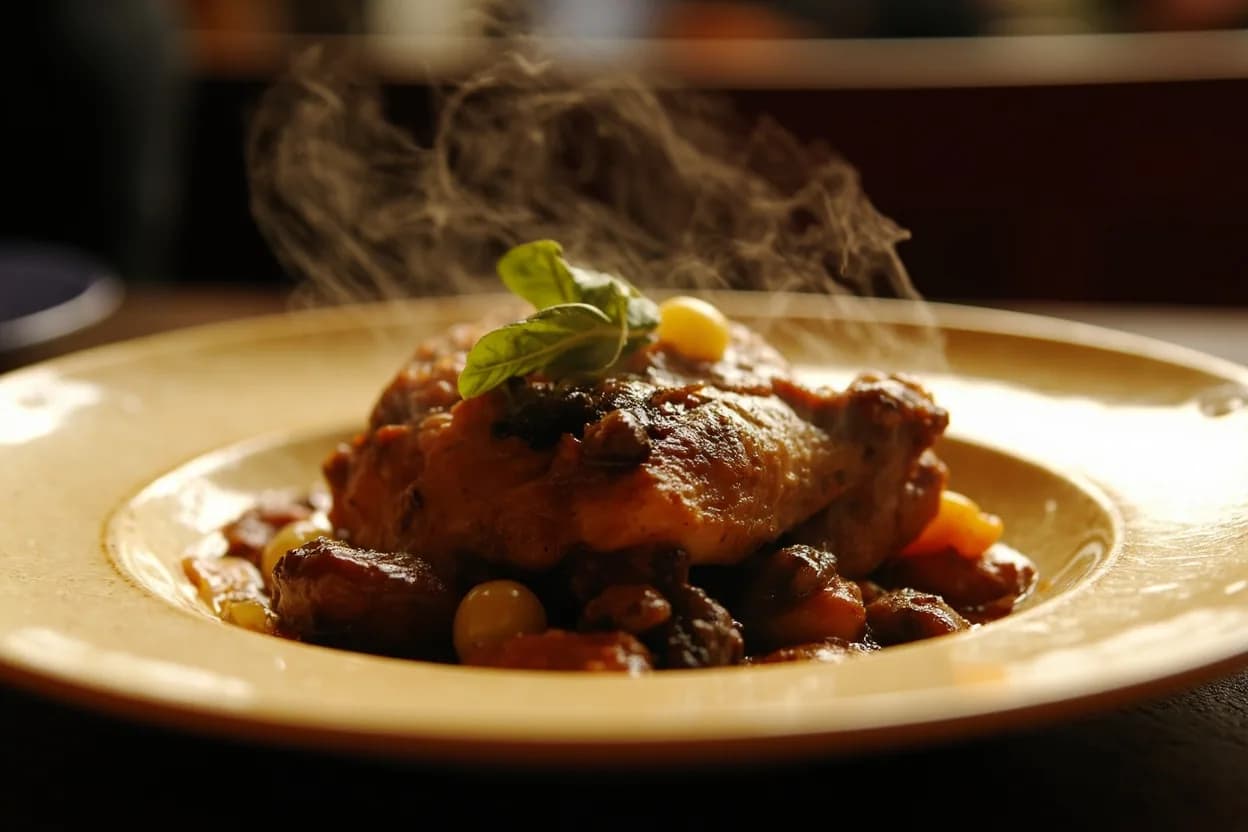
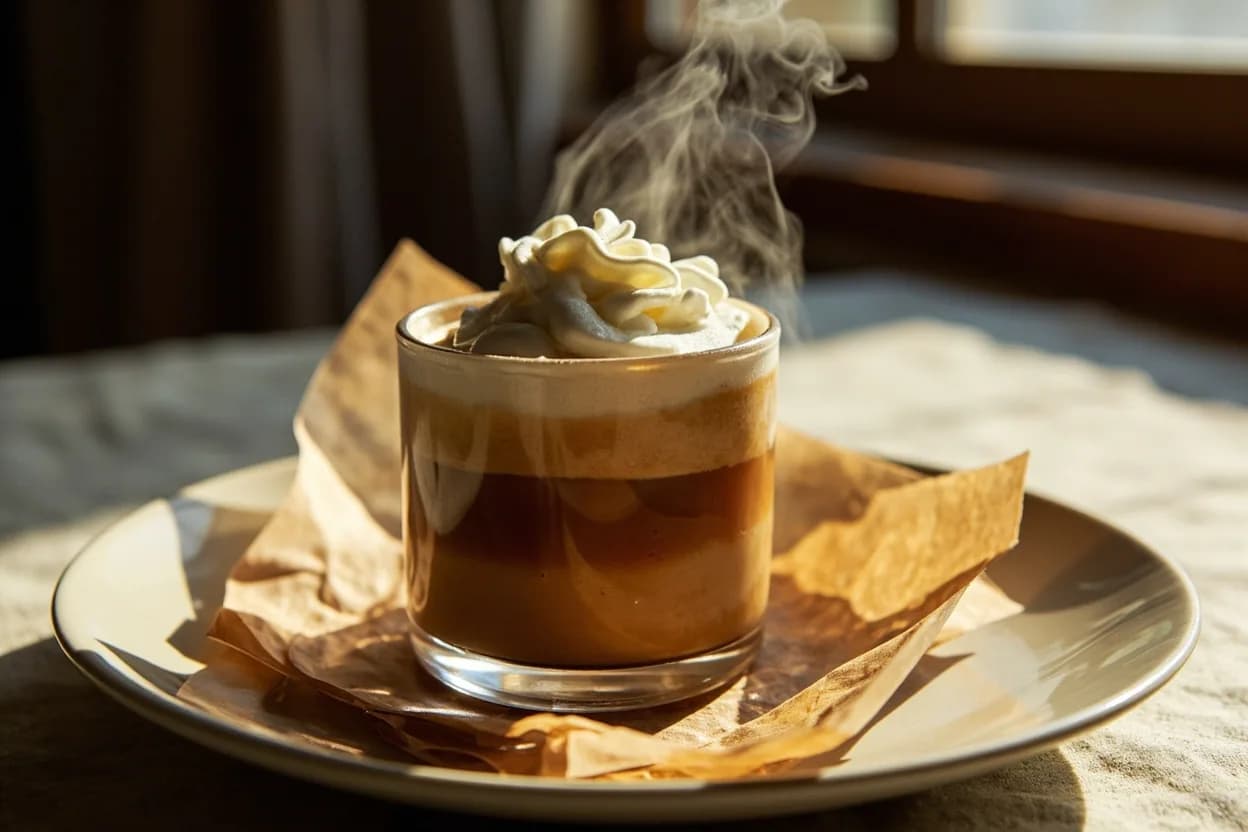
Dishes that rely on it
Related

Sear
Blast the surface hot for a deep-browned, savory crust

Sauté
Cook quickly in a little fat over lively heat, tossing as you go

Stir-Fry
Toss bite-sized pieces over roaring heat for fast, smoky cooking

Pan-Fry
Crisp food in a shallow layer of hot fat, turning once or twice

Deep-Fry
Submerge in hot oil for an all-over crackling crust

Roast
Cook uncovered in dry oven heat for browned edges and tender centers

Bake
Cook with steady, surrounding oven heat — the soul of bread and pastry

Broil
Hit food from directly above with fierce overhead heat