Heat & Fire
Rendering Fat
Melting solid animal fat over low heat to extract clean liquid fat and crisp cracklings.
Rendering melts solid animal fat slowly over low heat so the pure fat separates out as a liquid while the connective tissue browns into crisp cracklings or chicharrón. The strained fat, such as lard or schmaltz, becomes a flavorful, shelf-stable cooking medium, and the crackling bits are a prized snack. Low and patient heat is essential, because rushing it scorches the solids and gives the fat a burnt taste.
Rendering is the slow, gentle process of melting solid animal fat until it separates into a clear, stable liquid and a basket of crisp, deeply browned solids called cracklings. It is one of the oldest kitchen techniques on record — a way of preserving every scrap of a butchered animal long before refrigeration — and a method that, in careful hands, still produces some of the most flavorful cooking fat available. The work itself is mostly waiting: low heat, time, and patience convert pale, rubbery fatback or suet into a gold-colored, high-smoke-point fat and a salty, crunchy garnish that is a cook's reward for the hours spent.
Rendered fat still matters in a modern kitchen because it behaves unlike any vegetable oil. Properly rendered leaf lard makes the flakiest pie crusts; tallow gives roast potatoes a beefy, savory depth; schmaltz carries the memory of onions and roast poultry into chopped liver and kasha varnishkes. Done well, the fat keeps for months, fries cleanly at high heat, and adds a flavor dimension no neutral oil can imitate. Done badly — rushed, hot, or unstrained — it turns bitter, smokes early, and spoils within weeks.
- Difficulty
- Easy
Types & varieties
Fat heated alone over very low heat. Produces the crispiest, most flavorful cracklings; more risk of scorching if heat creeps up.
Fat simmered with a small amount of water, which moderates temperature and prevents browning until it boils off. More forgiving for beginners; cracklings stay softer and paler.
Fat spread on a rimmed sheet or in a deep pan at 250–275°F / 120–135°C. Hands-off, even heat, ideal for large batches of lard or tallow.
Low, steady gentle heat for 4–6 hours. Convenient and very safe from scorching; less crackling browning.
How to do it
- 1
Choose your fat
Use fresh, well-chilled raw fat. Pork fatback and leaf lard are the classic choice for neutral-flavored lard; pork trim gives a porkier result. Suet for tallow; skin and excess fat from a roasted chicken or duck for schmaltz. Smell first — discard anything sour, stale, or 'painty.'
- 2
Trim and cut
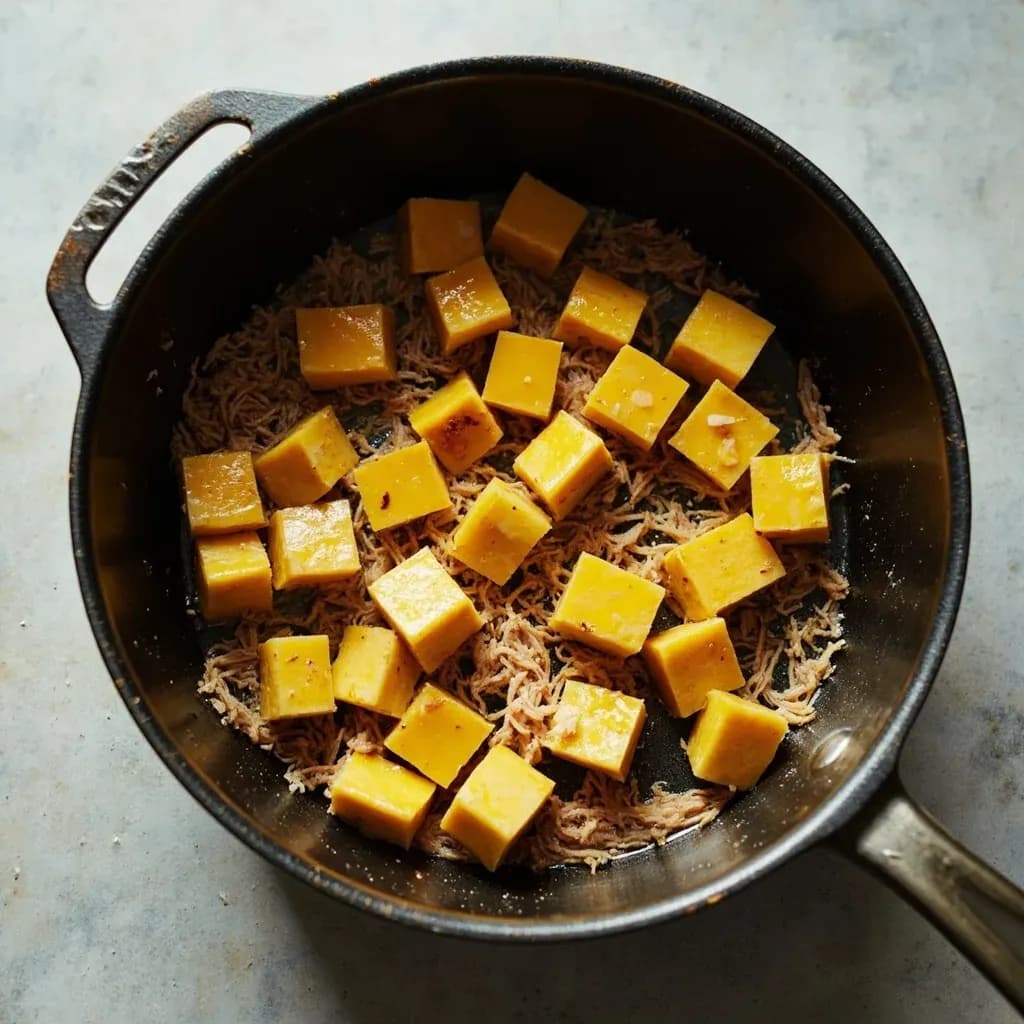
Remove all meat, blood, and membrane. Cut the fat into uniform ½-inch (1–2 cm) cubes, or grind it through a coarse die. Uniform size is the single biggest factor in even rendering.
- 3
Choose your method
Dry: fat alone in a heavy pot over very low heat. Wet: fat with ½–1 cup water per pound, simmered gently. Oven: spread on a rimmed sheet at 250–275°F / 120–135°C. Slow cooker: low setting, 4–6 hours.
- 4
Render low and slow
Heat gently. The pot should barely whisper — small bubbles, never a hard sizzle. Stir every 15–20 minutes for the dry method so nothing scorches on the bottom. The fat will go translucent, then liquid; solids will shrink, brown, and float (dry) or settle (wet). Plan on 1.5–4 hours total.
- 5
Strain off the liquid
When the cracklings have turned deep golden and the liquid is clear, stop. Ladle the liquid fat through a fine-mesh sieve lined with cheesecloth into a heatproof bowl or storage jars. Do not squeeze the solids — let gravity do the work, or the fat turns cloudy and keeps for less time.
- 6
Finish the cracklings
Return the drained cracklings to a hot skillet with a touch of fresh fat and a generous sprinkle of salt. Brown briefly until deeply crisp. Eat immediately, or store separately in the fridge for up to a week.
- 7
Cool and store the fat
Cool the jars at room temperature until just lukewarm, then refrigerate. Leave the lid slightly ajar while cooling to release any trapped moisture; close fully once cold. Keeps 3–6 months refrigerated; freeze for longer storage.
Choosing the Right Fat
Not all raw fat renders the same. Where it comes from on the animal and how clean it is determine the flavor, color, and keeping quality of the finished product.
- Leaf lard (the soft fat around the kidneys) is the most neutral and is prized for pastry and biscuit work.
- Fatback (the firm layer under the skin) yields slightly more, with a mild pork flavor suited to both baking and savory cooking.
- Pork trim and skin give a stronger, 'porky' lard — excellent for frying potatoes or seasoning beans, too strong for delicate pastry.
- Suet — the hard fat encasing beef kidneys — is the traditional source of edible tallow; other beef trim works but is softer and harder to render clean.
- For schmaltz, use the skin and excess fat from a roasted chicken or duck; traditionally a few sliced onions are added near the end and cooked in the fat.
- Always smell raw fat first. Sour, 'painty,' or stale odors mean the fat is already oxidizing, and rendering will concentrate those flavors.
Wet vs. Dry: A Practical Tradeoff
The choice between wet and dry rendering is really a choice between safety and flavor. Both are legitimate; each has a place in the kitchen.
- Dry rendering rewards patience with the best cracklings and a slightly more flavorful, darker fat. It is the traditional method for lard and tallow.
- Wet rendering is the method taught in most culinary schools because the water caps the temperature near 212°F / 100°C until it evaporates, almost guaranteeing no scorching.
- A small amount of water added from the start (sometimes called bain-marie rendering) protects against scorching without committing fully to the wet method.
- Once wet rendering is finished and the water has cooked off, you can raise the heat briefly to brown the cracklings in their own fat, splitting the difference.
Storage and Keeping
Rendered fat is shelf-stable in the same way that cured meats are: it is dry, sealed from air, and protected from light. Treat it accordingly.
- Strain while warm through a fine-mesh sieve lined with several layers of cheesecloth. Do not press the solids — gravity alone gives the clearest fat and the longest shelf life.
- Store in glass jars, ideally leaving a thin layer of fat over the top to seal the surface from air.
- Keep the lid slightly ajar while the fat cools to room temperature so any trapped moisture can escape as vapor; close it fully once cold.
- Cracklings spoil quickly and should always be stored separately in the refrigerator, salted, and used within a week.
Common uses
Tips & pitfalls
- Source fresh, clean fat with no off or 'painty' odor — rendered fat concentrates whatever flavor the raw fat had, for better or worse.
- Trim away every bit of lean meat and bloody tissue; protein scorches easily and is the main cause of off-flavors.
- Cut fat into uniform ½-inch (1–2 cm) pieces so it melts at the same rate.
- Keep the heat low. If you can hear loud sizzling, it is too hot — rendering should be quiet, with just a gentle simmer.
- Stir occasionally in the dry method so pieces on the bottom do not scorch.
- For the clearest, longest-keeping fat, render twice: a first pass to liquefy, then a second, gentler pass through fresh cheesecloth.
- Strain through a fine-mesh sieve lined with several layers of cheesecloth; do not press the solids, or the fat clouds and shortens its shelf life.
- A pinch of salt added during rendering mildly extends shelf life and seasons the fat.
- Common mistakes: rushing with high heat (bitter, smoky fat that smokes well below its true smoke point), skipping the strain (short shelf life), and storing cracklings in with the liquid fat (they spoil quickly and taint the whole jar).
Good to know
- Definition
- Slowly melting solid animal fat over low heat to separate pure liquid fat from connective tissue, water, and solids.
- Liquid product
- Rendered fat — clear, stable cooking fat (lard from pork, tallow from beef, schmaltz from poultry).
- Solid byproduct
- Cracklings (gribenes from chicken, scratchings from pork) — crisp, browned protein solids.
- Temperature
- Roughly 200–250°F / 95–120°C. The pot should barely simmer; loud sizzling means it is too hot.
- Typical time
- 1.5–4 hours depending on method, cut size, and fat type.
- Yield (rough)
- About 1 lb (450 g) trimmed pork fatback yields roughly 1 to 1¼ cups lard; suet yields slightly less per pound.
- Smoke point
- Refined lard ~370°F / 188°C; beef tallow ~400°F / 205°C; schmaltz ~375°F / 190°C.
- Storage
- Refrigerated and sealed: 3–6 months (often longer when strained clear and fully covered by its own fat). Frozen: 1 year or more.
Also called
Render Fat · Render Pork Fat · Making Chicharrón · Making Lard
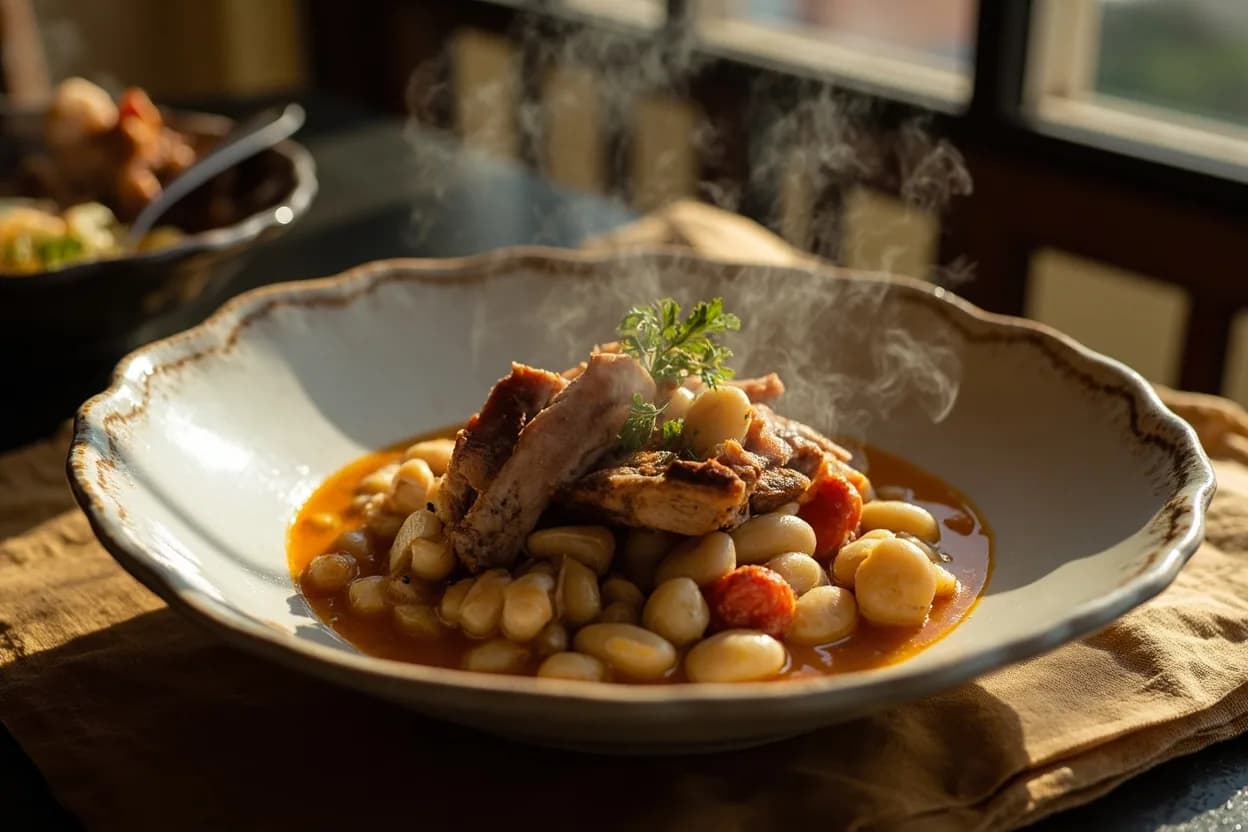
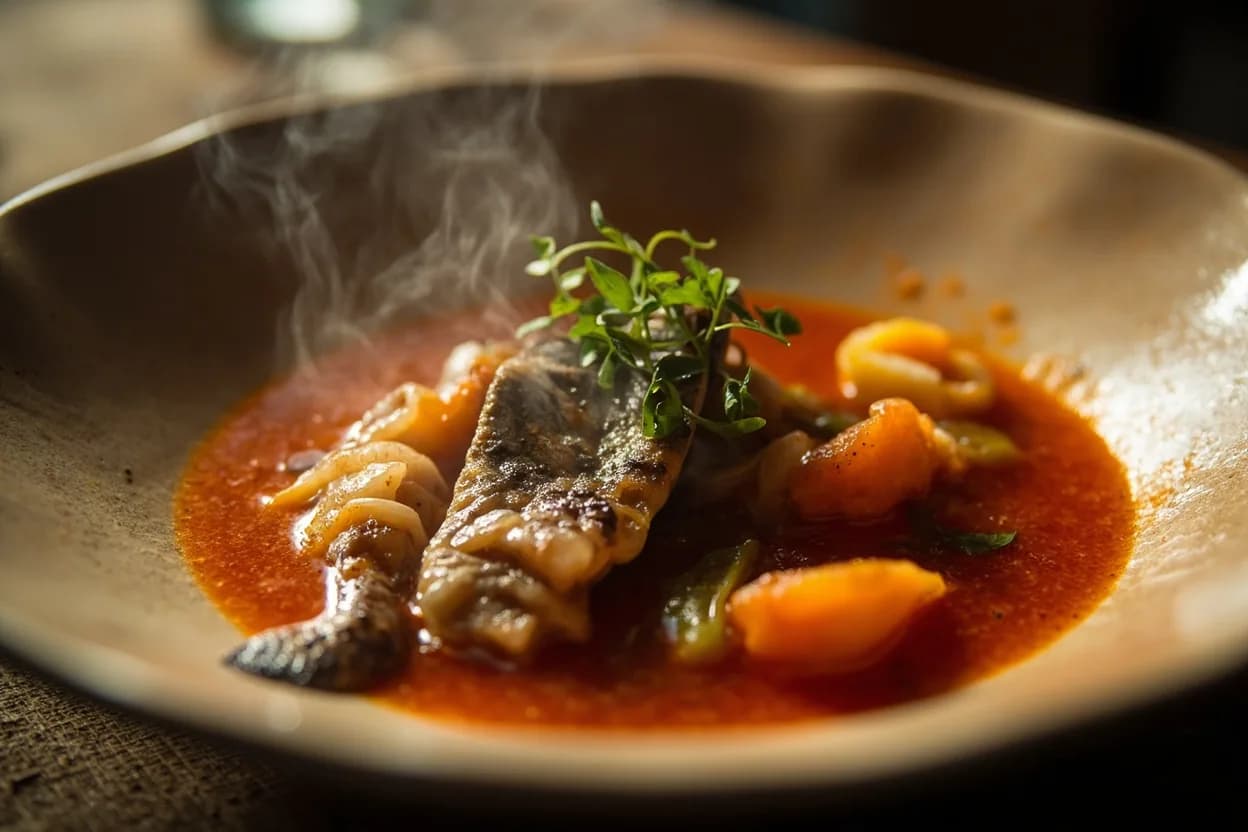
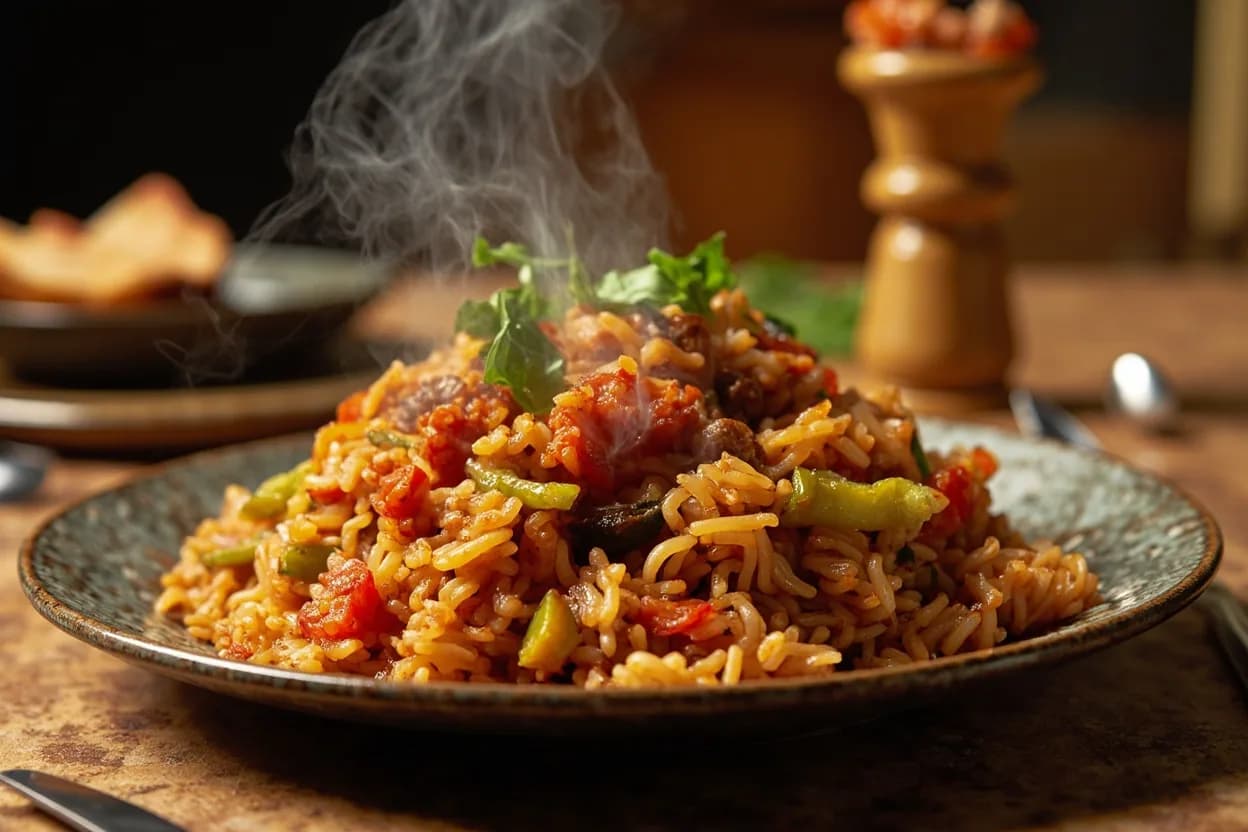
Dishes that rely on it
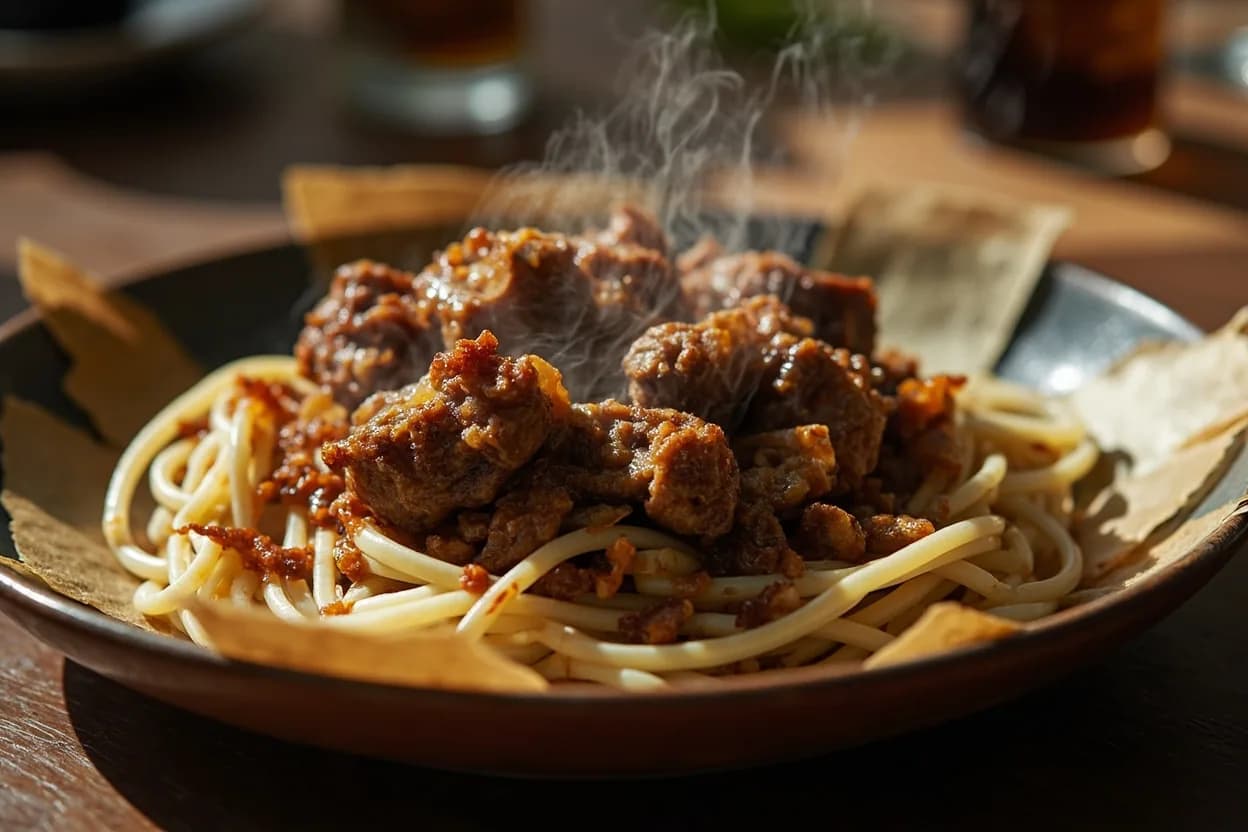
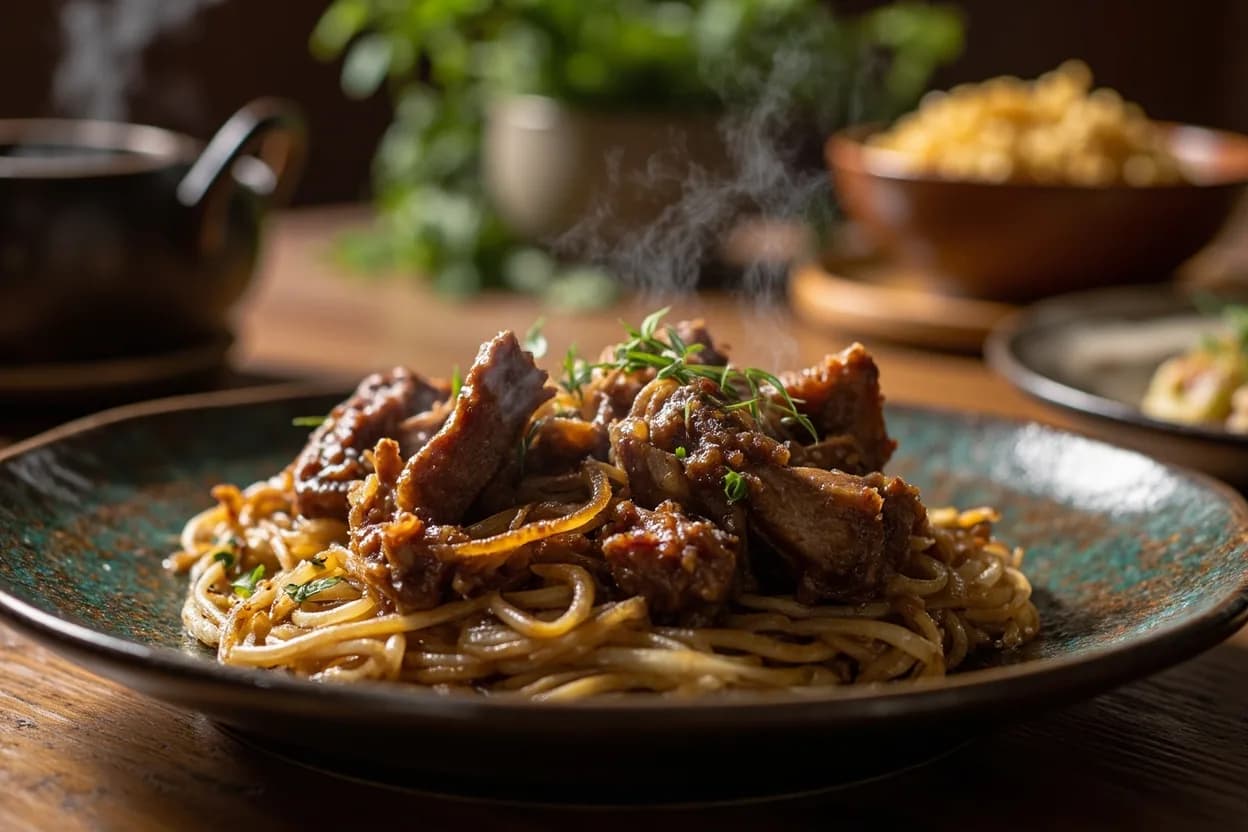
Related

Sear
Blast the surface hot for a deep-browned, savory crust

Sauté
Cook quickly in a little fat over lively heat, tossing as you go

Stir-Fry
Toss bite-sized pieces over roaring heat for fast, smoky cooking

Pan-Fry
Crisp food in a shallow layer of hot fat, turning once or twice

Deep-Fry
Submerge in hot oil for an all-over crackling crust

Roast
Cook uncovered in dry oven heat for browned edges and tender centers

Bake
Cook with steady, surrounding oven heat — the soul of bread and pastry

Broil
Hit food from directly above with fierce overhead heat