
Heat & Fire
Toast
Dry-heat the surface to coax out nuttiness and aroma
Toasting applies dry heat to bread, nuts, spices, or grains until they color and turn fragrant. It wakes up dormant flavor — toasted cumin or hazelnuts taste worlds deeper than raw. Keep things moving and trust your nose; toasting tips into burning fast.
Toasting applies dry heat to bread, nuts, seeds, spices, or grains until they color and turn deeply fragrant. It's a small step with an outsized payoff: toasted cumin, sesame, or hazelnuts taste worlds rounder and nuttier than raw, because dry heat drives off surface moisture and triggers browning reactions that create new aroma compounds. The whole technique is attention — toasting tips into burning in seconds, so you keep things moving and trust your nose as much as your eyes.
- Difficulty
- Easy
Types & varieties
Whole spices and nuts in a skillet, shaken constantly until fragrant.
Sheet-pan method for larger batches of nuts or coconut, stirred once or twice.
Toast ground spices briefly in hot oil to release fat-soluble aromas (overlaps with tempering).
How to do it
- 1
Use a dry pan or sheet
Spread items in a single layer in a dry skillet over medium heat, or on a sheet pan in a moderate oven.
- 2
Keep it moving
Shake the pan or stir frequently so nothing sits and scorches; uneven heat browns unevenly.
- 3
Watch for color and aroma
Pull spices the moment they smell fragrant; take nuts to light gold, never dark brown.
- 4
Tip out immediately
Transfer to a cool plate at once — a hot pan keeps cooking and can burn them after the heat is off.
- 5
Cool, then grind or use
Let spices cool before grinding for the cleanest flavor and easiest milling.
Why toasting deepens flavor
Dry heat does two things at once: it drives off surface moisture and it sparks Maillard browning and, in spices, releases volatile aromatic oils. Whole spices hold their aroma compounds locked in cell walls and oils; a brief toast ruptures and volatilizes them, which is why freshly toasted-and-ground cumin or coriander smells so much louder than the pre-ground jar. The window is narrow — past golden, those same compounds turn acrid and bitter.
Common uses
Tips & pitfalls
- Toast spices whole and grind after cooling — the flavor is far brighter than toasting pre-ground.
- Your nose is the best timer: when the aroma blooms, it's done.
- Toast nuts a shade lighter than you want; carryover heat darkens them off the heat.
- Toast in small, even batches so everything browns at the same rate.
Good to know
- Heat level
- Dry, moderate; medium burner or 160–180°C / 325–350°F oven
- Best for
- Nuts, seeds, whole spices, grains, bread, coconut
- Equipment
- Dry skillet, sheet pan, or toaster — no fat
- Fat needed
- None — toasting is a dry-heat method
- Time
- 2–10 minutes depending on item and method
Also called
dry-toast
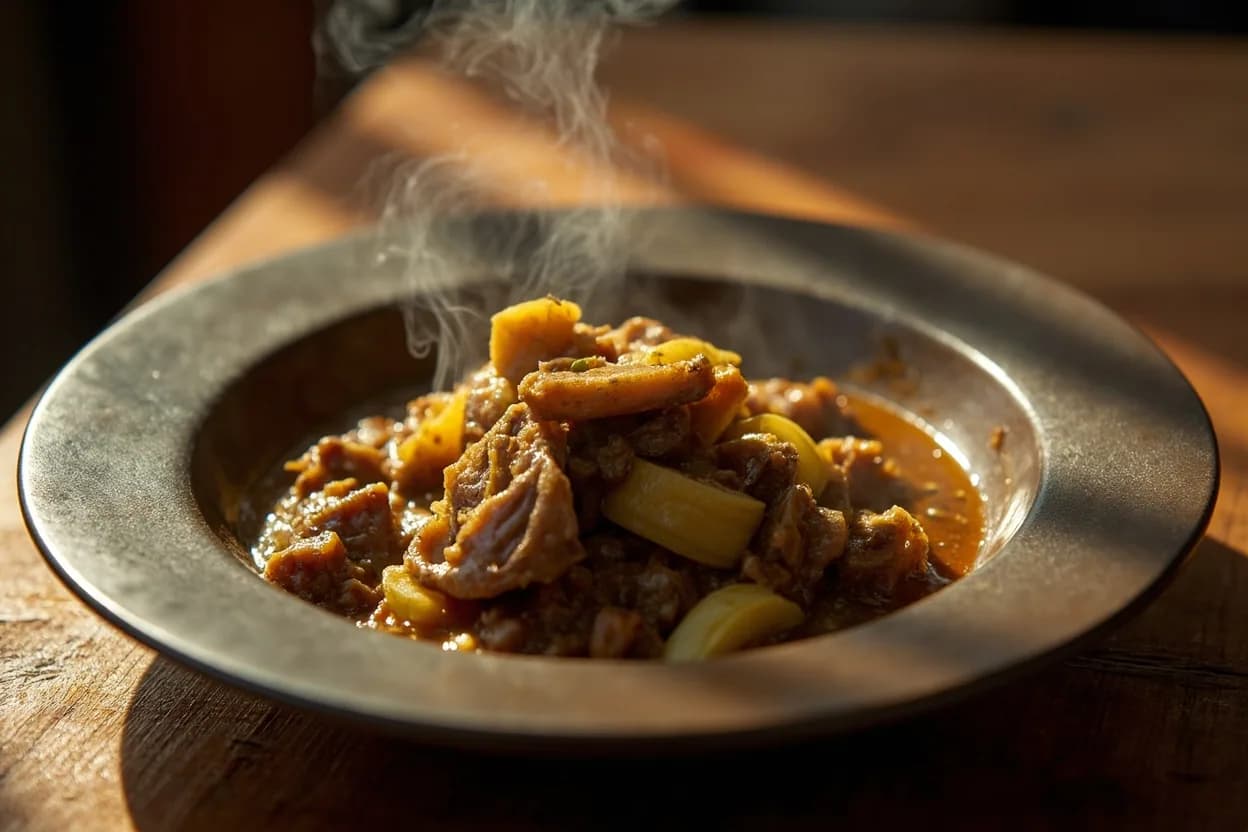
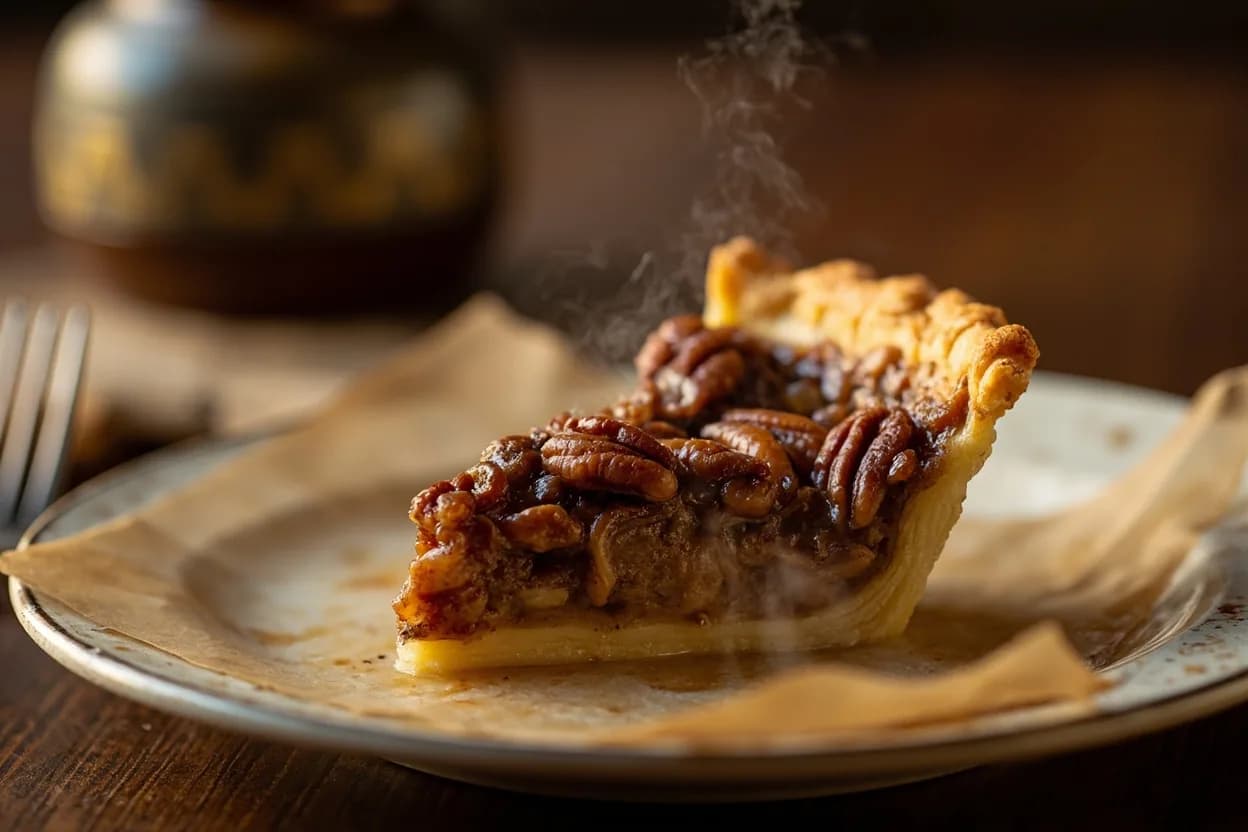
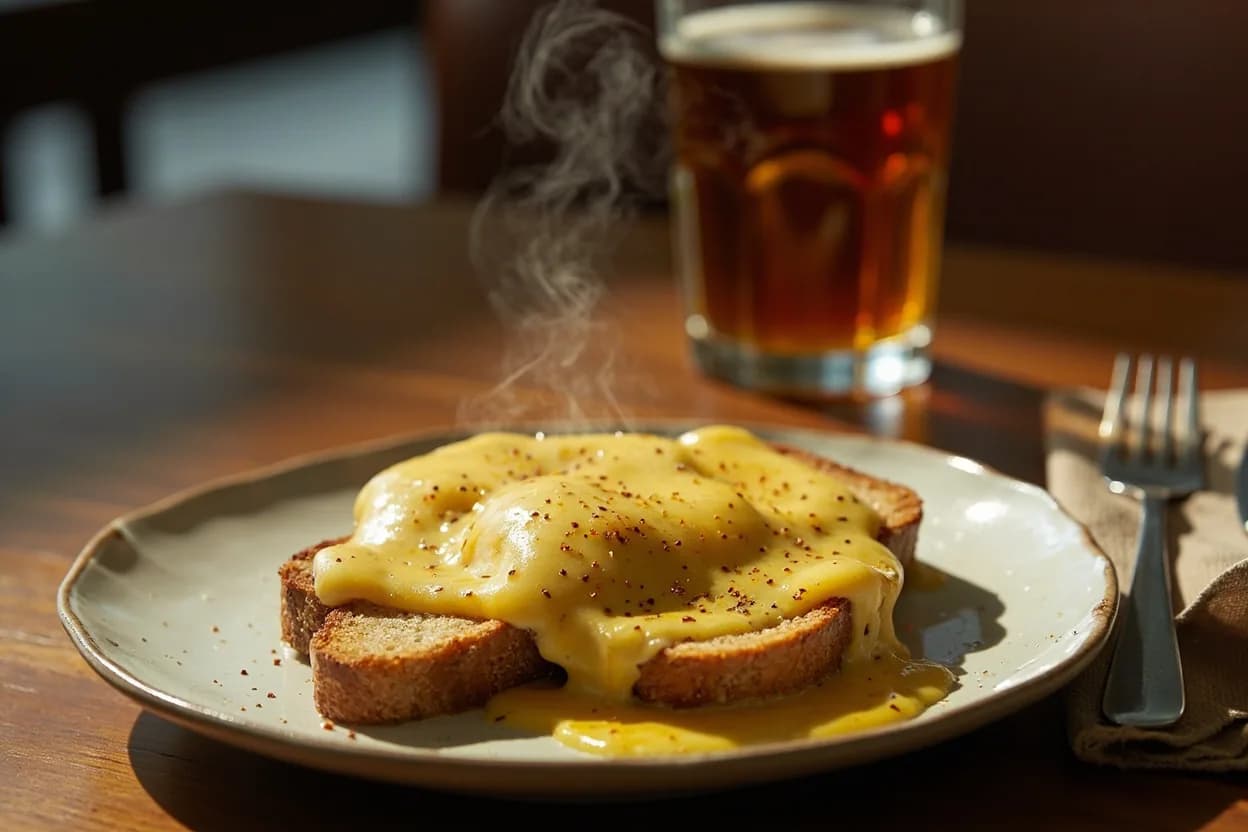
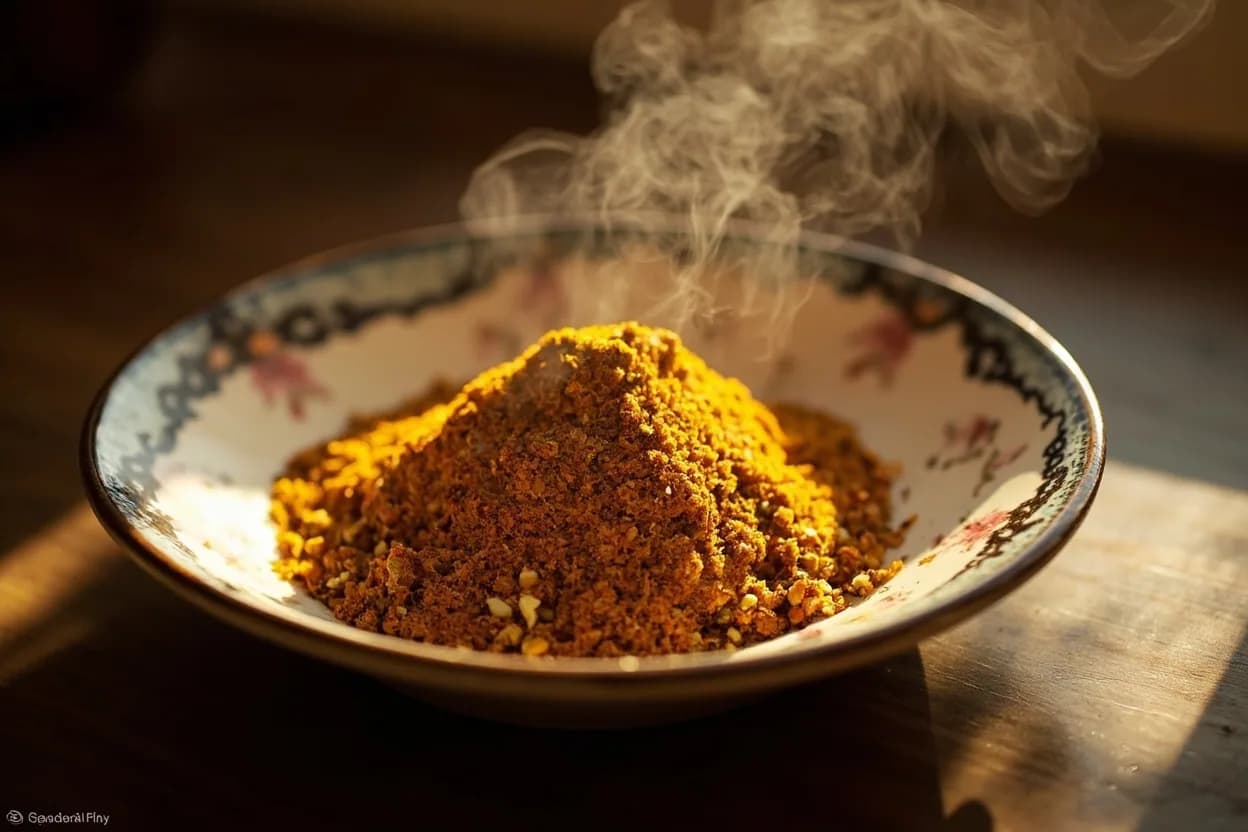
Dishes that rely on it

Related

Sear
Blast the surface hot for a deep-browned, savory crust

Sauté
Cook quickly in a little fat over lively heat, tossing as you go

Stir-Fry
Toss bite-sized pieces over roaring heat for fast, smoky cooking

Pan-Fry
Crisp food in a shallow layer of hot fat, turning once or twice

Deep-Fry
Submerge in hot oil for an all-over crackling crust

Roast
Cook uncovered in dry oven heat for browned edges and tender centers

Bake
Cook with steady, surrounding oven heat — the soul of bread and pastry

Broil
Hit food from directly above with fierce overhead heat