Western Europe
Provençal
Also: Cuisine provençale, Provence cuisine, Southern French
The sun-baked cooking of southern France, built on olive oil, garlic, tomatoes, and the wild aromatics of the garrigue.
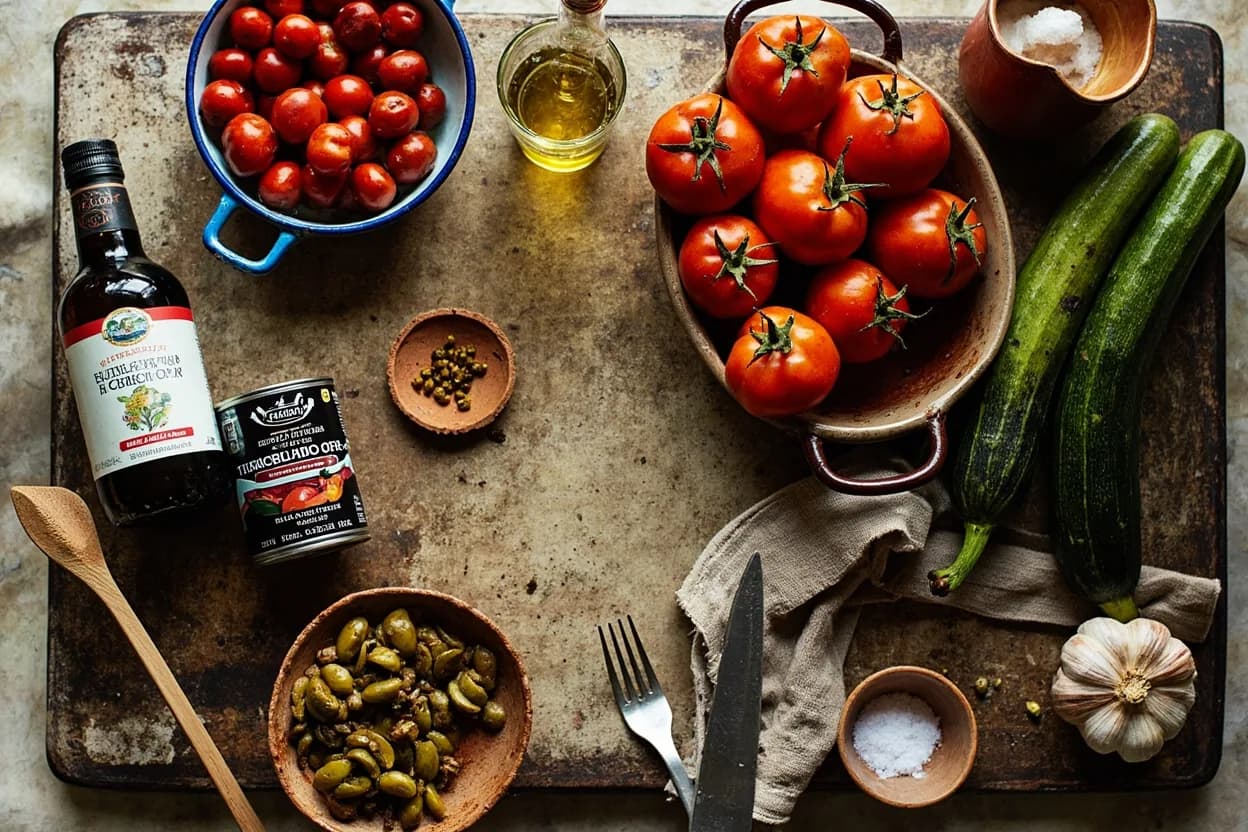
Provençal cuisine is the culinary tradition of France's Mediterranean south — the historical region of Provence stretching from the Rhône delta east to the Italian border. It is defined by an absolute dependence on olive oil (never butter), the liberal use of garlic, abundant fresh and sun-dried tomatoes, and the aromatic herbs — thyme, rosemary, savory, oregano, lavender — that grow wild on the limestone hillsides called garrigue. The cuisine shares more DNA with Ligurian and Catalan cooking than with Parisian classical technique, reflecting centuries of trade across the Mediterranean rather than north–south French influence.
The flavour base
A sofrito-like base of onion, garlic, and olive oil underpins most preparations; tomatoes, herbes de Provence, and often anchovy or black olive tapenade add depth. Citrus zest (especially orange) and fennel seed frequently appear as aromatic accents.
Pantry staples
Key ingredients
Signature techniques
Signature dishes
Provençal on the table
At the table
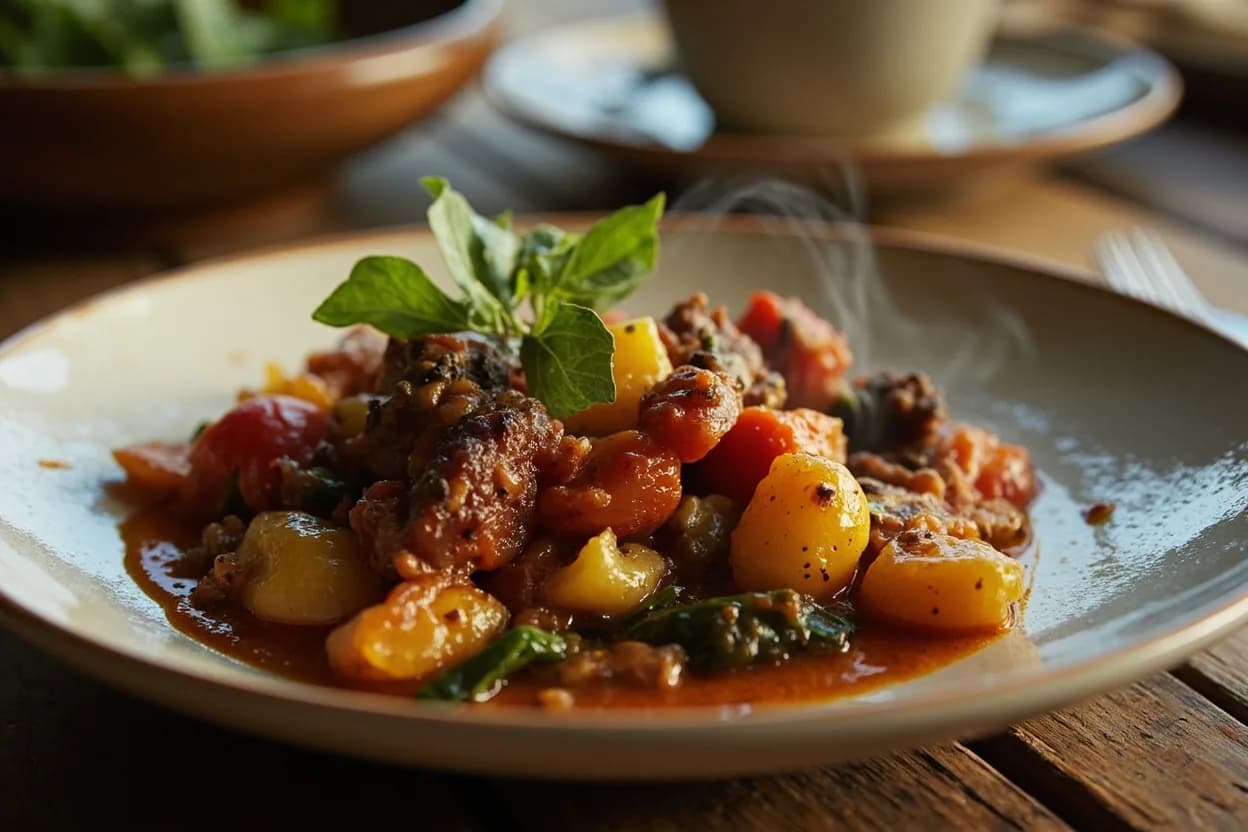
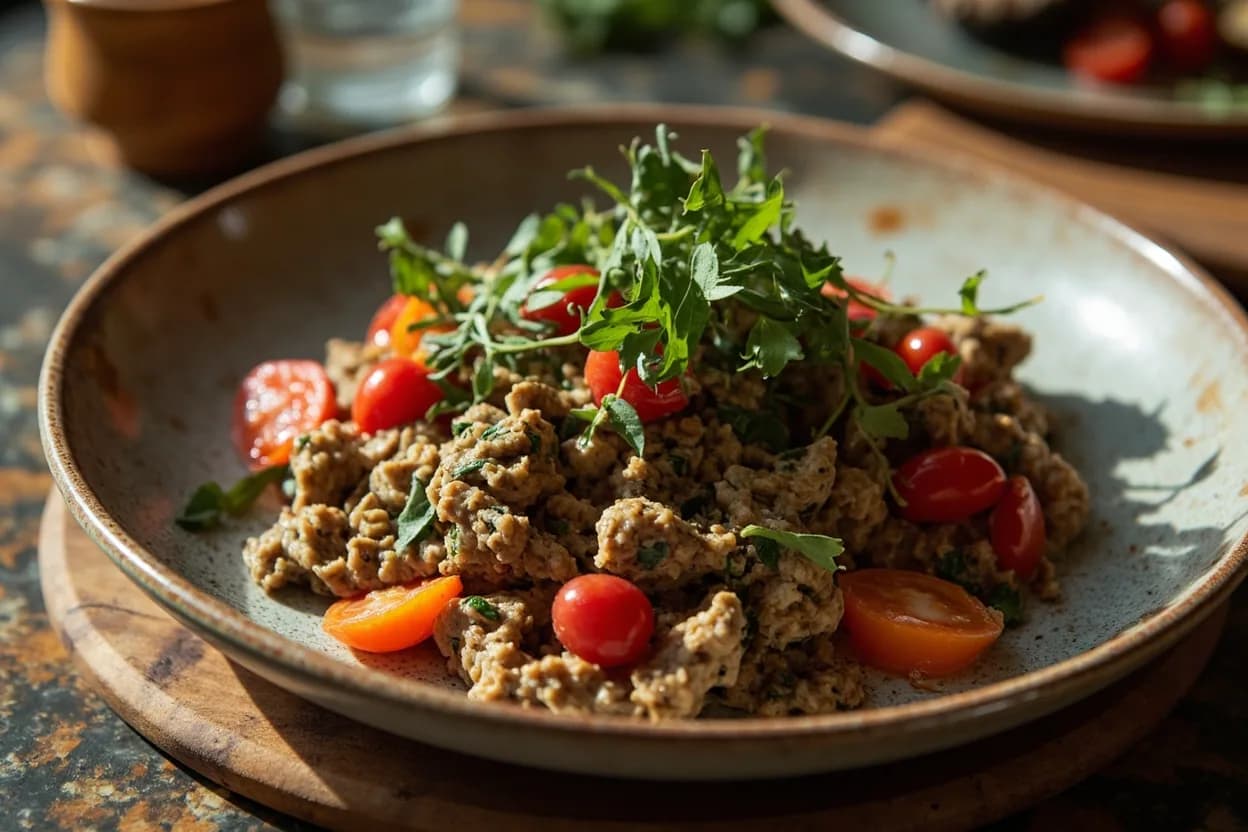
Meals follow the French three-course structure but with Mediterranean informality. A light apéro with tapenade and olives precedes a single-dish starter; the main course is often a slow-braised or roasted centerpiece; cheese or dessert closes the meal. Outdoor dining, long lunches, and communal pots are cultural norms rather than exceptions.
History & context
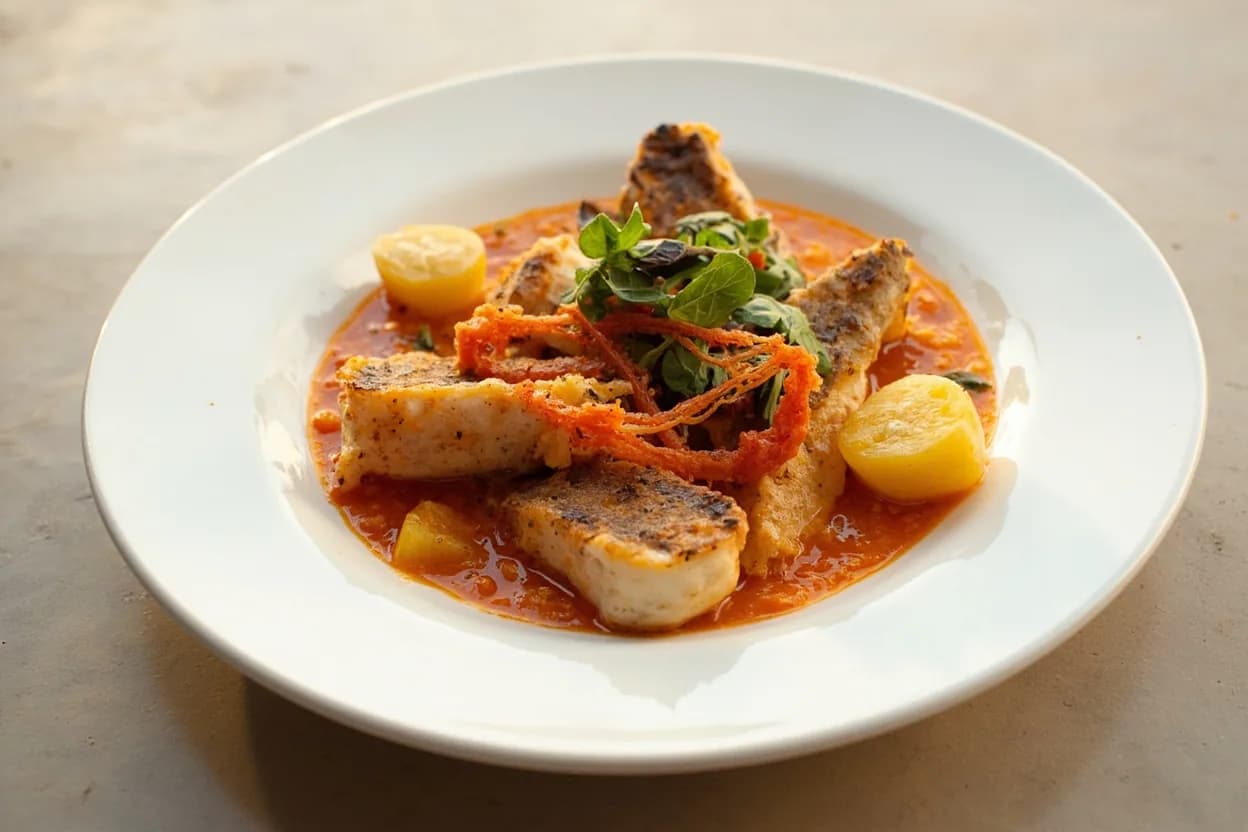
Provence was colonized by Greek traders from Phocaea around 600 BCE — Marseille (Massalia) is one of the oldest cities in France — and Greek olive cultivation transformed the landscape permanently. Roman conquest brought garum (fermented fish sauce) and the Mediterranean pantry. Arab traders who briefly held parts of Provence in the 8th–10th centuries likely reinforced the use of spices and saffron. The 19th-century railway connected Nice (Italian until 1860) and Marseille to Paris, making Provençal produce available nationally and prompting Escoffier — born near Nice — to codify regional specialties within classical French cuisine. The cuisine remains fiercely local: Marseille defends bouillabaisse via a 1980 charter specifying the exact fish permitted.
Regional variations
- Marseille / Bouches-du-Rhône
Seafood-dominant; home of bouillabaisse and bourride; strong North African influence from the large pied-noir and Maghrebi communities.
- Nice / Alpes-Maritimes
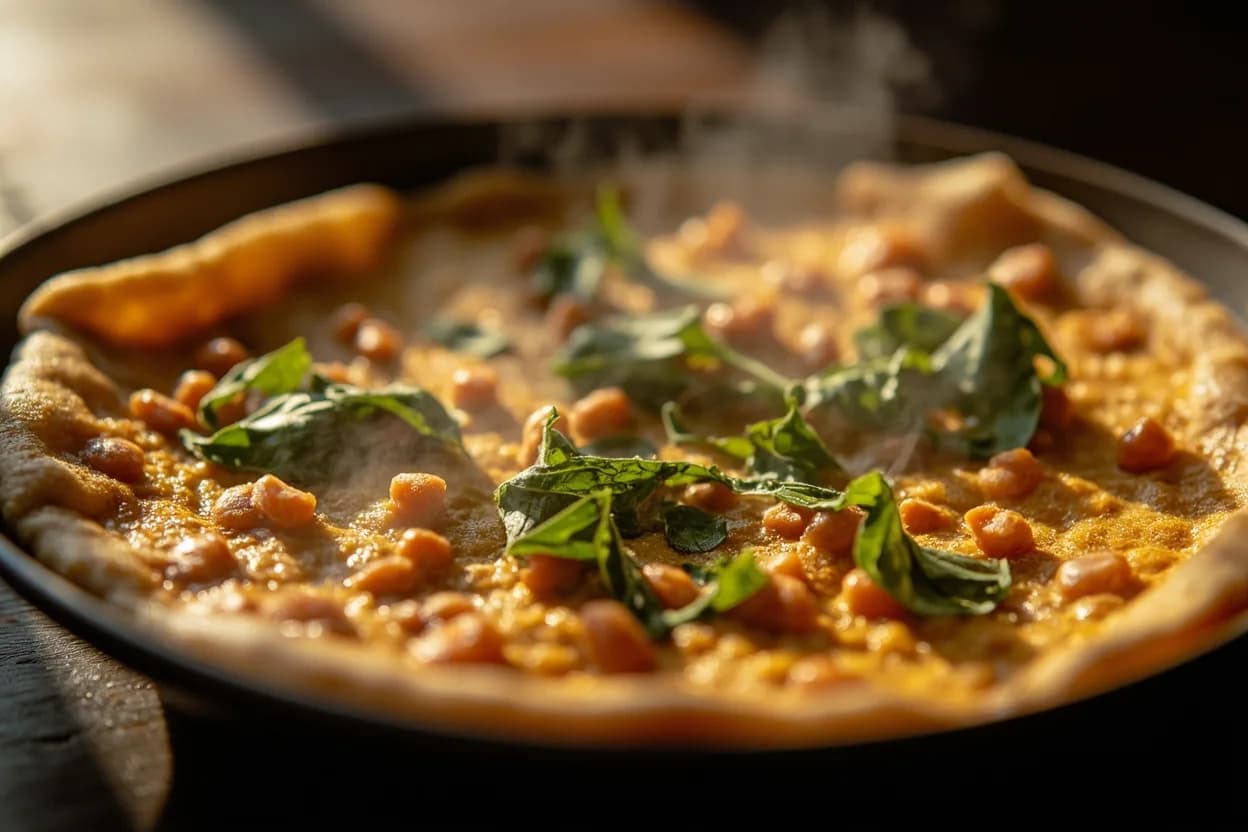
Ligurian-inflected; socca, pissaladière, pan bagnat, and stockfish (estocafic) reflect Italian proximity; olive oil and chickpeas are foundational.
- Vaucluse / Luberon
Truffle country; Carpentras strawberries and Cavaillon melons feature; the cuisine is slightly more inland and rustic, with lamb and offal preparations.
- Camargue
Wild-rice and black-bull beef (taureau) territory; flamingo-pink salt from the salins; distinct wetland ecology shapes the table.
Related cuisines
Near-identical pantry across the French–Italian border; pesto and pistou are variant traditions of the same pounded herb sauce.
Shared olive oil, anchovy, and tomato foundation; the escabèche technique and salt-cod tradition link both coasts.
- Niçoise
The cuisine of the city of Nice, sometimes treated as its own tradition due to its Italian political history before 1860.
- Languedoc
Western neighbour with shared garrigue herbs; brandade de morue and cassoulet both have Languedoc-Provence overlap.
Canonical recipes
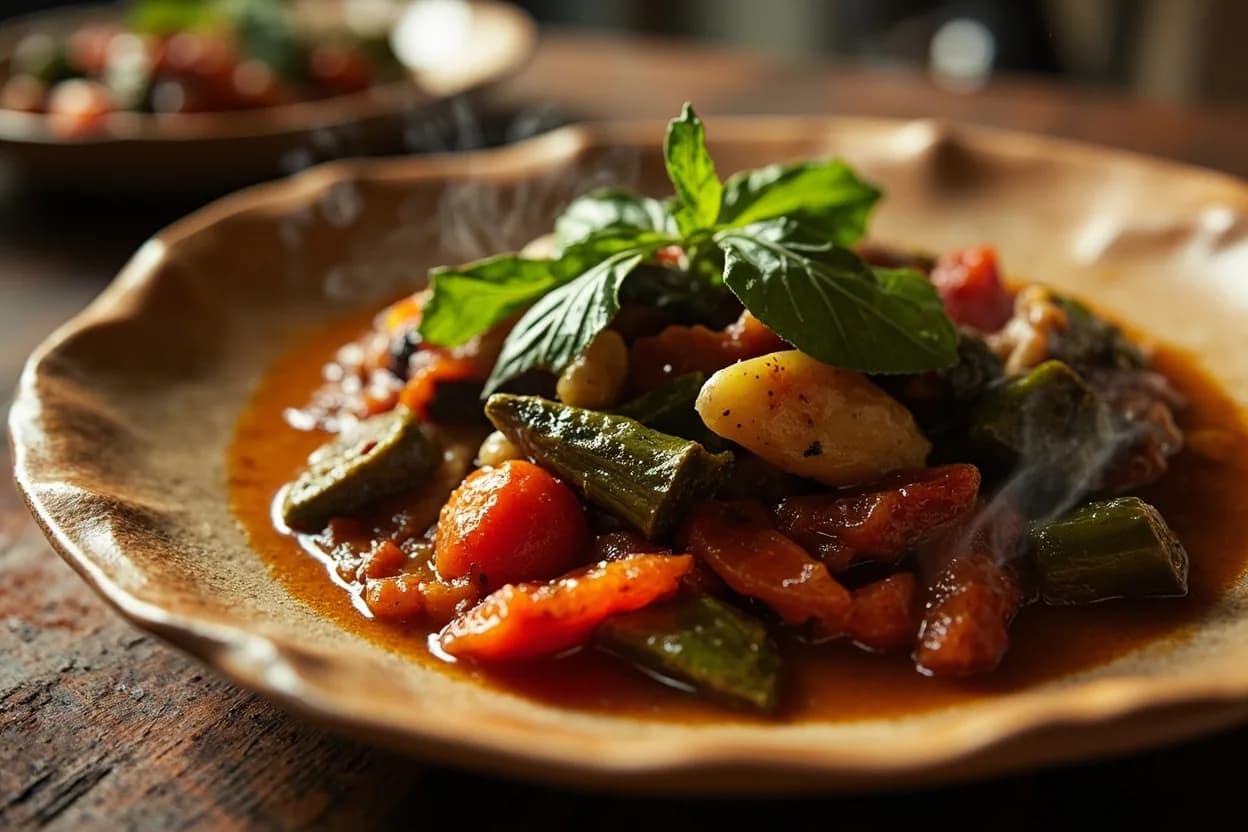
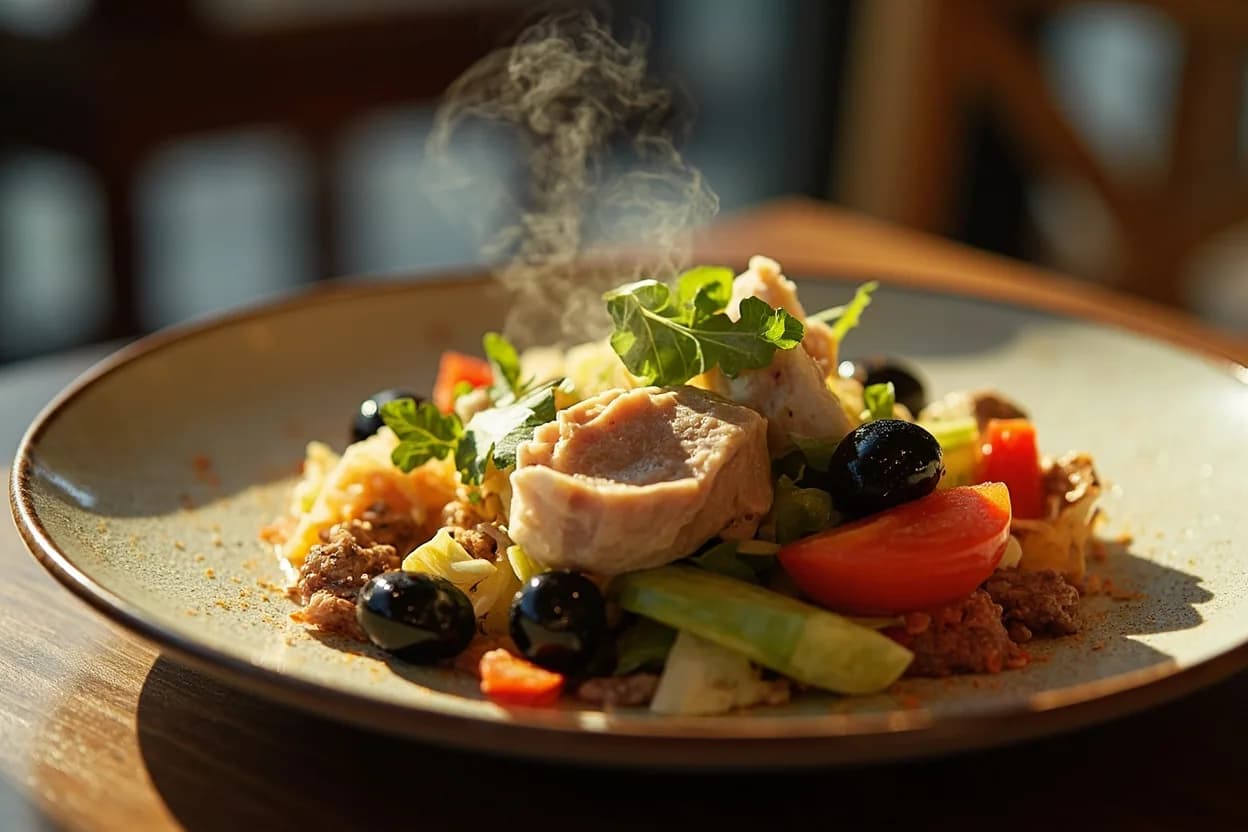
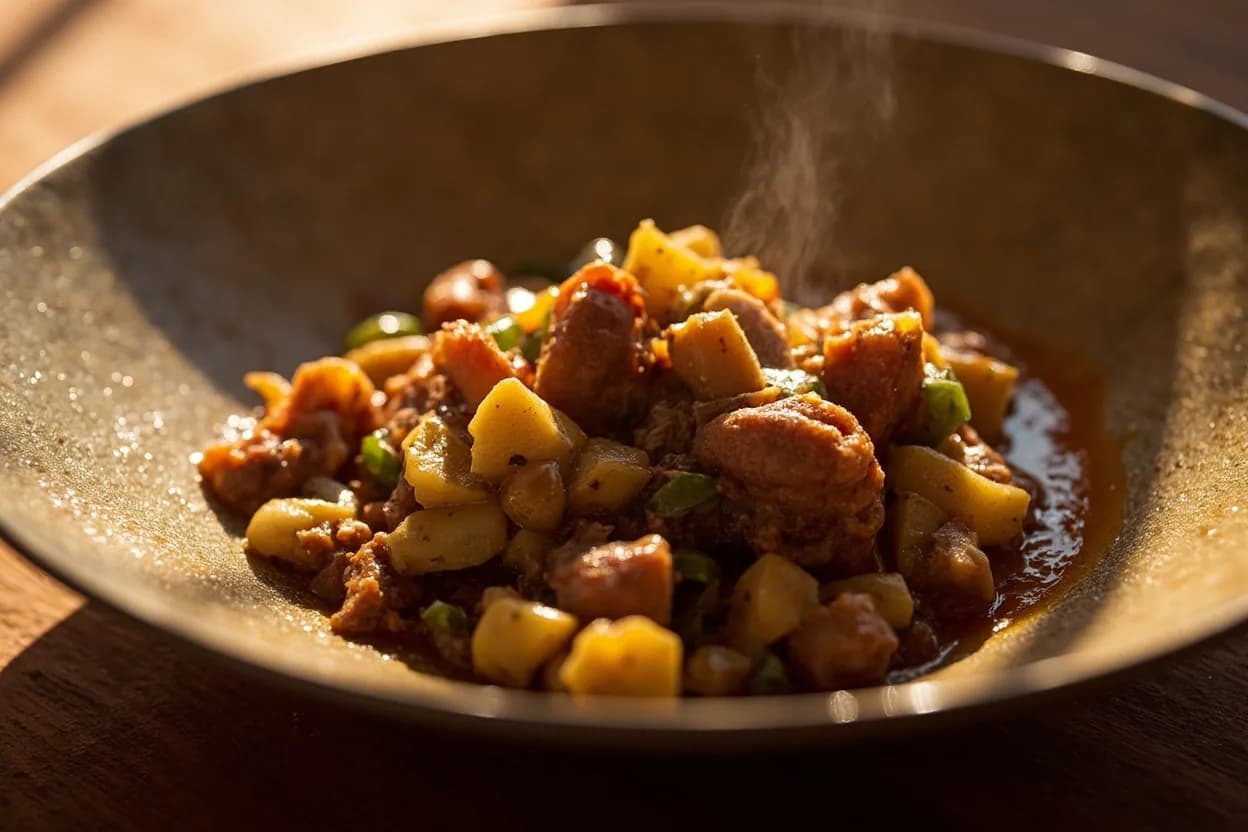
The dishes that define Provençal, documented in the Canon.
References
- 1.Lulu's Provençal Table — Richard Olney (1994)
- 2.The Food of France — Waverley Root (1958)
- 3.Chez Panisse Menu Cookbook — Alice Waters (1982)
- 4.La Cuisine du Soleil — Roger Vergé (1979)
- 5.Charte de la Bouillabaisse Marseillaise (1980), Syndicat des Restaurateurs de Bouillabaisse
Confidence: high
Notes
The herbes de Provence question
Commercial 'herbes de Provence' blends often include lavender, but authentic Provençal cooks are divided — lavender appears mainly in tourist-facing products and some sweet preparations. The working kitchen blend is thyme, savory, rosemary, and marjoram.
Olive oil vs. butter
The Provençal–French border is effectively the olive-oil/butter divide. North of the Drôme, daube might be finished with a knob of butter; in Provence, this would be considered a category error. The fat you cook in tells you which France you are in.