Mesoamerica (Mexico and Central America)
Pre-Hispanic Mesoamerican Traditions
Also: Ancient Mexican Cuisine, Pre-Columbian Mesoamerican Cooking, Indigenous Mesoamerican Foodways
The ten-thousand-year culinary foundation of Mesoamerica, built on nixtamalized maize, the milpa triad, and a pharmacopoeia of chilies, squash, beans, and forest foods.
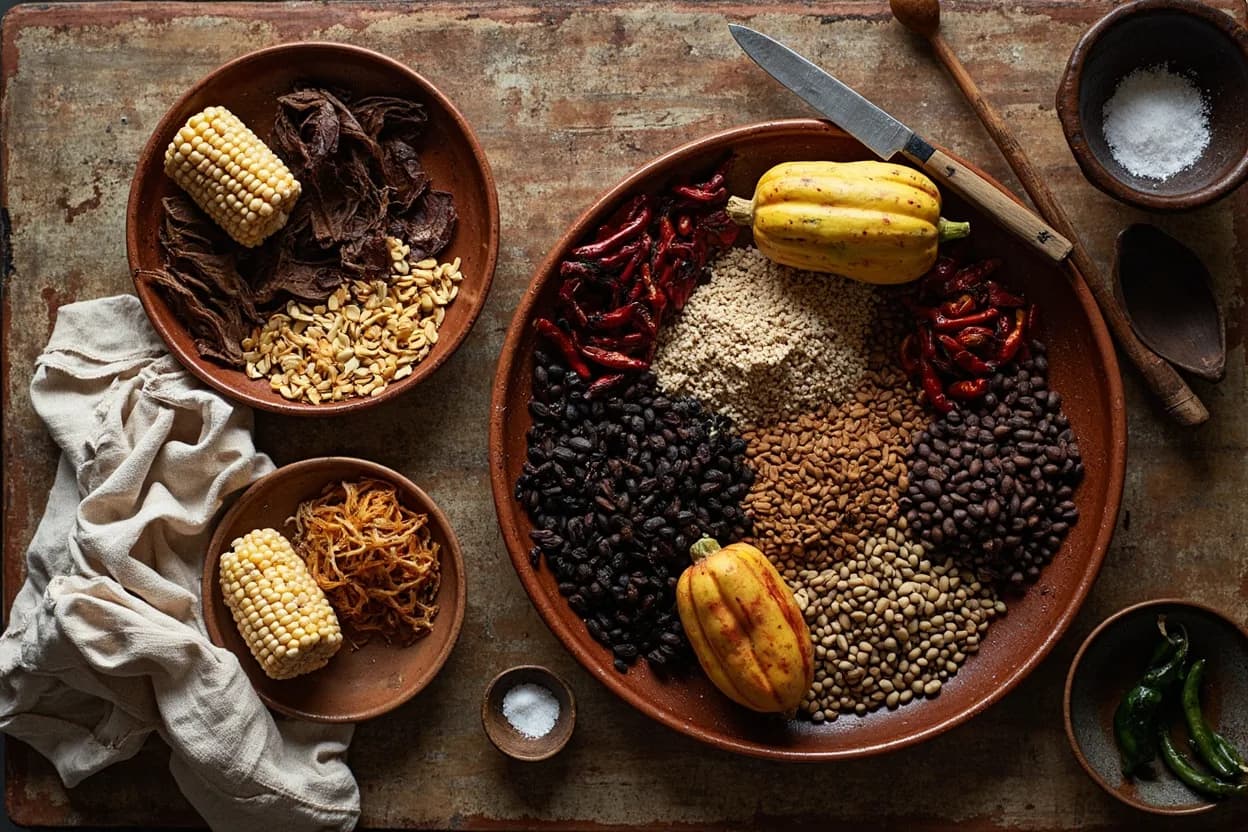
Pre-Hispanic Mesoamerican culinary tradition encompasses the foodways of the great Mesoamerican civilizations — Olmec, Maya, Teotihuacano, Zapotec, Mixtec, Totonac, and Mexica (Aztec) — before Spanish contact in 1519. It is defined by nixtamalization (alkaline processing of dried maize to unlock nutritional bioavailability), the milpa agroecological system (intercropped maize, beans, and squash), and a vast material culture of ceramics, grinding stones, and earth ovens. This is not a static 'ancient' cuisine but a living intellectual inheritance whose core grammar still underlies every tortilla pressed and every pot of black beans cooked across Mexico and Central America.
The flavour base
Nixtamalized masa (the processed maize dough) as structural and flavor foundation; dried and fresh chili varieties providing heat and fruity complexity; toasted seeds (squash, amaranth, cacao) and fresh herbs (epazote, hierba santa, chepiche) providing fat and aromatic depth.
Pantry staples
Key ingredients
Signature techniques
Signature dishes
Pre-Hispanic Mesoamerican Traditions on the table
At the table
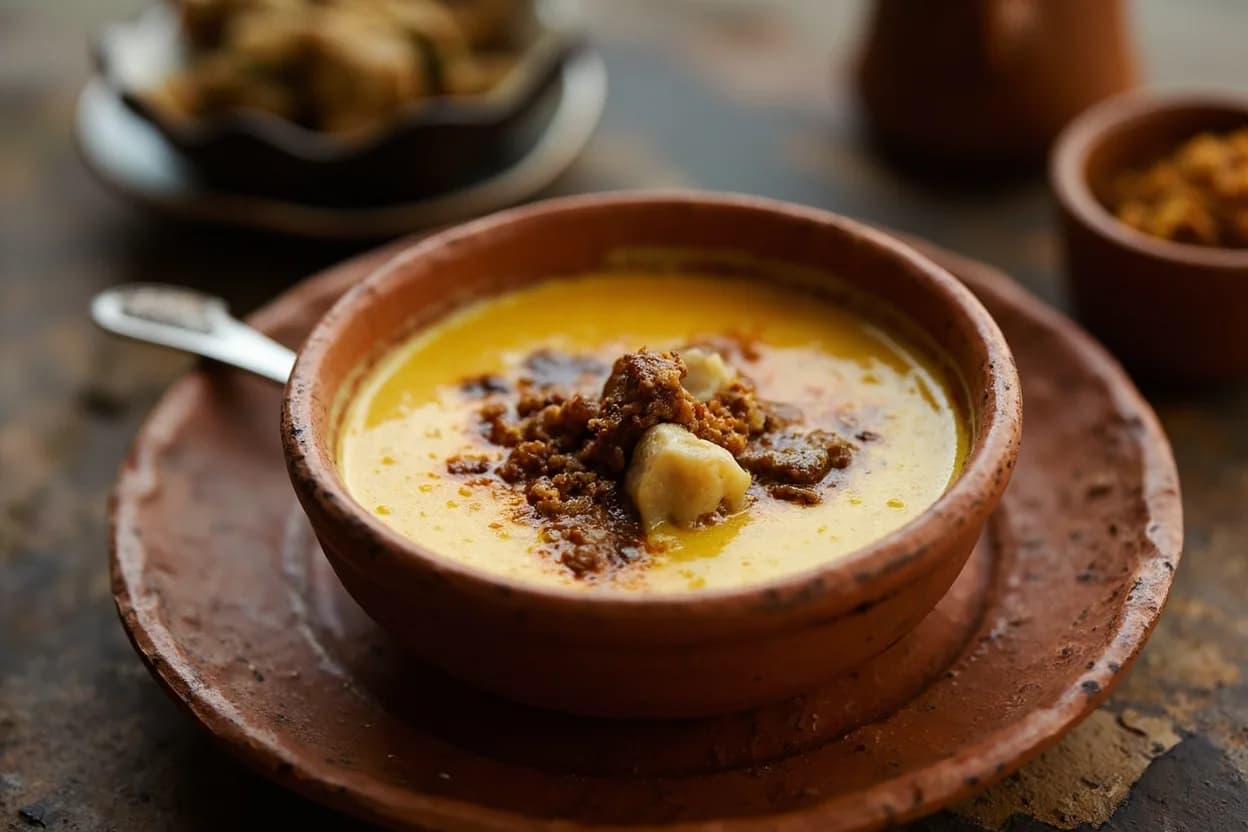
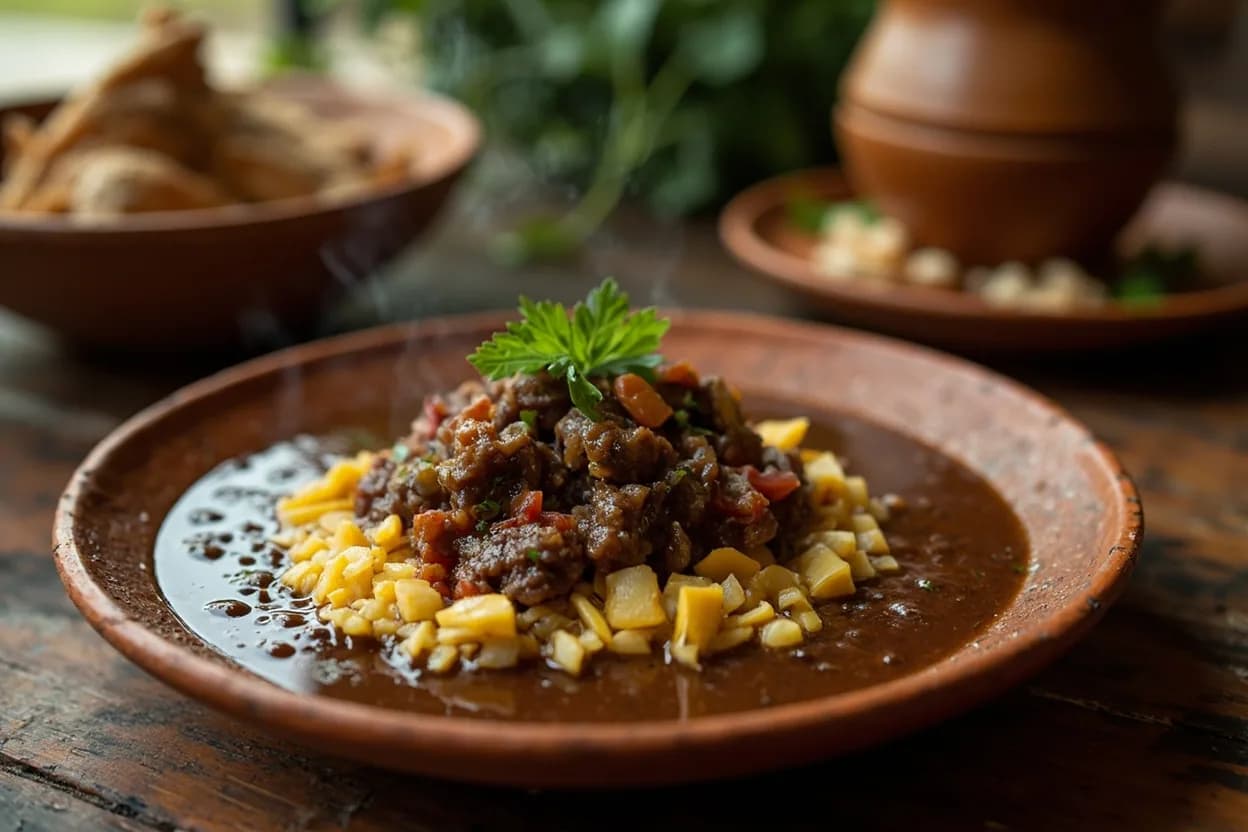
Meals were organized around maize in multiple forms consumed throughout the day. A morning drink of atole or pozol preceded the primary meal at midday featuring tamales, tortillas, bean stews, and chili sauces. Insects, small game, fish (in coastal and lakeside zones), and wild greens supplemented the plant-protein base. Feasting contexts — documented in Aztec and Maya sources — included elaborate preparations of cacao drinks, complex mollis, and sacrificial meats.
History & context
Maize was domesticated in the Balsas River valley of Guerrero approximately 9,000 years ago from the wild grass teosintle; nixtamalization was developed no later than 1500 BCE, making this one of humanity's most consequential culinary innovations. The milpa system — a polyculture that sustains soil fertility across millennia — allowed the population growth that built Teotihuacan (perhaps 125,000 people at its peak) and the Classic Maya cities. Aztec (Mexica) market culture, centered on Tlatelolco, was described by Bernal Díaz del Castillo in 1519 as a market greater than any in Spain, filled with hundreds of chile varieties, fresh and dried beans, squash, tomatoes, avocados, insects, game, and cacao. After the Conquest, the foundational ingredients and techniques persisted among Indigenous and mestizo populations while European livestock, wheat, dairy, and sugar were layered over them — but the Mesoamerican substrate remained structurally dominant.
Regional variations
- Maya Lowlands (Yucatán, Chiapas, Guatemala)
Achiote (annatto) as primary colorant and flavoring; sour orange (naranja agria) for marinades; pib (underground oven) central to ritual food; cacao-maize drinks prominent.
- Central Mexican Highlands (Aztec heartland)
Greatest diversity of chili varieties and molli preparations; insects most prominent as protein; lake fauna (ahuautle fly eggs, axolotl) important; amaranth used for ceremonial figures.
- Oaxacan Valleys (Zapotec and Mixtec)
Hierba santa and chepiche as signature herbs; tasajo and cecina-style dry-curing foreshadowed by pre-Hispanic meat-drying; black bean as the canonical legume.
- Gulf Coast (Totonac, Huastec)
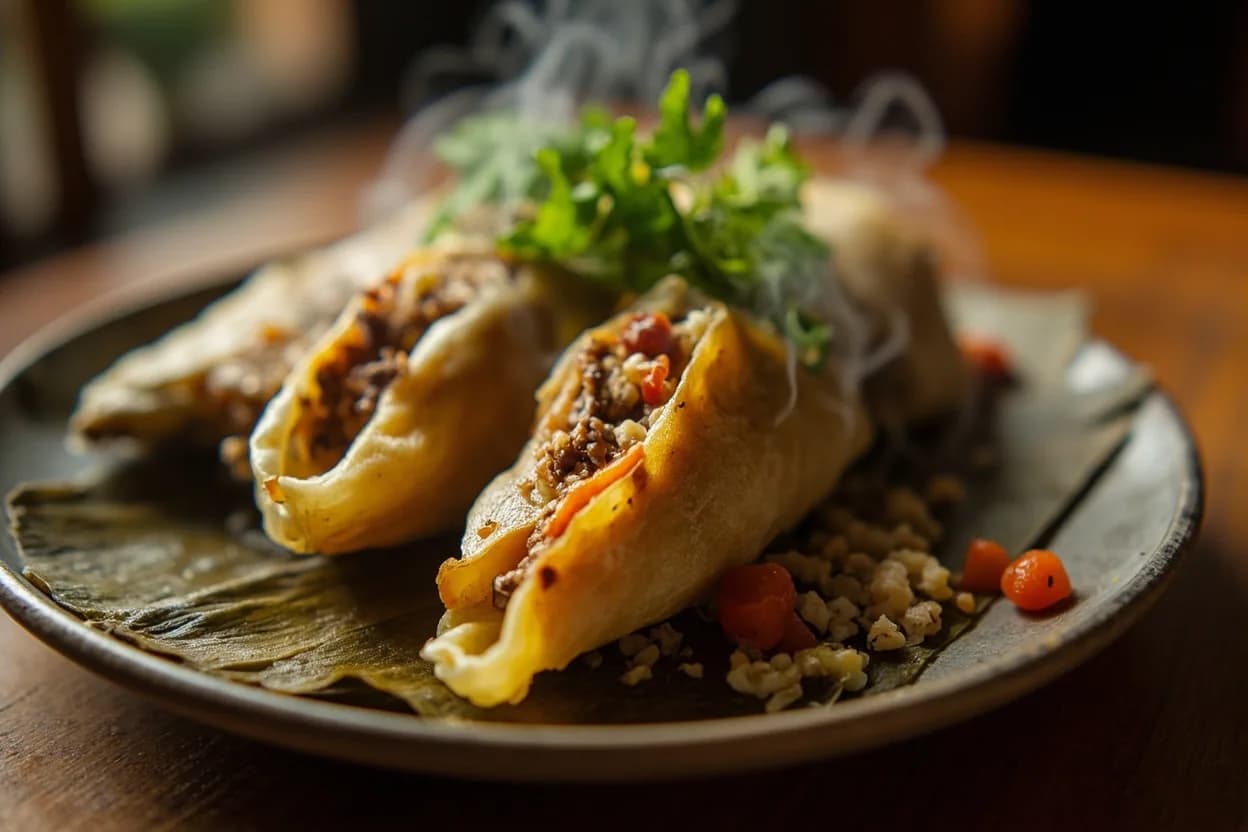
Vanilla domesticated by the Totonac; tropical fruit abundance; tamales wrapped in banana leaves rather than corn husks.
Related cuisines
Tex-Mex retains nixtamalized maize and bean staples but radically adapts them through Anglo-American and northern Mexican ranching influences.
Oaxaca preserves the deepest continuity with pre-Hispanic food culture, including seven mole families and mezcal-adjacent traditions.
Maya culinary heritage is most visible in Yucatán, where achiote, pib cooking, and cacao drinks remain central.
Canonical recipes
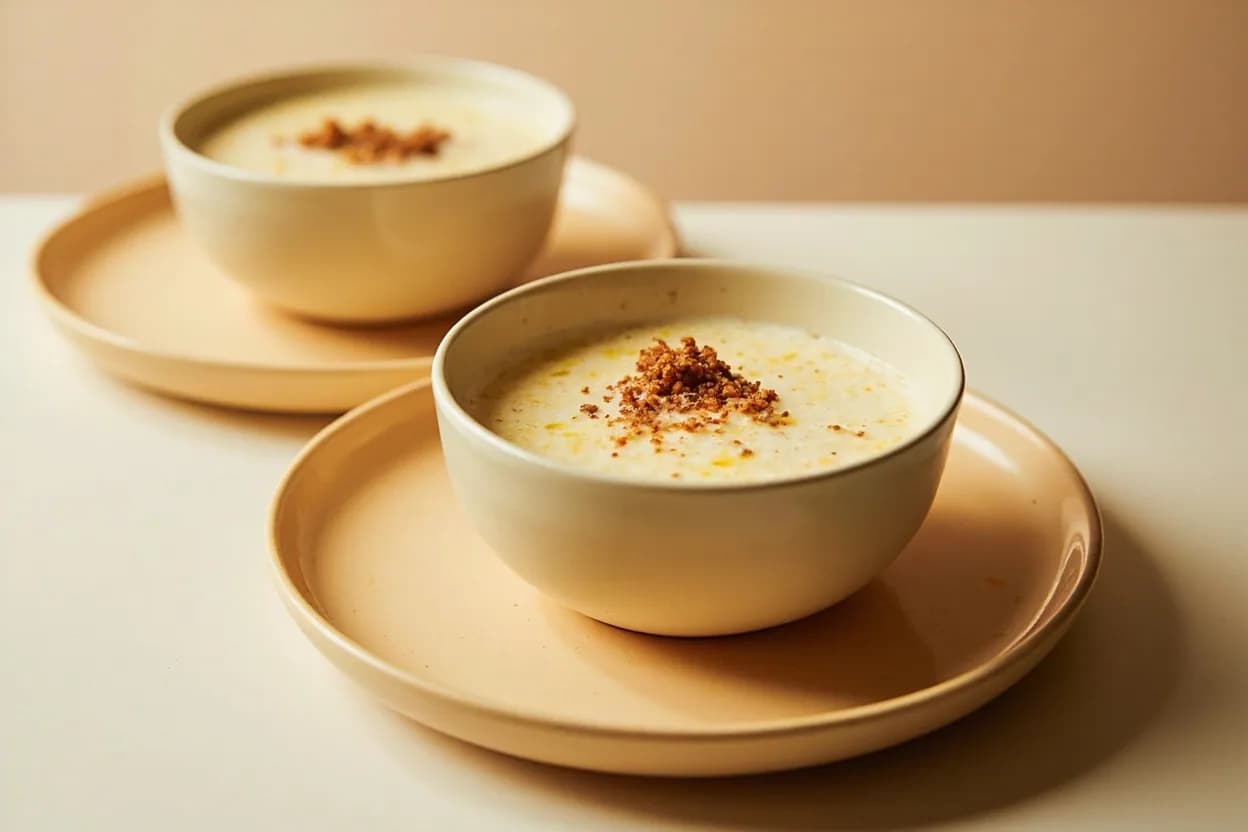
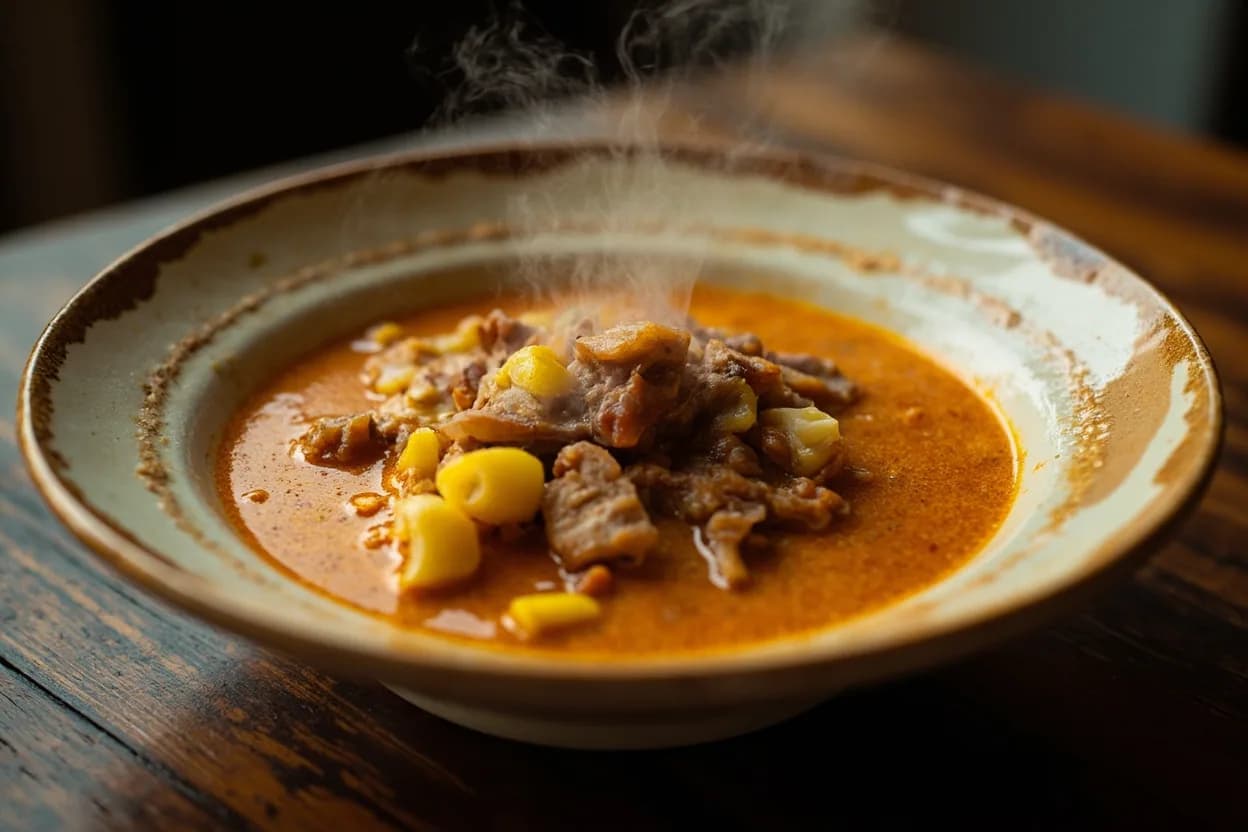
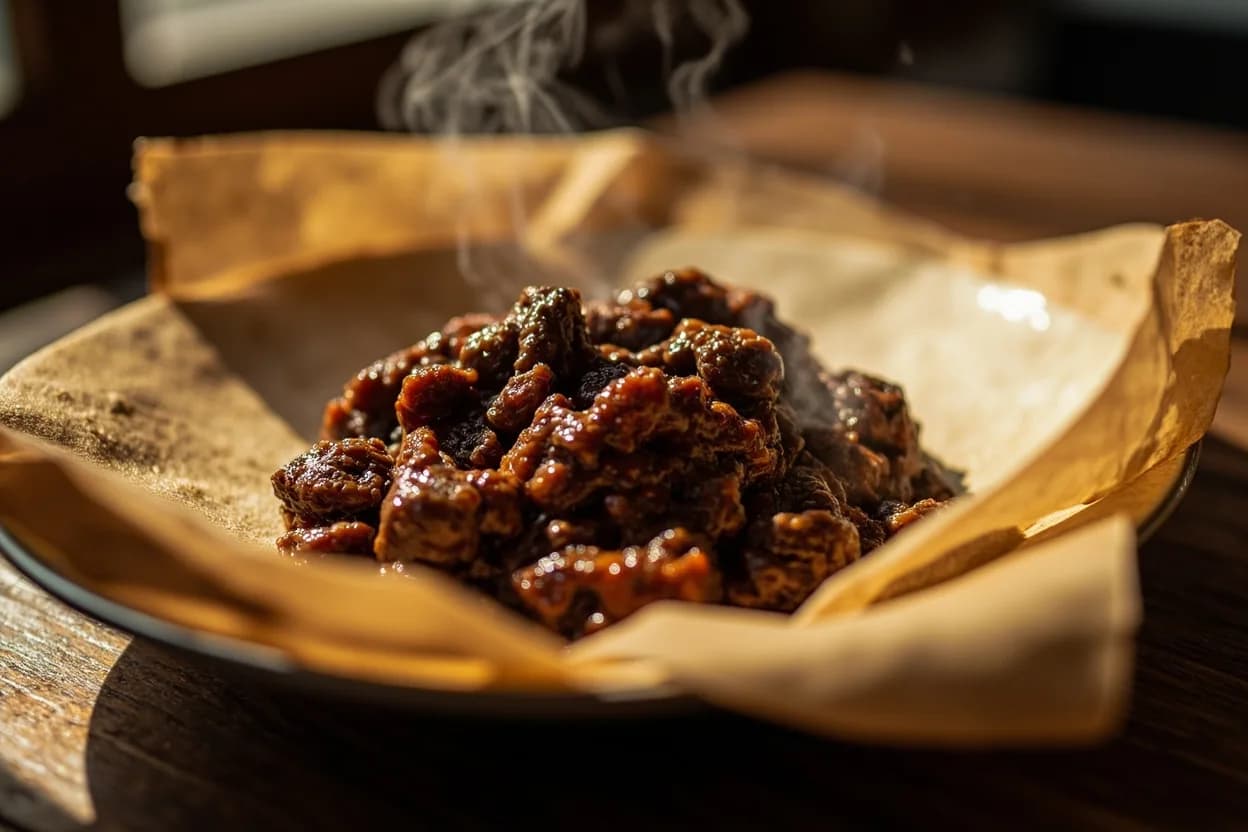
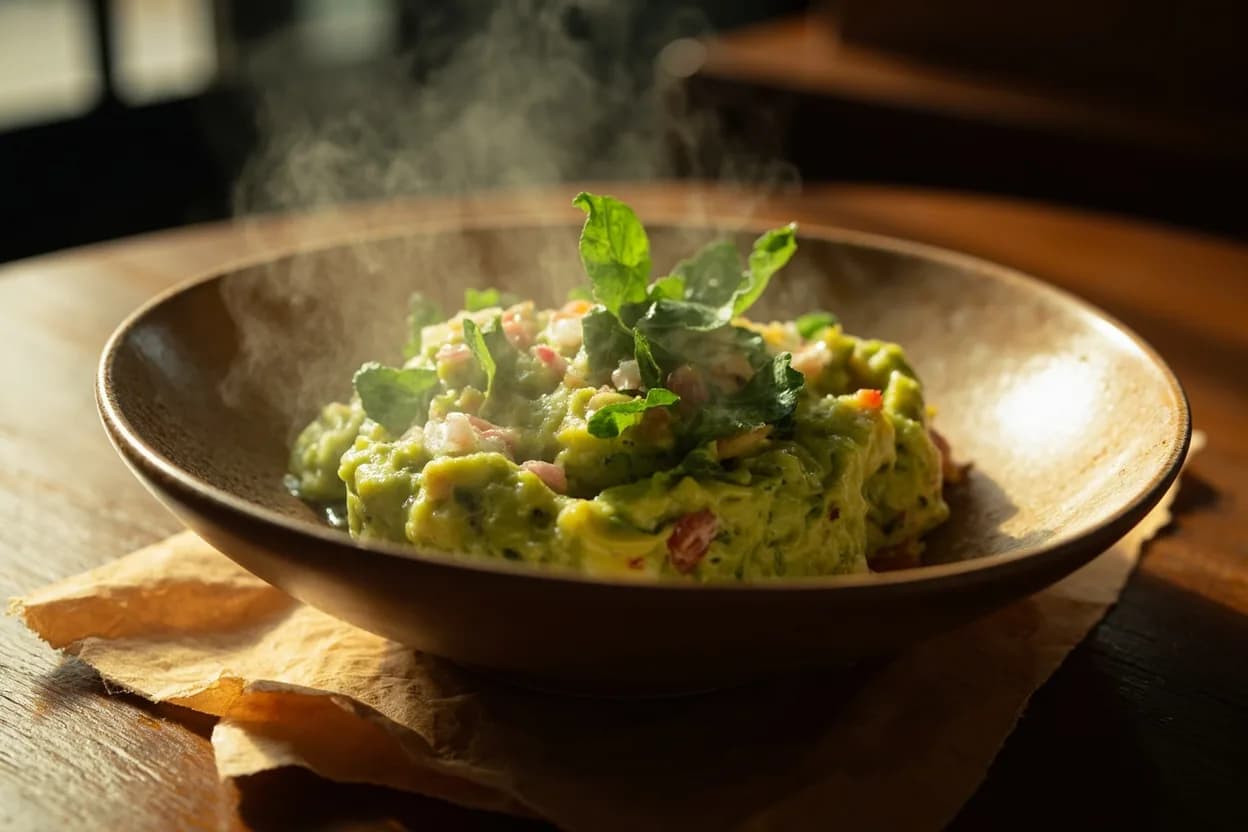
The dishes that define Pre-Hispanic Mesoamerican Traditions, documented in the Canon.
References
- 1.Coe, Sophie D. — America's First Cuisines (1994, University of Texas Press)
- 2.Pilcher, Jeffrey M. — ¡Que vivan los tamales! Food and the Making of Mexican Identity (1998, University of New Mexico Press)
- 3.Sahagún, Fray Bernardino de — Florentine Codex: General History of the Things of New Spain (1577, trans. Anderson & Dibble, 1950–1982)
- 4.Long-Solís, Janet & Vargas, Luis Alberto — Food Culture in Mexico (2005, Greenwood Press)
Confidence: high
Notes
Nixtamalization as nutritional technology
Nixtamalization dramatically increases the bioavailability of niacin (vitamin B3) in maize and improves amino acid profiles. Populations that adopted maize without nixtamalization (parts of Europe, Africa, and the American South) suffered pellagra epidemics; Mesoamerican populations did not. This single technique may represent the most consequential food-science discovery in human history.
Insects as canonical protein
Chapulines (grasshoppers), escamoles (Liometopum ant larvae), ahuautle (water-bug eggs), and jumiles (stink bugs) are not novelties or 'foraged extras' — they were and remain central protein sources documented in the Aztec tribute lists and still sold in Oaxacan and central Mexican markets. Their inclusion is essential to any authentic representation of Mesoamerican cooking.