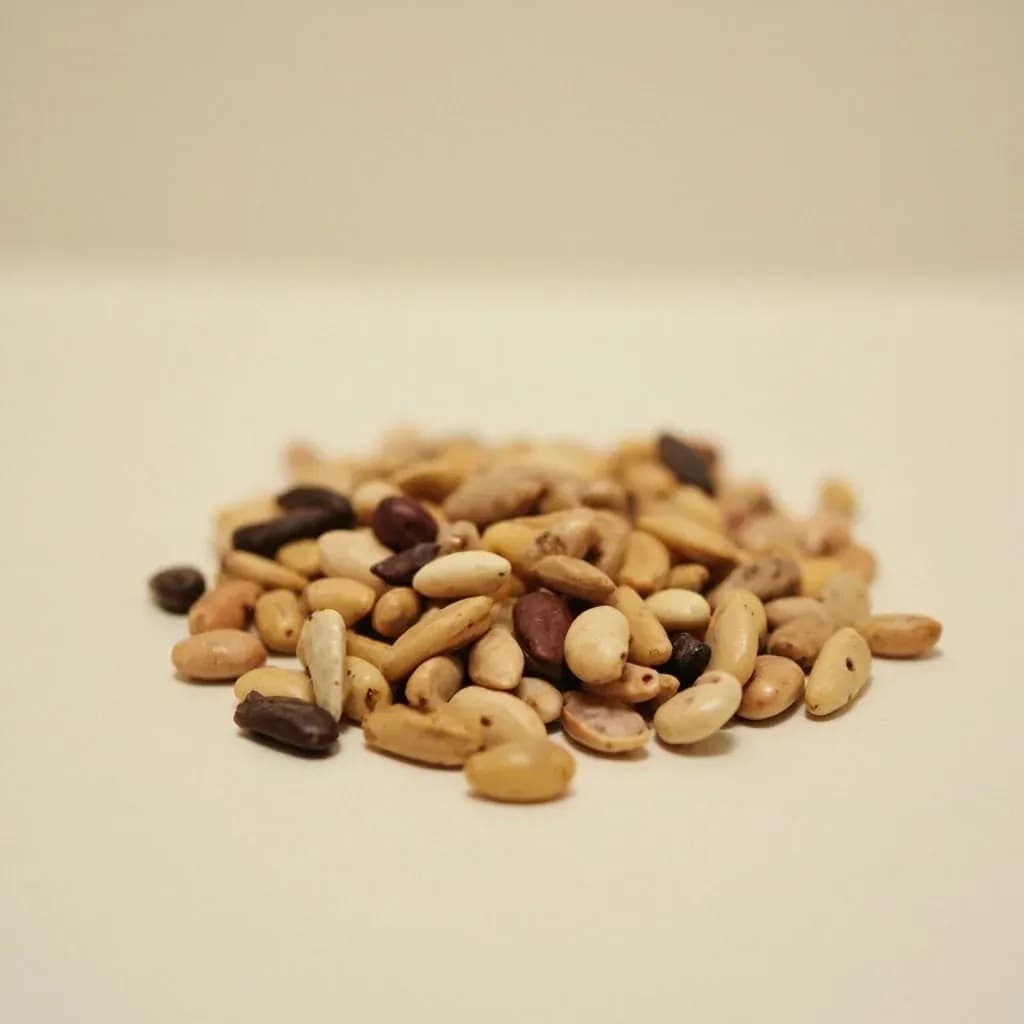
Legumes & Beans
Common Bean
The everyday Phaseolus bean family — kidney, black, navy, and pinto and more.
The common bean (Phaseolus vulgaris) is the species behind most everyday beans, including kidney, black, navy, pinto, and cannellini. Dried and soaked or sold canned, these beans form the protein backbone of countless cuisines, from chili to feijoada to bean salads. Dried common beans should be boiled hard to neutralize natural lectins.
The common bean (Phaseolus vulgaris) is among the world's most cultivated bean species, with hundreds of named varieties ranging from the small white navy to the large red kidney. Originating in Mexico and Peru around 7,000 years ago, this legume spread through trade and colonial exchange to become a dietary cornerstone across virtually every cuisine on Earth. In its dried form, the bean is a nutritional powerhouse—high in protein and fiber—that rewards patient cooking with creamy interiors and tender skins that hold their shape. In its fresh form, the immature pods (called green beans, snap beans, or string beans depending on variety) are harvested before seeds fully develop, offering a crisp, bright vegetable ready in minutes. Understanding that these represent the same plant at different stages is fundamental: one requires planning and technique, the other is nearly foolproof. Both belong in every cook's repertoire.
Dried beans improve dramatically with proper preparation. Soaking in cold water for 4–8 hours rehydrates the starches and reduces cooking time by roughly half, but more importantly, it begins breaking down the complex sugars (raffinose family oligosaccharides) responsible for digestive discomfort. Discarding that soaking water removes a significant portion of those compounds along with antinutrients like phytic acid, which binds to minerals and impairs absorption. The cooking water itself should be fresh—cooking beans in their soaking liquid works against digestibility. Acidic ingredients, salt added early, and rushing the process are the three most common mistakes that turn humble beans into tough, unevenly cooked disappointments. A heavy-bottom pot or Dutch oven ensures even heat; a pressure cooker cuts active cooking time to 20–30 minutes for soaked beans.
Fresh green beans are far more forgiving. Look for bright, firm pods with no visible bulging seeds inside. The end tips should snap cleanly when bent. Overcooking is the primary pitfall: once they turn olive-green and lose all resistance, they've passed their prime. They should retain a slight snap when done, whether sautéed briefly over high heat, blanched and shocked, or roasted until just tender and lightly blistered.
- Measured in
- g
- Storage
- Pantry
Types & varieties
Large, kidney-shaped; holds shape well in soups, chili, and salads. Most common in North American cooking.
Creamy white; firm texture ideal for minestrone, salads, and Italian dishes.
Small, oval, cream-colored center with black skin. Essential in Latin American, Brazilian, and Caribbean cuisine.
Small, white, oval. Traditional in baked beans, Boston style. Mild flavor, absorbs seasonings.
Beige with reddish-brown spots (disappear when cooked). Primary bean in Mexican and Southwestern cuisine; refried, whole, or in chili.
Medium white bean; mild, nutty. Holds shape in soups; traditional in Southern U.S. and French cassoulet.
Cream with maroon speckles; creamy interior. Italian and Mediterranean staple.
Small, pink, oval. Used in traditional Mexican dishes; similar to pinto but cooks slightly faster.
Small, pale green, kidney-shaped. French specialty; traditionally served with lamb.
Bright yellow pods, tender when cooked briefly; same species as green beans, milder flavor.
Unripe pods harvested before seeds develop; crisp texture, mild flavor. Eaten whole or cut.
Dried vs. Fresh: Two Distinct Ingredients
The common bean appears in two fundamentally different culinary forms. Dried beans are the mature seeds, harvested when the pod has fully dried on the plant. These require soaking, long cooking, and seasoning to reach their best. Fresh green beans (also called snap or string beans) are immature pods harvested while the seeds inside are still small and the pod is tender. They cook in minutes and behave like any quick-cooking vegetable. Despite sharing a species and identical nutritional profile, treating these as interchangeable ingredients is a mistake. A recipe calling for green beans cannot substitute dried beans without entirely rethinking the dish, and vice versa.
- Dried beans: requires soaking and 45–90 minutes of cooking after rehydration
- Fresh beans: ready in 5–10 minutes of active cooking
- Both are nutritionally equivalent and belong to the same plant
Why Soaking Matters
Soaking dried beans is not optional—it is a functional step that transforms the ingredient. Beyond cutting cooking time roughly in half, soaking initiates the breakdown of raffinose family oligosaccharides, the complex sugars that cause gas and digestive discomfort. The soaking water itself contains a significant portion of these compounds and antinutrients like phytic acid, which binds to iron, zinc, and calcium, reducing mineral absorption. For this reason, always discard the soaking water and cook beans in fresh liquid. Pressure cookers can skip soaking if desired, reducing total time to 20–30 minutes, though soaking still improves digestibility.
- Soak 4–8 hours in cold water (overnight is fine)
- Always discard soaking water—never cook beans in it
- A bay leaf added during cooking provides a modest additional reduction in gas-causing compounds
Common uses
Tips & pitfalls
- Always sort dried beans and rinse thoroughly—debris and small stones are common even in packaged products.
- Soak dried beans 4–8 hours in cold water. This reduces cooking time by roughly half and makes them more digestible.
- Add salt only after beans are fully tender. Salt added early can prevent softening in hard water or with older beans.
- Cook beans in fresh water. Never reuse soaking liquid—it contains the compounds you're trying to eliminate.
- Never add acidic ingredients (tomatoes, lemon, vinegar) until beans are completely tender; acid can prevent them from softening.
- Skim foam from the surface during the first 15–20 minutes of cooking for a clearer broth and better appearance.
- A bay leaf added during cooking helps reduce gas-producing compounds and adds subtle flavor.
- Pressure cookers reduce cooking time to 20–30 minutes for soaked beans, but monitor closely to avoid overcooking and bursting.
- Rinse canned beans thoroughly to reduce sodium content by 30–40% if desired.
- Fresh green beans: snap or cut off both ends. Cook only until they turn bright green and offer just a touch of resistance—they should never be soft throughout.
- Dried cooked beans freeze well in portioned amounts; freeze flat in zip bags for easy storage.
Nutrition
Energy
130 kJ · per 100 g
Where the calories come from
Protein
1.8g
4% DV
Carbs
7.1g
3% DV
Fat
0.1g
0% DV
Fiber
3.4g
12% DV
Sugars
3.3g
of which
Sodium
6mg
0% DV
Source · USDA FoodData Central · approx. Beans, snap, yellow, raw
View on FDC →In the shops
Matched grocery products
No matched grocery products for Common Bean yet.
Good to know
- Scientific Name
- Phaseolus vulgaris
- Origin
- Central and South America; domesticated circa 7,000 years ago in Mexico and Peru
- Primary Flavor
- Mild, earthy, slightly nutty; varies by variety
- Peak Season
- Dried: year-round (stored crop); Fresh green beans: summer through early fall
- Key Nutrients
- Protein (~15g per cooked cup), fiber (~15g), iron, folate, potassium
- Storage (Dried)
- Cool, dark, airtight container; 1–3 years
- Storage (Fresh Pods)
- Refrigerated, unwashed, in crisper drawer; 5–7 days
- Yield
- 1 lb dried beans ≈ 2–2.5 cups dried ≈ 5–6 cups cooked
Substitutes
- Black beans — Substitute for kidney or pinto in most applications; slightly softer texture but works in chilis, salads, and stews.
- Navy beans — Work interchangeably with Great Northern, cannellini, or white kidney beans in soups, salads, and baked bean preparations.
- Kidney beans — Substitute for black or pinto in chilis and stews; larger and hold shape longer, so adjust cooking times.
- Lentils (brown or green) — For soups and hearty dishes only; they cook much faster (20–30 minutes) and lose structure. Not suitable for salads or refried applications.
- Chickpeas — For a nuttier flavor and firmer texture; not a close substitute but works well in salads, stews, and spreads.
Pairs with
Also called
Phaseolus Vulgaris · Dry Bean
Related
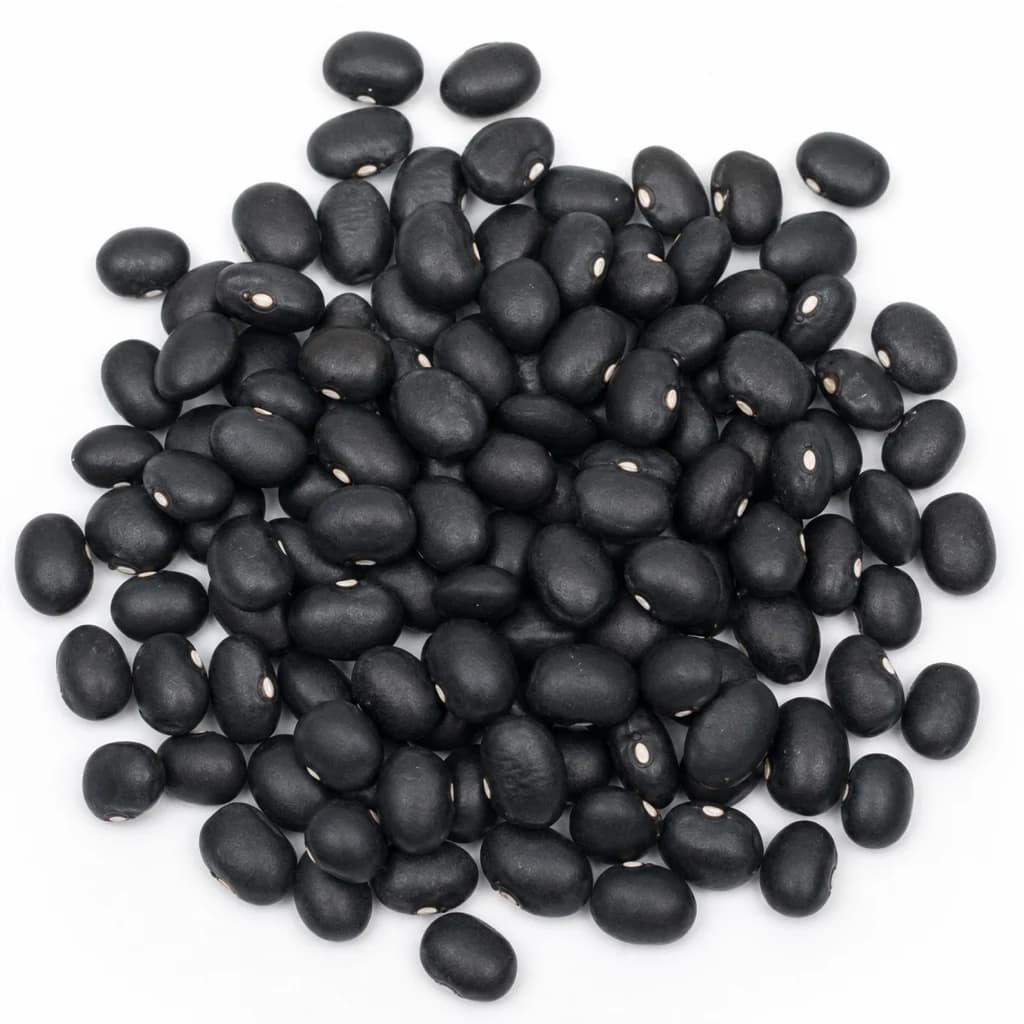
Black Beans
Earthy, creamy beans for bowls, soups, and tacos
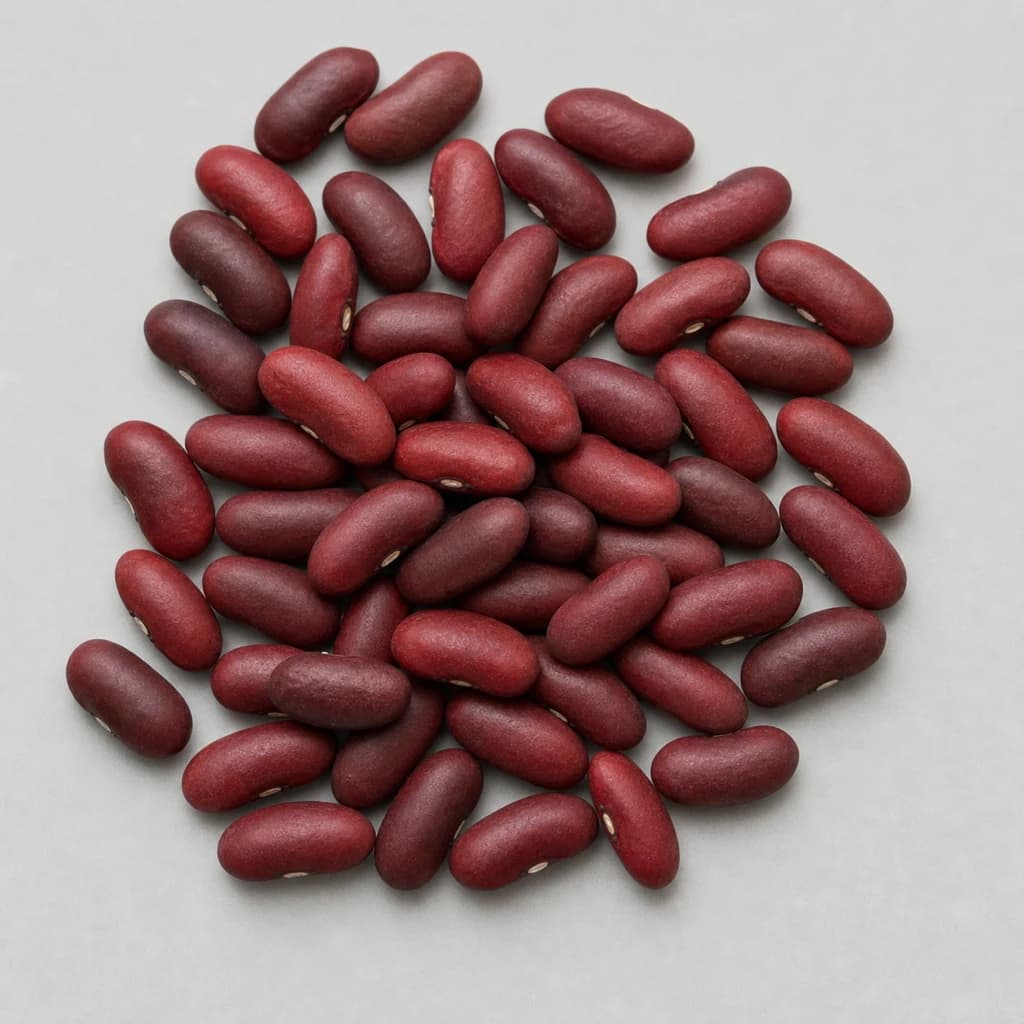
Kidney Beans
Hearty red beans that hold their shape in chili and stews
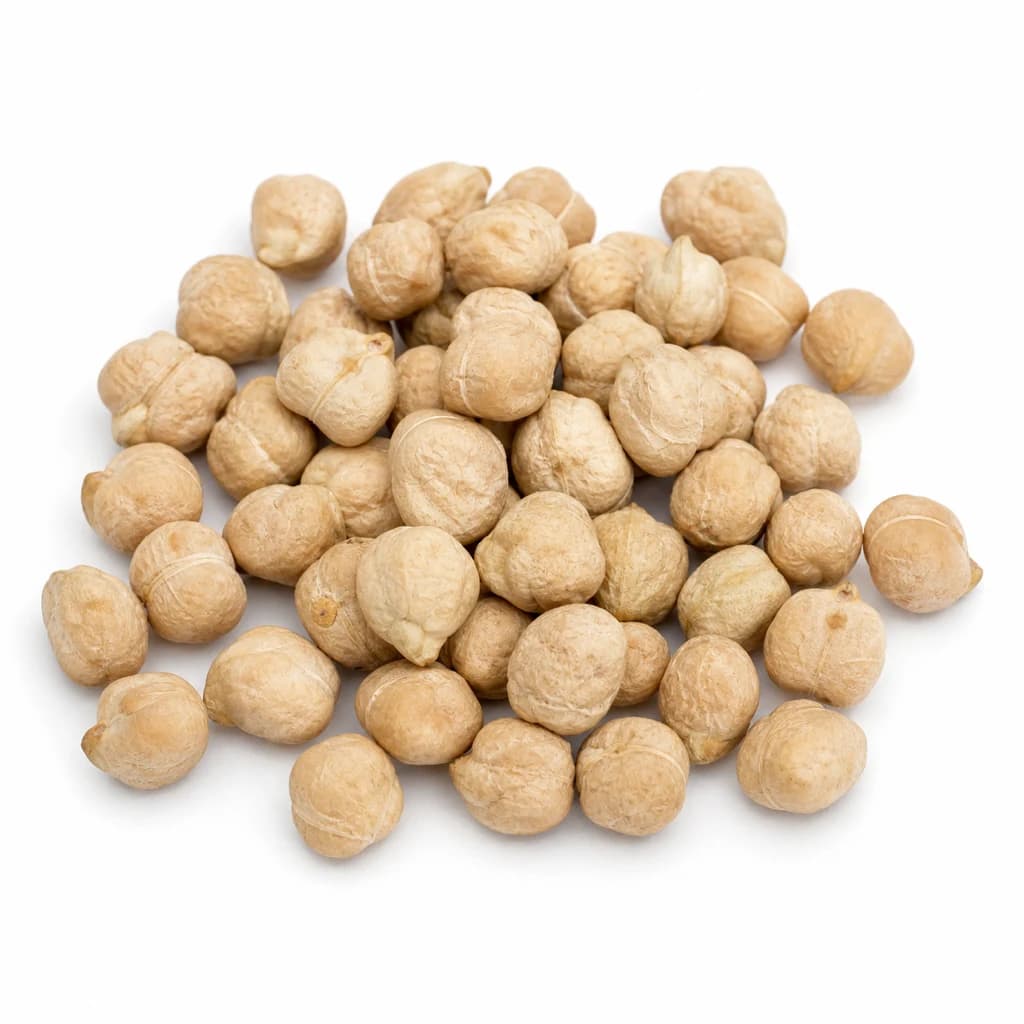
Chickpeas
Nutty, versatile beans for hummus, curries, and roasting
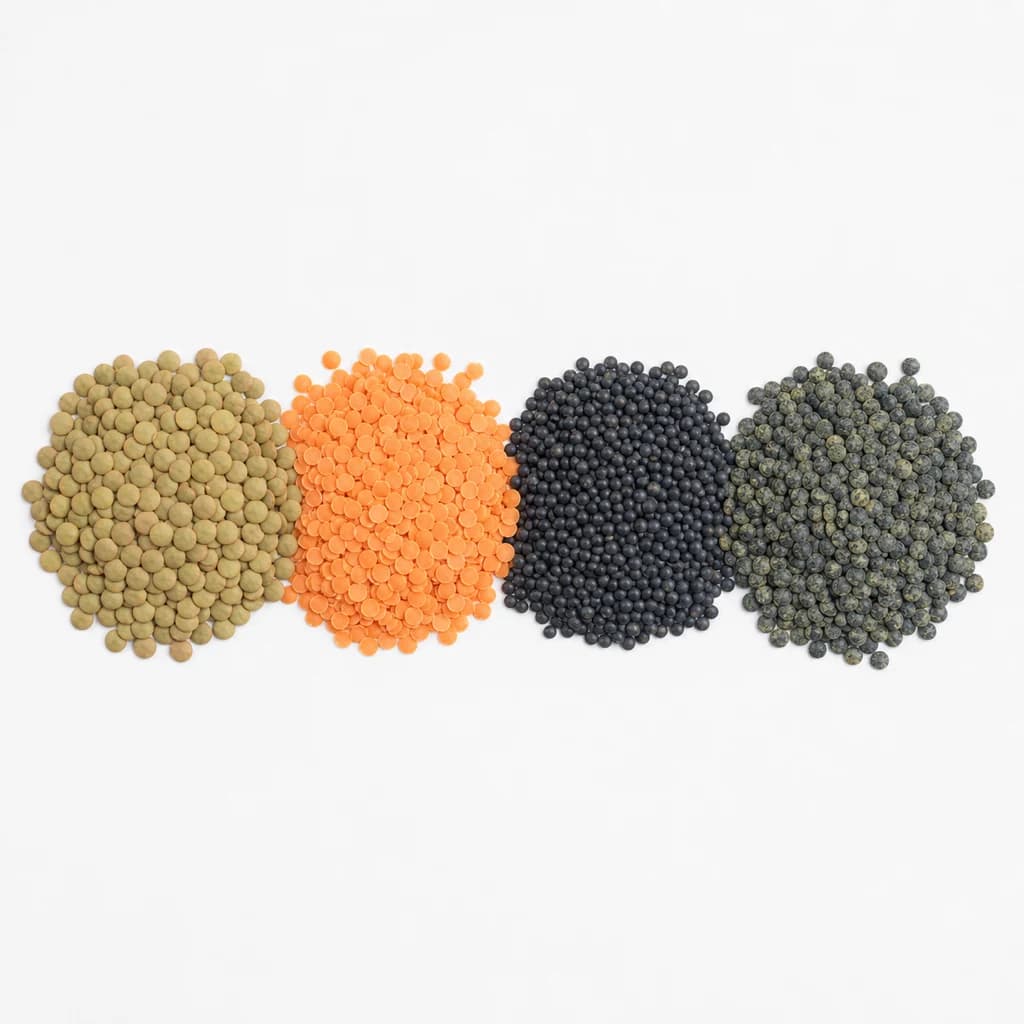
Lentils
Quick-cooking pulses for soups, dals, and hearty salads

White Beans
Creamy, mild beans for soups, stews, and silky purées
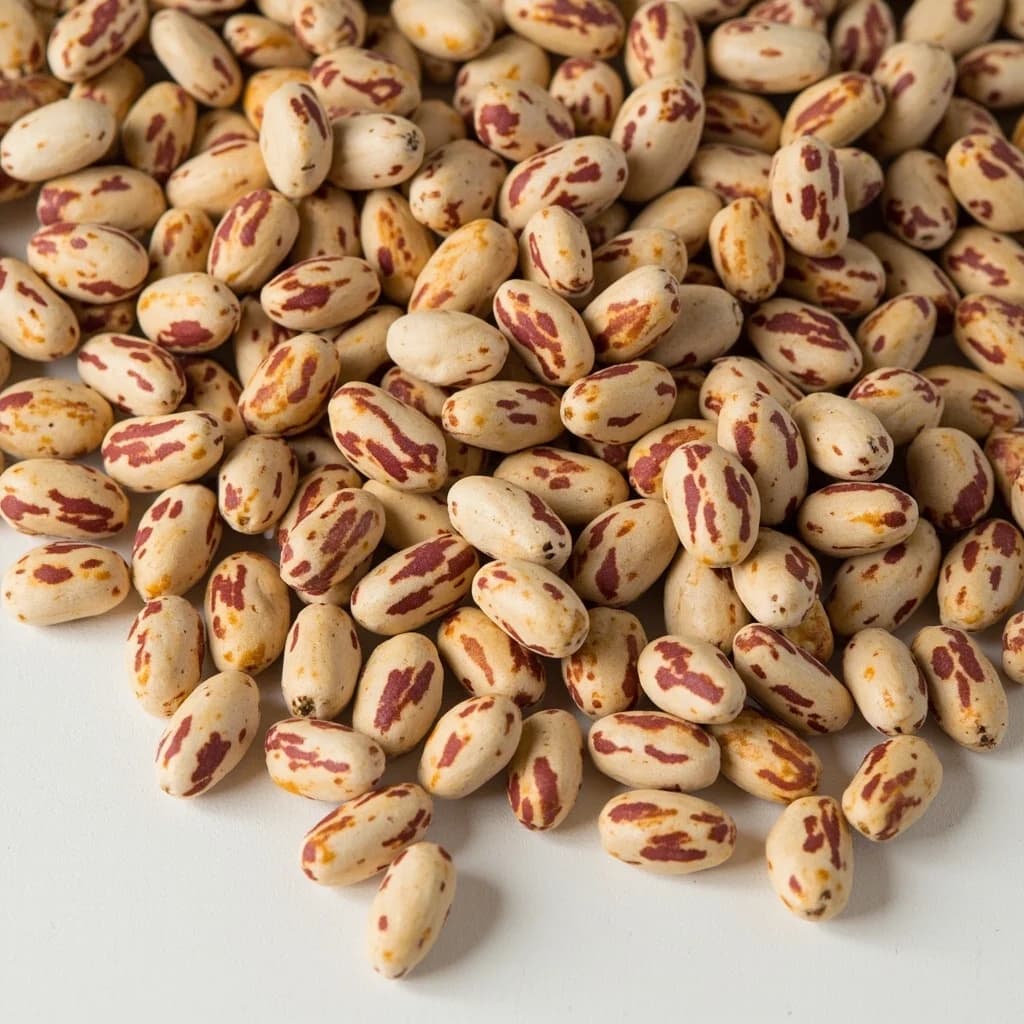
Pinto Beans
Creamy, speckled beans for refried beans and stews

Split Peas
Quick-cooking peas that melt into thick, comforting soups
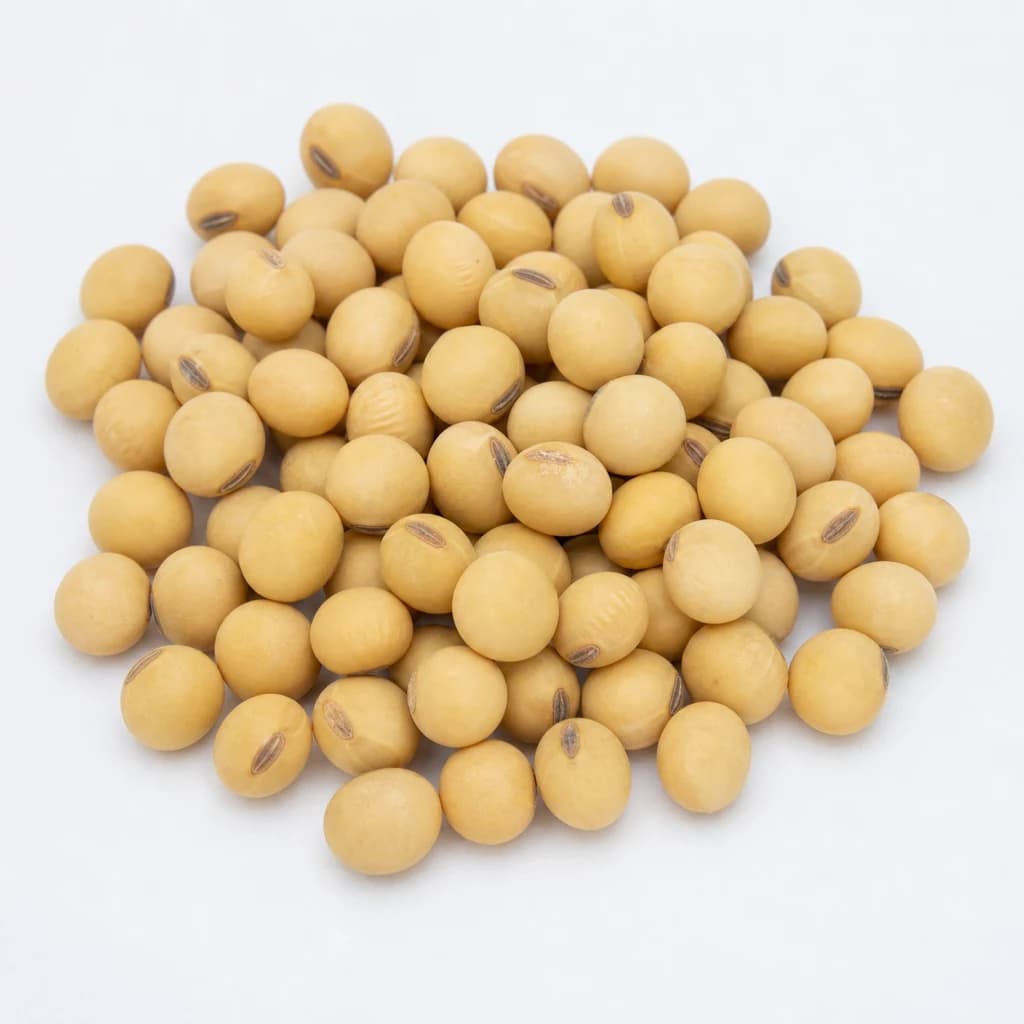
Soybeans
Protein-packed beans, the base for tofu and miso