Proteins
Kidney
Tender organ meat with a distinctive flavor, classic in pies and grills.
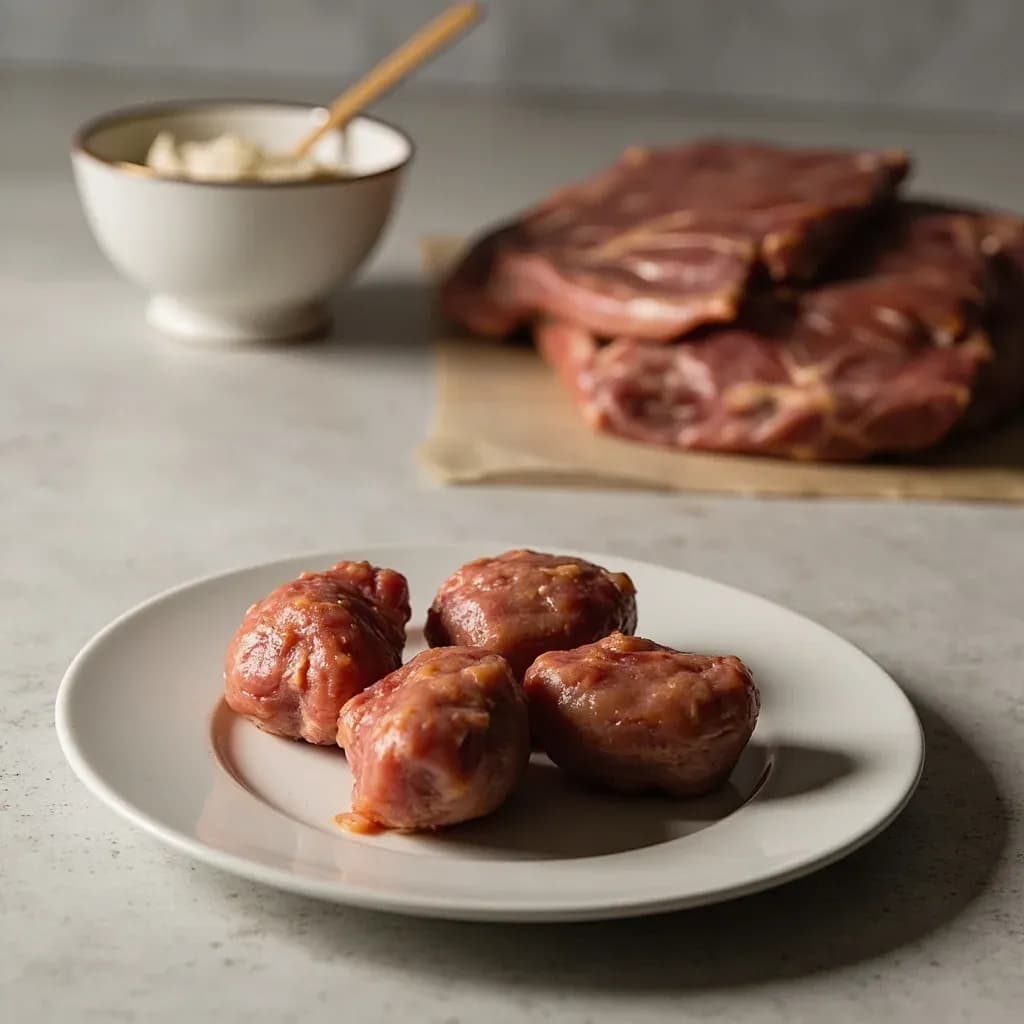
Kidney is an organ meat from lamb, beef, veal, or pork, with a tender texture and a characteristic mineral, slightly pungent flavor. It is used in steak and kidney pie, grilled, sautéed, or added to stews and offal dishes. Soaking in milk or acidulated water before cooking mellows its strong taste.
Kidney is a dense, lobed organ meat prized across virtually every culinary tradition for its intense, mineral-rich flavor and distinctive texture. Unlike tender muscle cuts, kidney consists of tightly packed tubules that collapse and toughen dramatically when heated beyond their narrow window of doneness — typically 60–90 seconds per side over high heat. The result, when properly cooked, is a yielding, almost creamy interior contrasted against a seared exterior. The flavor is assertive: a deep, iron-tinged richness with a subtle sulfurous note that mellows considerably with correct soaking and rapid cooking. Its nutritional profile is remarkable — kidney delivers exceptional amounts of vitamin B12, heme iron, zinc, and selenium in a lean, high-protein package. The primary challenge is the unforgiving margin between perfect and ruined: overcook by even a minute and the tubules squeeze out their moisture, turning chalky and rubbery while releasing an unpleasant metallic taste. For this reason, kidney demands confident, hot, fast cooking and immediate service. Once you understand its temperament, kidney rewards with flavors no muscle meat can match.
- Measured in
- g
- Storage
- Fridge
Types & varieties
Largest variety with bold, assertive flavor; workhorse of steak and kidney pie and British mixed grills
Smaller and slightly milder; common in German, Mexican, and Southern US cooking
Sweetest and most delicate; prized in British and Middle Eastern cuisine; often sold in its fat cap
Palest and most tender; premium choice in French haute cuisine; ideal with mustard cream sauces
Gamey and assertive; used in Caribbean, South Asian, and Latin American preparations
Understanding the anatomy
Each kidney is encased in a thin but tough outer membrane that must be completely removed before cooking — it will turn rubbery under heat regardless of technique. The interior contains a white or cream-colored core (the renal pelvis and ureter) running through the center like a dense tube; this must be excised with a sharp knife, as it remains chalky and unpleasant even after prolonged cooking. The edible portion is the outer cortical tissue, darker and more textured. One kidney yields roughly 70% edible meat after trimming — buy accordingly
Common uses
Tips & pitfalls
- Soak in cold whole milk or salted water for 1–2 hours before cooking to draw out blood and mellow the metallic edge — this single step transforms the flavor.
- Always peel off the thin outer membrane completely; it contracts and turns rubbery when heated.
- Excise the white core and fatty central tubes before cooking — these are dense and unpleasant regardless of technique or doneness.
- Pat thoroughly dry after soaking and before cooking; surface moisture prevents browning and leads to steaming instead.
- Cook in small batches over maximum heat; crowding steams the meat and it will not brown.
- Quarter or halve pieces so the interior cooks quickly — small pieces sear faster and more evenly than whole kidneys.
- Buy from a trusted source and use within 1–2 days; kidneys spoil faster than muscle meat and should smell clean, not sour.
- Serve immediately after cooking; kidney continues to toughen as it cools and does not hold well.
Nutrition
Energy
121 kJ · per 100 g
Where the calories come from
Protein
4.2g
8% DV
Carbs
4.1g
1% DV
Fat
0.5g
1% DV
Sodium
6mg
0% DV
Source · USDA FoodData Central · approx. Beans, kidney, mature seeds, sprouted, raw
View on FDC →In the shops
Matched grocery products
No matched grocery products for Kidney yet.
Good to know
- Common types
- Beef, pork, lamb, veal (calf's), goat
- Flavor profile
- Rich, mineral, metallic; intensity varies by animal — lamb is sweetest, beef boldest
- Ideal cooking method
- Brief, high-heat: sauté, grill, or flash-fry; 60–90 seconds per side maximum
- Overcooking result
- Rubbery, chalky texture; unpleasant iron taste and grey color
- Prep required
- Soak 1–2 hrs in cold milk or salted water; peel membrane; excise white core and central tubes
- Shelf life
- 1–2 days refrigerated fresh; up to 3 months frozen
- Edible yield
- ~70% after trimming — expect significant loss from membrane and core
- Nutritional highlight
- Exceptionally high in vitamin B12, heme iron, zinc, and selenium
Substitutes
- Liver — Similar richness but softer, grainier texture; fundamentally different mouthfeel
- Sweetbreads — Creamier texture and milder flavor; requires different technique (poaching first)
- Beef heart — Muscle meat texture with mild beefy flavor; does not replicate kidney's richness or mineral intensity
- Chicken livers — Smaller portions and different flavor profile; adequate substitute in pâtés and quick sautés
Pairs with
Also called
Kidneys
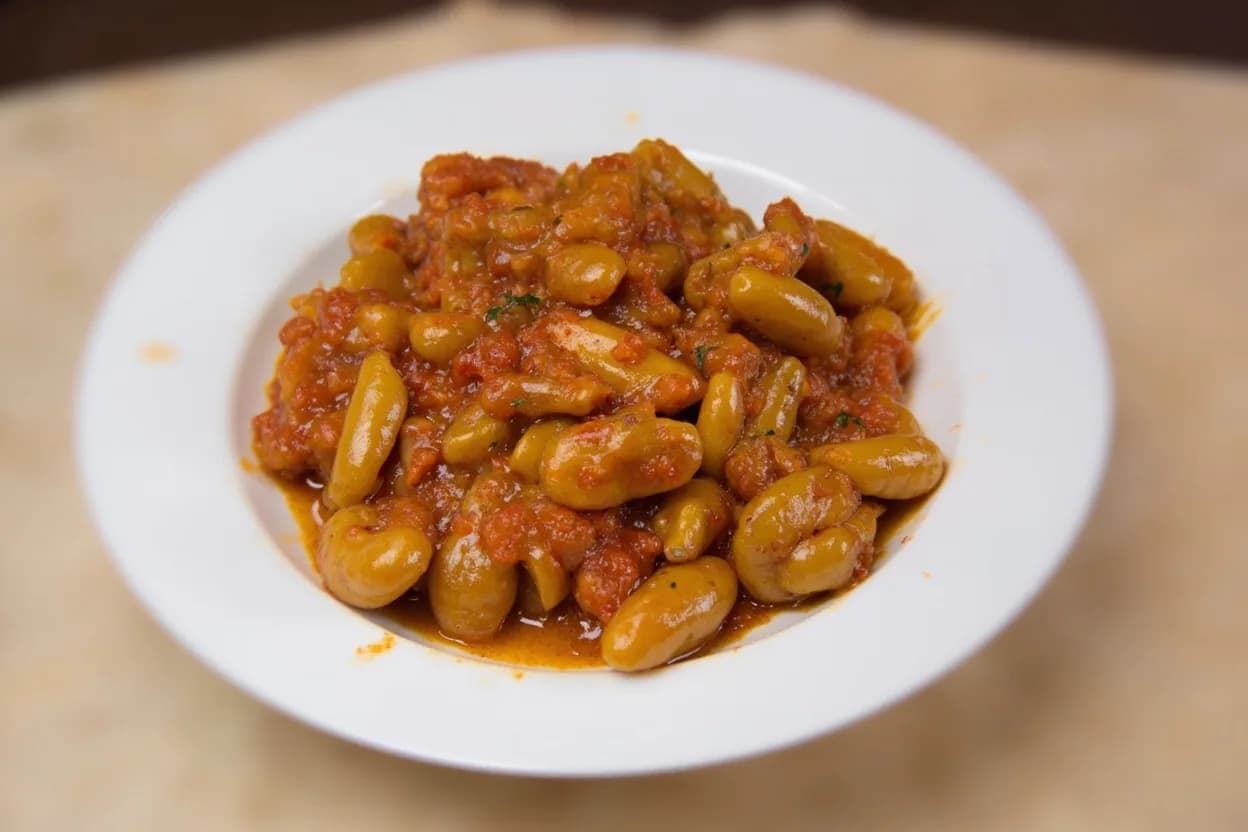
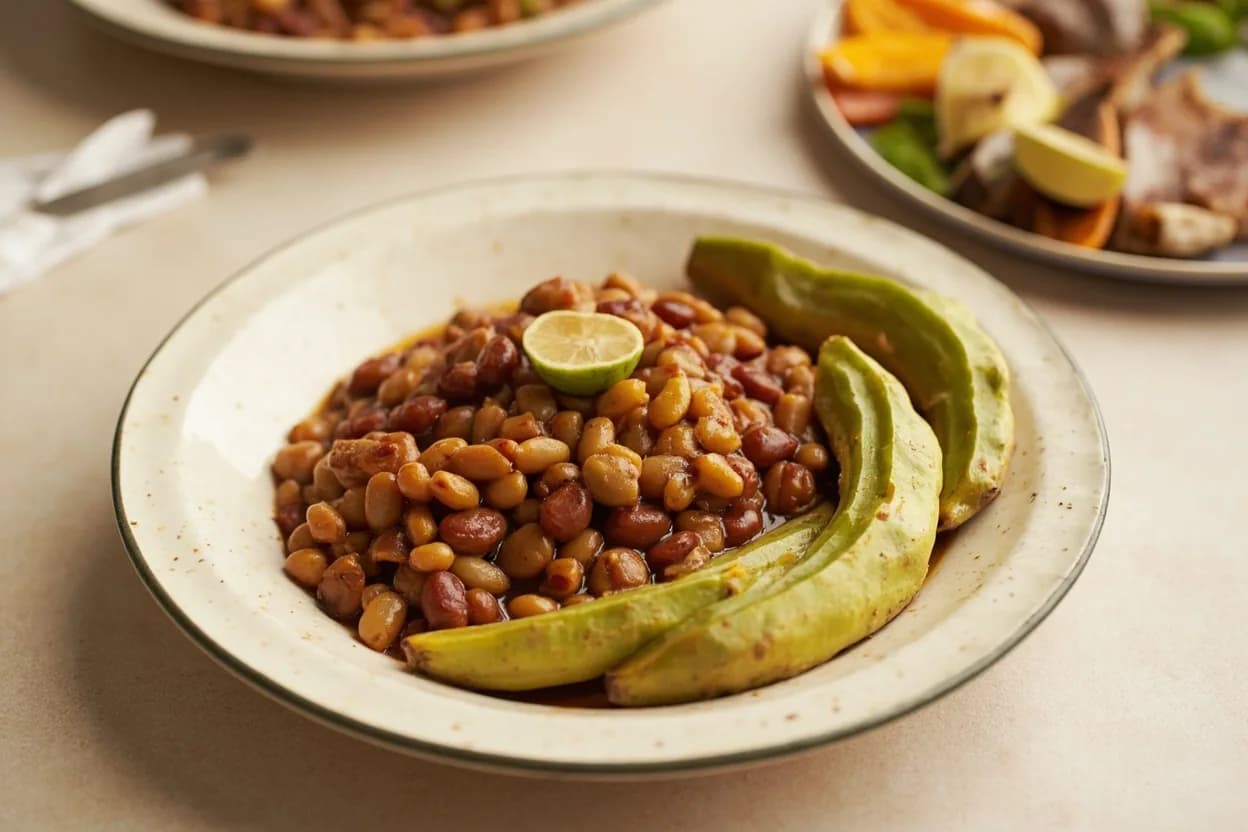
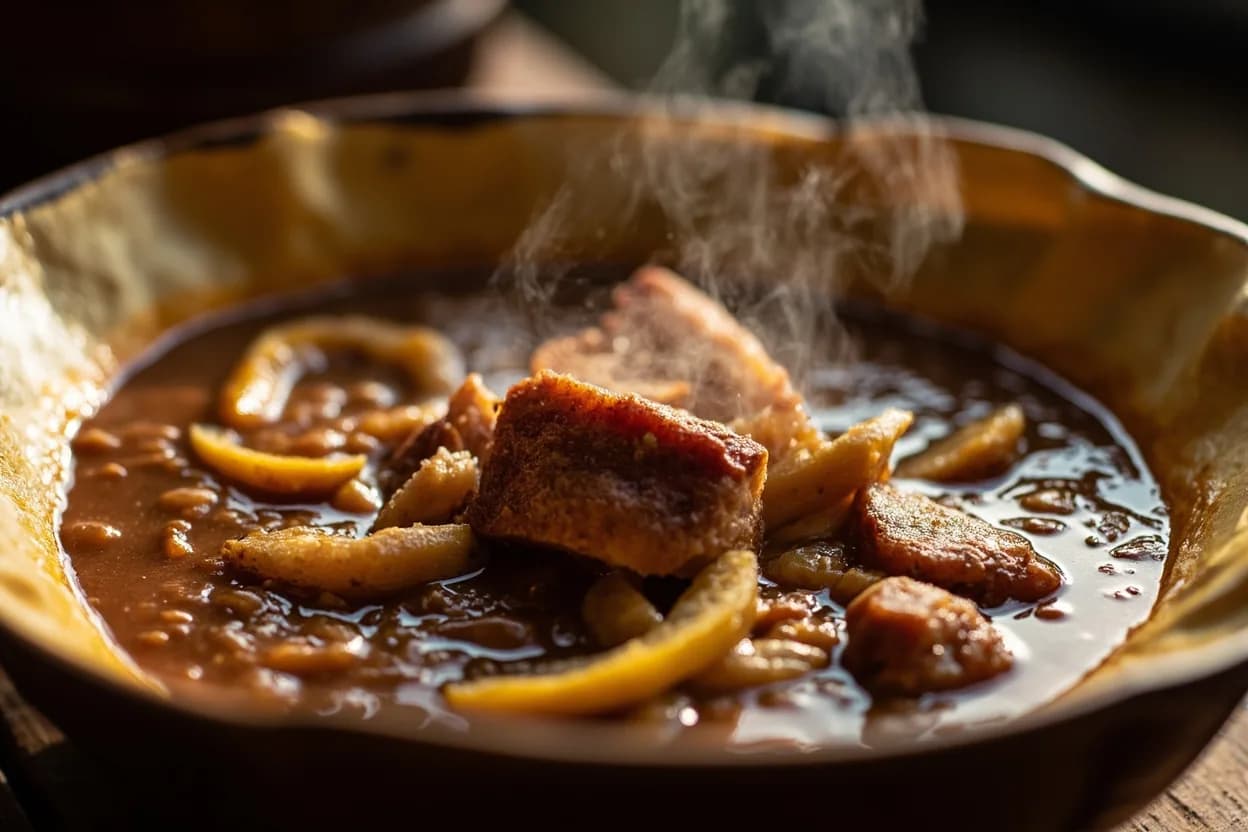
Appears in these dishes
Related

Egg
The kitchen's everything ingredient — bind, leaven, enrich, or fry

Chicken Breast
Lean, quick-cooking white meat for everyday dinners

Ground Beef
Versatile minced beef for burgers, ragù, tacos, and meatballs

Pork Loin
Lean, tender roasting cut that stays juicy with care

Salmon
Rich, rosy fish that roasts, grills, or cures beautifully

Egg White
Pure protein that whips to airy peaks for meringue and more

Egg Yolk
Rich, golden yolk for custards, mayonnaise, and pasta

Quail Egg
Tiny, speckled eggs for garnishing and elegant bites