Proteins
Liver
Iron-rich organ meat, pan-fried, made into pâté, or stewed across cuisines.
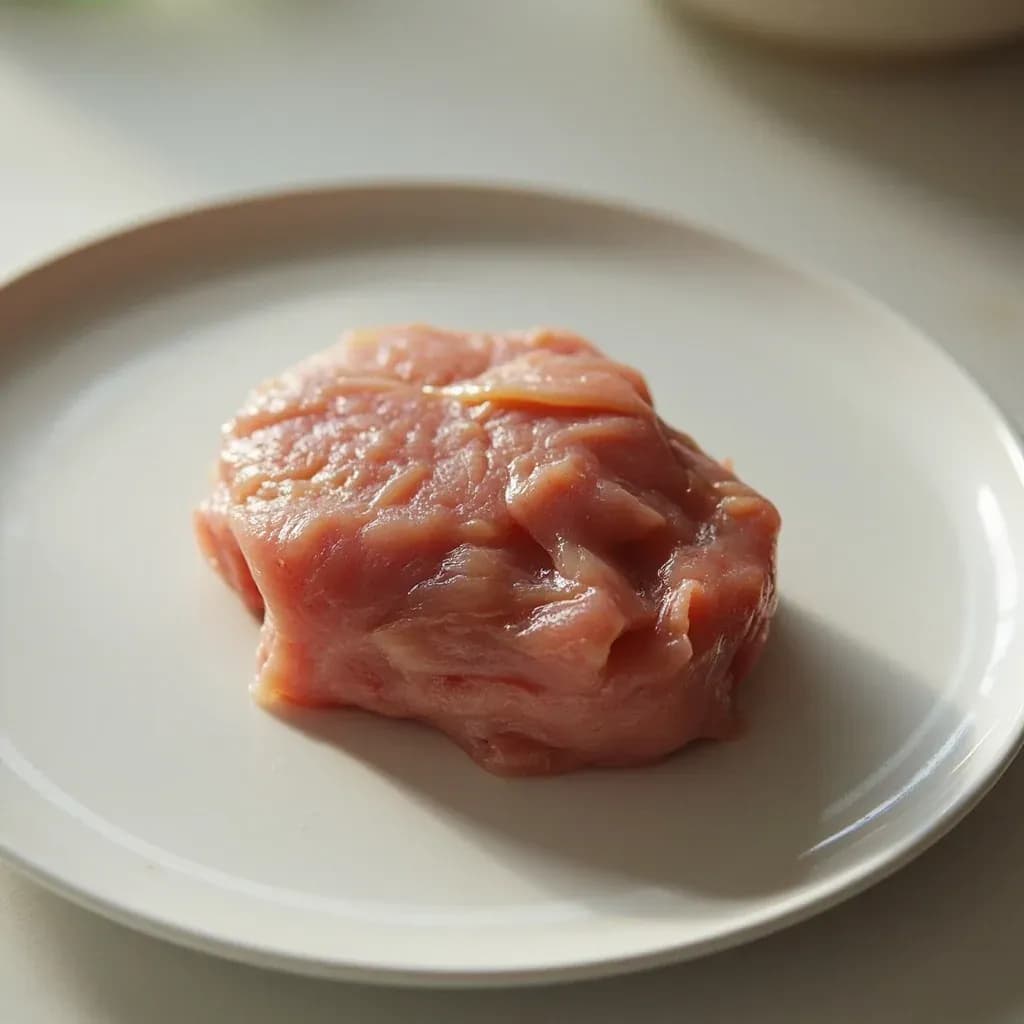
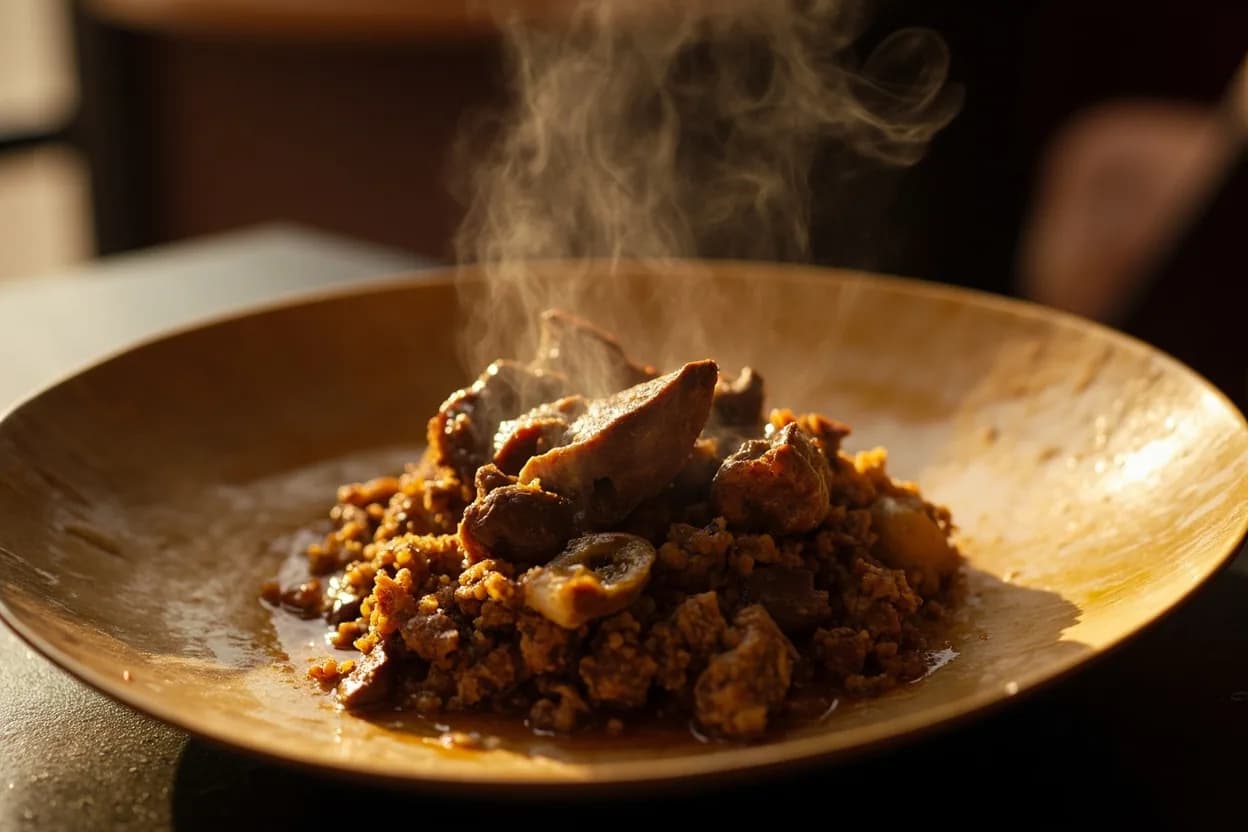
Liver is a nutrient-dense organ meat from chicken, beef, lamb, or pork with a soft texture and distinctive rich, mineral flavor. It is pan-fried with onions, blended into pâtés and terrines, or spiced into dishes like Egyptian kibda. Cooking it quickly over high heat keeps it tender, as overcooking makes it grainy.
Liver is one of the most nutrient-dense proteins a cook can buy: dense in heme iron, vitamin A (as retinol), B12, folate, copper, and riboflavin, with a flavor that runs from mildly sweet and creamy (calf's liver, poultry livers) to deep, mineral, and assertively metallic (beef, lamb, mature pork). That intensity is exactly what makes it a star in cuisines from Ashkenazi chopped liver to Venetian fegato alla veneziana, from French pâté de campagne to Japanese ankimo. Treated carelessly, though, it punishes — overcooking turns the texture sandy and the taste bitter, and the same richness that makes it glorious can read as overwhelming on a poorly seasoned plate.
Cooked well, liver is one of the most rewarding ingredients in the kitchen. The technique is less about complexity than about restraint: trim the membranes, dry the surface, use fierce direct heat, stop the cook while the center is still pink, and finish with something acidic — a splash of sherry vinegar, caramelized onions, or a fruit compote. It is inexpensive compared with other prime proteins, keeps well frozen, and a single lobe can stretch across multiple meals, from a quick pan-fry to a pâté that improves overnight.
Because liver is also the body's chemical processing organ, it carries a lingering reputation as a 'toxic' food. In healthy animals raised for food it is simply a nutrient-dense protein, not a waste dump — but it does accumulate fat-soluble vitamin A, so pregnant people are generally advised to keep portions modest and occasional rather than large and frequent.
- Measured in
- g
- Storage
- Fridge
Types & varieties
Pale tan-pink, mild, tender, and creamy; the premium pan-frying liver in French and Italian cooking
Large lobes, deep mahogany color, robust flavor; the classic liver-and-onions cut and the workhorse for big-batch pâté
Strong, slightly sweet; backbone of Central European pâtés, liverwursts, and braised dishes
Pronounced, gamey flavor; common in Middle Eastern, Greek, and Indian cooking, often quickly pan-fried or chopped into kebabs
Small, mild, affordable, fast-cooking; the standard for pâté de campagne, mousse, and chopped liver
Fatty, fattened duck liver (300–500 g lobe); served cold as terrine or hot-seared (torché); protected in French law
Larger lobe (600–800 g) and slightly more delicate flavor; considered the luxury end
Velvety Japanese delicacy, steamed in nori and served with ponzu and daikon; French version is tinned
Choosing and storing liver
Buy liver from a butcher you trust, and ask about the animal's age and diet — young, pasture-raised animals give noticeably milder, sweeter liver. Look for glossy, moist surfaces (not dry or chalky), a clean iron-sweet smell, and uniform color. Avoid lobes with greenish patches near the ducts (bile staining) or any ammoniated, sour, or sulfurous odor; there's no rescuing bad liver. Raw liver keeps only 1–2 days in the coldest part of the refrigerator, so plan to cook it quickly or freeze it: wrap tightly, freeze in a single layer first, then bag, which prevents the lobes from fusing into one unusable block. Thaw overnight in the refrigerator, not on the counter, and cook within a day of thawing.
- Young animal = milder flavor and softer texture
- Glossy surface and clean, sweet-iron smell are the freshness cues
- Green-tinged patches or sour smell means bile leakage — return or discard
The doneness problem
Liver is the rare ingredient where undercooking is the goal and overcooking is the cardinal sin. The proteins seize fast, the fat renders quickly, and the color goes from rosy pink to gray-brown in a matter of seconds. Pull slices when the center is still distinctly pink and the surface is just set; they will coast to a perfect medium as they rest. For pan-fried calf's or beef liver that's 2–3 minutes per side over high heat; for chicken livers it's 4–6 minutes total in a hot pan. Whole braised liver (usually pork or beef) is the exception — it benefits from 45–90 minutes of gentle cooking, by which point the texture is silky and the metallic edge has mellowed.
- Aim for 55–60 °C at the center for pan-fried slices
- Carryover heat adds roughly 5 °C during a 2–3 minute rest
- Rest sliced liver 2–3 minutes before plating to redistribute juices
- Braised whole lobes are cooked through deliberately, not pink
Common uses
Tips & pitfalls
- Pull liver from the fridge 15–20 minutes before cooking so it sears instead of steaming.
- Soak slices in cold milk or buttermilk for 30 minutes to a few hours to mellow the metallic edge and lighten the surface color.
- Trim the thin silvery membrane, large veins, and greenish bile ducts — they stay tough and taste bitter.
- Pat the slices very dry and salt only just before they hit the pan; salt drawn out early prevents browning.
- Use a screaming-hot pan, plenty of clarified butter or neutral oil, and don't crowd it — liver needs direct contact to crust.
- Stop the cook while the center is still pink and rest 2–3 minutes; overcooking is the single most common mistake and turns the texture sandy.
- Deglaze the pan with sherry, Madeira, port, brandy, or a sharp vinegar — alcohol and acid balance the richness.
- Freeze liver in a single layer first, then bag, so slices don't fuse into one block.
- If it smells ammoniated or sour, discard it — there's no rescuing off liver.
- Pâtés and terrines improve with an overnight rest in the fridge, which lets the flavors meld and the texture set.
Nutrition
Energy
1272 kJ · per 100 g
Where the calories come from
Protein
15.2g
30% DV
Carbs
2.1g
1% DV
Fat
25.6g
33% DV
Fiber
0g
0% DV
Sodium
1225mg
53% DV
Source · USDA FoodData Central · Liver cheese, pork
View on FDC →In the shops
Matched grocery products
No matched grocery products for Liver yet.
Good to know
- Category
- Offal / organ meat (protein)
- Common sources
- Cattle, calf, pig, lamb, chicken, duck, goose, turkey, rabbit, goat, cod, monkfish
- Nutritional highlights
- Very high in heme iron, vitamin A (retinol), B12, folate, copper, and riboflavin; complete protein
- Vitamin A caution
- Retinol accumulates; pregnant individuals are generally advised to keep portions modest and infrequent
- Doneness target
- Best pink at center, about 55–60 °C / 130–140 °F; carryover heat finishes the cook
- Flavor profile
- Rich, mineral, mildly sweet, with a characteristic metallic note; milder in young animals, stronger in mature ones
- Storage (raw)
- Refrigerate 1–2 days; freeze up to 3–4 months wrapped tightly; thaw overnight in the refrigerator
- Pre-cook prep
- Soaking in cold milk for 30 minutes to several hours mellows flavor and lightens surface color
Substitutes
- Other poultry livers — Duck, turkey, or guinea-fowl livers can stand in for chicken livers in pâté and sautéed dishes with minimal flavor shift
- Sweetbreads (thymus) — Closest textural match for pan-fried veal-style preparations; milder, so season up
- Beef heart (lean, trimmed) — Denser and more muscular, but a reasonable stand-in for stewed or chopped preparations
- Chicken or duck hearts — Small, quick-cooking, similar richness; work in sautéed or skewered dishes
- Mushrooms (cremini, porcini, or a mix) — Vegetarian substitute that mimics the umami and meaty texture in ragus and stuffings, though flavor is earthier, not metallic
- Tempeh or seitan — Take on the pan-fried liver-and-onions role, ideally marinated in soy, miso, or stock with nutritional yeast for savory depth
Pairs with
Also called
Kibda
Appears in these dishes
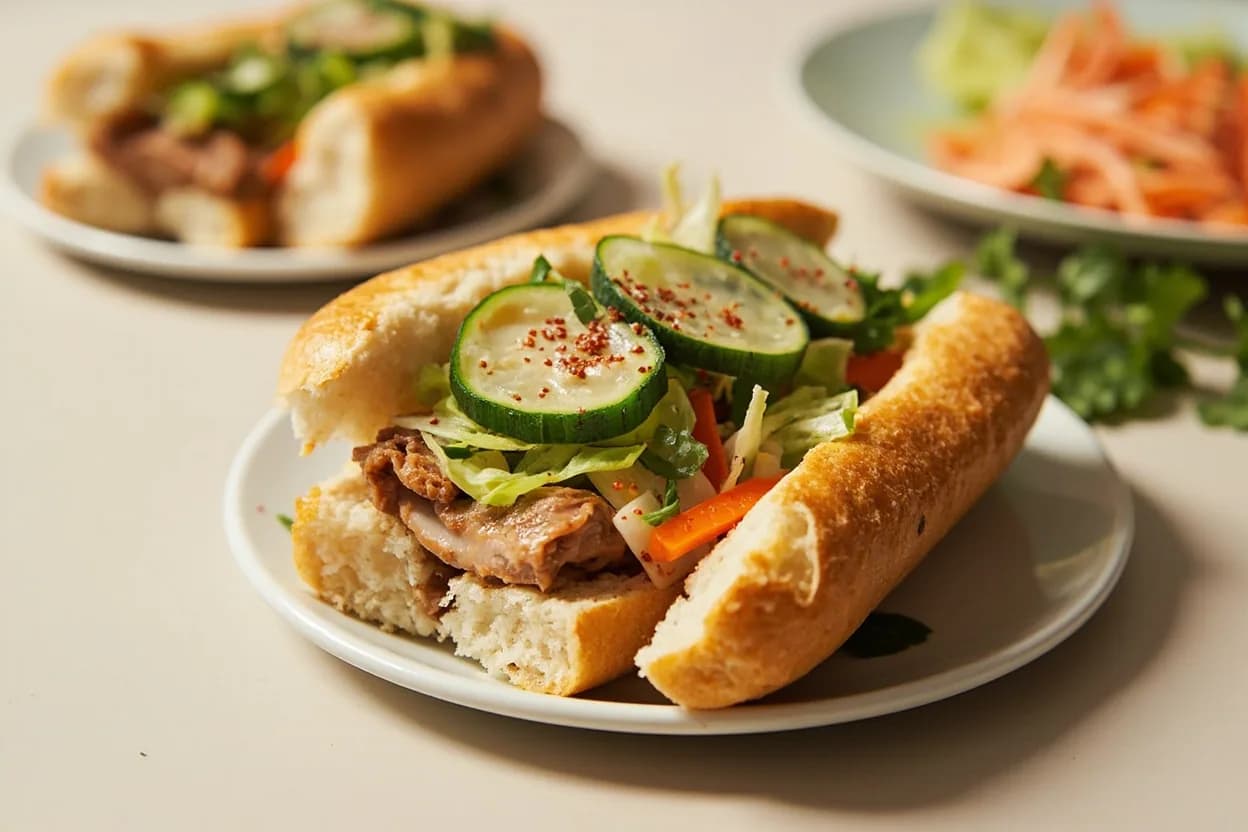
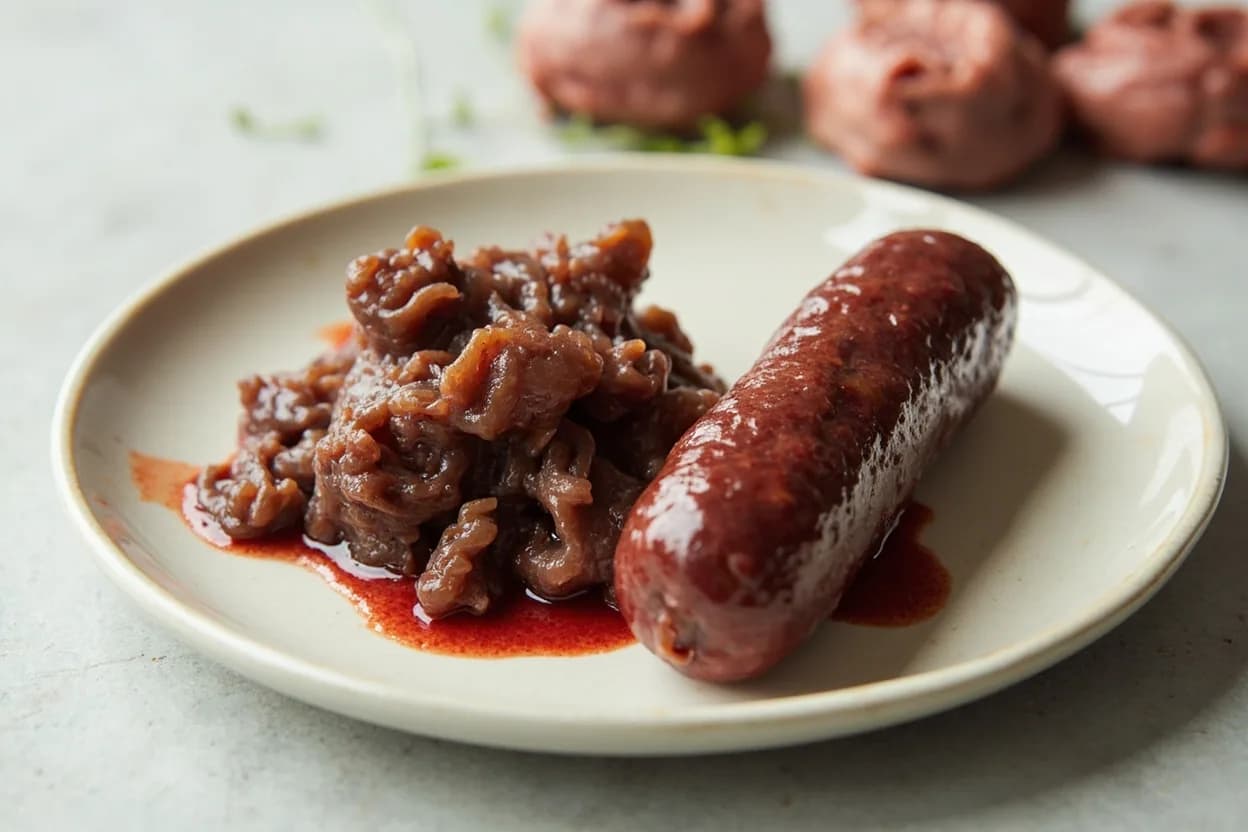
Related

Egg
The kitchen's everything ingredient — bind, leaven, enrich, or fry

Chicken Breast
Lean, quick-cooking white meat for everyday dinners

Ground Beef
Versatile minced beef for burgers, ragù, tacos, and meatballs

Pork Loin
Lean, tender roasting cut that stays juicy with care

Salmon
Rich, rosy fish that roasts, grills, or cures beautifully

Egg White
Pure protein that whips to airy peaks for meringue and more

Egg Yolk
Rich, golden yolk for custards, mayonnaise, and pasta

Quail Egg
Tiny, speckled eggs for garnishing and elegant bites