Western Europe
Rhône Valley
Also: Cuisine Rhodanienne, Rhône corridor cooking, Vallée du Rhône
A sun-baked corridor where Provençal olive oil, Grenache-braised meats, and herb-dense sauces define the table from Lyon's southern edge to the Camargue.
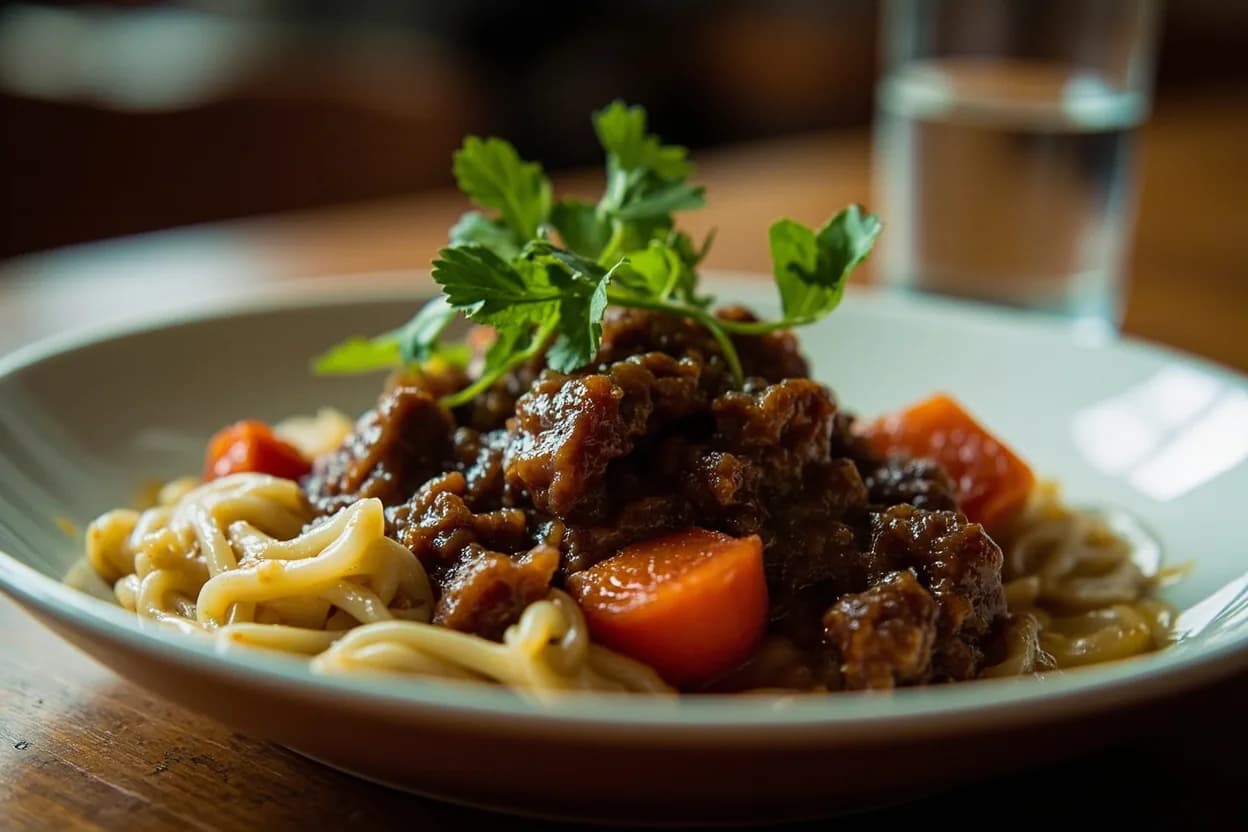
Rhône Valley cuisine spans two distinct registers united by the river: the northern reaches (Vienne, Tournon) share Lyon's hearty charcuterie tradition and cool-climate restraint, while the south bursts into full Provençal abundance — tapenade, aioli, daube, and the wild herbs of the garrigue. What ties both zones is the wine: Grenache, Syrah, and Viognier are cooked with as much as they are drunk alongside, lending depth to braises and marinades that define the cuisine's character.
The flavour base
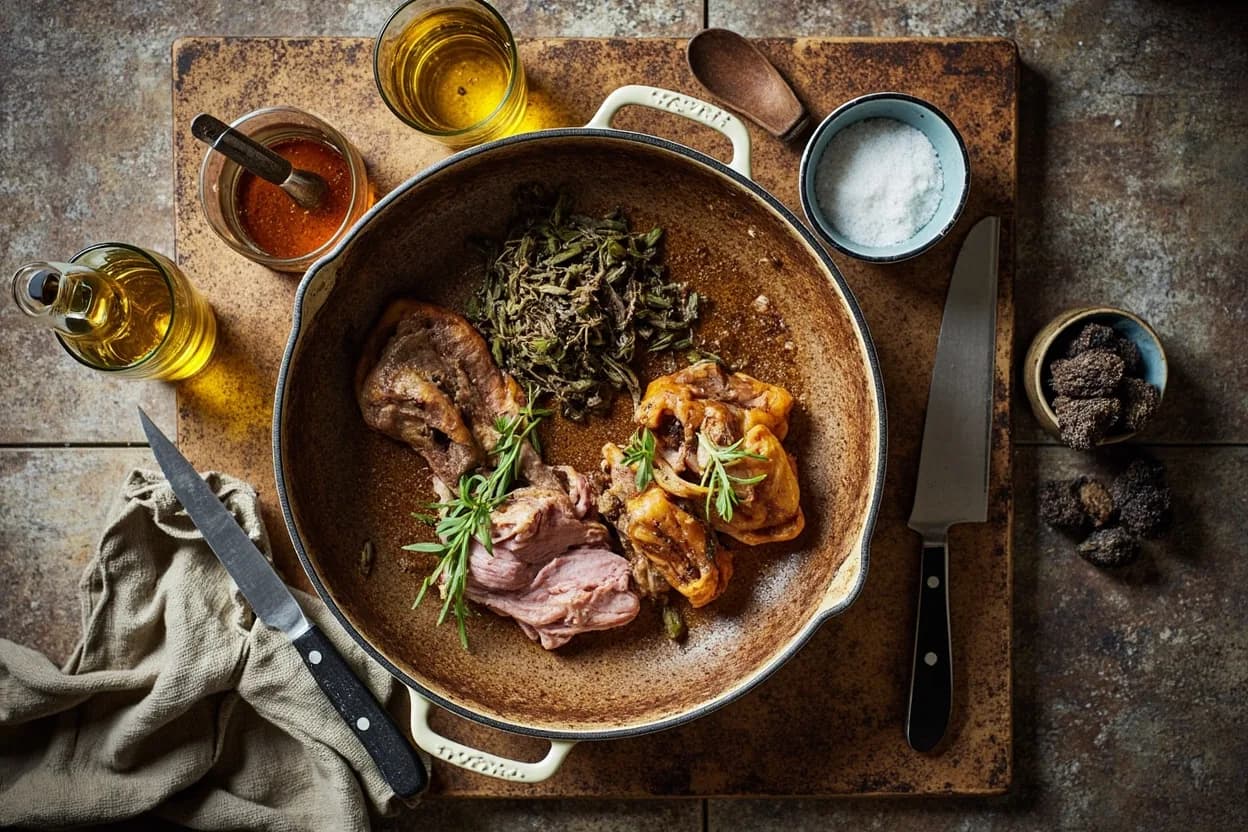
Aromatic herb triumvirate of thyme, rosemary, and bay — the garrigue in a pot — amplified with garlic and finished with Rhône olive oil or tapenade as a condiment layer. In the north, rendered lard and mustard play the binding role.
Pantry staples
Key ingredients
Signature techniques
Signature dishes
Rhône Valley on the table
At the table
Southern Rhône meals open with an apéritif spread — tapenade, anchoïade, olives — before a plated first course (soupe au pistou in summer, gratinéed cardoon in winter). A single protein braise or roast follows with a grain or legume accompaniment. Cheese precedes a fruit-forward dessert. Wine is poured from the first plate; water is secondary.
History & context
The Rhône has been a conduit of culinary exchange since Phoenician traders carried olive oil and wine vines northward via Massalia (Marseille) around 600 BCE. Roman legions planted vineyards at Vienne and Hermitage that still produce wine today. The Arab presence in Provence (8th–10th century) introduced almonds, saffron, and agrodolce sensibilities that survive in modern daube garnishes. The 19th-century phylloxera crisis temporarily devastated wine culture, but replanting with Grenache-dominant blends reshaped the dominant wine-cooking pairing of the south. By the 20th century, writers like Elizabeth David codified the cuisine for the Anglophone world, cementing its archetype of slow-braised, herb-scented abundance.
Regional variations
- Northern Rhône (Vienne to Tournon)
Cooler, closer to Lyon — charcuterie, quenelles, and Côtes-du-Rhône Syrah marinades dominate; olive oil yields to butter and cream.
- Drôme Provençale
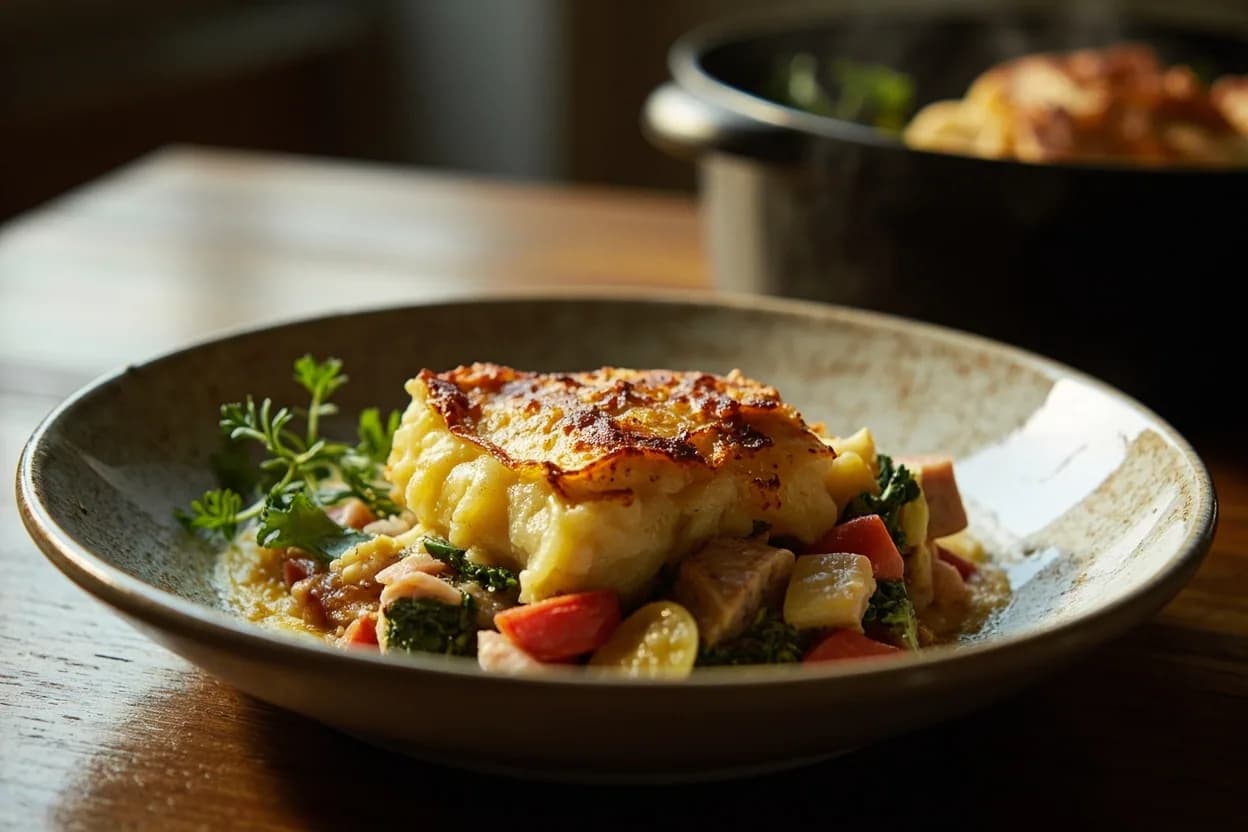
Interior plateau known for lavender, black truffle from Tricastin, and nougat from Montélimar; lighter, more perfumed preparations.
- Gard and Camargue
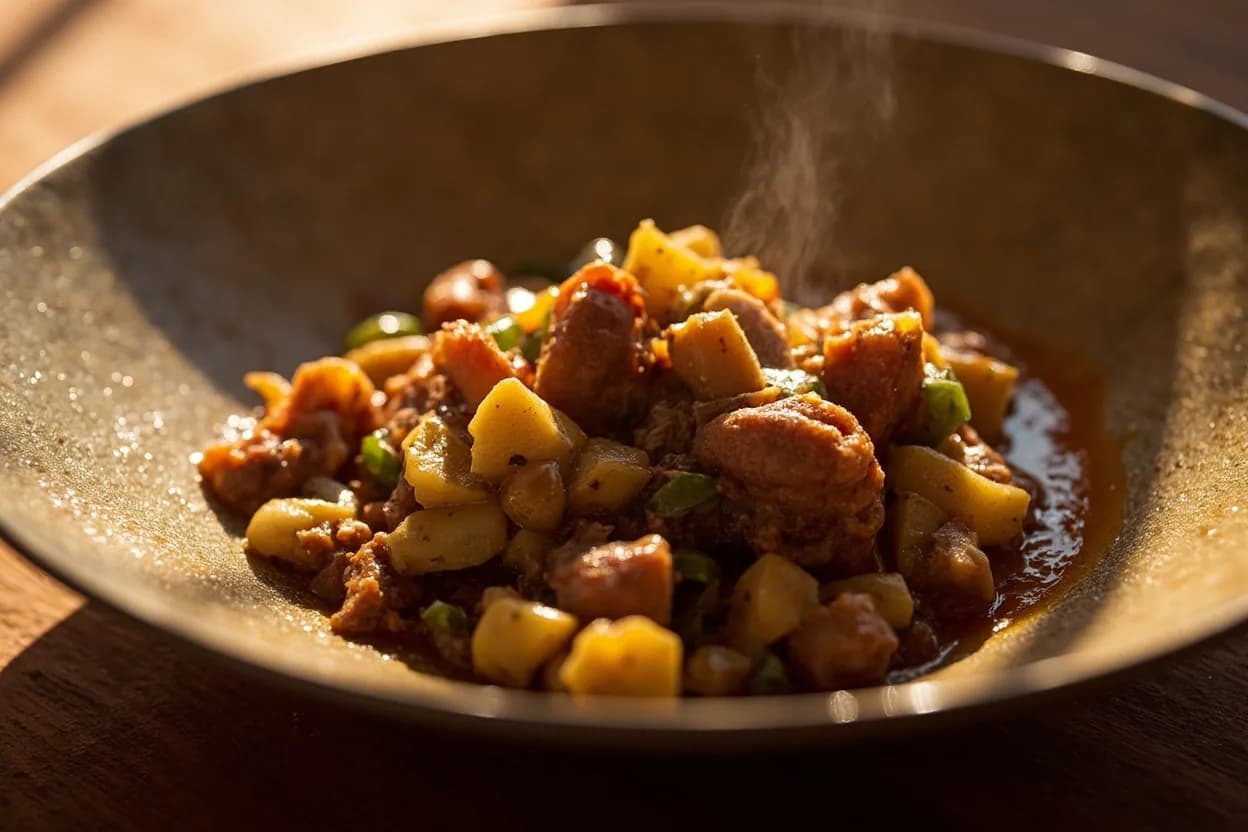
Rice culture meets marsh-grazed bull; gardiane de taureau (bull ragù with olives) and telline clam sautés reflect the delta terroir.
Related cuisines
Overlapping herb and olive vocabulary; Rhône Valley is effectively the northern extension of the Provençal table.
- Lyonnaise
Northern Rhône shares Lyon's charcuterie and cream sauces before the cuisine pivots south.
- Languedoc
Neighbouring region with shared cassoulet traditions and Grenache-based wine cooking.
Canonical recipes
The dishes that define Rhône Valley, documented in the Canon.
References
- 1.The Food of France — Waverley Root (1958)
- 2.French Provincial Cooking — Elizabeth David (1960)
- 3.The Cuisine of the Sun — Mireille Johnston (1976)
- 4.Larousse Gastronomique (2009 edition)
Confidence: high
Notes
Wine as ingredient
Rhône recipes routinely call for the same wine served at table: a Châteauneuf-du-Pape or Gigondas in a daube, a Viognier in a fish gratin. The cooking concentrates tannins, so always choose a wine balanced enough to drink.
Cardoon season
Cardoon (cardon) is a Christmas vegetable across the southern Rhône — blanched to remove bitterness, then blanketed in rich béchamel or a walnut gratin sauce. It is one of the thirteen desserts' savoury counterpart at the Provençal Christmas table.