Baking
Acidulated Malt
Lactic-acid-treated brewing malt used to lower mash pH and add a subtle sourness to beer and bread.
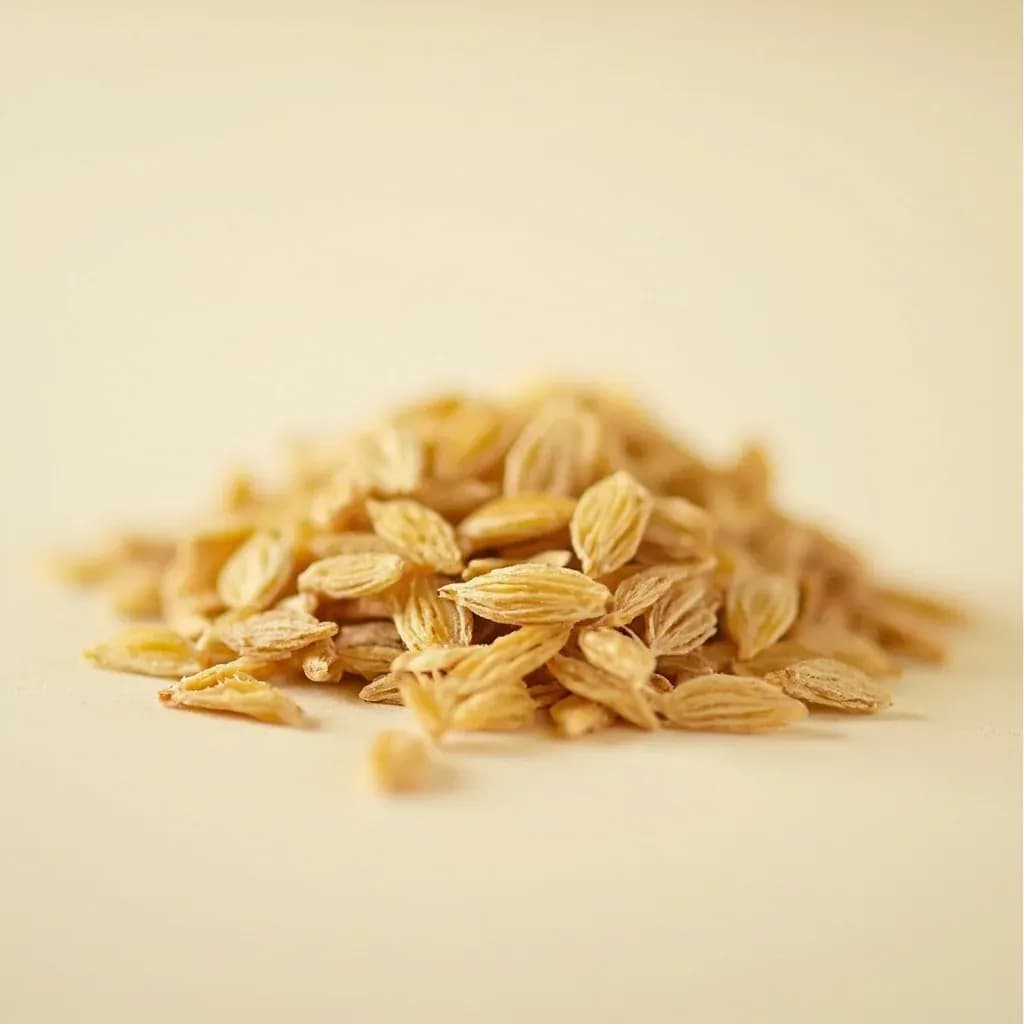
Acidulated malt is a specialty brewing grain whose surface carries naturally produced lactic acid. Brewers add a small percentage to the mash to lower its pH, improving enzyme activity and giving lighter beers a cleaner, crisper finish. It can also lend a faint sourness to bread doughs.
Acidulated malt is malted barley treated with food-grade lactic acid during the malting process — before kilning stops enzymatic activity — giving it a stable pH of roughly 3.5–4.0, about two full points lower than standard pale malt. The process involves inoculating steeped, sprouted barley with Lactobacillus bacteria, which produce lactic acid and create a gentle, yogurt-like sourness rather than sharp vinegar acidity. Originally developed in Germany by the Weyermann malting house in Bamberg for breweries with high-pH water, acidulated malt lets brewers adjust mash acidity with a simple grain addition instead of liquid acid and pH meters. Its use in bread baking is a practical extension: a small amount delivers a detectable lactic tang and crumb-enhancing benefits without requiring a long overnight fermentation or a maintained sourdough starter. The malt contributes very little color (15–30 SRM), negligible enzymatic activity, and does not cause fermentation — it is a flavor and pH tool, not a leavening agent. Quality and acid content vary by maltster; German and Belgian products set the standard for consistency.
- Measured in
- g
- Storage
- Pantry
Allergens
Types & varieties
The original and most widely available; German-produced on a Pilsner-style base malt. Sets the commercial standard for consistent acid content and flavor.
Available from various regional maltsters; acid content and quality can vary more noticeably between batches. Verify pH or source from a trusted supplier if consistency matters.
How acidulated malt is made
The process mirrors sourdough fermentation in principle. After steeping and allowing the barley to germinate (the standard malting step), the grain is inoculated with Lactobacillus bacteria. These friendly bacteria consume sugars and produce lactic acid, dropping the grain's pH before it is kilned (dried in a kiln). Kilning stops all enzymatic and microbial activity, locking in the acid level permanently. The result is a stable, dry product with a mild, clean sourness and no live microbial activity — unlike a sourdough starter, it will not continue to ferment or produce gas over time.
- Steeping → germination → Lactobacillus inoculation → lactic acid production → kilning → stable acidulated malt
- The kilning step is what distinguishes this from a sourdough culture: no living microbes remain
- Acid content is standardized during production, making dosing more predictable than with liquid acids
Brewing vs. baking: different roles, same ingredient
In brewing, acidulated malt serves a precise technical function: correcting mash pH. High-pH brewing water (common in many municipal supplies) or grain bills heavy with pale malts can push the mash into a pH range where enzymes work poorly and off-flavors develop. Adding 1–5% acidulated malt nudges the mash into the ideal 5.2–5.6 range without requiring laboratory-grade pH measurement or acid addition equipment. In baking, the role shifts to flavor and crumb modification. The same acidity activates gluten-strengthening agents in flour, slightly delays staling, and promotes Maillard browning — producing a deeper crust color and a more open crumb. The sourness is subtle enough to function as a background note in yeasted breads where a full sourdough profile would be out of place.
- Brewing: pH adjustment, subtle sourness, up to 5% of grist
- Baking: flavor, crumb structure, shelf life, crust color, up to 2% of flour weight
- Unlike sourdough starter, it adds no fermentation gas or rising power
Common uses
Tips & pitfalls
- In brewing, start with 1–2% of the grist and measure your actual mash pH with a calibrated meter before adding more; precision matters more at higher percentages
- In bread making, begin with 0.5% of total flour weight to gauge how the sourness integrates, then adjust upward; 1–2% delivers noticeable acidity without dominating the loaf
- Milling acidulated malt before adding it to dough is optional but strongly recommended in baking — whole kernels distribute unevenly and can create pockets of sourness
- Do not confuse acidulated malt with diastatic or enzymatic malt; acidulated malt has negligible diastatic power and cannot replace malted grain used for dough fermentation or sugar conversion
- Unlike sourdough, acidulated malt contributes no live yeast or bacteria — it will not make your dough rise and cannot substitute for a levain in a fermentation-based recipe
- Store it separately from hops and strongly aromatic ingredients; like all malt, it absorbs odors readily
- For brewing water with very high alkalinity (above 150 ppm calcium carbonate), you may need both acidulated malt and a small addition of gypsum or calcium chloride to achieve both the right pH and the right mineral profile
- When substituting liquid lactic acid in brewing, use 1–2 ml per pound of grain and add directly to the mash tun; calibrate by measuring pH, not by feel
Nutrition
Nutrition
No USDA FoodData Central match for Acidulated Malt yet. We surface a per-100 g profile once a generic whole-food entry is matched and verified.
In the shops
Matched grocery products
No matched grocery products for Acidulated Malt yet.
Good to know
- Type
- Lactic-acid-treated malted barley (sprouted and dried grain)
- pH
- 3.5–4.0 (standard pale malt runs ~5.5–6.0)
- Lactic acid content
- Typically 1–2% by weight, added as food-grade lactic acid solution during malting
- Origin
- Germany, specifically the Weyermann malting house in Bamberg, Bavaria
- Color contribution
- Very light; approximately 15–30 SRM
- Brewing usage rate
- 1–5% of total grain bill
- Baking usage rate
- 0.5–2% of flour weight
- Shelf life
- 6–12 months in a cool (below 70°F/21°C), dry, airtight container
- Form
- Whole malted kernels; requires milling before use in most applications
Substitutes
- Food-grade lactic acid (liquid) — The most direct substitute. Use 1–2 ml per pound of grain in brewing, added directly to the mash; in baking, 1–2 drops per cup of flour dissolved in the dough water first. Adjust to taste and measure pH when possible.
- Acid blend (citric, tartaric, and malic acid mix) — Less authentic in flavor complexity but works at similar low percentages. Commonly sold for candy and beverage making; use sparingly and dissolve in water before adding.
- Sourdough starter or levain — Baking only. Provides both acidity and fermentation leavening. Use 10–20% of total flour weight to match the acidity contribution of 1–2% acidulated malt, and account for the added hydration and wild yeast activity in your formula.
- Cultured whey or buttermilk powder — Adds acidity with a slight dairy tang. Use 2–5% of flour weight in baking applications where a dairy note complements the formula. Not suitable for brewing.
- White distilled vinegar or lemon juice — Baking substitute only. A more one-dimensional acidity compared to lactic acid's yogurt-like character. Use 1–2 teaspoons per loaf, dissolved in the water before mixing. Start low and taste; the flavor is more immediate than with acidulated malt.
Pairs with
Also called
Acid Malt · Sauermalz · Sour Malt
Related

All-Purpose Flour
The do-anything flour for bread, cakes, sauces, and dredging

Bread Flour
High-protein flour for chewy, well-risen breads
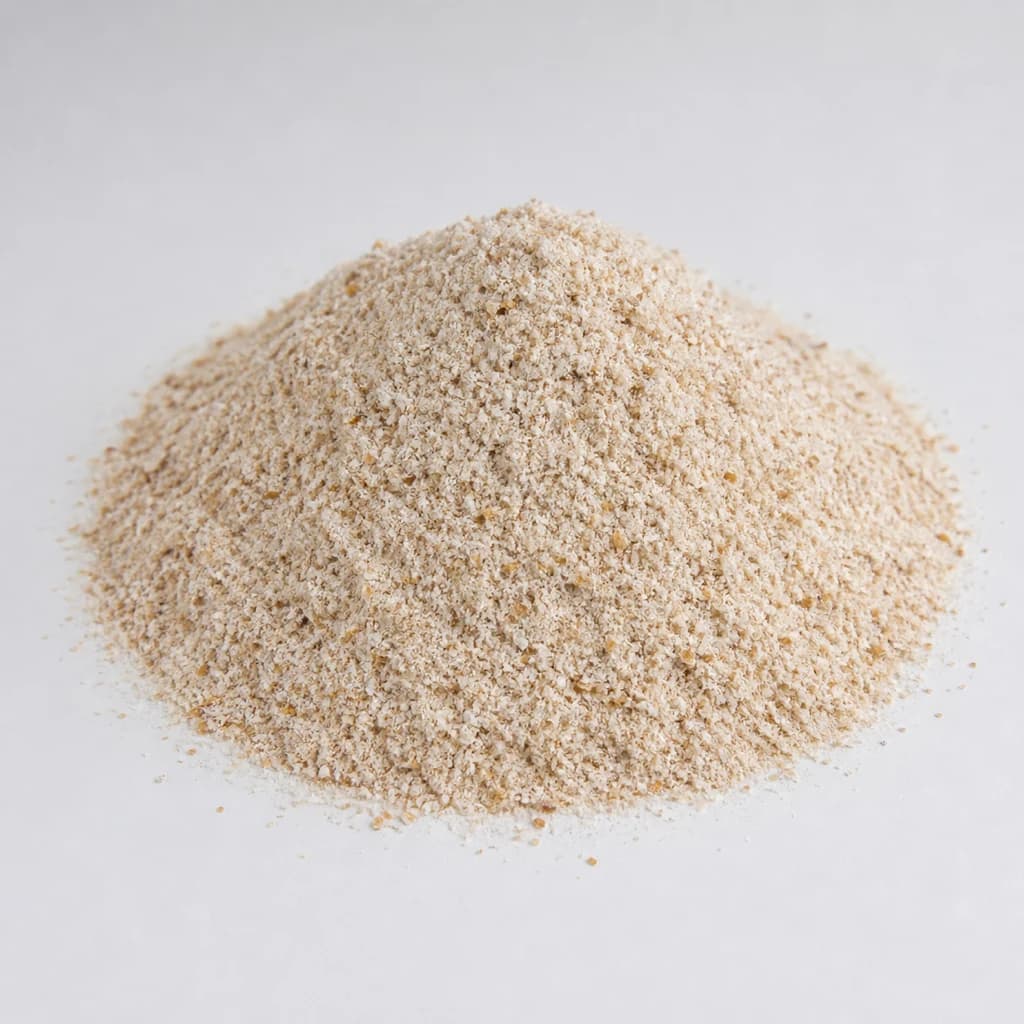
Whole Wheat Flour
Nutty, whole-grain flour for hearty breads and bakes
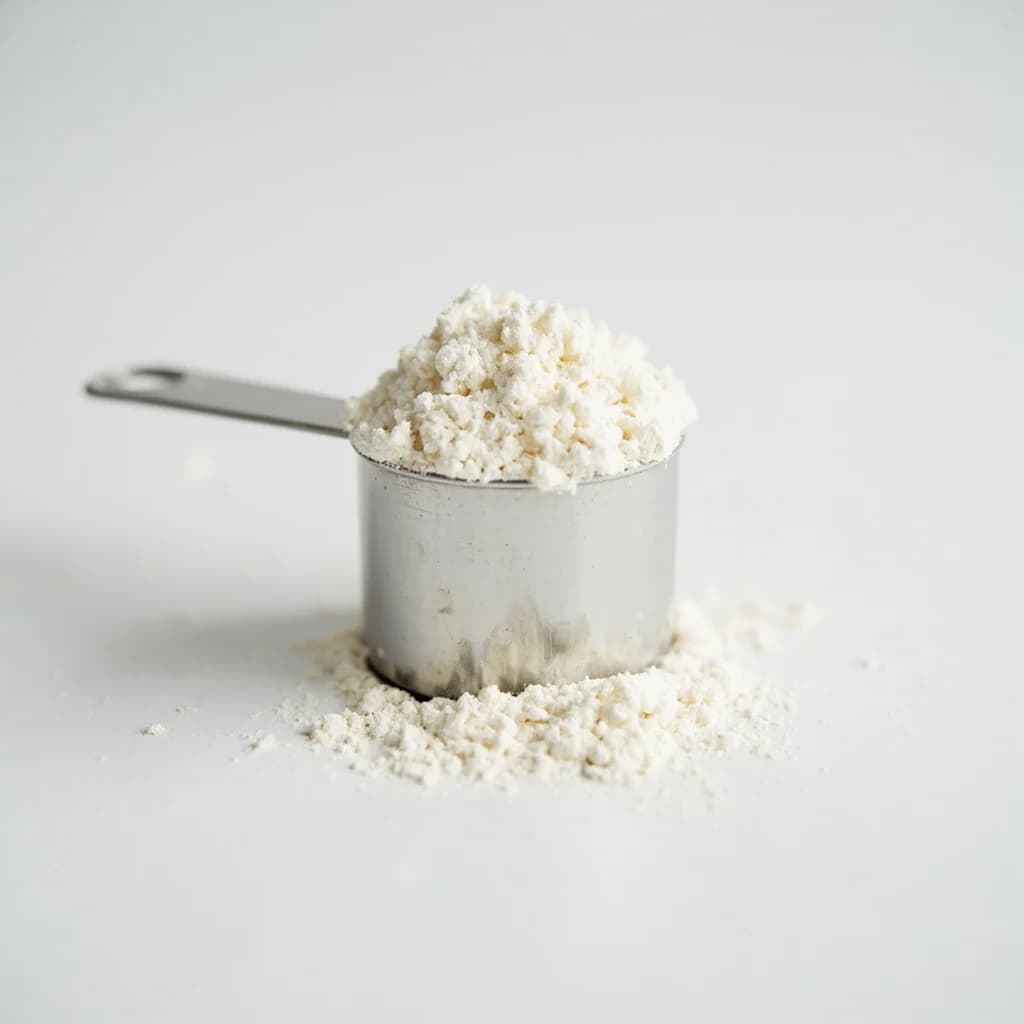
Cake Flour
Fine, low-protein flour for tender, delicate cakes
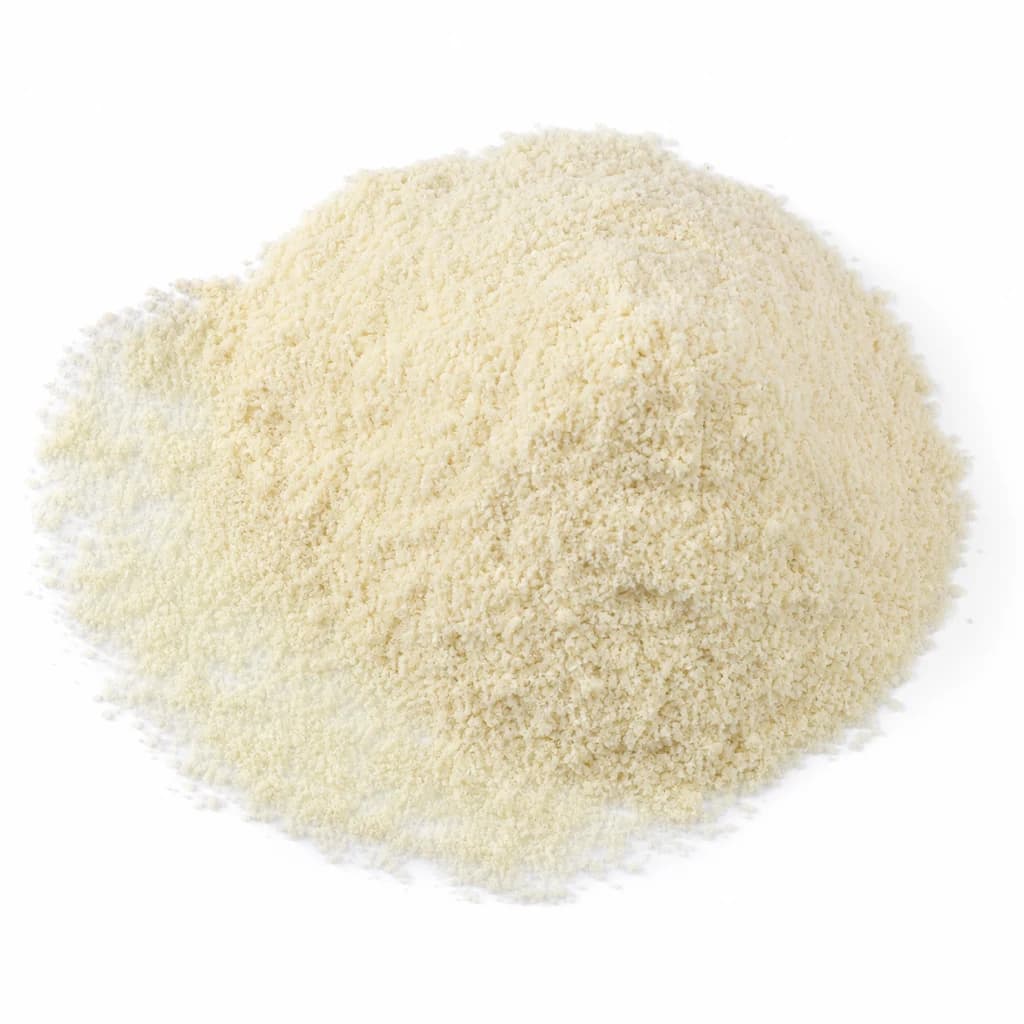
Almond Flour
Nutty, gluten-free flour for macarons and tender bakes

Baking Powder
All-in-one leavener for fluffy cakes, pancakes, and biscuits

Baking Soda
Pure leavener that needs acid to lift — and tenderize
Yeast
Living leaven that makes bread rise and dough come alive