
Ready to use
Raw alligator tail meat is the primary form home cooks purchase and work with; cubed pieces show the characteristic pale, firm texture that distinguishes it from poultry.
Proteins
Alligator Meat
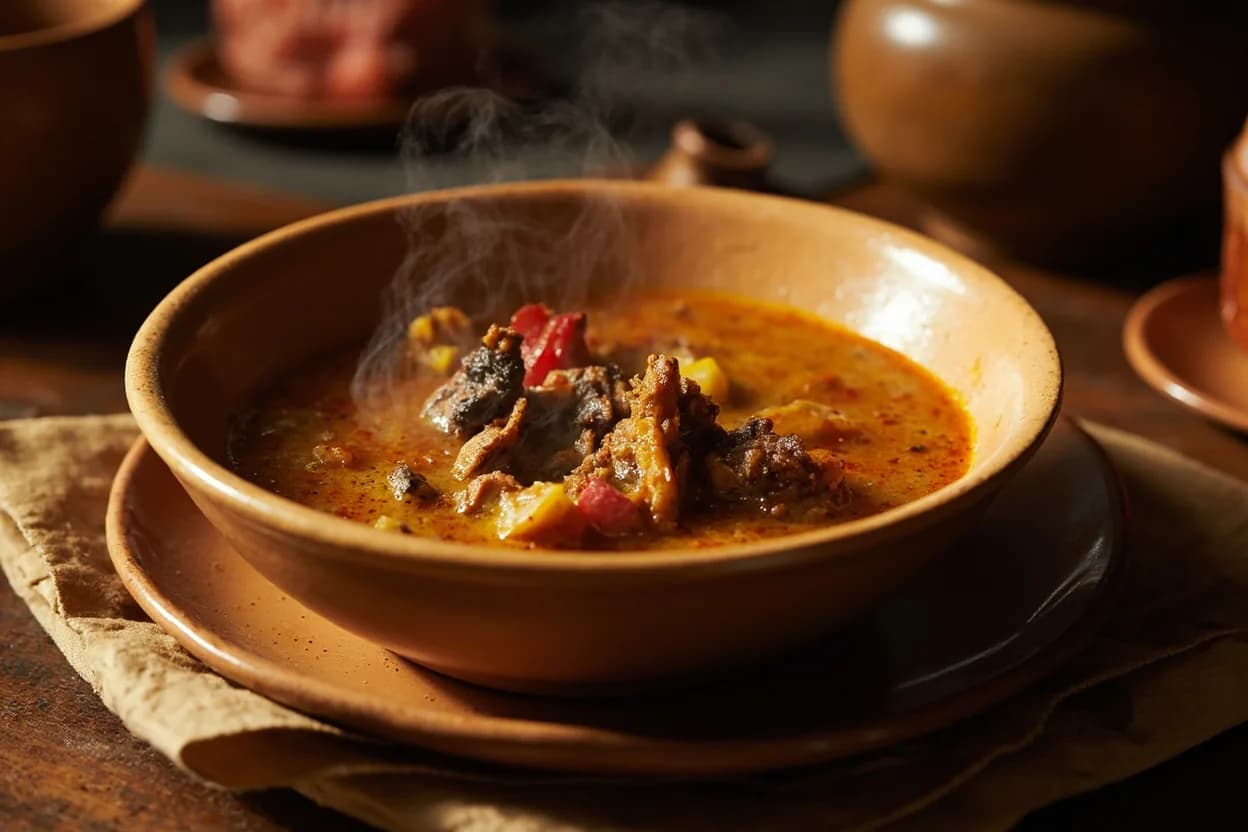
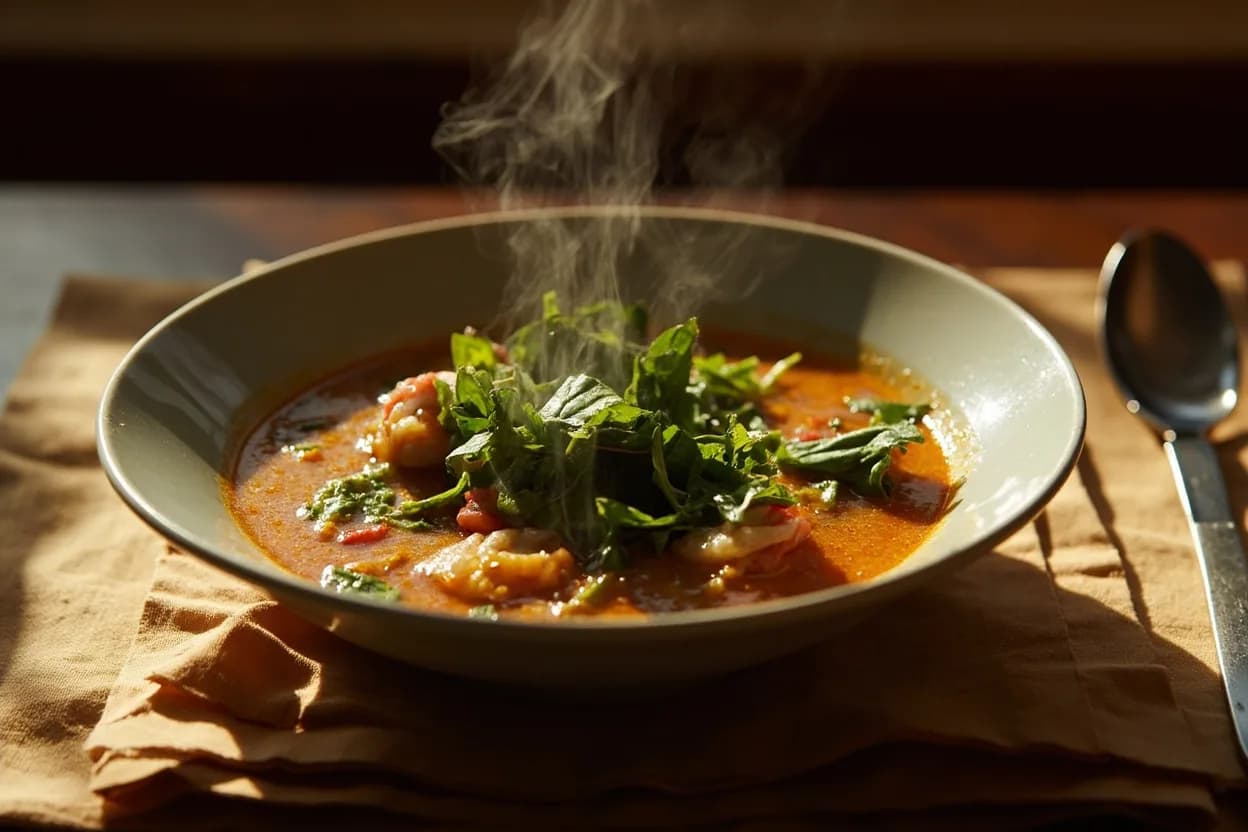
Mild white reptile meat fried, blackened or stewed in Cajun and Creole cooking.
Alligator meat is a lean white meat with a mild flavor often compared to chicken or fish, central to Louisiana Cajun and Creole cooking. The tender tail meat is cubed and deep-fried, blackened, or simmered into gumbo and sauce piquante. Tougher cuts benefit from long braising to soften.
Alligator meat is the flesh of the American alligator (Alligator mississippiensis), harvested from both wild populations and regulated farm-raised operations concentrated in Louisiana, Florida, Georgia, and Texas. It has been a staple of Cajun and Creole cooking for generations, particularly in Louisiana, where it appears in everything from street food to haute cuisine. The meat occupies a unique niche in American regional cooking: mild enough to absorb bold seasonings, yet distinctive enough to stand on its own.
In terms of flavor and texture, alligator occupies territory between chicken breast and frog legs—subtly sweet, clean, and mild, with a firm, dense grain that turns silky when cooked correctly. The meat is remarkably lean, offering high protein with minimal fat, making it a healthier alternative to many conventional proteins. The tail yields the most prized cuts: large, uniform medallions that cook quickly and evenly. Less tender cuts from the rib, jaw, and leg contain more connective tissue and benefit from braising or marinating.
What makes alligator genuinely challenging—and genuinely rewarding—is its narrow cooking window. The transition from tender to rubbery happens within seconds past medium-rare, demanding attentive, high-heat preparation. This is not an ingredient that rewards passivity; it rewards cooks who understand heat management, seasoning confidence, and timing precision. Master those elements, and alligator becomes one of the most versatile proteins in the Gulf Coast pantry.
- Measured in
- g
- Storage
- Fridge
Types & varieties
The most prized cut. Yields large, uniform medallions ideal for blackening, grilling, or frying. Most commercially available alligator is tail meat.
Small, tender cut from along the spine; premium quality suitable for quick-cooking methods like searing.
Slightly darker than tail; excellent for stews, gumbo, and étouffée where longer braising benefits the texture.
From around the jaw; more connective tissue; best suited for slow-cooked dishes like stews and braises.
Darker, firmer meat; requires marinating or braising for tenderness. Less common in commercial channels.
Made from trimmings; sold frozen; useful for burgers, meatballs, sausages, and dirty rice.
Understanding Alligator's Cooking Behavior
Alligator muscle fiber is denser than chicken, which means it holds onto moisture differently and responds to heat more unforgivingly. The proteins contract rapidly as they approach 150°F (65°C), squeezing out moisture and tightening into a rubbery texture. This is why restraint—not aggression—is the governing principle when cooking alligator medallions. For tail cuts, think sear and rest: high heat for 90 seconds per side, then rest. For stews, think low and slow with liquid: 30–45 minutes of gentle simmering at most. The moment of doneness arrives quickly; the moment of failure arrives seconds later.
- Residual heat continues cooking medallions after removal from heat; factor this in and pull early.
- Ground alligator behaves more like ground turkey—it's more forgiving of overcooking than whole cuts.
Sourcing and Sustainability
The commercial alligator industry emerged in Louisiana during the 1980s after near-extirpation from overhunting drove conservation efforts. Today's farm-raised alligator population is managed by state wildlife agencies and the USDA, making it one of the more responsibly managed proteins in American cuisine. Wild populations remain protected under state and federal regulations. When purchasing, look for product from licensed farms or processors—this ensures the animal was harvested legally and processed under inspection. Specialty food distributors and Gulf Coast markets are the most reliable sources; availability outside the region typically means frozen product shipped nationally.
- Farm-raised alligator is generally more consistent in quality and availability than wild-caught.
- Frozen alligator maintains good quality for up to 6 months; fresh is best used within 1–2 days of purchase.
Common uses
Tips & pitfalls
- Never overcook: alligator turns rubbery and tough within seconds past medium-rare to medium. Remove from heat the instant it loses pinkness and carryover cooking finishes the job.
- Marinate for tenderness: even 30 minutes in buttermilk or acid-lean marinade (lemon juice, hot sauce) improves texture and helps breading adhere for fried preparations.
- Cut against the grain: alligator muscle fibers are dense; cross-cutting dramatically shortens them and improves tenderness in every preparation.
- Pat dry before cooking: surface moisture prevents proper browning and crust formation, which is especially critical for blackened preparations.
- Use high heat for searing: cast-iron over medium-high to high burner; the crust forms quickly before the interior overcooks—typically 90 seconds per side.
- Season boldly: the flavor is mild and benefits from assertive Cajun/Creole seasoning or blackening spice blends; under-seasoned alligator tastes flat and unremarkable.
- For stews, brown first: sear cubed alligator in batches to develop fond, then braise in liquid for 30–45 minutes maximum; longer yields toughness.
- Rest before slicing: like all tender cuts, medallions benefit from 2–3 minutes of rest, which allows juices to redistribute before cutting.
Nutrition
Energy
1301 kJ · per 100 g
Where the calories come from
Protein
41.7g
83% DV
Carbs
34.7g
13% DV
Fat
3g
4% DV
Fiber
17.5g
63% DV
Sodium
10mg
0% DV
Source · USDA FoodData Central · approx. Meat extender
View on FDC →In the shops
Matched grocery products
No matched grocery products for Alligator Meat yet.
Good to know
- Source
- American alligator (Alligator mississippiensis); wild-caught and farm-raised in Louisiana, Florida, Georgia, and Texas.
- Primary Cuts
- Tail medallions (most prized); tenderloin; rib meat; jaw/chuck; leg meat; ground trimmings.
- Raw Color
- White to pale pink; turns opaque white when cooked.
- Flavor Profile
- Mild, subtly sweet; compared to chicken breast or frog legs.
- Texture
- Firm, dense grain; tender when cooked properly; rubbery when overcooked.
- Nutrition
- High protein, very low fat; leaner than chicken breast.
- USDA Doneness
- 145°F (63°C) minimum internal temperature.
- Edible Yield
- Approximately 50–55% from whole tail; tail medallions are virtually boneless.
Substitutes
- Chicken Breast — Best all-around substitute. Use similar cooking times and temperatures; chicken is less dense, so check doneness earlier. Pairs with the same Cajun seasonings.
- Frog Legs — Closest in flavor, texture, and fat content. Often prepared identically in Cajun and French cuisines. May be harder to source outside specialty markets.
- Rabbit — Comparable mild flavor and lean, dense texture. Rabbit benefits from the same bold seasonings and can be cooked using the same methods.
- Pork Tenderloin — Mild flavor that takes seasoning well; similar lean profile. Cook to 145°F (63°C) like alligator; slightly more forgiving of overcooking.
- Squab or Cornish Hen — Darker meat with more inherent flavor than alligator, but works with the same Creole sauces and blackening spices in spirit if not in exact character.
Pairs with
Also called
Gator Meat
Appears in these dishes
Related
Egg
The kitchen's everything ingredient — bind, leaven, enrich, or fry
Chicken Breast
Lean, quick-cooking white meat for everyday dinners

Ground Beef
Versatile minced beef for burgers, ragù, tacos, and meatballs
Pork Loin
Lean, tender roasting cut that stays juicy with care
Salmon
Rich, rosy fish that roasts, grills, or cures beautifully

Egg White
Pure protein that whips to airy peaks for meringue and more
Egg Yolk
Rich, golden yolk for custards, mayonnaise, and pasta

Quail Egg
Tiny, speckled eggs for garnishing and elegant bites