Proteins
Ark Shell Clam
Red-blooded Japanese clam (akagai) served raw as sweet, crunchy sushi and sashimi.
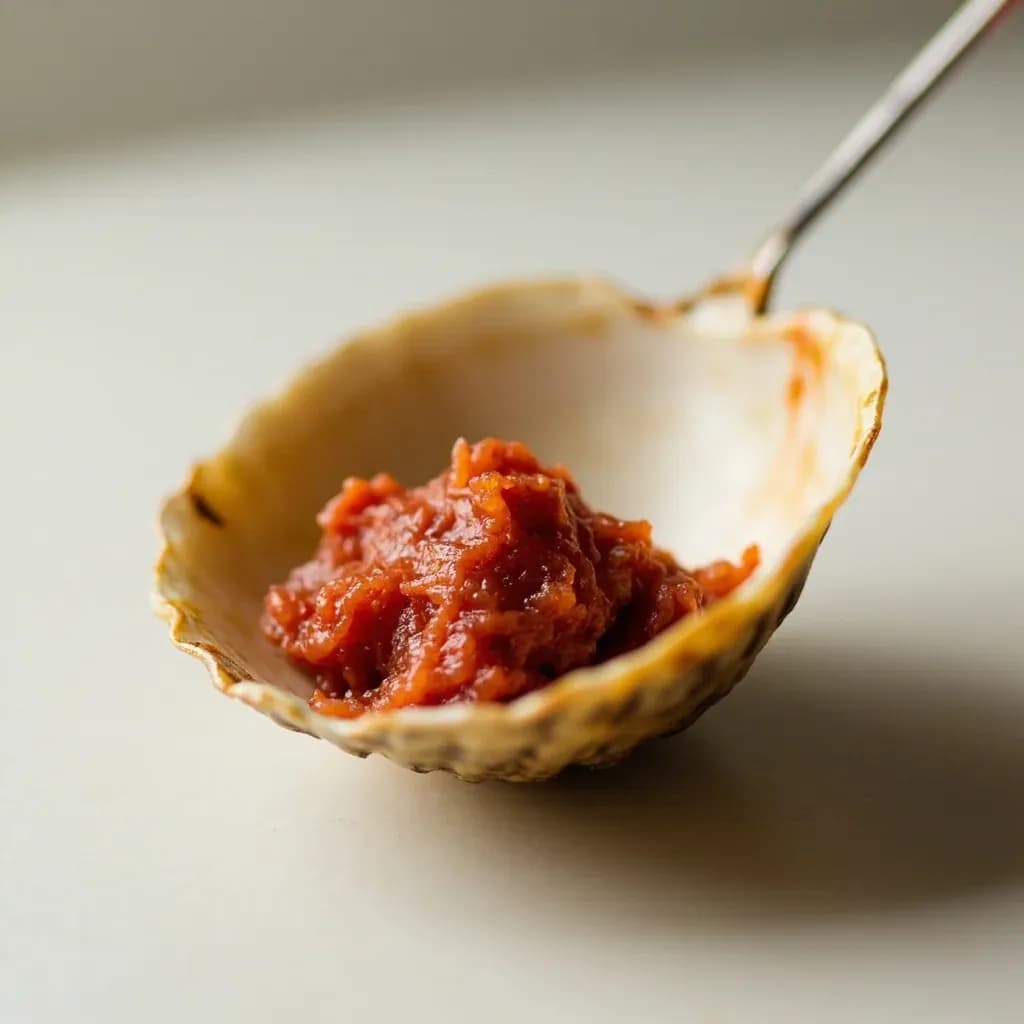
The ark shell clam, known as akagai in Japan, is a bivalve with distinctive red, iron-rich flesh and a sweet, crisp bite. It is a prized sushi and sashimi topping, sliced and lightly scored to enhance its texture, and is also enjoyed in Korean cooking. Its red color comes from hemoglobin, unusual among shellfish.
Akagai (Arca inflata), the ark shell clam, is one of the most prized bivalves in Japanese cuisine. Its elongated, inflated shell—dark reddish-brown exterior, porcelain-white interior—contains a meat of startling depth: deep orange-red to rust, the color of arterial blood, owing to exceptionally high hemoglobin content. This is not mere aesthetic curiosity. The hemoglobin contributes to a clean, briny sweetness with oceanic mineral notes and a distinctly savory character that is entirely free of fishiness. The texture is the defining attribute: sliced thin against the grain, akagai has a firm, satisfying crunch that no other sushi topping quite replicates. When overcooked, however, that same meat turns rubbery within seconds, a fate that Japanese cooks avoid with practiced precision. Ark shell clams inhabit sandy-mud substrates across the North Pacific, with Japanese cultivation concentrated in Miyagi Prefecture since the 1970s. Both wild-caught and aquacultured specimens reach the market, but Miyagi akagai commands premium prices for its consistent quality, larger size, and cleaner digestive tract—qualities that matter enormously when the clam is destined for raw service.
- Measured in
- g
- Storage
- Fridge
Allergens
Types & varieties
Standard market variety; Arca inflata; balanced size and flavor, the workhorse of sushi counters and kaiseki kitchens alike
Larger variety, sometimes called "giant ark clam"; meat is more substantial with a slightly sweeter character
Specifically cultivated in Miyagi Prefecture; premium grade valued for superior water quality, consistent size, and minimal grit in the digestive tract
Quality and Sourcing
The quality indicators for akagai are tactile and visual. A live clam's shell will be tightly closed or will snap shut when tapped—any persistent gape indicates a dead clam, and a cracked shell is reject material. Weight is a reliable proxy for meat yield: heavier shells for a given size mean more meat from a healthier, well-fed clam. When purchasing frozen sashimi-grade akagai, look for product frozen immediately after harvest; this preserves texture and flavor far better than product frozen after time in cold storage. Because the high hemoglobin content accelerates oxidation, raw preparations should be assembled and served immediately after slicing—do not pre-slice and hold.
- Heavier shells indicate more meat and a healthier specimen
- Tight shell closure confirms the clam is alive; avoid cracked shells or persistent gape
- Miyagi akagai is the benchmark premium, commanding the highest market prices
- Sashimi-grade frozen is preferable to "fresh" product that has sat in cold storage before freezing
The Art of the Cut
Slicing akagai for sashimi is a precision exercise. The shell's elongated, inflated shape means the adductor muscle runs along one axis; cutting perpendicular to those fibers, at a 45° angle, yields slices with maximum surface area and the characteristic crunch. Target thickness is 2–3 mm—thin enough to be translucent at the edges, thick enough to hold together on the plate. Use a long, sharp blade (a yanagiba or long slicer) in a single confident stroke; sawing tears the flesh and bruises the texture. For nigiri, slice to match the approximate dimensions of the rice portion; oversized slices overwhelm the rice and lose the textural delicacy that defines the experience.
- Slice perpendicular to muscle fibers at a 45° angle
- Target 2–3 mm thickness; translucent at edges, opaque at center
- Use a single clean stroke with a long, sharp blade
- Nigiri slices should approximate the size of the rice portion, not dominate it
Cooking Considerations
Akagai is a warming ingredient, not a cooking ingredient. The meat's proteins begin to toughen noticeably above 60°C (140°F), and within 30 seconds in a hot broth it becomes rubbery. In nabe or miso soup, add the clam in the final 30 seconds of cooking—just long enough to warm it through while the core remains cool and yielding. For seared preparations, pat the sliced meat completely dry with paper towels before torching or pan-searing; any surface moisture steams rather than sears. Ten to fifteen seconds per side is sufficient for a light sear that warms the exterior while the center remains raw. The principle is consistent: minimal heat, applied briefly.
- Add to hot broth or soups only in the final 30 seconds
- Pat meat dry before any searing or torching
- 10–15 seconds per side yields a light sear with raw center
- Overcooking is the single most common preparation error with akagai
Common uses
Tips & pitfalls
- Verify freshness before raw service: the shell must close tightly when tapped; discard any with cracked shells or persistent gape
- Clean the shell thoroughly and scrub with a stiff brush under cold running water before opening
- For sashimi, slice against the grain at a 45° angle; 2–3mm thickness preserves the signature crunch
- Premium aquacultured akagai typically has a clean digestive tract; remove the dark stomach sac only if sourced from murky waters
- Thaw frozen sashimi-grade akagai overnight on a rack in the refrigerator; never at room temperature or in warm water
- Overcooking—even 30 seconds in hot broth—makes akagai rubbery; always add at the very end of cooking time
- Use low-sodium usukuchi soy or premium tamari for dipping; cheap soy sauce masks the delicate briny flavor
- Serve raw preparations immediately after slicing; the high hemoglobin content causes rapid oxidation and discoloration
Nutrition
Nutrition
No USDA FoodData Central match for Ark Shell Clam yet. We surface a per-100 g profile once a generic whole-food entry is matched and verified.
In the shops
Matched grocery products
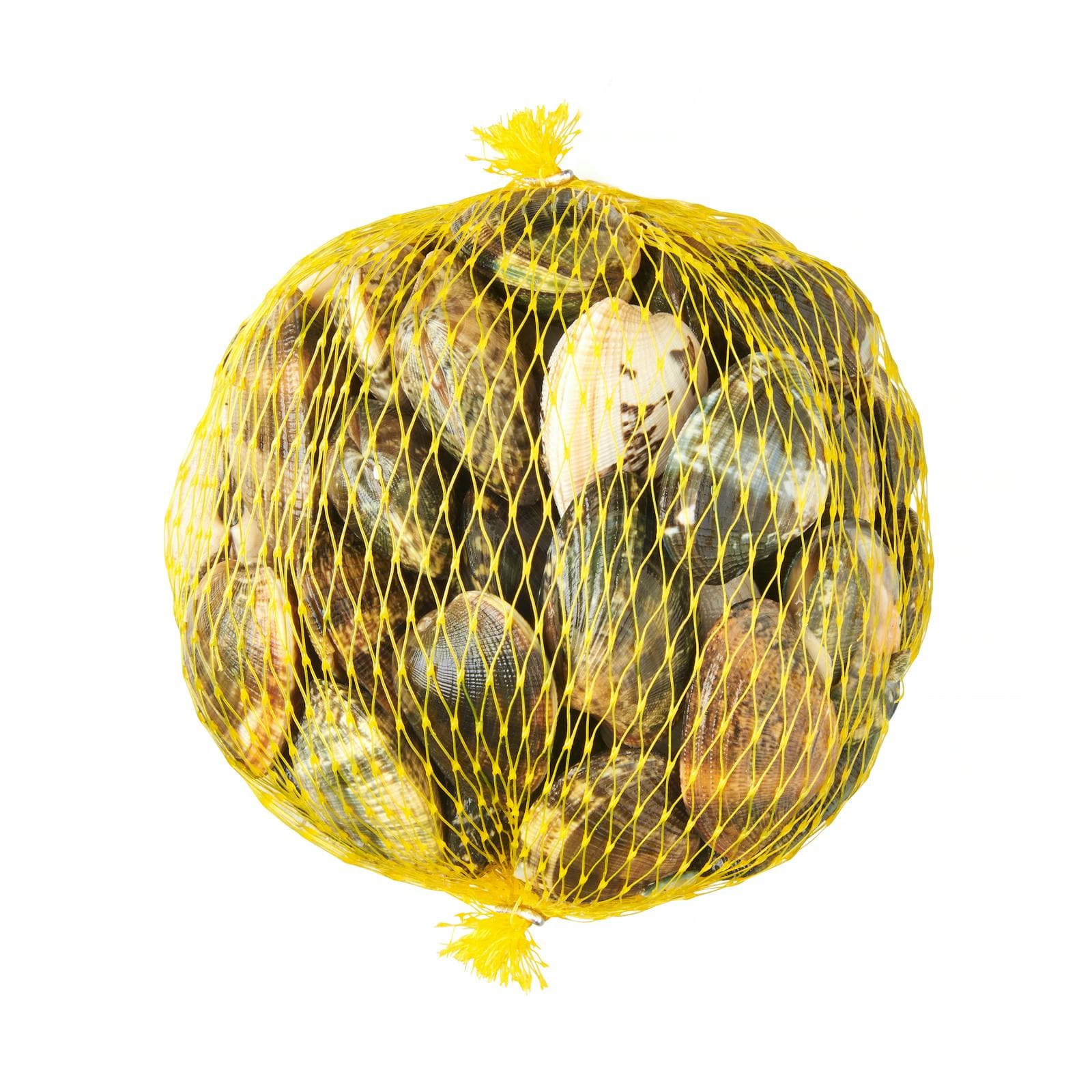 €10.70
Japanese Clam
500 g · Mercadona
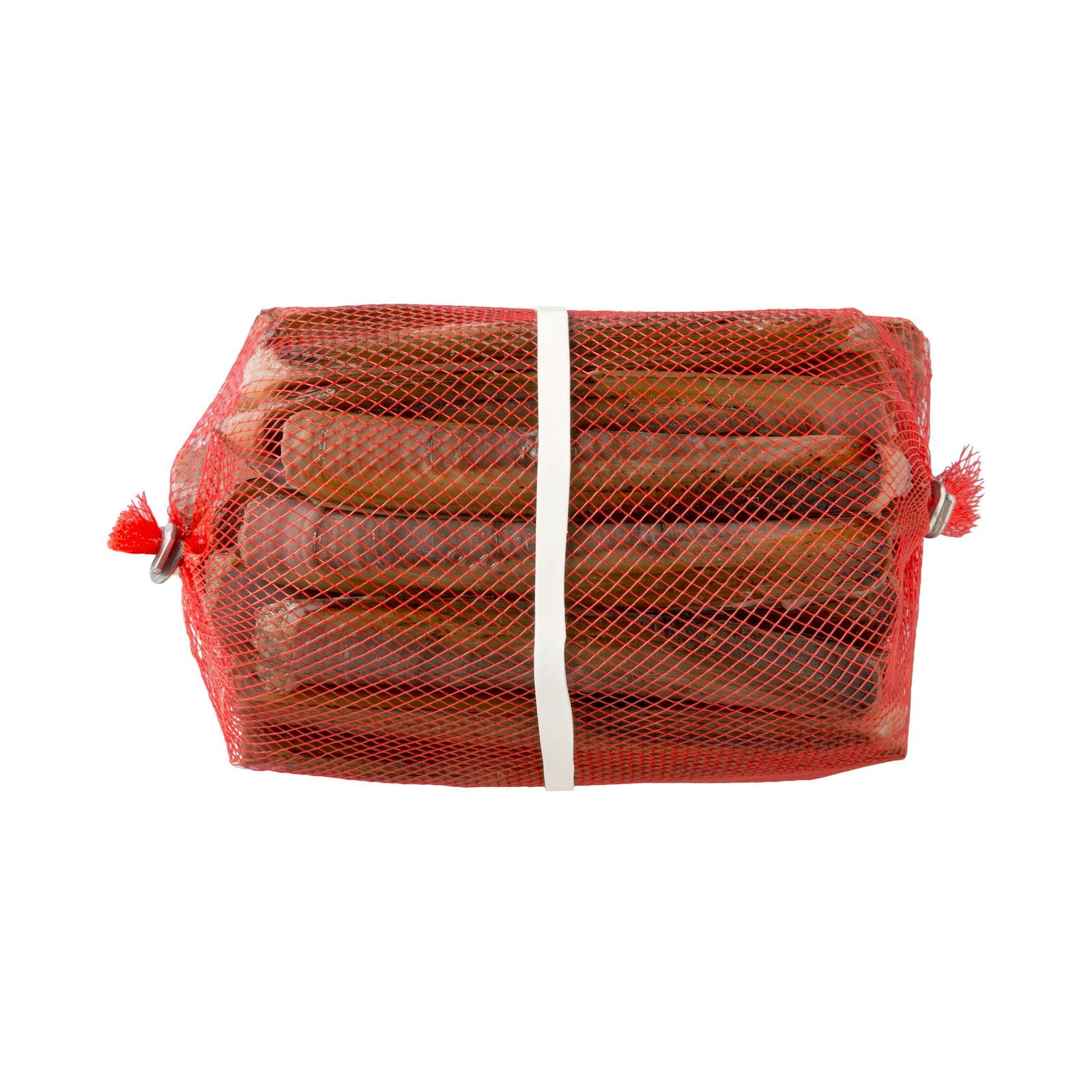 €4.50
€4.50Razor Clams
500 g · Mercadona
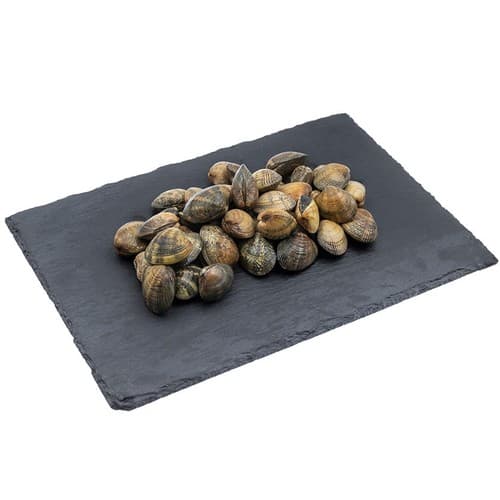 €7.50
€7.50Japanese Clam
ud · Bonpreu
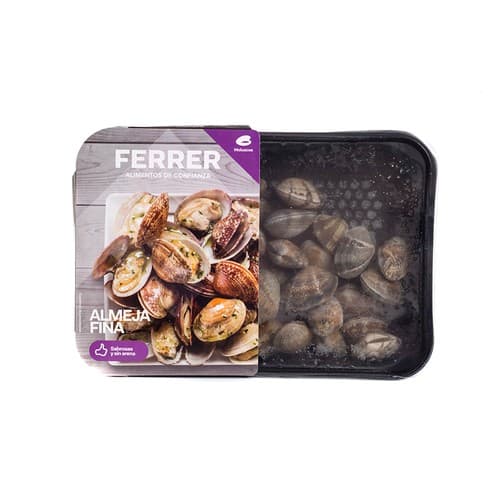 €8.65
€8.65Fine Clams Ferrer
FERRER · kg · Bonpreu
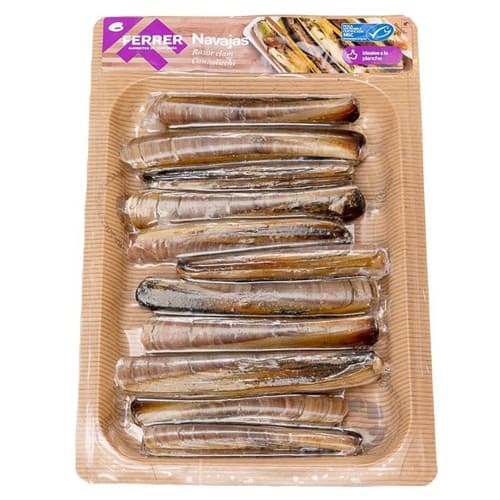 €3.35
€3.35FERRER Razor Clams
FERRER · kg · Bonpreu
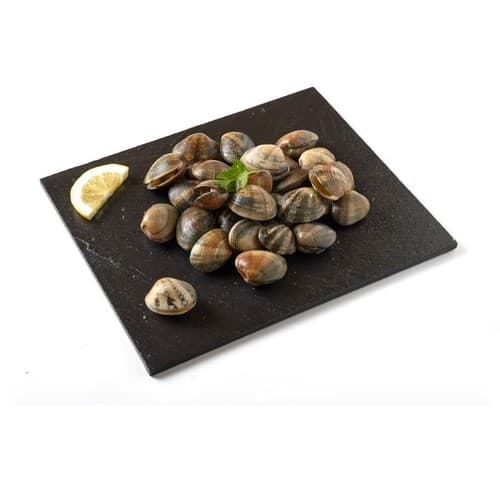 €14.99
Japanese Clam (unit)
Bonpreu
Good to know
- Scientific name
- Arca inflata (also Scapharca broughtonii)
- Japanese name
- 赤貝 (akagai), literally "red clam"
- Primary origin
- North Pacific: Japan (Miyagi Prefecture), Korea, northeastern China
- Peak season
- Winter, December through February
- Harvest
- Both wild-caught and aquacultured; Miyagi Prefecture cultivation since the 1970s
- Shell size
- 5–8 cm in length; elongated, inflated, with radiating ribs
- Meat color
- Deep orange-red to rust, from high hemoglobin content
- Key texture
- Firm and crunchy sliced thin; rubbery if overcooked
- Shelf life
- Live: 1–2 days refrigerated in saltwater; frozen (sashimi-grade): up to 3 months
- Difficulty
- Low in cooking; demands absolute freshness for raw use
Substitutes
- Hokkigai (surf clam) — Lower price point; milder flavor and less crunch; acceptable substitute in sushi contexts where budget matters
- Tsubugai (whelk) — Similar firm, crunchy texture; slightly sweeter flavor profile and widely available in Japanese markets
- Hamachi (yellowtail) belly — Not a textural match, but the preferred fish alternative in upscale sushi for comparable richness and luxury positioning
- Hotate (scallop) sashimi — Similar high-end positioning in sushi service but softer, lacking the signature crunch; use when texture is secondary
Also called
Akagai · Blood Clam · Red Clam
Related
Egg
The kitchen's everything ingredient — bind, leaven, enrich, or fry
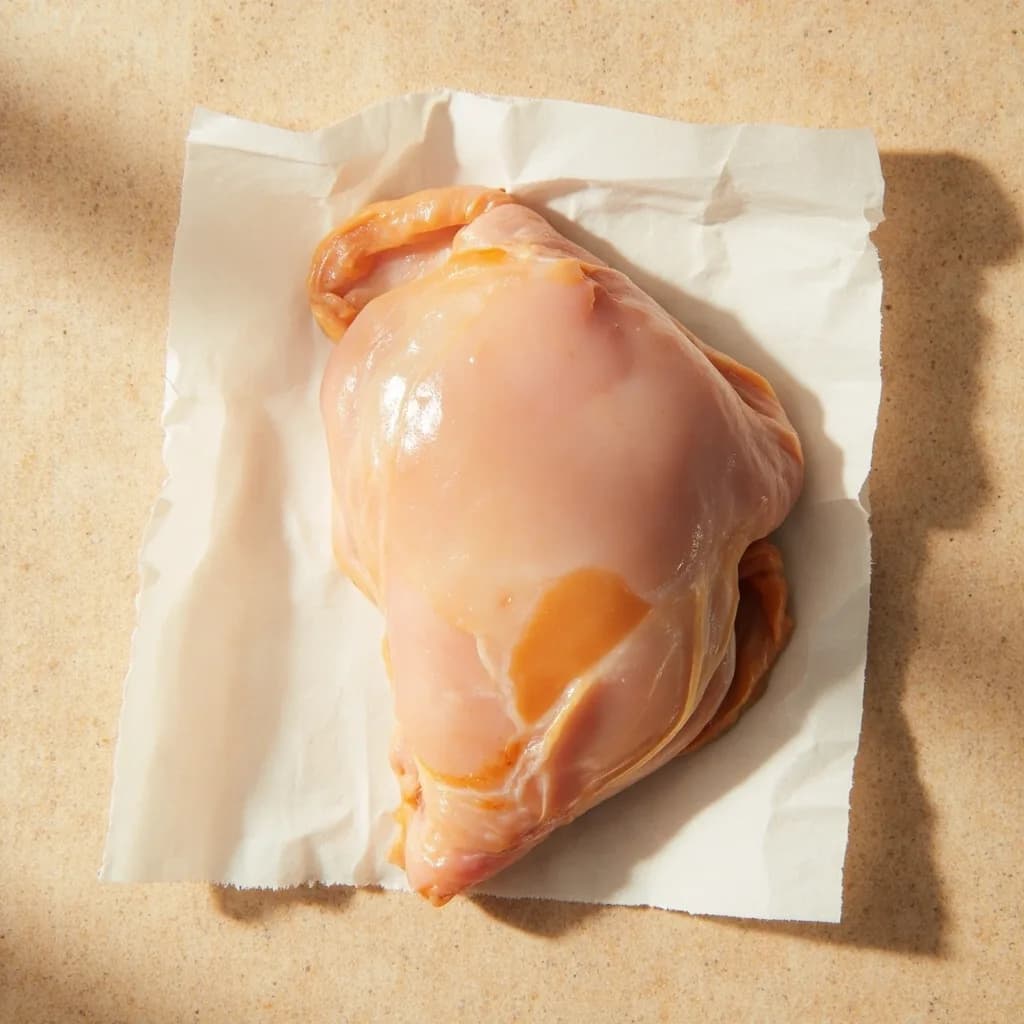
Chicken Breast
Lean, quick-cooking white meat for everyday dinners

Ground Beef
Versatile minced beef for burgers, ragù, tacos, and meatballs
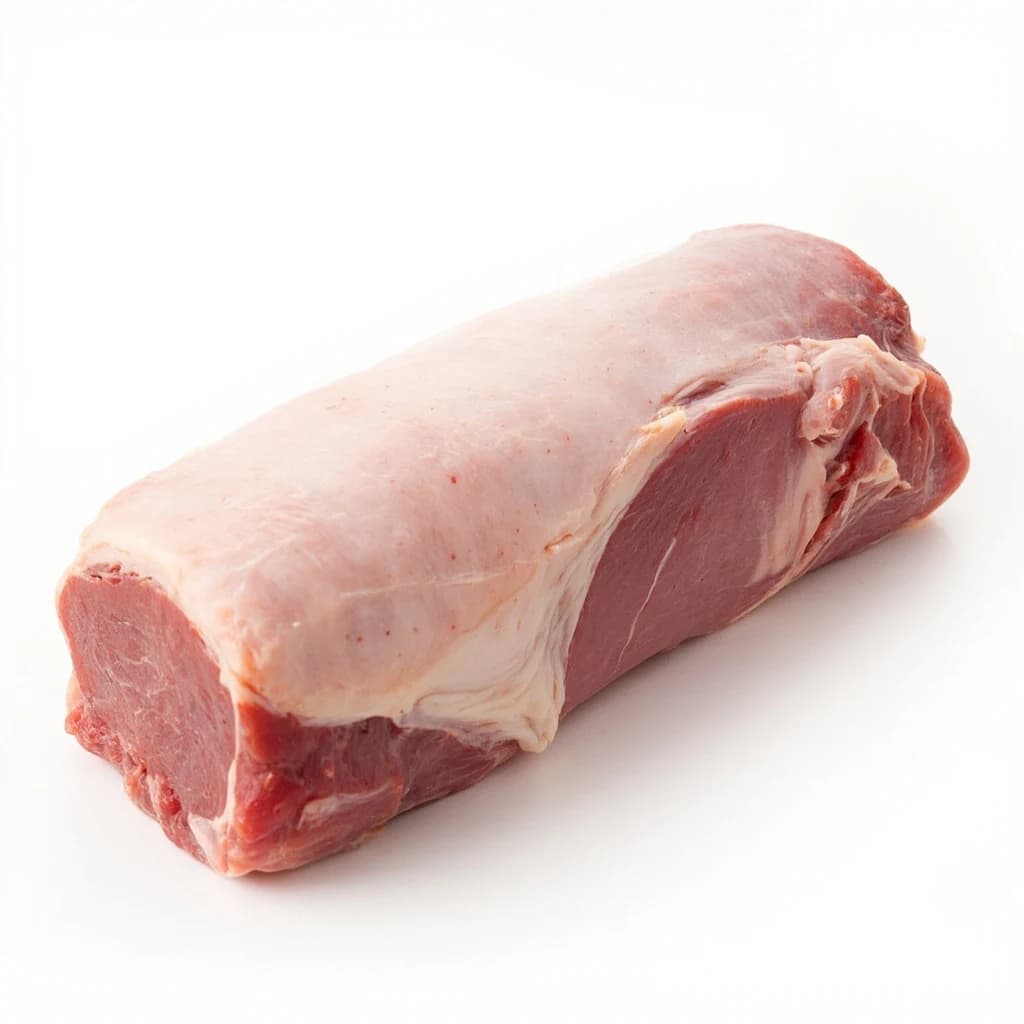
Pork Loin
Lean, tender roasting cut that stays juicy with care
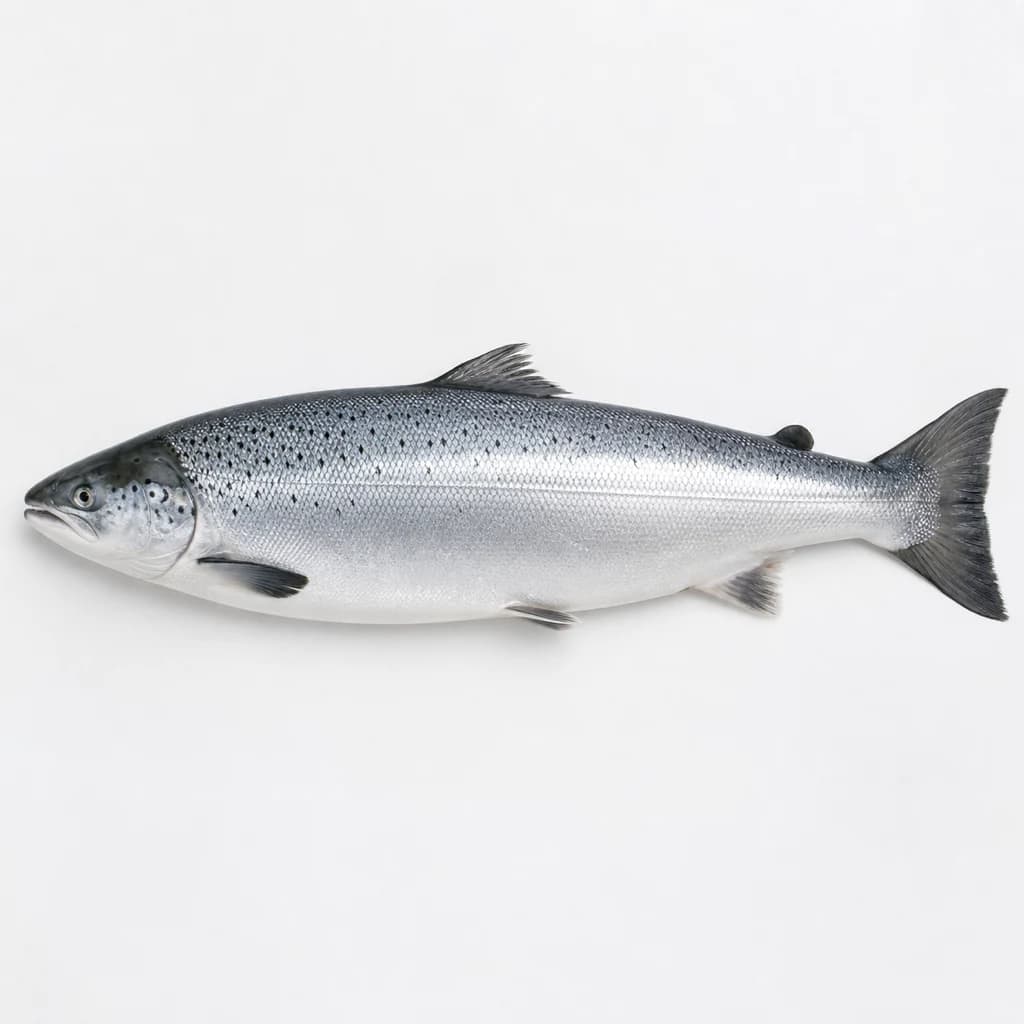
Salmon
Rich, rosy fish that roasts, grills, or cures beautifully

Egg White
Pure protein that whips to airy peaks for meringue and more
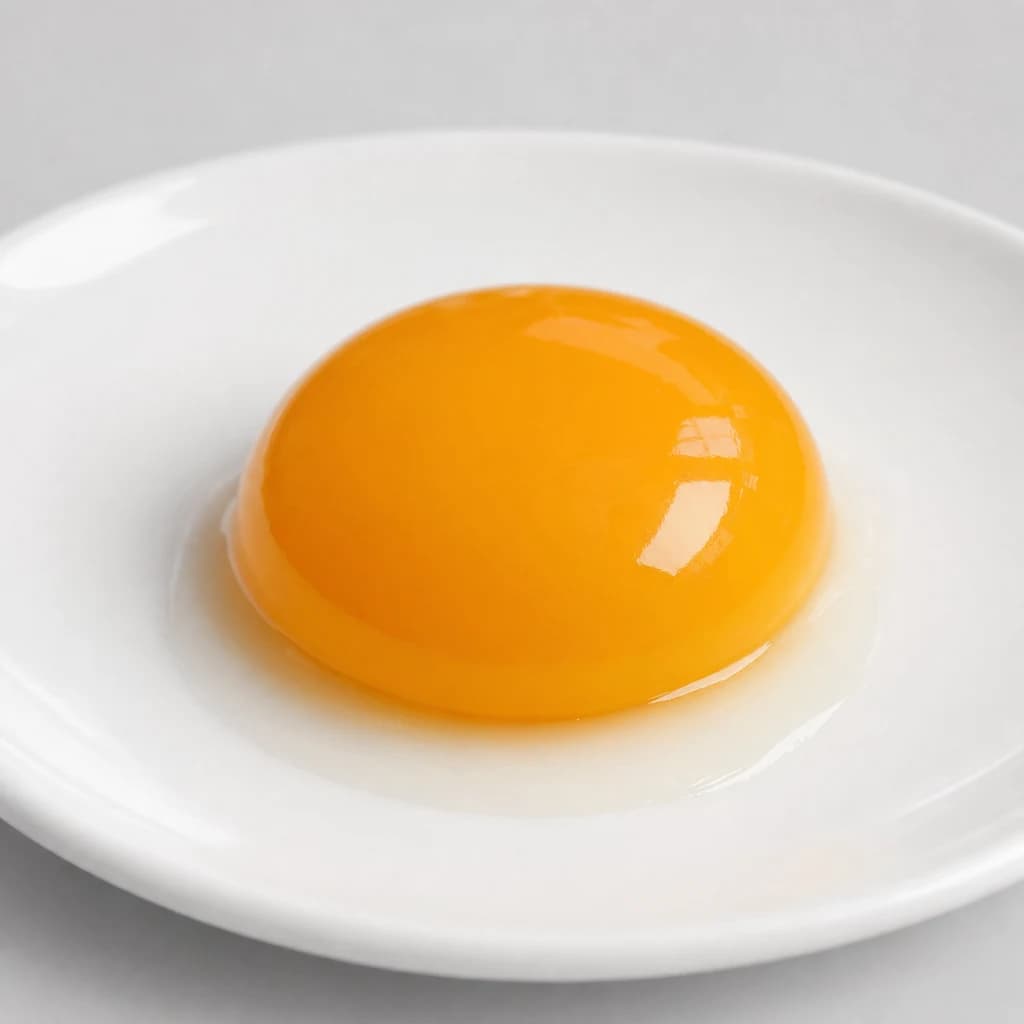
Egg Yolk
Rich, golden yolk for custards, mayonnaise, and pasta

Quail Egg
Tiny, speckled eggs for garnishing and elegant bites