
Natural form
Whole surf clam showing intact shell exterior and characteristic large, oval shape.
Shows the reader how to identify a whole, unprocessed hokkigai by its shell size, shape, and coloration.
Proteins
Surf Clam (Hokkigai)
Sweet, firm clam with a red-tipped foot; served as sushi and in sashimi.
Surf clam, known in Japanese as hokkigai, is a large clam with sweet, firm flesh and a distinctive red-tipped foot. It is briefly blanched, which turns the tip bright red, and served as nigiri sushi, sashimi, or in salads. Its mild sweetness and crisp texture make it a sushi-bar favorite.
Surf clam, known in Japan as hokkigai (北寄貝), is one of the defining ingredients of northern Japanese cuisine. The name literally means "northern clam," referencing Hokkaido prefecture where it has been harvested for centuries. What sets this clam apart is the striking visual contrast between its pearly white body and vivid red or pink-orange foot tip—the latter being the muscular anchor the clam uses to burrow into sand. The foot is not just edible but considered the most prized part, left intact as a signature presentation element in high-end sushi bars.
In flavor and texture, hokkigai occupies a special niche among shellfish. The taste is sweet and clean with a briny, mineral finish that speaks clearly of cold northern waters. The texture is firm and slightly crunchy with an elastic snap that holds up beautifully to slicing, making it one of the few clams suited to raw sashimi service. When briefly blanched, the flesh tightens into something almost snappy, yet remains tender at the core. This versatility—equally at home as pristine raw slices or quickly cooked in soups and light sautés—has made it a staple of Japanese sushi bars worldwide.
Commercial harvesting in Hokkaido and the Tohoku region has made hokkigai relatively reliable in markets, though wild-caught specimens from cold northern waters still carry superior flavor density. For sushi service, hokkigai is sometimes served with just a touch of usukuchi soy sauce and a sliver of myoga ginger rather than the standard wasabi, allowing the clam's intrinsic sweetness to lead the palate.
- Measured in
- piece
- Storage
- Fridge
Allergens
Types & varieties
Considered the premium variety; larger, sweeter, with deeper red foot tip; protected season to ensure sustainability
Harvested along the Pacific coast of Aomori, Iwate, Miyagi; slightly smaller but excellent quality
Harvested from the East Sea; similar profile to Japanese varieties; commonly frozen for export
Why the Foot Matters
The red foot of hokkigai is not decorative—it is the business end of the clam, the muscular anchor it uses to dig into sandy substrates. This constant working gives the foot a dense, compact texture unlike the softer body meat. For sushi presentation, the foot is typically left whole and positioned to show the vivid color against white rice. The foot should be intact when you receive the product; any that arrive already severed have likely been roughly handled or are past their prime.
- Never discard the foot—it is the most prized part of the clam
- Insist on whole-foot presentation for authentic sushi service
- The deeper the red color, the more intense the visual impact on the plate
Sourcing for Raw Service
Because hokkigai is frequently served raw, sourcing cannot be an afterthought. Japanese food safety regulations require that shellfish served raw be processed in licensed facilities that test for Vibrio and other pathogens. Frozen-then-thawed product from such facilities is legally acceptable for sashimi service and is often considered safer than prolonged cold storage of unfrozen product. When purchasing domestically in Japan, ask your fishmonger to confirm sushi-grade status. Outside Japan, look for product from suppliers who specifically market to sushi restaurants and can provide chain-of-custody documentation.
- Never assume frozen product is inferior for raw service—proper flash-freezing is safer than prolonged cold storage
- Ask your fishmonger specifically about sushi-grade certification
- Avoid purchasing live clams for raw service unless you can verify their handling history
Common uses
Tips & pitfalls
- For sashimi, briefly blanch whole clams for 10–15 seconds in simmering water, then immediately ice-bath to firm the flesh before slicing—this prevents tearing and gives cleaner, more stable slices without cooking the interior
- Always check for freshness: live shells should be tightly closed or snap shut when tapped; discard any that gape or smell of iodine or ammonia
- Rinse shells thoroughly under cold running water and scrub with a brush to remove sand and barnacles before shucking
- The red foot is edible and desirable—do not discard it; it is often left intact as the signature presentation element
- Do not overcook: clams become rubbery and lose their delicate sweetness within 30–60 seconds of cooking; remove from heat as soon as the flesh turns opaque
- Store live clams in a bowl of salted ice water (roughly 3% salt) in the refrigerator, not submerged in fresh water which will kill them
- When slicing for sashimi, cut against the grain of the muscle fibers for a more tender bite
- Allow hokkigai to rest briefly at cool room temperature before serving—serving it too cold straight from the refrigerator can mute the sweetness
Nutrition
Nutrition
No USDA FoodData Central match for Surf Clam (Hokkigai) yet. We surface a per-100 g profile once a generic whole-food entry is matched and verified.
In the shops
Matched grocery products
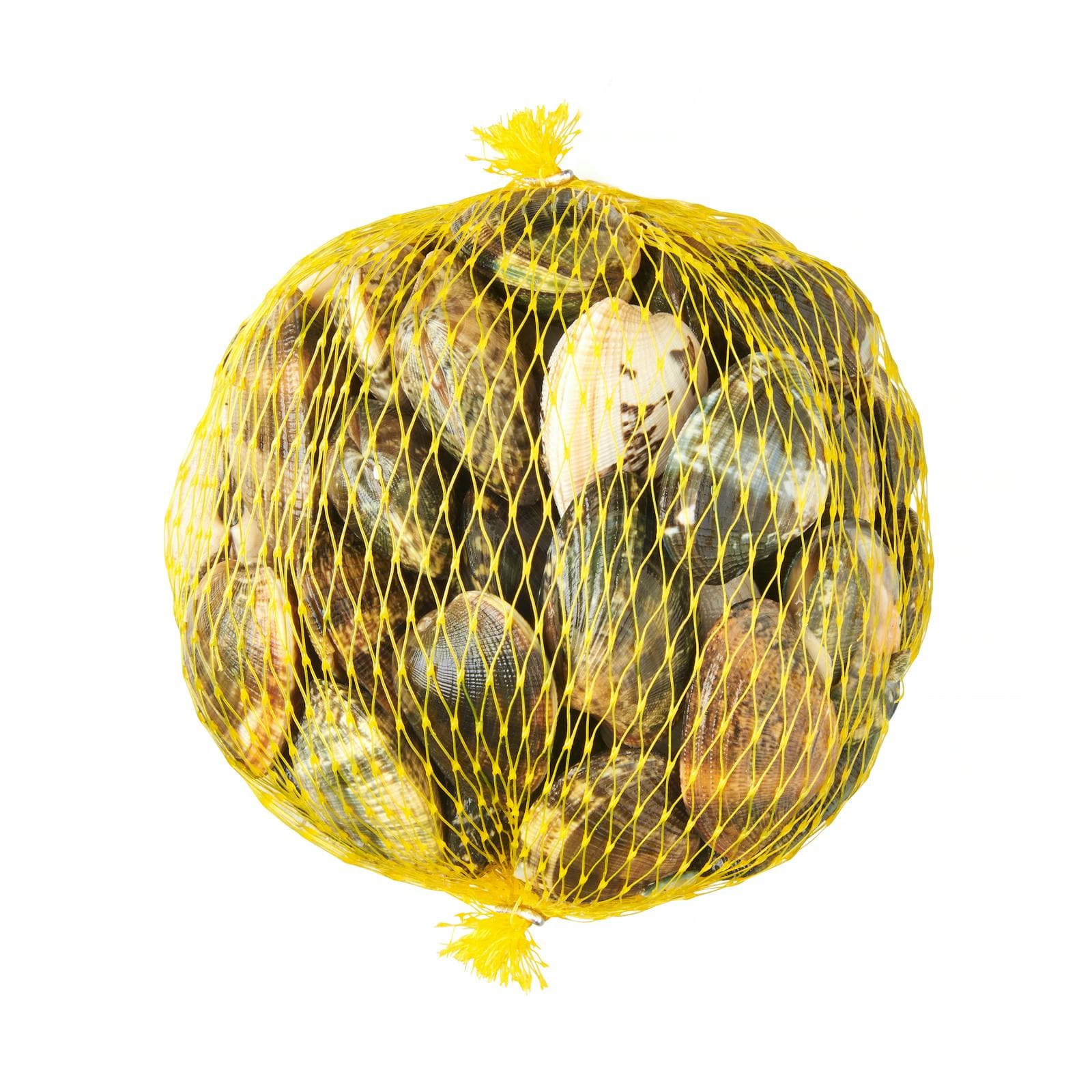 €10.70
Japanese Clam
500 g · Mercadona
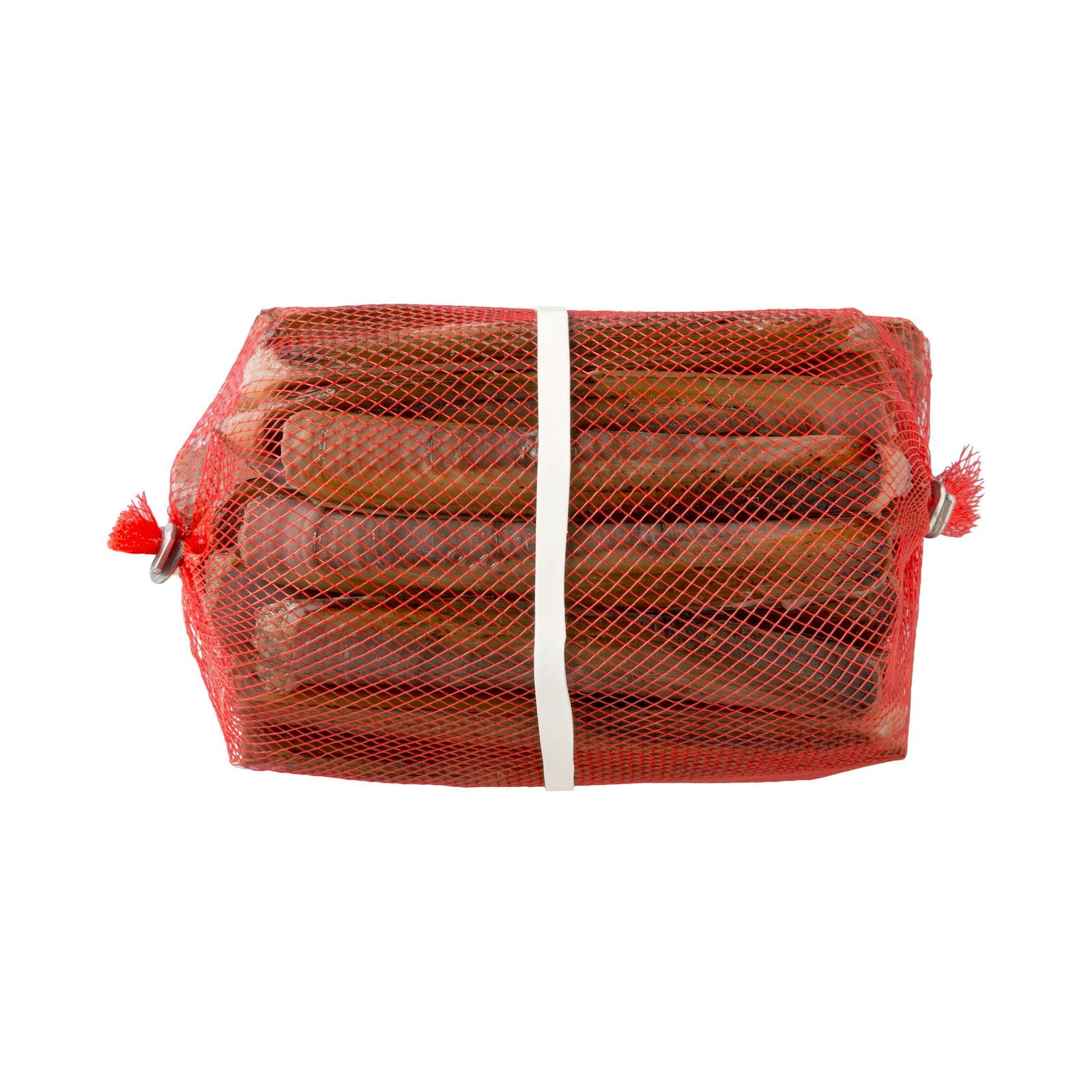 €4.50
€4.50Razor Clams
500 g · Mercadona
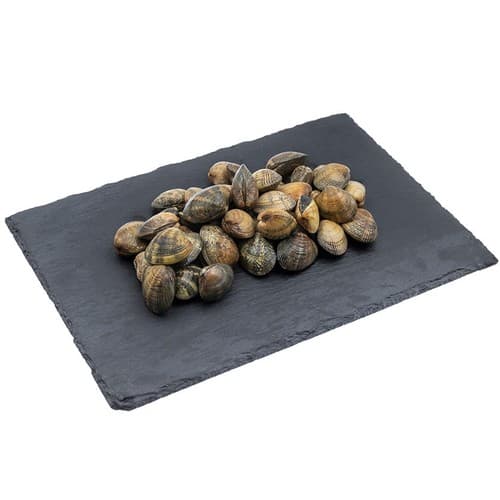 €7.50
€7.50Japanese Clam
ud · Bonpreu
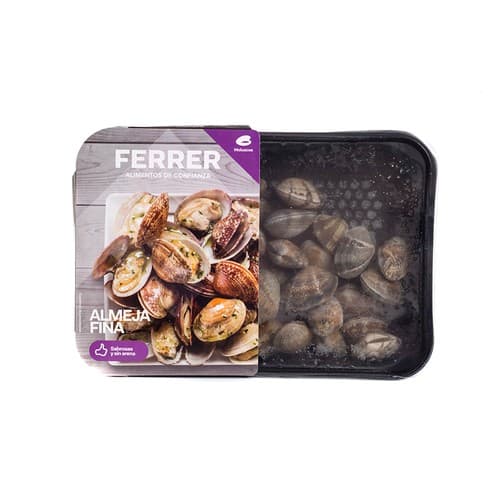 €8.65
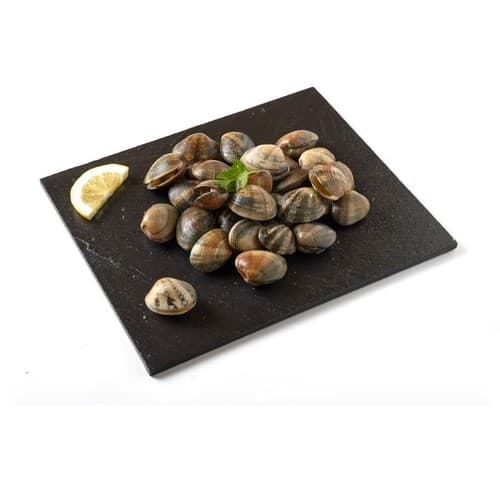
€8.65Fine Clams Ferrer
FERRER · kg · Bonpreu
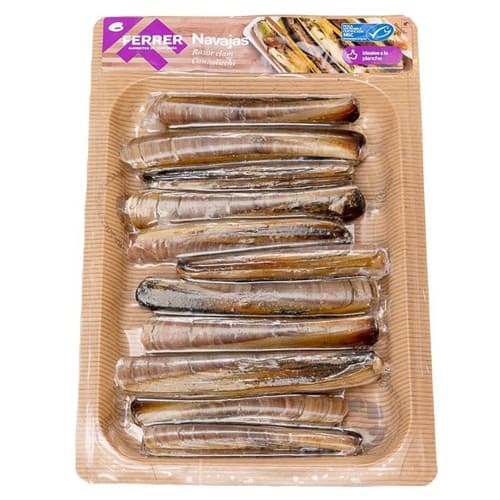 €3.35
€3.35FERRER Razor Clams
FERRER · kg · Bonpreu
 €14.99
Japanese Clam (unit)
Bonpreu
Good to know
- Scientific Name
- Spisula sachalinensis; also Mactra cumurata in some older classifications
- Japanese Name
- Hokkigai (北寄貝)
- Primary Origin
- Hokkaido and Tohoku regions of Japan; also harvested in Korean waters of the East Sea
- Peak Season
- Winter, particularly December through February in Japan
- Flavor Profile
- Sweet, clean, briny; mildly oceanic with subtle mineral notes
- Texture
- Firm and slightly crunchy with an elastic snap; the foot provides satisfying resistance
- Distinctive Feature
- Muscular foot with vivid red or pink-orange tip—the signature visual element
- Typical Size
- 4–7 cm (1.5–3 inches) in shell; shucked meat is roughly 2–4 cm
- Shelf Life
- Live clams: 1–2 days refrigerated on ice; shucked meat: use same day for sashimi quality
- Typical Yield
- Meat is roughly 20–25% of live weight after shucking and cleaning
- Common Forms
- Fresh in shell, shucked meat, and frozen (IQF or block-frozen)
Substitutes
- Short-neck Clam (Asari) — Milder flavor, softer texture; widely available; suitable for cooked preparations but lacks the firmness and visual red foot of hokkigai
- Razor Clam — Comparable firm, meaty texture; slightly earthier; works well for sashimi and sushi when hokkigai is unavailable
- Green Lip or Black Lip Abalone — Similar firm, crunchy texture in the foot; considerably more expensive; acceptable for presentation-focused sashimi dishes where cost is not a constraint
- Sea Snail (Sazae) — Different species with a spiral shell; used for visual appeal in sushi presentations rather than flavor or texture matching
- Cockle — Firmer than most clams; sweet enough for basic sashimi use; widely available in markets
Pairs with
Also called
Hokkigai · Hokki Clam
Related
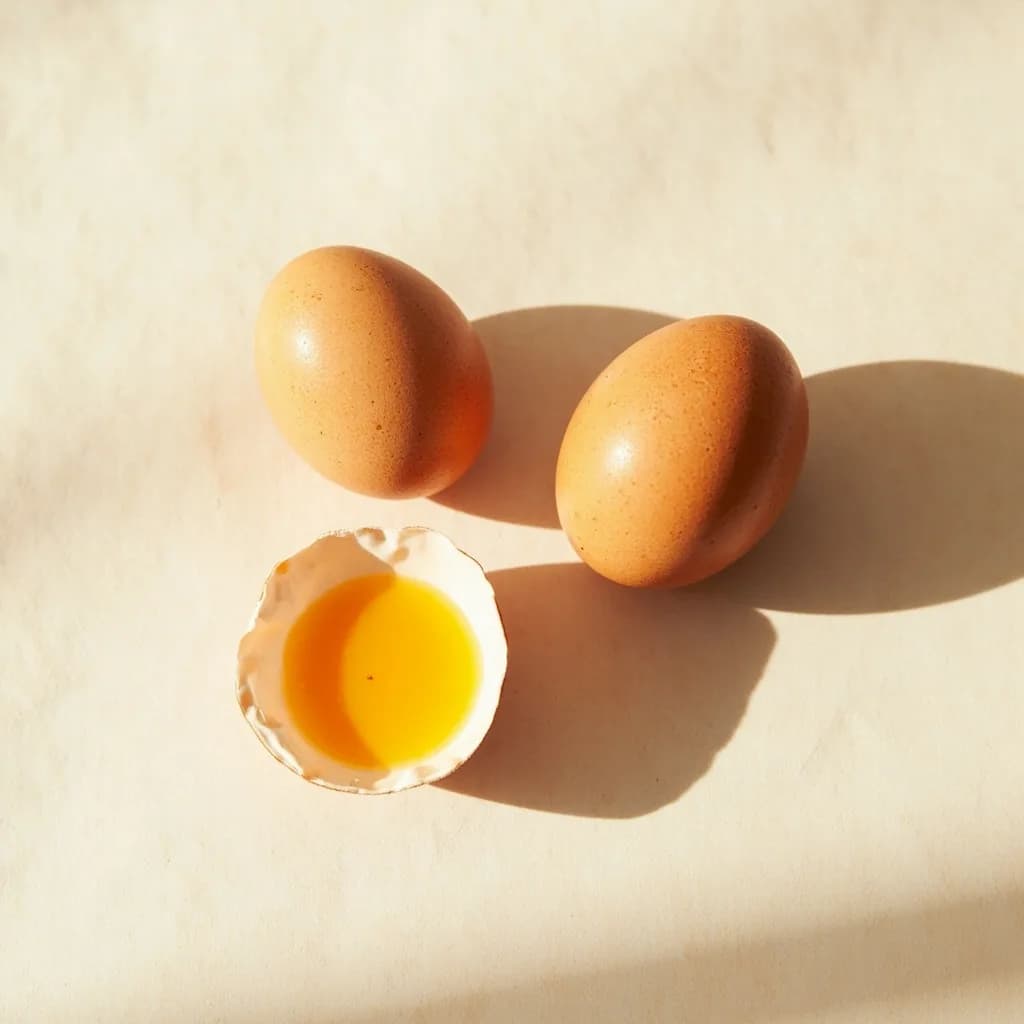
Egg
The kitchen's everything ingredient — bind, leaven, enrich, or fry
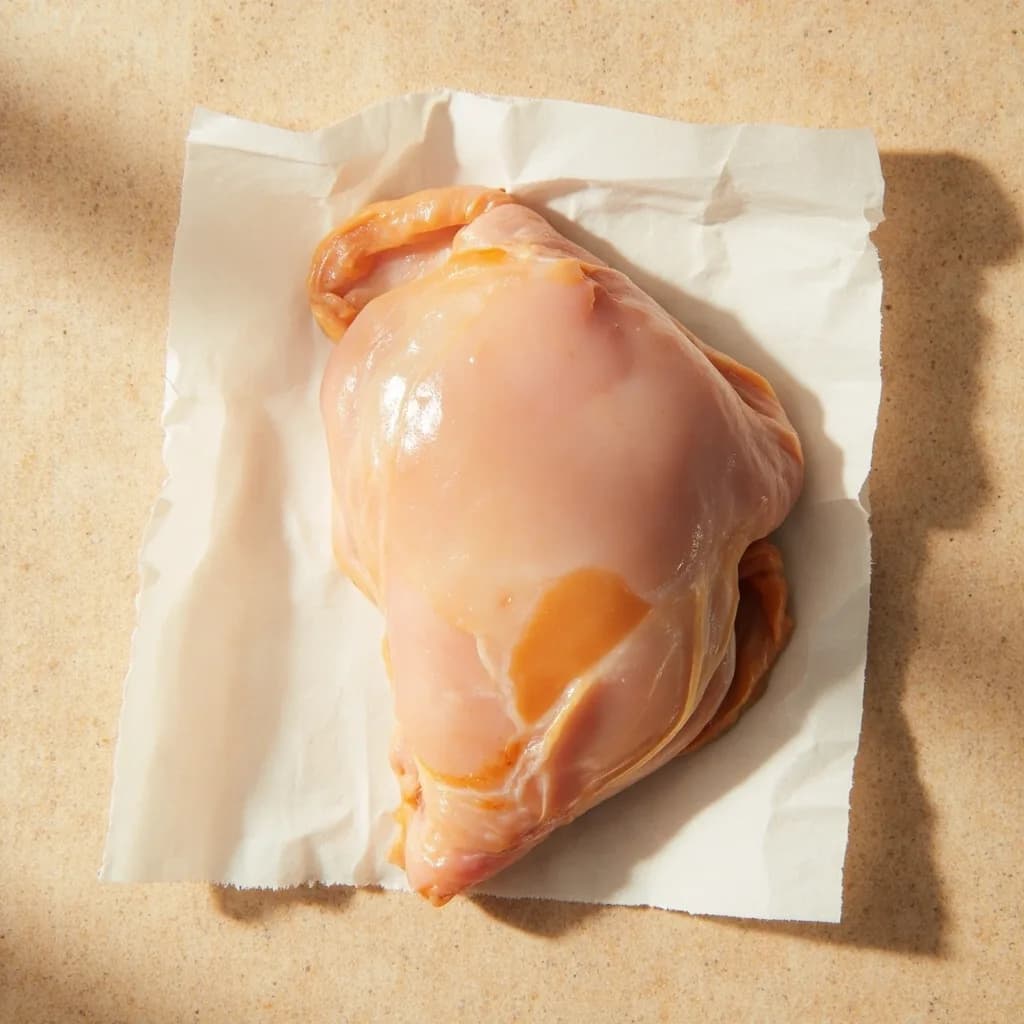
Chicken Breast
Lean, quick-cooking white meat for everyday dinners

Ground Beef
Versatile minced beef for burgers, ragù, tacos, and meatballs
Pork Loin
Lean, tender roasting cut that stays juicy with care
Salmon
Rich, rosy fish that roasts, grills, or cures beautifully

Egg White
Pure protein that whips to airy peaks for meringue and more
Egg Yolk
Rich, golden yolk for custards, mayonnaise, and pasta

Quail Egg
Tiny, speckled eggs for garnishing and elegant bites