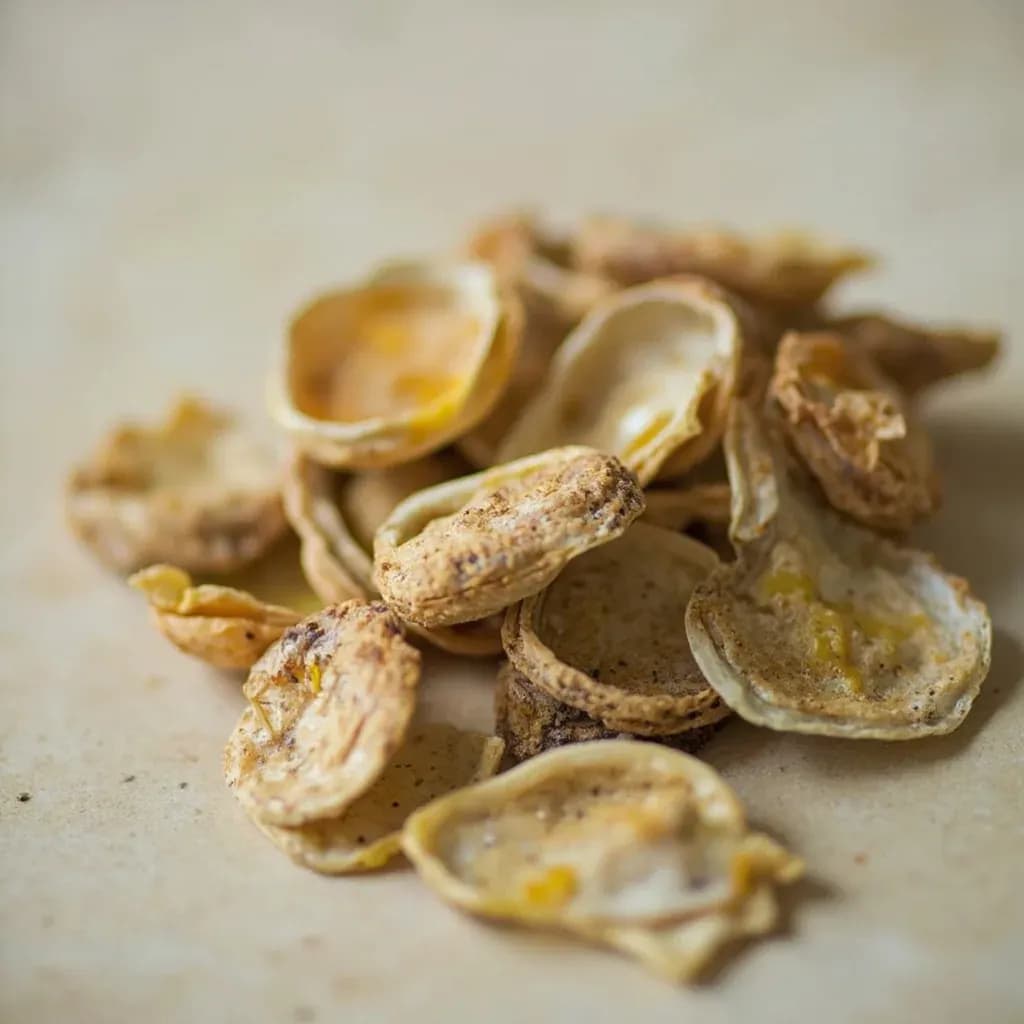
Proteins
Cockle
Small heart-shaped clams with sweet briny meat — steamed, pickled, or tossed into pasta.
Cockles are small, ribbed, heart-shaped bivalve clams found on sandy shores worldwide. Their tender, sweet-briny meat is steamed open, pickled in vinegar (a British seaside snack), or added to pastas, paellas, and Korean stews. They cook in minutes and need a good purge in salted water to remove grit.
Cockles are small heart-shaped bivalve mollusks with ribbed, grayish-brown shells that range from 1 to 4 centimeters depending on species. Unlike many clams that burrow deep into sand, cockles live just beneath the surface of intertidal mudflats and sandbars, making them accessible to both hand-gathering and mechanical harvesting. Their meat is sweet and briny with a distinctive mineral quality that reflects the specific salinity of their habitat — the same characteristics that make cockles prized in traditional preparations from Wales to Korea.
The common European cockle (Cerastoderma edule) has been a staple of coastal communities for centuries, harvested from the British Isles to West Africa. Blood cockles (Anadara granosa) dominate Asian markets, particularly in China, Japan, and Southeast Asia, where they are often sold pre-cooked and frozen due to their mechanical harvest and high demand. Whatever the species, cockles cook quickly — their small size means they go from raw to overcooked in a matter of minutes, and their yield is modest, typically 20 to 30 percent meat by weight after shucking.
Fresh live cockles should feel heavy for their size, indicating retained seawater inside the shell, and should close tightly when tapped. Any shell that remains open is dead and should be discarded. Their shelf life is short — one to two days refrigerated — which is why coastal cooks have developed traditions of preserving them: Portuguese and Spanish conservas, English cockle pies, and Korean salted cockle preparations all extend the season beyond the harvest window. The colder months from autumn through early spring produce firmer, sweeter meat, making this the preferred season for raw or lightly cooked preparations.
- Measured in
- g
- Storage
- Fridge
Allergens
Types & varieties
Cerastoderma edule — the standard European species; ribbed, grayish-brown shells; found from Norway to West Africa
Anadara granosa (also called Anadara antiquata) — dark reddish-brown shell; prized across East and Southeast Asia; meat has a deeper, iron-rich flavor
Dinocardium robustum — larger than European species (up to 9 cm); found from North Carolina to Brazil; firm-textured meat
Venus antiqua — large, round shells; native to South America's Pacific coast; common in Chilean and Peruvian cuisine
Not a true cockle but often substituted; Mercenaria mercenaria; slightly larger, thicker-shelled; similar sweet-briny flavor profile
Purging Sand from Cockles
Live cockles inevitably carry sand in their shells and digestive tracts. A proper purge is essential for a pleasant eating experience. The classic method involves a saltwater bath — mix 35 grams of coarse sea salt per liter of cold water (roughly the salinity of seawater). Submerge the cockles and refrigerate for one to two hours. The cockles will extend their siphons and expel sand as they filter-feed. A tablespoon of cornstarch or flour added to the purge water can improve results by encouraging more thorough purging.
Never use fresh water alone — it will kill the cockles before they purge, and the meat will become waterlogged. After purging, rinse each cockle under cold running water, scrubbing the shells with a brush if needed. Drain well and use immediately.
- Use 35g coarse salt per liter of cold water
- Soak 1–2 hours in the refrigerator
- Add cornstarch or flour to improve sand expulsion
- Rinse and scrub shells before cooking
- Use immediately after purging
Sourcing and Sustainability
Commercial cockle beds in the UK have faced periodic closures due to overharvesting and environmental pressures, making provenance an important consideration. When possible, seek out sustainably harvested cockles from established fisheries with transparent sourcing. In Asian markets, blood cockles are commonly sold frozen and pre-cooked — this is not a compromise but a valid option that skips the purging step entirely. Frozen cockles should be thawed slowly in the refrigerator overnight and used within the shelf-life window. Quality frozen cockles should still smell clean and oceanic, not of sulfur or decay.
- Check for sustainable sourcing certifications
- Frozen pre-cooked cockles are convenient and reliable
- Fresh cockles should be heavy and smell of the sea
- Avoid cockles with damaged or cracked shells
Common uses
Tips & pitfalls
- Always buy live cockles with closed shells or that close when tapped; discard any that remain open
- Purge sand by soaking live cockles in well-salted cold water (35 g salt per liter) for 1–2 hours before cooking
- Cook only until shells open, 2–4 minutes of steaming or boiling; overcooking makes the meat tough and rubbery
- Discard any shells that do not open after cooking
- For pickling, cook just until opened, then steep in hot vinegar brine for at least 24 hours
- If frozen, thaw slowly in the refrigerator overnight; do not refreeze cooked cockles
- Fresh cockles smell of the sea, not sulfur or decay — a sharp unpleasant odor means they are spoiled
- Blood cockles sold frozen and pre-shucked are convenient; add them to stir-fries and pasta after reheating thoroughly
Nutrition
Nutrition
No USDA FoodData Central match for Cockle yet. We surface a per-100 g profile once a generic whole-food entry is matched and verified.
In the shops
Matched grocery products
No matched grocery products for Cockle yet.
Good to know
- Scientific name
- Cerastoderma edule (common European cockle)
- Type
- Bivalve mollusk (saltwater clam)
- Flavor
- Sweet, briny, distinctly oceanic with a slight mineral quality
- Shell size
- 1–4 cm depending on species
- Peak season
- Autumn through early spring (colder months yield firmer meat)
- Shelf life
- Live: 1–2 days refrigerated; cooked: 2–3 days refrigerated
- Yield
- Approximately 20–30% meat by weight after cooking and shucking
- Allergens
- Shellfish (mollusk)
Substitutes
- Littleneck clams — Slightly larger but similar sweet flavor and tender texture; cook time may need adjustment
- Steamers (soft-shell clams) — Muddier flavor; requires thorough purging; different texture but works in most preparations
- Mussels — Cook faster and have a slightly stronger sea flavor; substitute 1:1 in steamed preparations
- Manila clams — Comparable size and sweet-briny taste; excellent direct substitute in pasta and soup applications
Pairs with
Also called
Berberecho · Heart Clam
Related
Egg
The kitchen's everything ingredient — bind, leaven, enrich, or fry
Chicken Breast
Lean, quick-cooking white meat for everyday dinners

Ground Beef
Versatile minced beef for burgers, ragù, tacos, and meatballs
Pork Loin
Lean, tender roasting cut that stays juicy with care
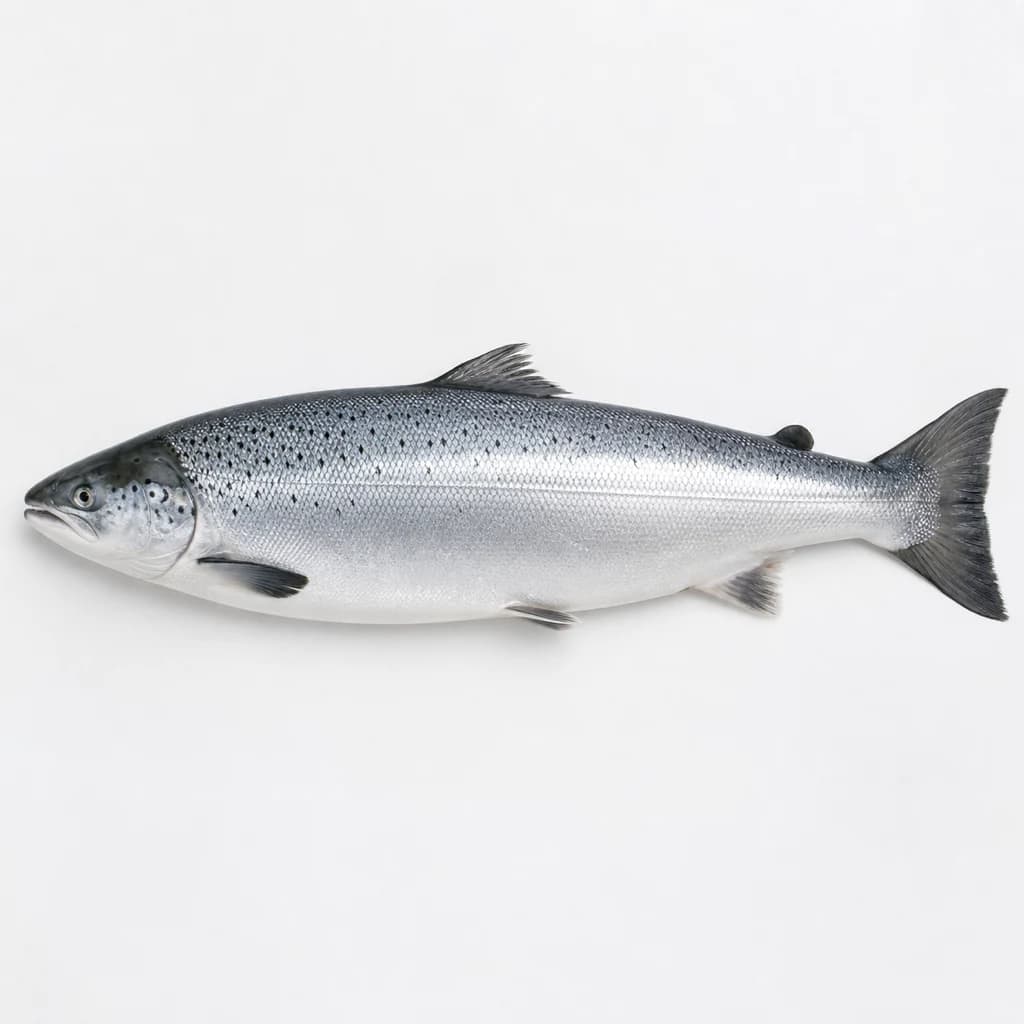
Salmon
Rich, rosy fish that roasts, grills, or cures beautifully

Egg White
Pure protein that whips to airy peaks for meringue and more
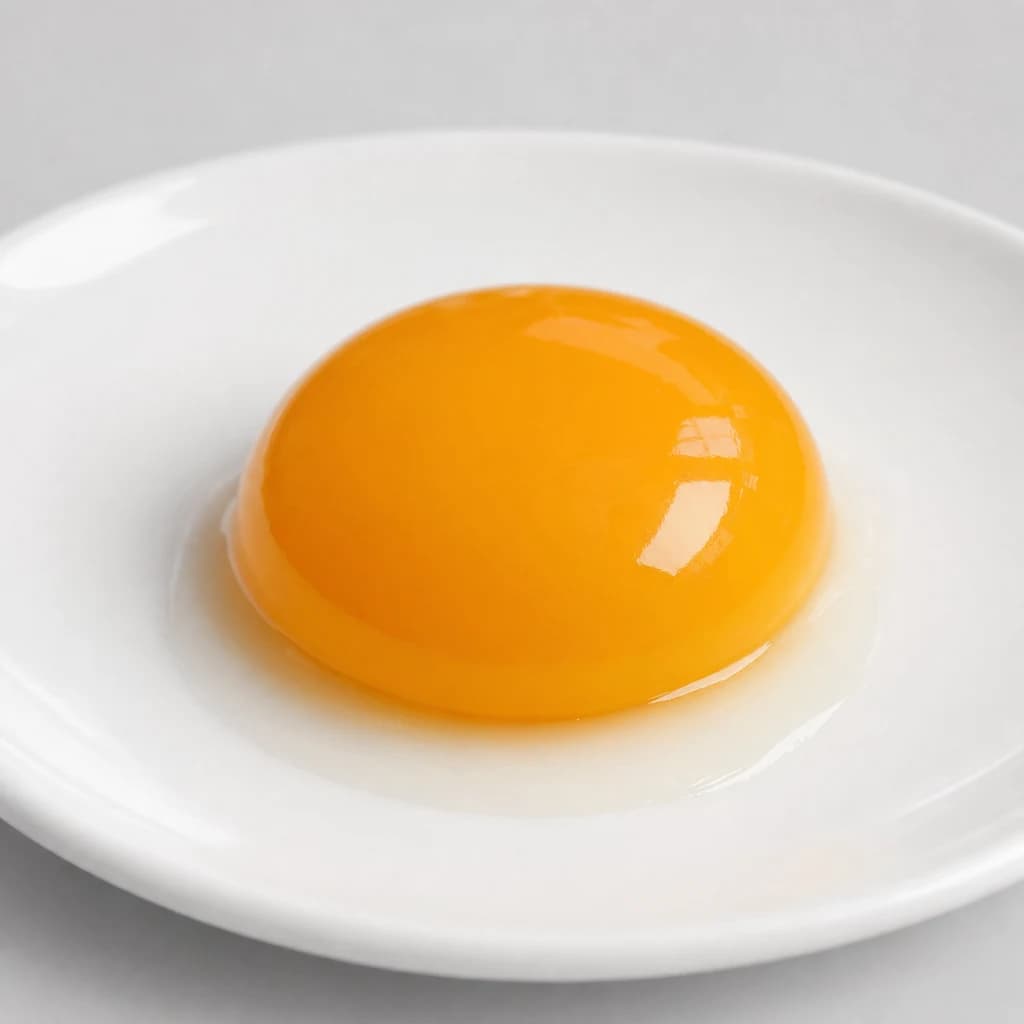
Egg Yolk
Rich, golden yolk for custards, mayonnaise, and pasta

Quail Egg
Tiny, speckled eggs for garnishing and elegant bites